What Changes With the Season
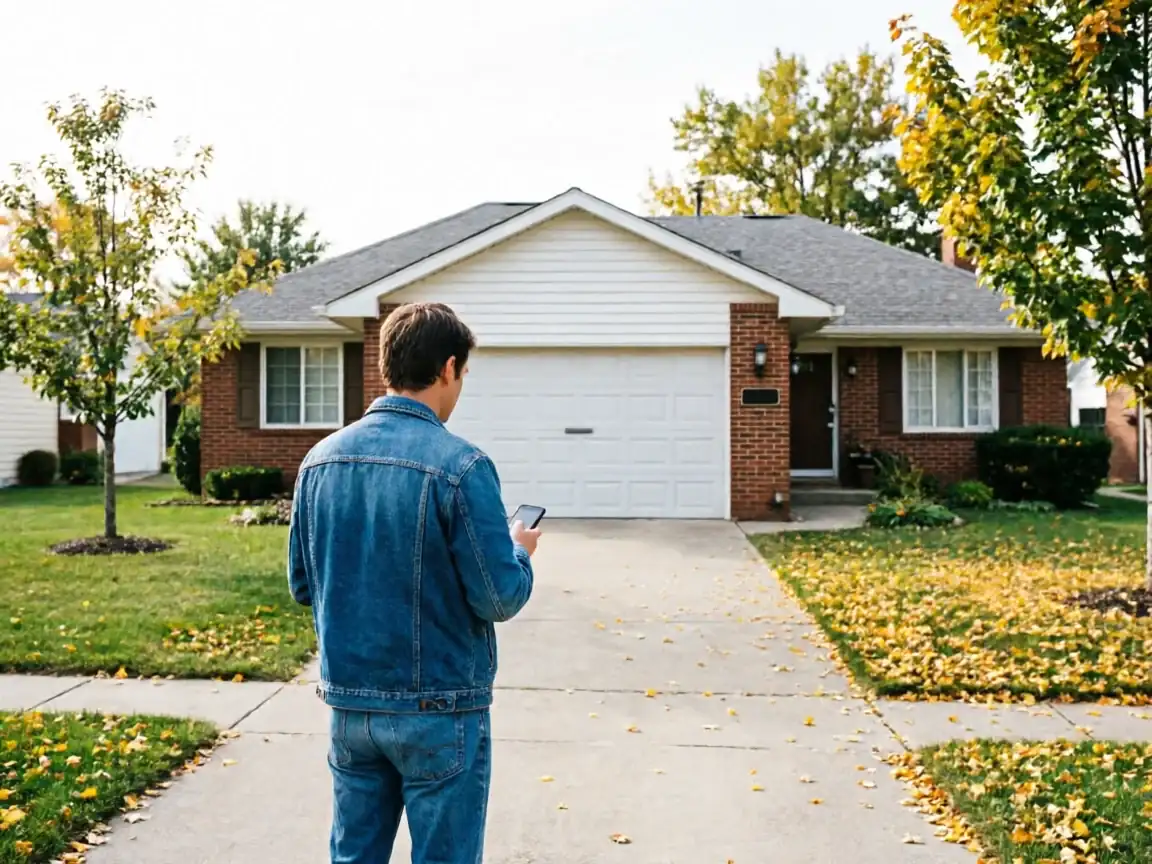
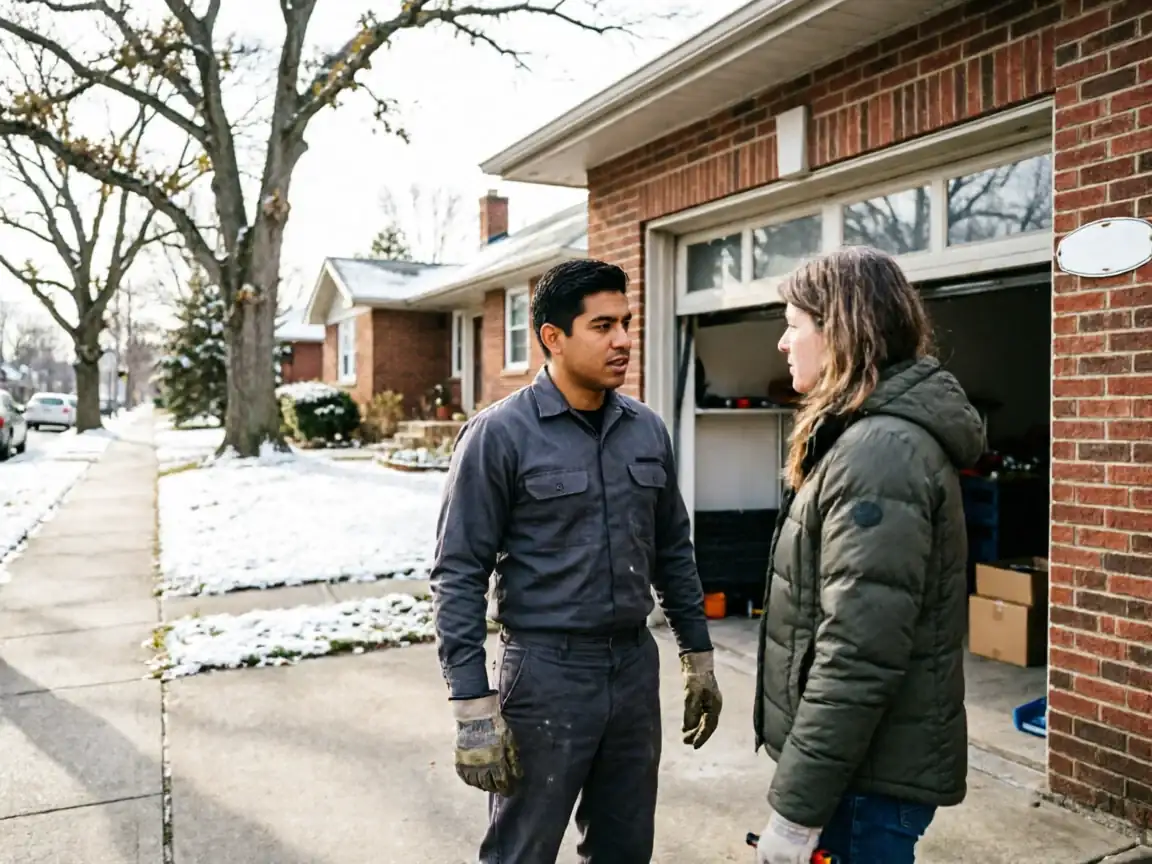
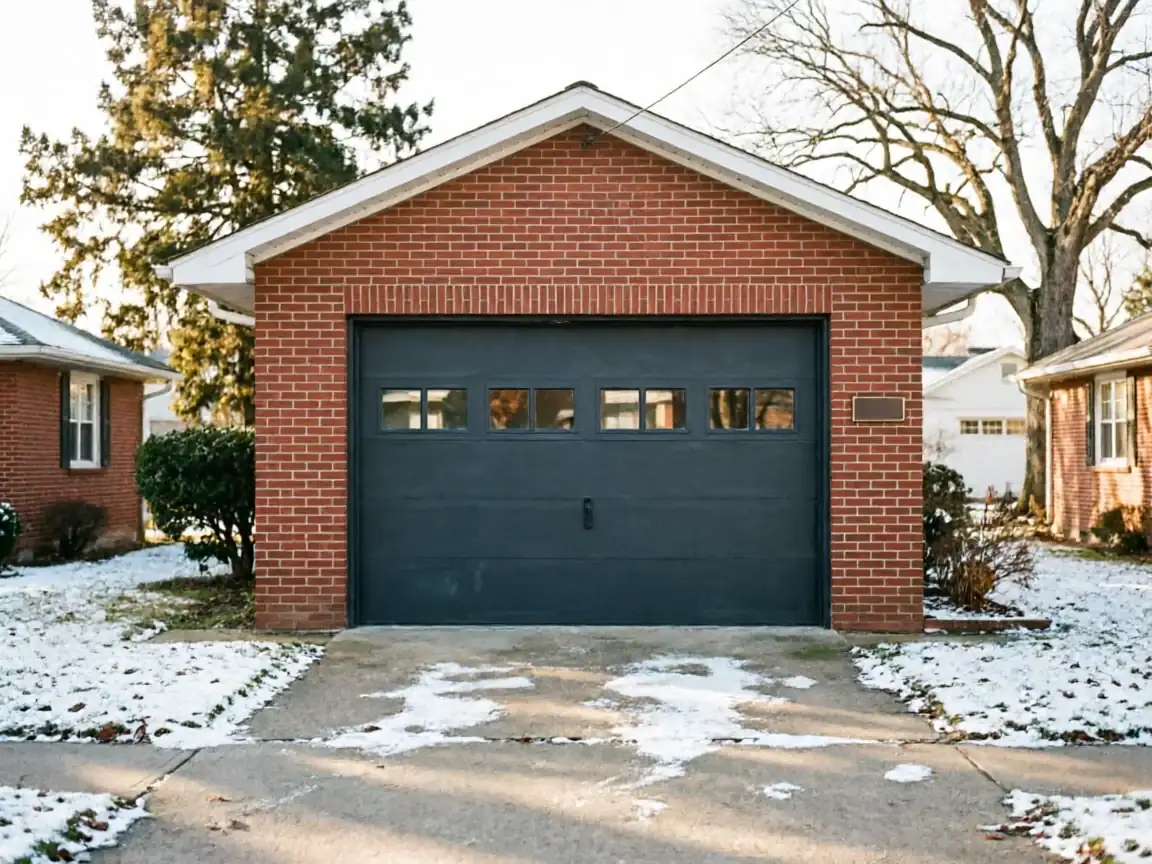
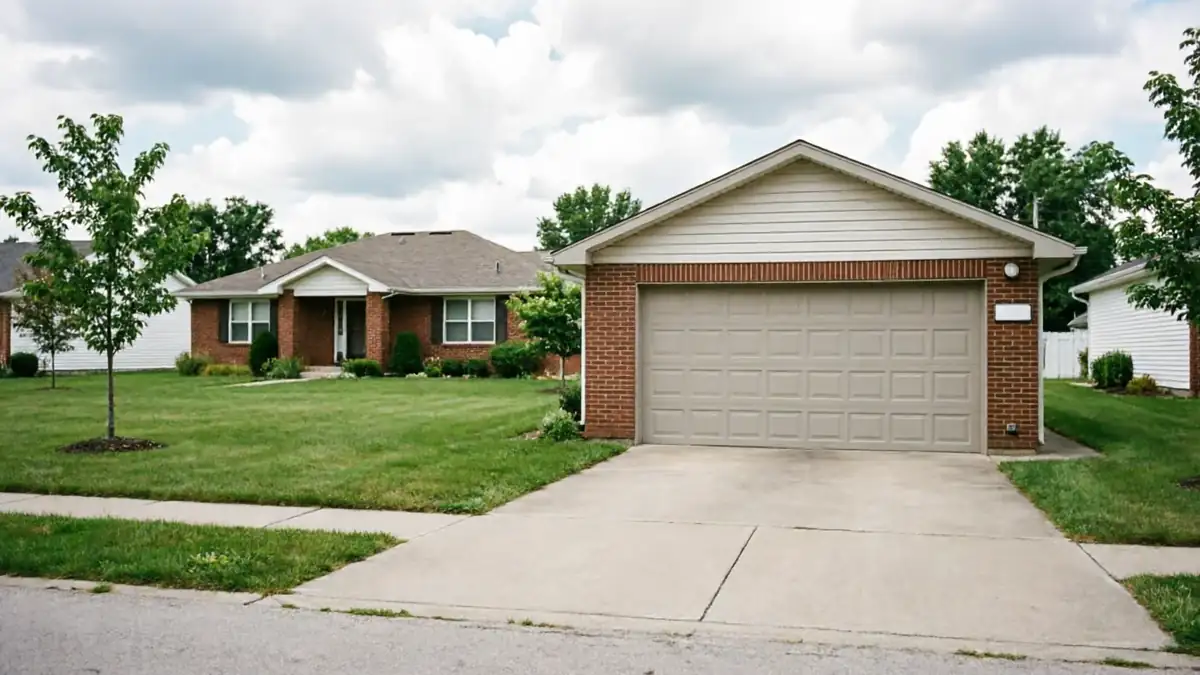
A detached garage in this area sits out past the thermal envelope of the house, which means the door and the opener take the full swing of a cold-moderate winter with nothing warming the slab or the air around them. An attached garage, by contrast, usually shares at least one wall with conditioned living space, so the door is the main barrier between heated rooms and outside air. That difference matters more here than in a mild climate, because Ballwin sits in a cold moderate band where you get real freeze-thaw cycles each winter. On an attached door, a worn bottom seal lets cold air push straight into the house side of that shared wall, which shows up as a cold floor in the room next door. On a detached door, the same worn seal just means a colder garage, no complaint from inside the house, and springs that have to work harder lifting a door that's picked up moisture and gone stiff in the cold. Neither problem fixes itself, but they're not the same problem, and a shop that treats every door the same misses which one actually needs attention first.
When to Get Help
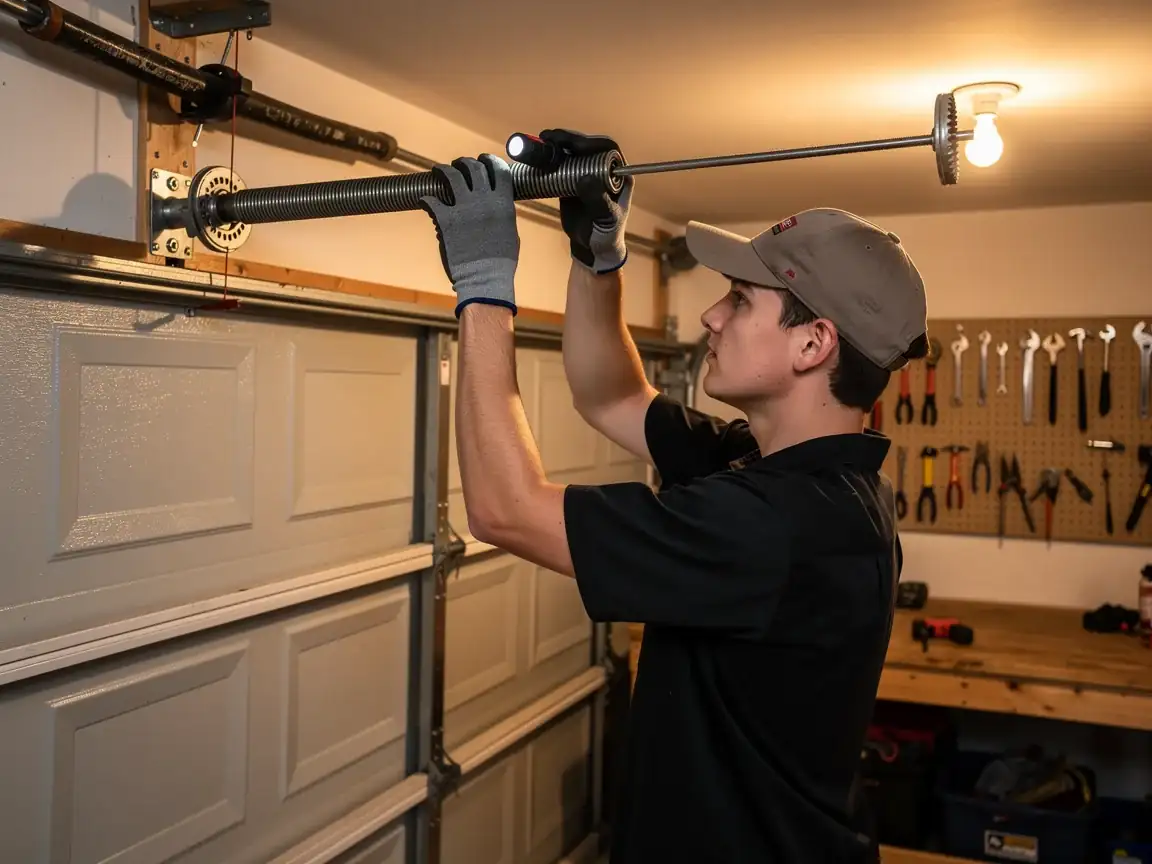
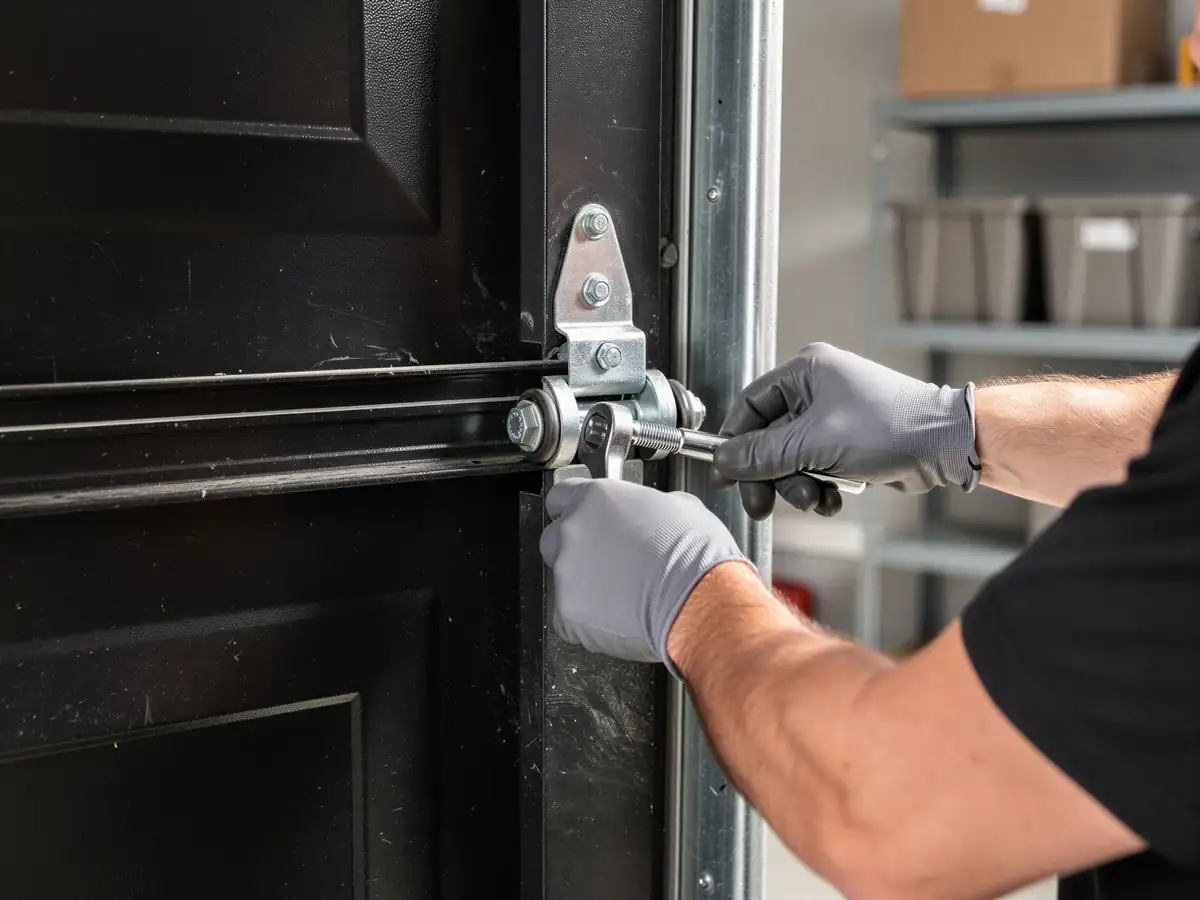
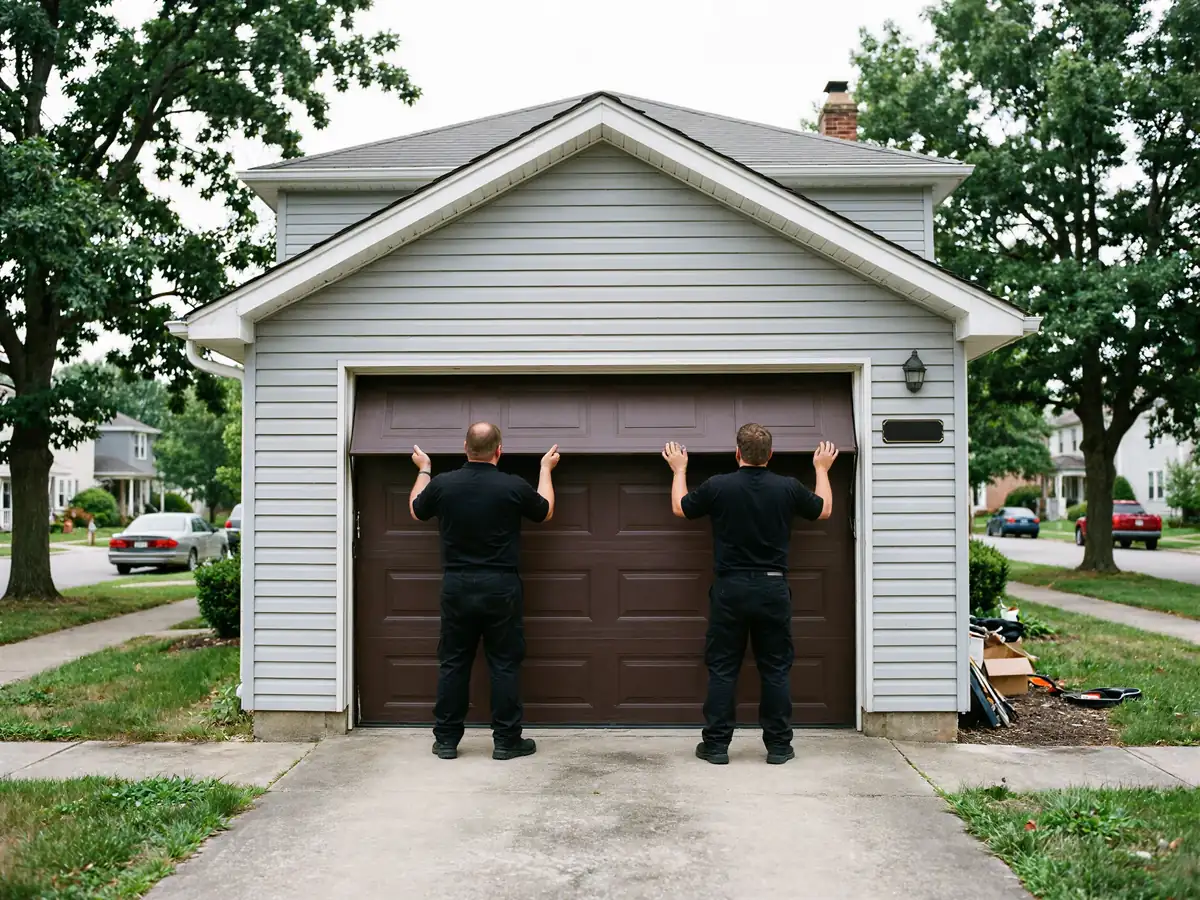
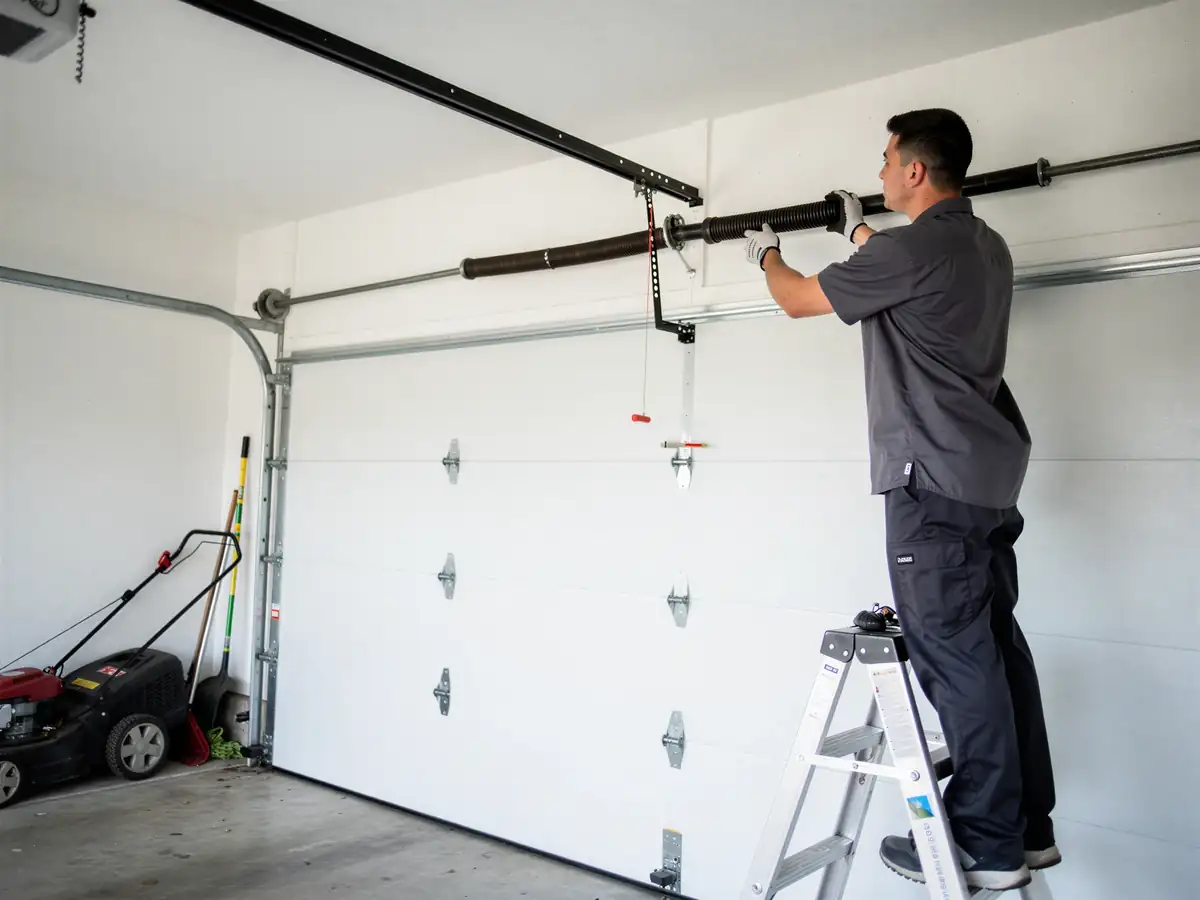
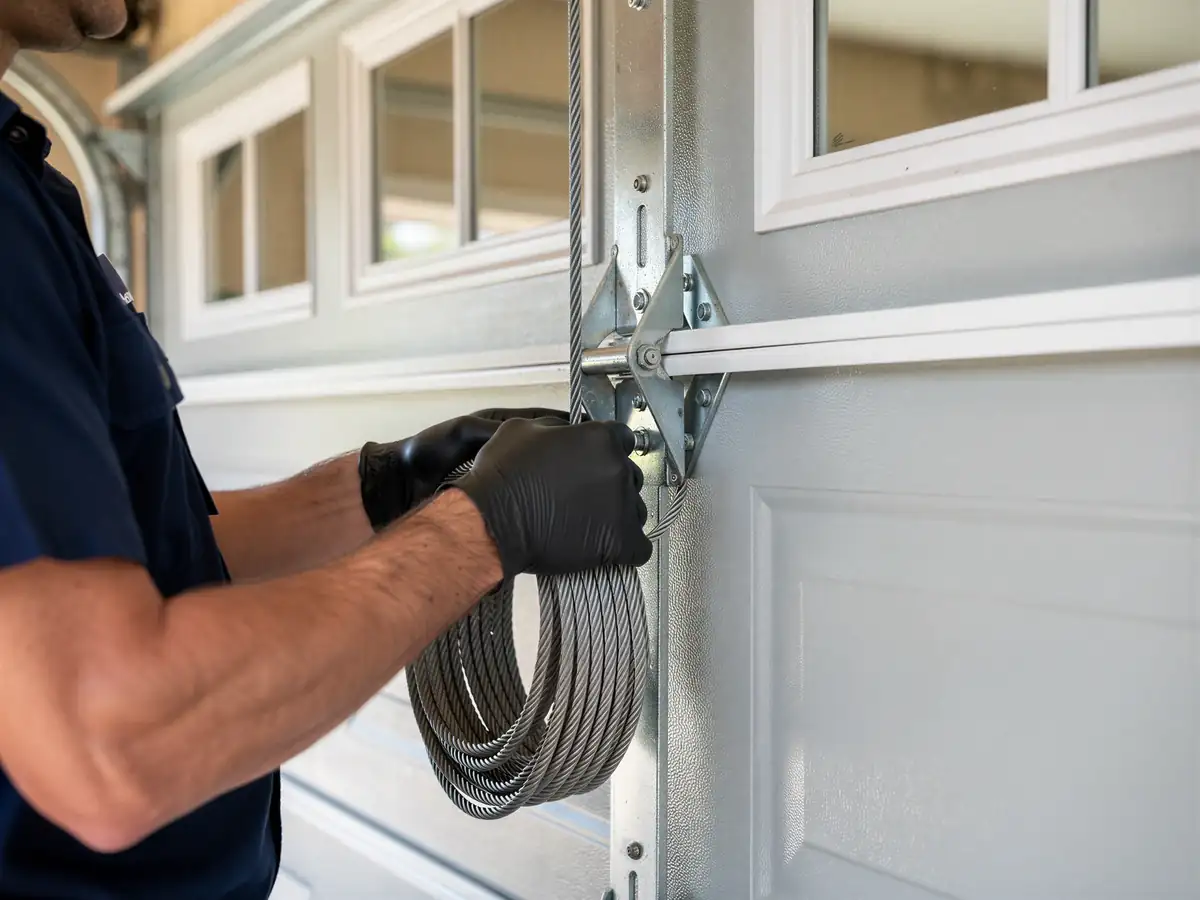
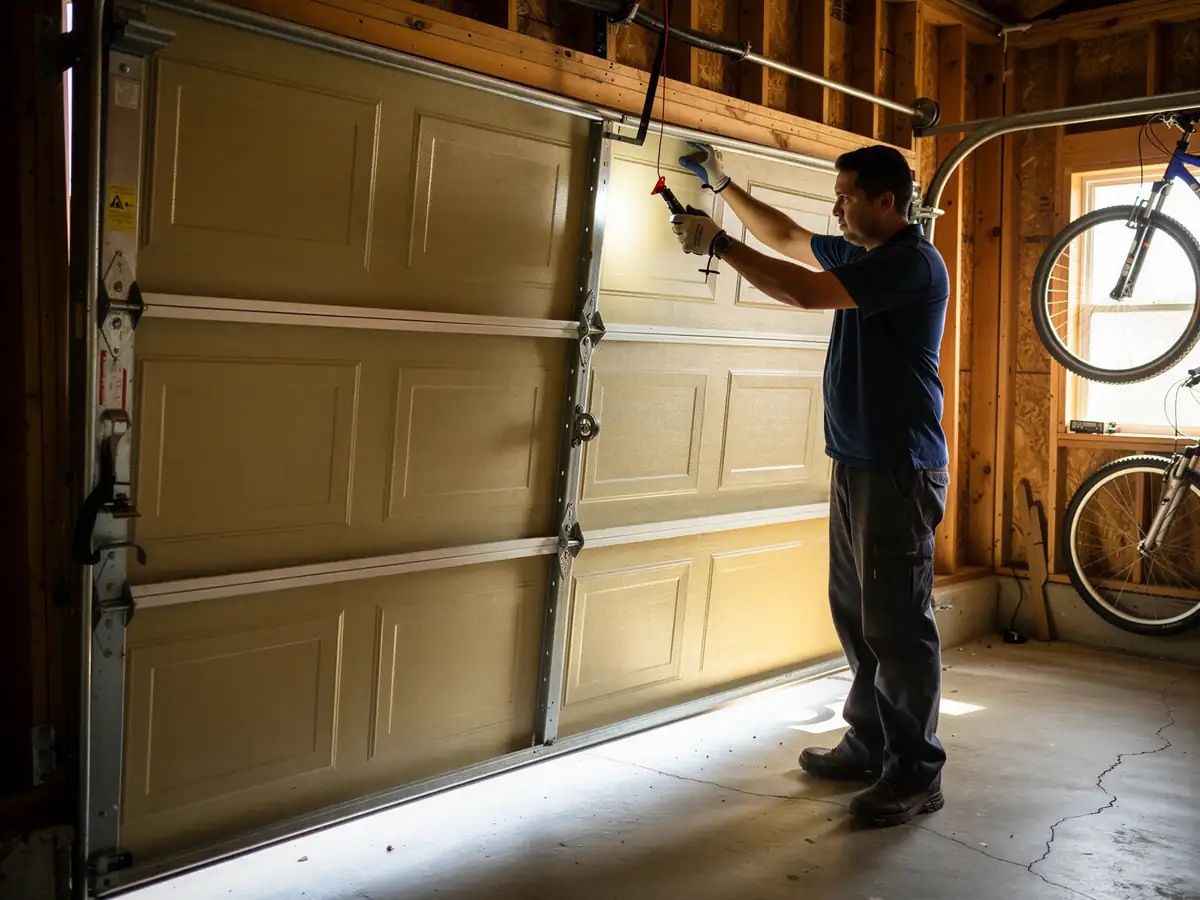
Call before a cable snaps or a spring lets go, not after - once a torsion spring breaks under tension on either a detached or attached setup, the door can drop hard and that's not a DIY fix. On an attached garage, get it looked at any time you feel cold air coming through the wall it shares with the house, since that's often the door seal, not the insulation behind the drywall. On a detached structure, a door that's started sagging on one side usually means the track bolts have worked loose in a wood frame that's moved over the decades - common in garages from the 1960s and 70s stock in this area. One limitation worth saying plainly: if the detached garage's framing itself has shifted out of square, a new door won't sit right until that framing issue is addressed first, and that's carpentry work, not a door repair.
What Local Conditions Do
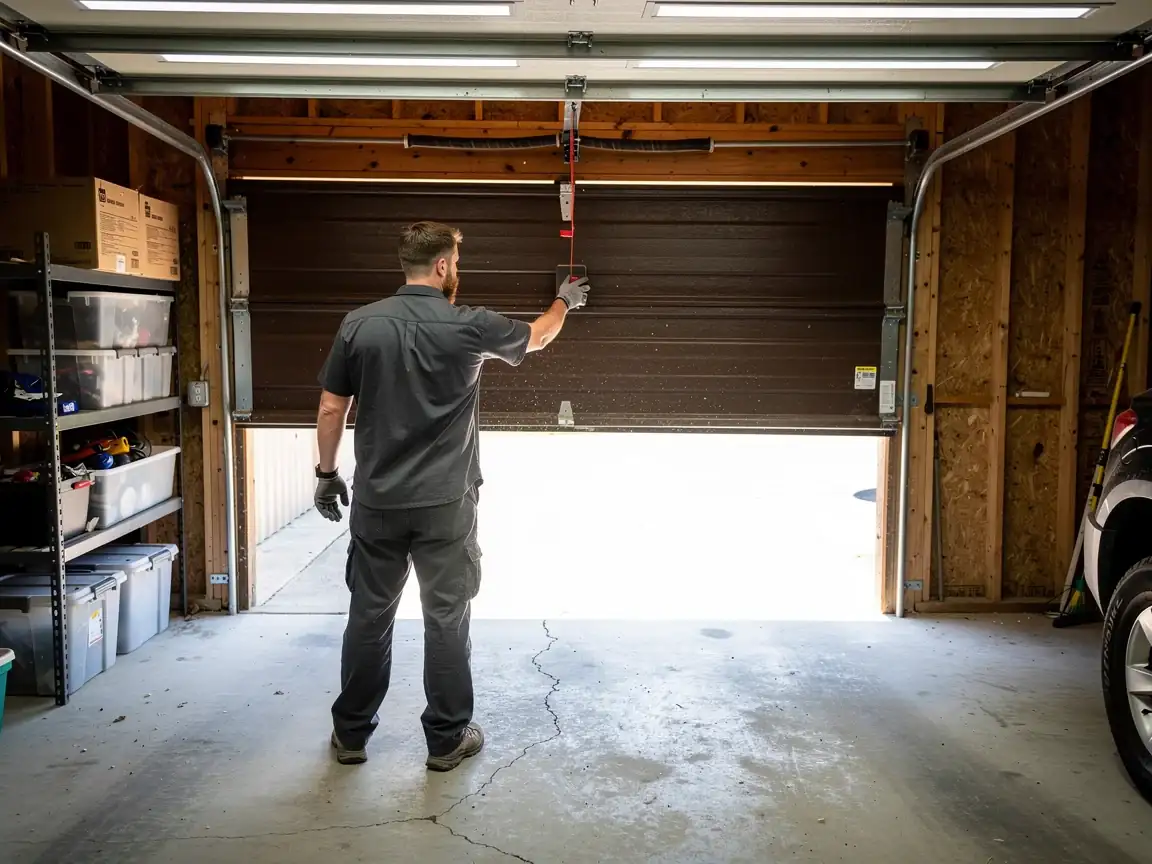
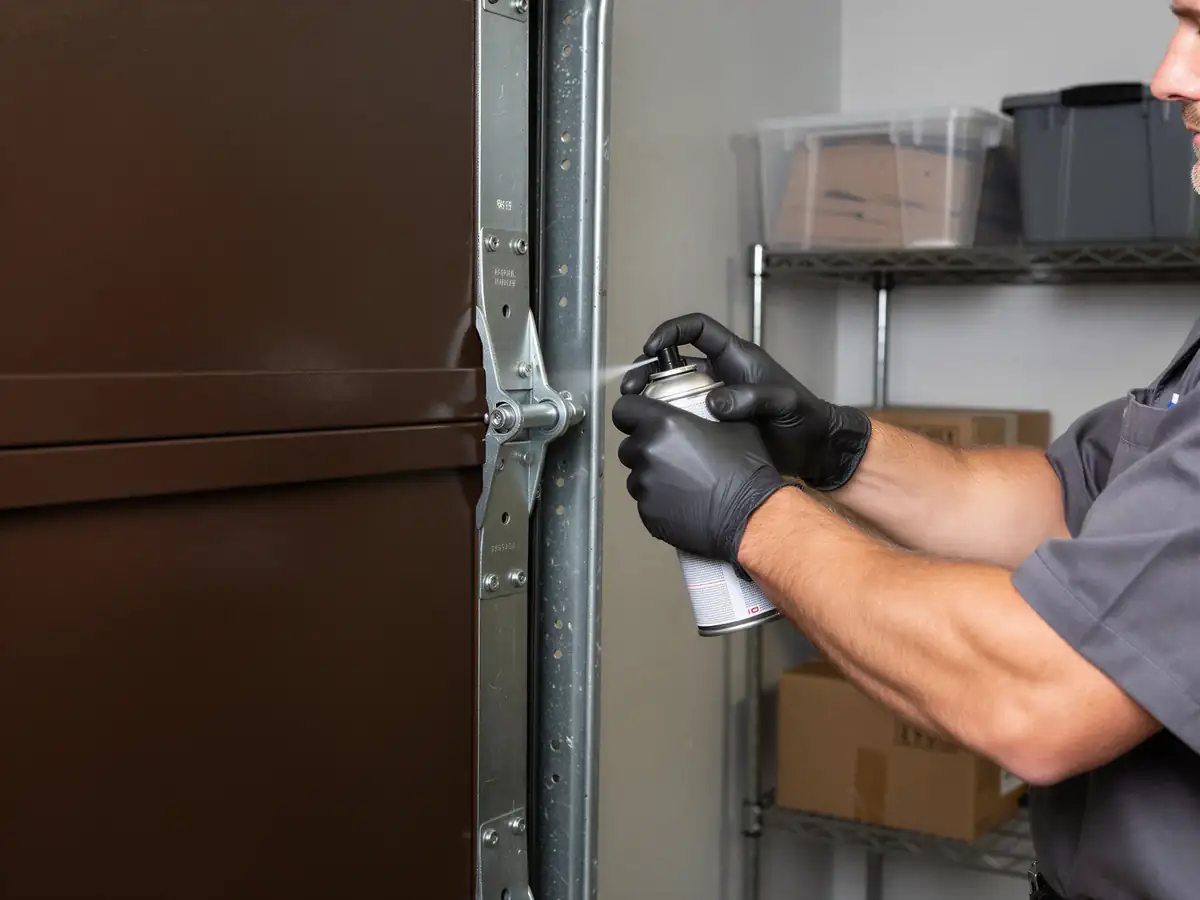
The cold moderate climate here means freeze-thaw cycling is a real factor for both garage types, just in different ways. On a detached garage, condensation forms on the inside of an uninsulated metal door when outside temperatures swing, and over years that moisture works on panel seams and roller brackets with nothing from the house to buffer it. On an attached garage, that same temperature swing happens against a door that's one layer away from living space, so a gap in the weatherstripping or a thin, uninsulated panel costs you in the heating bill as much as in the hardware. With median household income in this service area at $87,806 and roughly 115,641 owner-occupied houses across it, a lot of homeowners here are weighing a repair against a full replacement on structures approaching or past fifty years old - and for a detached garage with original hardware from the 1960s, replacement is often the more honest answer than patching parts nobody stocks anymore.