What the Fix Involves
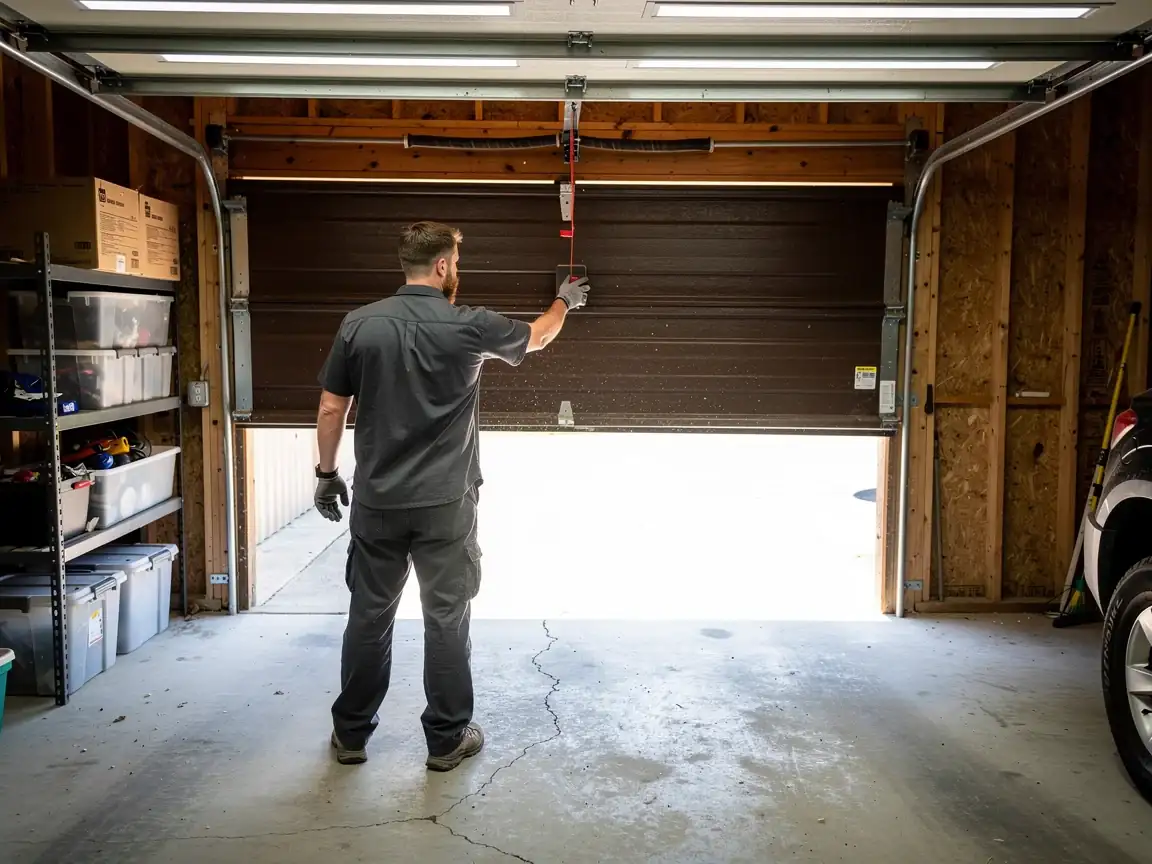
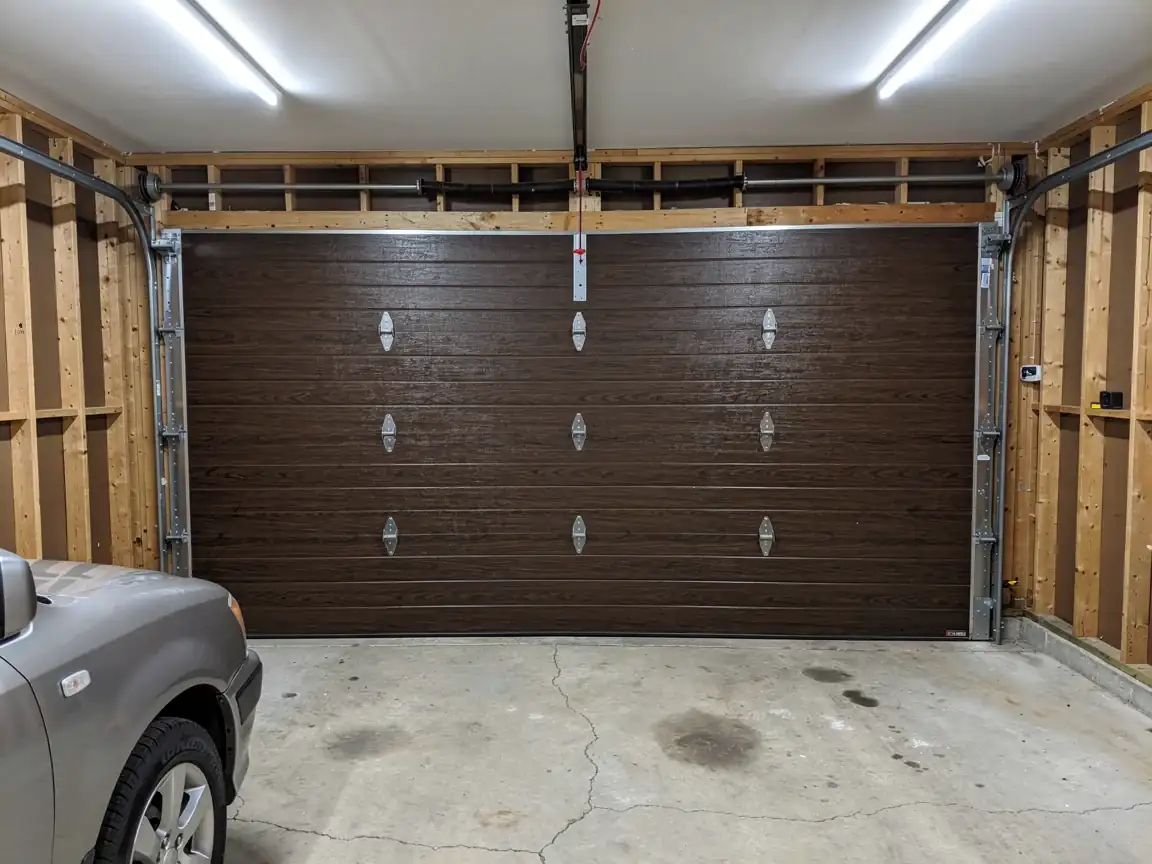
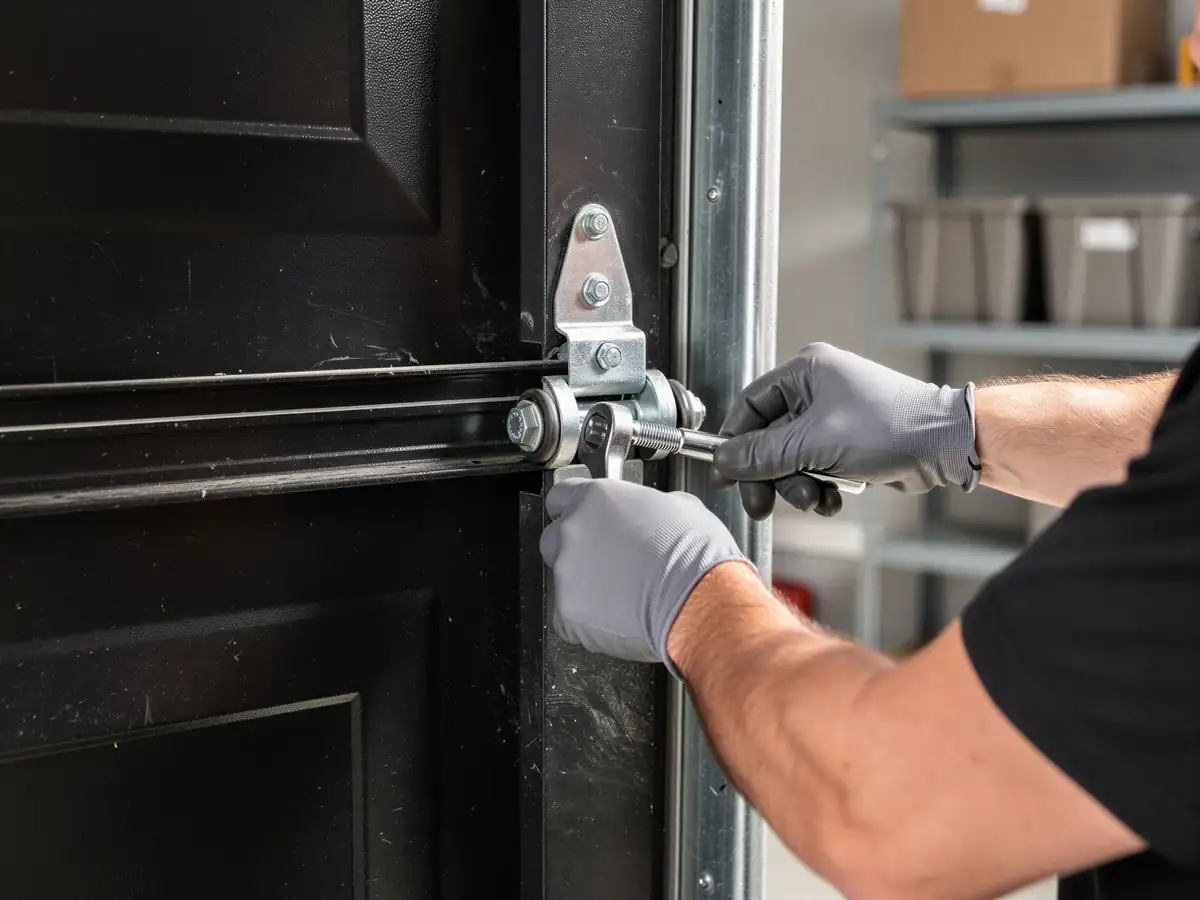
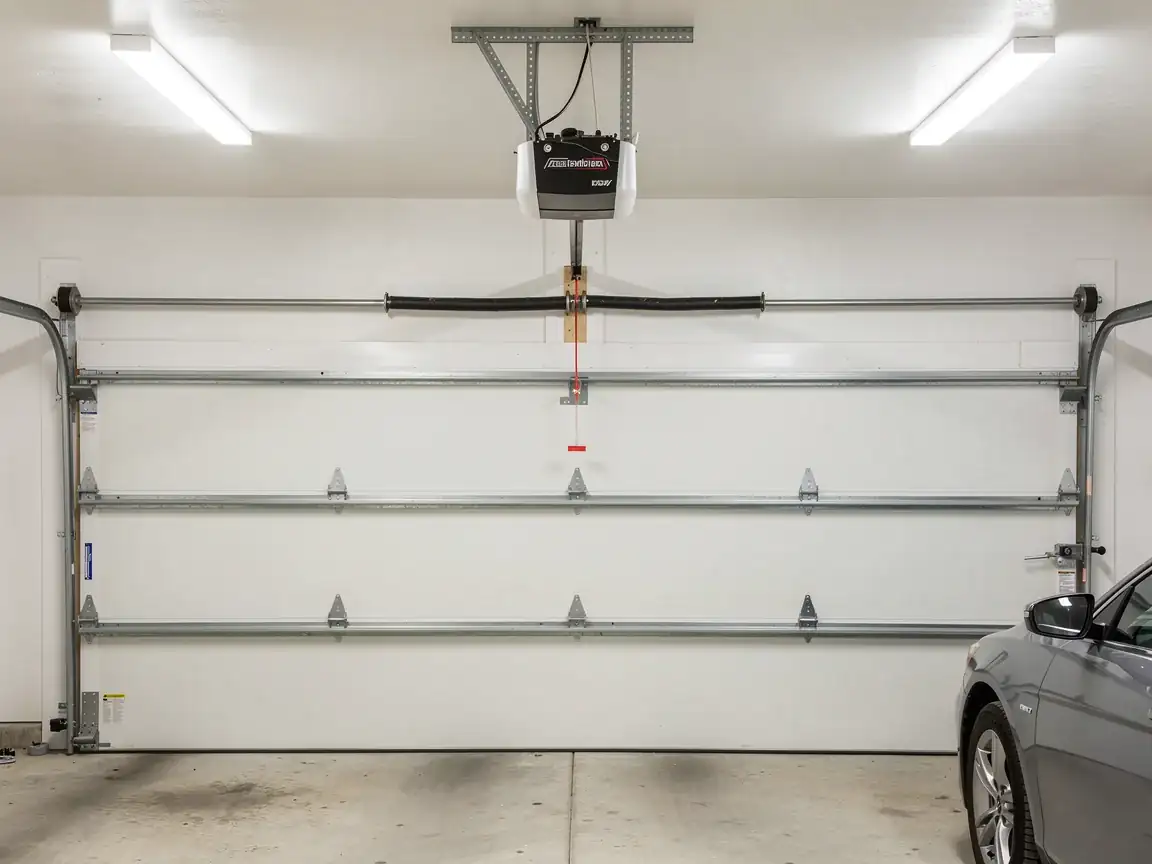
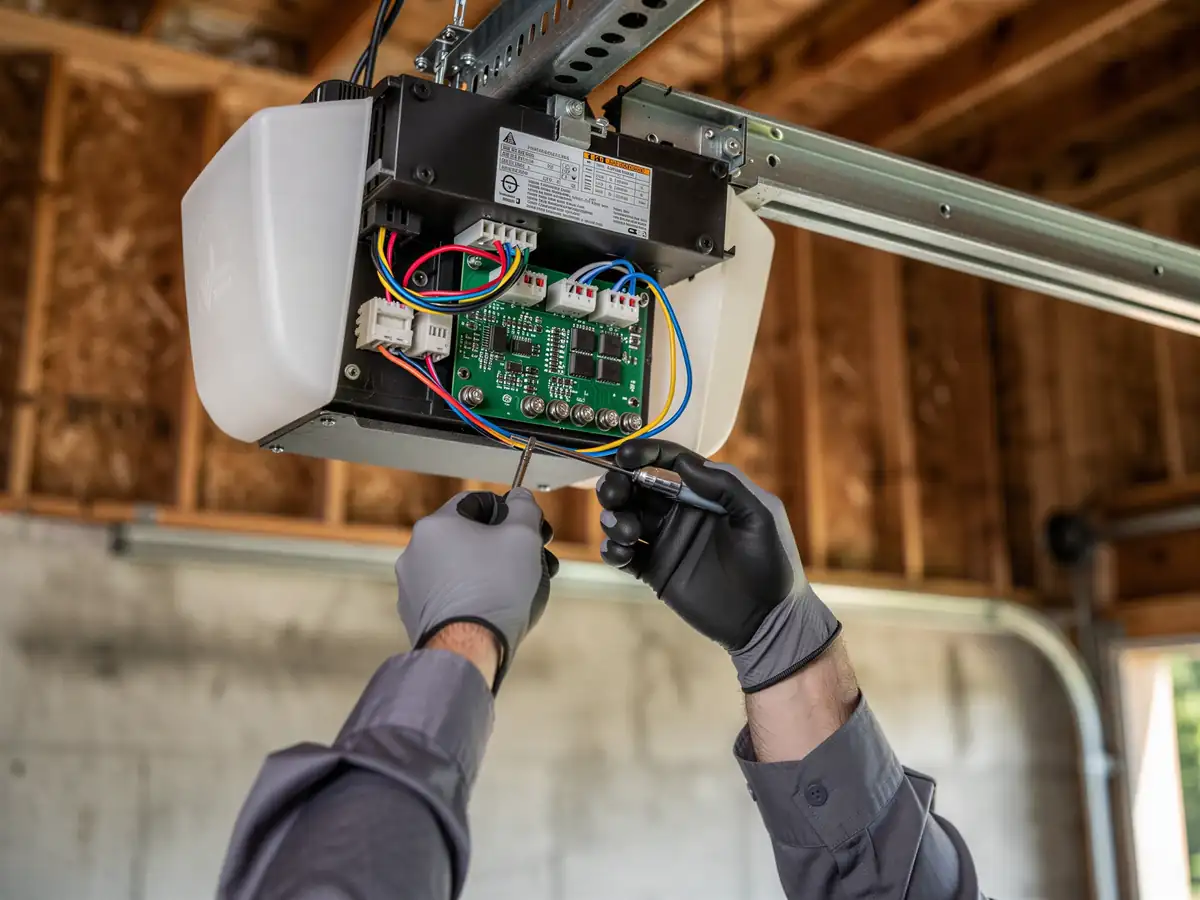
An opener repair almost never means swapping the whole unit. Most of the time it's one part doing the job badly while the rest of the motor is fine. We start by running the door through a full cycle and watching where it hangs, grinds, or quits - that tells us whether we're looking at a worn drive gear, a failing circuit board, a stripped sprocket on a chain-drive unit, or sensors that have drifted out of alignment at the bottom of the track.
On belt and chain-drive openers from the 1980s through 2000s, the drive gear is usually the first thing to go - it's a nylon part spinning against metal, and after enough winters of temperature swings it cracks or strips. On older units with worn-out logic boards, we test the board directly rather than guessing, because a board that looks dead sometimes just needs a capacitor or a reset after a power surge.
We don't replace a motor to fix a sensor problem, and we don't sell a new opener when a $20 part solves it. If the motor itself is seized or the unit predates safety reversal sensors required on newer installs, replacement is the honest call, and we'll say so before we start pulling parts.
What It Costs
We don't post a flat number here because opener repairs aren't one job
A sensor realignment and a logic board replacement are different amounts of labor and different parts. What we can tell you is how we price: we diagnose first, quote the fix before we touch anything, and the quote covers the part and the labor, not a mystery service fee tacked on after.
What drives the cost on any given call is the failure itself
A bent sensor bracket knocked loose by a bike or a ladder is a quick fix. A fried circuit board from a lightning strike or a chewed-up drive gear on an opener that's been running rough for months is more involved, because by the time the gear fails completely it's often put extra strain on the motor too.
Age matters as well
Parts for openers made in the last ten to fifteen years are easy to source. Openers original to homes built in the 1960s and 70s sometimes use mounts or rail systems nobody stocks anymore, and at that point we'll tell you plainly if replacement makes more sense than chasing parts for a unit that age.
What Causes It Around Here
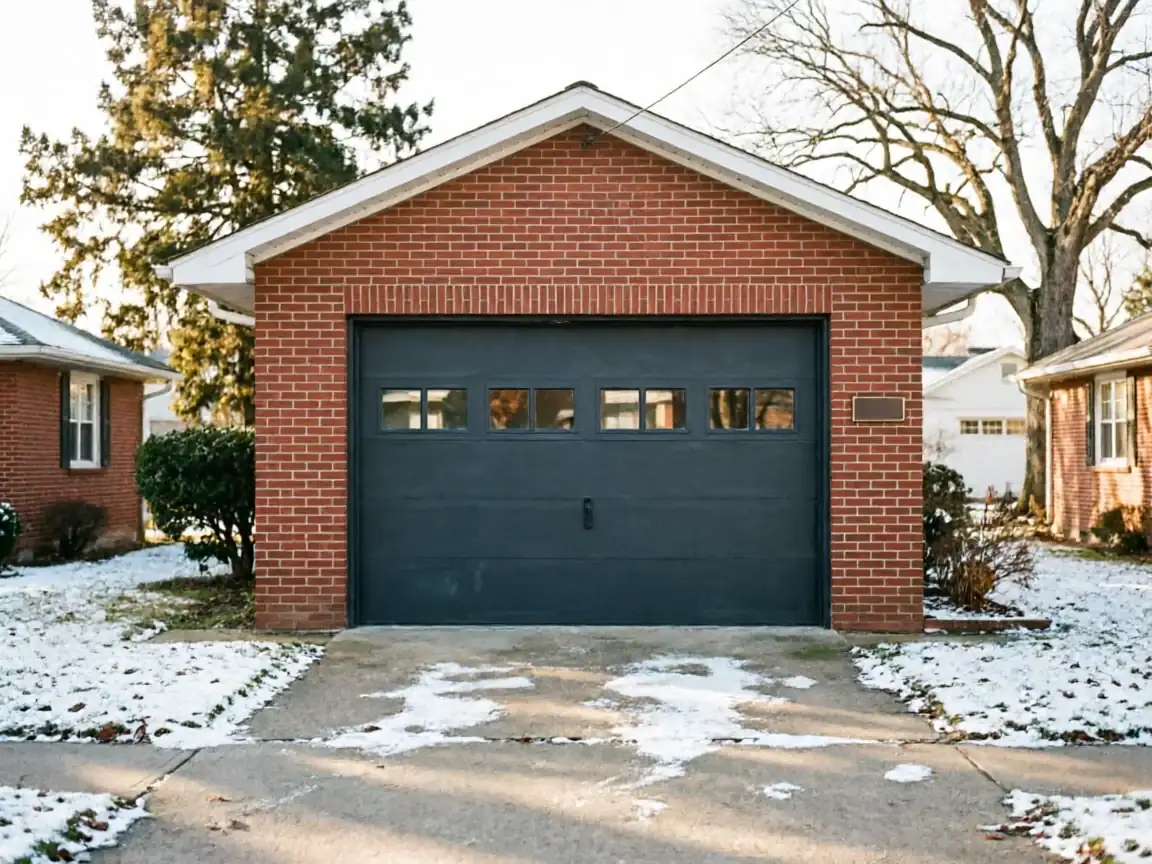
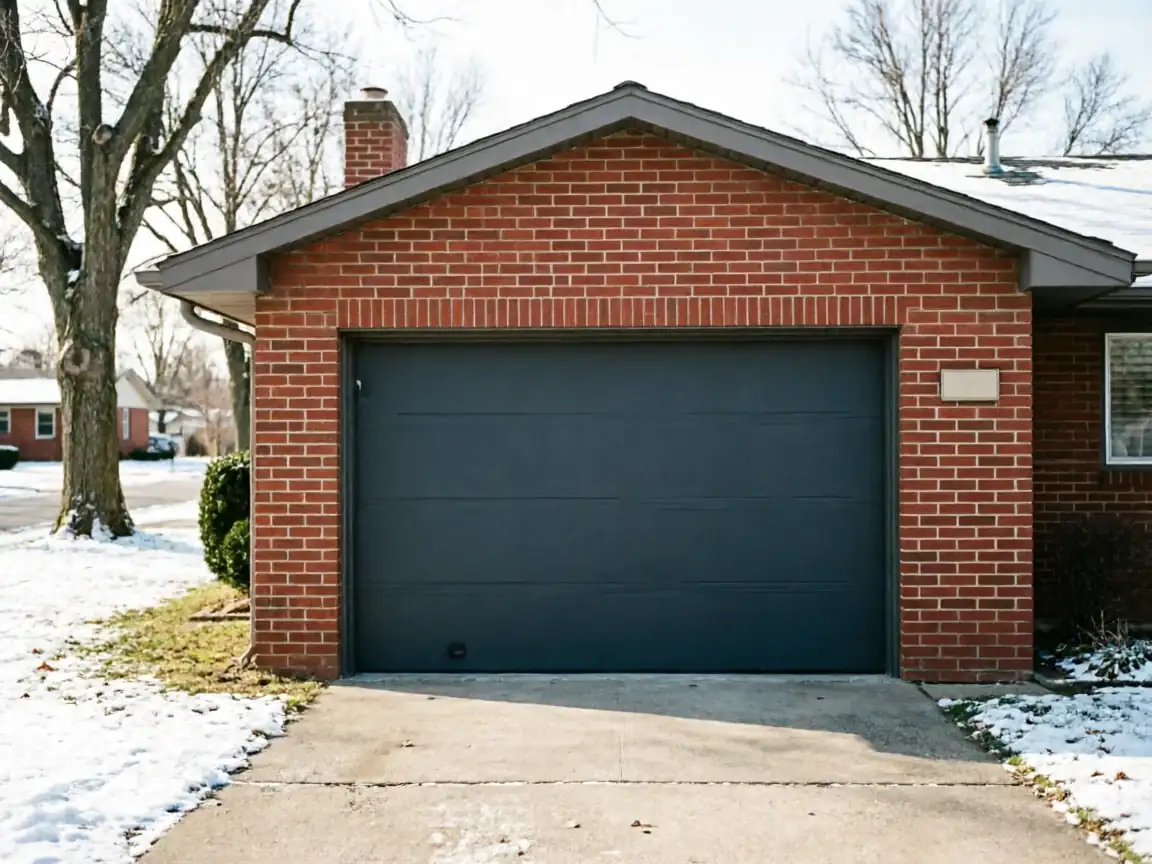
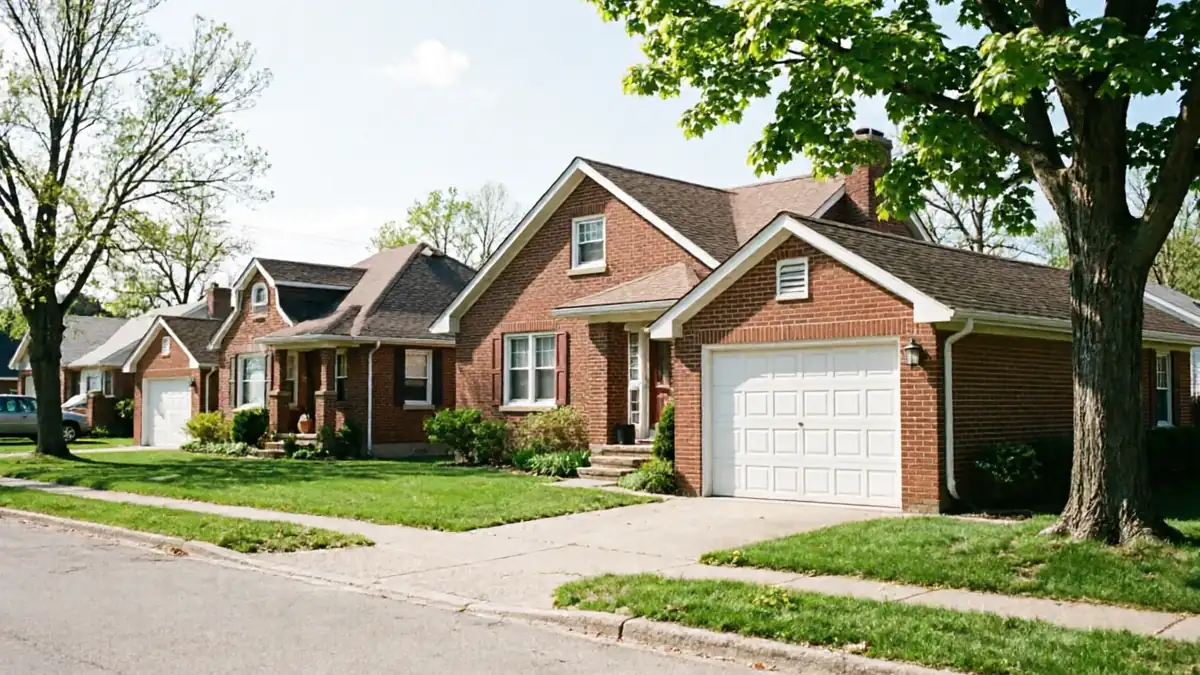
The housing stock across the Ballwin area runs from 1947 up through 2011, but the bulk of it - across the fifty or so neighborhoods we cover, including the blocks out toward Ellisville and Manchester - went up in the 1960s and 70s. That matters for openers specifically because a huge share of these garages still have the original rail-and-motor mounting from that era, even where the opener itself has been swapped once or twice since.
Ballwin sits in a cold-moderate climate band, and that's the other half of the story. Openers don't fail because of one brutal cold snap - they fail from the repeated cycle of cold mornings and warmer afternoons that happens every winter here. Grease in the drive mechanism stiffens overnight, metal gears and rails contract, and a motor that was already working a little harder than it should starts drawing more current every time it starts cold. Over several winters that stress is what cracks a drive gear or burns out a board that was already marginal.
With roughly 115,641 owner-occupied houses across this service area, a huge share of them built in that same mid-century window, we see the same handful of failure patterns repeat house after house - it's rarely a mystery, just wear on a predictable schedule.
What You Are Seeing
If the opener hums but the door doesn't move, that's usually a stripped drive gear - you'll often hear the motor working with no corresponding motion from the door. If the door reverses right after it starts closing, check the sensors first; a misaligned or dirty sensor eye is the single most common cause of that behavior, not a bad motor.
A remote that works sometimes but not always often points to a logic board losing its memory of the code, especially after a power outage. If the wall button does nothing at all, but the remote still works, that's almost always a wiring issue at the button itself, not the opener.
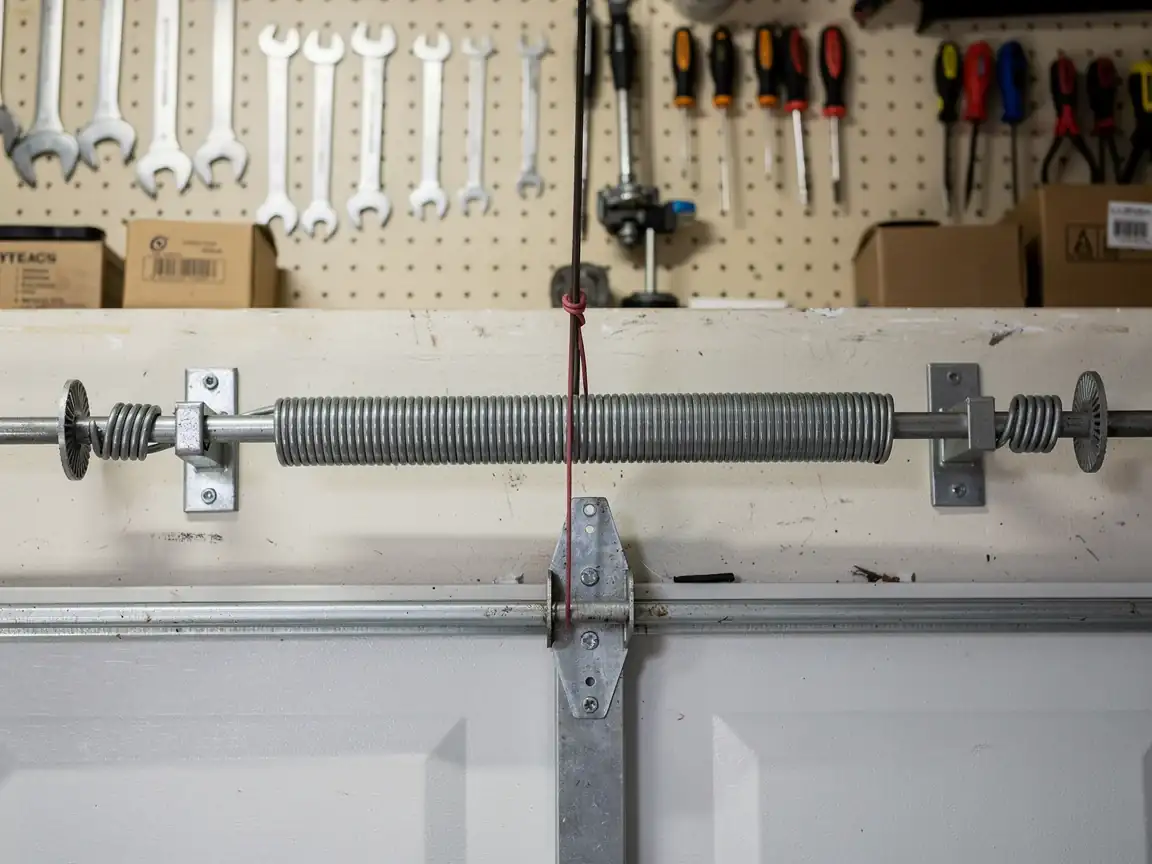
A door that opens fine but closes slowly, or won't close past halfway, can be an opener problem but can also be a spring problem showing up as opener strain - the motor is trying to lift weight the spring should be carrying. That distinction matters because fixing the opener alone won't solve it if the spring is the real cause.
If you're hearing a grinding or clicking sound that's gotten louder over a few weeks, that's wear progressing, not a fluke - the sooner that gets looked at, the less likely it ends in a dead motor instead of a worn gear.