What the Fix Involves
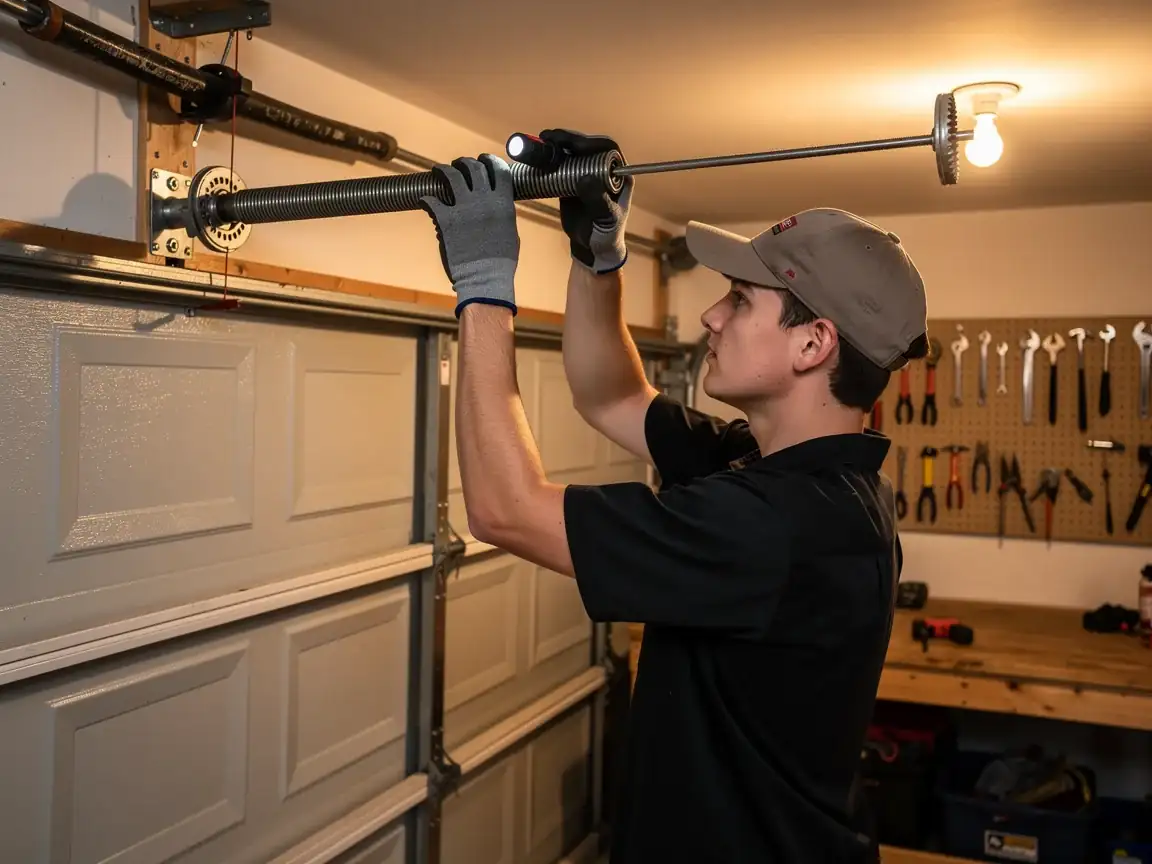
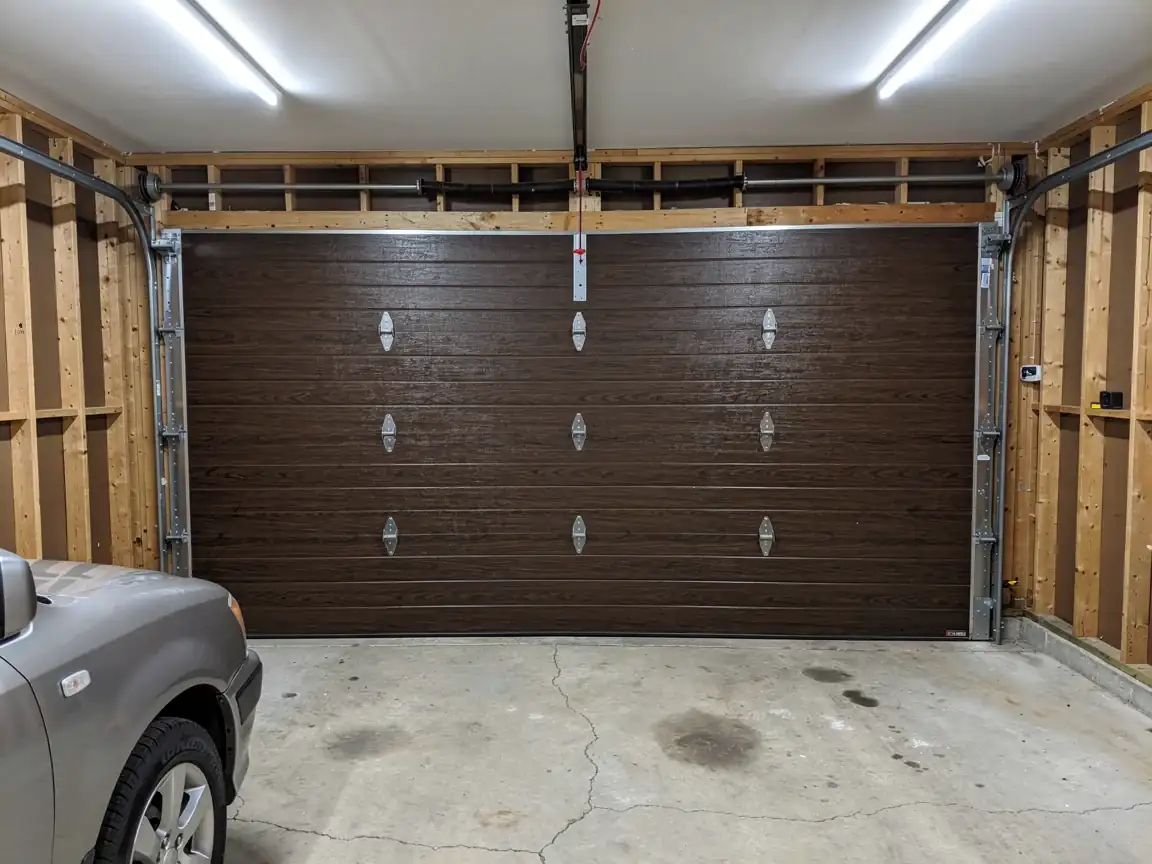
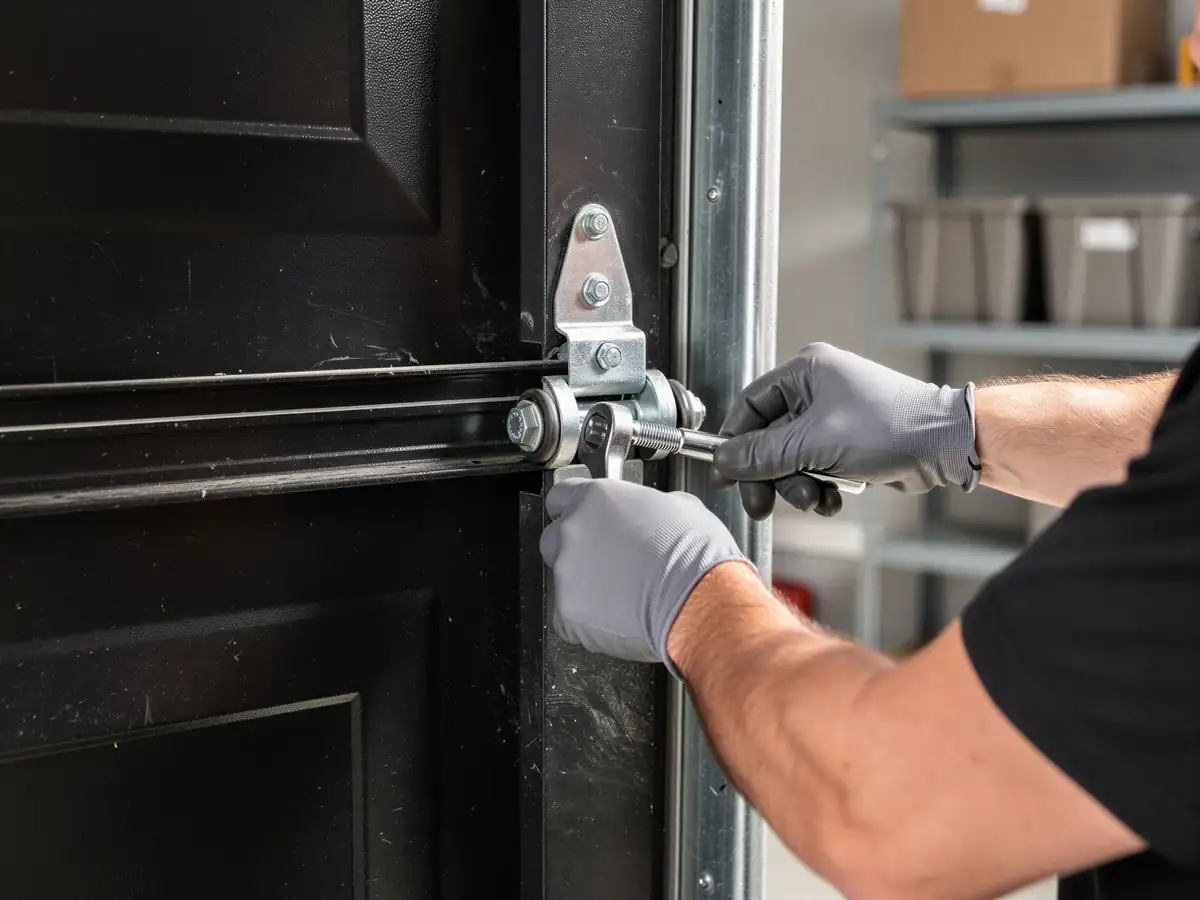
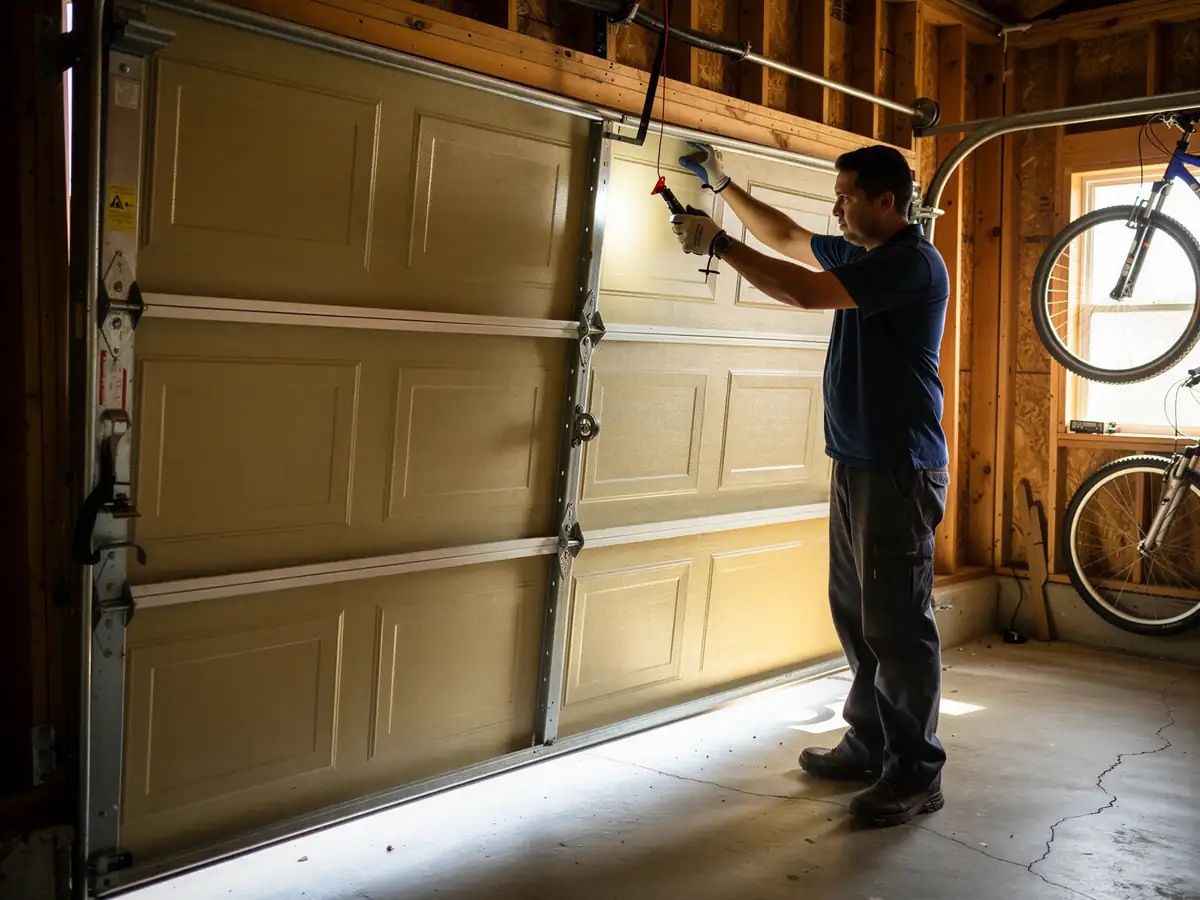
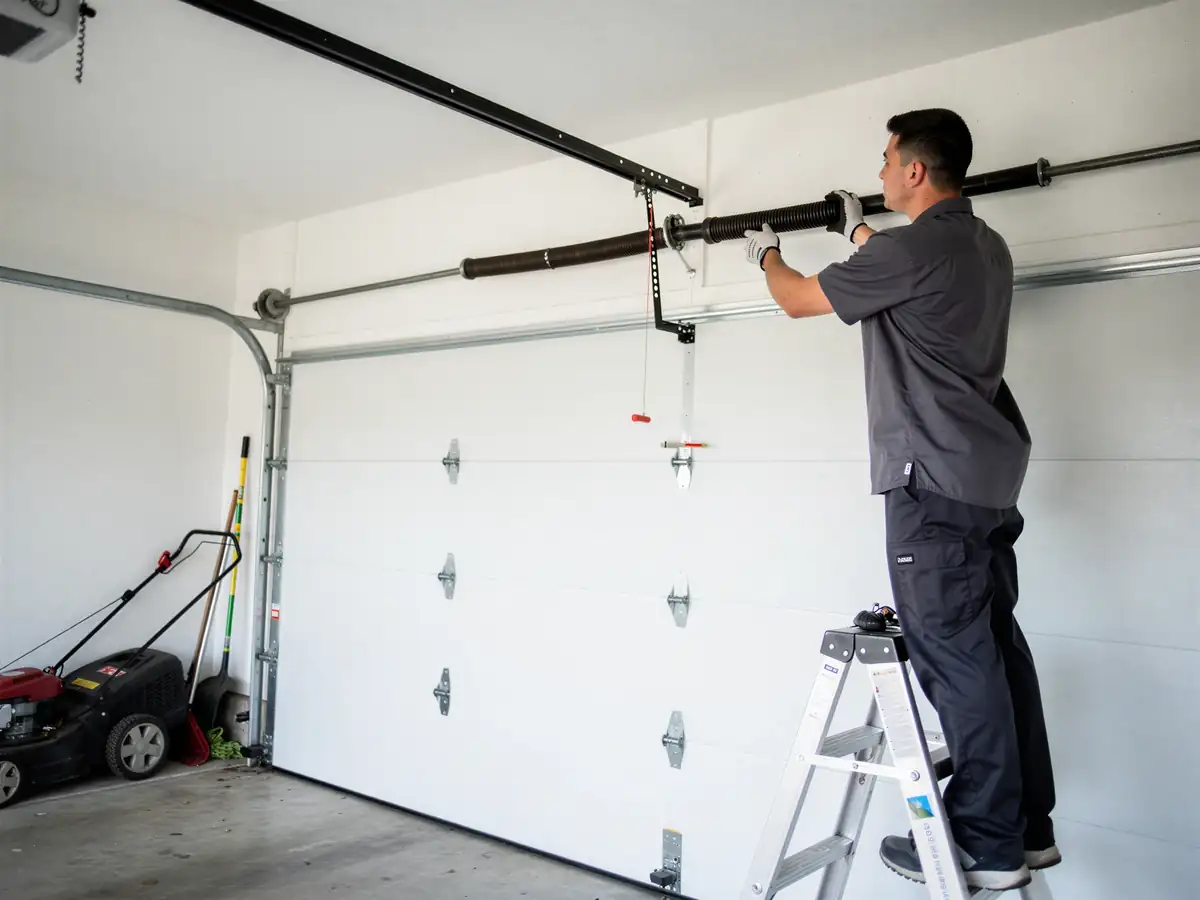
A broken torsion spring job starts with taking the tension off the old spring safely, pulling the center bracket, and swapping in a matched pair sized to the door's weight and cycle count. Most houses in this part of the service area, including homes near Ballwin, Ellisville, and Manchester, still run the original torsion hardware that came with the house when it was built, which for a lot of this stock means the 1960s and 70s. That hardware was solid for its time, but it was not built with today's heavier insulated panels in mind, so a straight spring swap sometimes means re-checking cable drums and the track alignment too.
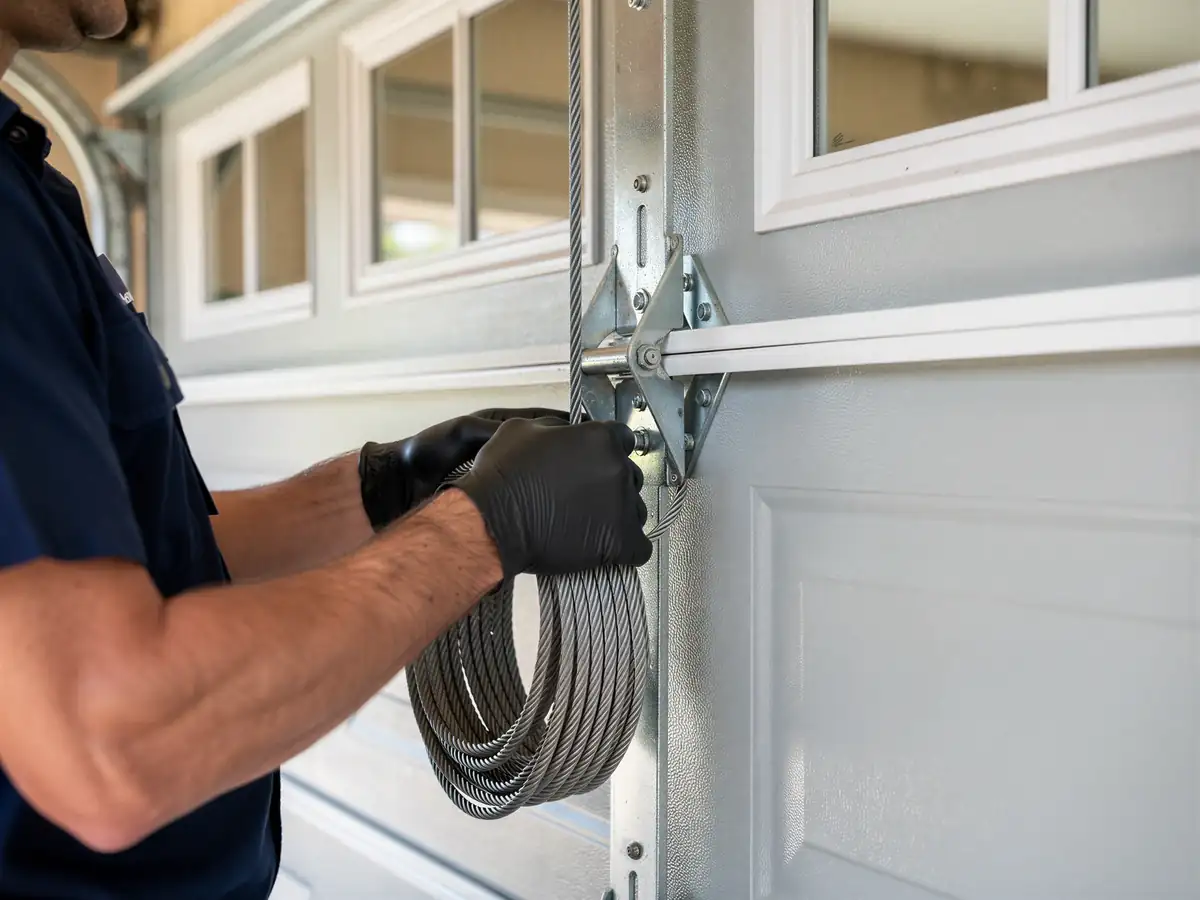
We do not just hang a new spring and call it done. If the drums are worn or the cable is frayed from running against a spring that was already weak, we replace those parts in the same visit rather than send the door back out with a second failure waiting. On a double door we always replace both springs as a pair, even if only one broke, because the other one is on the same clock and close behind.
One limitation worth saying plainly: if the door itself is warped, delaminating, or the opener has already burned out trying to lift against a dead spring, a spring repair alone will not fix the door. We will tell you that on site instead of selling a spring job that will not hold.
What It Costs
Torsion spring cost depends on the size of the spring, whether you need one or a pair
And whether drums or cables need to come along with it. Heavier insulated doors, which are common on the newer end of the housing stock here, use heavier-gauge springs that cost more than the lighter springs built for older, lighter panel doors. We give you the number on site before we touch anything, because quoting a spring job over the phone without seeing the door's weight and track setup is guesswork, and guesswork turns into a surprise invoice.
We are not going to list a price range here that we cannot stand behind for every door in the service area
A single-car door on original hardware and a heavy double door with a newer opener are two different jobs. What we can tell you is that a pair of springs almost always costs less than waiting for the second one to snap and take a cable or a panel with it.
What Causes It Around Here
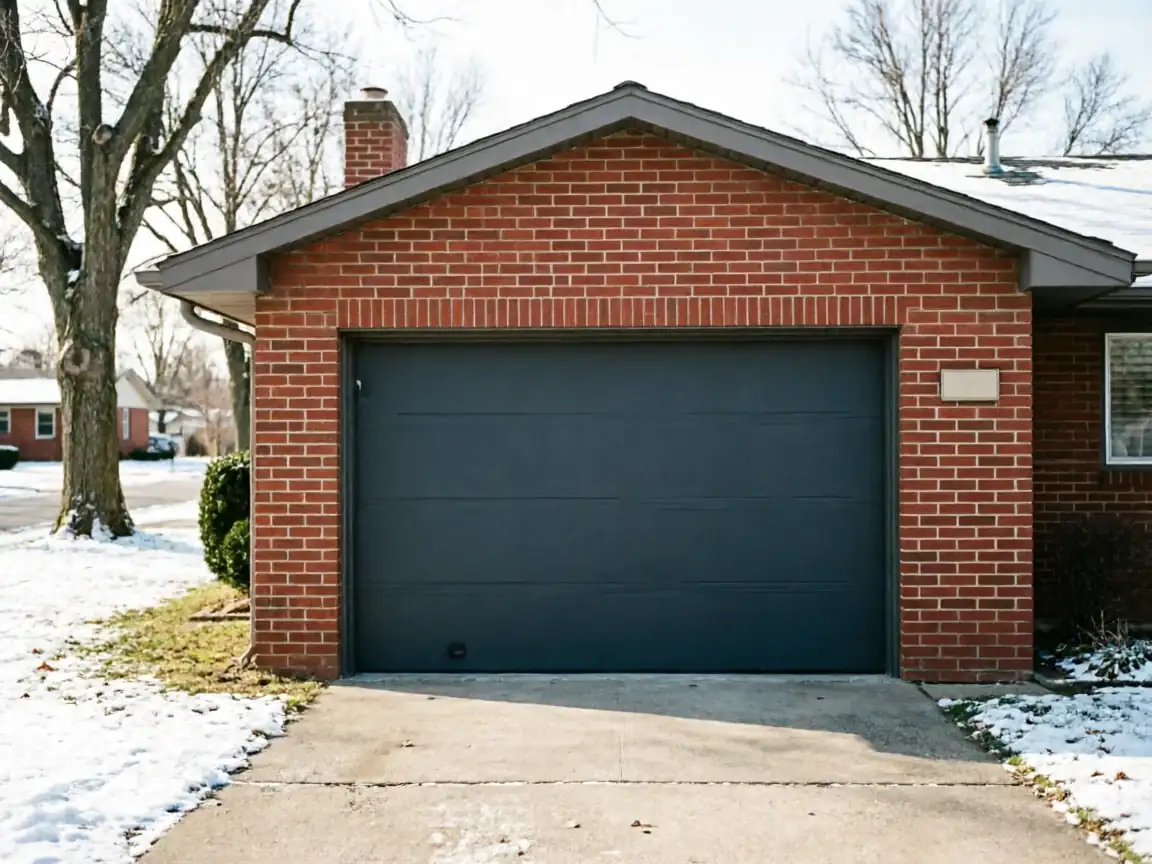
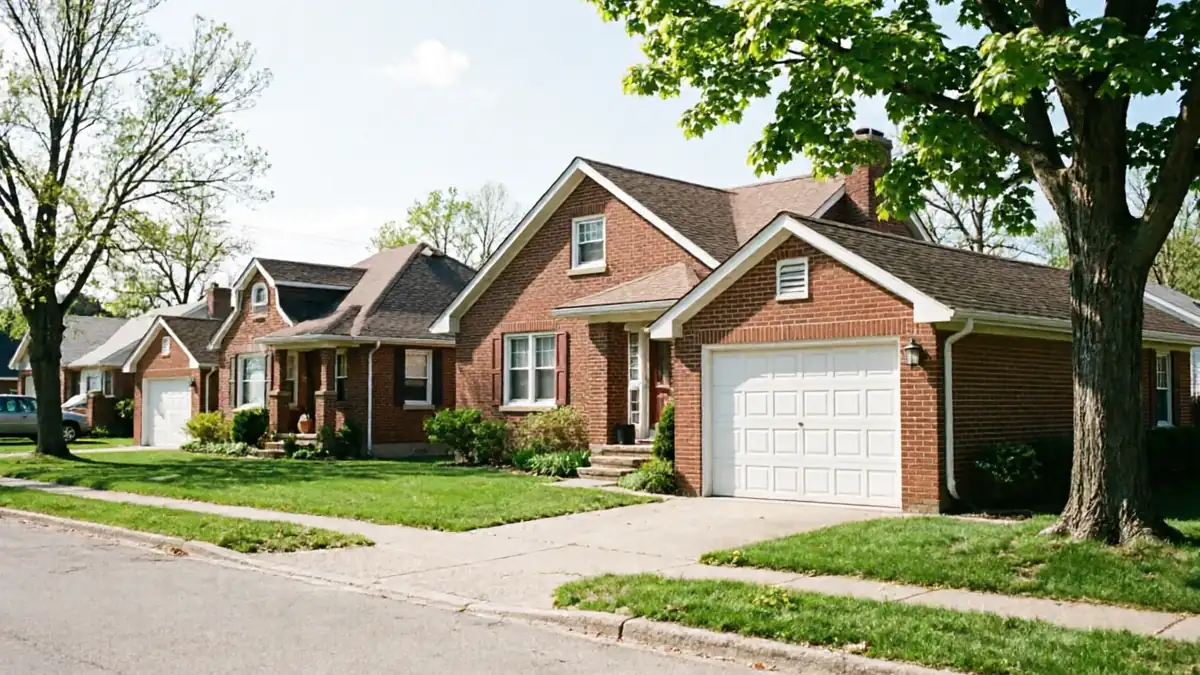
Housing in this service area was mostly built between 1947 and 2011, with the median home going up around 1969, and across the 50-plus named areas we work in the bulk of that stock dates to the 1960s and 70s. Torsion springs are rated by cycle count, not by calendar years, and a spring installed when a house was built in that window has had five decades to rack up open-and-close cycles - that is the single biggest reason spring failures cluster in this part of the metro.
The climate here is on the cold side of moderate, and cold matters to a spring more than people expect. Steel loses some flex in winter, and a spring that was already near the end of its cycle life is far more likely to snap on a 20-degree morning than in July. We see a real bump in spring-repair calls through the cold months for exactly this reason, not because the springs are different, but because the same tired spring finally gets pushed past its limit.
Houses converted from single to double garages, or from manual doors to opener-driven doors, sometimes also got upgraded with a heavier door but kept the original spring rating, which shortens the spring's working life further.
What You Are Seeing
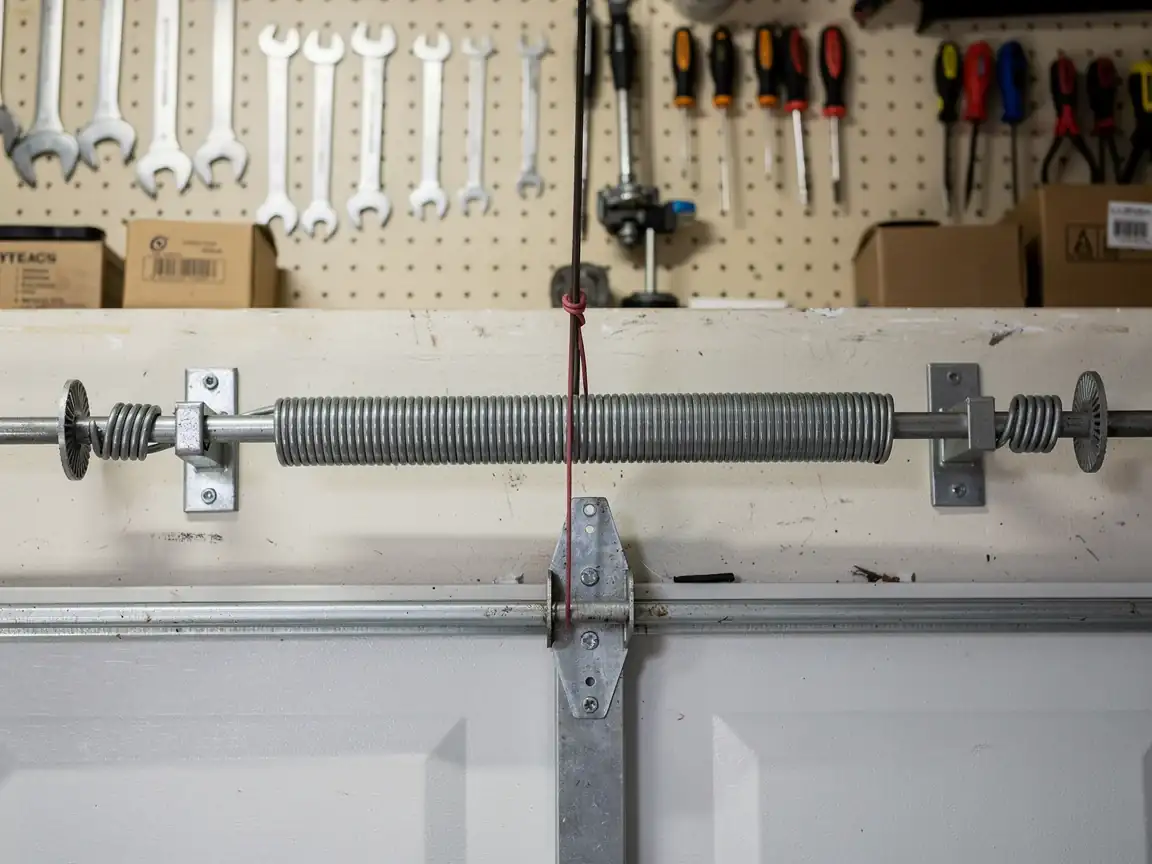
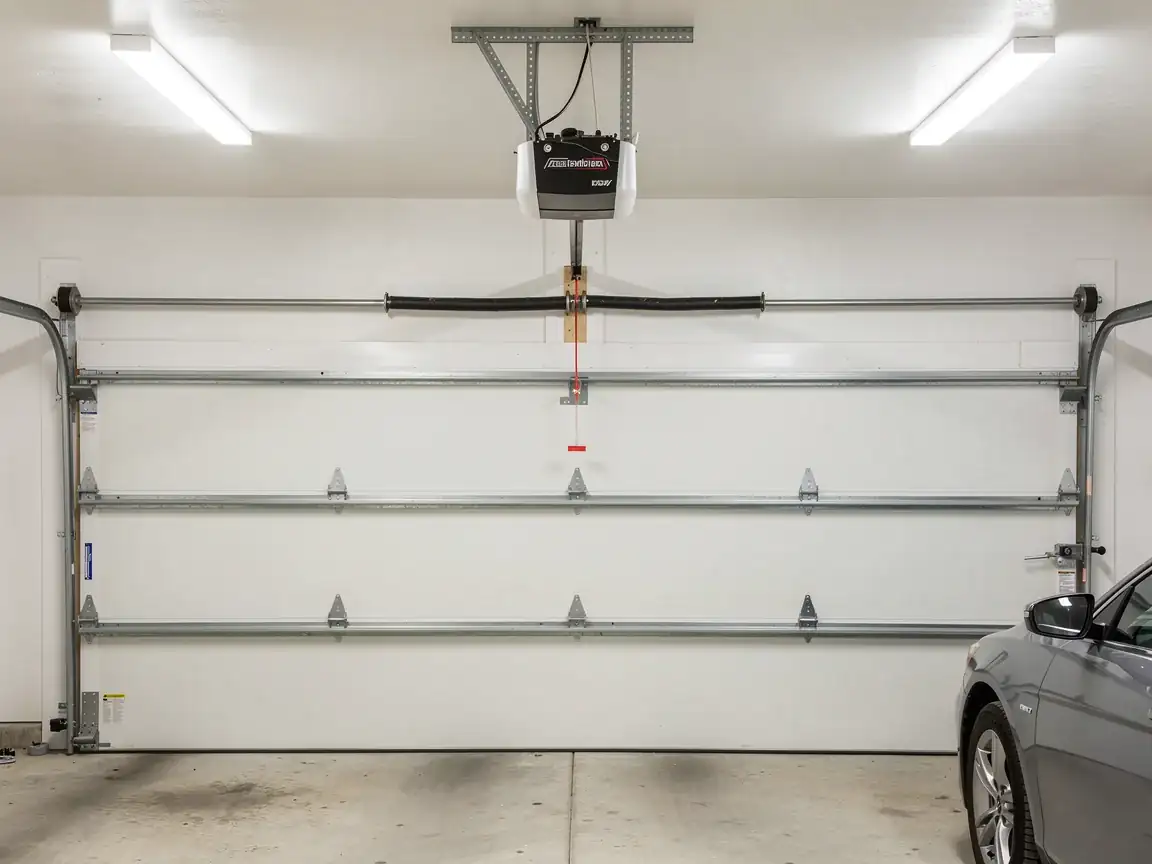
A spring that is actually broken usually announces itself: a loud bang from the garage, sometimes mistaken for a car backfiring, and then a door that will not lift more than a few inches under opener power, or that feels impossibly heavy if you try to lift it by hand. Look up at the spring bar above the door - a snapped torsion spring shows a visible gap where the coil separated.
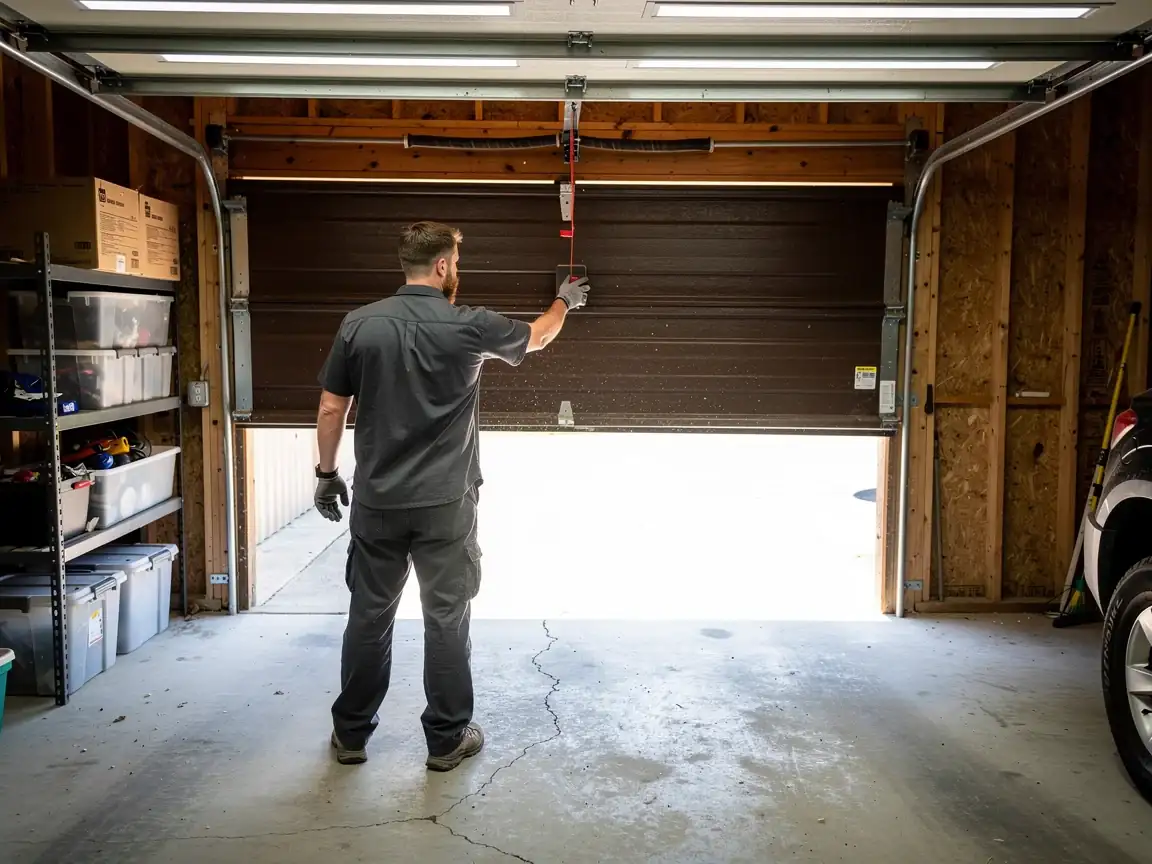
Short of a full break, watch for a door that closes unevenly, drops suddenly partway through its cycle, or where the opener strains and groans before it can get the door moving. Cables that look frayed or a bottom bracket that is visibly bent are also signs the spring has been overworking the rest of the system for a while. None of these are a do-it-yourself fix - a torsion spring under full tension can cause serious injury, and that is not us being cautious for no reason, it is the one part of this job that genuinely is not a weekend project.