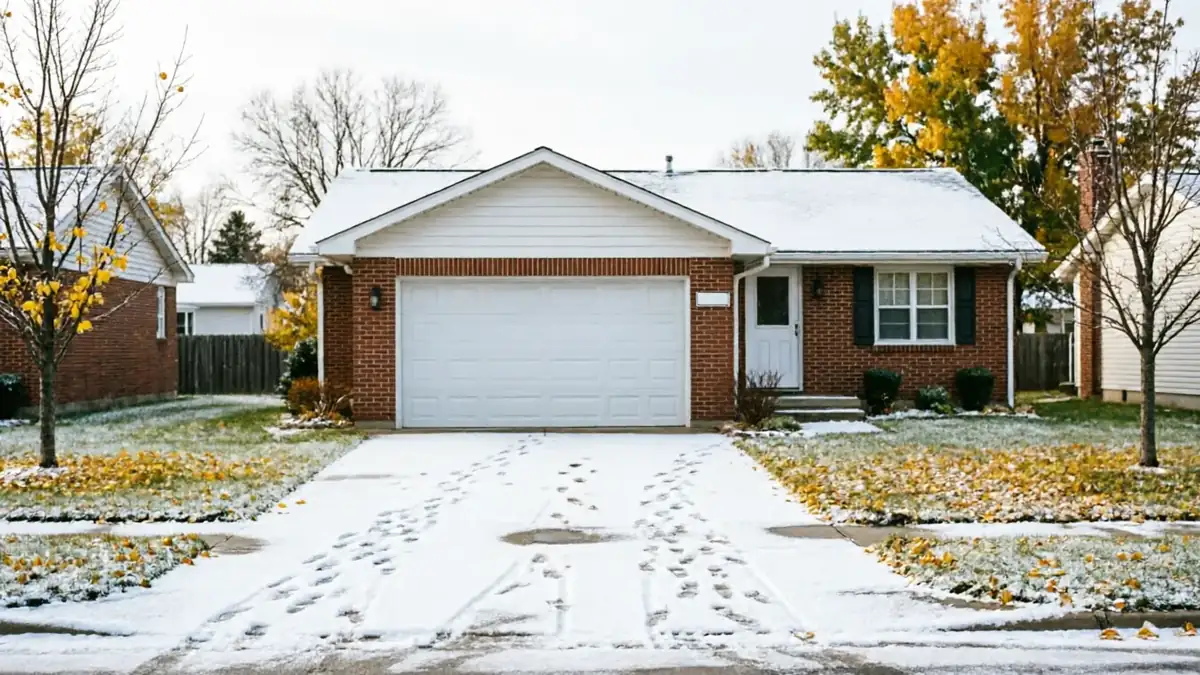
What Changes With the Season
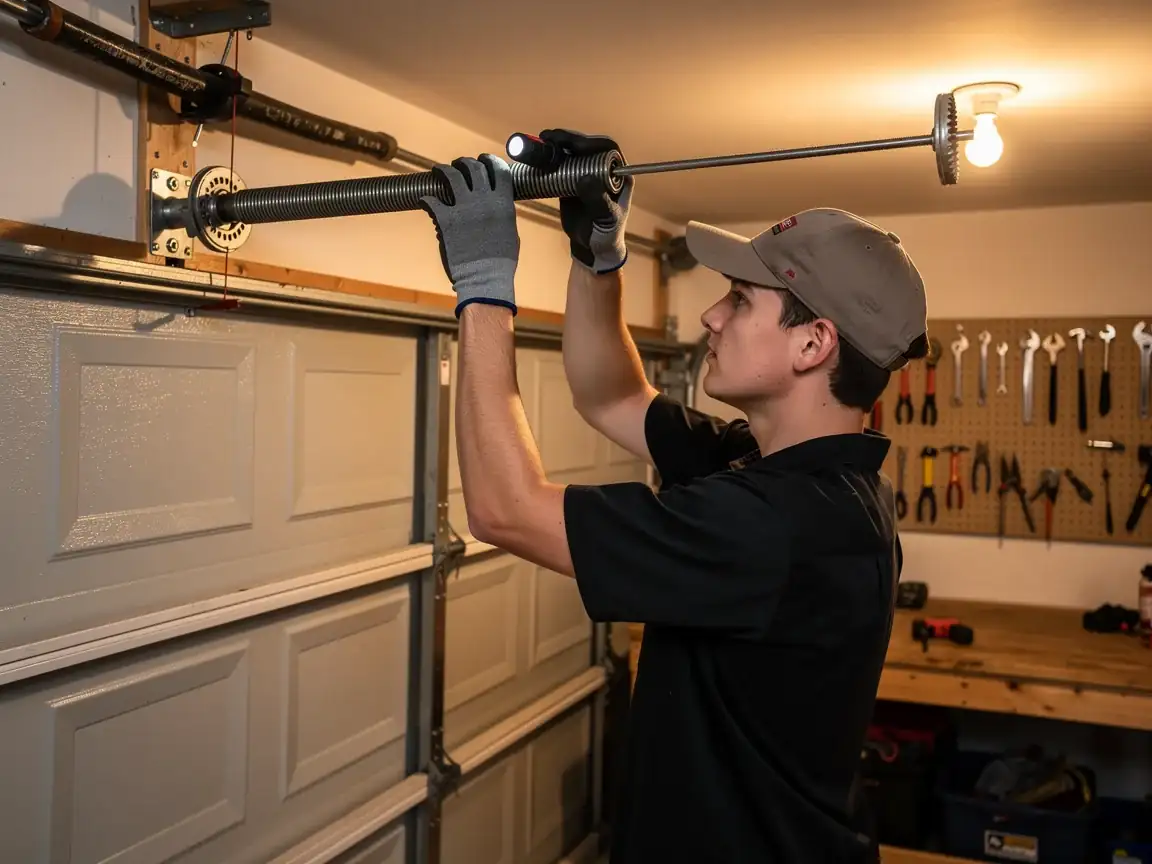
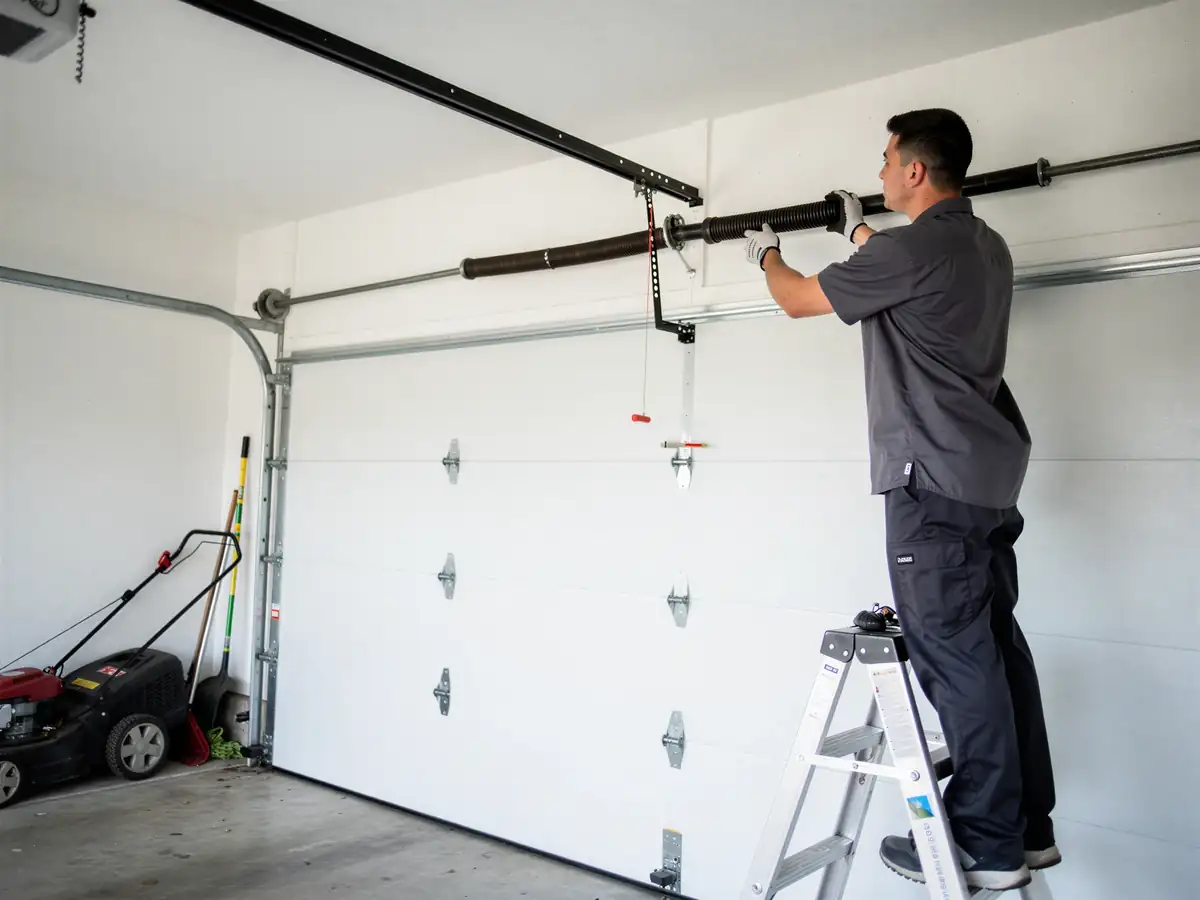
Steel contracts as it gets cold, and a torsion spring that's already fatigued loses the little flex it has left. In a service area where housing was built mostly between 1947 and 2011 with a median year around 1969, a lot of those springs have been winding and unwinding for decades on doors nobody's touched since they were installed. The cold doesn't cause the failure by itself - it's the last straw on a spring that was already near the end of its cycle count. You'll notice it most on the first real cold snap of the season, when a door that worked fine in October suddenly won't lift, or lifts halfway and stops.
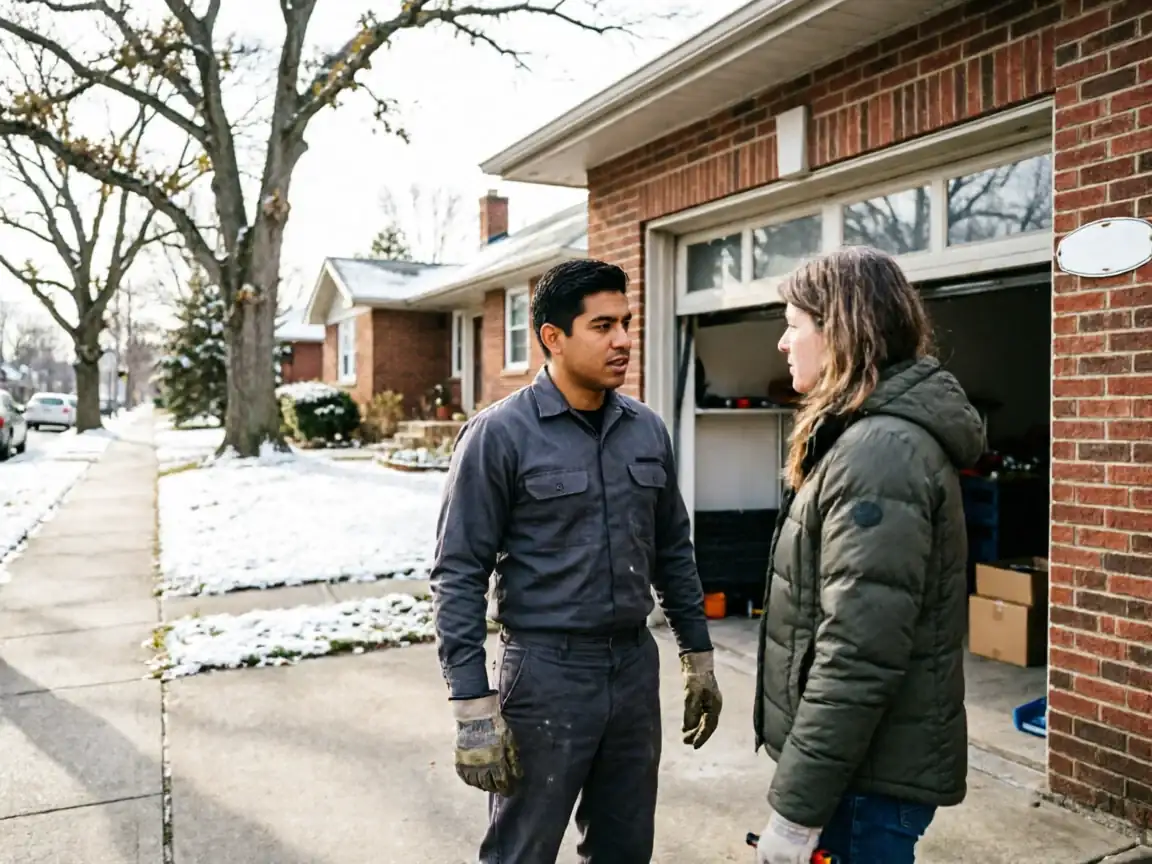
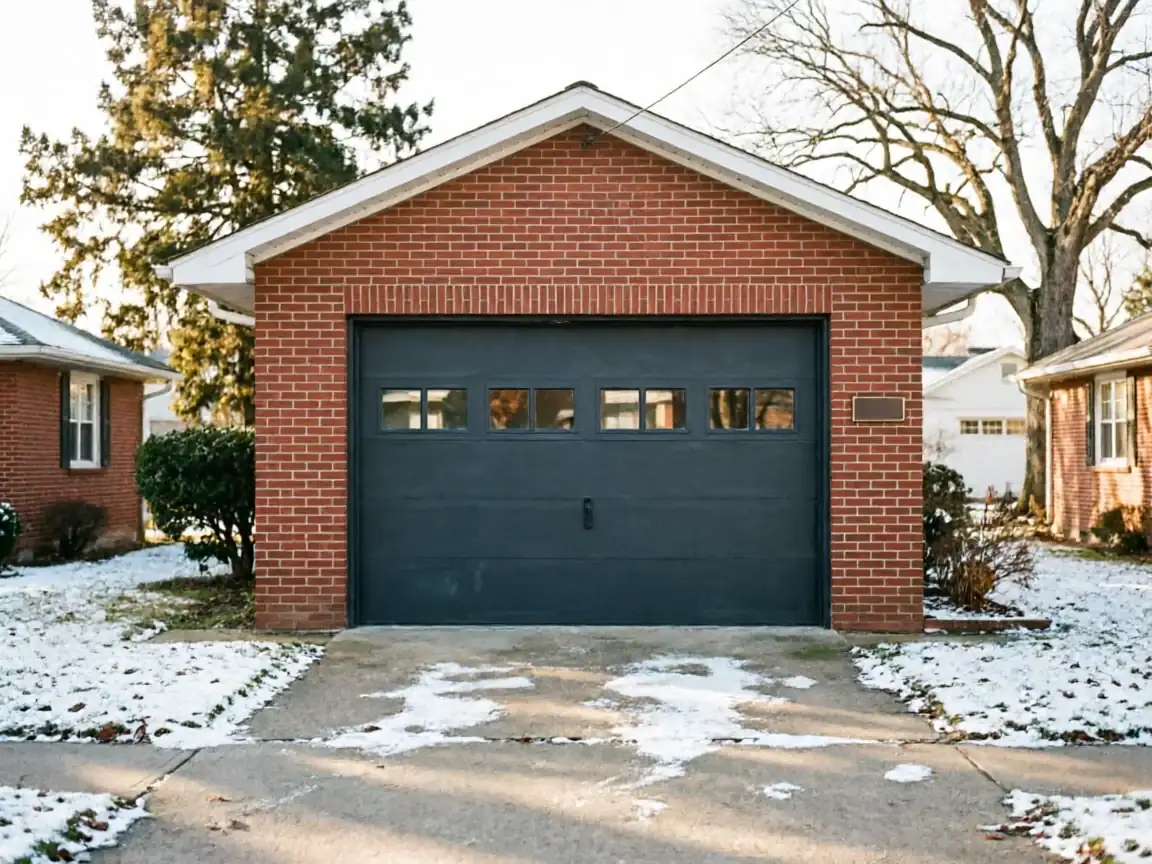
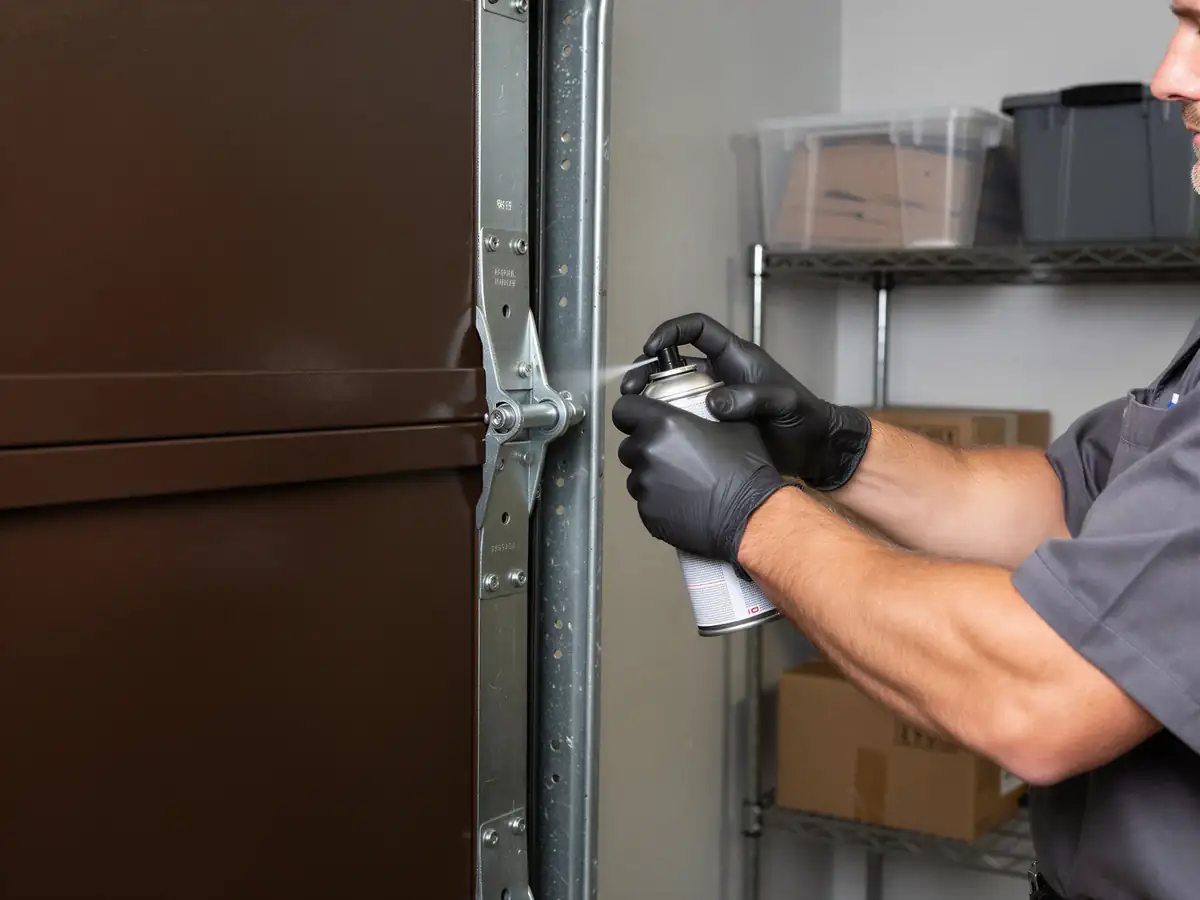
This region sits in a cold-moderate climate band, which means the swings matter more than the extremes. A door that sits in an unheated garage goes through repeated freeze-thaw stress on the coil, the end bearings, and the cable drums. Lubricant that was fine in summer gets stiff. None of this is dramatic weather - it's ordinary winter doing what it does to hardware that's 30, 40, even 50 years old, which describes a real share of the doors in this part of the county.
The Situation
Across the broader service area there are roughly 209,210 households and 115,641 owner-occupied houses
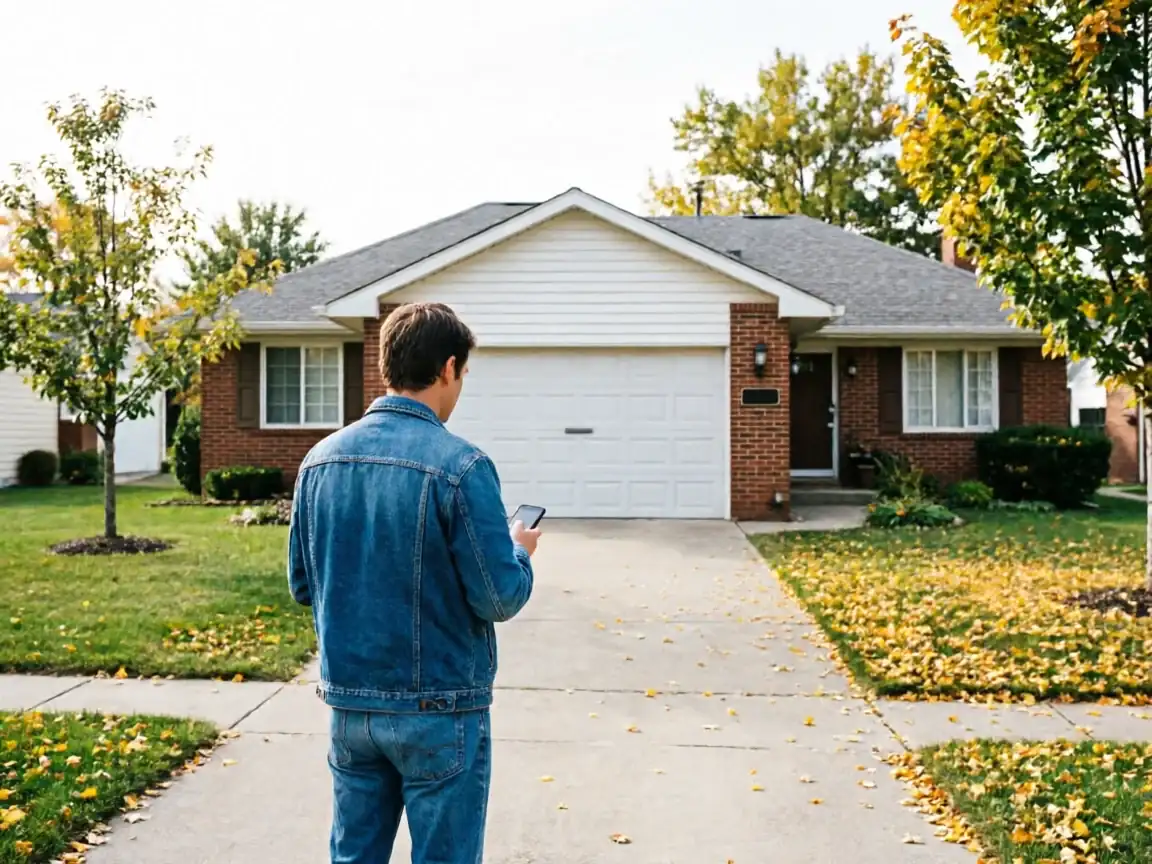
Spread over 50 named areas that mostly went up in the 1960s and 70s. That's the baseline you're working from in Ballwin: a lot of original one- and two-car garages with torsion springs rated for a cycle count that was reasonable when Nixon was in office, not for the number of times that door has actually opened since.
- 209,210 households
- 115,641 owner-occupied
Median household income in the area runs around $87,806
Which tells you something practical - most owners here can afford a proper repair instead of a patch job, but a lot of them also put it off until the door won't move at all, because a garage door rarely feels urgent until the morning it's blocking the car. Cold weather is what turns "I should get that looked at" into "I can't get to work."
When to Get Help
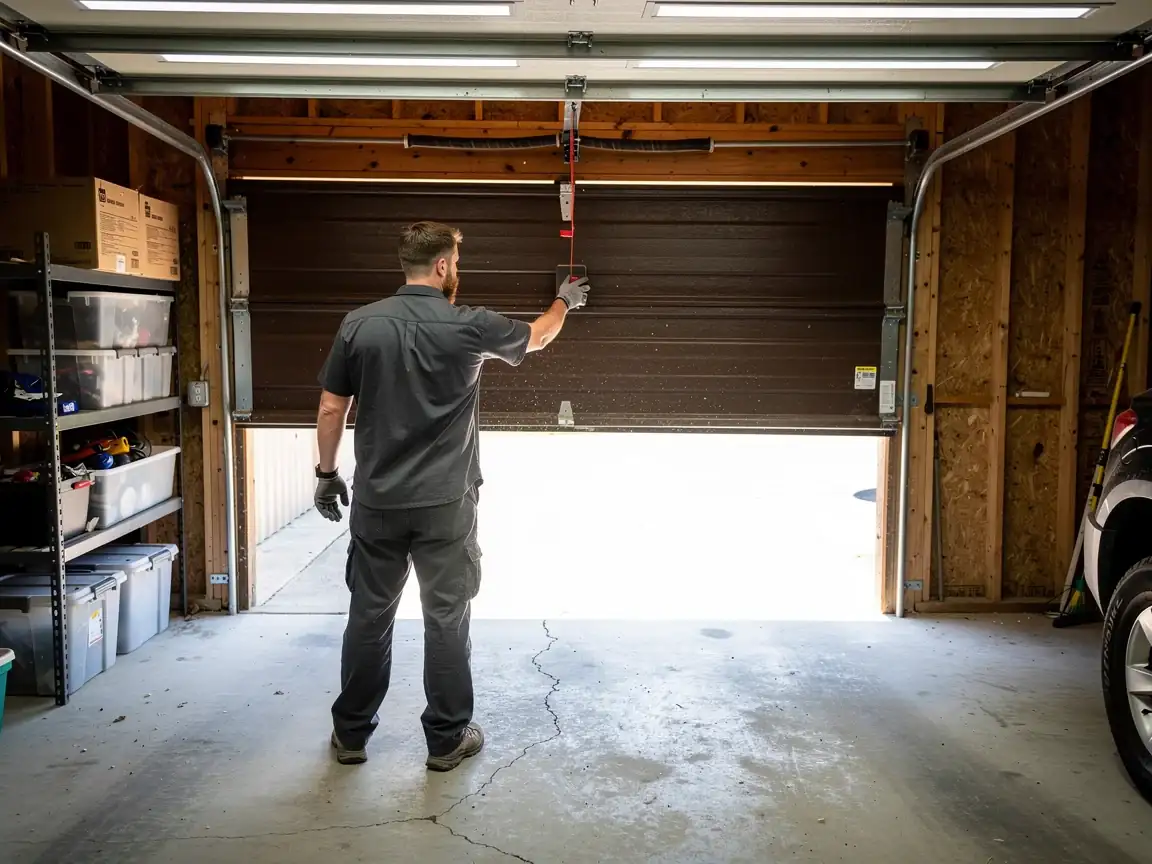
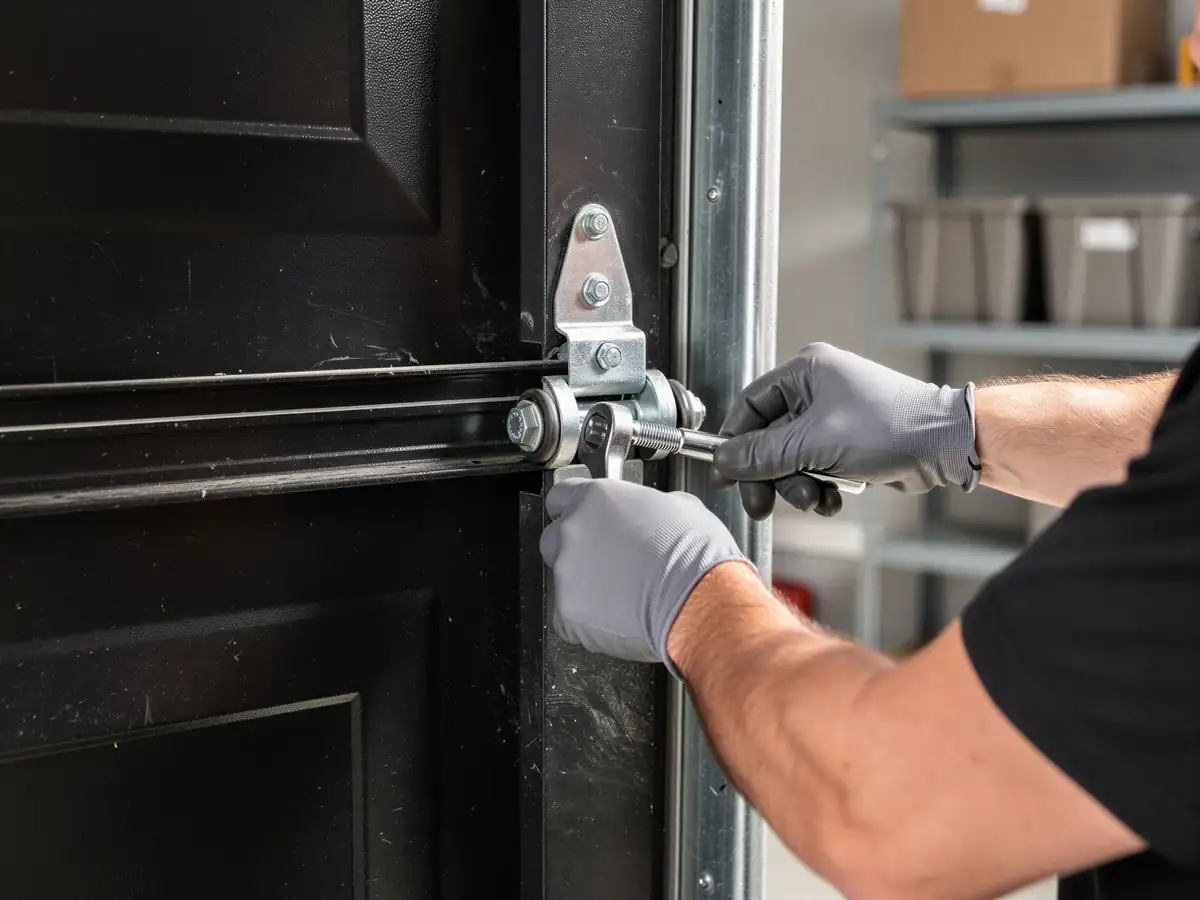
If the door won't budge, don't force it with the opener - that's how you strip a gear or bend a bracket on top of the broken spring. If you hear a bang from the garage on a cold morning, that's very likely the spring letting go, and the door will feel heavy or won't lift by hand either. Call before you try to lift it yourself; a broken torsion spring under tension is not a DIY fix, cold weather or not.
Honest limitation: if the door is original to a house built in the 1960s or 70s, a spring replacement sometimes isn't the whole job - the drums, bearings, or track brackets can be worn enough that replacing just the spring buys you a few months, not a few years. We'll tell you when that's the case instead of just swapping the part and sending you an invoice.
What Local Conditions Do
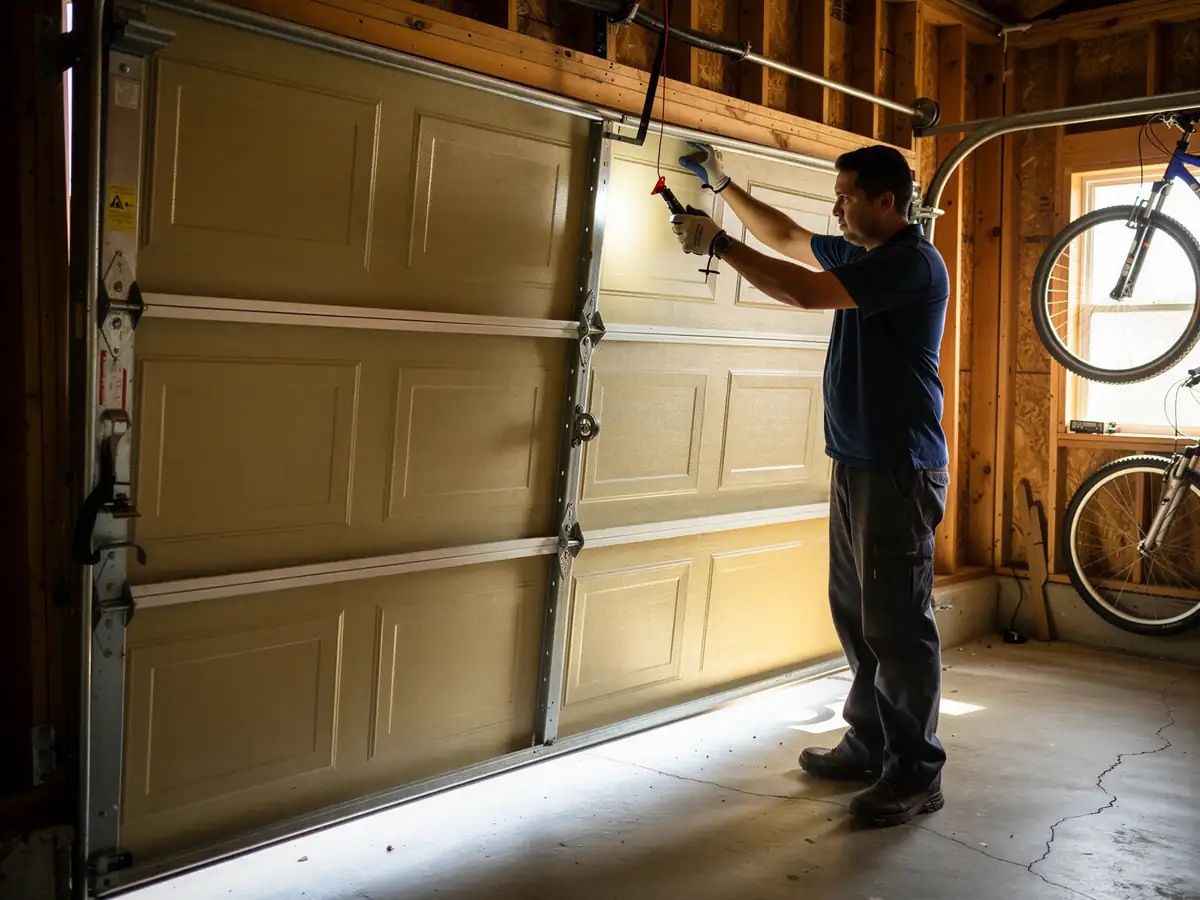
In a cold-moderate climate, the failure pattern is steady rather than sudden - it's not hurricane or flood damage, it's cumulative stress that picks the first cold morning to show up. That matters for how you plan: if your door is from the original build era for this part of the county, don't wait for a dramatic failure. A spring nearing the end of its life usually gives some warning - slower lifting, more noise, the opener straining - before it goes.
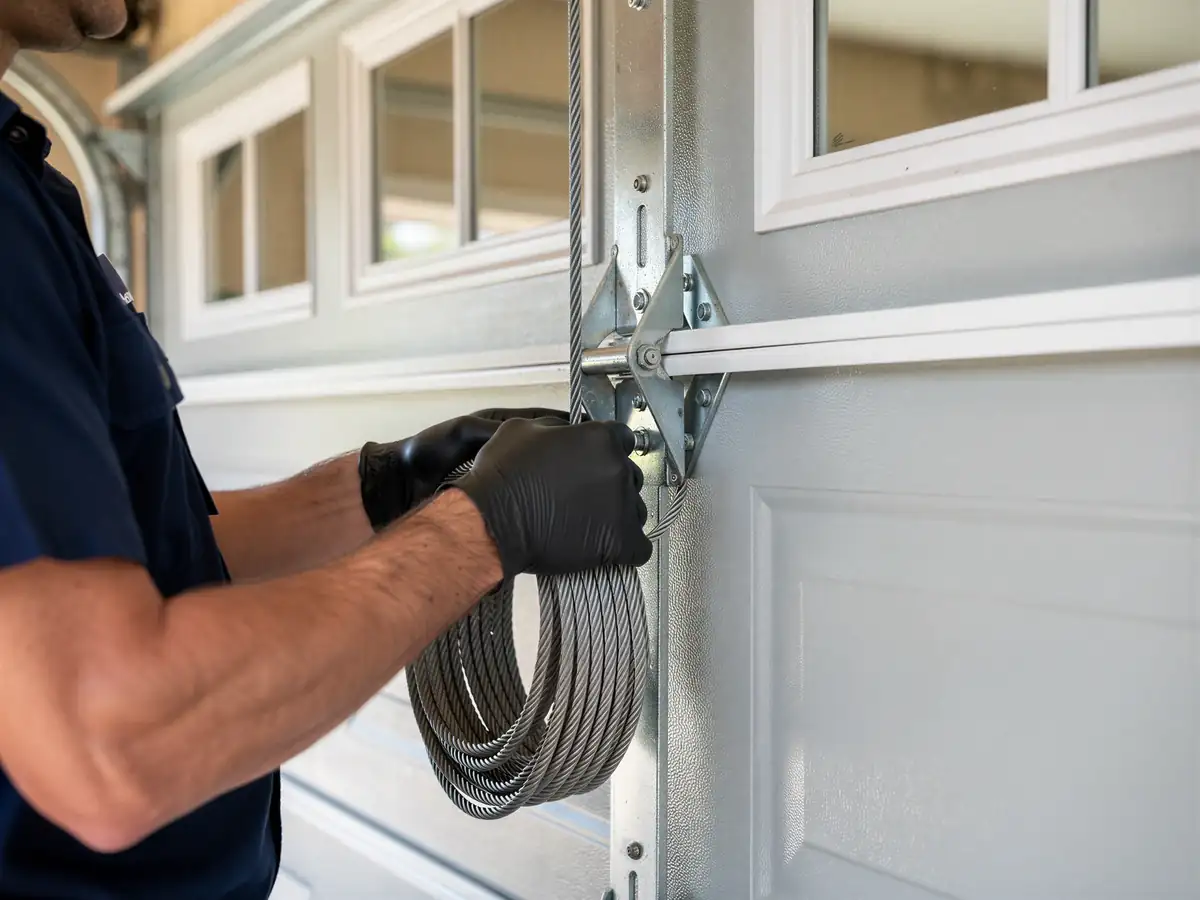
We work across this area, including the closer-in communities like Ellisville, Manchester, and Clarkson Valley, where you see the same housing-era pattern repeat. The fix for a cold-weather spring failure is mechanical, not seasonal - proper spring sizing for the door weight and cycle count, decent lubrication before the cold sets in, and not ignoring the early noise.