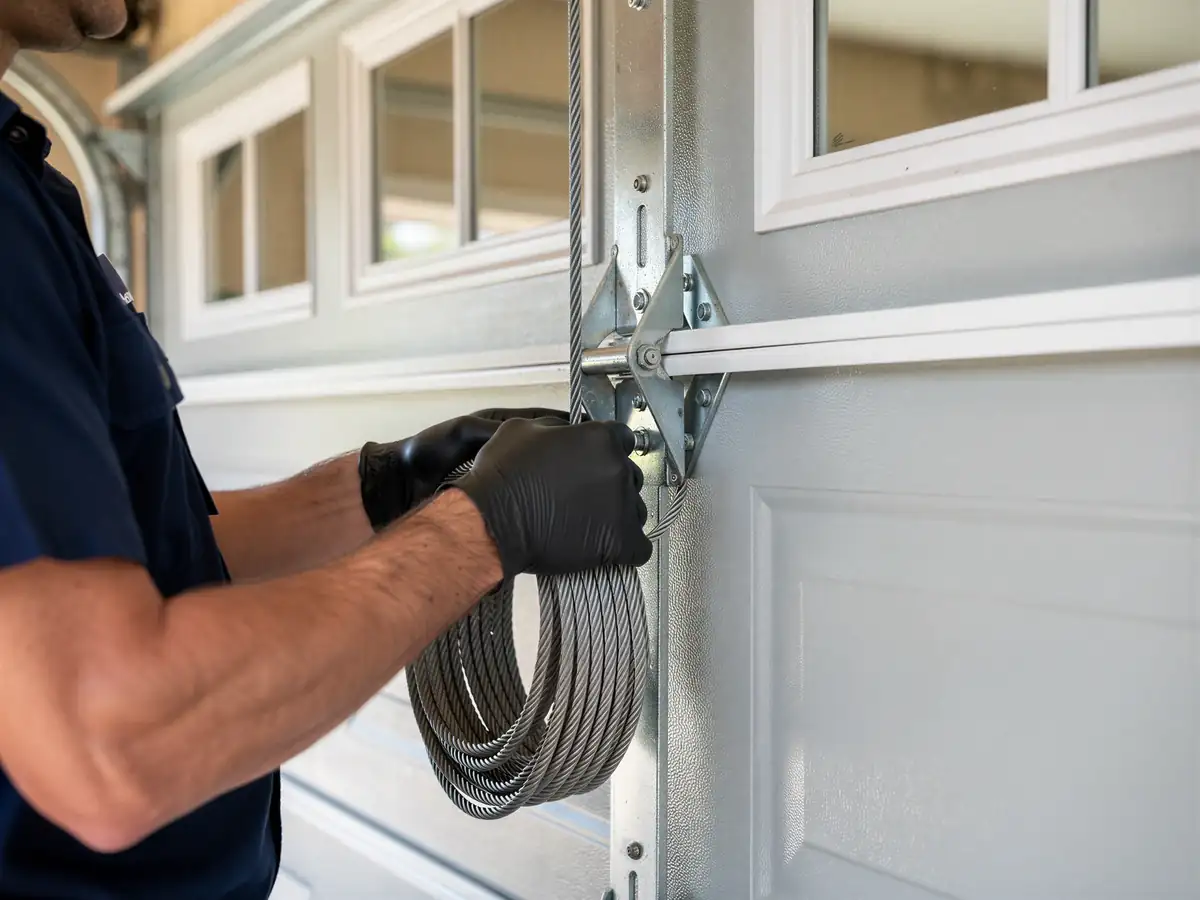
What the Fix Involves
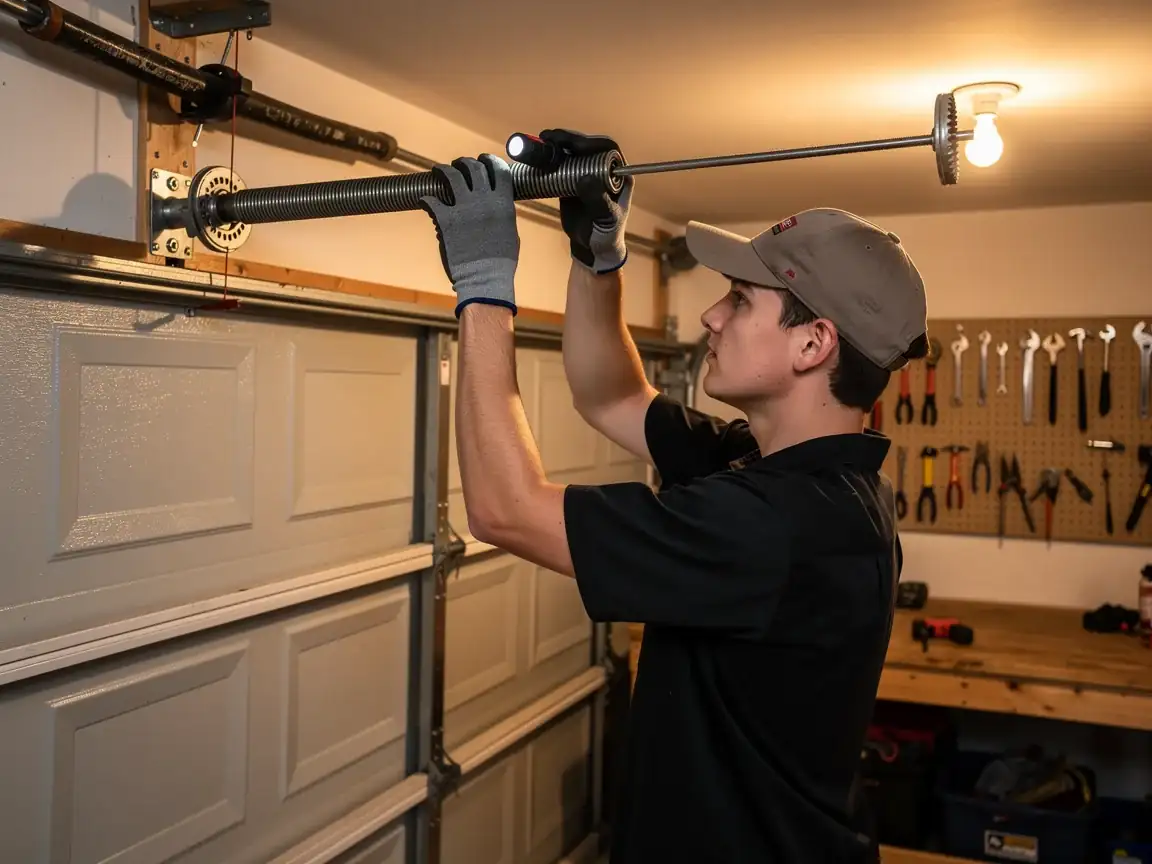
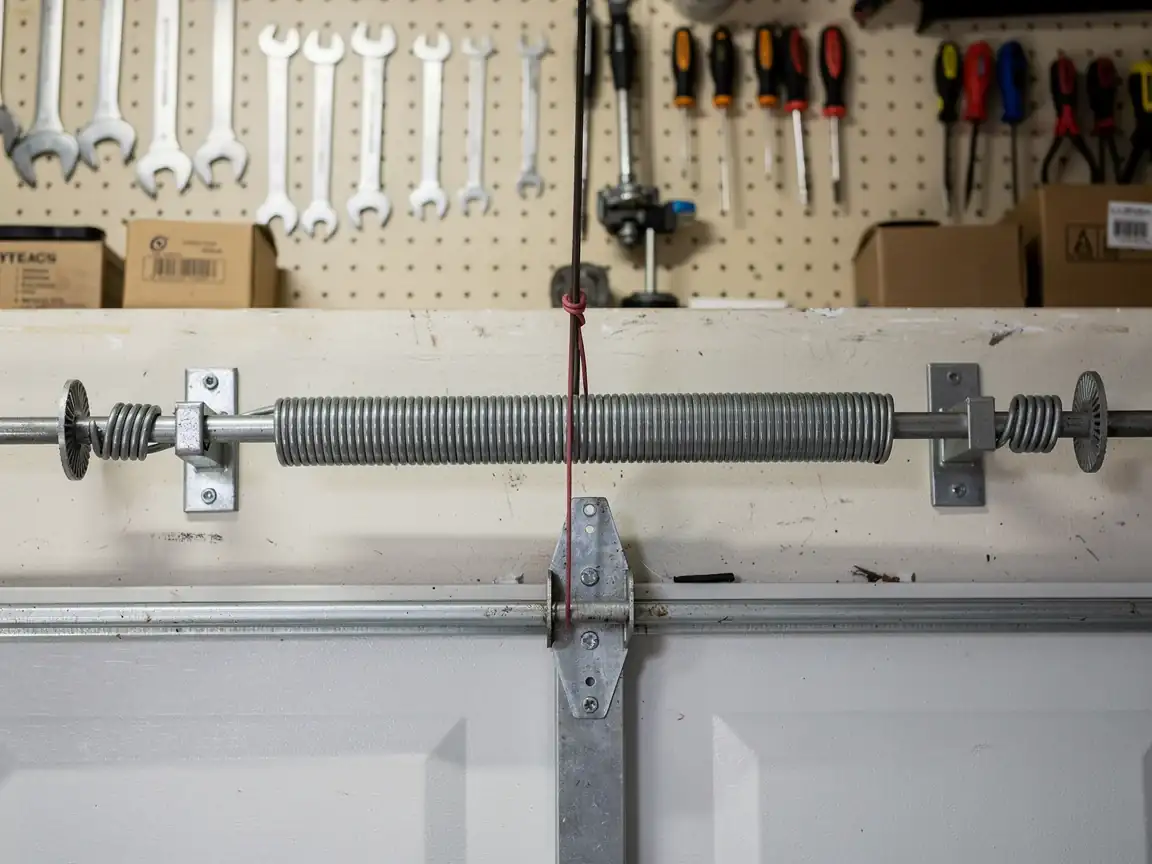
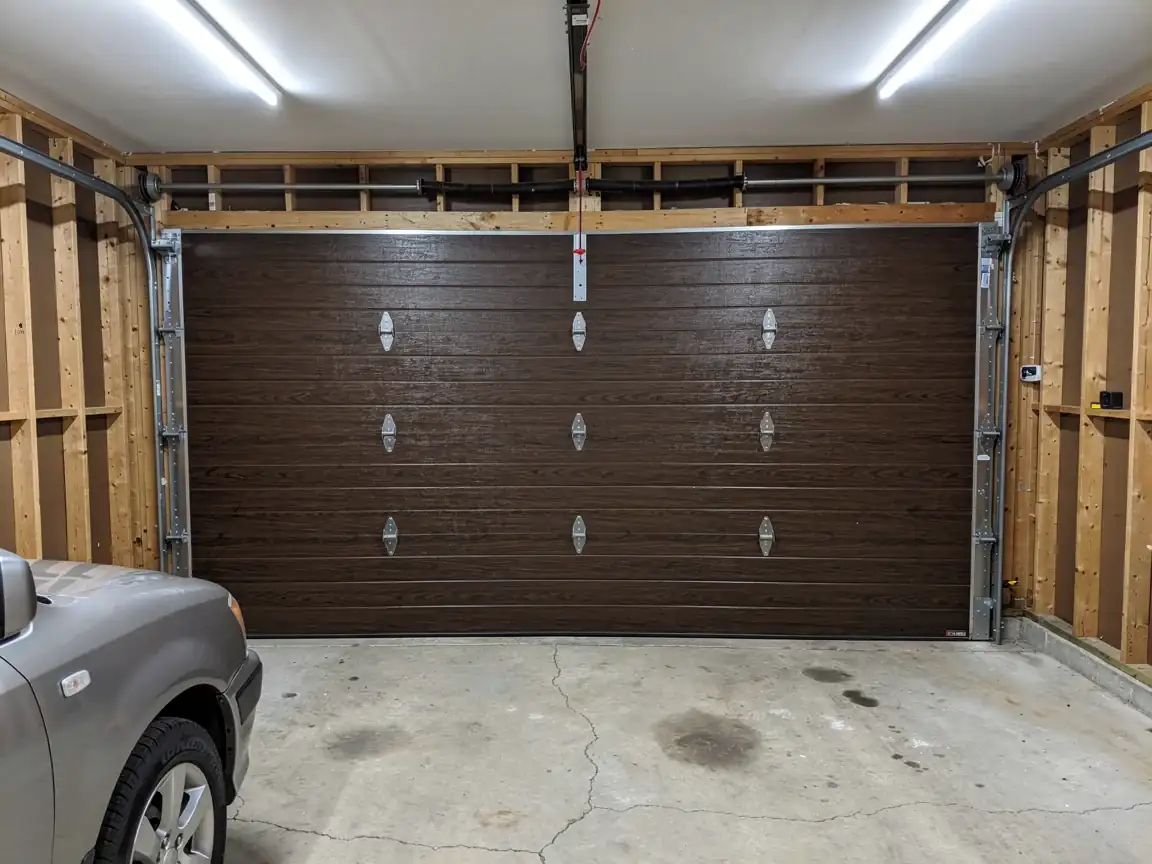
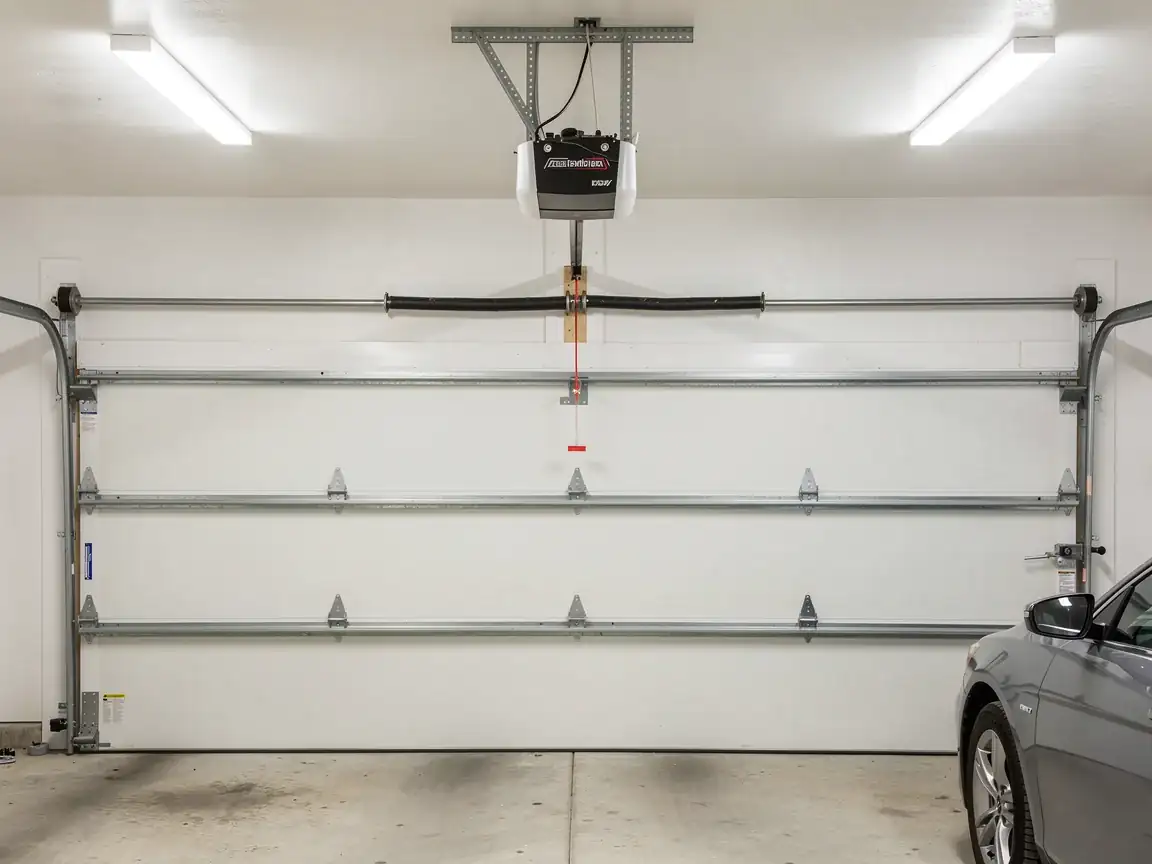
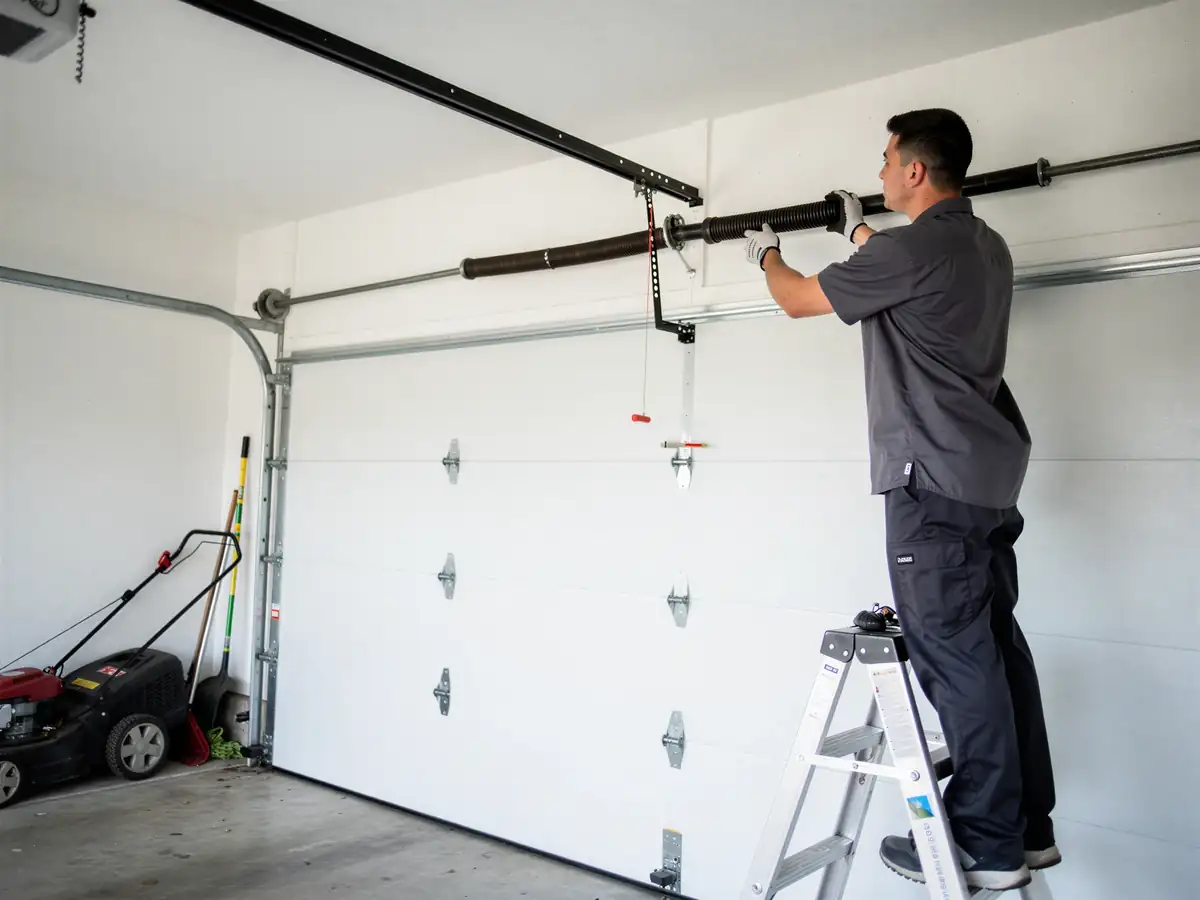
A garage door cable repair starts with releasing tension safely, which means the torsion spring or extension spring on that side has to be locked down or unwound before anyone touches the cable. If one cable has snapped, the door will be sitting crooked or jammed in the track, and the first job is to get the door stable before anything else happens.
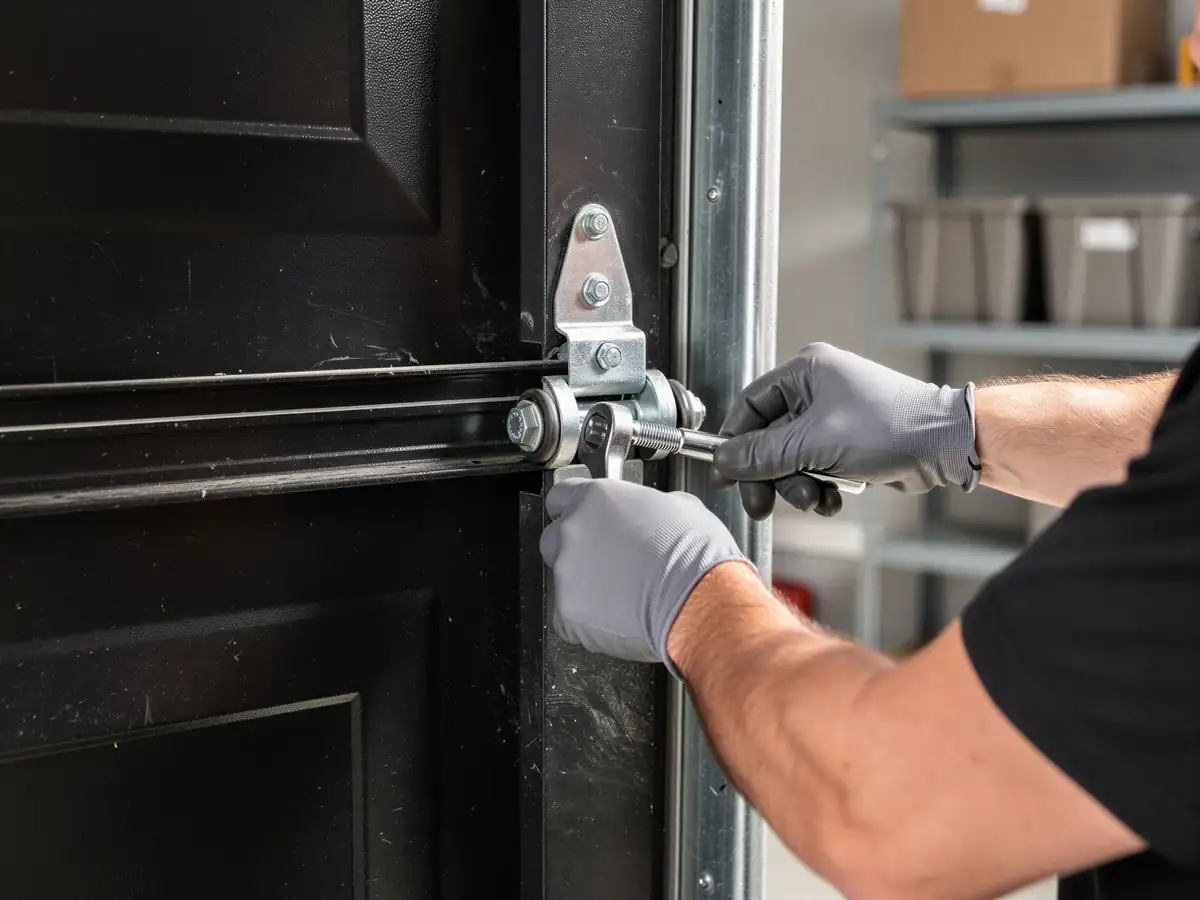
From there we pull the old cable off the drum and the bottom bracket, check the drum itself for a chipped groove (a cheap part that still causes expensive problems if it's ignored), and run a new cable sized to the door's weight and track. We check the other cable at the same time. Cables are a matched-pair part - if one has frayed from age or rust, the other side is usually close behind, and replacing only one is how you end up back here in six months.
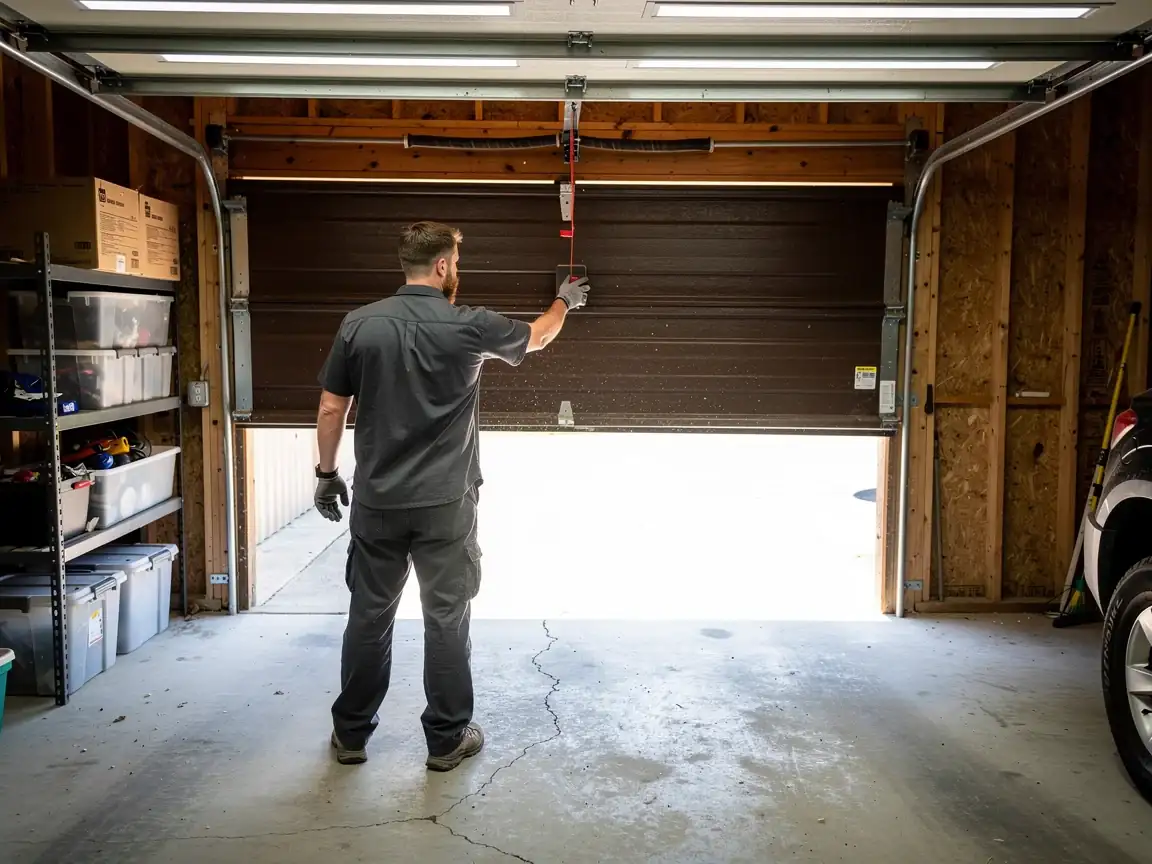
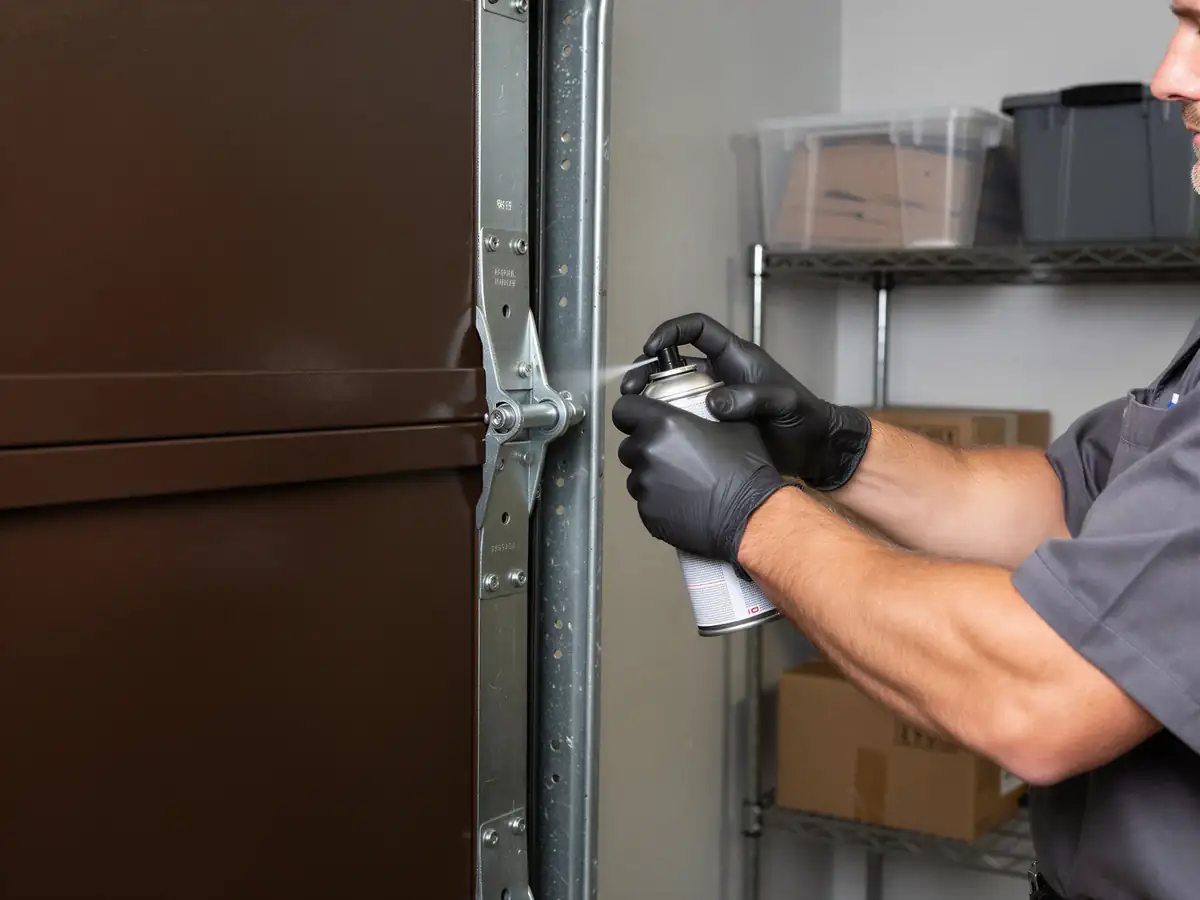
Once the new cable is seated and the drum is aligned, we re-tension the spring, run the door through a full cycle, and check that the cable is tracking evenly on both sides of the drum. A cable that's wound unevenly will fray again inside a year, so that last step isn't optional, it's the difference between a repair that holds and one that doesn't.
What this isn't: a fix for a door that's also dealing with a bent track, a bowed section, or rollers that have worn out of round. Those get diagnosed and quoted separately, because bolting a new cable onto a door with other problems just moves the failure point somewhere else.
What It Costs
We don't post a flat number for cable repair because the price depends on things we can't see until we're looking at the door
Whether it's one cable or two, whether the drum needs replacing, whether the spring system is standard torsion or the older extension-spring setup some houses around here still have, and the size and weight of the door itself. A single-car door with one frayed cable and a sound drum is a different job than a double door with two parted cables and a scored drum.
What we can tell you is that cable repair is one of the more affordable garage door repairs
Because the part itself is inexpensive - the labor and the time spent getting the spring tension right safely are most of the job. If a tech gets under the door and finds the track is also bent or the opener has been straining against the bad cable long enough to damage the gears, that's a separate conversation and a separate number, not something folded into the original estimate.
The honest limitation here: we won't quote a cable repair over the phone sight unseen
Too many of these jobs turn out to involve a second problem once the door is actually inspected, and a number given without eyes on the door is a guess, not a quote.
What Causes It Around Here
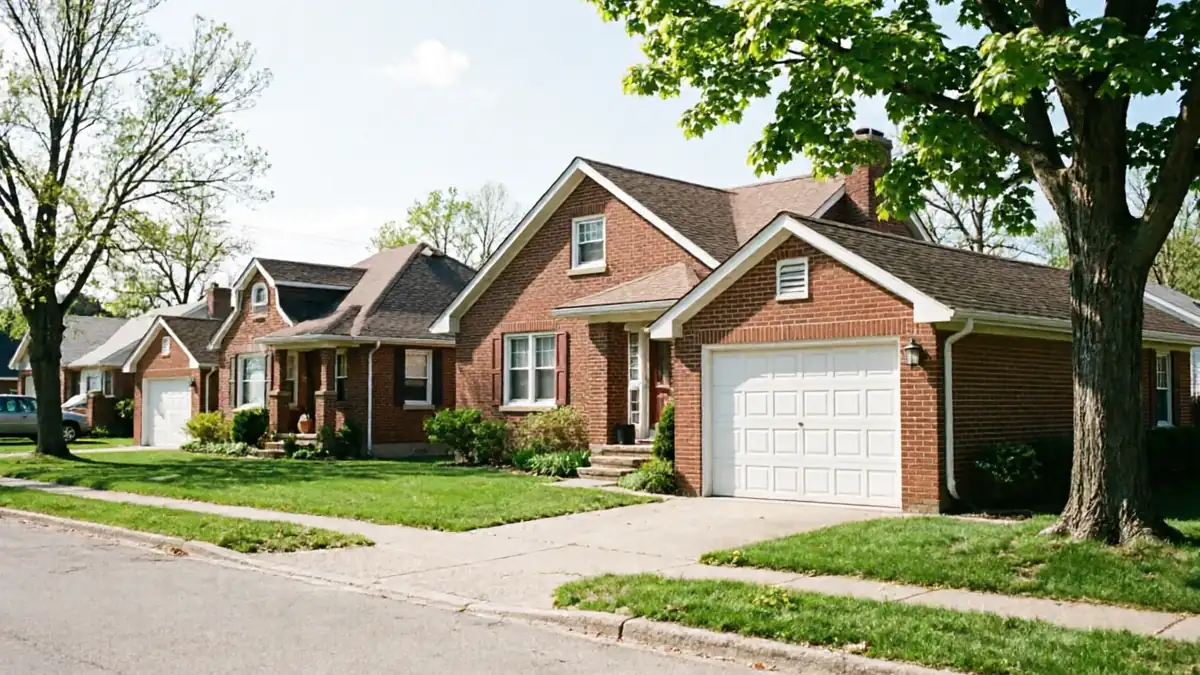
Ballwin's housing stock runs from 1947 through 2011, but the bulk of it - like most of the named areas across this service area - went up in the 1960s and '70s. That matters for cables specifically because original garage door hardware from that era used thinner-gauge cable and drums that weren't built for 50-plus years of daily cycling. A door that's been opened and closed twice a day since 1968 has put a lot of wear on parts nobody thinks about until one snaps.
The other factor is the climate. This area sits in a cold, moderate climate band, which means cables go through real freeze-thaw cycling every winter. Moisture gets into the cable strands, freezes, expands, and works the metal loose at the bend points - right where the cable wraps the drum and right where it meets the bottom bracket. Add road salt tracked in on tires and that corrosion accelerates on cables that already have 40 or 50 years of cycling behind them.
So the pattern we see most in this area is a cable that's frayed at one of those two bend points, usually on a door original to a house built well before 2000, and usually worse in late winter after a few hard freeze-thaw stretches. It's not random - it's the housing age and the climate working on the same part at the same time.
What You Are Seeing
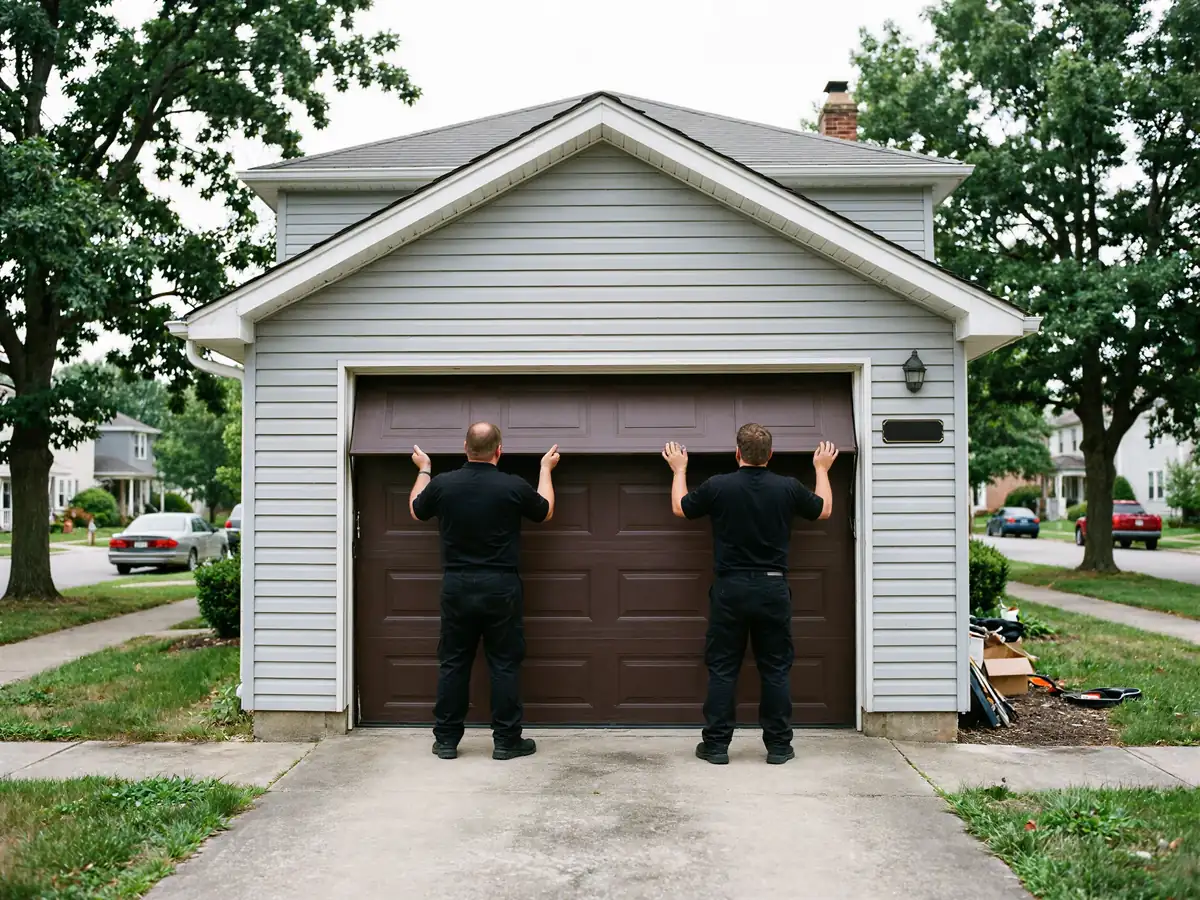
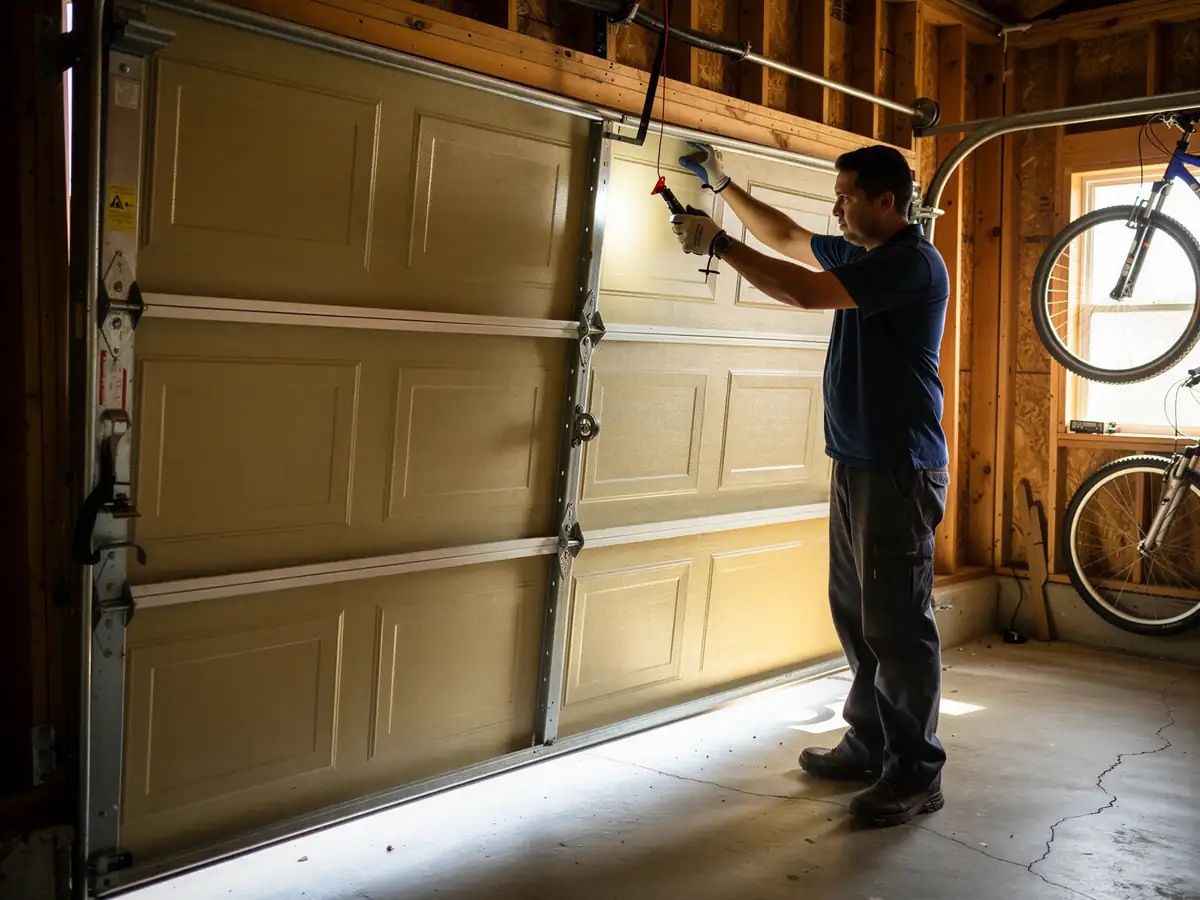
The clearest sign is a door that's hanging crooked - one corner lower than the other, or the whole door stuck at an angle in the track. That almost always means a cable has already let go on one side. Don't run the opener again once you see this; forcing a door with a snapped cable can bend the track or drop the door hard on whatever's underneath it.
Before a full snap, you'll often get warning signs: a door that jerks or shudders partway through its cycle, a visible fray or kink in the cable near the bottom bracket, or a thin wire sticking out from the cable where strands have started to separate. Some owners hear a popping or snapping sound from the spring area in the days before a cable actually breaks - that's usually the cable catching and slipping on a worn drum groove, not the spring itself.
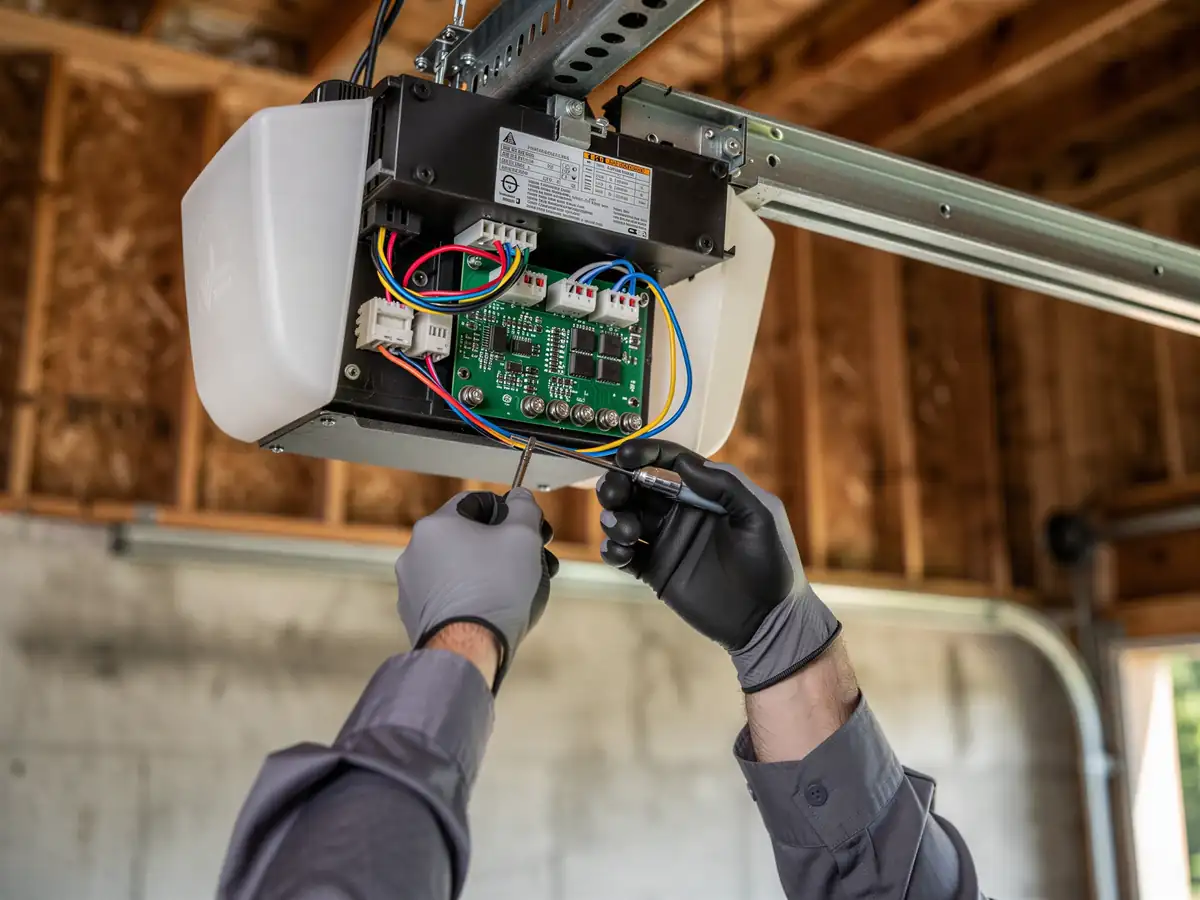
If the door won't move at all and the opener motor is straining or humming without lifting the door, stop trying to open it. That's the opener fighting against a dead-weight door with a broken cable, and repeated attempts can burn out the motor on top of the cable problem you already have.