What the Fix Involves
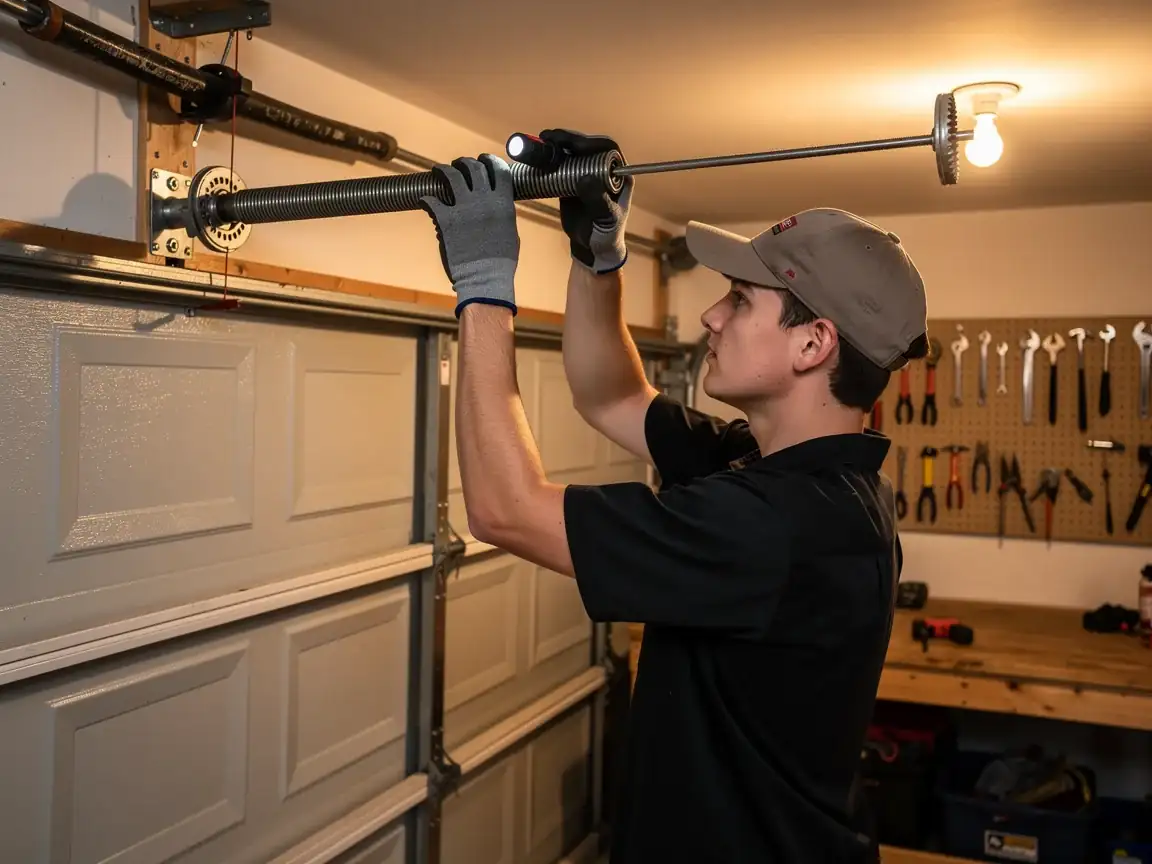
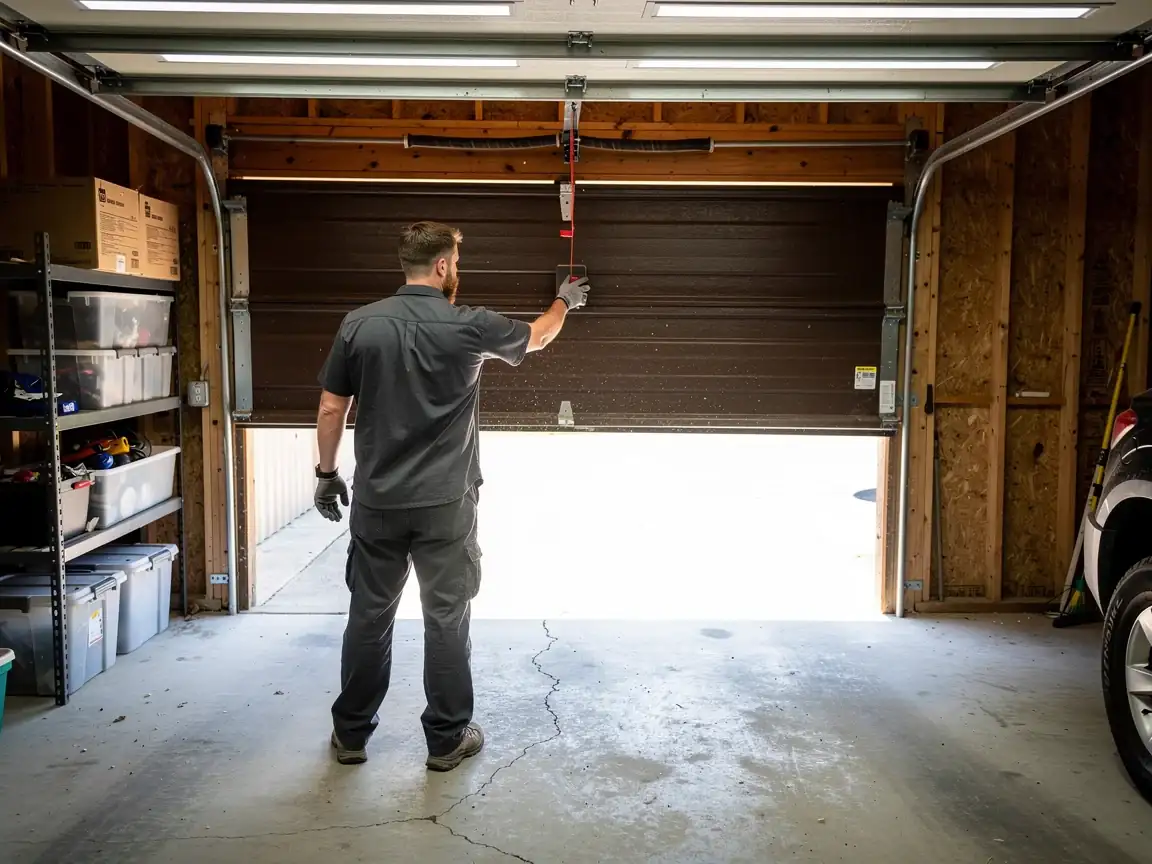
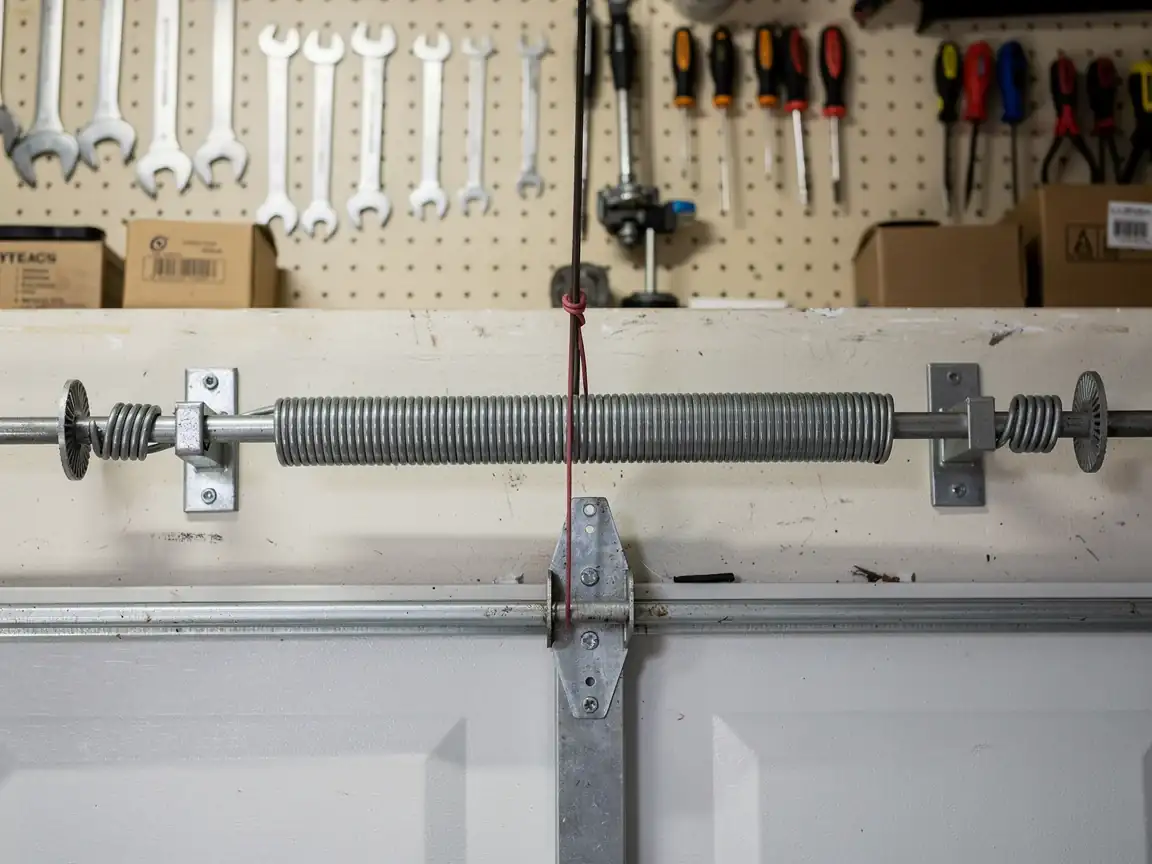
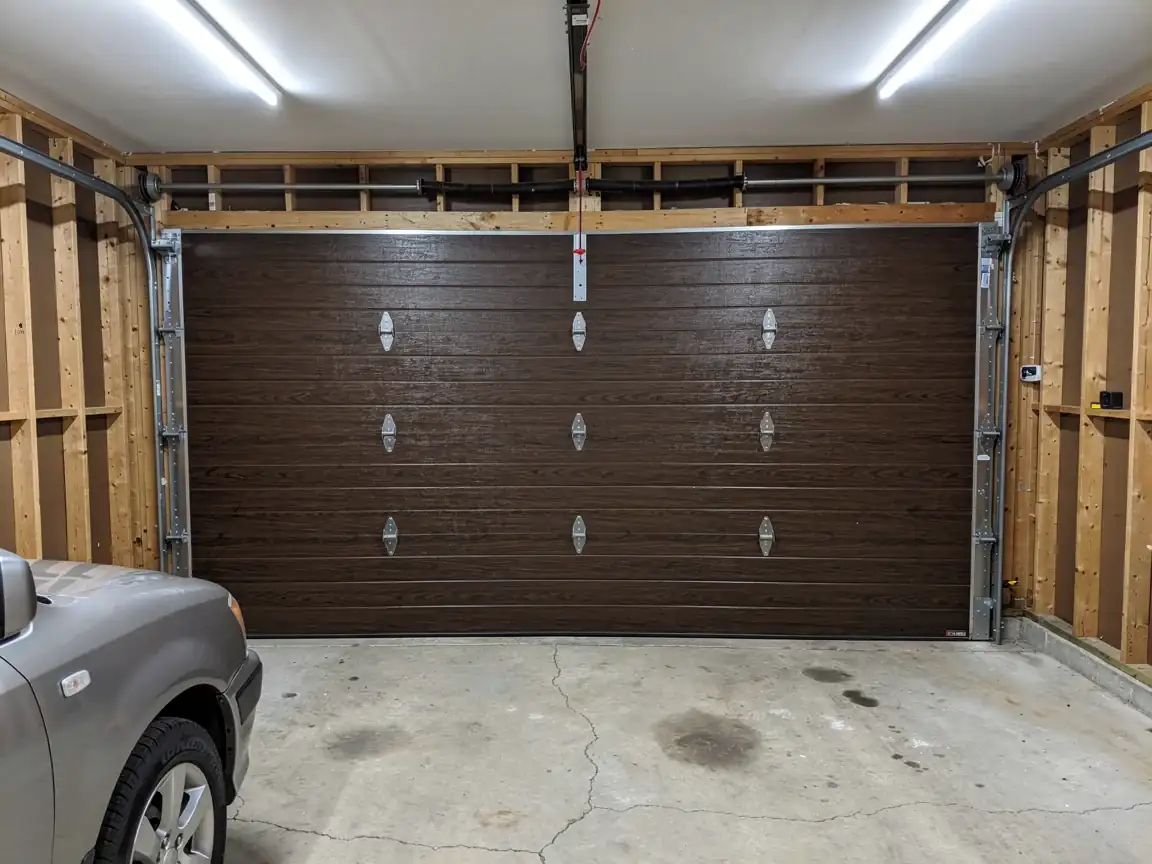
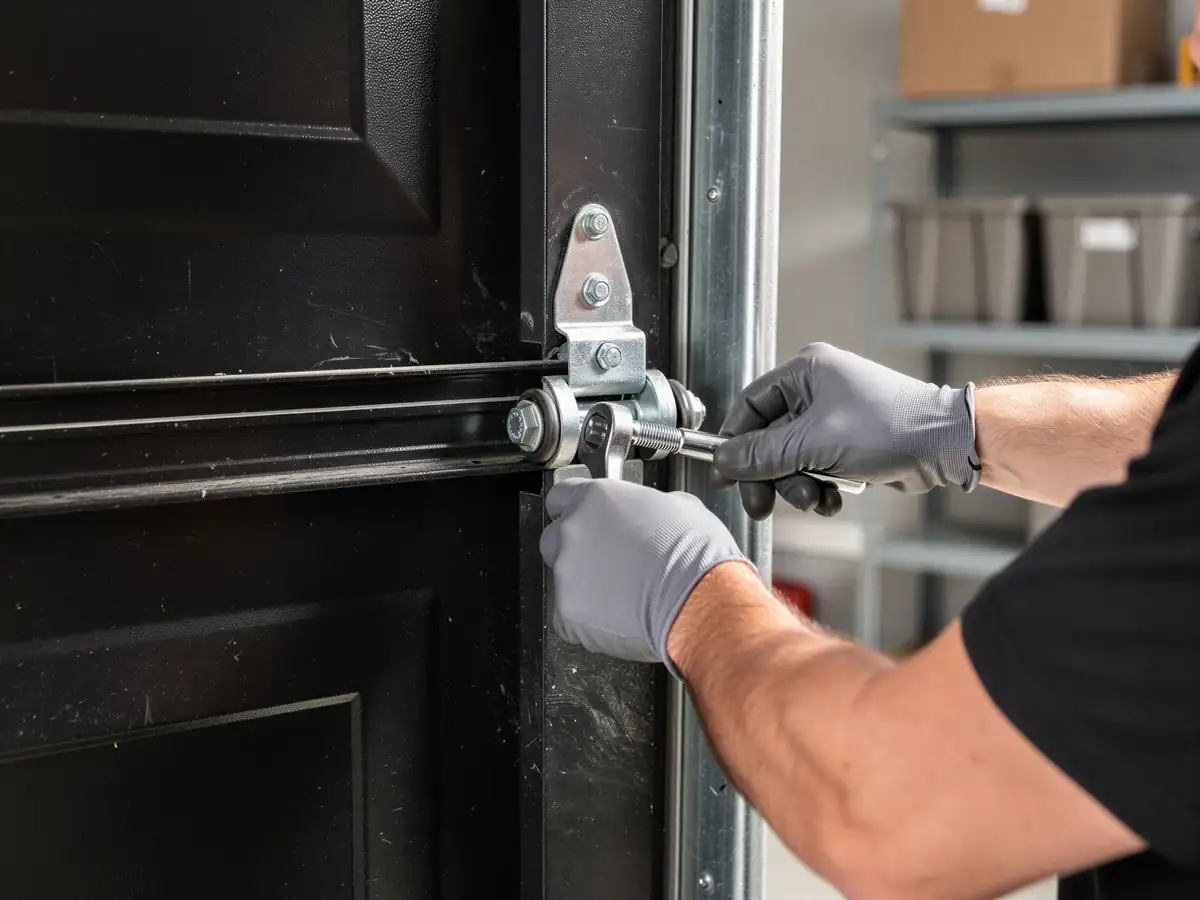
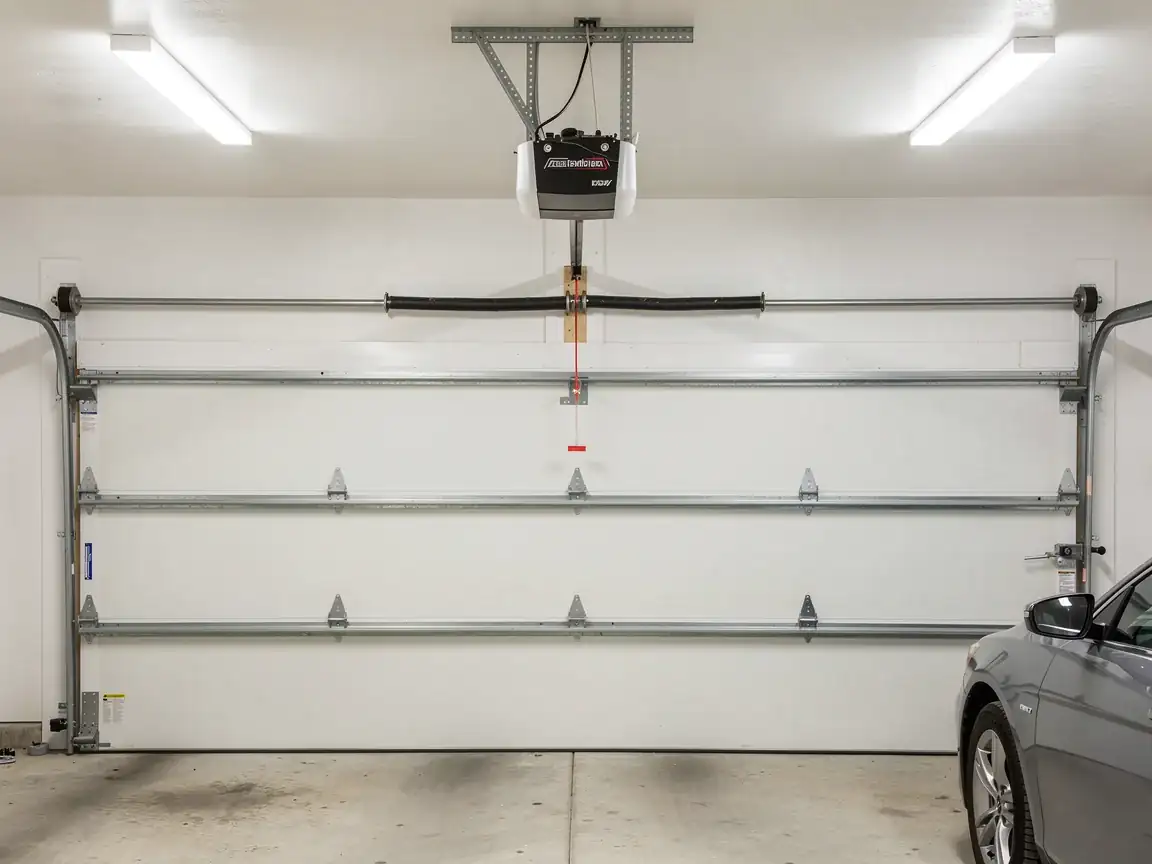
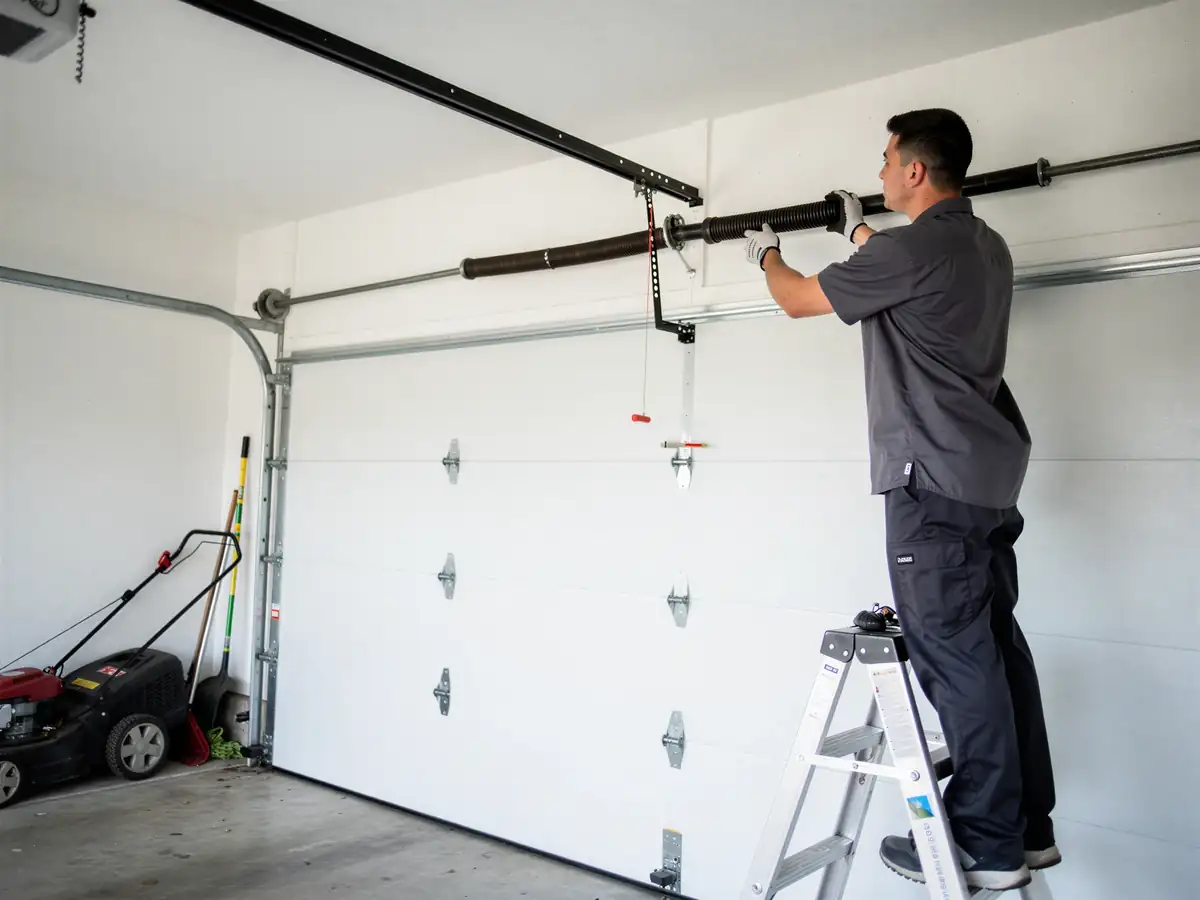
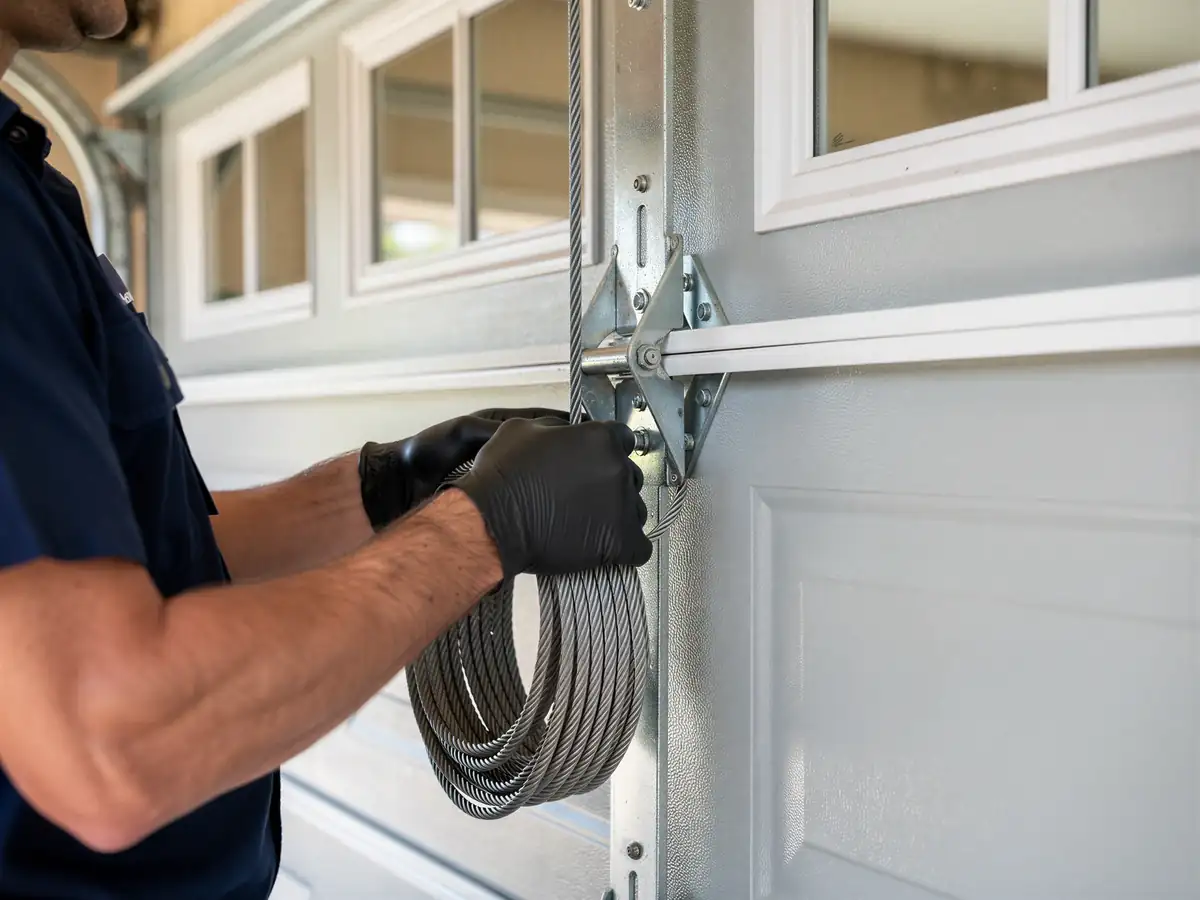
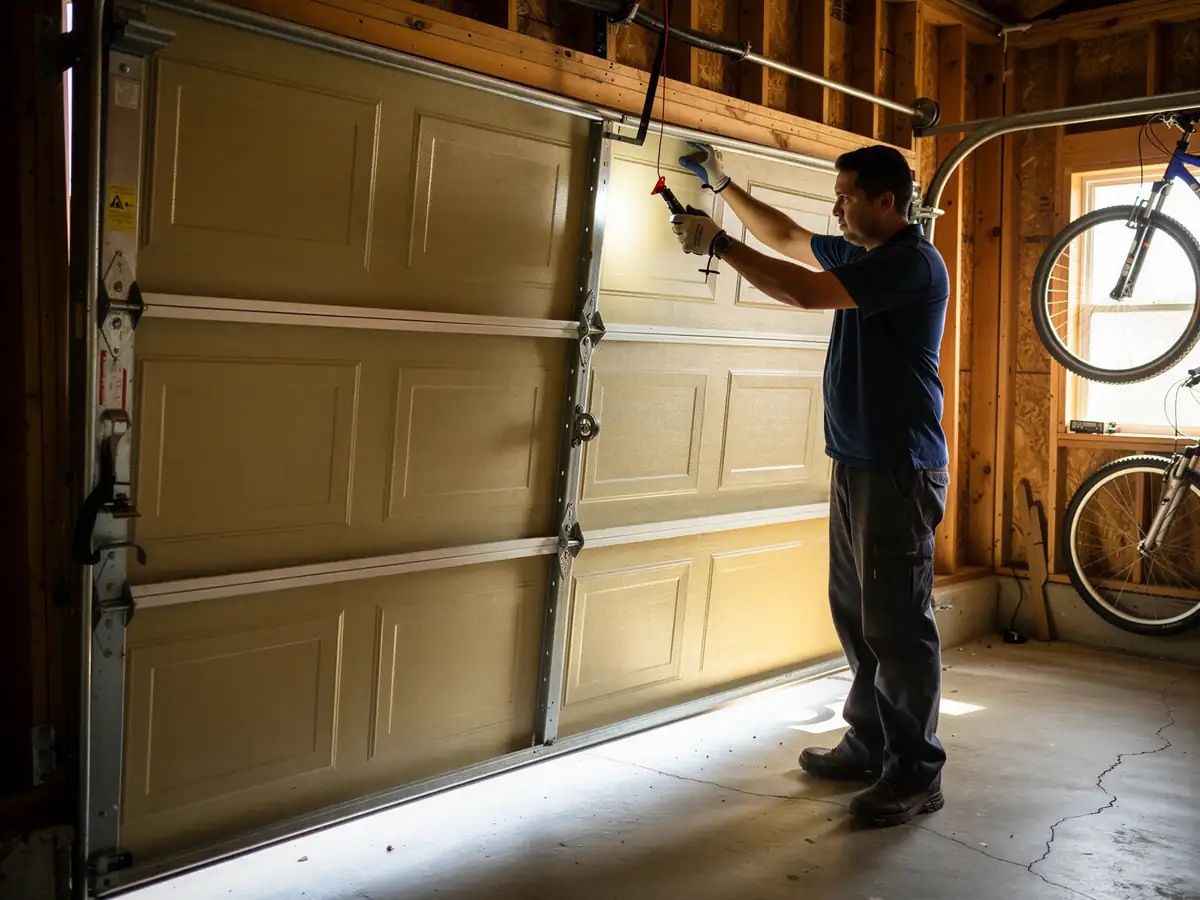
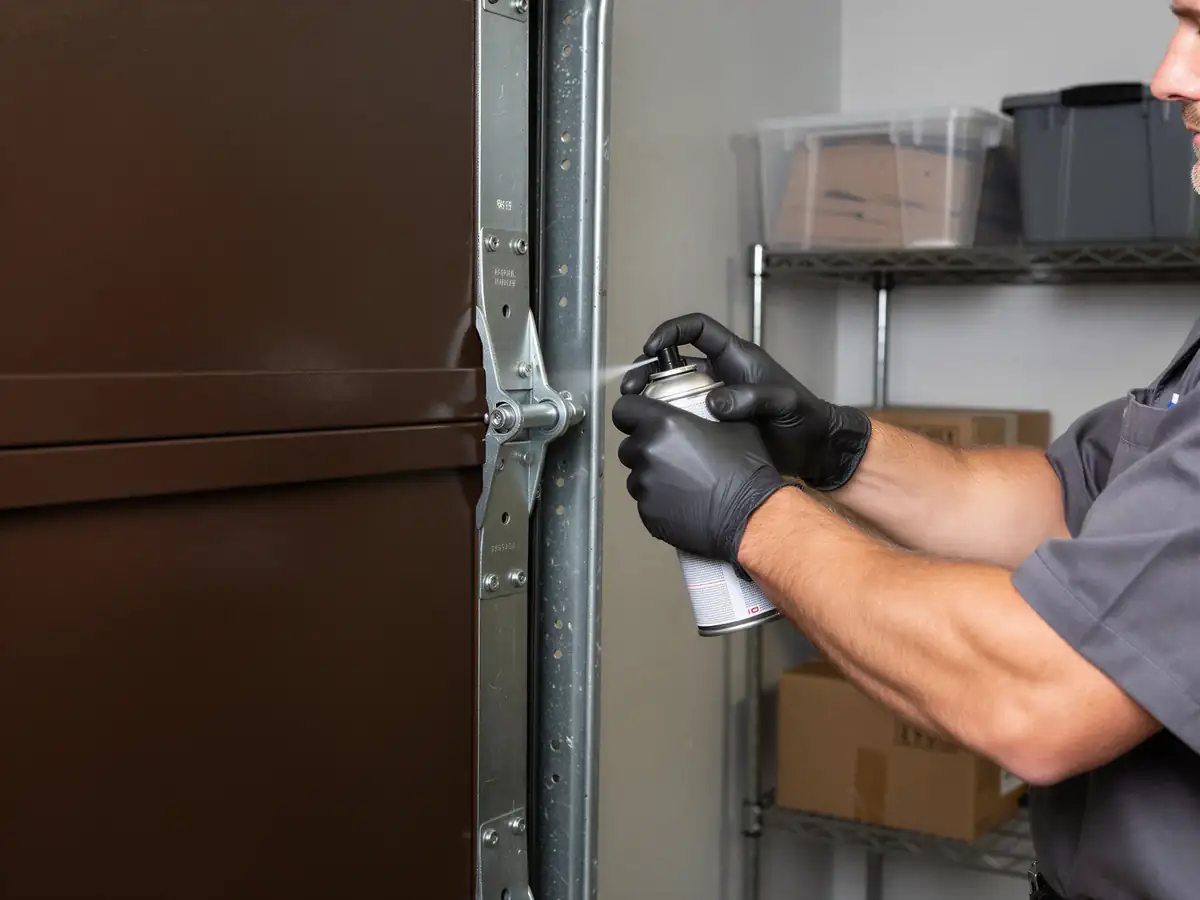
A maintenance visit isn't a repair call - it's the work that keeps you from needing one. We check spring tension and balance, inspect cables for fraying at the drum and bottom bracket, lubricate rollers and hinges, and look at track alignment on both sides of the door. We tighten the hardware that backs out from years of vibration, check the opener's force and travel settings, and test the auto-reverse safety sensors. Weatherstripping gets a look too, since a cracked bottom seal lets cold air and water into the garage.
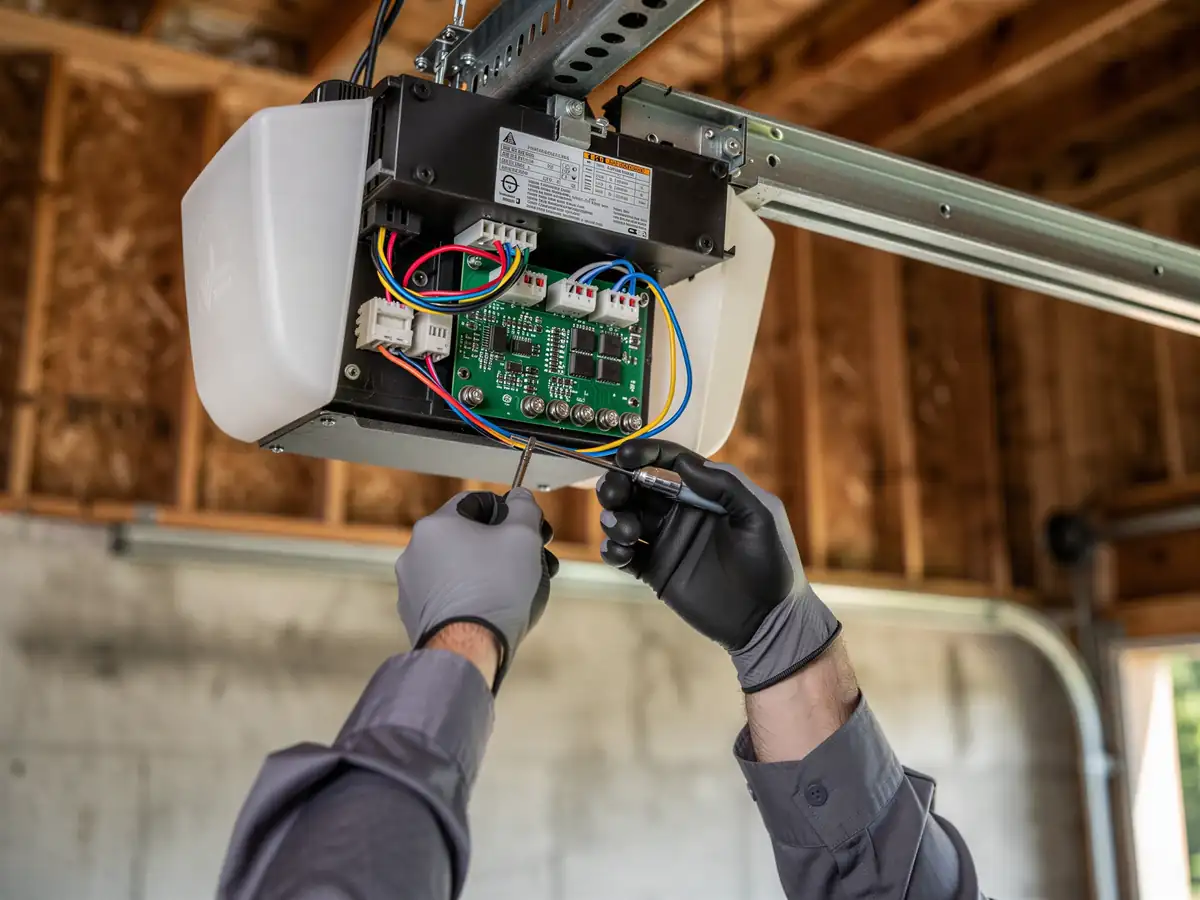
What we don't do on a standard maintenance call is rebuild an opener's circuit board or replace a bent panel - those are repair or replacement jobs, and we'll tell you straight if that's what you actually need instead of a tune-up. If a spring is already showing rust pitting or a cable strand is frayed, we'll flag it rather than just lubricate around it, because that's the kind of thing that fails without warning.
Most of what we find on these visits isn't dramatic. It's a roller worn oval, a track bolt loose a quarter turn, a sensor lens fogged with garage dust. Caught early, none of it costs you a Saturday morning with a door stuck halfway up.
What It Costs
We don't post a flat number here because what a maintenance visit runs depends on the door
A single door with one spring is a different job than a double door with two, and a door that's never been serviced takes longer than one we saw last year. Age matters too: a door built when the house was new carries original hardware that takes more care to adjust without stressing it further.
What we can tell you is what drives the cost up or down
A door that's badly out of balance takes longer to true up safely. Rollers past their service life add parts to the ticket. An opener that's never had its force settings checked usually needs more adjustment than one serviced on a regular schedule.
The honest math is that a maintenance visit almost always costs less than the repair it prevents
A seized roller that's ignored eventually takes a track with it, and a track replacement is a bigger job than a roller swap. We'll give you a number for your specific door before we start, not after.
What Causes It Around Here
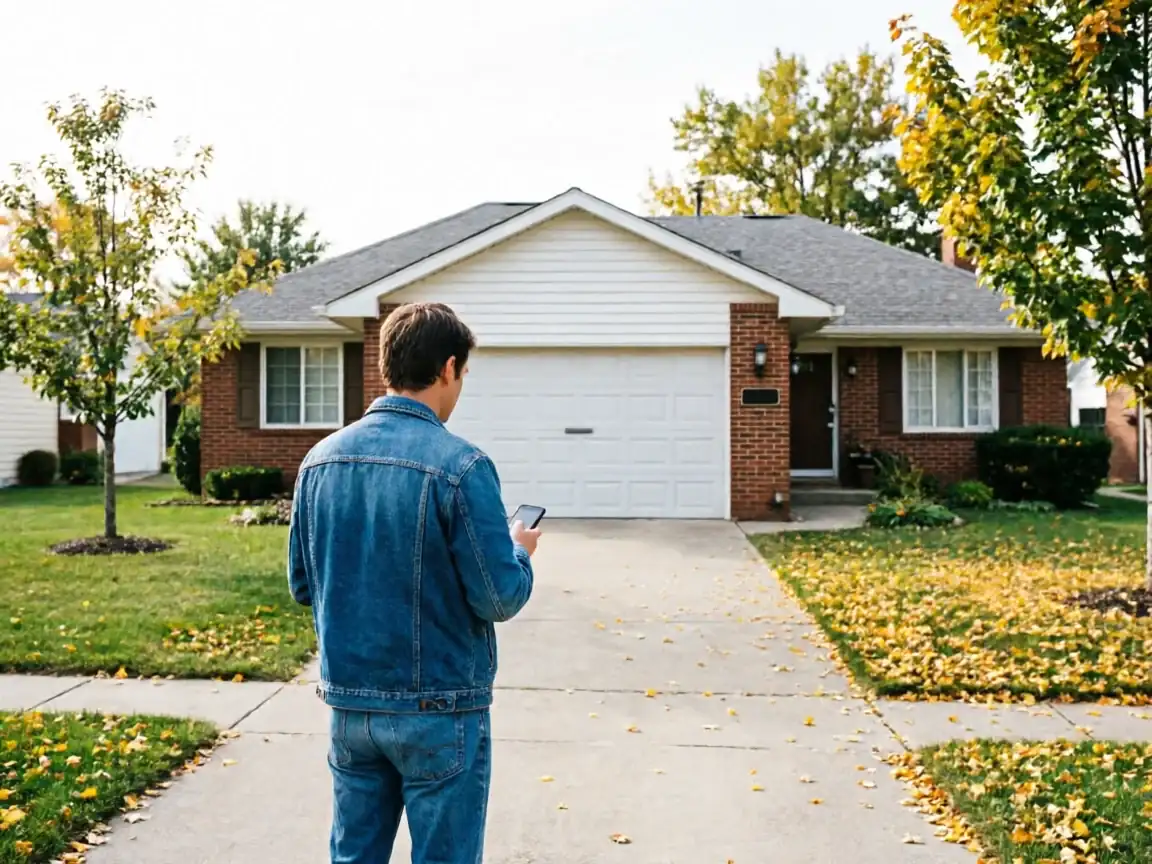
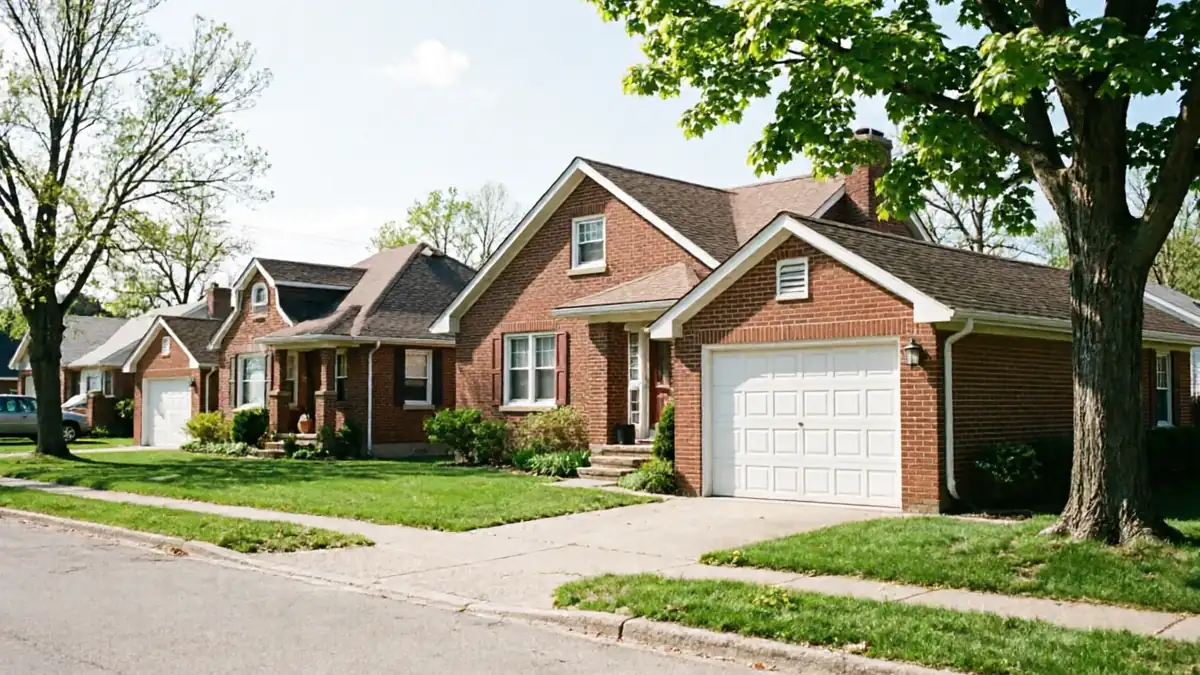
Housing in this part of the county was mostly built between 1947 and 2011, with the median year landing around 1969, and most of the fifty-some communities in the area - Ballwin included - filled in during that same 1960s-and-70s stretch. That matters for garage doors because a lot of the original torsion springs, drums, and track brackets installed when these houses went up are either at or past their rated cycle count. Springs don't fail on a schedule, but they do fail more often the longer they've been doing the same job.
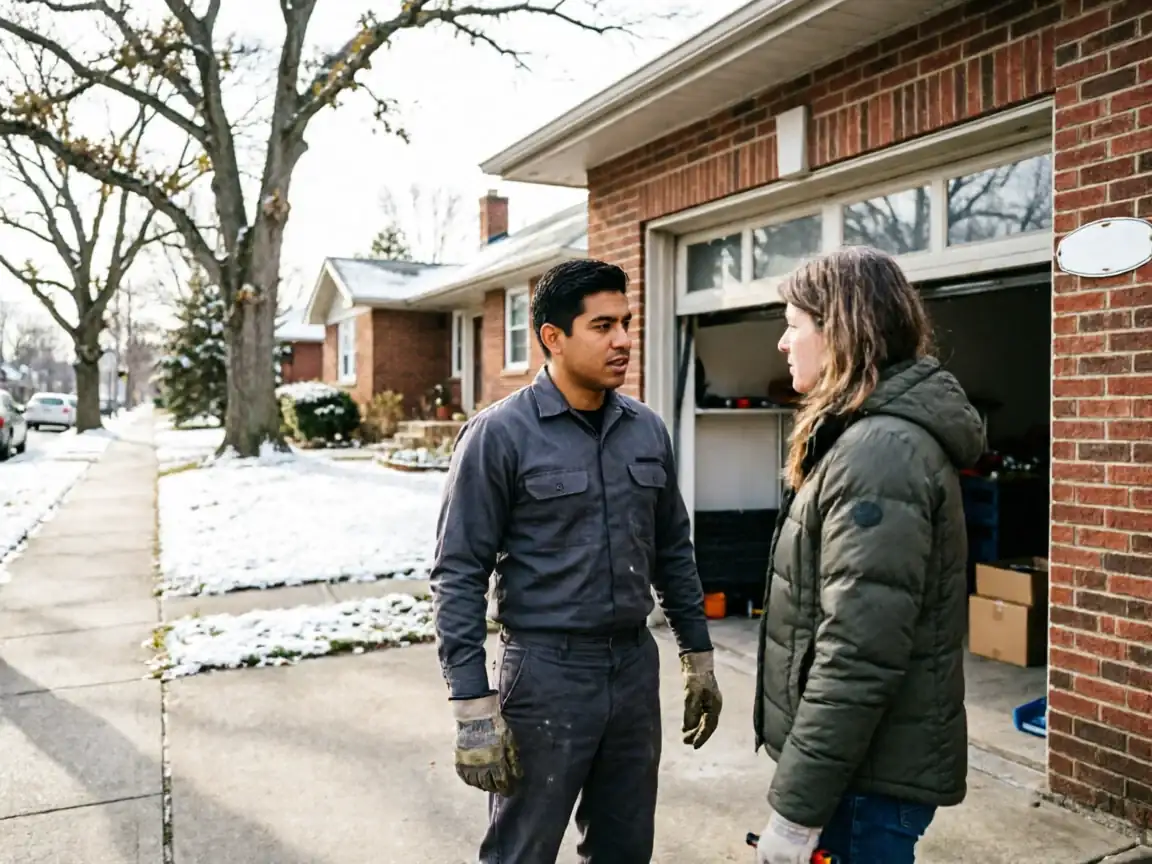
The climate here is cold-moderate, which means grease and lubricant that move fine in warm months stiffen up once temperatures drop, and metal hardware contracts slightly in the cold. That combination is why a door that opened fine in September starts groaning or hanging up by January. It's not a defect - it's just what happens to twenty- and thirty-year-old steel and nylon when the temperature swings through a full range every year.
A door that's never been serviced carries all of that wear at once. One that's had regular lubrication and a yearly balance check tends to show it one small symptom at a time instead.
What You Are Seeing
The usual signs are small before they're big. A door that used to glide now hesitates or jerks partway up. Rollers grind instead of roll. The opener strains at the top of its travel, or the door drifts down an inch or two after it's supposedly closed - both point at spring tension slipping off balance. A door that's noticeably heavier to lift by hand than it used to be is telling you the same thing.
Cold mornings tend to bring symptoms out that were already there. A door that worked fine all summer and suddenly groans or sticks once the weather turns isn't broken overnight - the slack in the hardware was already building, and stiff lubricant in cold air just makes it obvious.
If your opener reverses before the door fully closes, or the safety sensors blink without an obstruction in the way, that's worth a look sooner than later - it's usually a cheap fix, a dirty sensor lens or a knocked-loose bracket, but it's also a safety issue, not a scheduling one. Across the roughly 209,210 households and 115,641 owner-occupied houses in this part of St. Louis County, these are the same handful of symptoms we see on doors from the same era, over and over.