What Changes With the Season
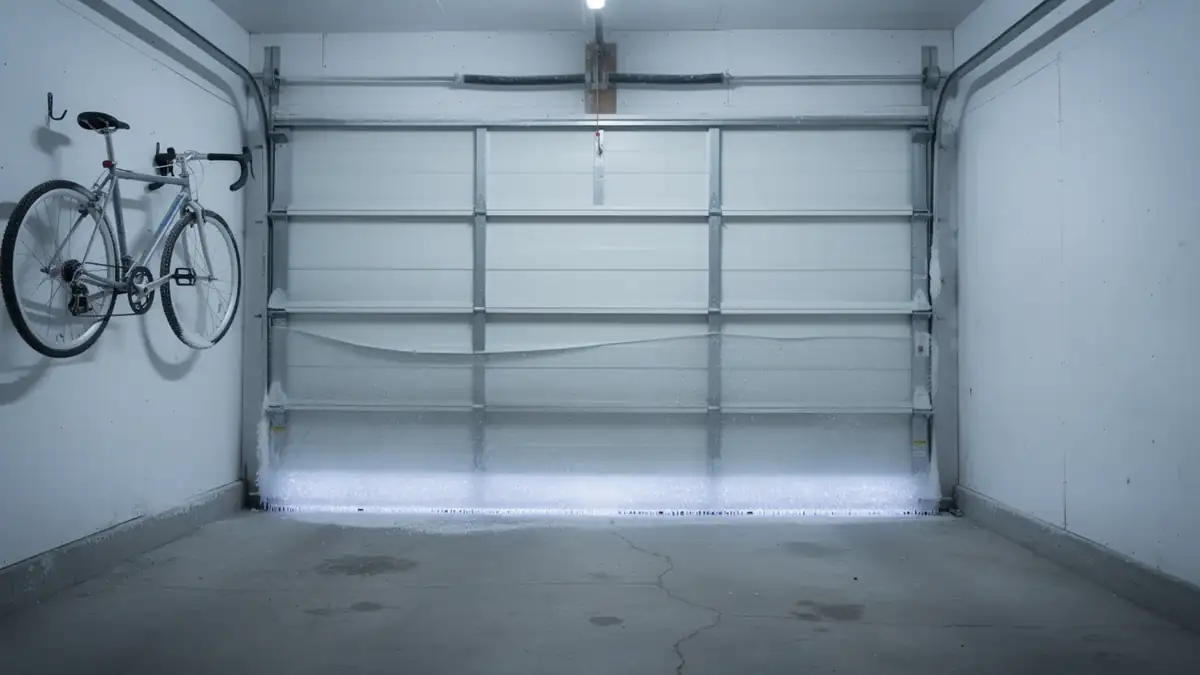
Ballwin sits in a cold moderate climate band, which means the door on your garage goes through a real freeze-thaw cycle every winter, not just a few cold snaps. Steel panels contract when the temperature drops, and on an uninsulated door that contraction isn't buffered by anything - no foam core, no thermal break at the track. You'll feel it as a door that's harder to lift by hand on a 20-degree morning, hardware that binds instead of rolling smooth, and a bottom seal that shrinks away from the slab just enough to let in a draft and a line of grit.
Come spring, the same door often sweats. Humidity swings condense on bare steel faster than on an insulated panel, and that moisture sits at the bottom few inches of the door longer than you'd think, right where the weatherstrip meets concrete. None of this is dramatic. It's slow wear that shows up as rust starting at the bottom panel, a spring that sounds different than it did a year ago, or an opener that strains on the first pull of the morning. The pattern repeats every year a door goes without a thermal break, because the swing between a January morning and a July afternoon here is not small.
The Situation
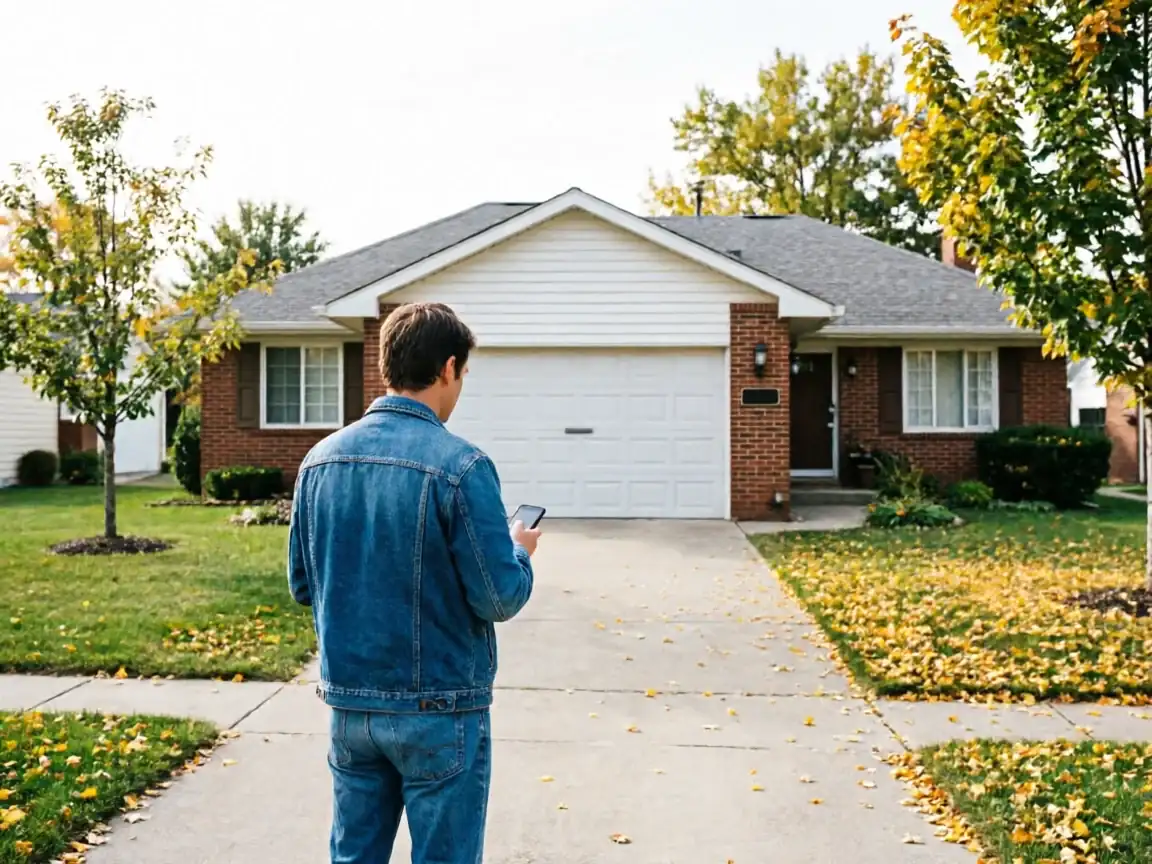
The homes in this part of the service area mostly went up between 1947 and 2011
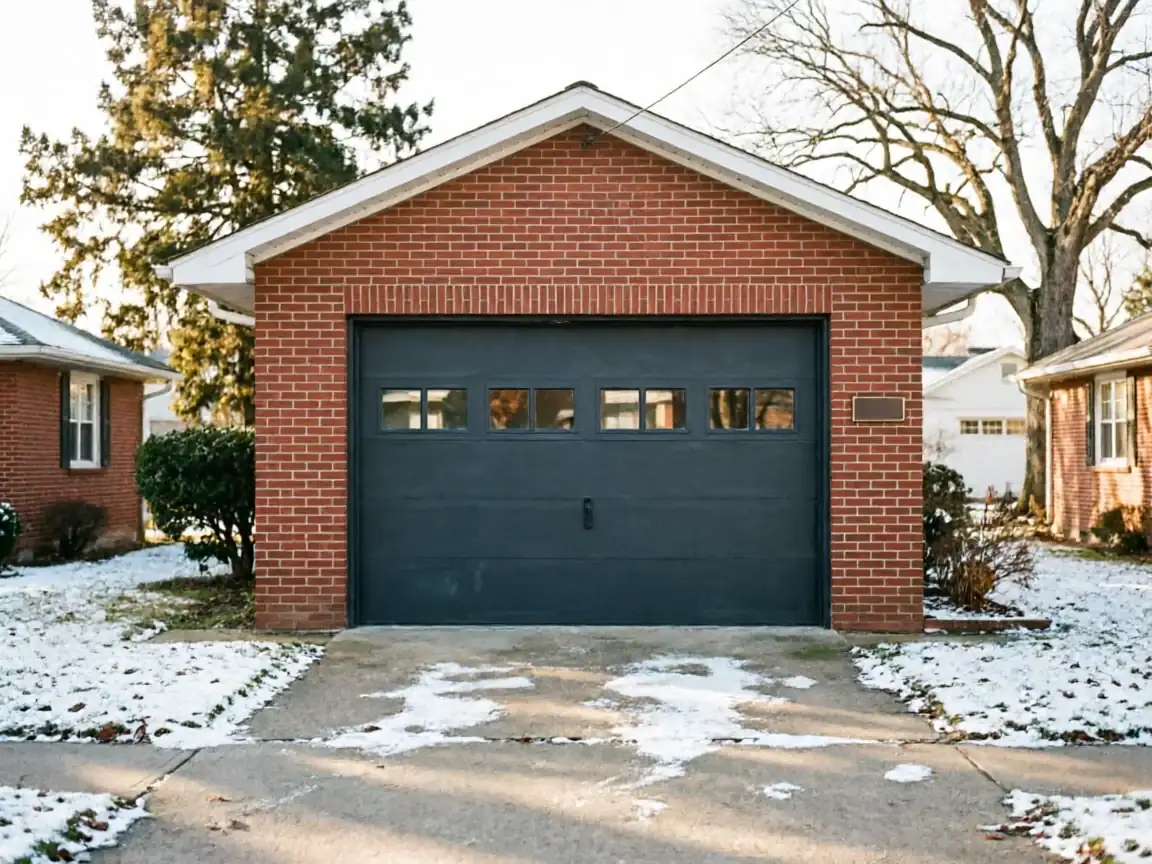
With the median landing around 1969 - squarely in the decades before insulation requirements were part of residential codes. Across the roughly 50 named areas that make up this stock, the bulk of construction is 1960s and 70s ranch and split-level, which is exactly the era when garage doors shipped as a single layer of steel or wood with no insulation at all, because nobody was asking for it yet.
That means a lot of doors in Ballwin and the surrounding area
Ellisville and Manchester two miles out, Clarkson Valley at three, Valley Park at four - were either installed new during that original building boom or replaced once already with a like-for-like uninsulated panel, since that was still the standard option for years afterward. The door itself isn't broken in the sense of needing a repair call. It's doing exactly what an uninsulated steel panel from that era is built to do: conduct cold, sweat in humidity, and wear a little faster at the bottom where moisture collects. It's a design limitation, not a malfunction, and it's worth knowing the difference before you pay for a repair that won't fix it.
When to Get Help
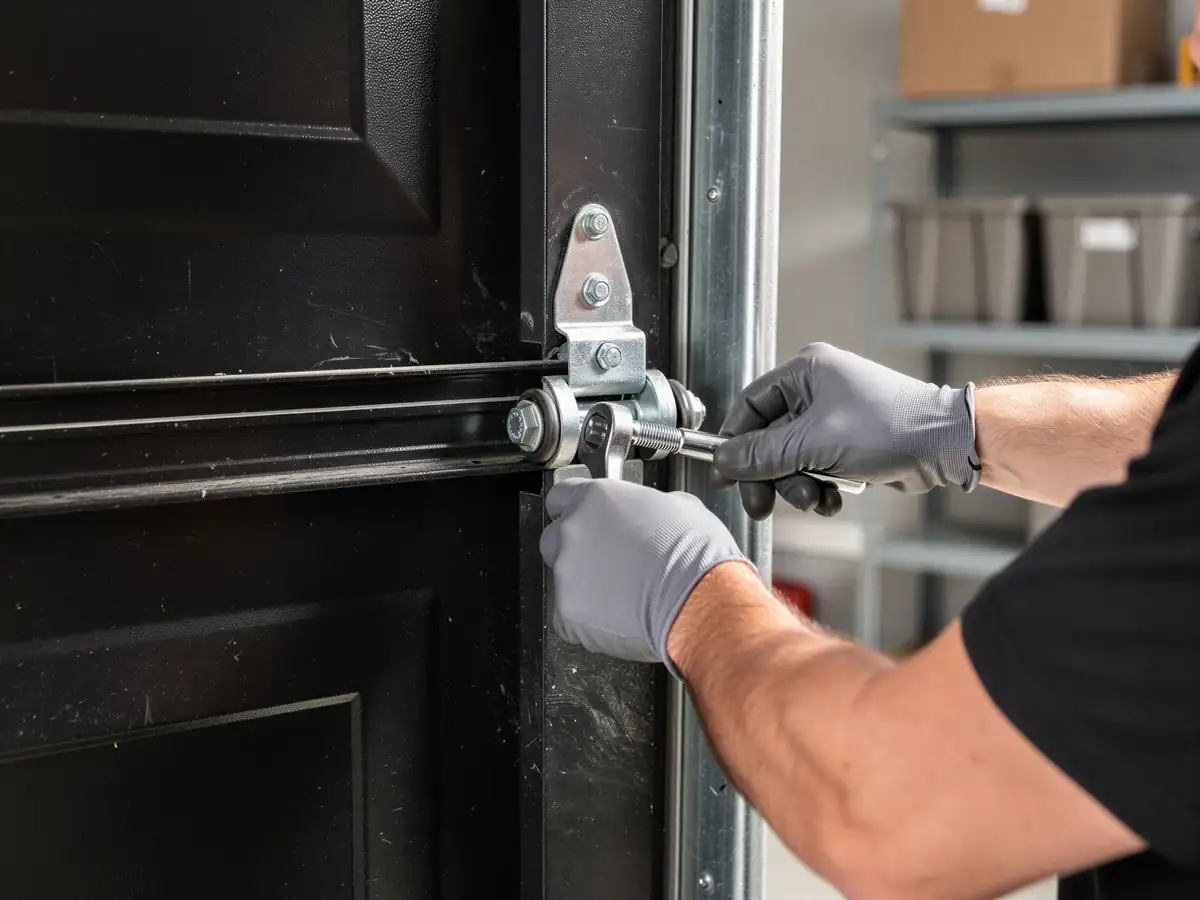
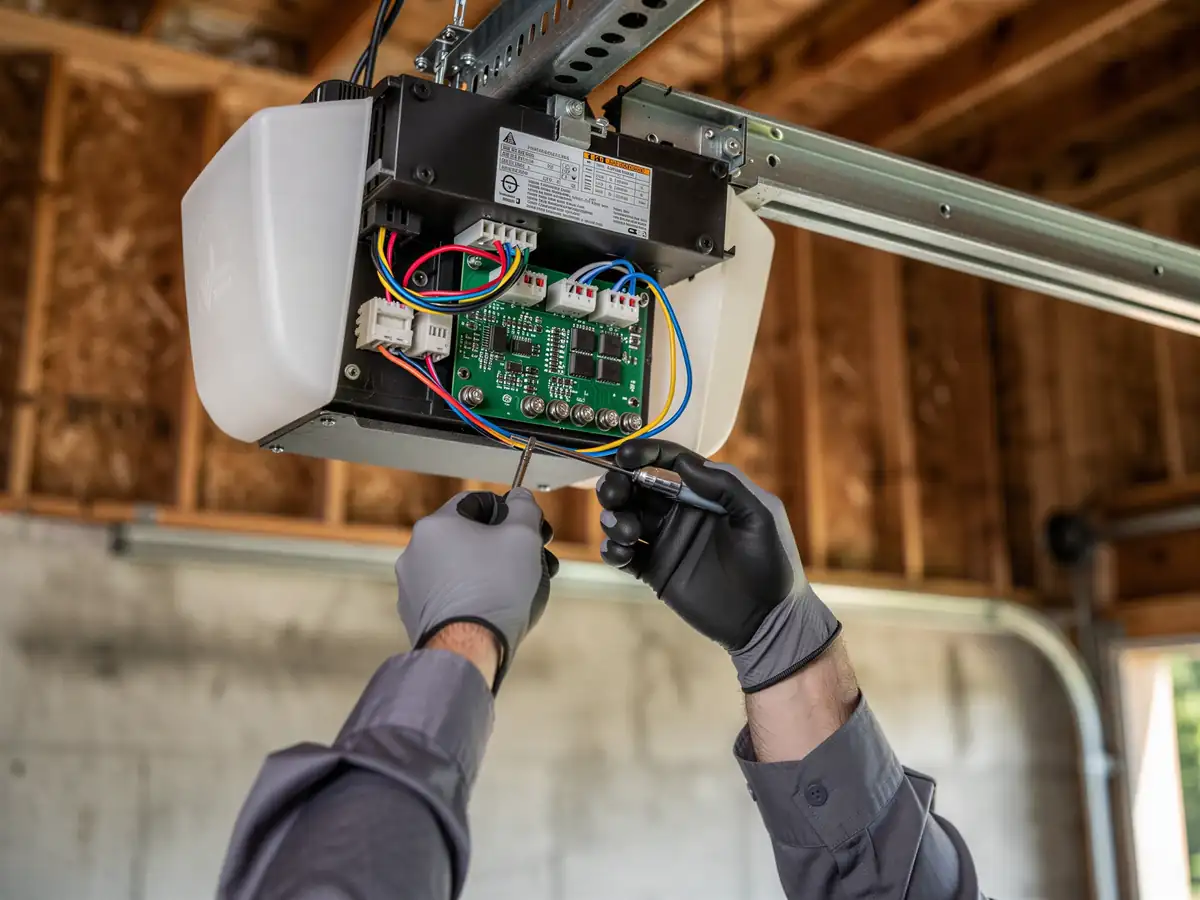
Call when the door won't seat flush at the bottom anymore, when you see frost or condensation forming on the inside face of the panel, or when the opener is working harder than it used to just to get the door moving on a cold morning. Those are mechanical symptoms, not just comfort complaints, and they usually mean a spring that's lost tension in the cold, hardware that's stiffened up, or a bottom seal that's finally failed.
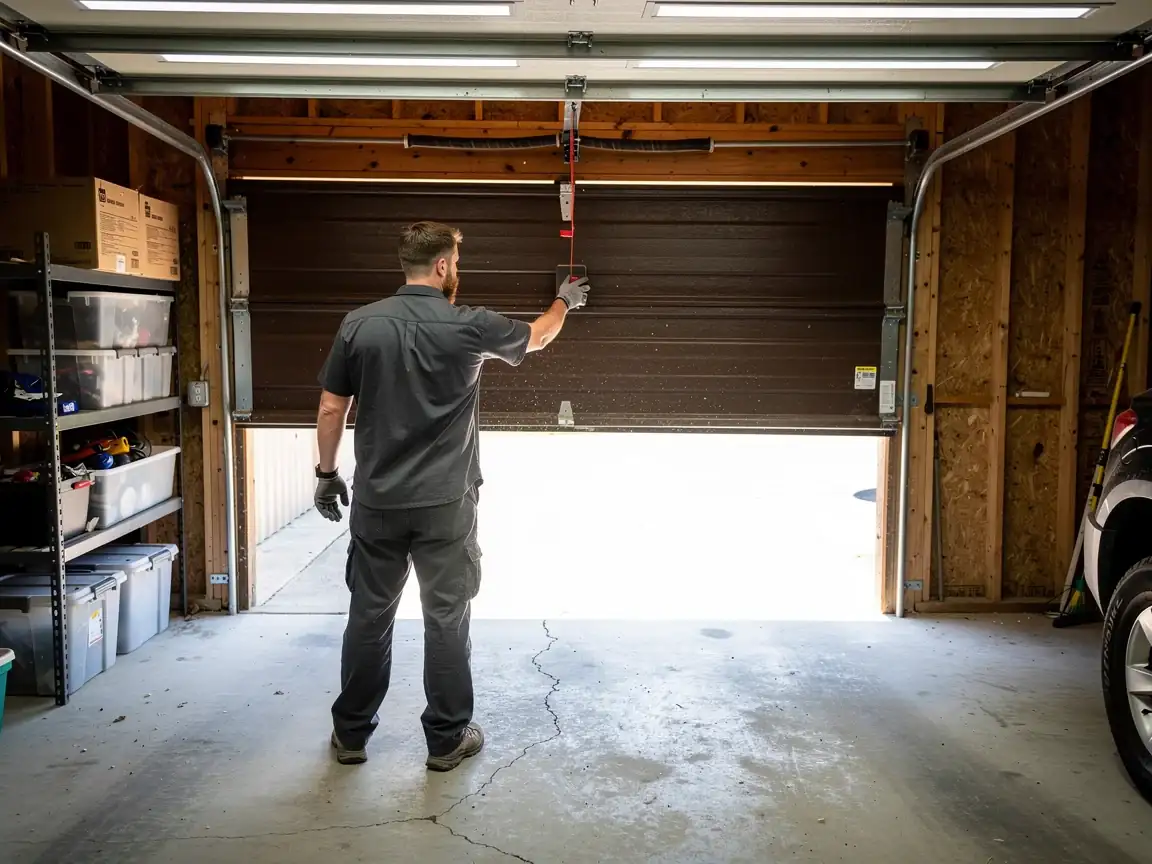
Here's the honest limitation: if your door is an original single-layer steel panel from the 1960s or 70s, there isn't a repair that makes it insulated. We can true up the track, replace the seal, tension the spring correctly for the cold, and that buys real comfort and a few more years. But it's still an uninsulated door afterward. For some houses that's the right call - the door still fits the opening and does its job. For others, especially if the panel is already rusting at the bottom or the sections are warping, replacement with an insulated door is the better money, and we'll tell you that straight rather than keep billing small repairs on a door that's past the point.
What Local Conditions Do
With 115,641 owner-occupied houses across this service area, a lot of them built before insulation rules existed, the uninsulated-door problem isn't rare here - it's the baseline for a big share of the housing stock. The cold moderate climate band does specific, repeatable damage to that kind of door: the freeze-thaw cycle works at the bottom seal and the track alignment every winter, and the humidity swing between seasons works at the steel finish, starting rust at the panel edges before anywhere else.
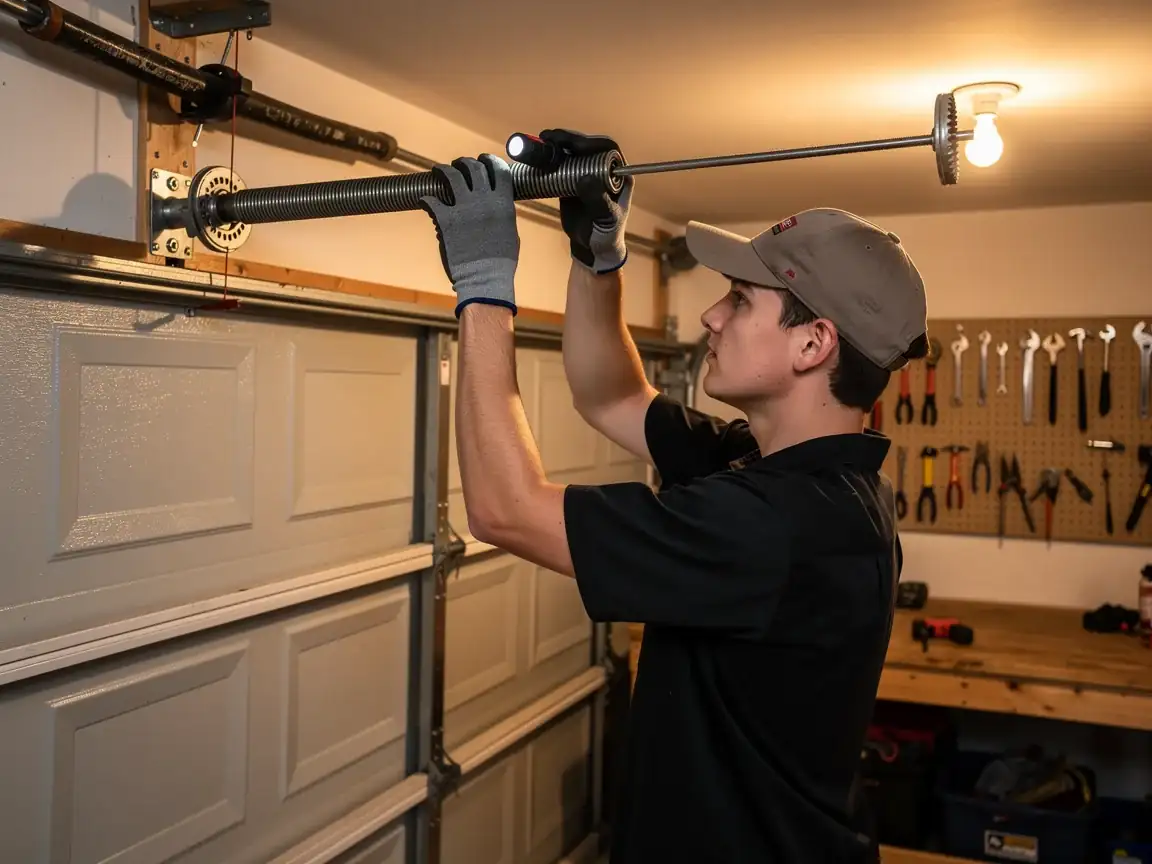
Springs feel this too. A torsion spring calibrated for a door's weight in mild weather can read as under-tensioned once steel contracts in a hard cold snap, which is why a door that opened fine in October can suddenly feel heavy in January without anything actually breaking. None of this is unique to one house - it's the shared condition of a neighborhood built mostly in the same two decades, with the same uninsulated doors, facing the same winters. Knowing that helps separate a quick seasonal adjustment from a sign that the door itself has reached the end of its service life.