What Changes With the Season
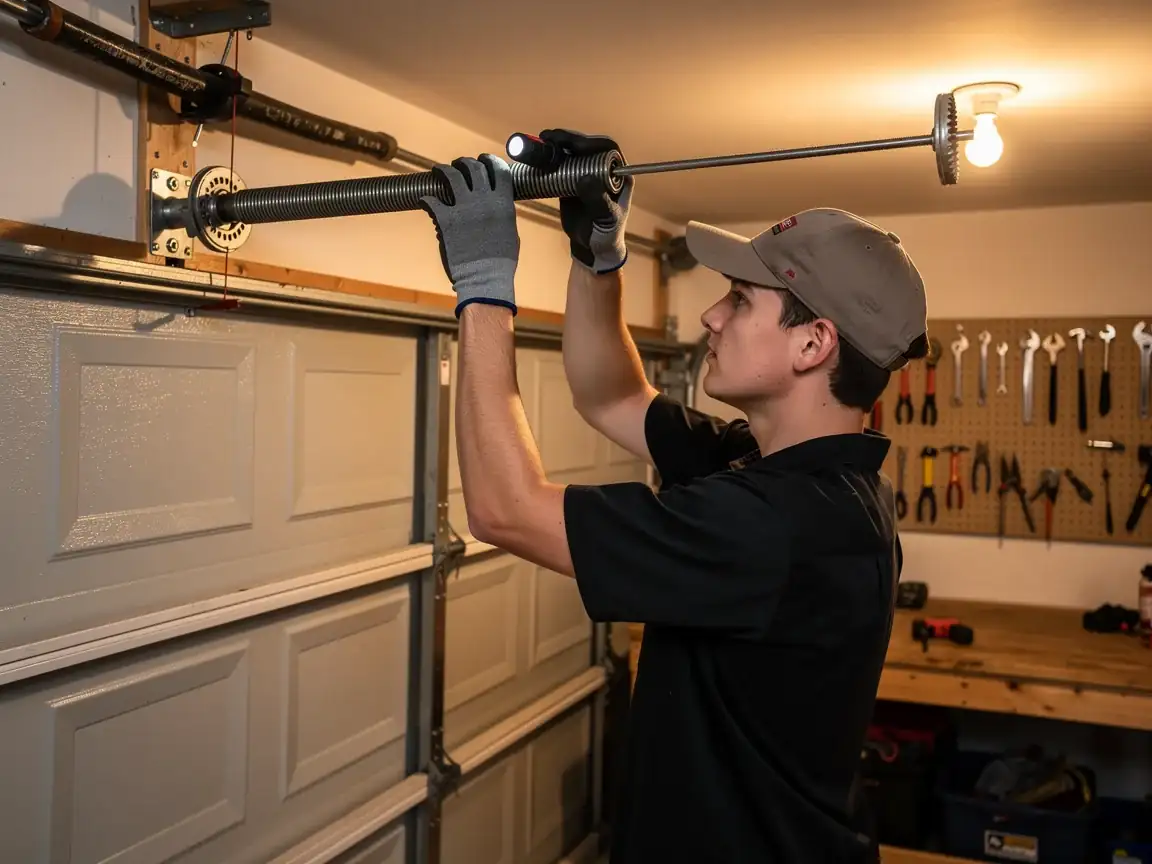
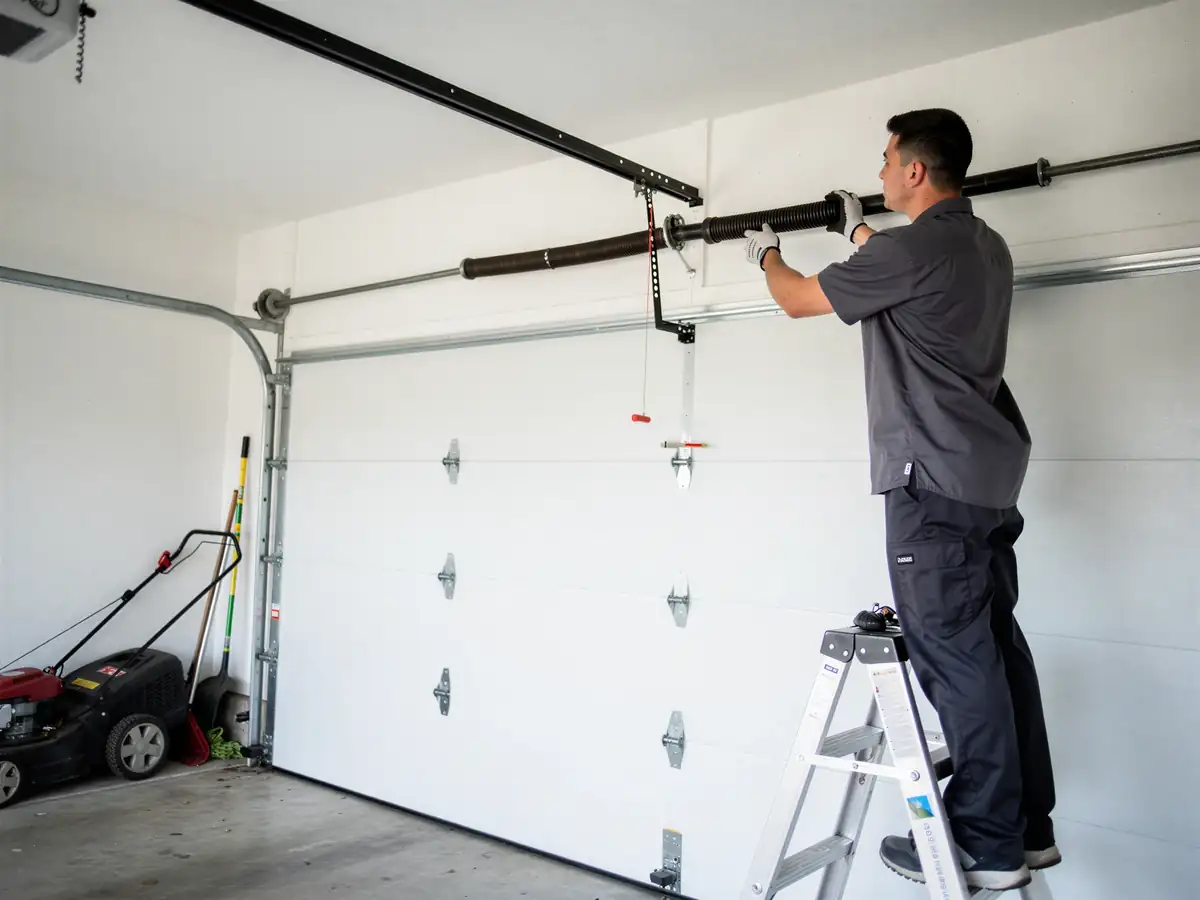
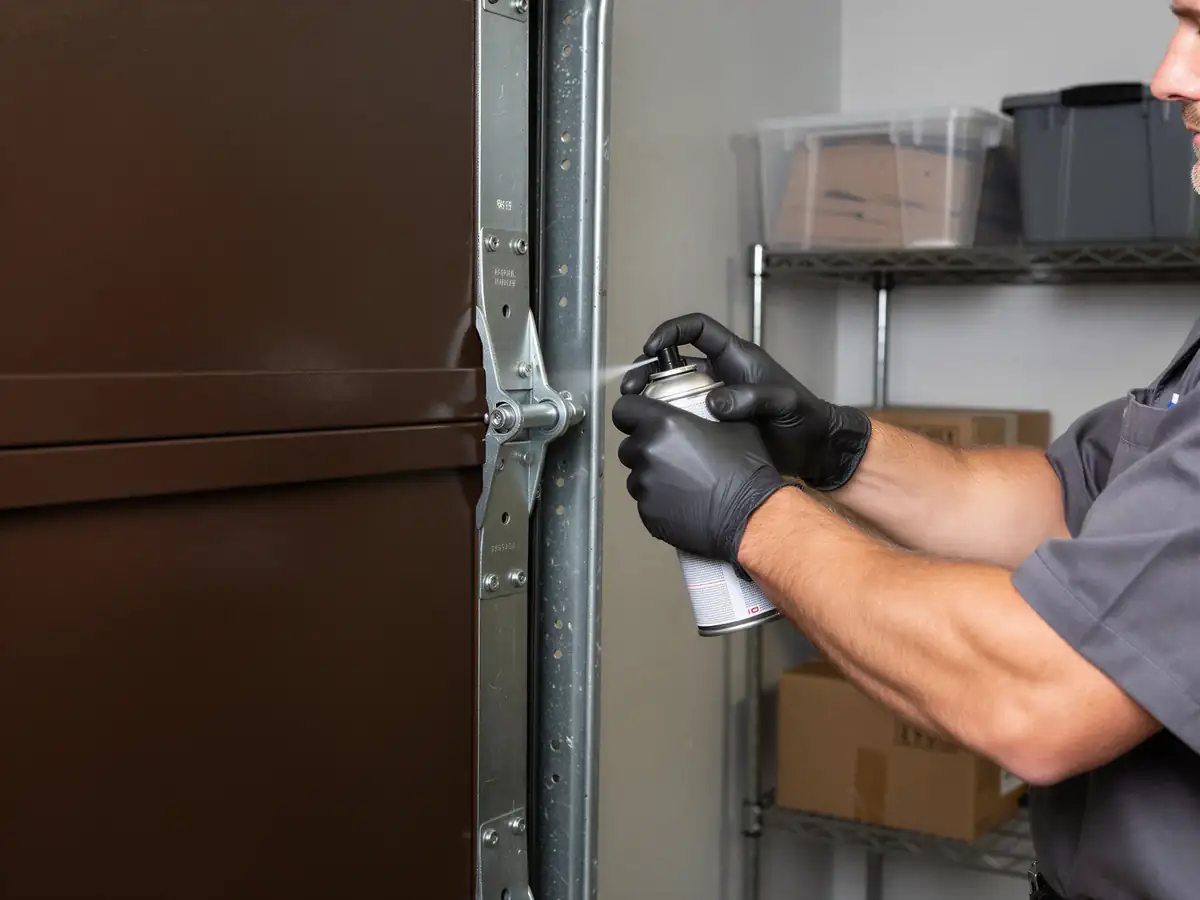
Ballwin sits in a cold, moderate climate band, and that matters more to a garage door than most owners think. Steel torsion springs are wound to a specific tension, and that tension shifts with temperature. In a hard winter cold snap, the metal contracts and the spring can feel noticeably stiffer, which throws off the balance point on a door that was fine in October. Openers feel it too - the gear sets in older units bind up when grease thickens in the cold, and a door that used to lift smooth starts to groan partway up.
Come summer the same spring loosens back up, and a door that was balanced in January can start drifting shut on its own by July. That swing is why a tune done in one season doesn't hold through the next one here. A service call in Ballwin isn't just lubricating hinges - it's rechecking spring tension against the season, because the band we're in moves that number twice a year, not once.
We also see moisture do its work on tracks and bottom seals through freeze-thaw cycles, which loosens track bolts that were snug a few months earlier. None of this is dramatic. It's steady wear tied to a real swing in temperature, and it's the first thing we check before touching anything else on the door.
The Situation
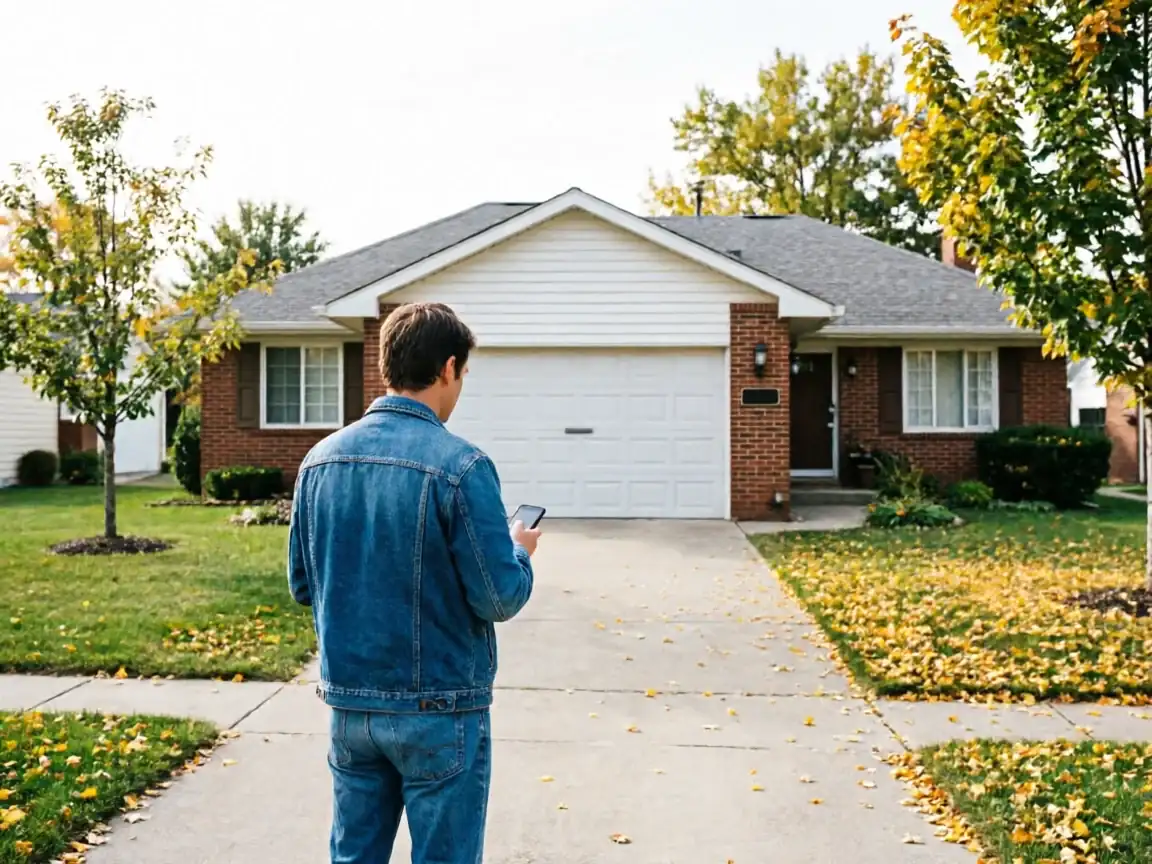
Housing in and around Ballwin mostly went up between 1947 and 2011
With the median build year landing at 1969. That one number explains most of the service calls we run. A door and opener installed in a house built in the late 1960s or through the 70s is carrying original or near-original hardware in a lot of cases - one-piece doors on side-mounted torsion setups, openers with chain drives and relay boards that nobody stocks parts for anymore.
Ellisville and Manchester, both about two miles out, sit on roughly the same build curve
And Clarkson Valley a mile further out again. The stock across this stretch skews toward that same 1960s-70s window rather than new construction, which means when a spring finally lets go or a panel finally rusts through at the bottom, it's often original equipment giving out after decades, not a new install failing early.
That has a practical upside and a downside
The upside: these doors were built heavy and well, and a lot of them are still running on the original track. The downside: when something on them breaks, matching the hardware sometimes means swapping the whole assembly rather than one part, because the exact bracket or drum from 1969 just isn't made anymore. We tell owners that up front rather than quoting a quick fix that turns into three return trips.
When to Get Help
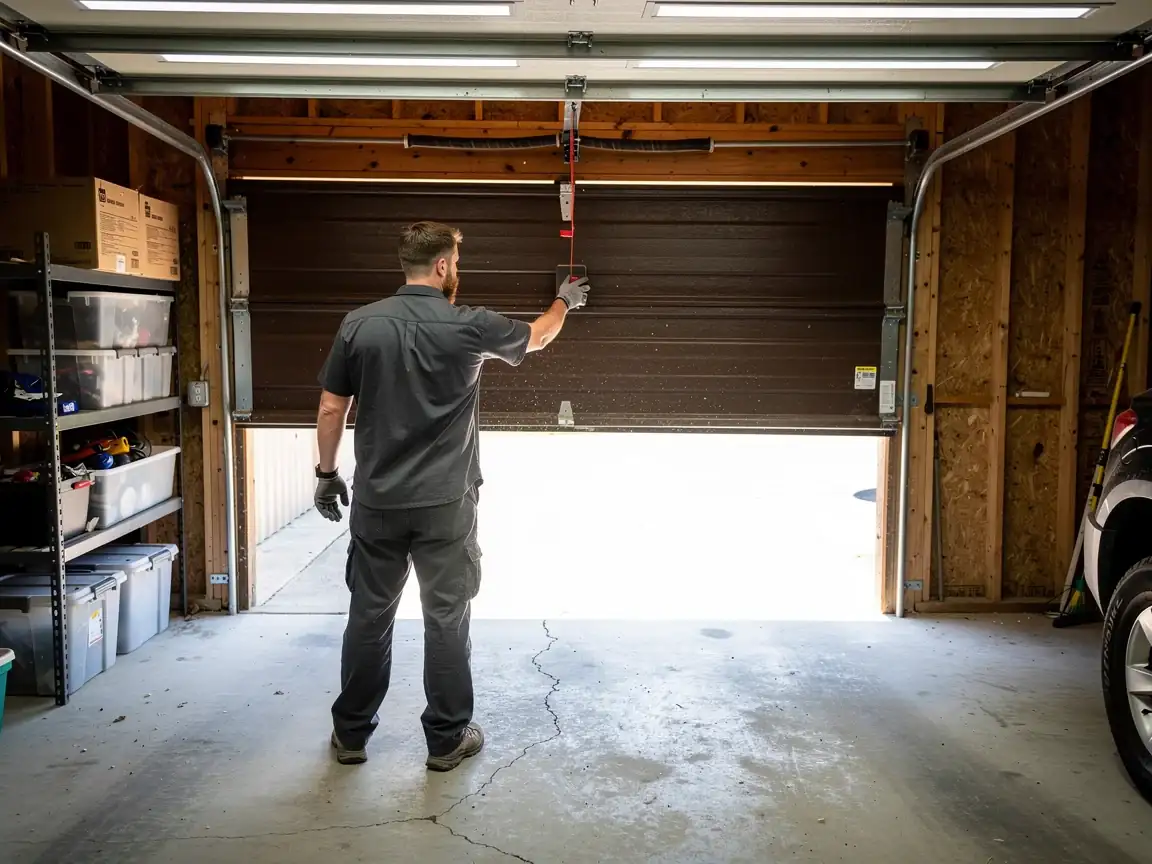
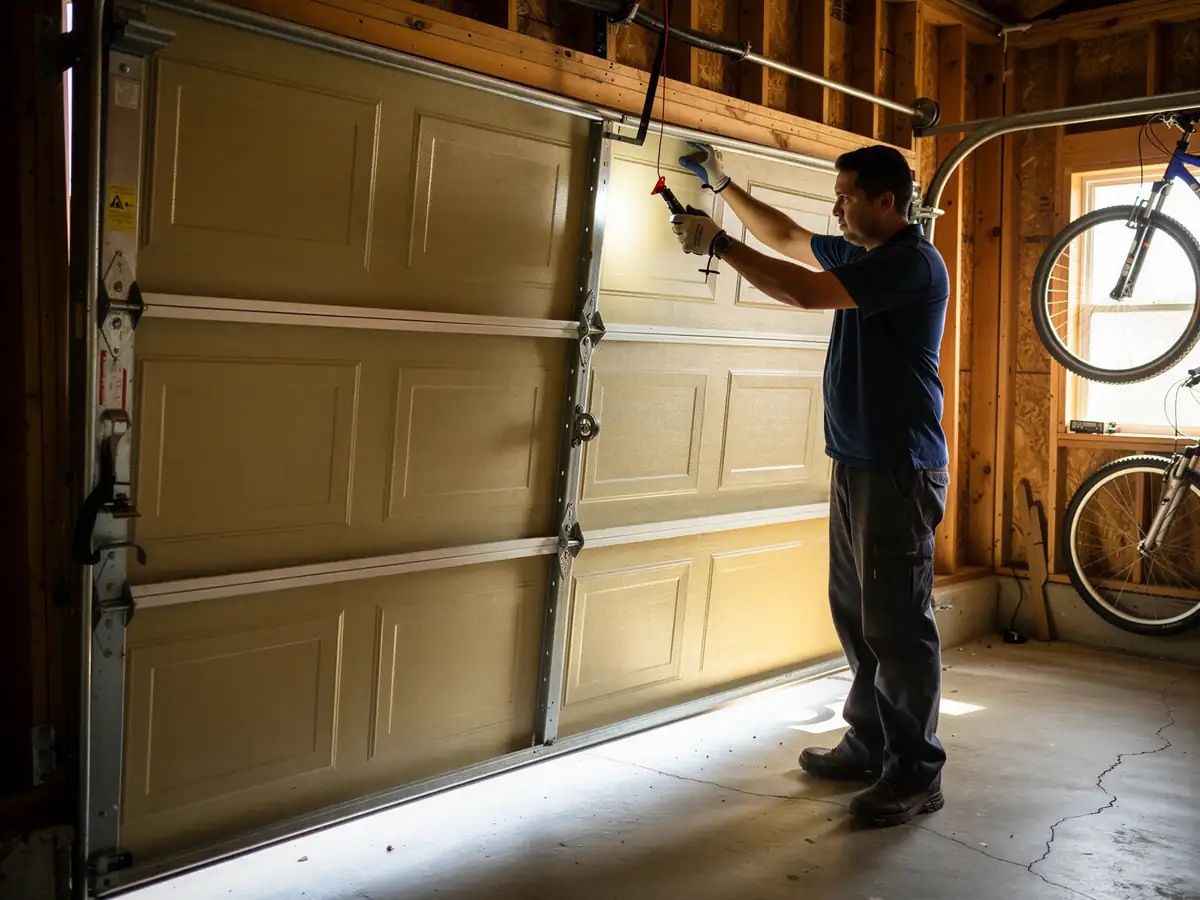
Call before the door stops working, not after. A door that's suddenly heavier to lift by hand, or an opener that strains and reverses partway up, is telling you the spring tension has shifted - often the seasonal swing described above - and that's a cheap fix now versus a stuck door and a cracked panel later if you keep forcing it.
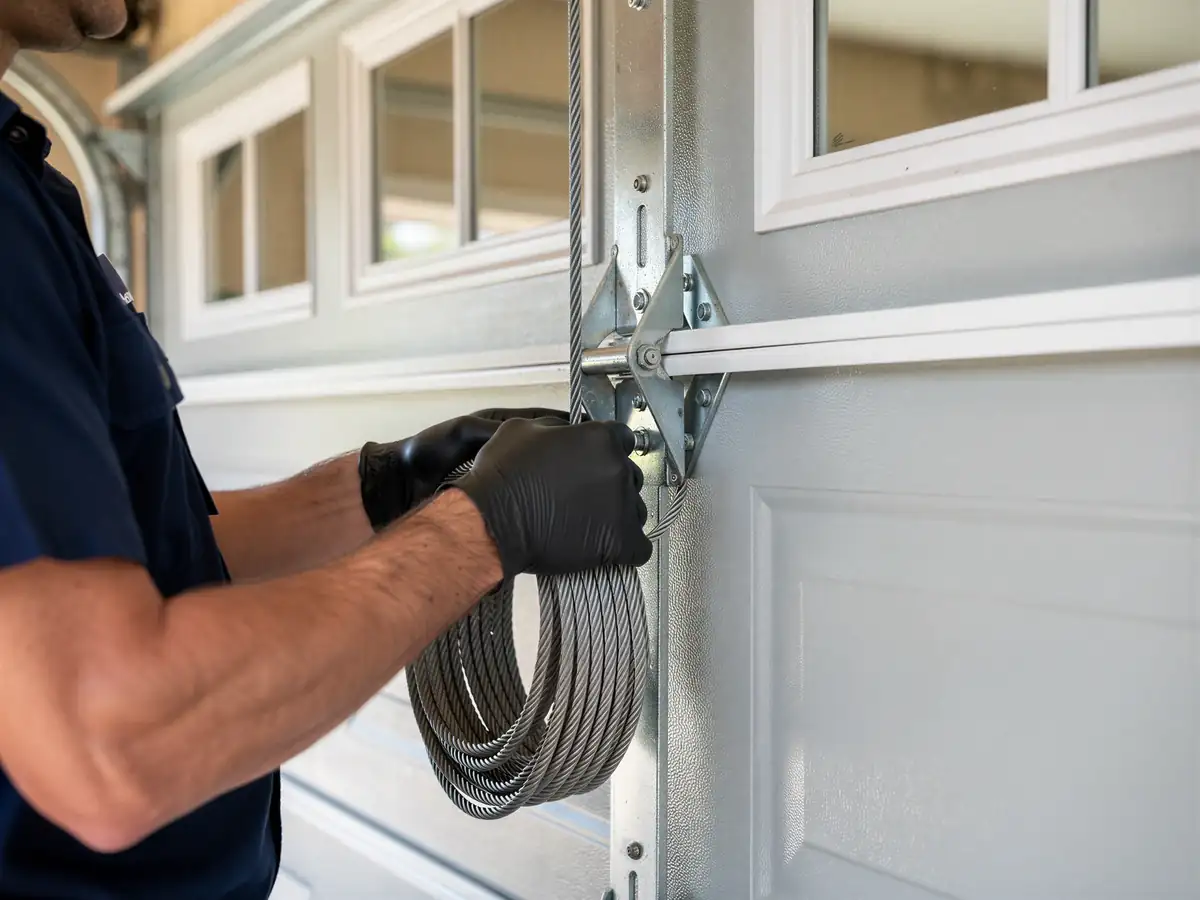
Grinding or popping from the spring area, a cable that looks frayed, or a door that's visibly crooked in the track are all things to stop using the door over, not just note for later. A broken torsion spring on a double door is dangerous to touch yourself; that's not caution talk, it's the actual weight involved.
Here's the limitation we're honest about: if the opener board or a specific bracket on an older unit is discontinued, we may need to order a replacement part, and that can take longer than the visit itself. We'd rather tell you that on the call than promise a same-day fix we can't back up. On a door built in the 60s or 70s, sometimes the right answer is replacing the opener outright rather than hunting for a part that matches a thirty-year-old gear housing, and we'll say so if that's what the door needs.
What Local Conditions Do
Across the service area, which runs from Ballwin out through Ellisville, Manchester, Clarkson Valley, Valley Park, and the rest of the named communities out to about twelve miles, there are 209,210 households and 115,641 owner-occupied houses, the bulk of them built in that same 1960s-70s stretch. That's a lot of doors on similar hardware aging at the same rate, which is part of why spring failures and opener burnouts tend to cluster in the same few weeks each winter and again each summer - it's the same cold-to-moderate climate swing hitting the same generation of equipment at close to the same time.
With a median household income of $87,806 across the area, most owners we talk to are choosing to fix or replace rather than let a door sit broken for a season, which lines up with what we see on the truck - more full tune-ups and opener swaps than patch jobs. The conditions here aren't extreme, but they're consistent: a real winter, a real summer, and a lot of houses built before any of today's weatherstripping or insulated panel standards existed. That combination is what a service call in this area is actually checking for, more than any single dramatic event.