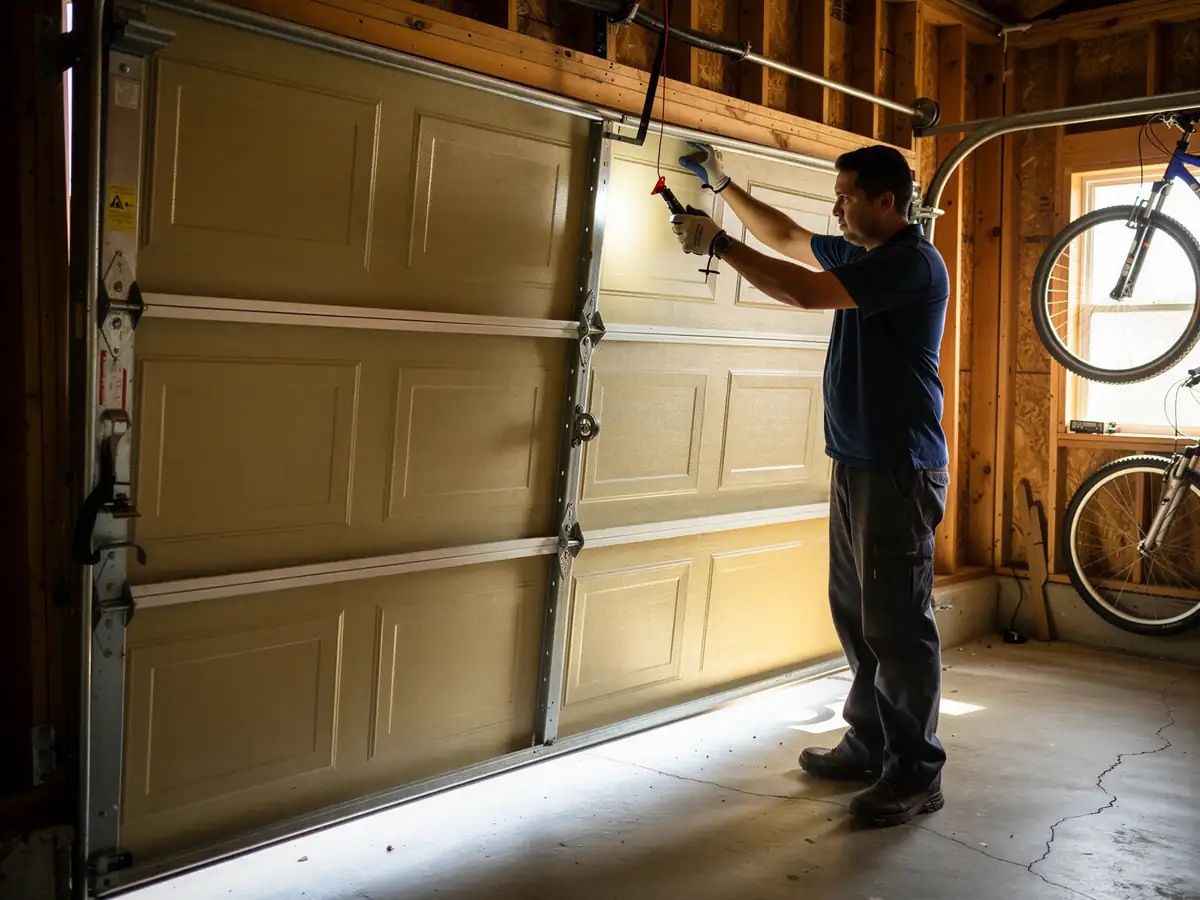
What the Fix Involves
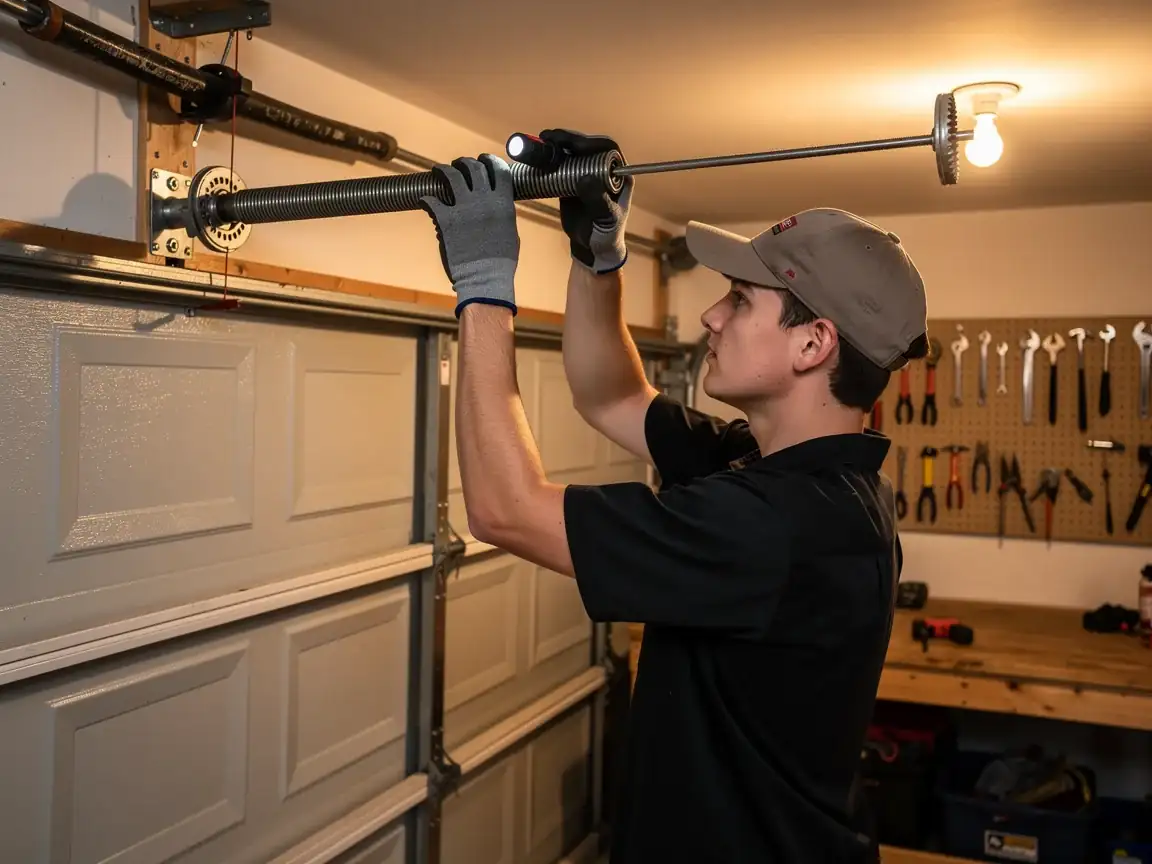
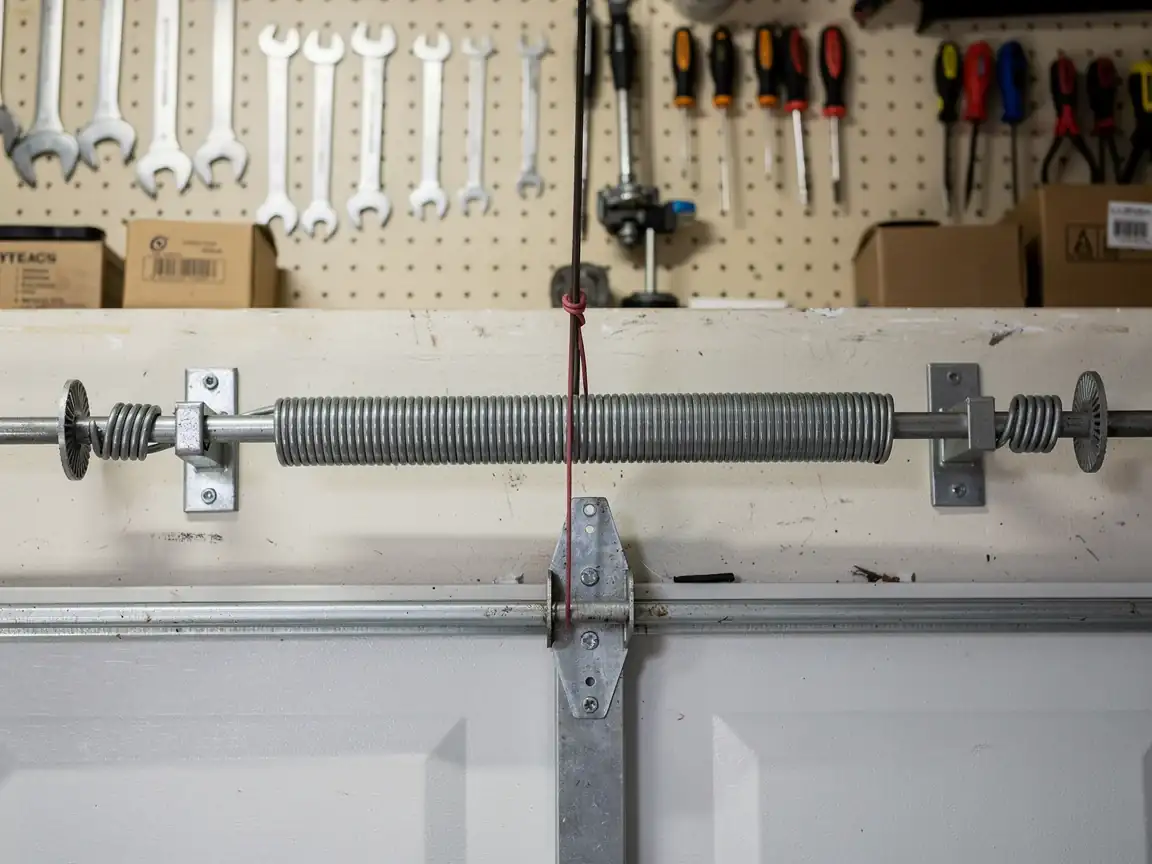
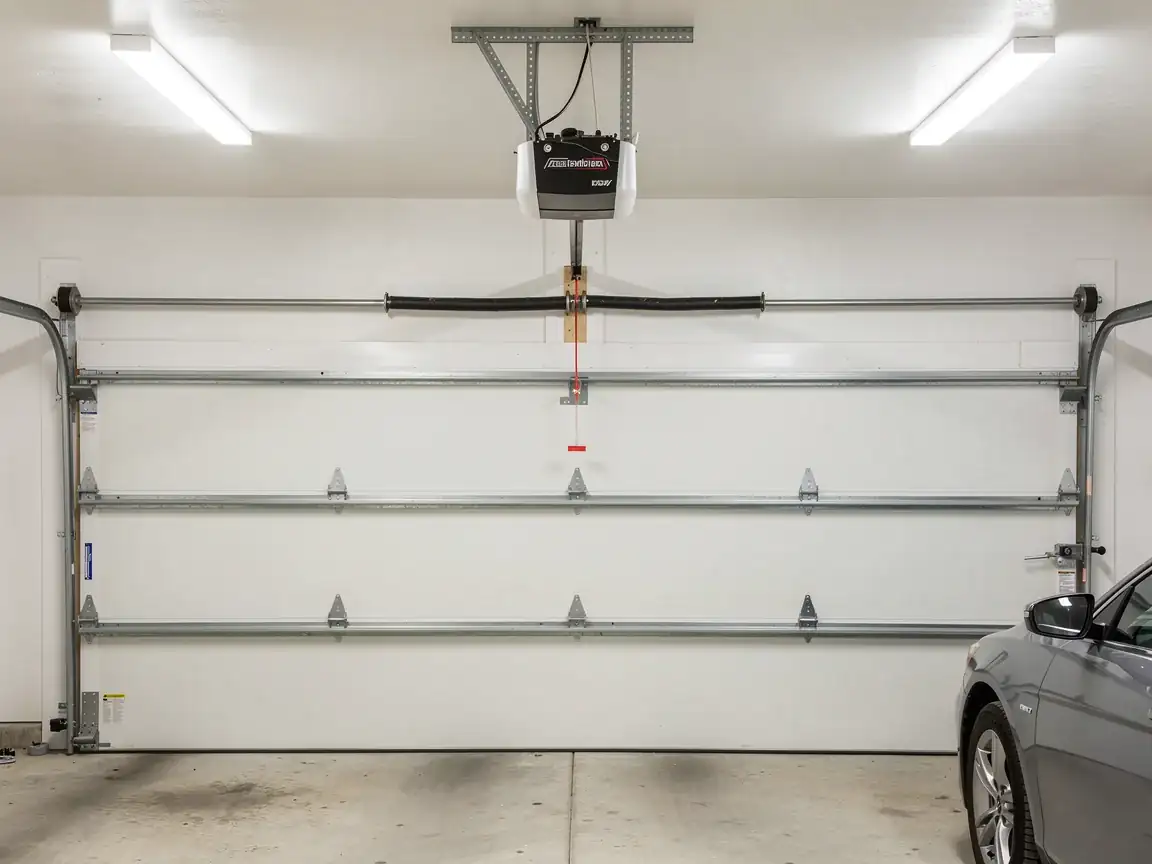
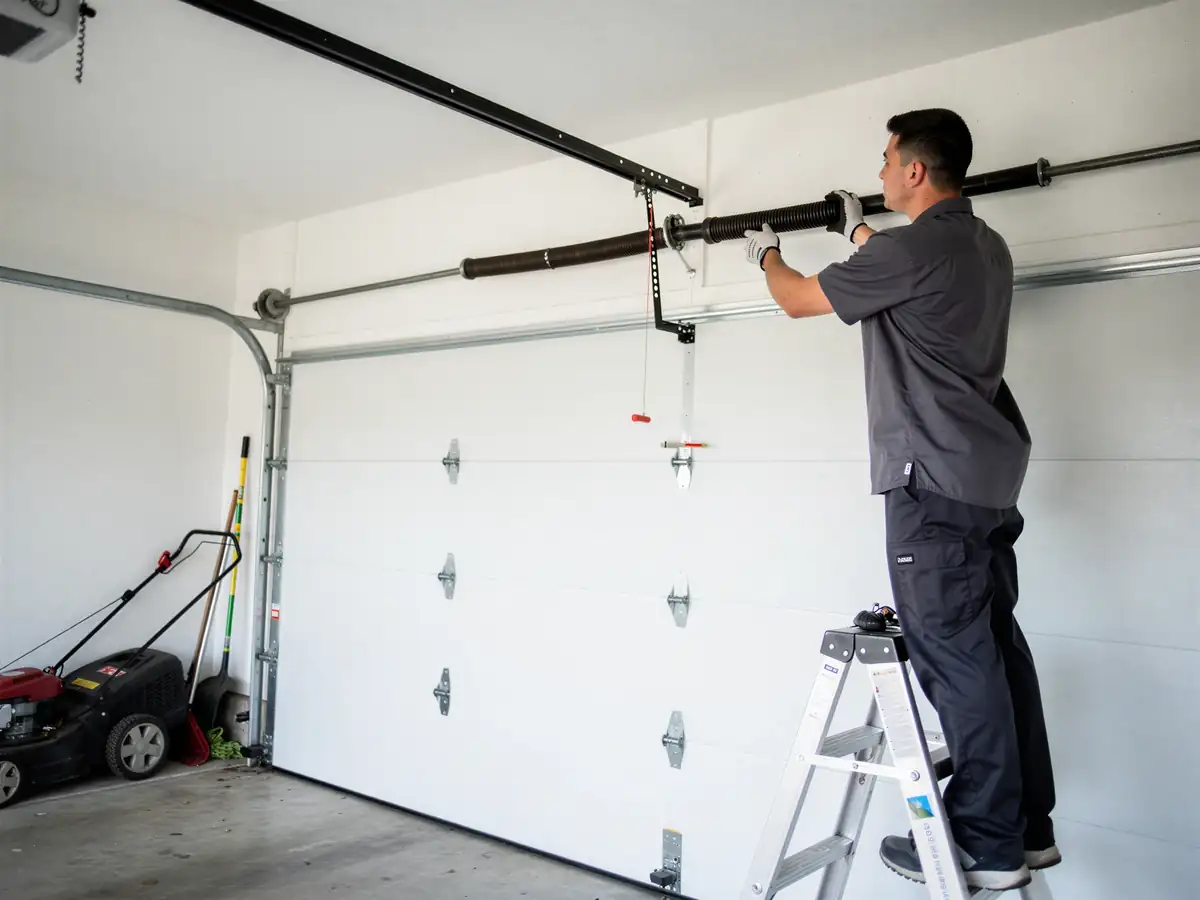
An off-track door almost never means the whole door is ruined. In most cases one or both of the horizontal tracks has pulled away from its wall bracket, or a roller has jumped the rail entirely and wedged the panel at an angle. The first job is getting the door secured so it can't fall further - that means releasing tension safely before anyone touches a bolt, because a door hanging crooked on a spring-loaded system is not something to muscle back into place by hand.
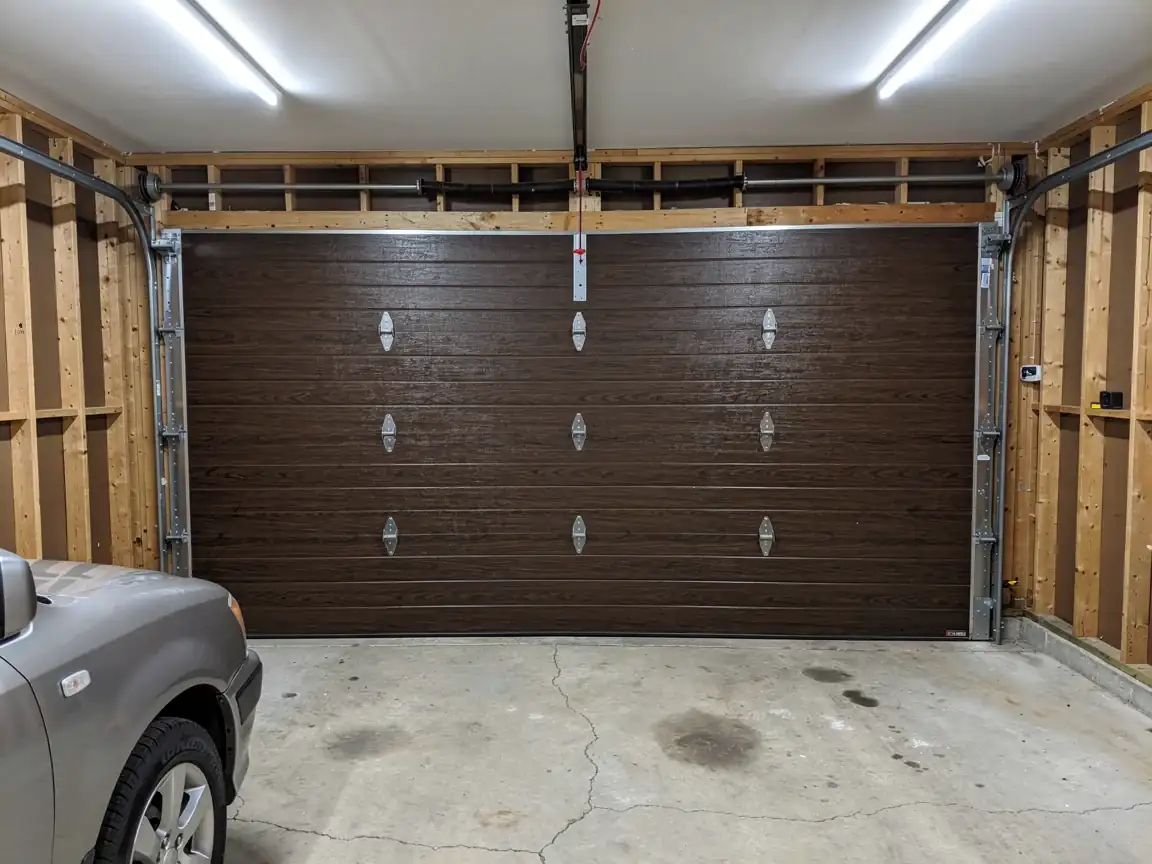
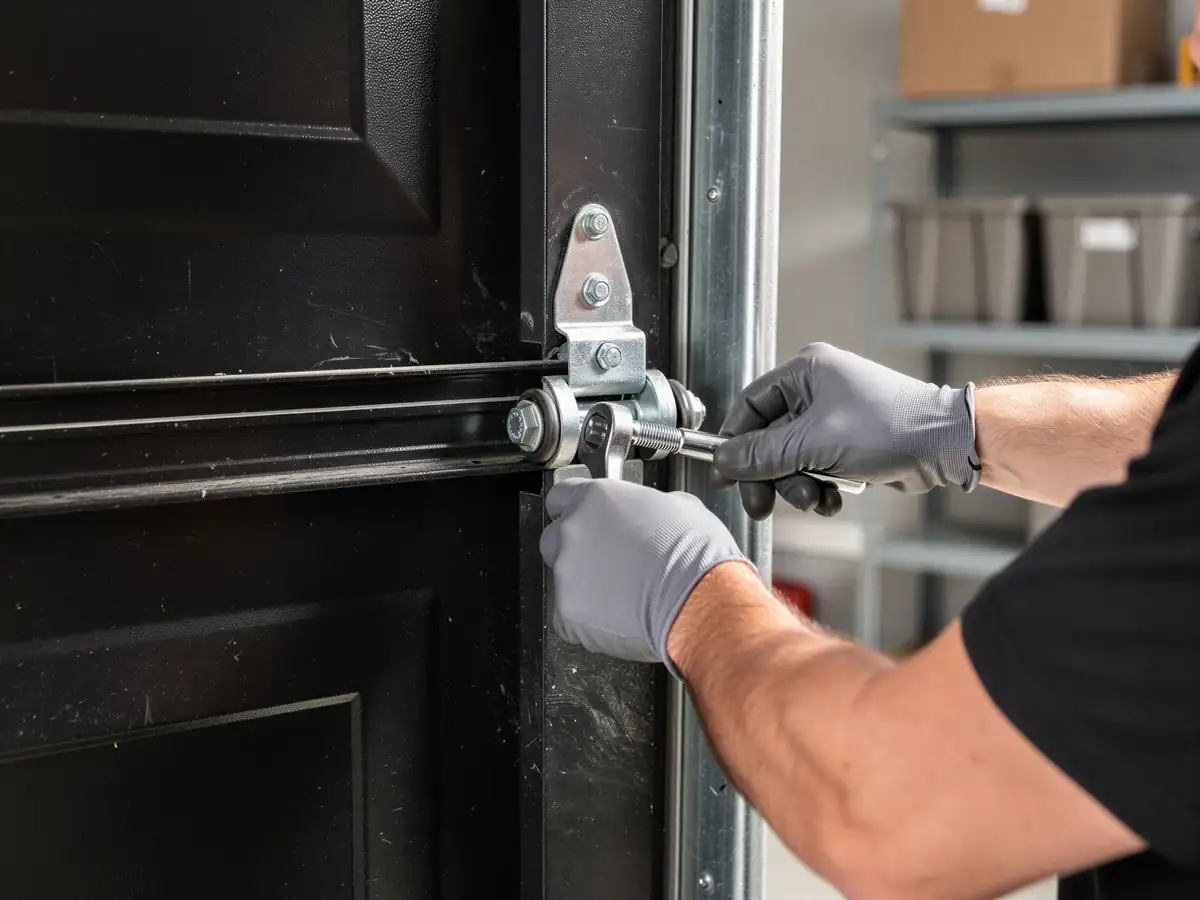
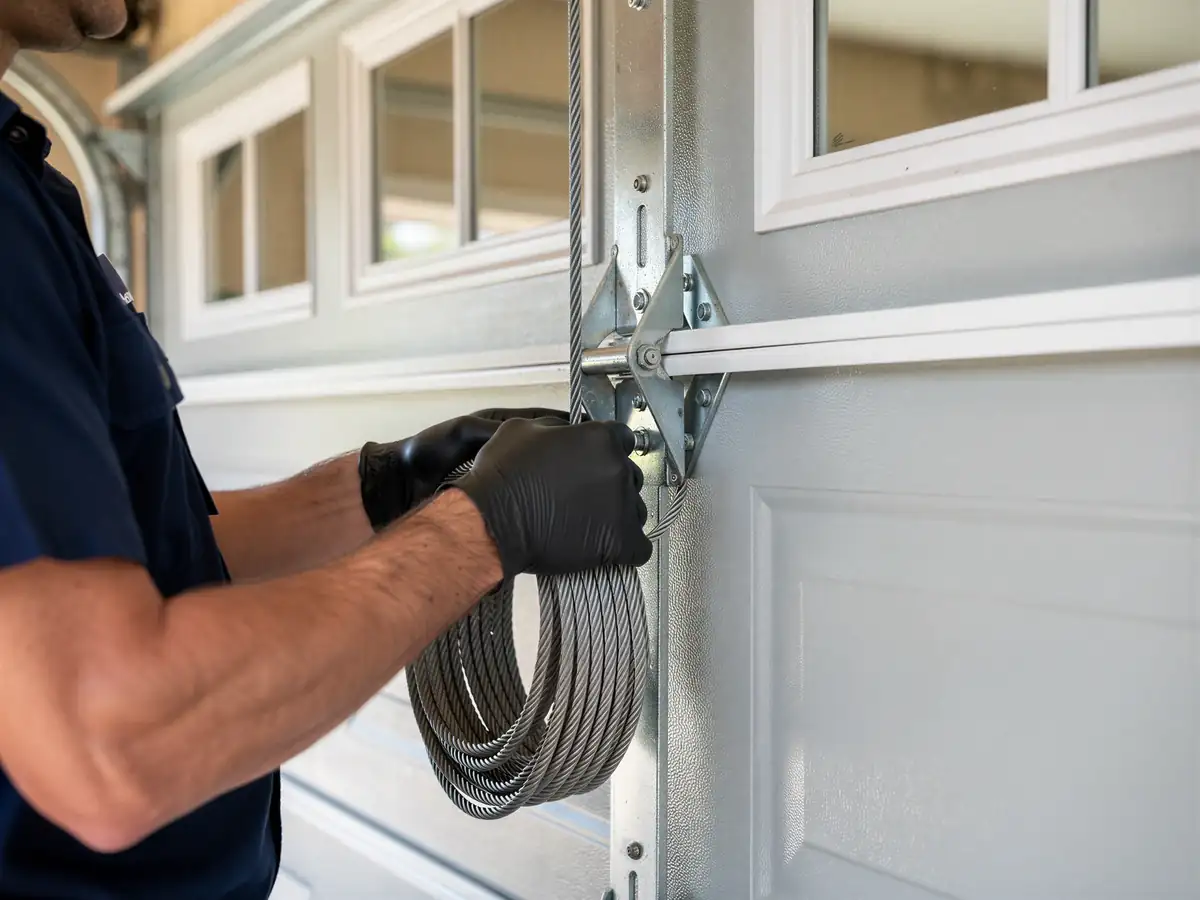
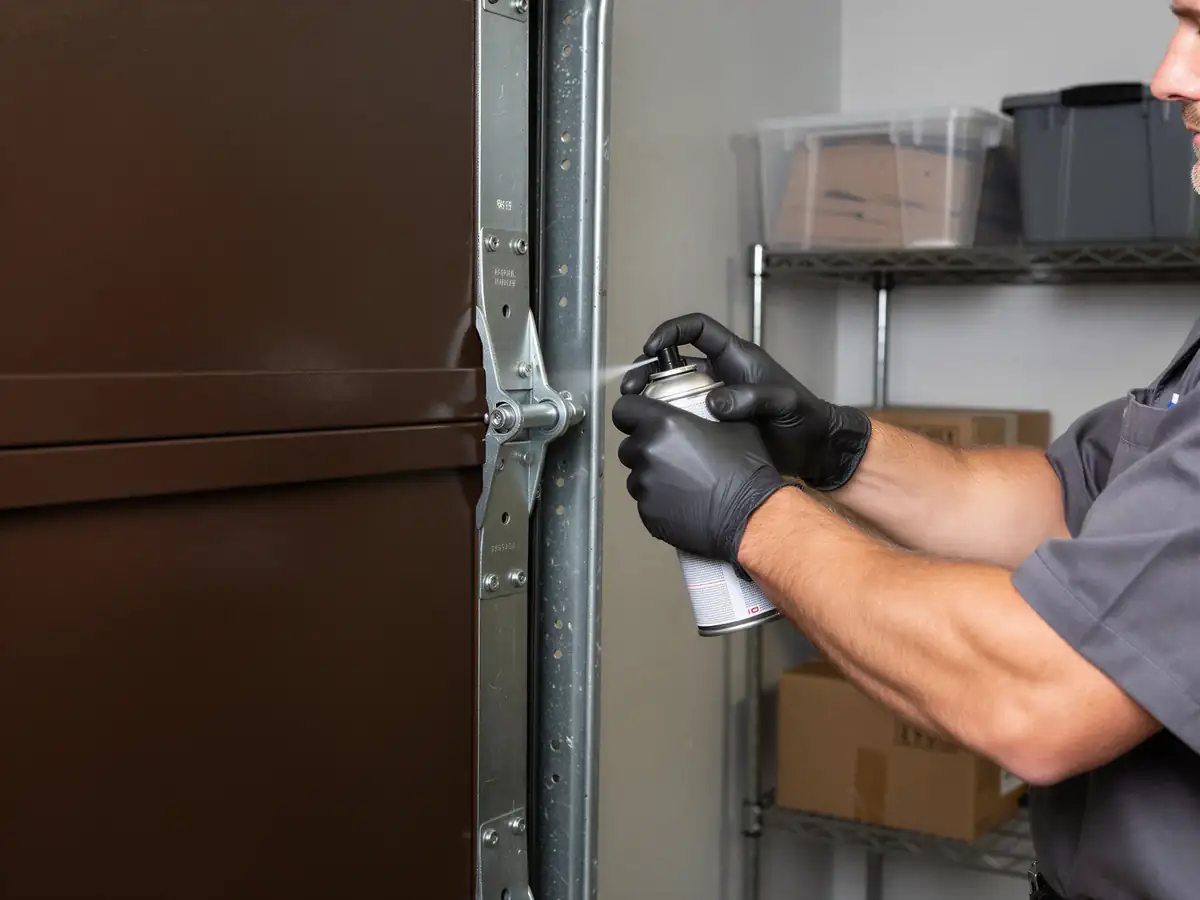
Once it's stable, the track gets re-set to plumb, the wall brackets get re-anchored (often into different stud locations than the original builder used, since the old holes are usually stripped), and every roller on that side gets checked. A roller that jumped once will jump again if it's cracked or the stem is bent, so we replace rather than reuse if there's any doubt. We also check the bottom bracket and cable drum on that side, since a door that's been running crooked for even a day or two tends to fray a cable without anyone noticing.
What we don't do is force a bent track back into shape and call it fixed. If the rail is kinked more than a little, it goes on the truck and gets replaced - bending it straight weakens the steel at the kink point and it will fail again, usually at a worse moment.
What It Costs
There's no single number here, because an off-track call covers a wide range of actual damage
A door that slipped one roller and needs the track re-anchored to the wall is a small job. A door that's been run by the opener while off track - which bends the track, cracks the stile, and sometimes tears the bottom bracket loose - is a bigger one, and at that point you're pricing parts plus labor rather than a quick reset.
We price the job after we've looked at it, not over the phone
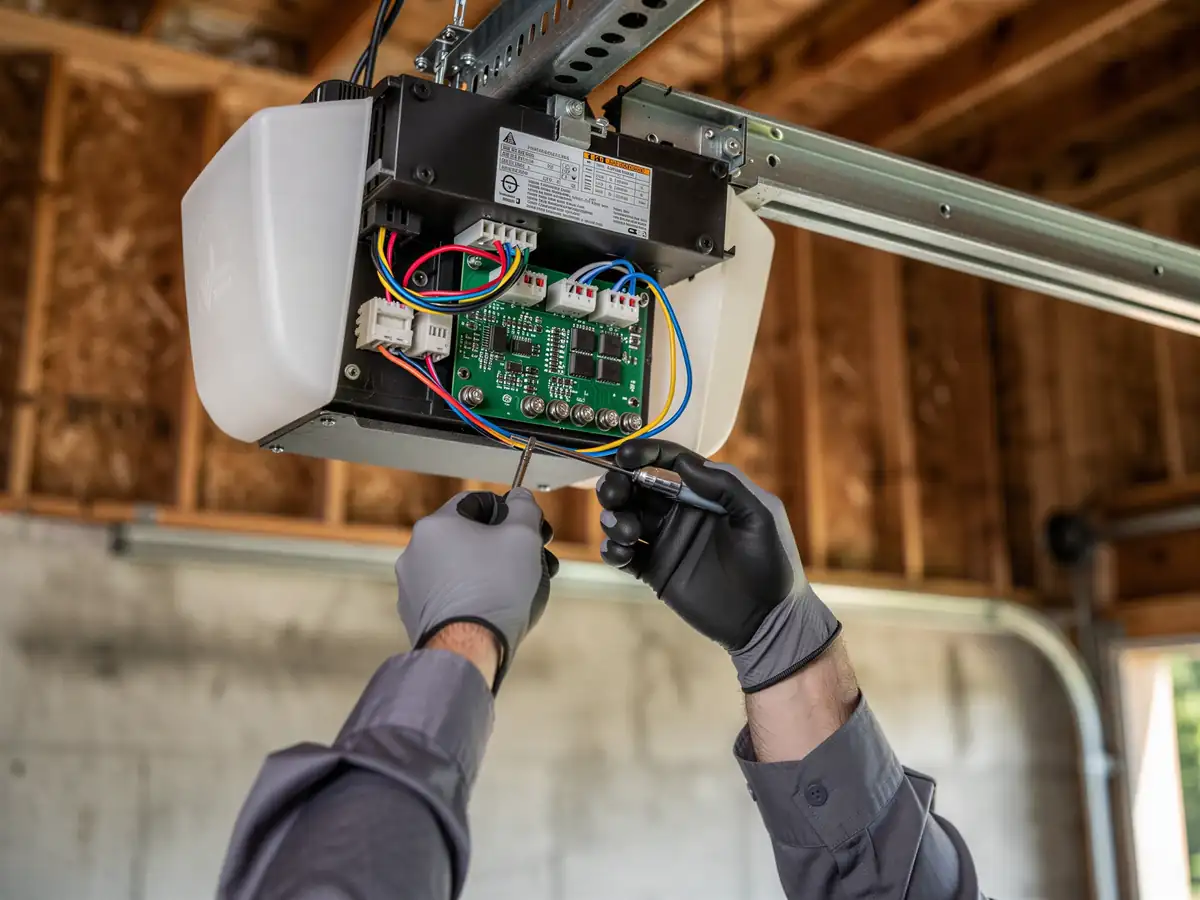
Because two doors that sound identical on a call can have completely different damage once a tech has eyes on the rollers and track. What we can tell you up front: if you hear the door grinding or see it hanging crooked, stop using the opener. Running a motor against a jammed track is the single fastest way to turn a one-bracket fix into a full track-and-panel replacement.
What Causes It Around Here
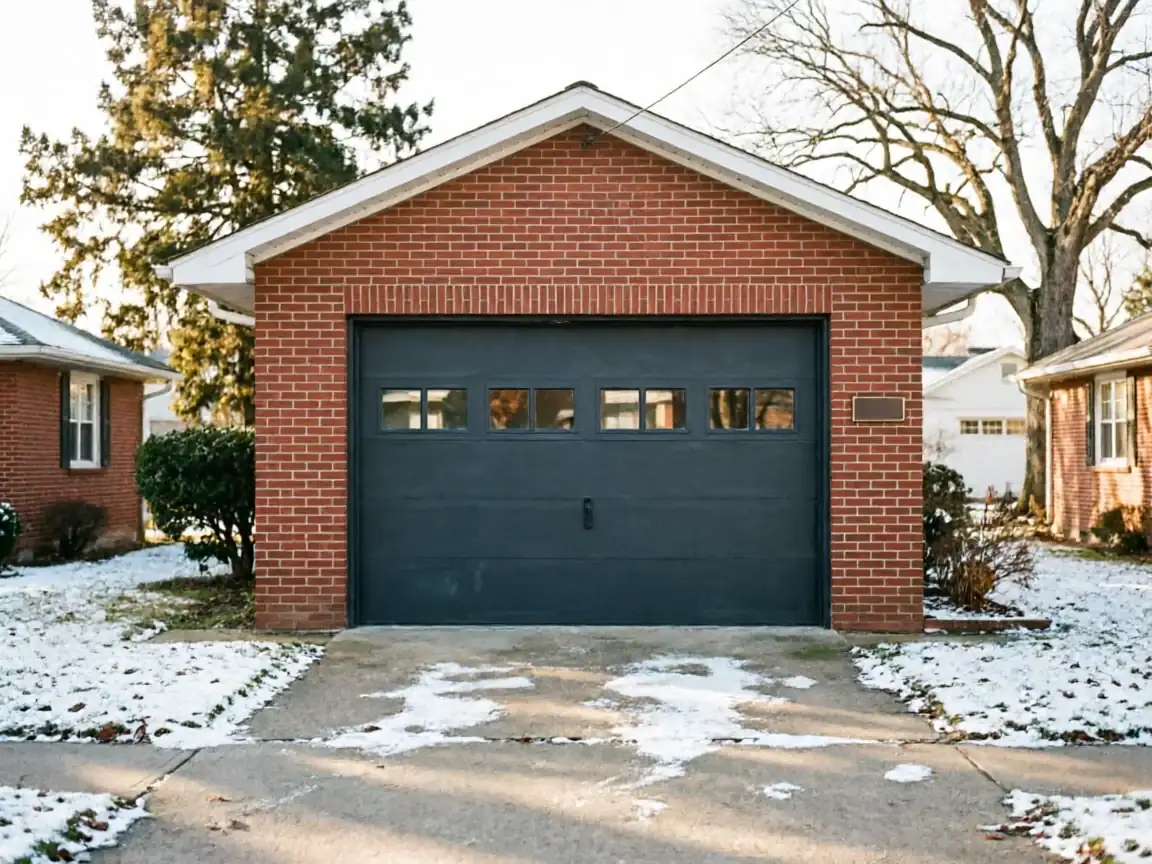
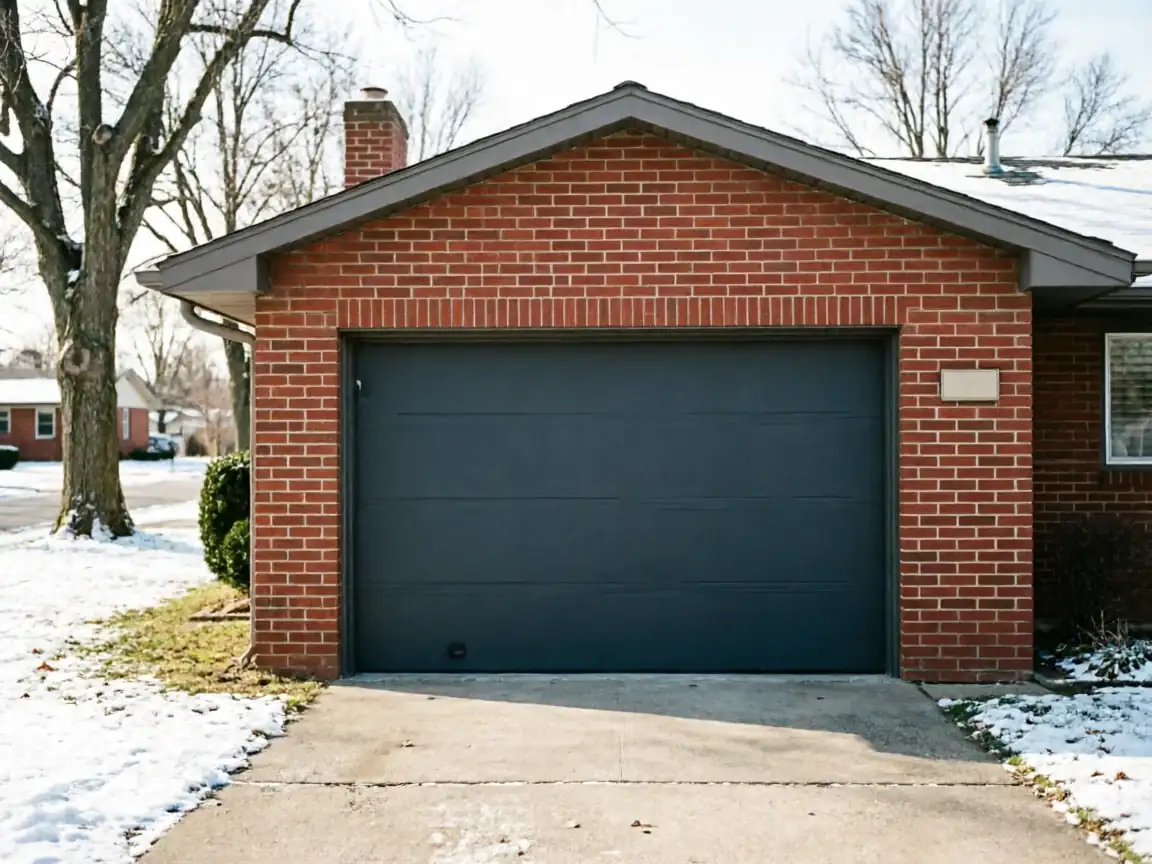
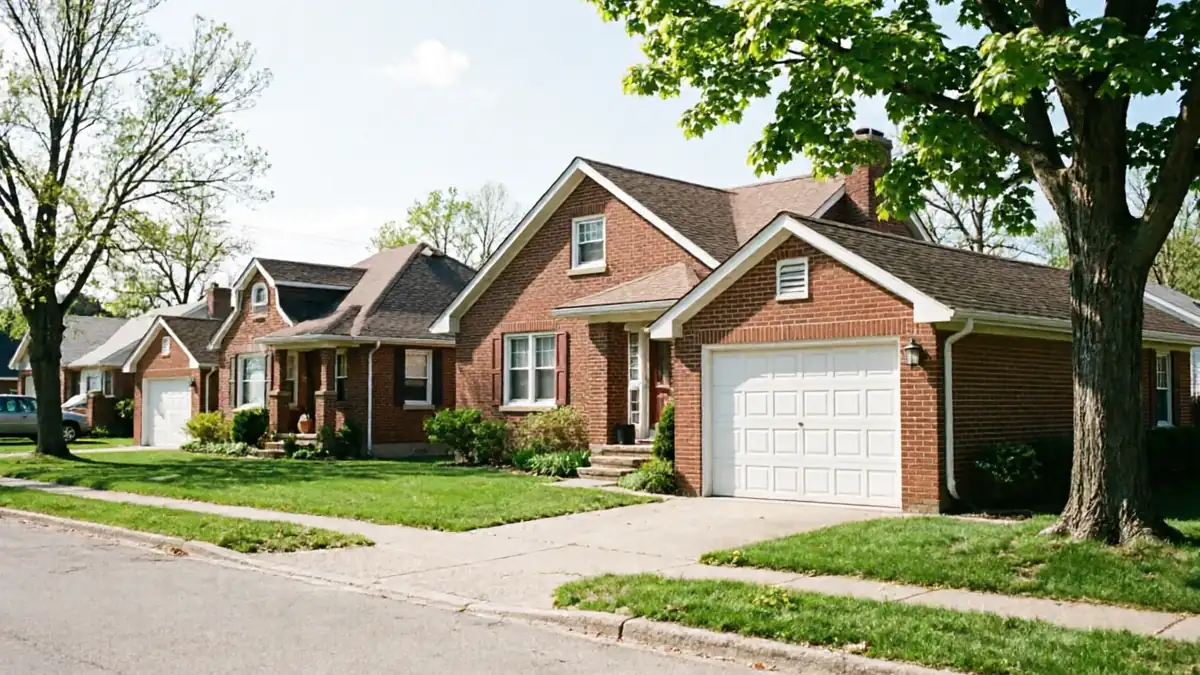
Most of the houses in this service area were built between 1947 and 2011, with the bulk of that stock dating to the 1960s and 70s. That matters for this specific failure. Garages from that era were framed with wood jambs, and the original track brackets were often fastened with lag screws or nails driven straight into that jamb wood rather than bolted through to solid framing behind it. Fifty-plus years of the door's own vibration works those fasteners loose a little at a time, until one day the track has enough play that a roller catches wrong and the whole rail peels away from the wall.
The area sits in a cold, moderate climate band, and that adds a second factor: seasonal freeze-thaw cycles move slab foundations and garage floors slightly every winter and spring. A track that was plumb in July can be a quarter-inch out by February, and that's often enough to put uneven load on one roller until it jumps. We see this pattern far more on original 1960s-70s track hardware than on anything installed in the last fifteen years, because newer brackets anchor into framing differently and hold up better to that movement.
What You Are Seeing
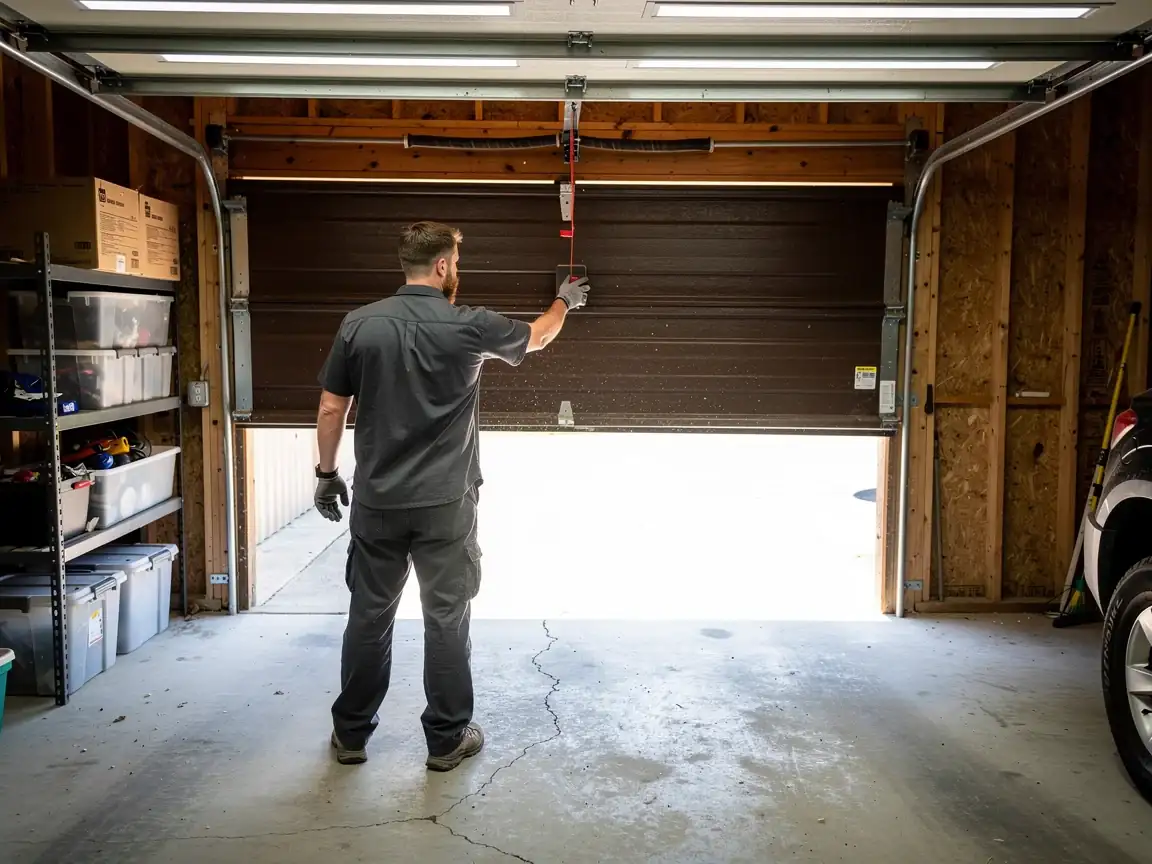
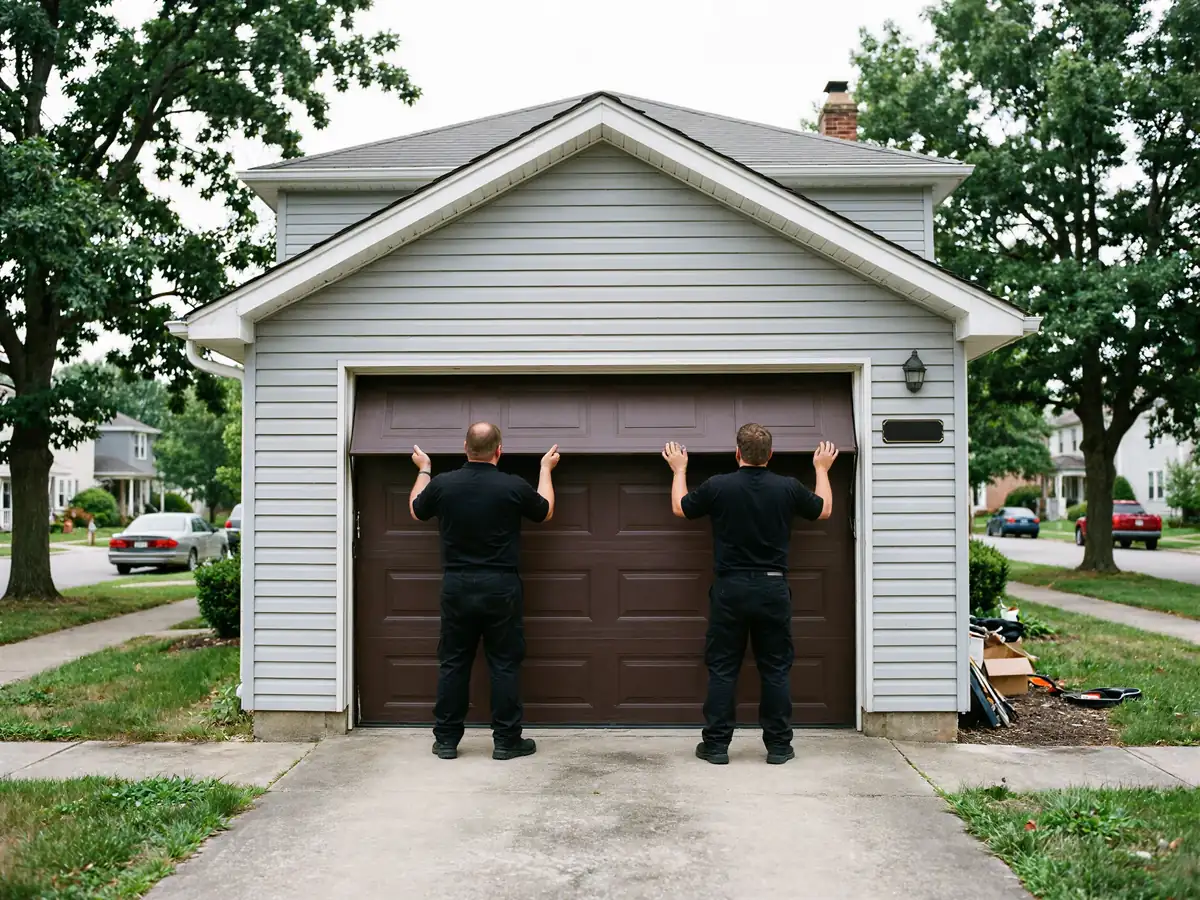
If the door is hanging at an angle, if one side is higher than the other when it's down, or if you can see daylight between the roller and the track, that's an off-track door - stop operating it with the remote or wall button. If it's making a grinding or popping noise partway through a cycle and then stalls, that's usually a roller fighting a bent section of rail rather than a clean jump.
A door that closes fine but shudders or bangs on one side as it moves is often a track that's loose at the wall, not yet fully off but heading there. That one's worth a call before it becomes an emergency, since catching a loose bracket early is a much smaller job than catching it after the track has already pulled free.