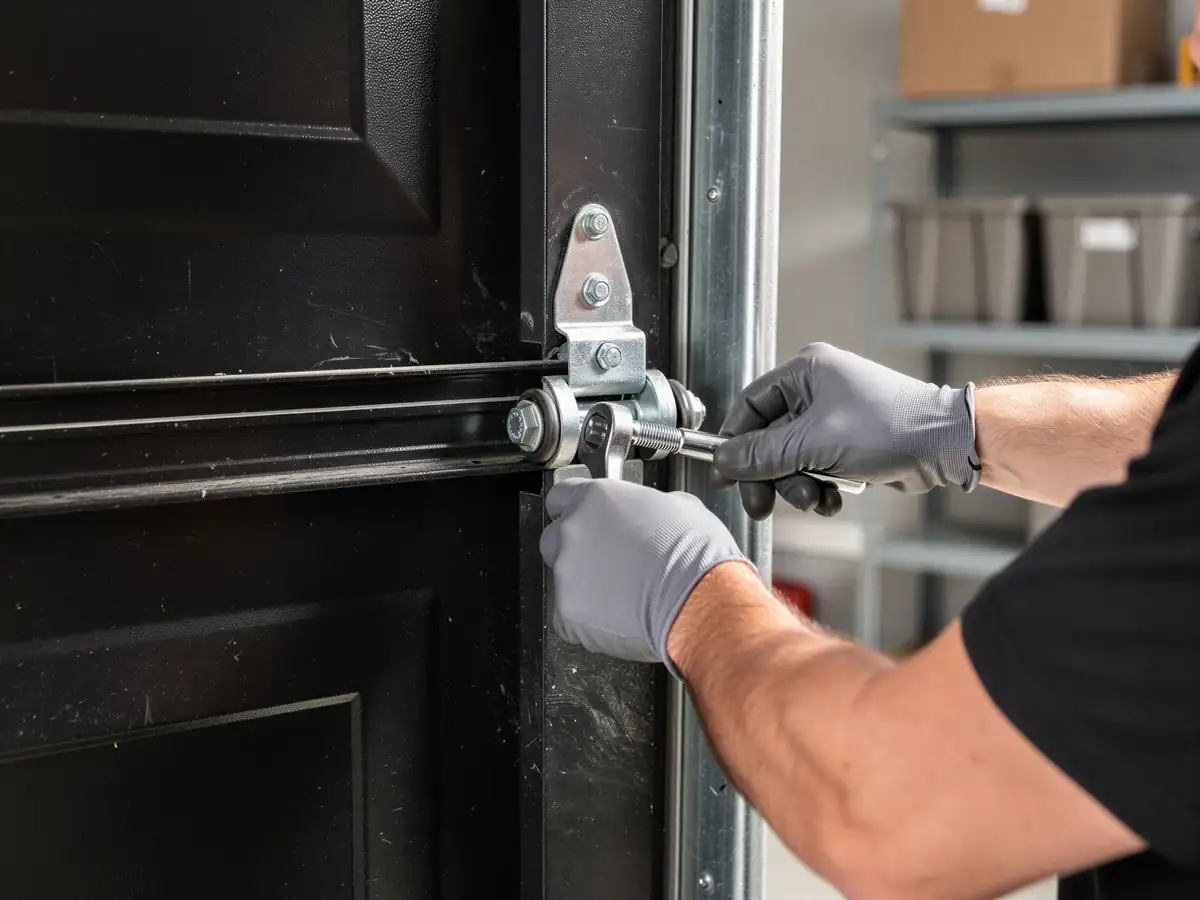
What the Fix Involves
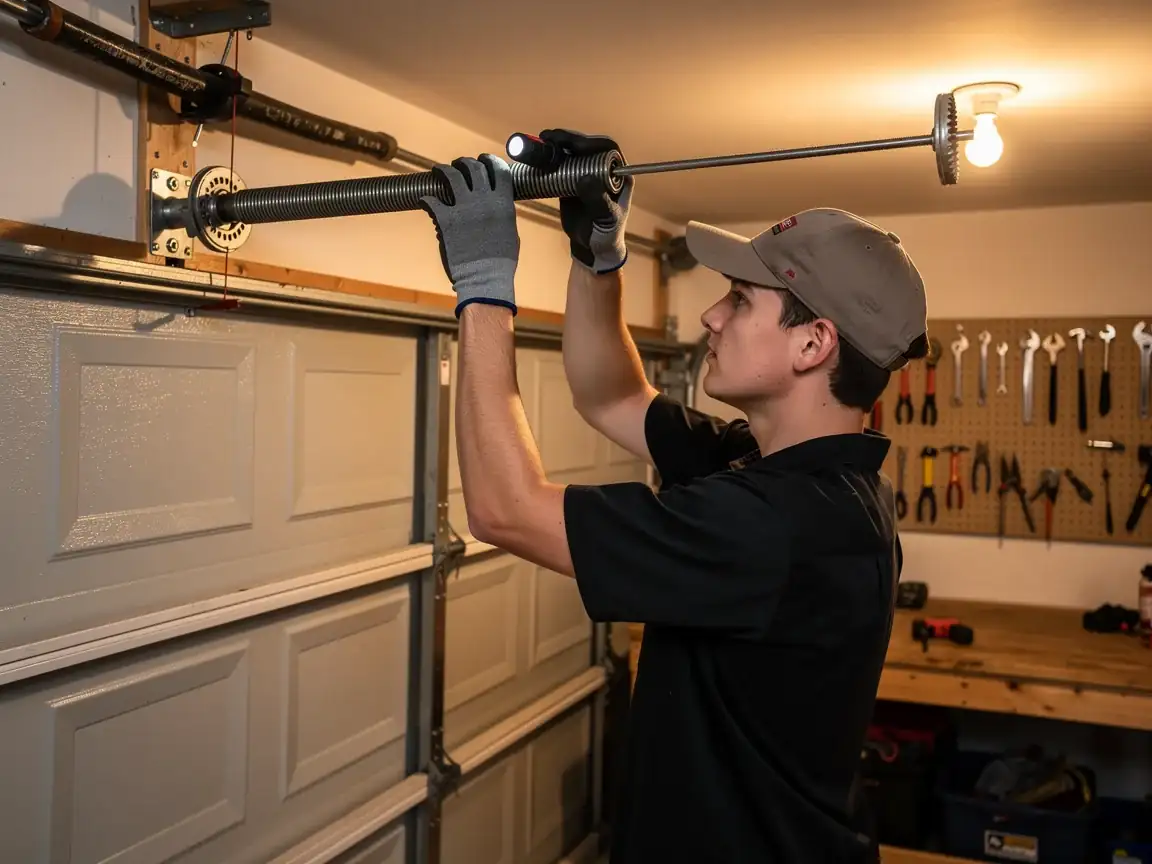
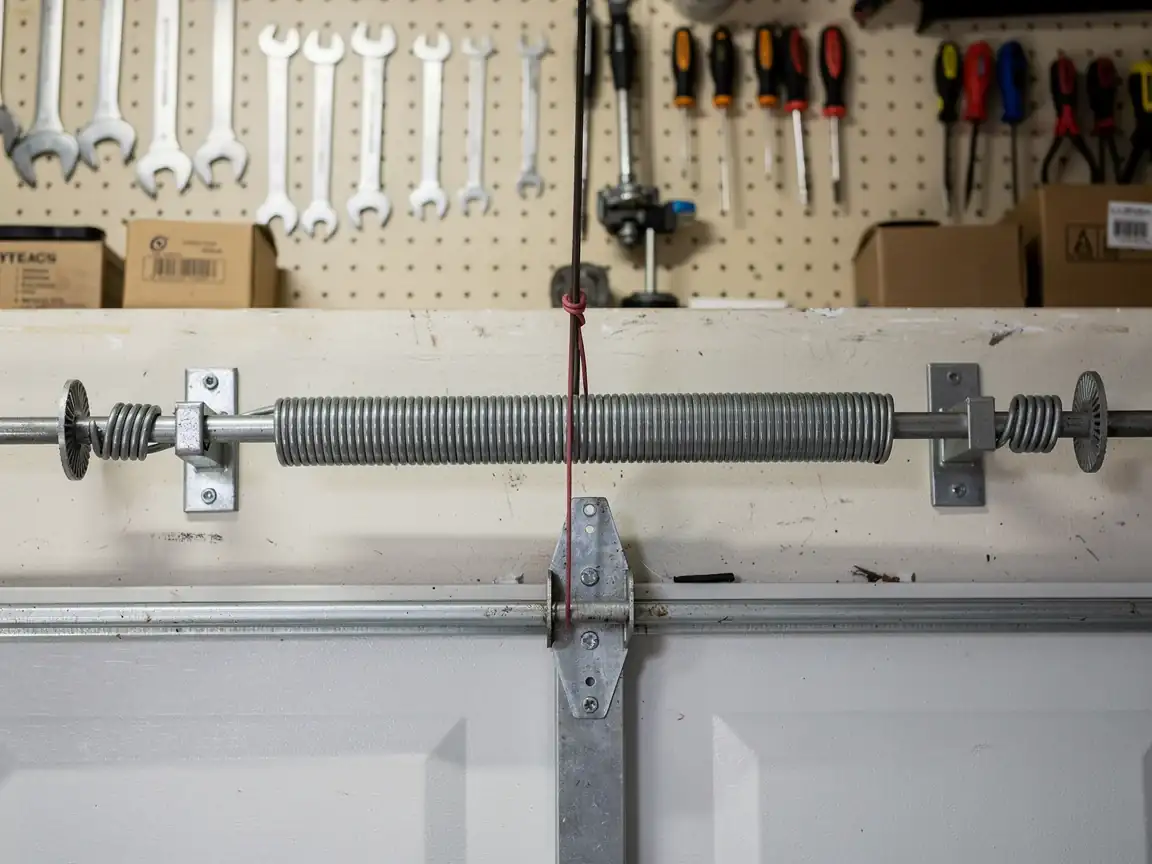
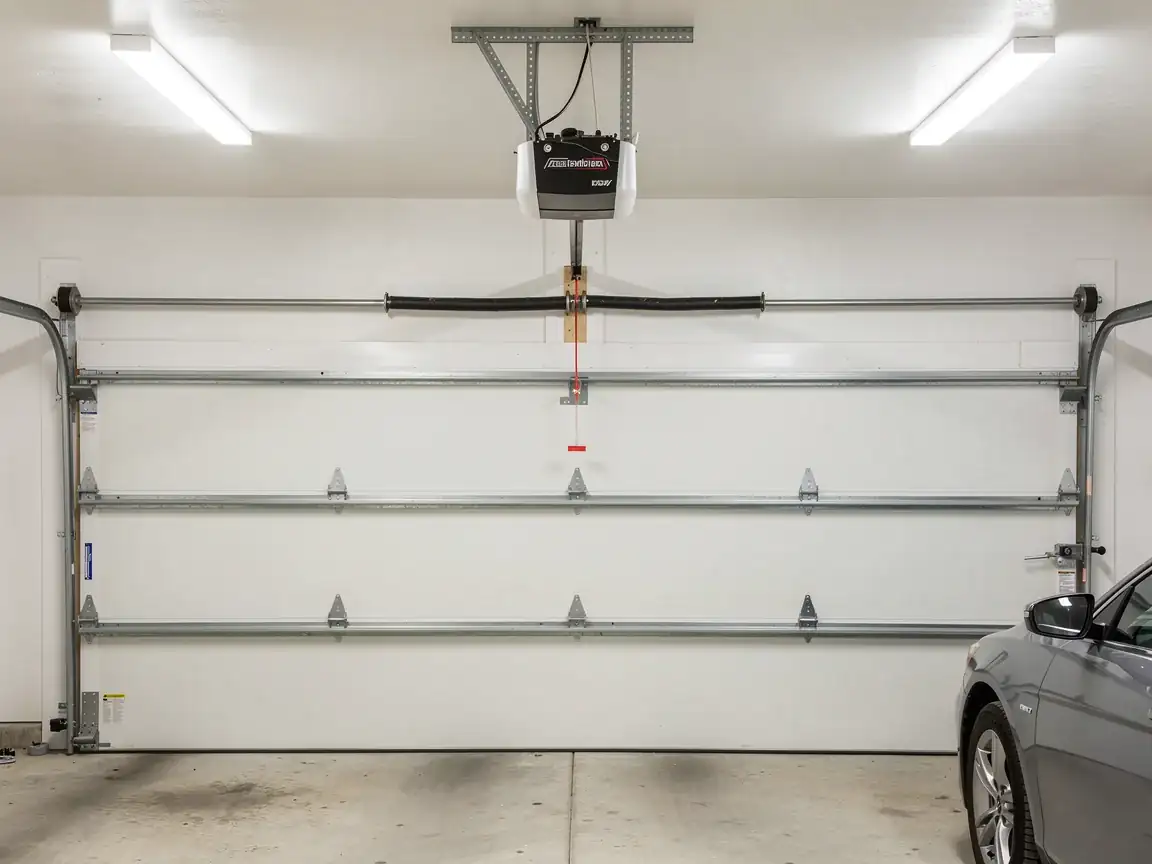
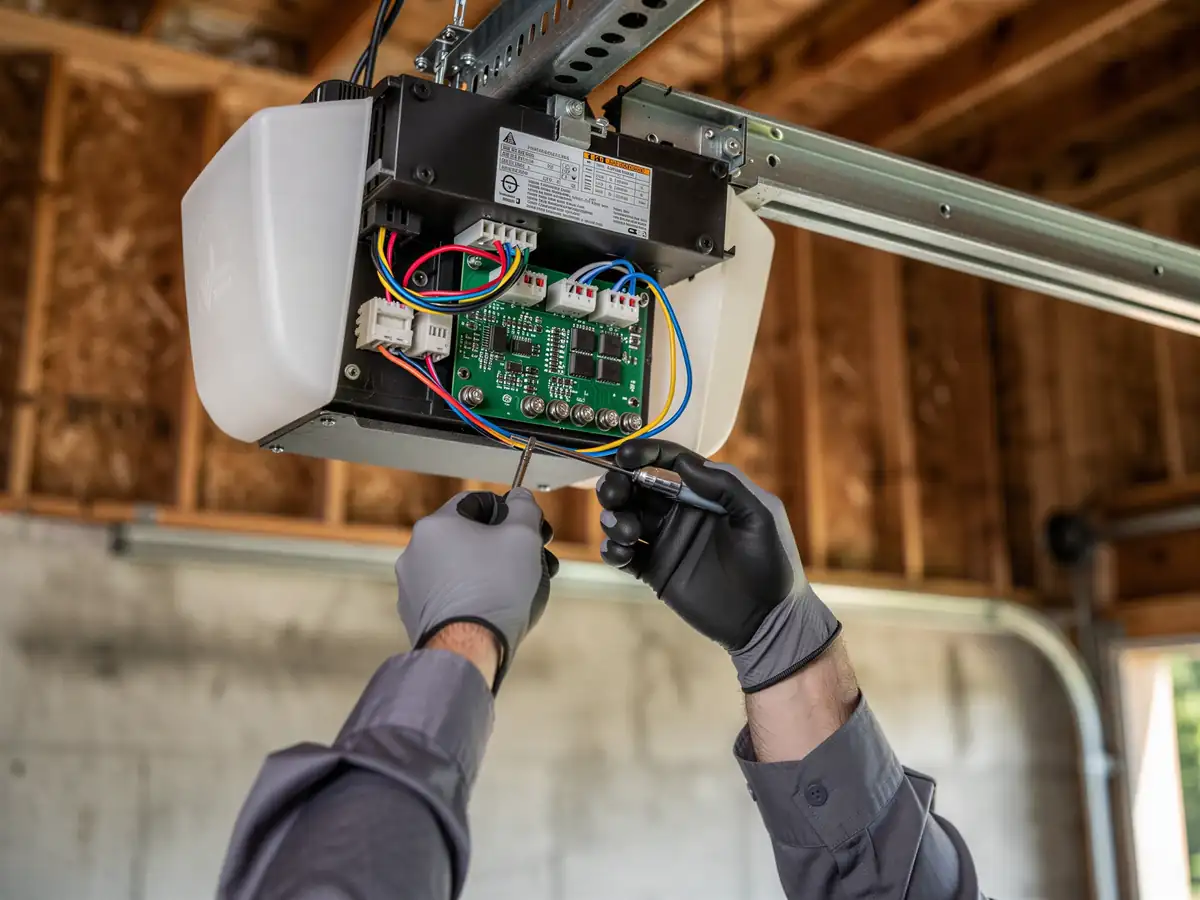
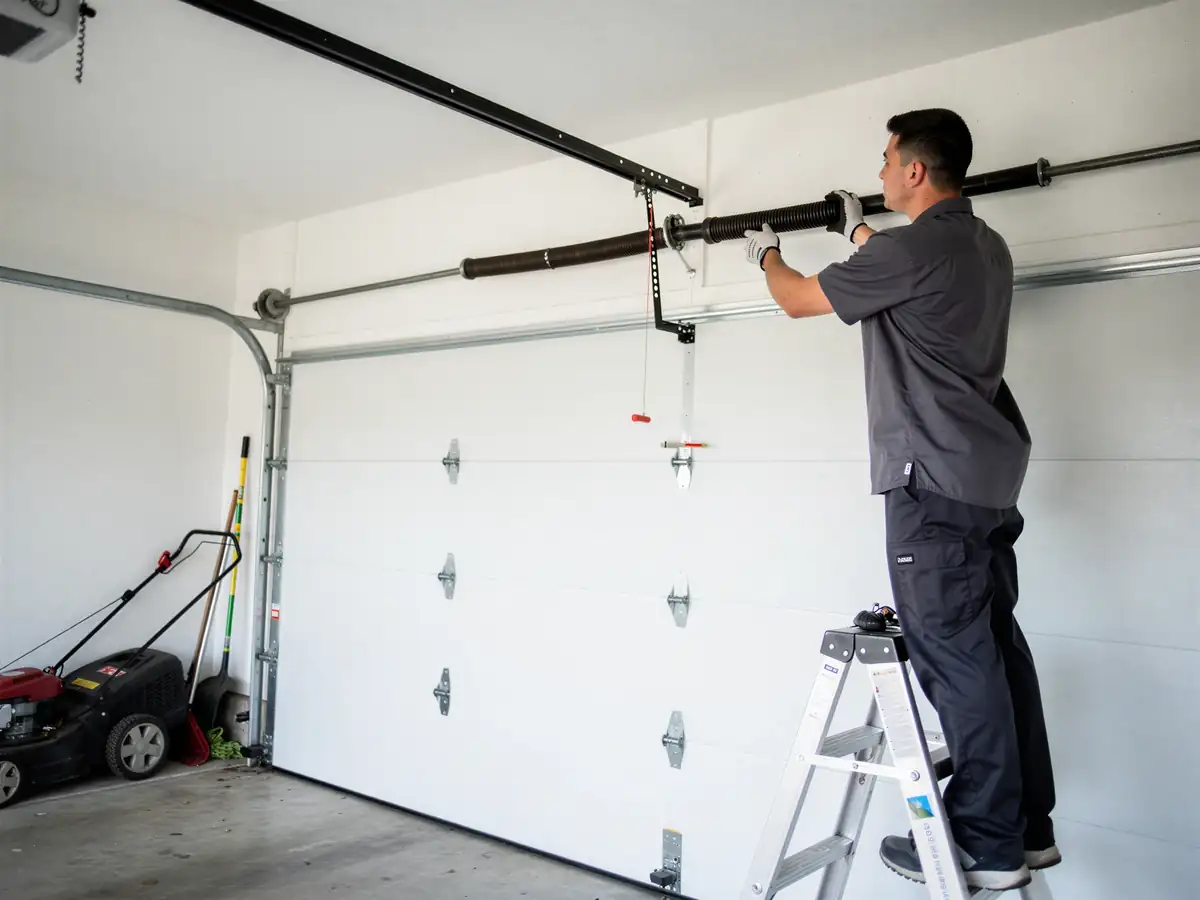
A repair call usually starts with the same question: is the door still moving, or is it dead on the track? If a torsion spring has let go, we unload the opposite spring, pull both off the shaft, and replace them as a pair - running one old spring next to one new one just means a mismatched lift and a door that racks sideways. If the opener board has failed, we check the logic board, the sensors, and the drive gear before swapping anything, because a $40 gear problem and a $150 board problem look identical from the kitchen.
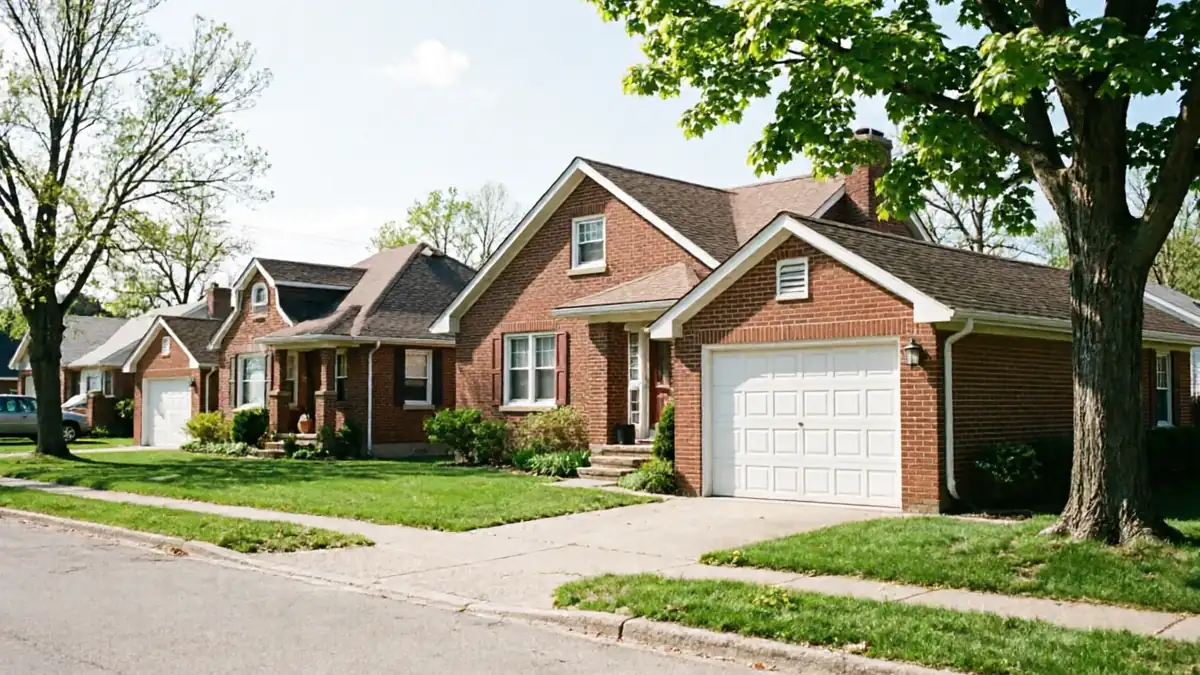
Ballwin's housing stock runs from 1947 up through 2011, with most of it landing around a 1969 median build year. That matters for repair work because a big share of the doors we open up still have the original side-mounted torsion hardware from that era - parts that newer production-line doors don't use anymore. On those jobs the fix is less about the new door catalog and more about sourcing a shaft, drum, or end bearing plate that matches 1960s and 70s spec.
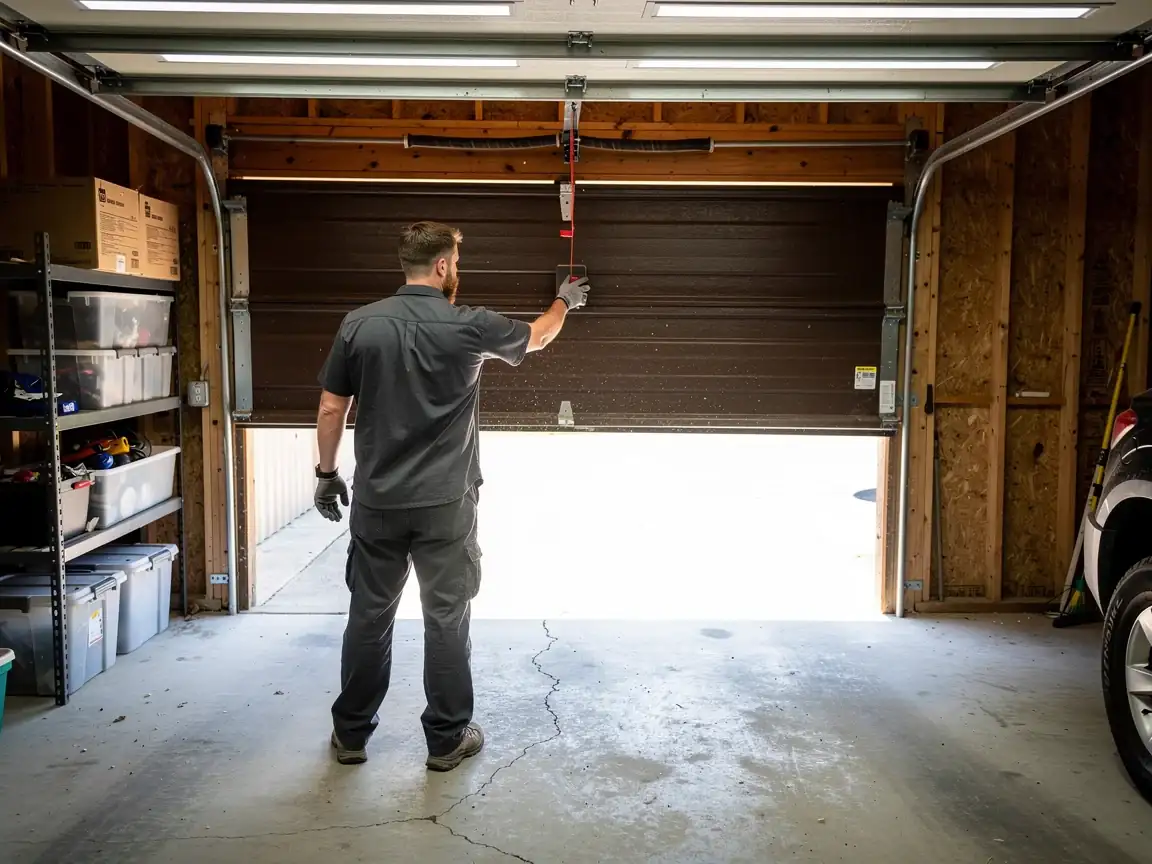
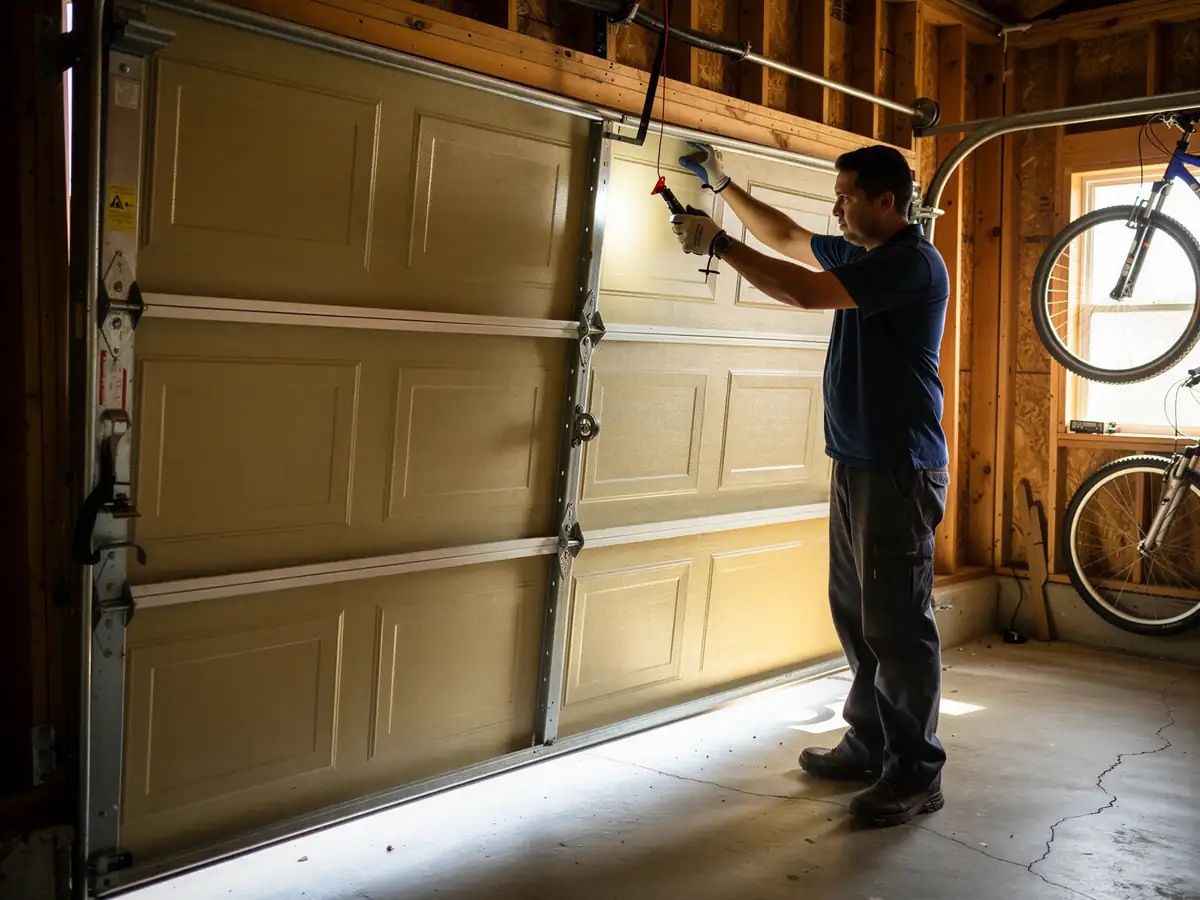
We test the full cycle before we leave - balance, travel limits, auto-reverse, remote range - not just the one part that failed, because a second weak point six months out is a second trip we'd both rather skip.
What It Costs
We don't post a flat number here
Because the honest range depends on what's actually broken and what's behind the wall of your garage. A single torsion spring swap is a different job than an opener logic board, and a door that's been limping on a bent track for months can turn a simple spring job into a track and roller job once we're under it.
What we can tell you is what drives the number up or down
Original hardware on the older end of Ballwin's housing range - the 1947 to late-60s builds - sometimes needs a shaft size or drum pitch that current stock doesn't carry off the truck, which adds a parts-sourcing step the newer builds don't need. On the other end, a 1990s or 2000s door is usually running more standard parts, so the repair is quicker and the part is on hand.
One limitation worth saying plainly
If your door is original to a house built in the 1950s or 60s and the track, drum, and springs are all original too, there's a point where patching one failed part isn't worth it compared to replacing the whole system - we'll tell you straight if that's where your door is instead of stacking repairs on it.
What Causes It Around Here
Ballwin sits in a cold-moderate climate band, and that's the quiet cause behind a lot of the spring and cable failures we see. Spring steel loses flexibility as temperatures drop, and a torsion spring that's already near the end of its cycle count is far more likely to snap on a cold morning than a mild afternoon. Cables and rollers go the same way - winter stiffens the lubricant, grit gets dragged in on wet tires, and a roller that was already worn starts grinding instead of rolling.
The bigger driver is simply age. With most houses in the area built between 1947 and 2011 and a median build year of 1969, a large share of the doors we're called out to are running springs, drums, or openers that have been cycling for decades. A torsion spring is rated for a set number of open-close cycles, not a set number of years, and a door that's been used daily since the Johnson or Nixon administration has usually burned through that rating regardless of how well it looks from the driveway.
That combination - older hardware plus a real winter - is why late fall and early winter calls spike for spring failures specifically, more than for openers or panels.
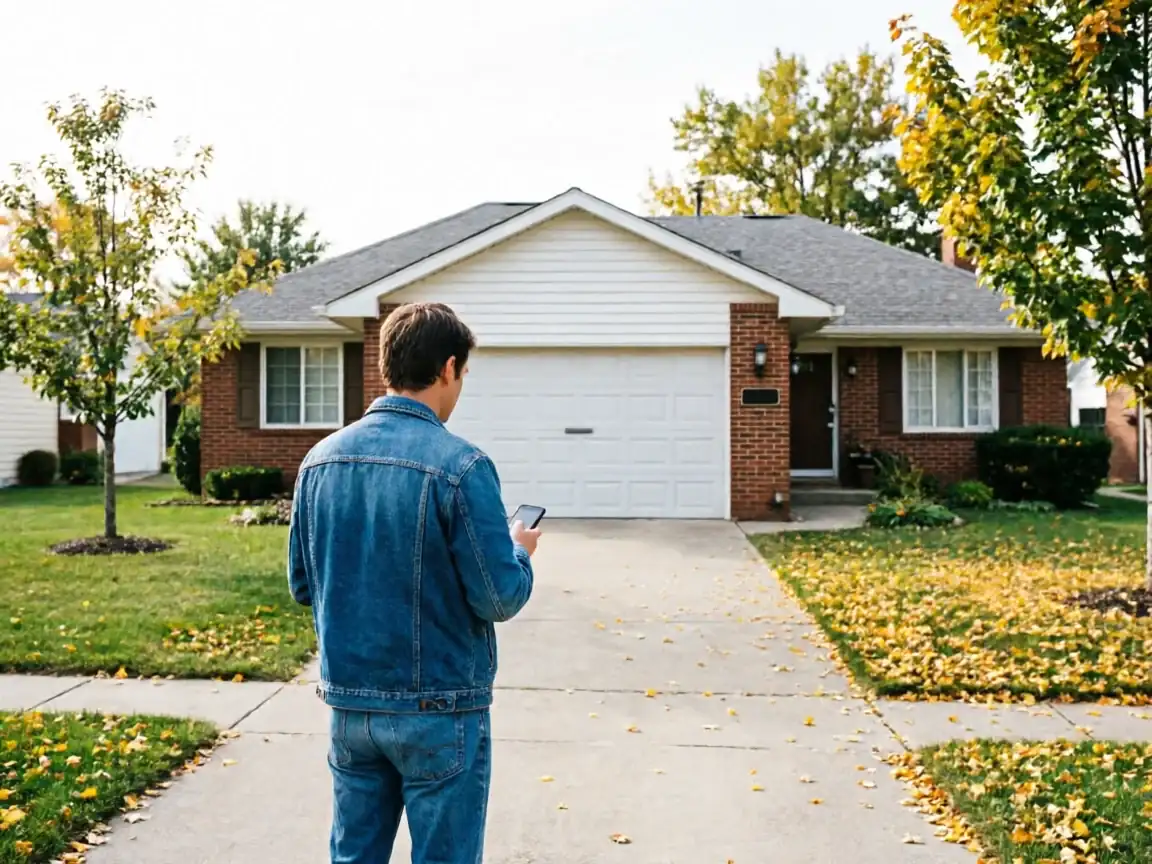
What You Are Seeing
The door won't budge and the opener motor hums without moving anything - that's almost always a broken torsion spring; the opener isn't strong enough to lift a door on its own. A loud bang from the garage followed by the door refusing to open is the same failure, just caught at the moment it happened.
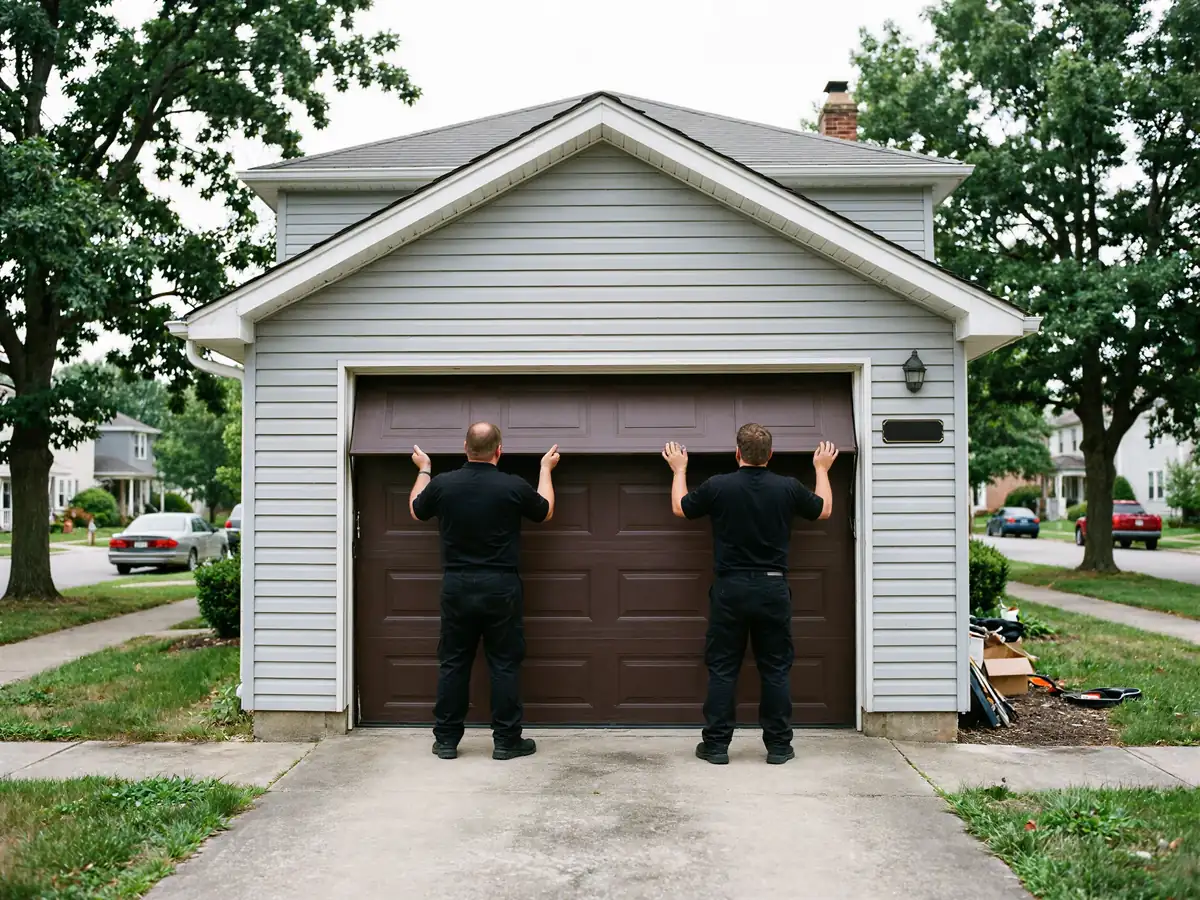
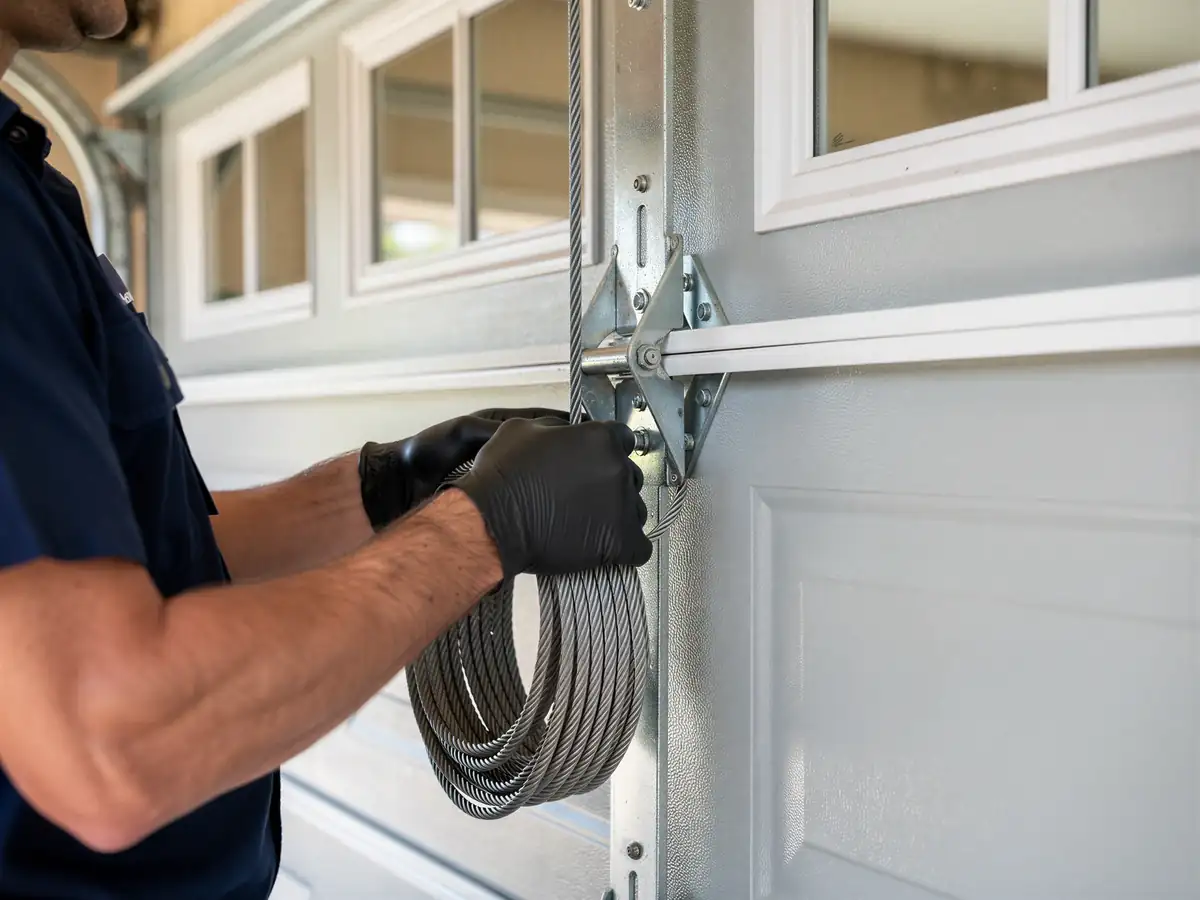
A door that opens a few inches and reverses, or that shudders and jerks partway up, points to a bent track, a broken cable, or a roller that's jumped the rail. If one side of the door looks lower than the other when it's sitting closed, the cable or spring on that side has likely gone.
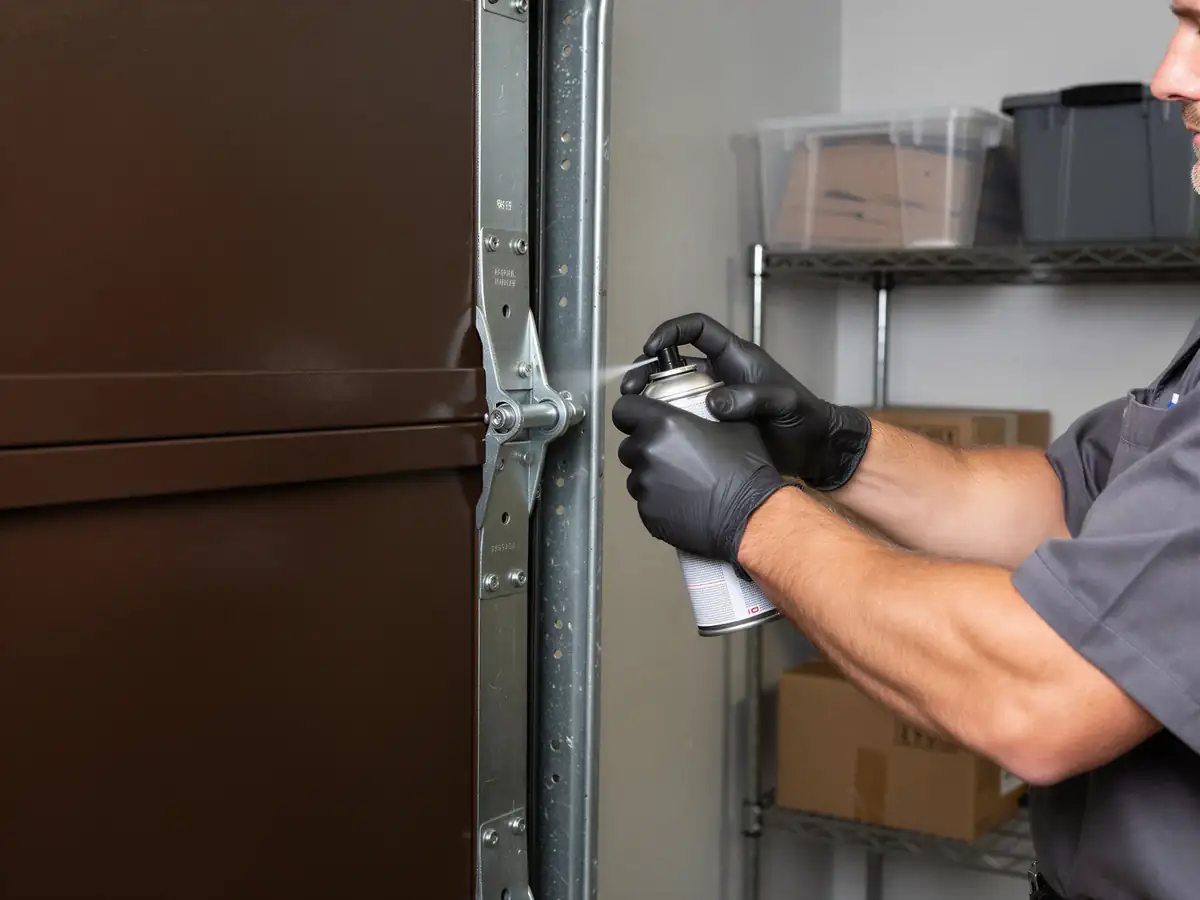
Grinding or scraping that gets louder over weeks, not days, is usually a roller or hinge wearing out - not an emergency yet, but worth a call before it becomes one. An opener that clicks but does nothing is often the logic board or a stripped drive gear, which is a different repair than anything spring-related.
If the remote works intermittently depending on where you're standing, that's typically the opener's receiver losing range, not the door's mechanical system at all - worth ruling out before assuming something heavier has failed.