What Changes With the Season
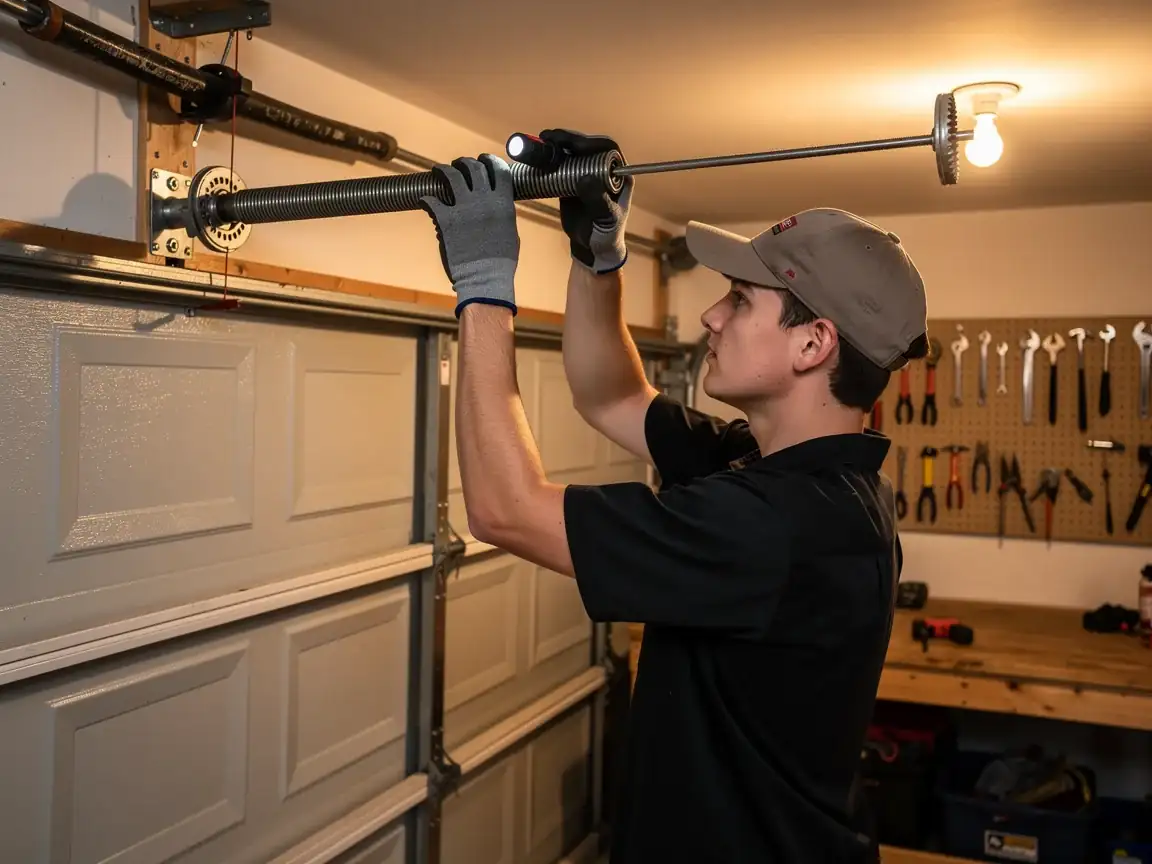
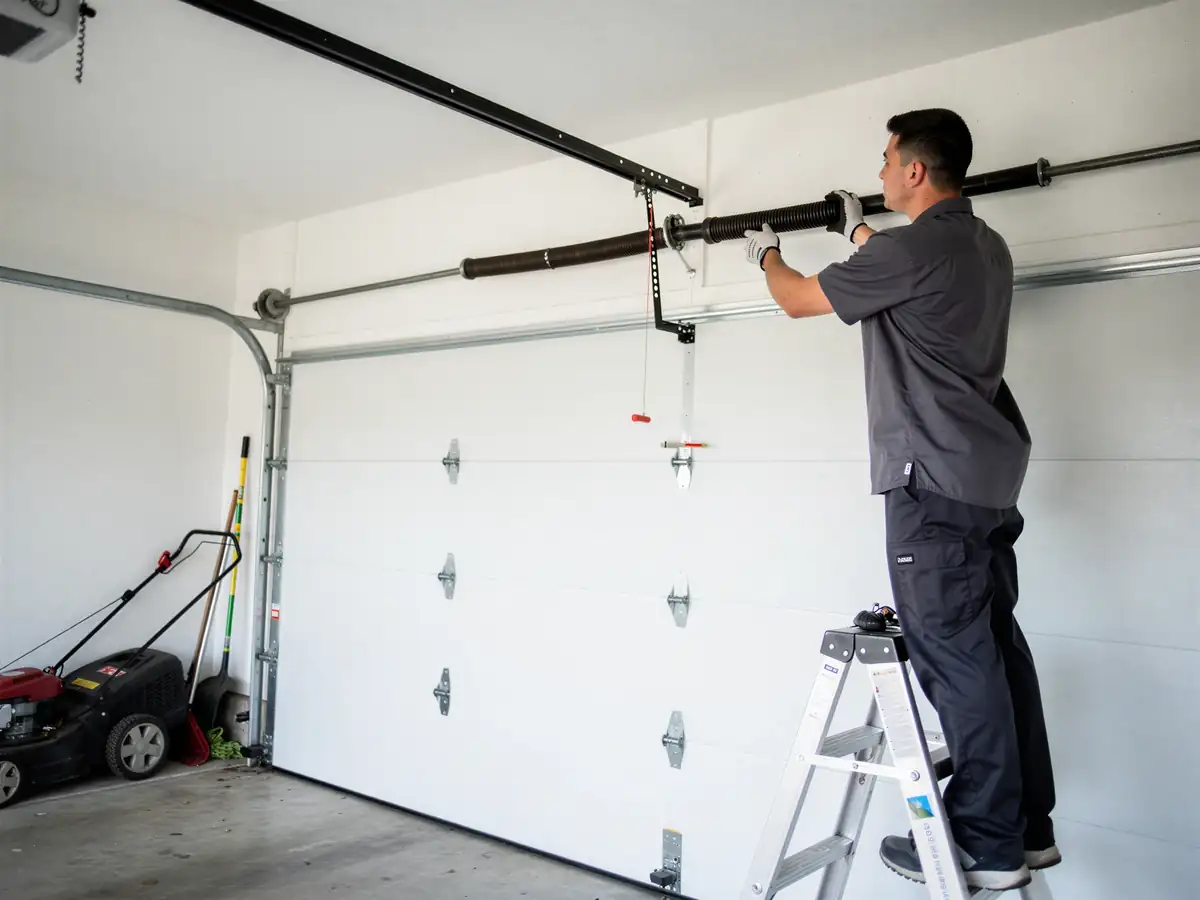
Ballwin sits in a cold-moderate climate band, which means the door hardware goes through real temperature swings every year, not just a cold snap or two. Steel torsion springs tighten as metal contracts in winter, and that change in tension is often what turns a quiet door into a noisy one. A spring that was fine in September can start groaning in January because the coil is under more load at a lower temperature.
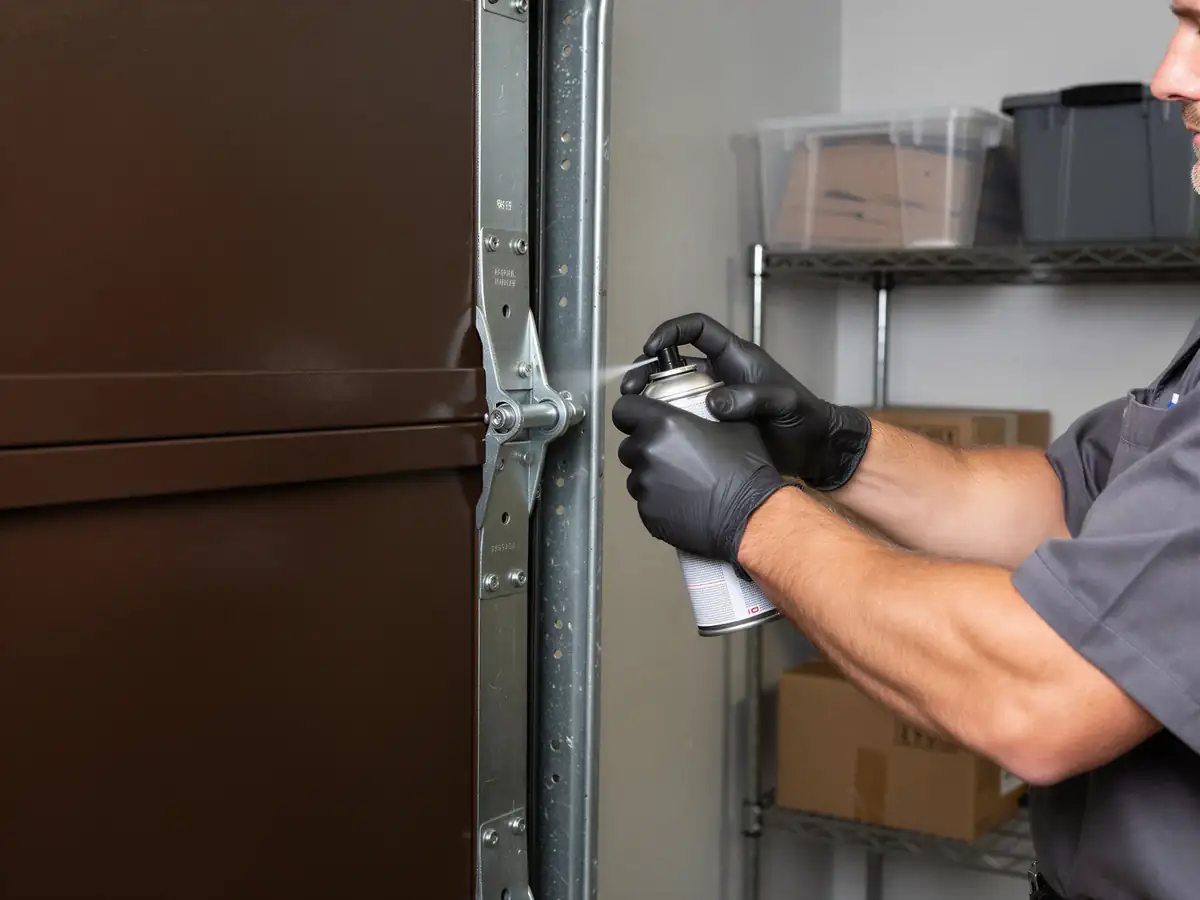
Lubricant matters more here than in a place with a flat, mild climate. Grease that was fine at 70 degrees gets stiff at 20, and a stiff roller or hinge pin will squeal on the way up and down until it warms up or gets serviced. Openers also slow down in the cold - a chain drive that sounds sluggish on a January morning is often just cold, not broken, but a door that drags every cold morning for weeks is wearing something out faster than it would in a warmer month.
This isn't a one-time fix. Moderate cold means the cycle repeats every winter, and hardware that isn't maintained for it accumulates wear a season at a time.
The Situation
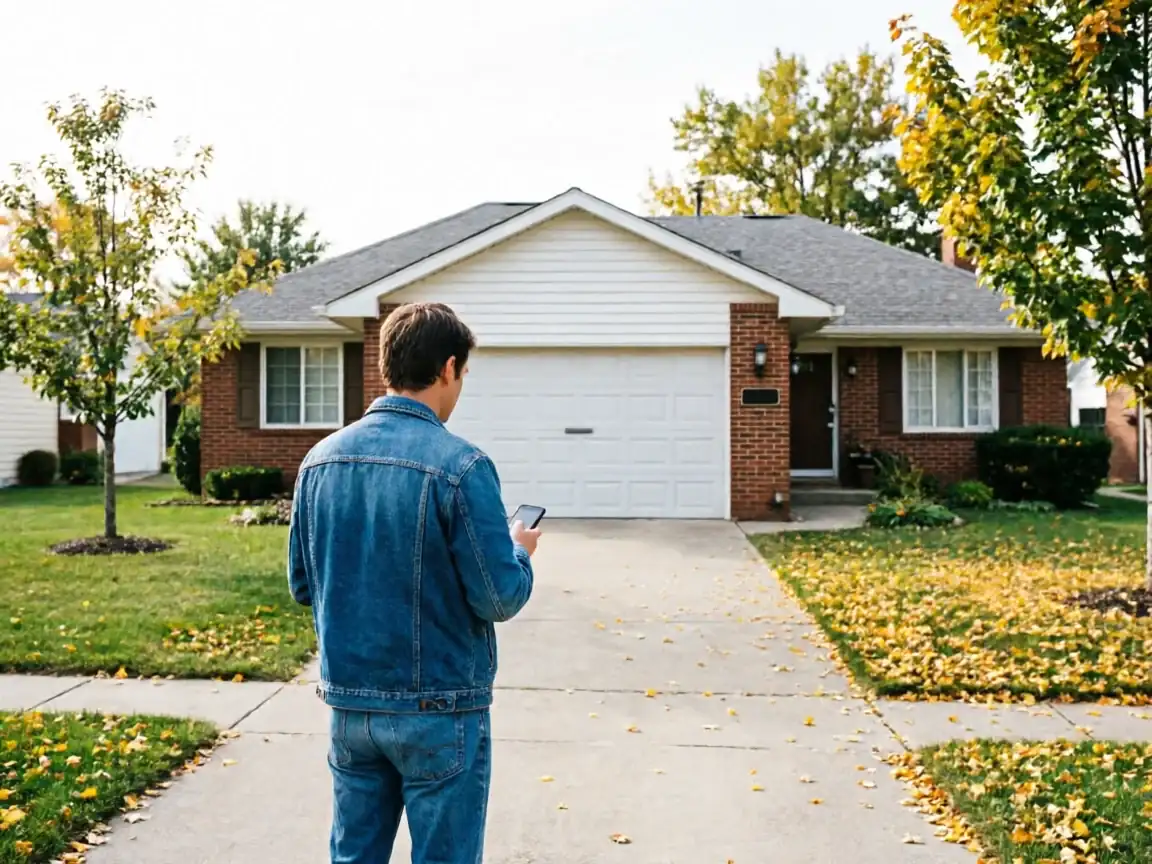
Most of the housing stock in and around Ballwin went up between 1947 and 2011
With the median build year landing around 1969, and the bulk of it dates to the 1960s and 70s. That matters for noise because a door installed when a house was built 50-plus years ago has usually been through at least one, often two, full spring replacements by now, plus whatever opener and track work came with it.
A door on original or near-original hardware from that era is a different animal than one installed in the last decade
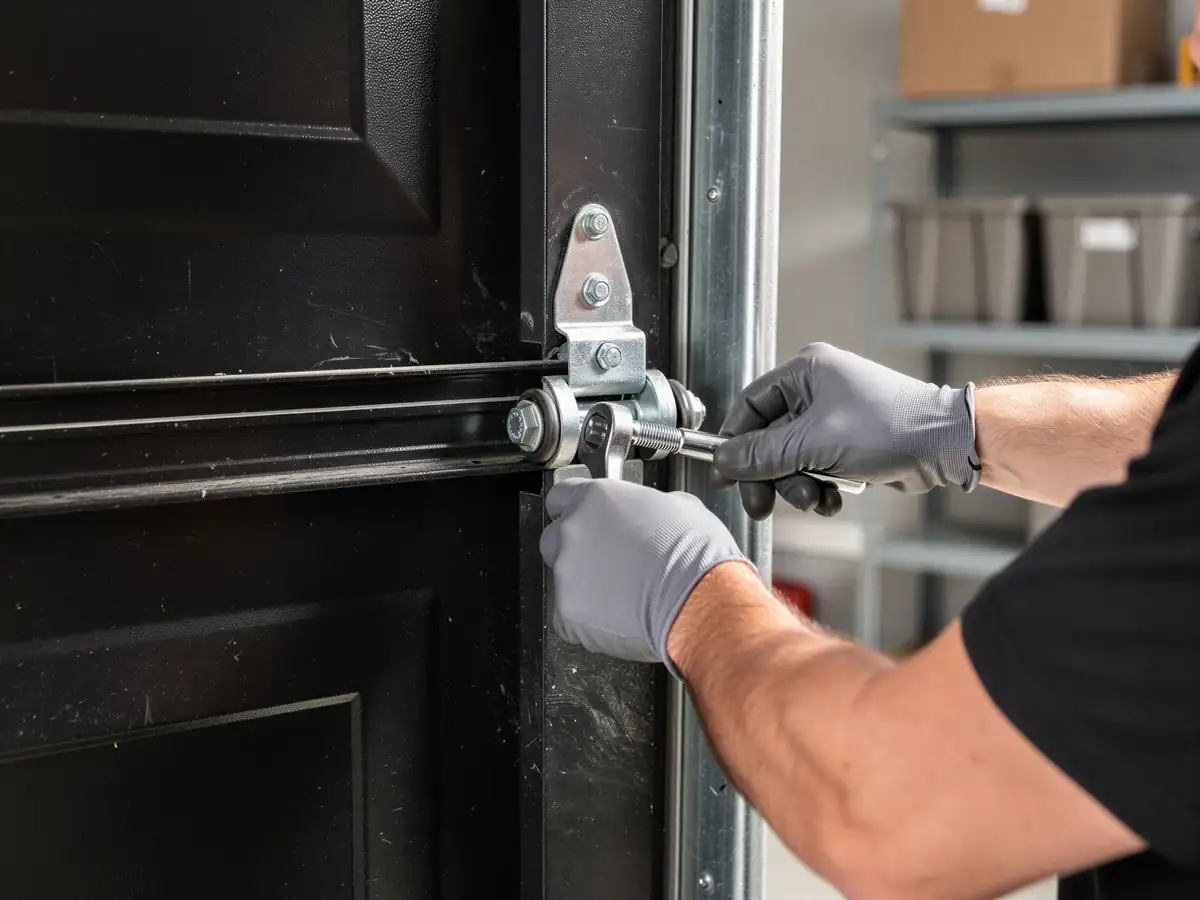
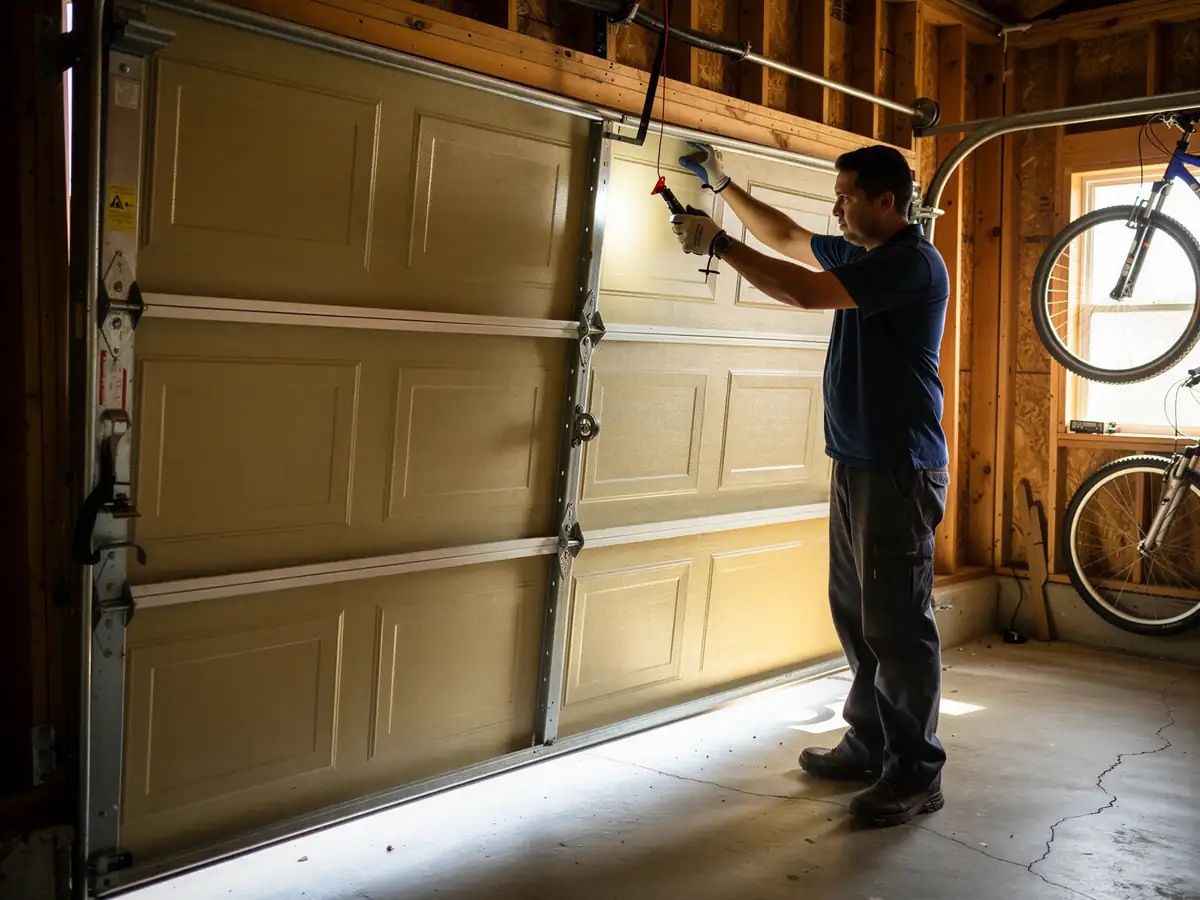
Torsion springs, rollers, and track brackets from the 1960s and 70s don't match what's on the shelf today - spacing, drum sizes, and mounting points shifted over the decades. So a grinding noise on an older setup sometimes means the fix isn't a drop-in part, it's a careful match or a partial upgrade.
The practical result
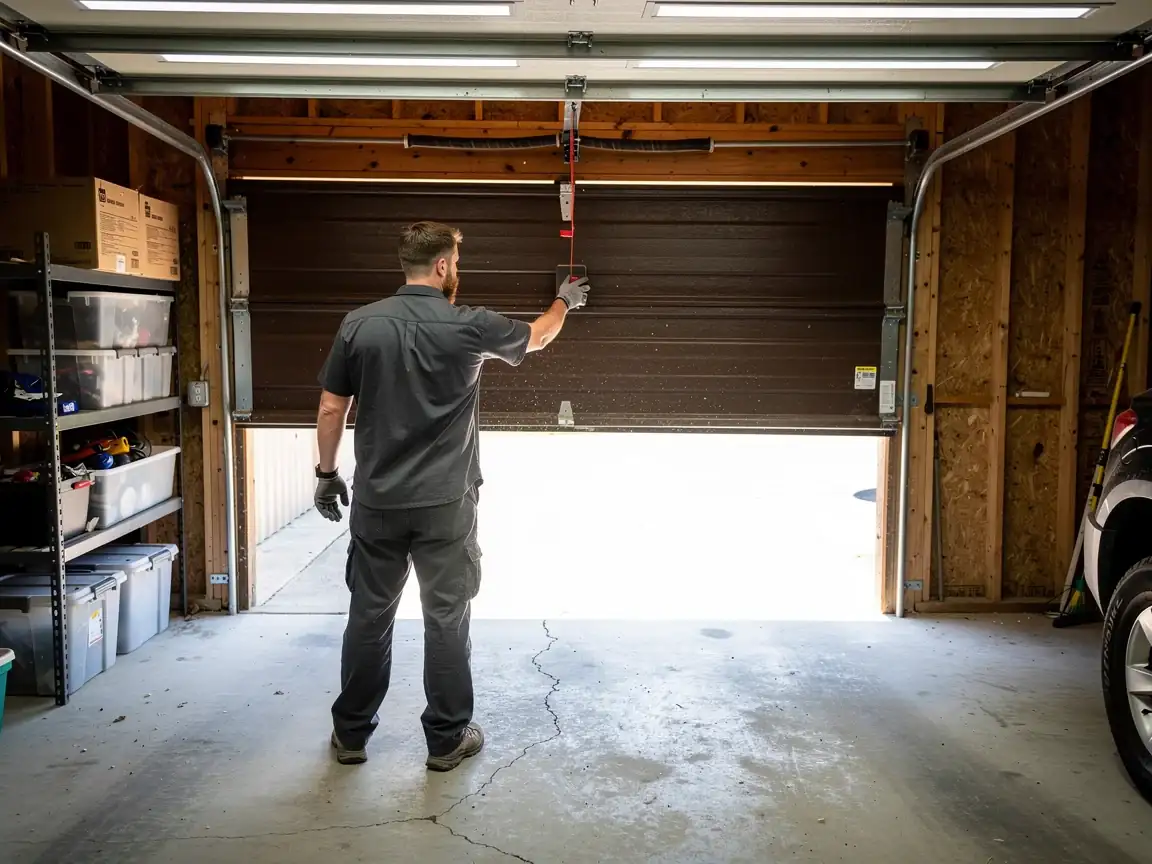
A noise that would be a five-minute fix on a newer door can take longer to diagnose on a house built in that mid-century wave, because the technician has to confirm what's actually back there before ordering anything.
When to Get Help
A single loud bang when the door closes is almost always a spring - either it just broke, or it's about to. Don't run the opener again; call before it does.
A rhythmic thump or thud every few inches during travel usually means a flat spot on a roller or a bent track section, not the spring itself. It'll get worse, not better, if you keep cycling it.
A high metallic screech, especially worse in cold weather, is almost always a dry hinge or roller shaft - cheap to fix if caught early, but it accelerates roller wear if ignored through a winter.
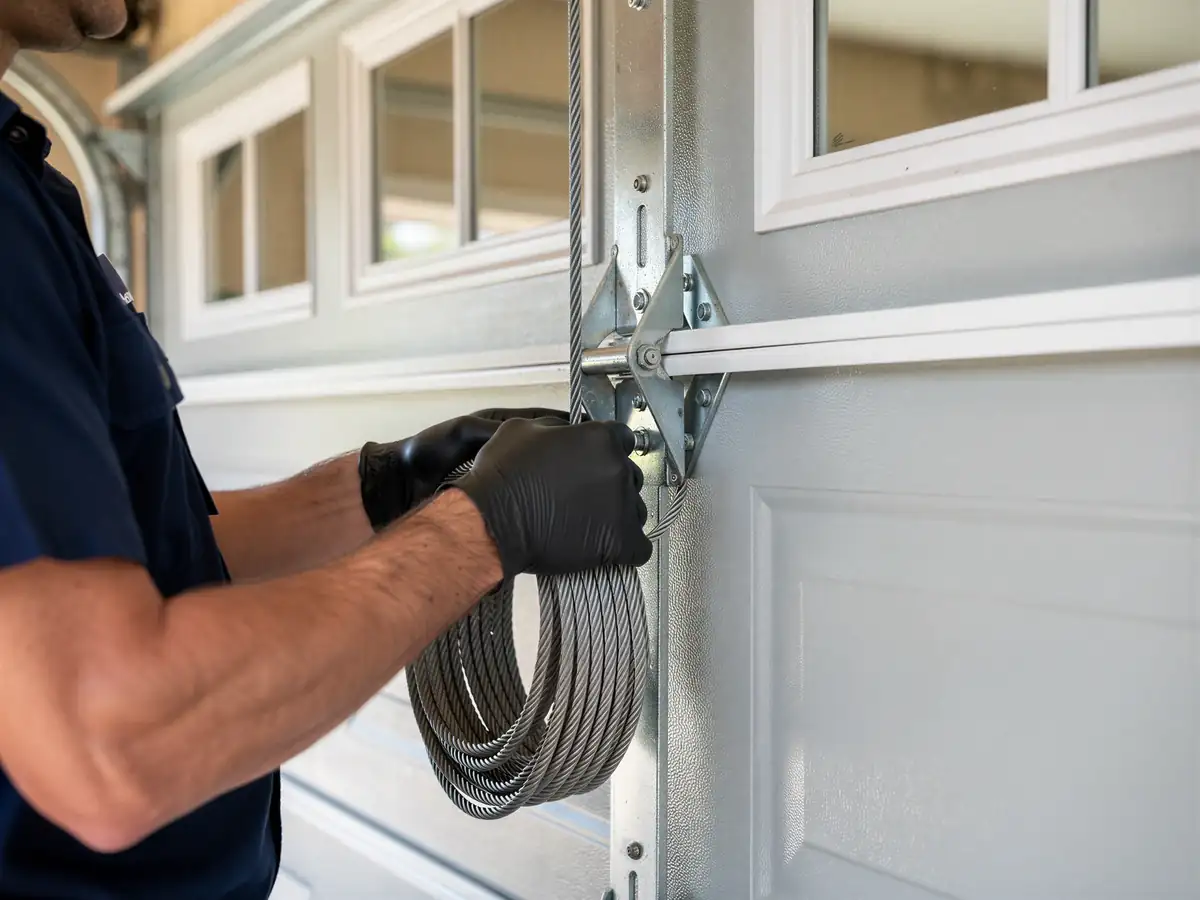
A grinding or scraping sound that tracks with the door's motion, not just at one point, often means the track itself is out of alignment, which on an older house can mean the bracket has worked loose from the framing over the decades.
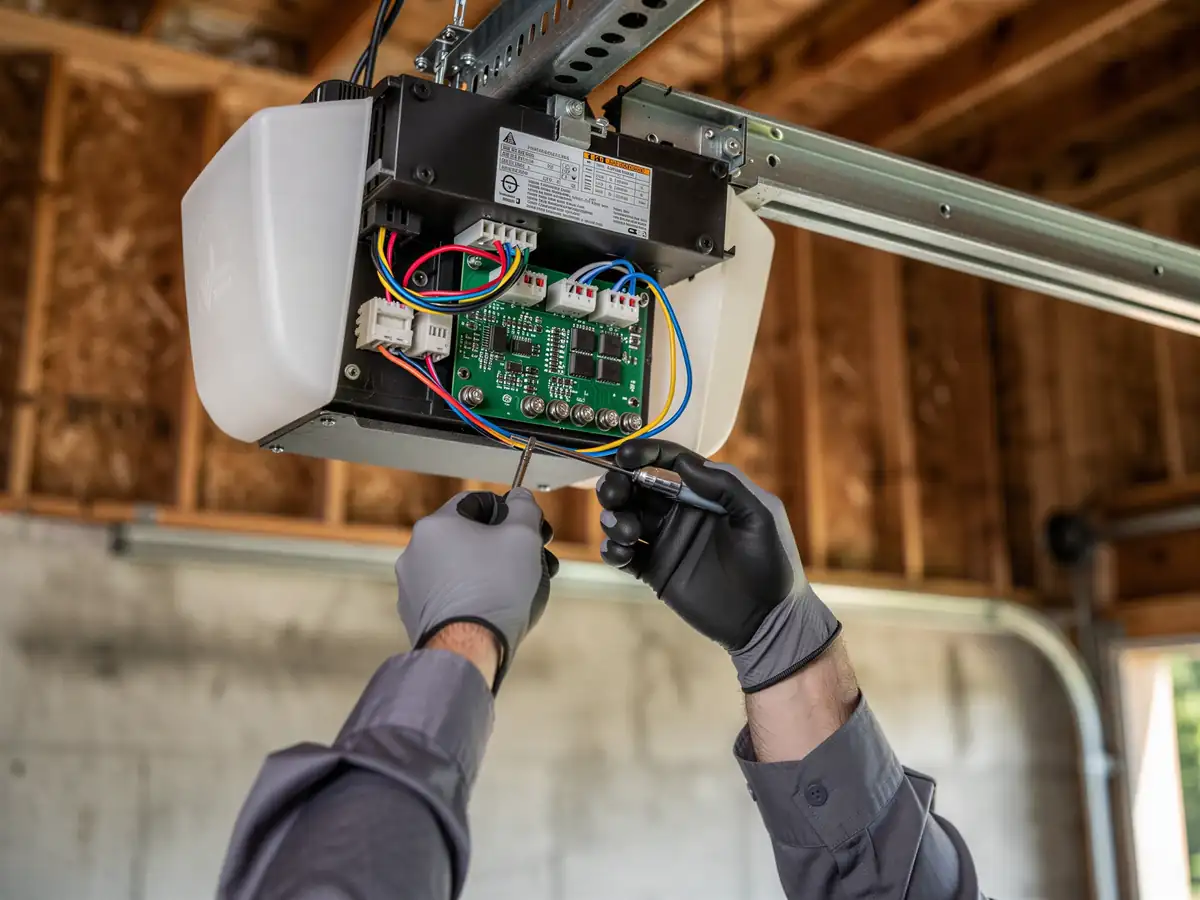
If the opener motor strains, clicks, or reverses on its own, that's electrical or gear wear inside the unit, not something to keep testing. One honest limit here: if an opener is original to a house built in that 1960s-70s wave, repair parts for it may simply not exist anymore, and replacement is the real answer, not a patch.
What Local Conditions Do
Put the two factors together - cold-moderate winters and a housing stock centered on the 1960s and 70s - and you get a specific, local pattern of wear. Original torsion springs from that era, if they've somehow survived this long, are working at the edge of their design life every winter the metal contracts. Tracks and brackets mounted when a house was framed in 1969 have had five decades of seasonal expansion and contraction to work loose a fraction of an inch at a time.
Newer doors, even on older houses where the door itself was replaced more recently, don't carry this same compounding issue - they're dealing with the climate alone, not the climate plus half a century of hardware fatigue. That's the real reason two houses on the same block can report completely different noises: one's had its door and opener swapped since 2000, the other hasn't.
We can't tell you which bucket your house is in without looking at it. But if your garage door has been making the same sound longer than you can remember, the age of the house is usually at least part of the story.