What Changes With the Season
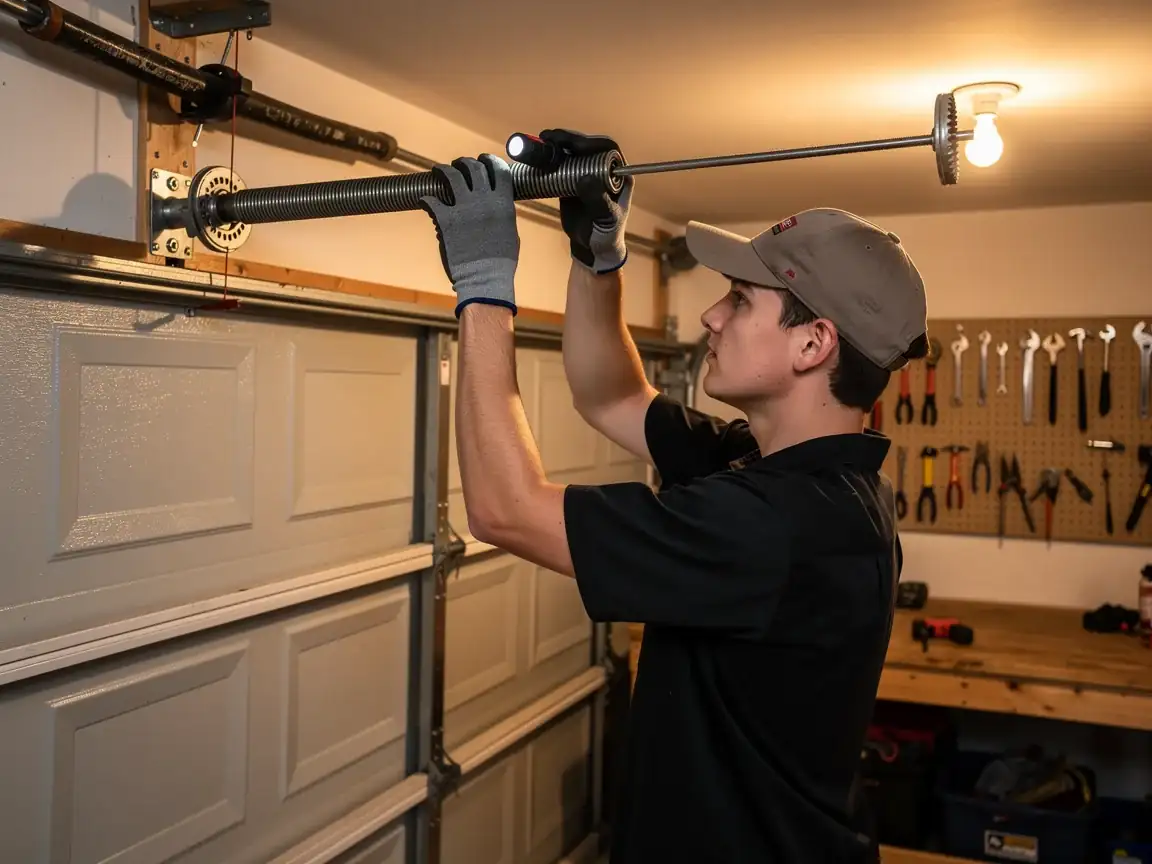
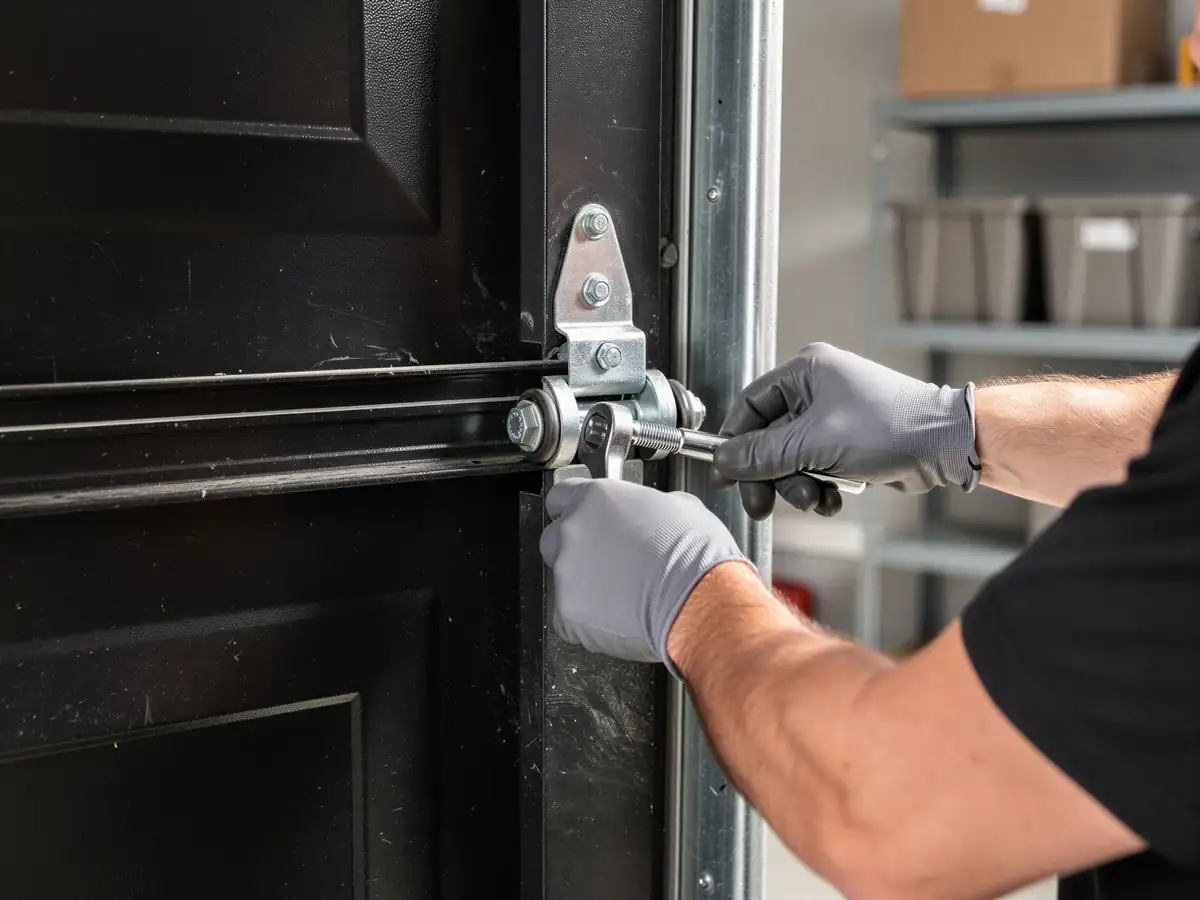
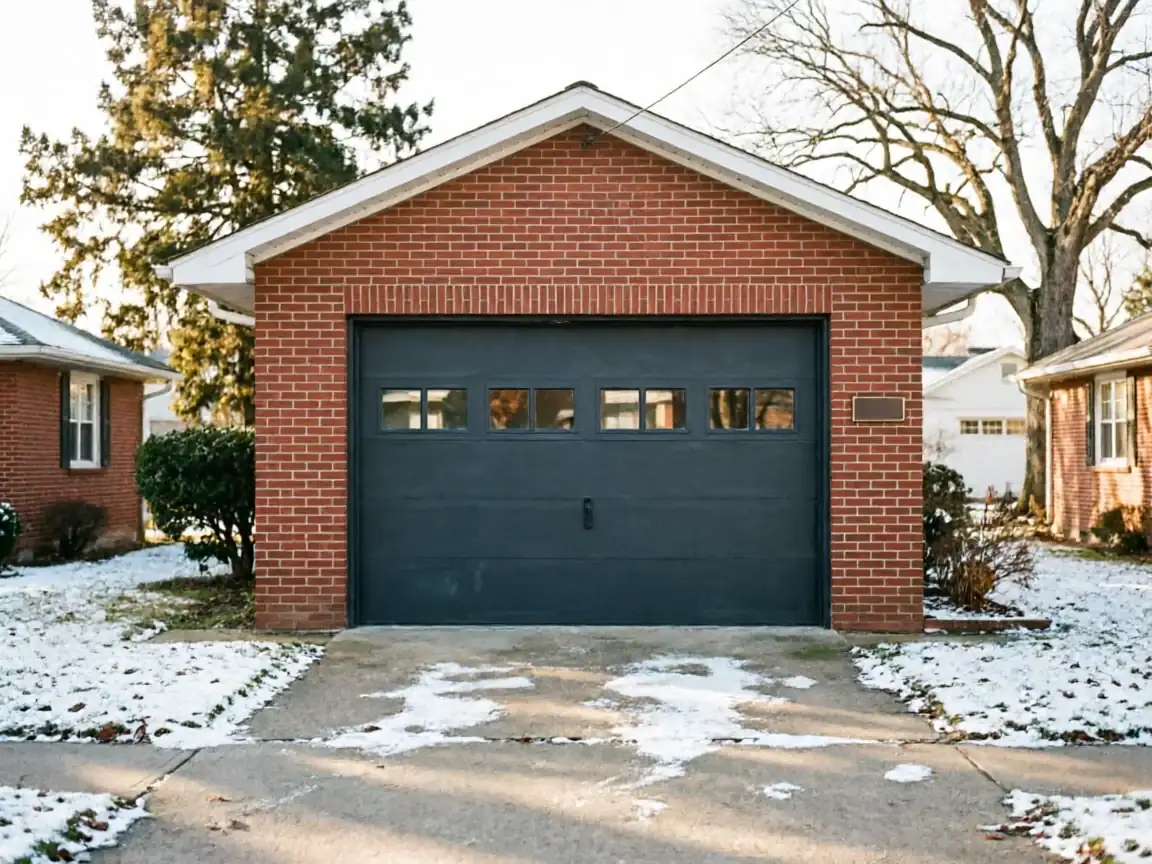
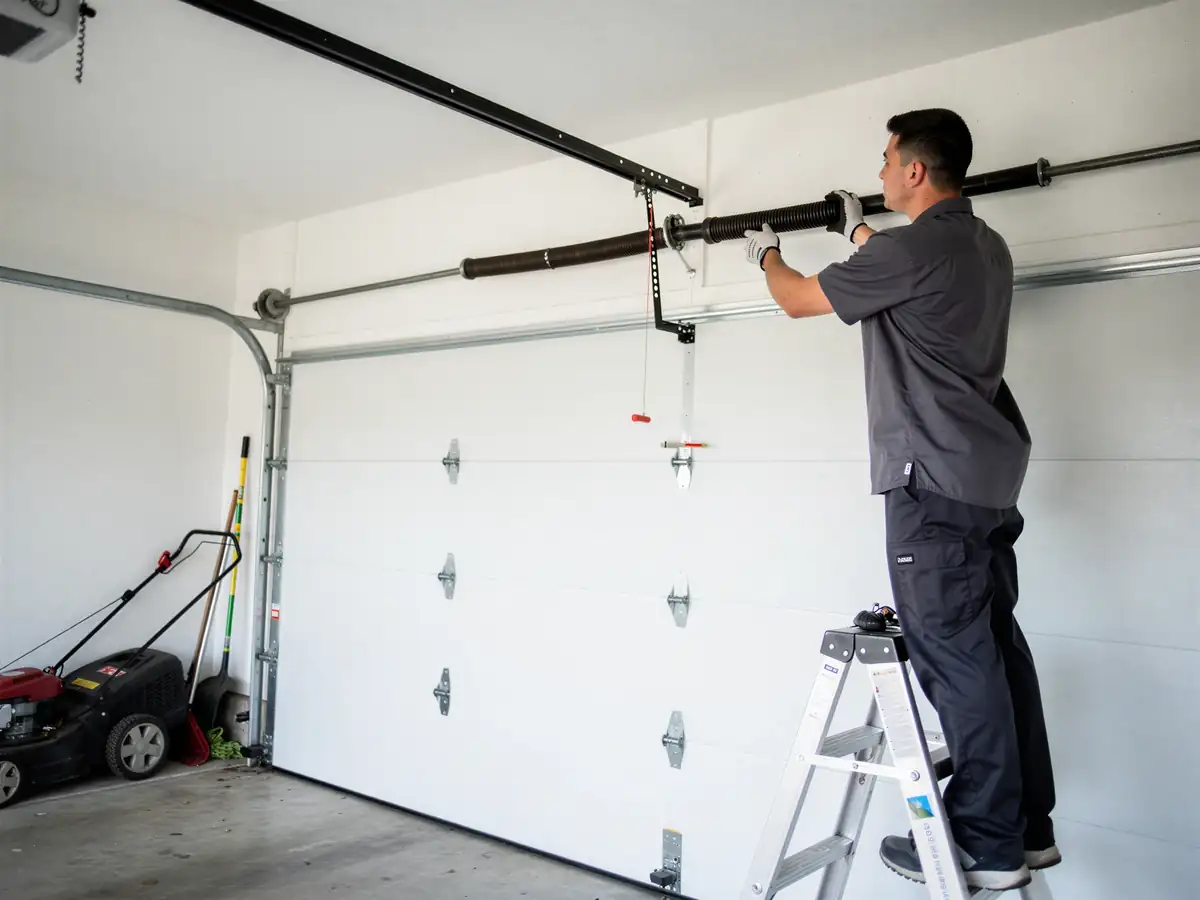
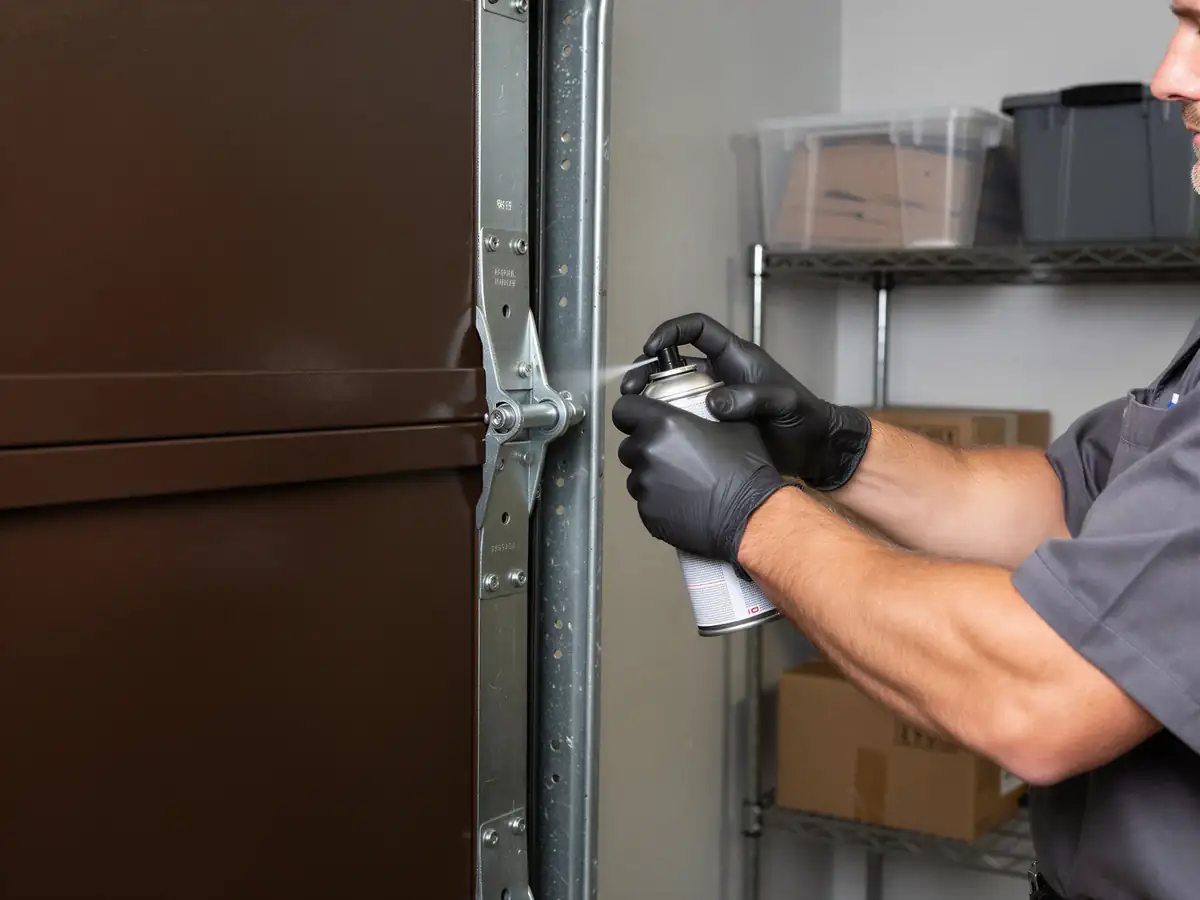
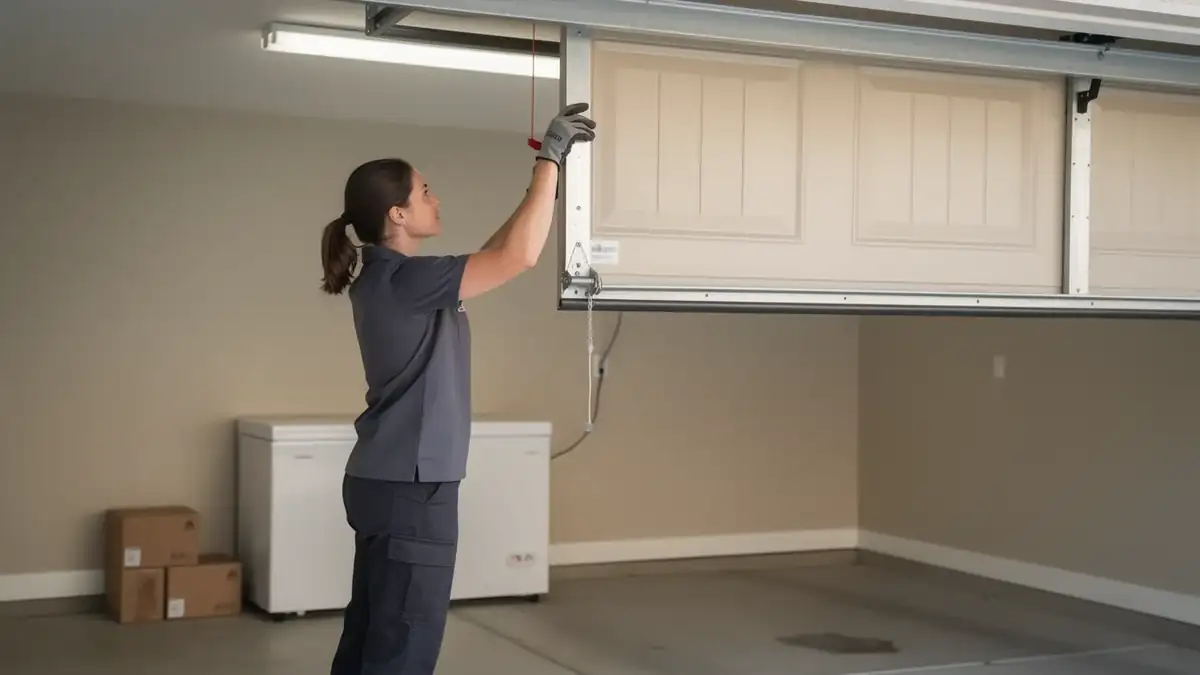
Ballwin sits in a cold moderate climate band, which means the hardware on your door goes through a real freeze-thaw cycle every year, not just a few cold snaps. Steel torsion springs lose tension as temperatures drop, and the grease in older bearings and rollers thickens up, which is why doors that worked fine in October start groaning or catching in January. Nylon rollers crack with age faster when they're cycling through repeated cold mornings and warmer afternoons. On houses built in the 1960s and 70s - which describes most of what's standing in this area - the original steel track brackets were never rated for the kind of expansion and contraction that decades of seasonal swing put on them. We watch for brackets that have pulled slightly away from the jamb, track sections that have shifted out of plumb, and springs that look fine sitting still but bind the moment the door starts moving. None of this shows up on a warm day in a showroom. It shows up on the first cold morning when someone's late for work and the door won't lift.
When to Get Help
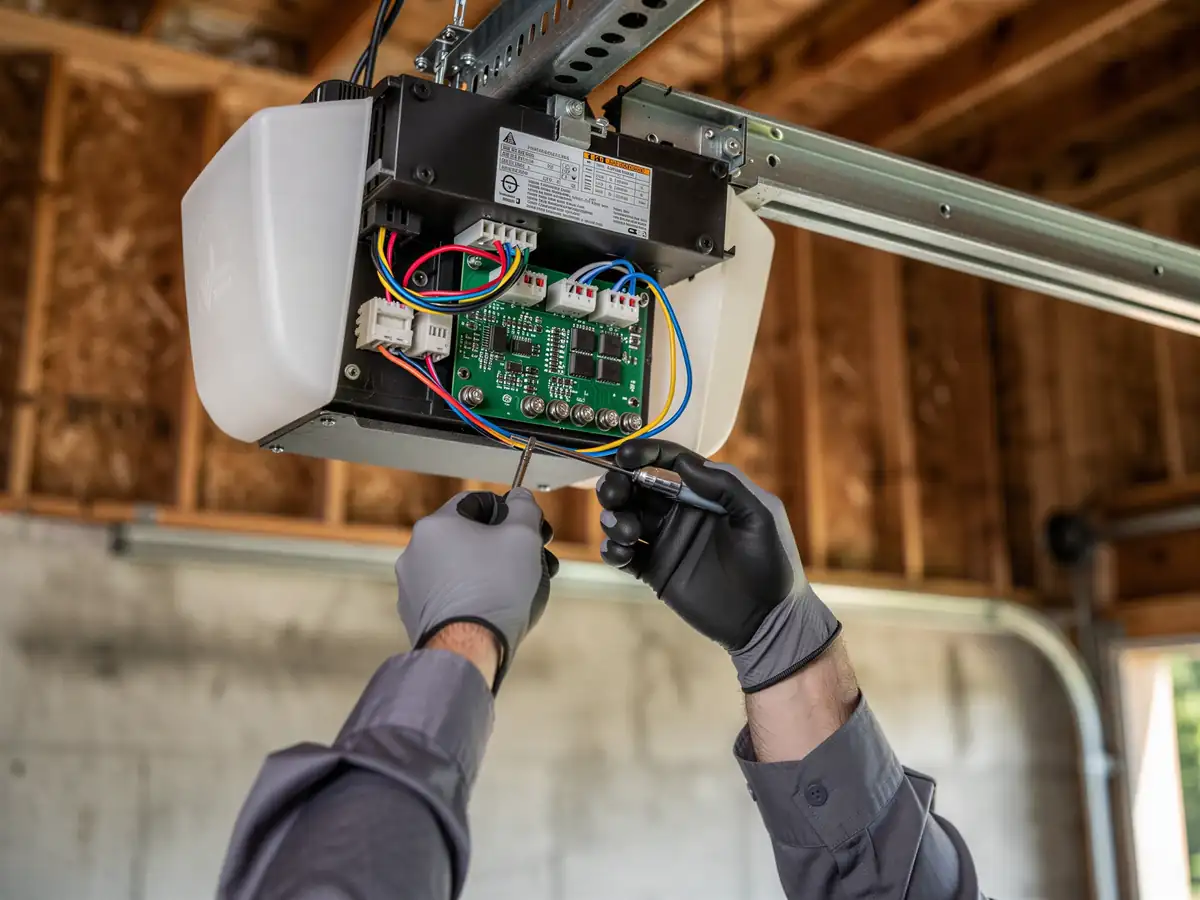
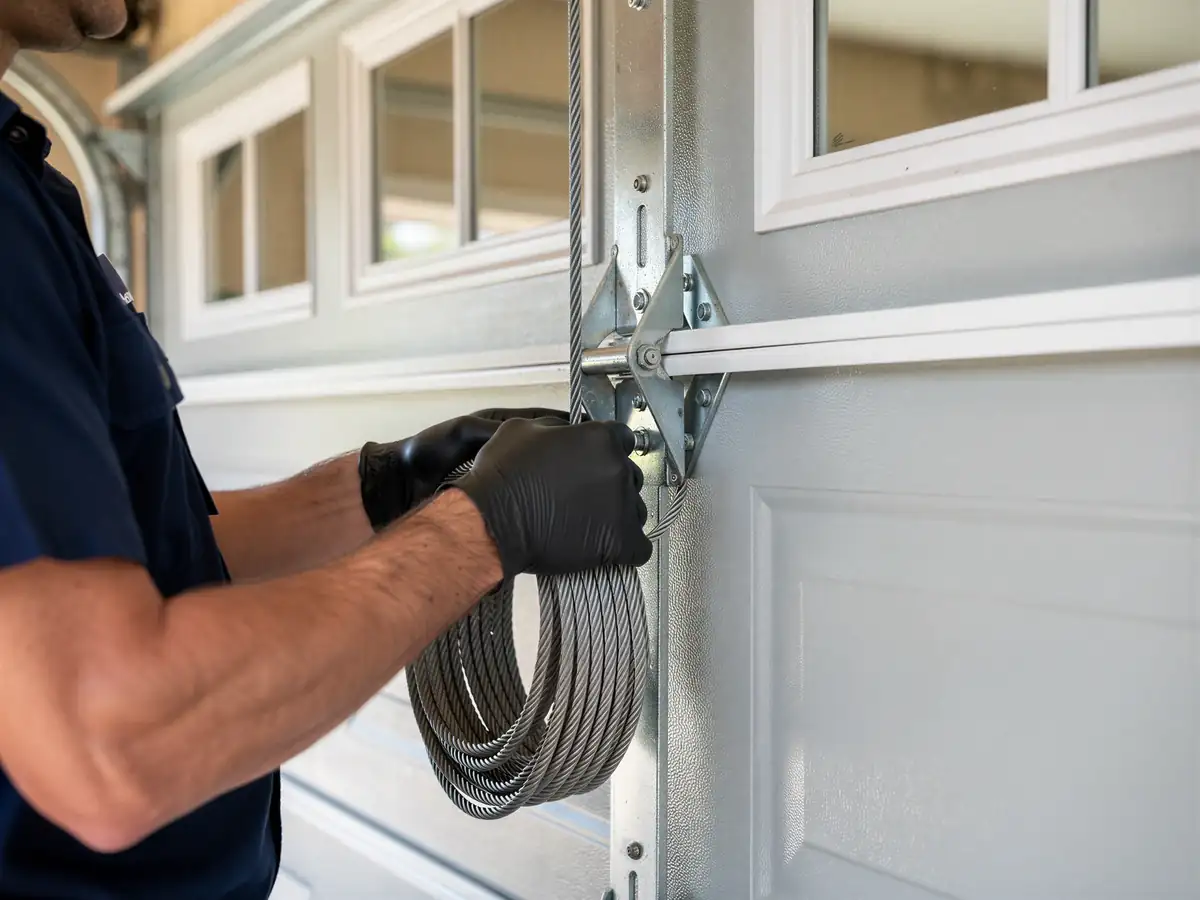
Call before the door fails completely if you hear a grinding or popping noise from the spring area, see a track bracket pulling away from the frame, or notice the door hanging unevenly on one side - these get worse fast once cold weather sets in, not better. If a cable has frayed or a spring has visibly separated, don't try to force the door open or closed; that's a tensioned-steel part that can injure someone, and it's not a weekend fix. One honest limit here: if your opener or spring assembly is original to a 1960s or 70s build, parts for that exact model are often long discontinued, and a repair quote can end up costing more than a straightforward replacement with current hardware. We'll tell you when that's the case rather than patch something that'll fail again in a year. For routine stuff - a roller that's started squeaking, a remote that's gotten unreliable - there's no urgency, but catching it before winter is cheaper than an emergency call once it's below freezing.
What Local Conditions Do
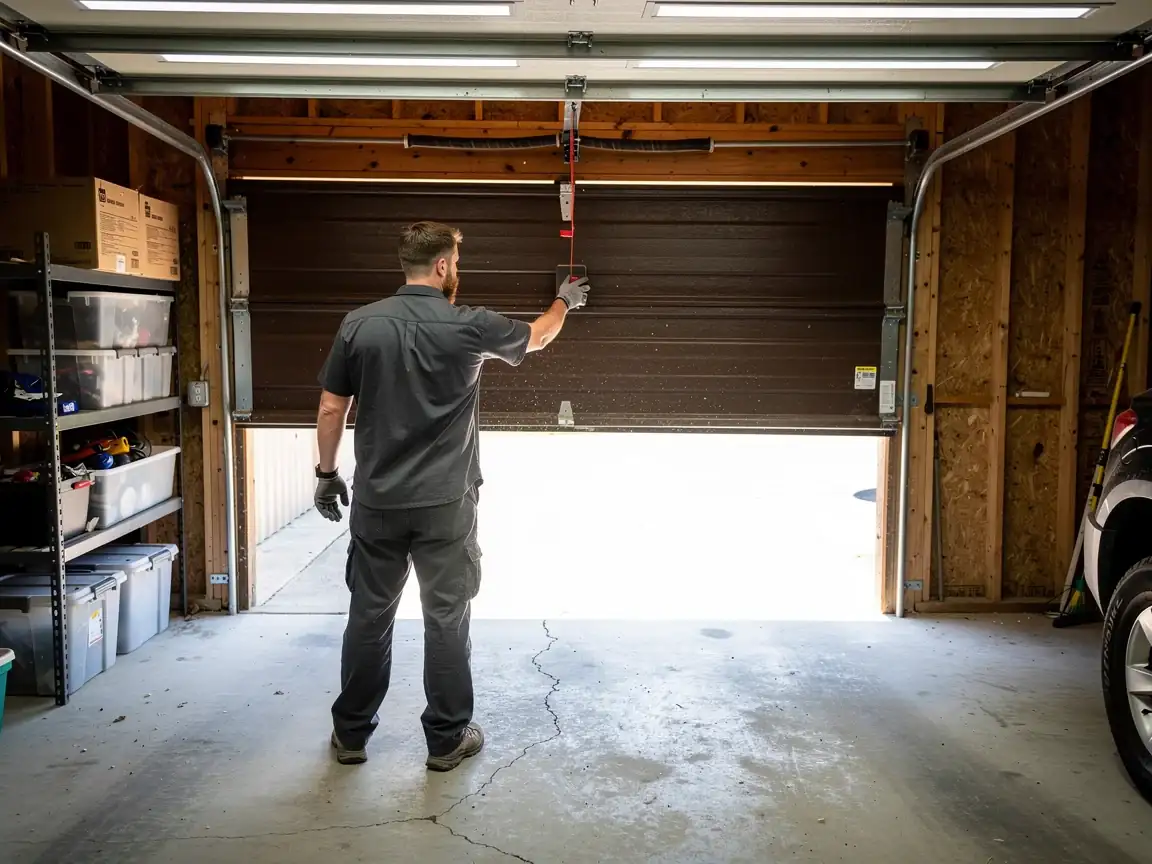
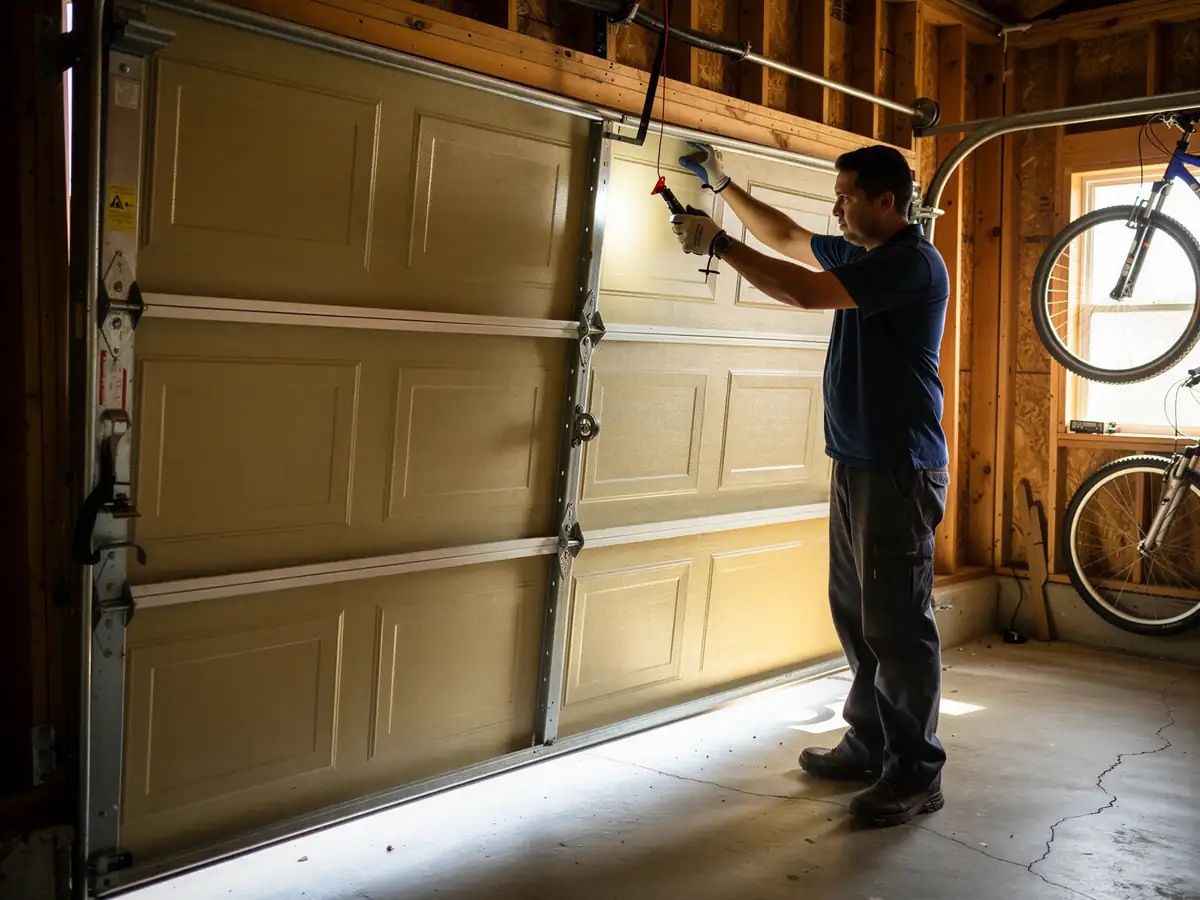
With median household income in this area at $87,806 and a high rate of owner-occupied houses - roughly 115,641 across the broader service area - most of the doors we see are maintained by the people who actually own the house, not rental turnover crews, which means wear patterns tend to be gradual rather than sudden neglect. Combined with the cold moderate climate here, that gradual wear shows up first in spring tension and weatherstripping. Rubber seals on doors from the 1960s-70s building wave have usually been replaced at least once by now, but original tracks and drums often haven't, and cold makes any existing misalignment worse because metal contracts and the tolerances tighten. A technician checks spring tension, track alignment, and bracket security first on every call in this area, in that order, because those three things are what cold weather and fifty-year-old hardware attack hardest.