What the Fix Involves
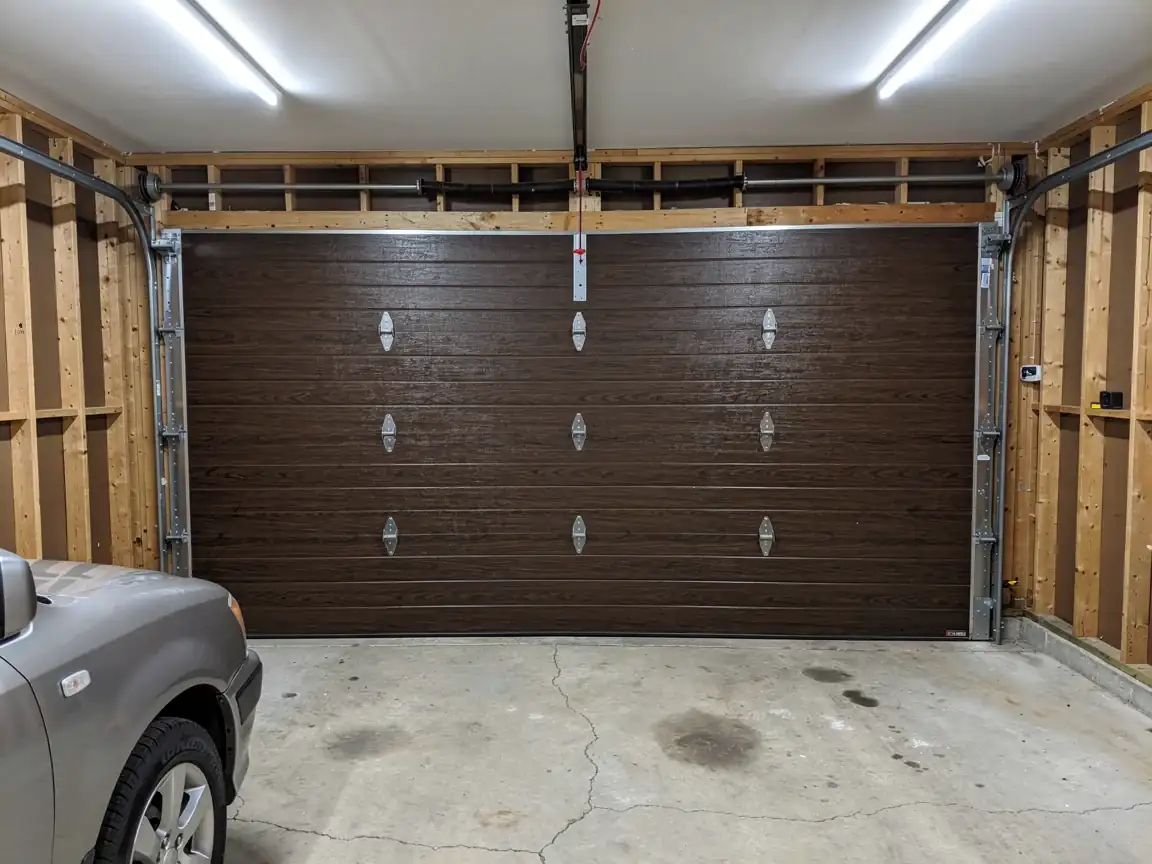
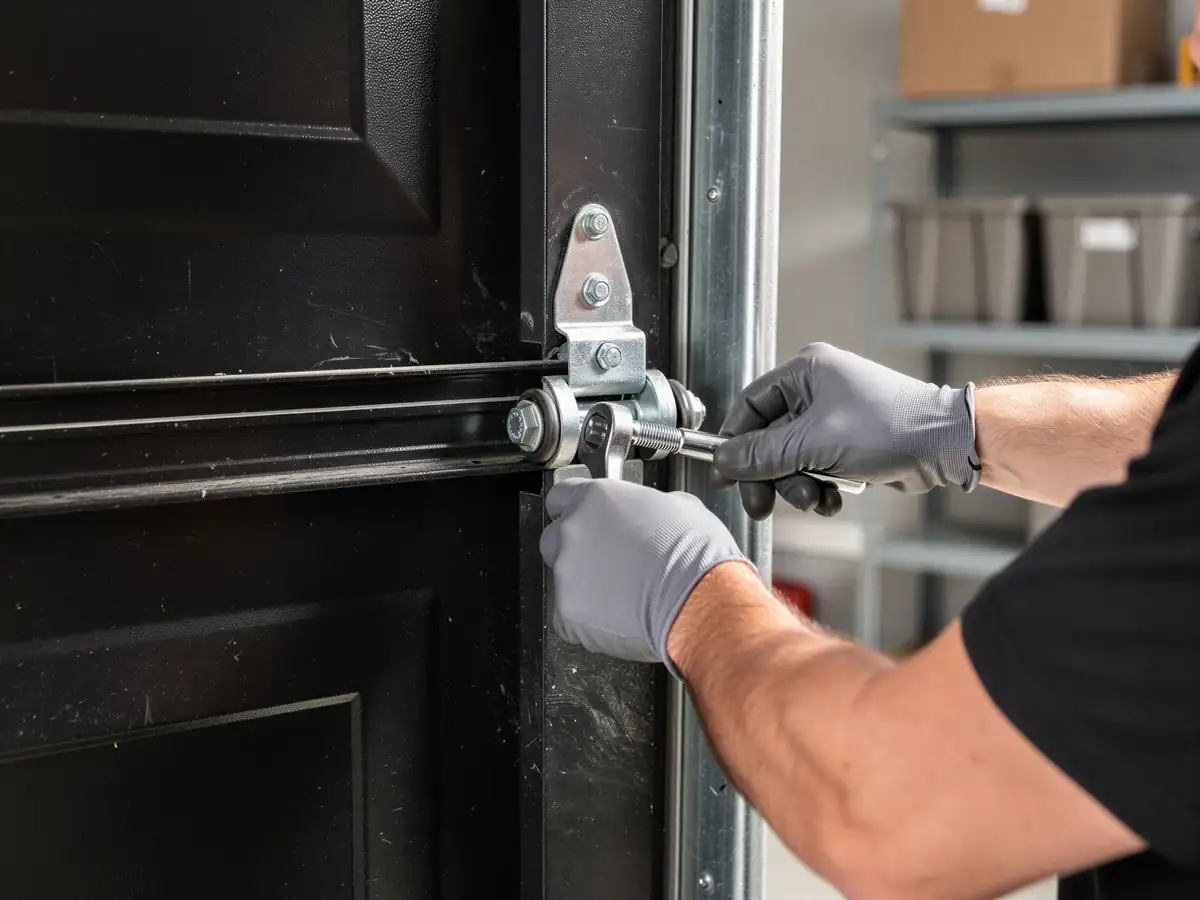
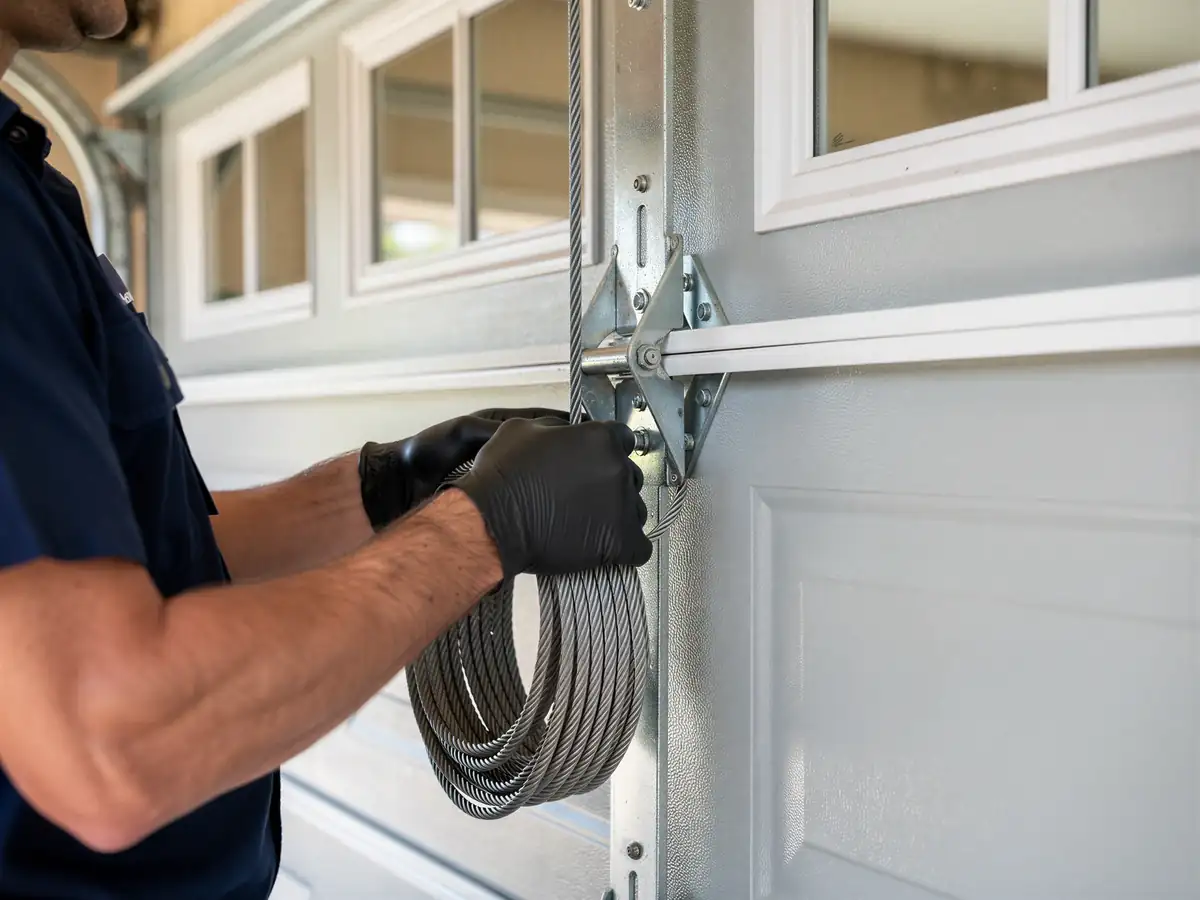
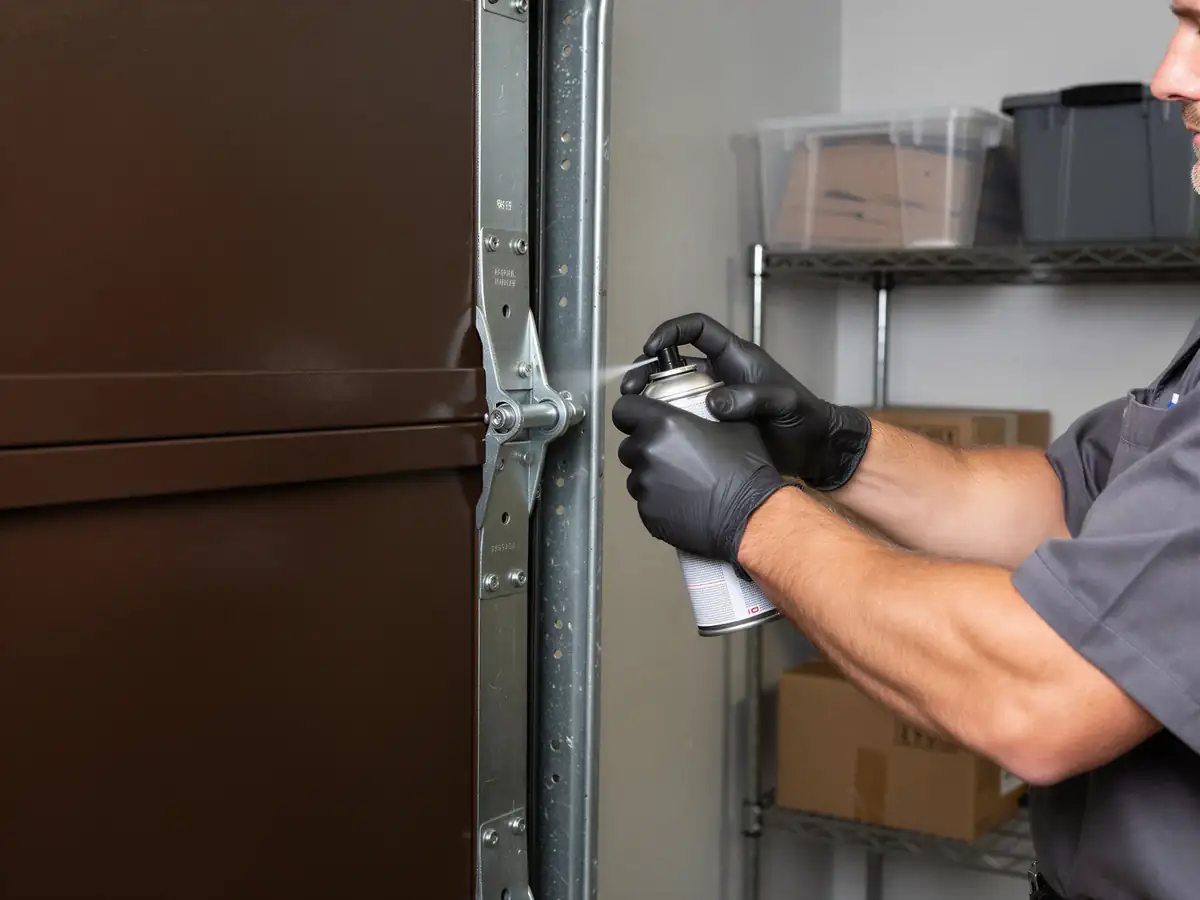
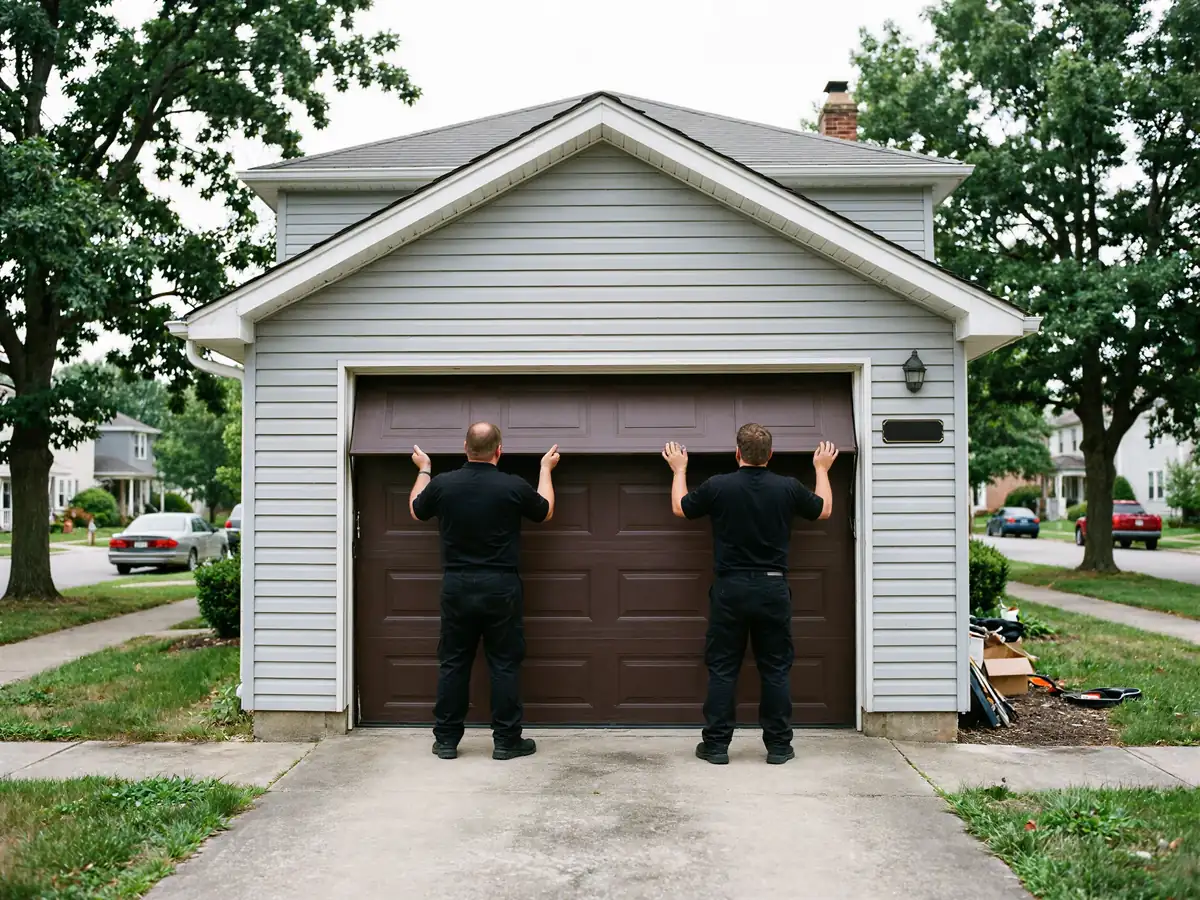
A full install starts with taking down the old door, track, and springs down to the jambs, then checking the opening for square and the condition of the framing underneath. On houses built in this stretch of years - most of the stock around here went up between 1947 and 2011, with the median sitting at 1969 - the header and jamb framing is often original, so we shim and reset it before anything new goes up.
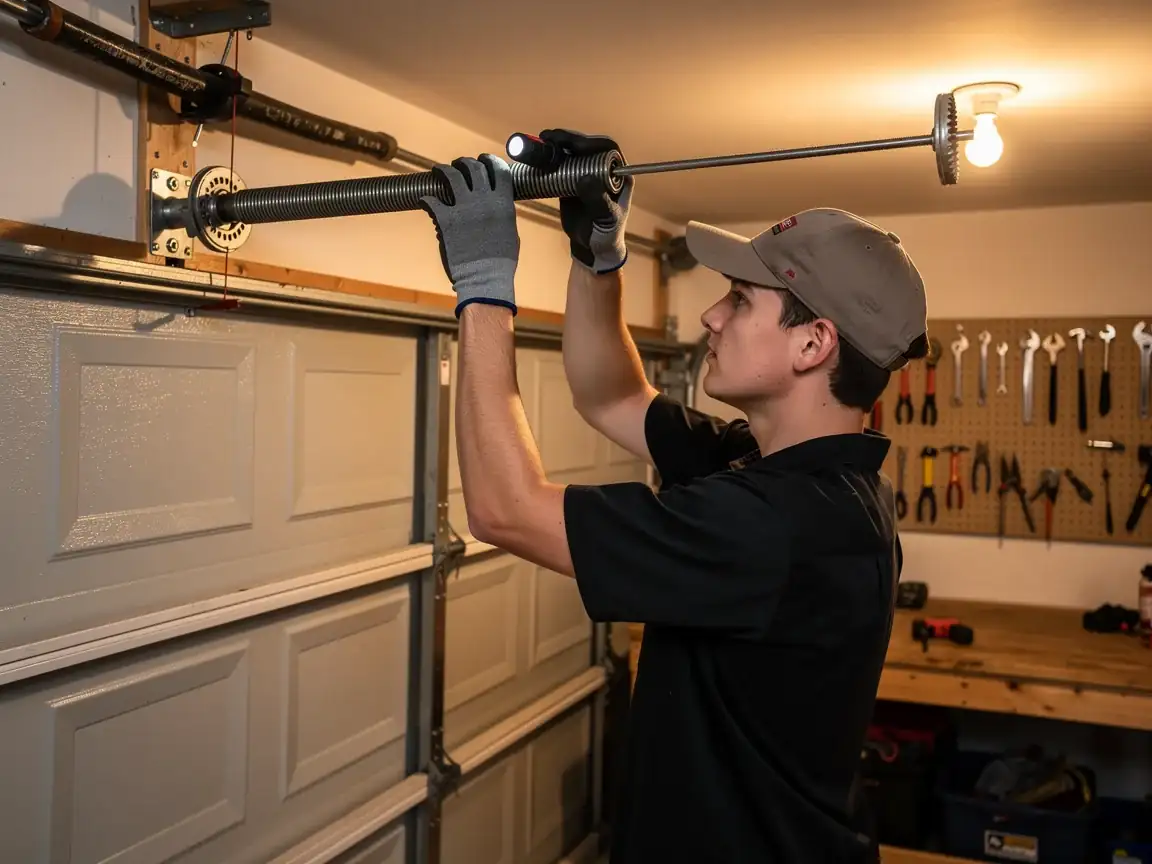
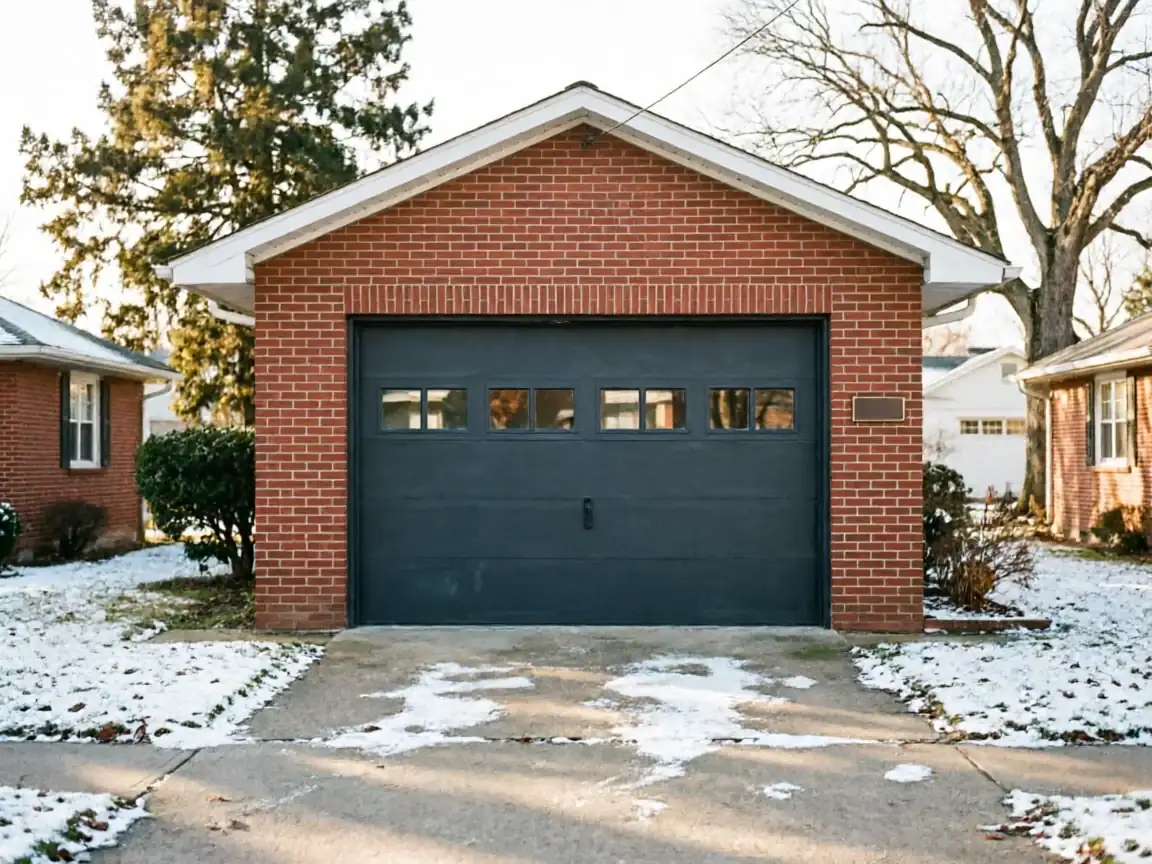
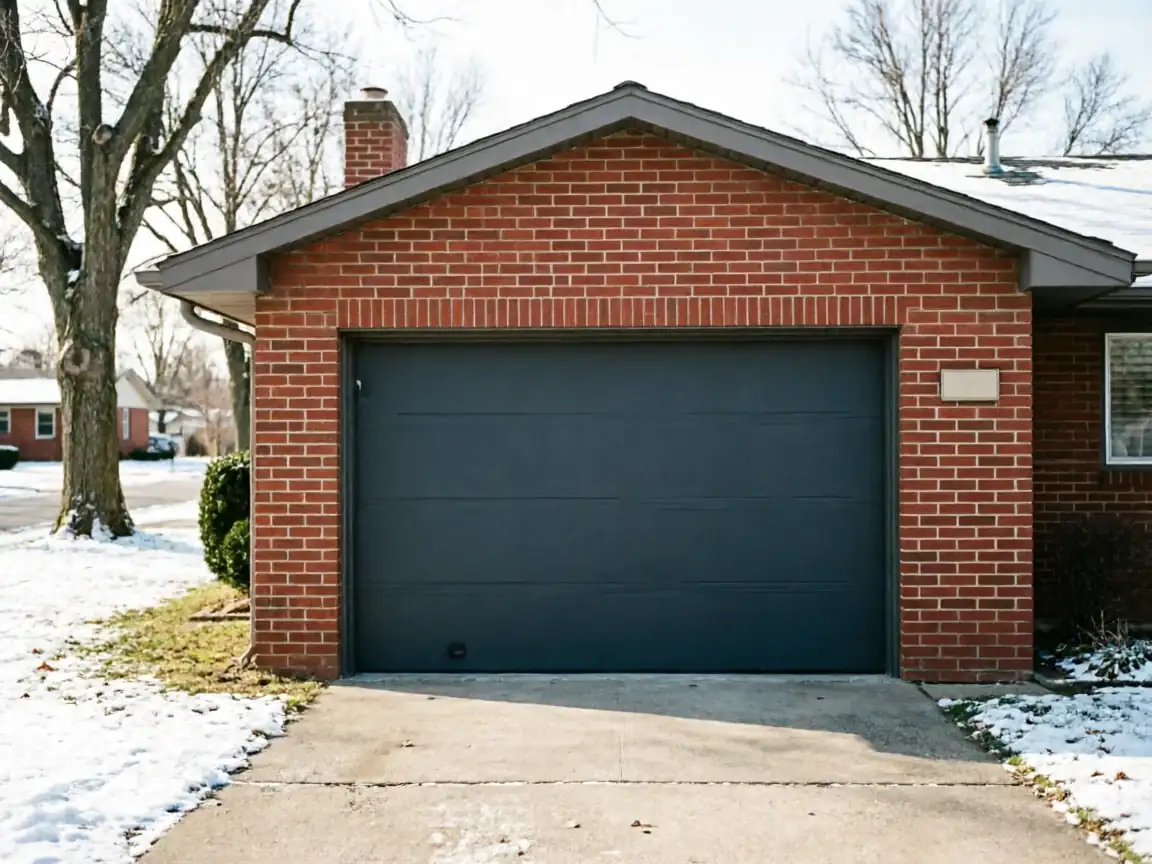
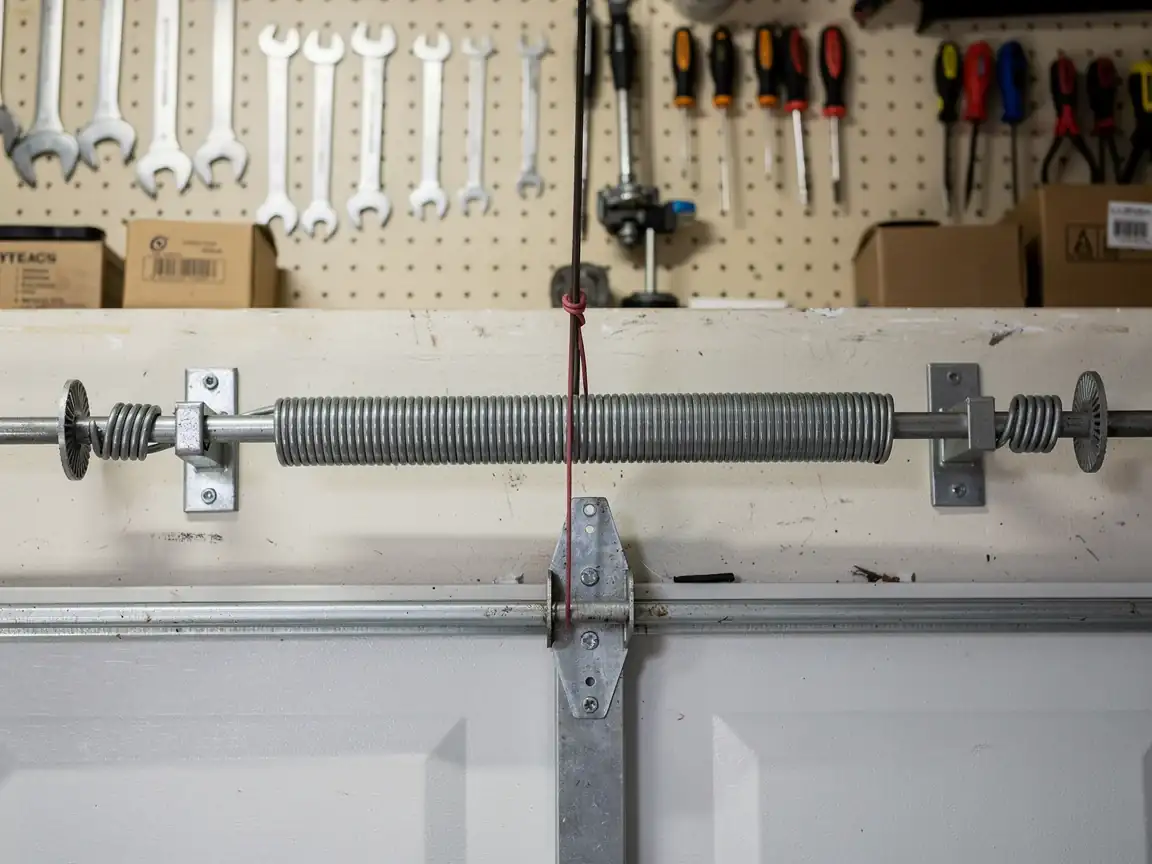
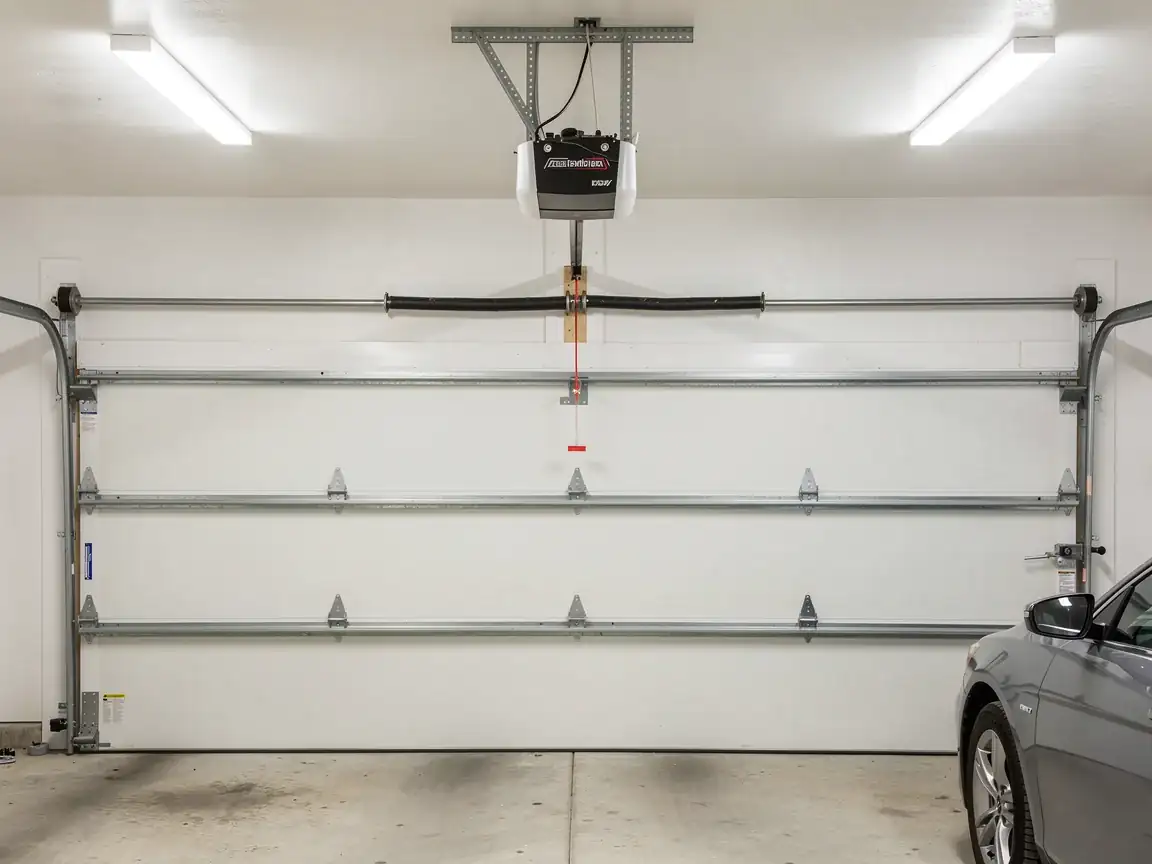
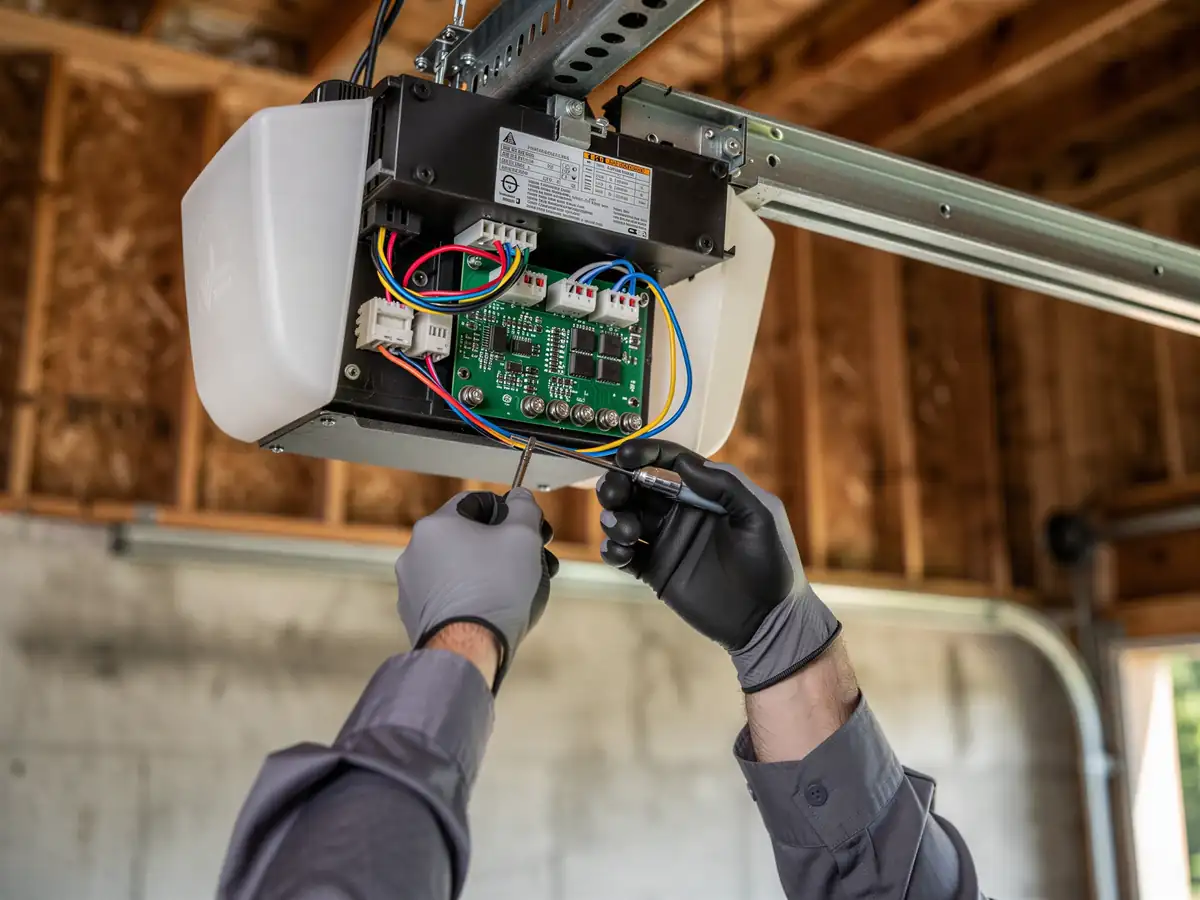
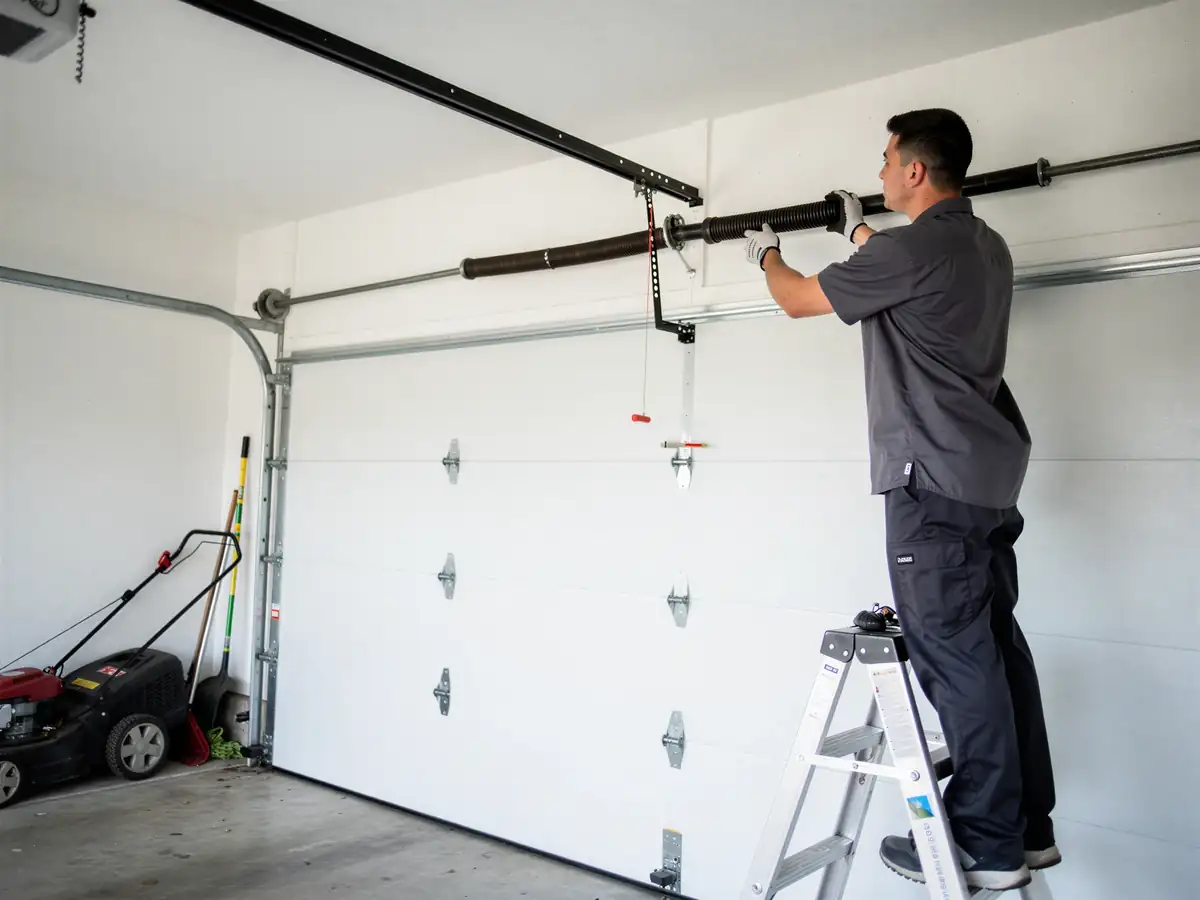
We set new track, hang the panels, balance the door on correctly sized torsion springs, and mount the opener bracket to blocking that can actually hold the weight. Older houses in this area frequently have a single narrow door opening rather than the double-wide bays you see in newer construction, which changes what size spring and drum combination the door needs.
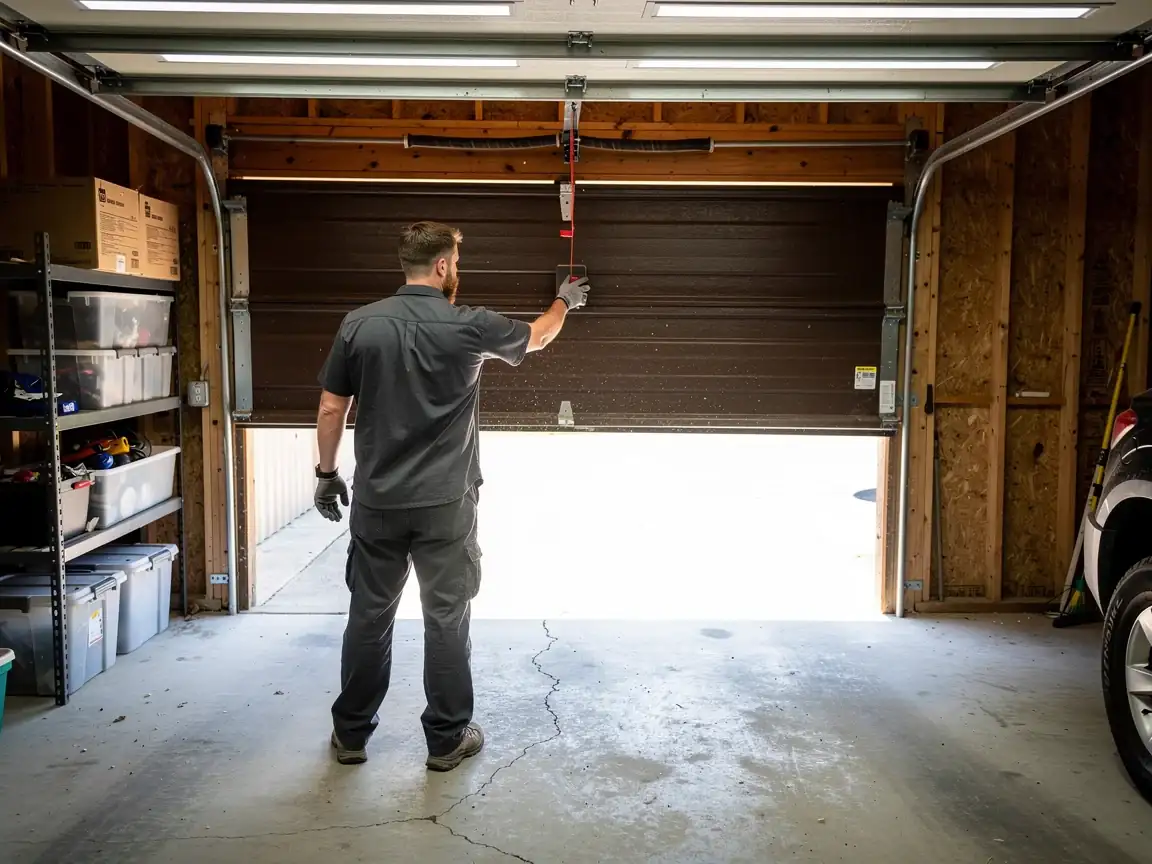
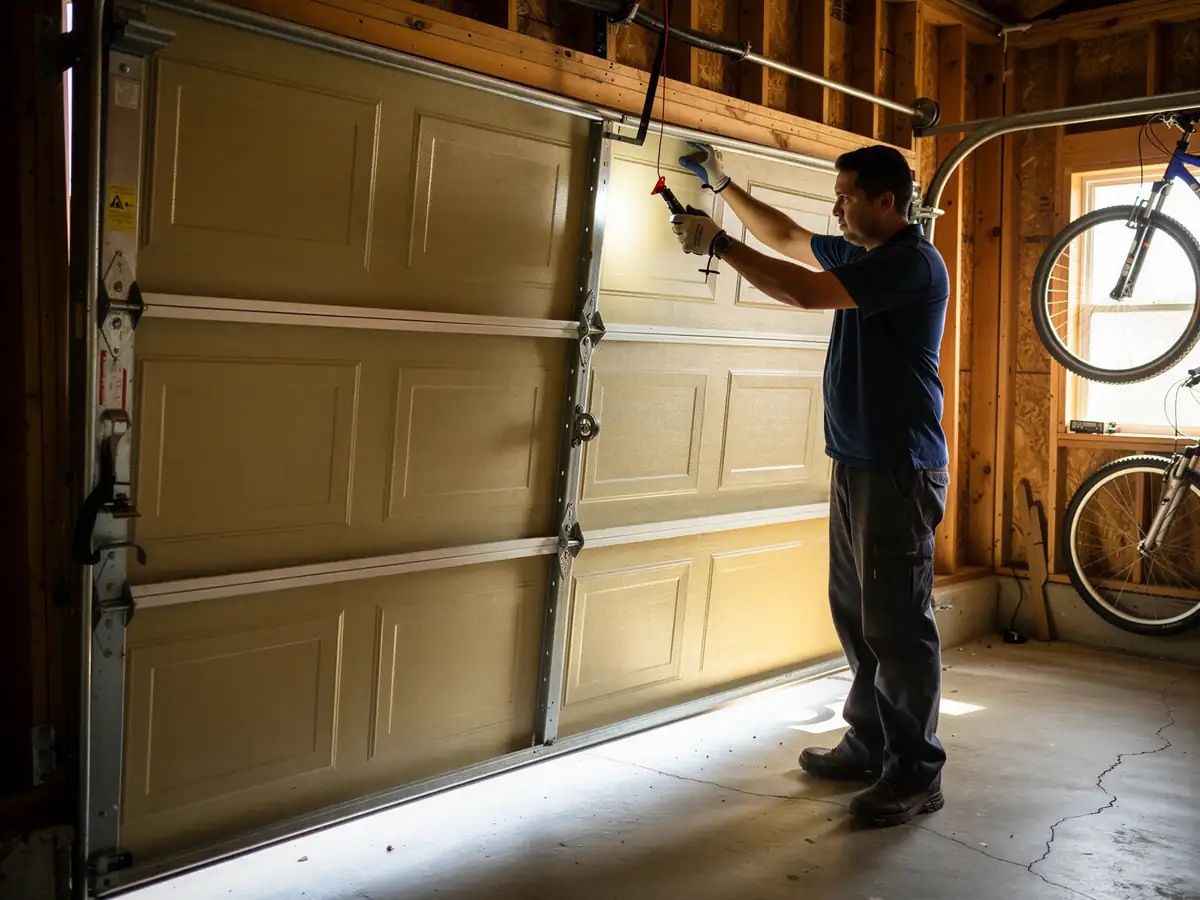
We test travel limits, balance the door by hand with the opener disconnected, and check the auto-reverse force before we call the job done. If the opening has settled or the slab has heaved, which happens on homes from the 1960s and 70s, that gets addressed before the new door ever goes in - installing a square door into an out-of-square opening just moves the problem a few months down the road.
What It Costs
We don't post a flat number here because the price swings on door material, insulation, size of the opening, and whether the existing track and springs can be reused or need to go too
A single-car opening with a basic steel door costs less than a double-wide insulated door with a matching opener, and that gap is real money either way.
What we can tell you is who we're pricing for
The service area runs 115,641 owner-occupied houses out of 209,210 households, with a median household income of $87,806. That's a market where most owners replace a door once and expect it to outlast the next couple of openers, rather than buying the cheapest option twice.
- 115,641 owner-occupied
- 209,210 households
- $87,806 median household income
The honest limitation
If your springs, track, and opener are all in decent shape and only the panels are shot, a full replacement may be more than you need to spend. We'll tell you that on the estimate instead of selling you a door you don't need.
What Causes It Around Here
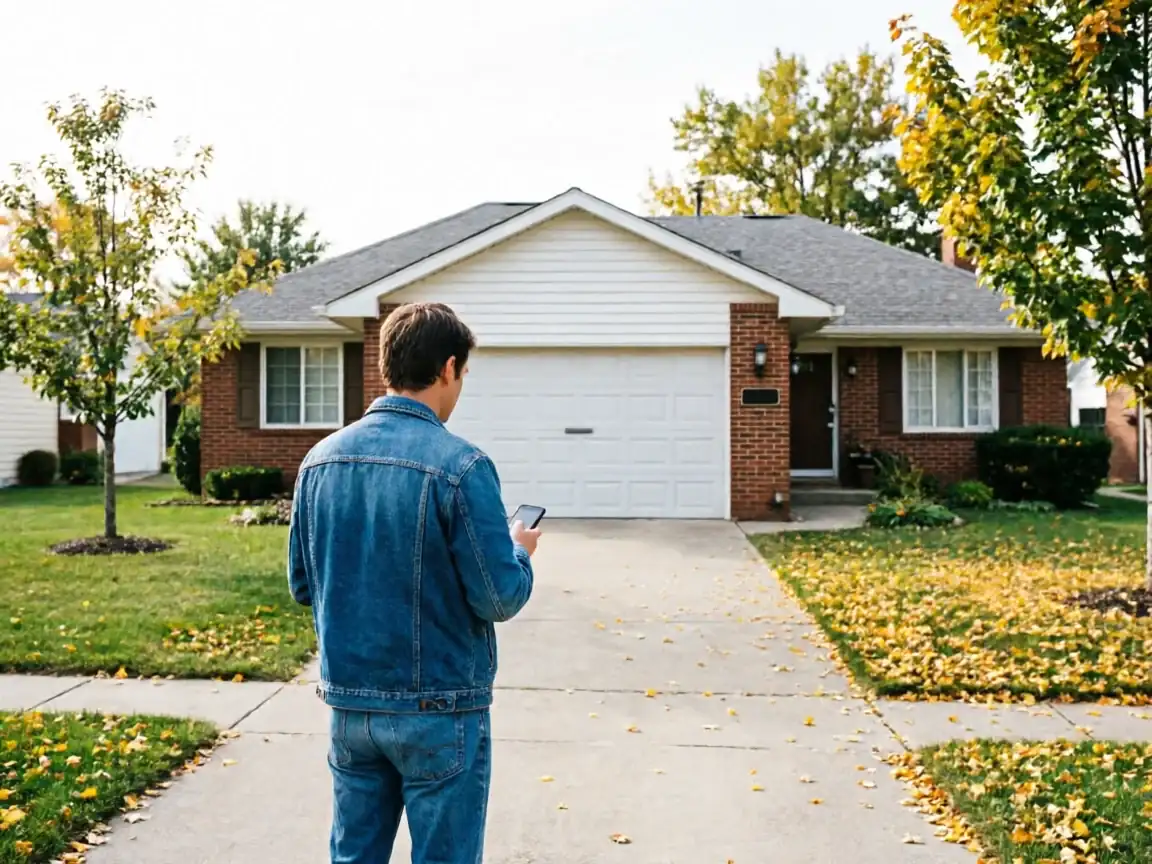
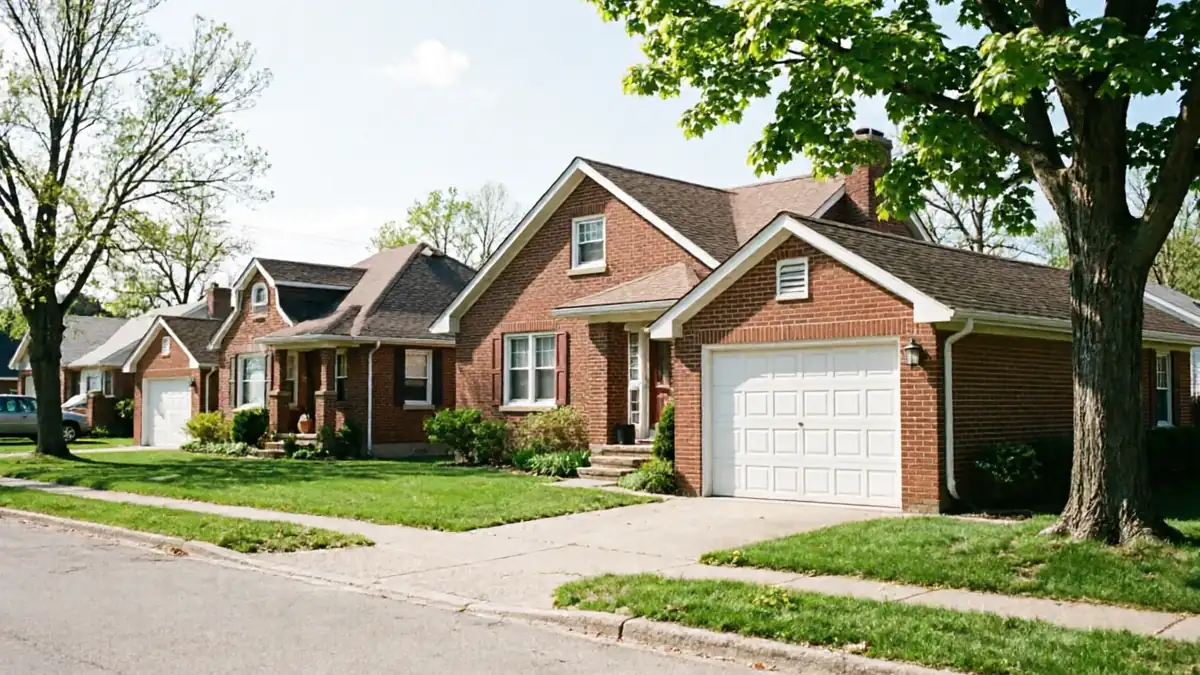
The housing stock in this part of the metro is mostly 1960s and 70s construction spread across roughly 50 named subdivisions, and that era of door just doesn't hold up the way current steel and insulated doors do. Original one-piece and early sectional doors from that build period were never designed for 50-plus winters of expansion and contraction.
The climate band here is cold-moderate, which means repeated freeze-thaw cycles through the cooler months. That cycling works on the bottom seal and the bottom panel first - the part of the door closest to the slab and the cold coming off it. Steel panels from that construction era also tend to be thinner gauge than what's sold now, so dents and bows show up sooner.
By the time a door from that 1969-median build year needs a new bottom panel, new seals, and a spring upgrade all at once, a full replacement usually makes more sense than patching a door that old piece by piece. That's the pattern we see most in this housing stock - not one big failure, but several small ones arriving together.
What You Are Seeing
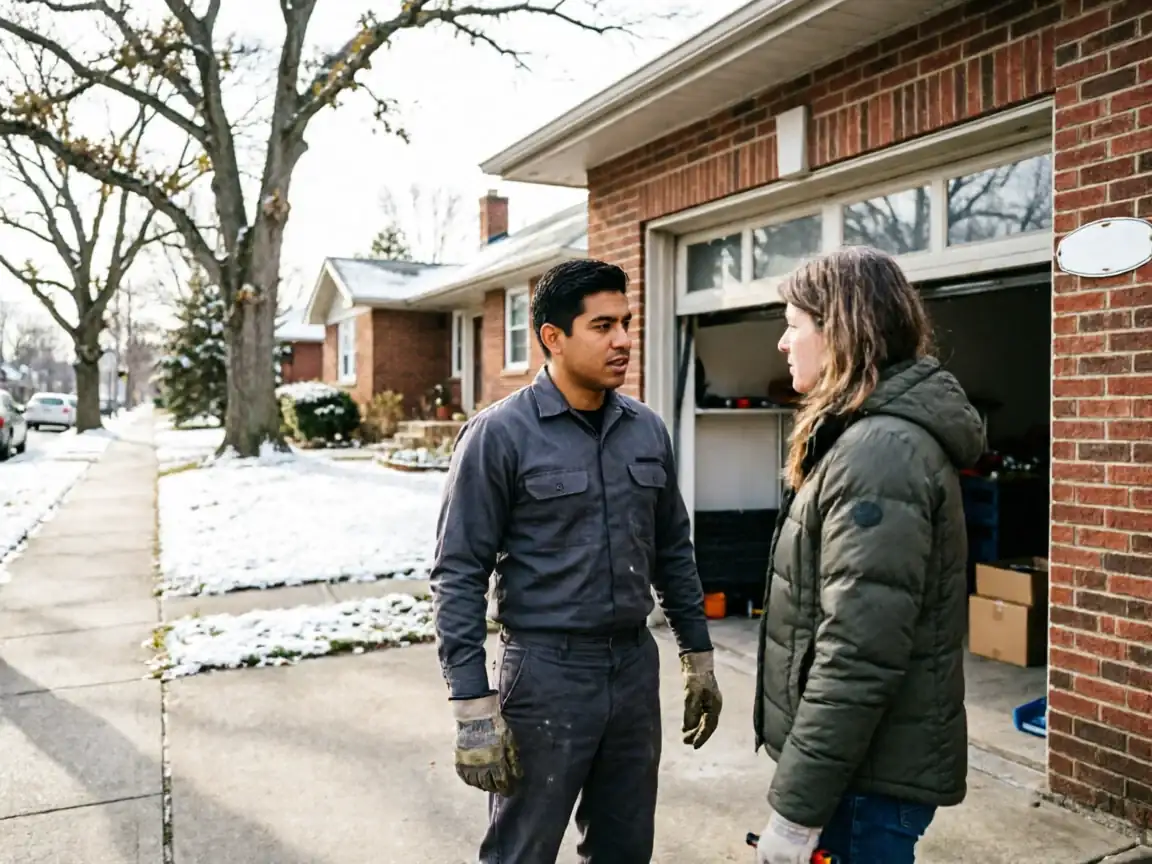
If the door is original to a house from that 1947-2011 build range, you're probably seeing some combination of a bowed or rippled bottom panel, a bottom seal that's cracked or flattened rather than flexible, and an opener straining to lift a door that's no longer balanced. None of those are a quick fix on their own once they stack up.
You might also notice the door closing unevenly, catching on one side of the track, or the opener reversing partway through a close cycle. On older torsion setups sized for original-era doors, a worn spring often shows up as the door slamming the last six inches instead of settling down slowly.
If you're only seeing one of these symptoms and the door is still tracking straight, that's usually a repair, not a replacement - worth mentioning since not every call needs a new door. But when the panel, seal, and balance are all going at once, which is common in houses from this build era, a new install ends up cheaper over a few years than chasing each symptom separately.