Stocked Parts
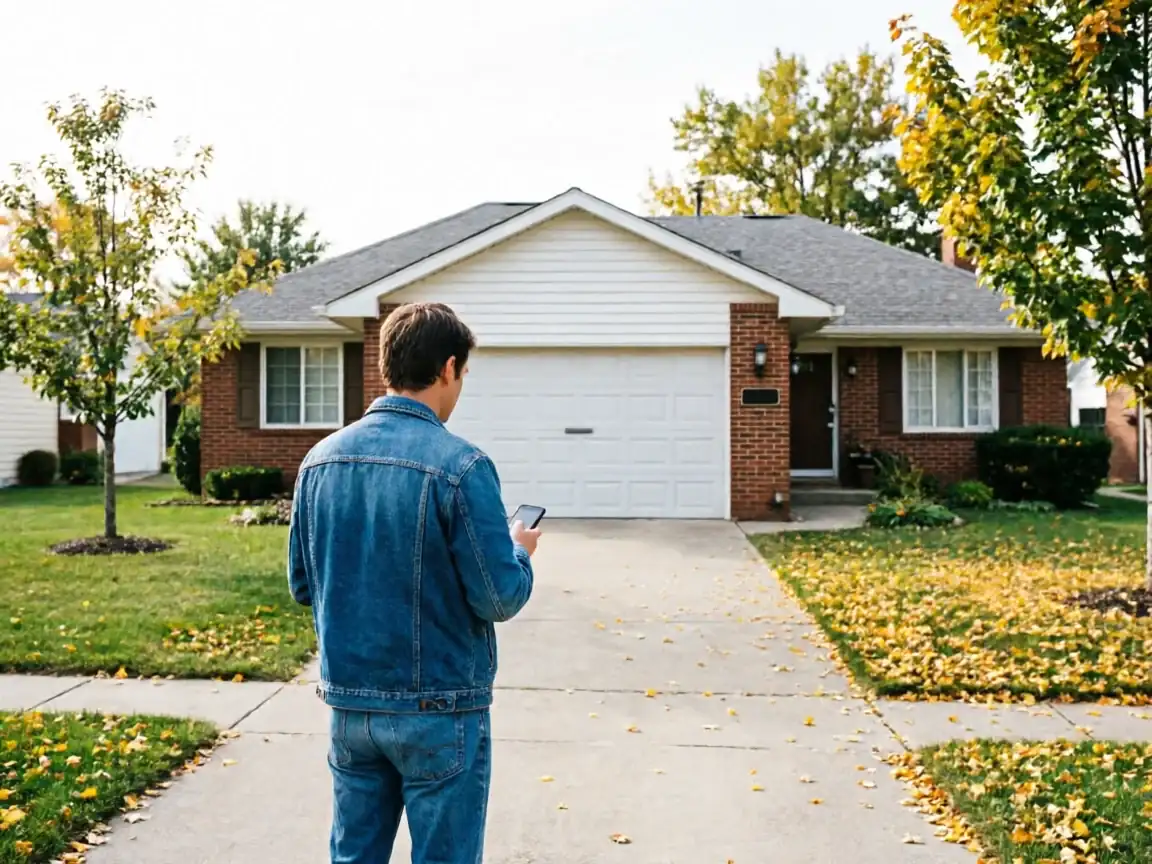
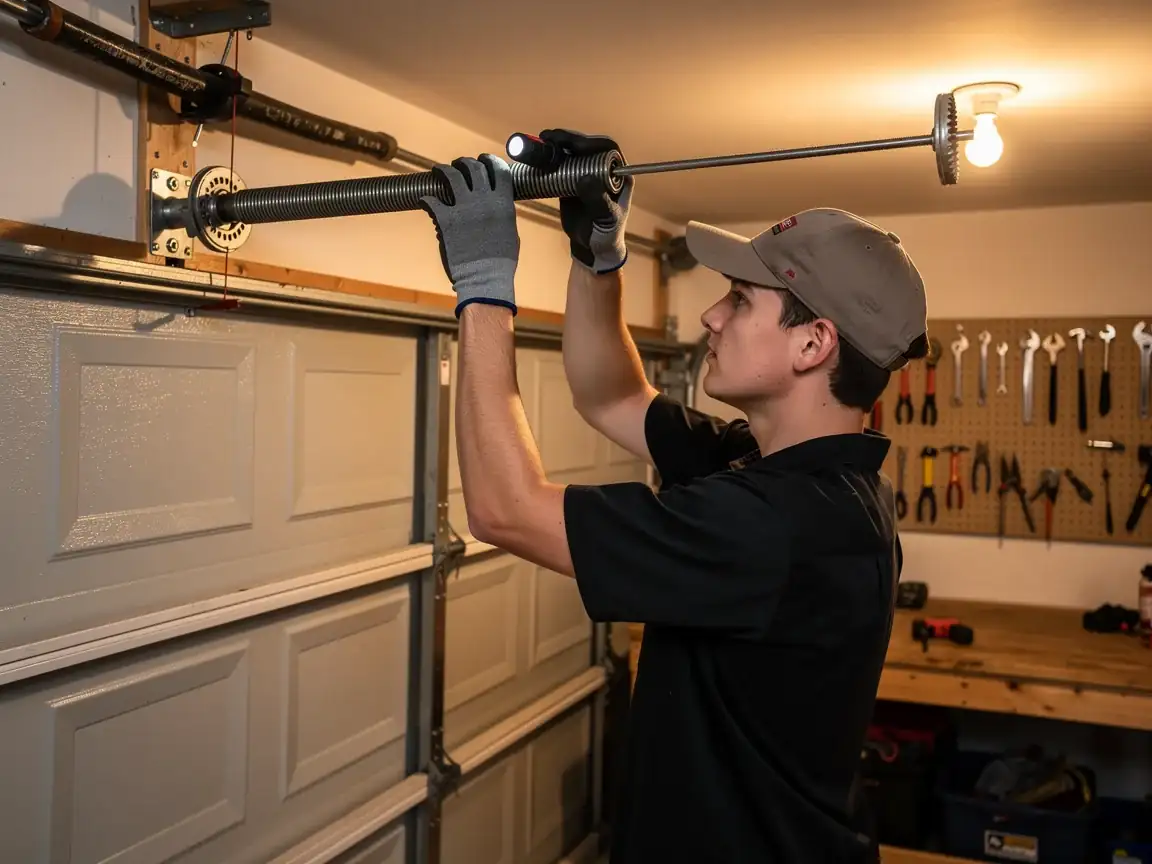
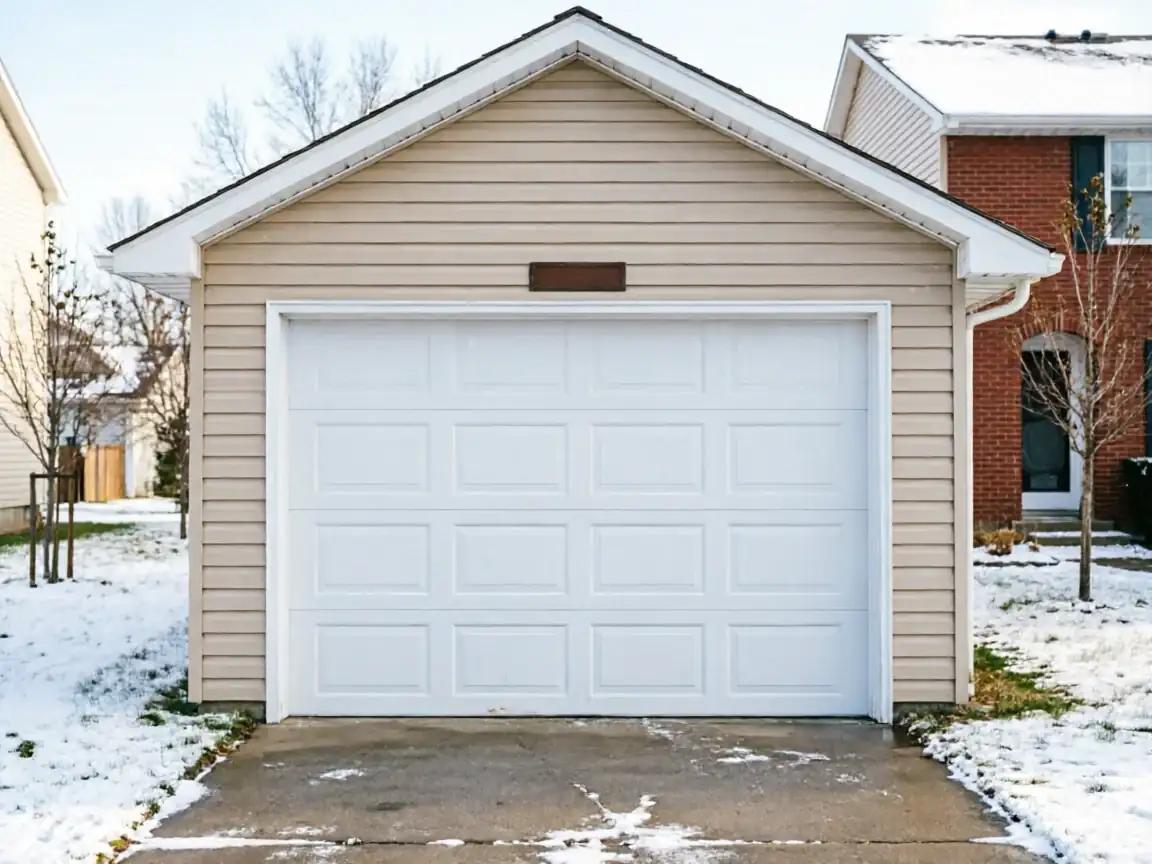
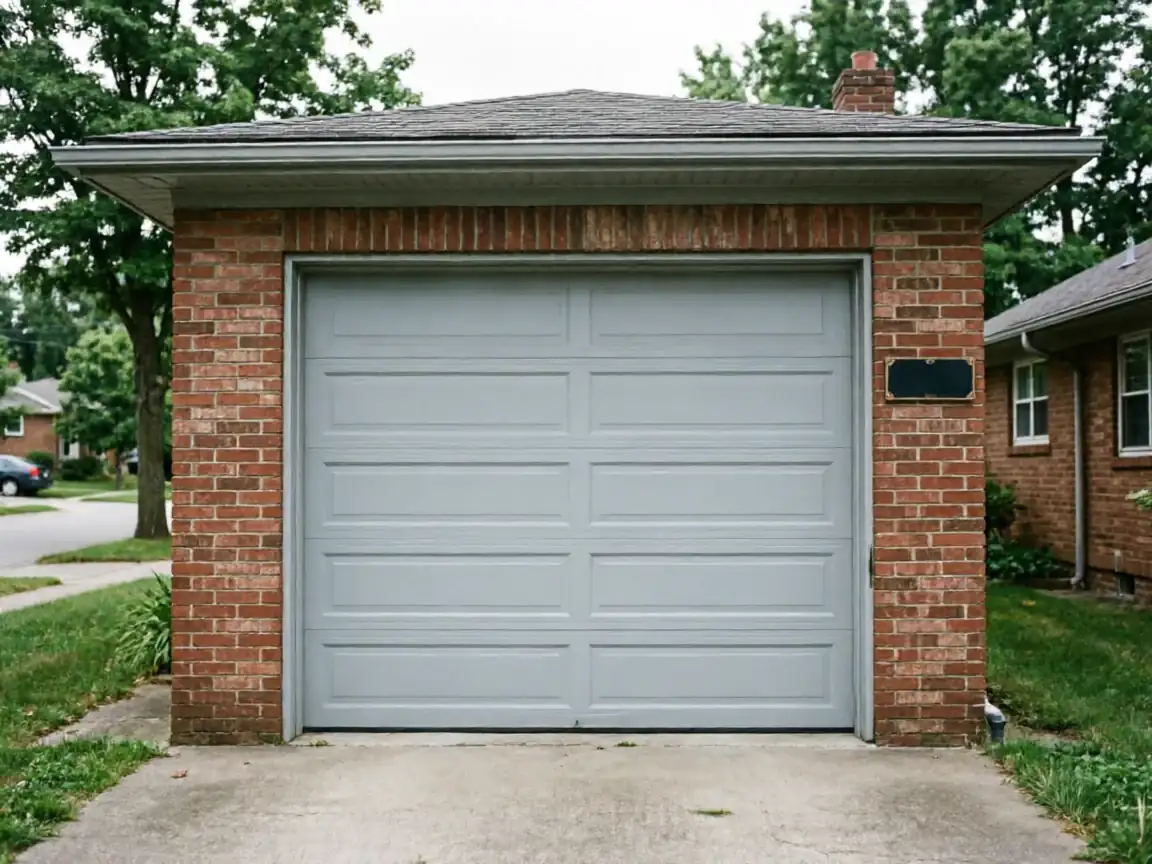
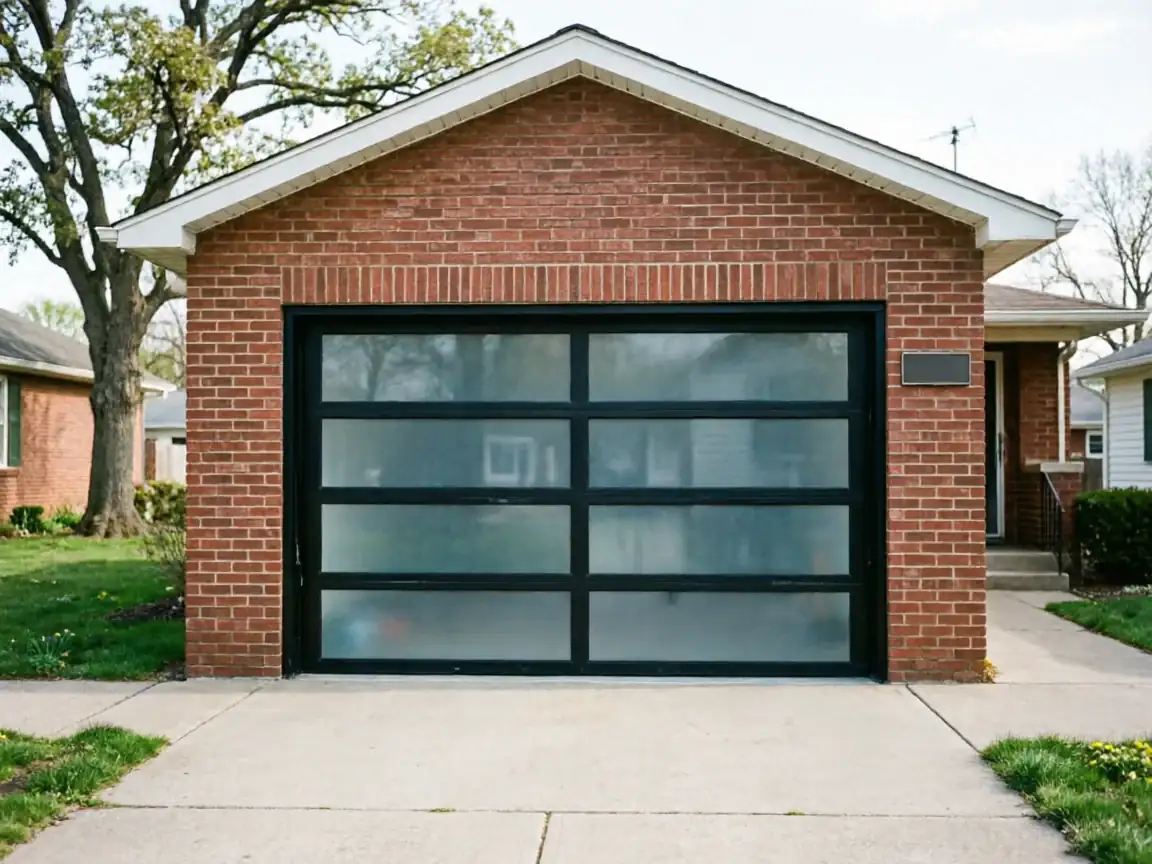
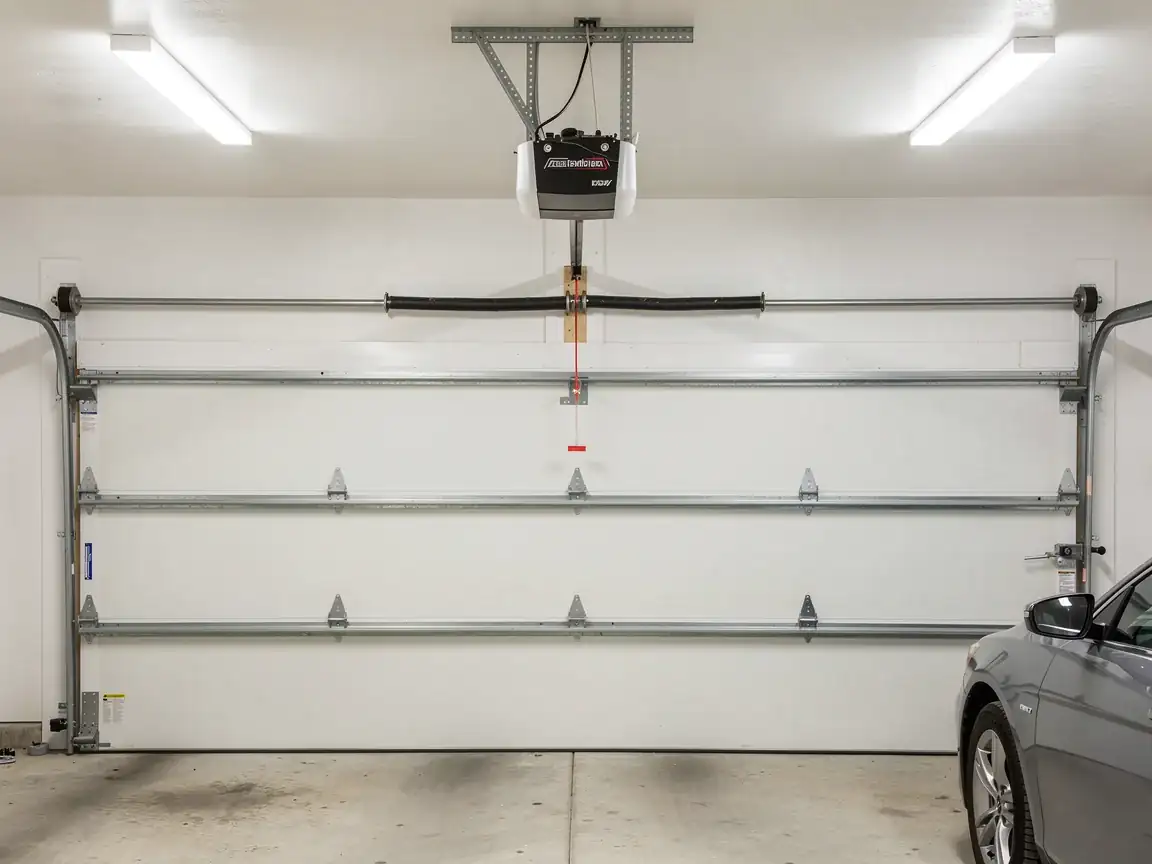
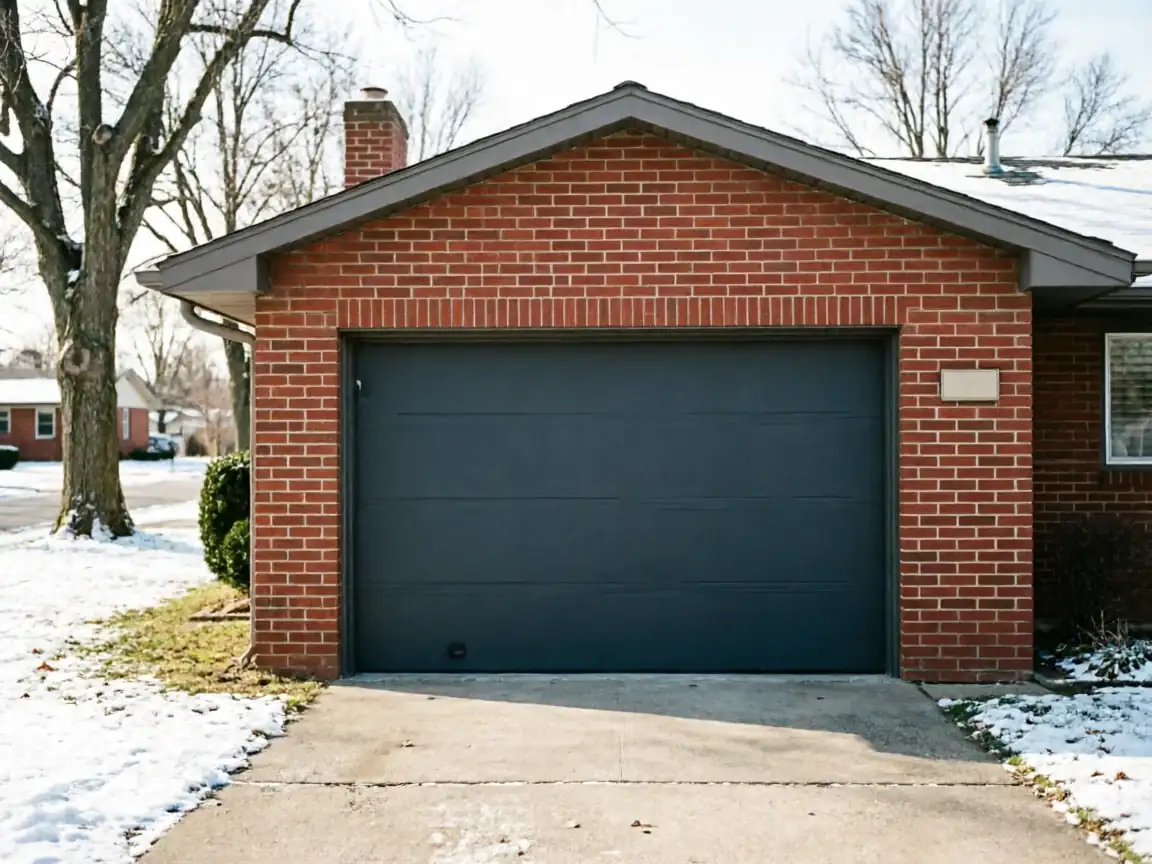
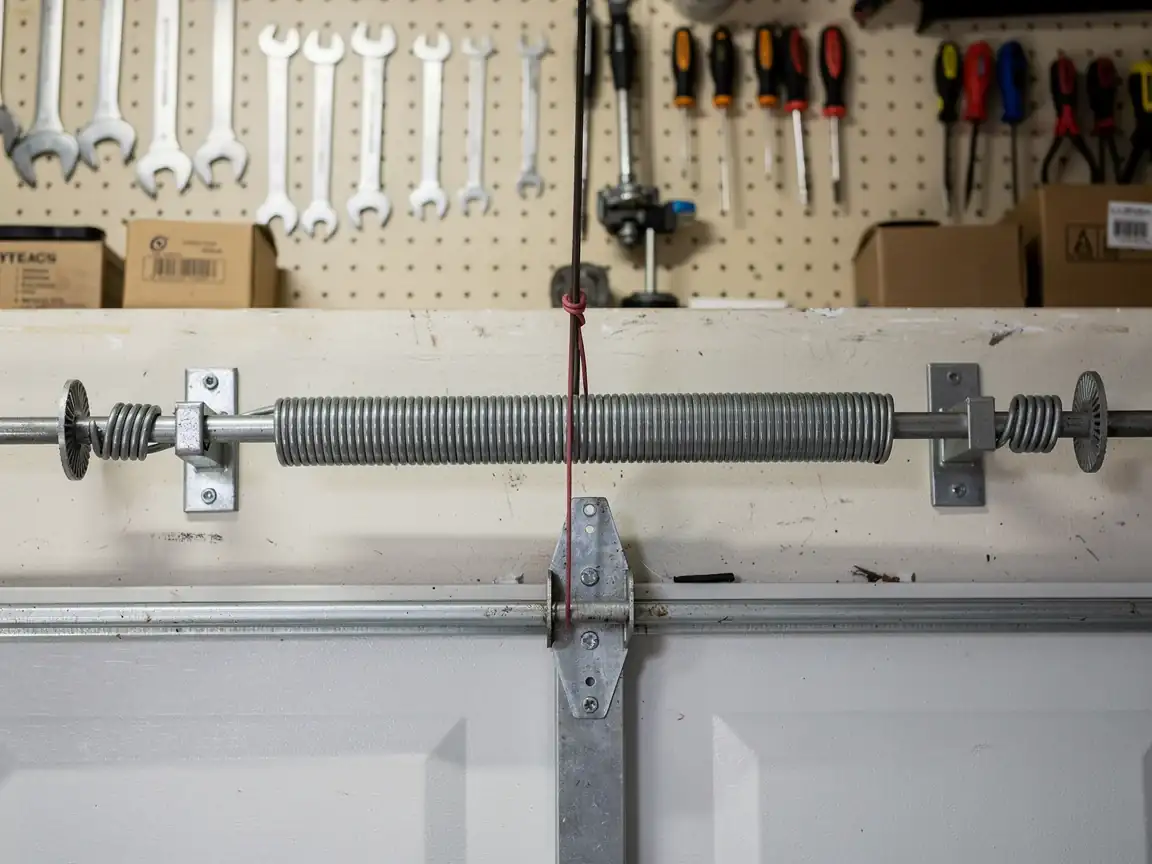
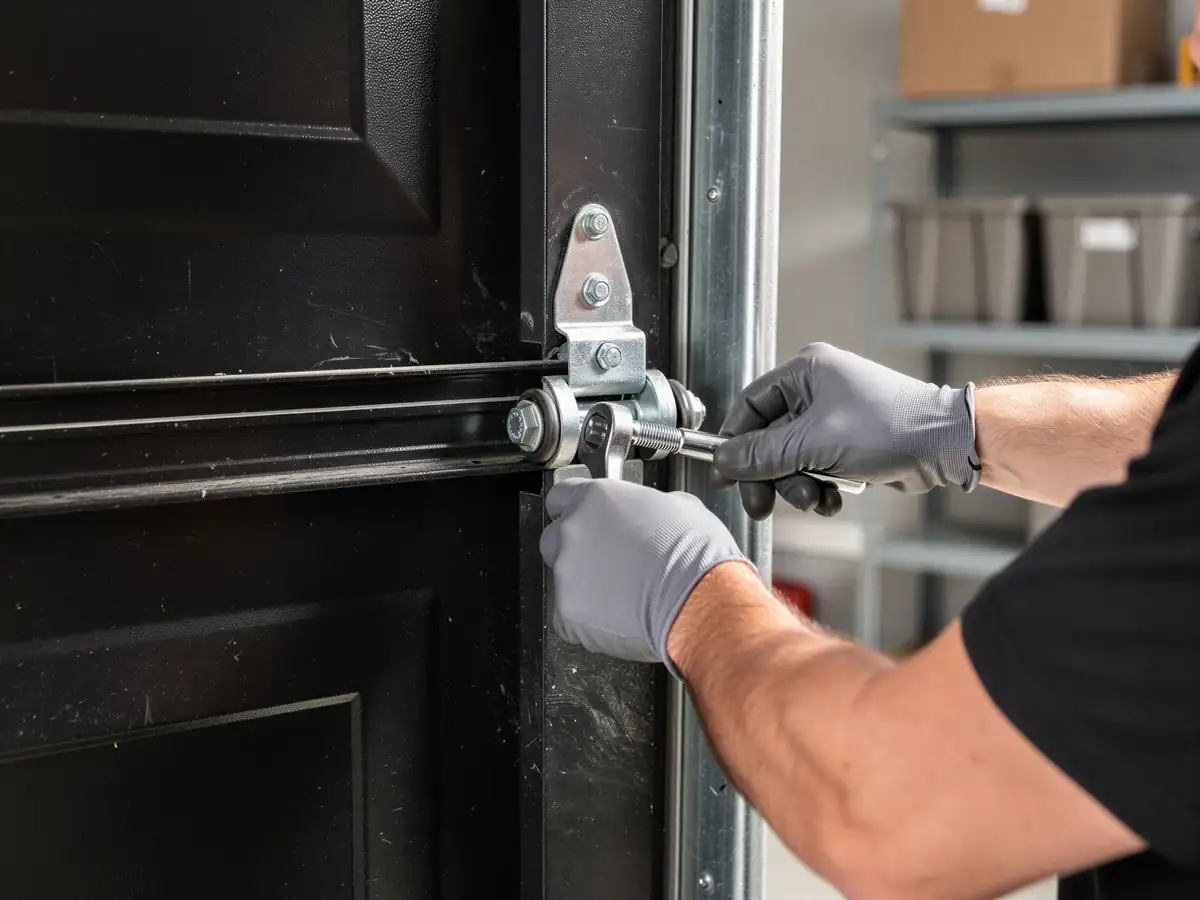
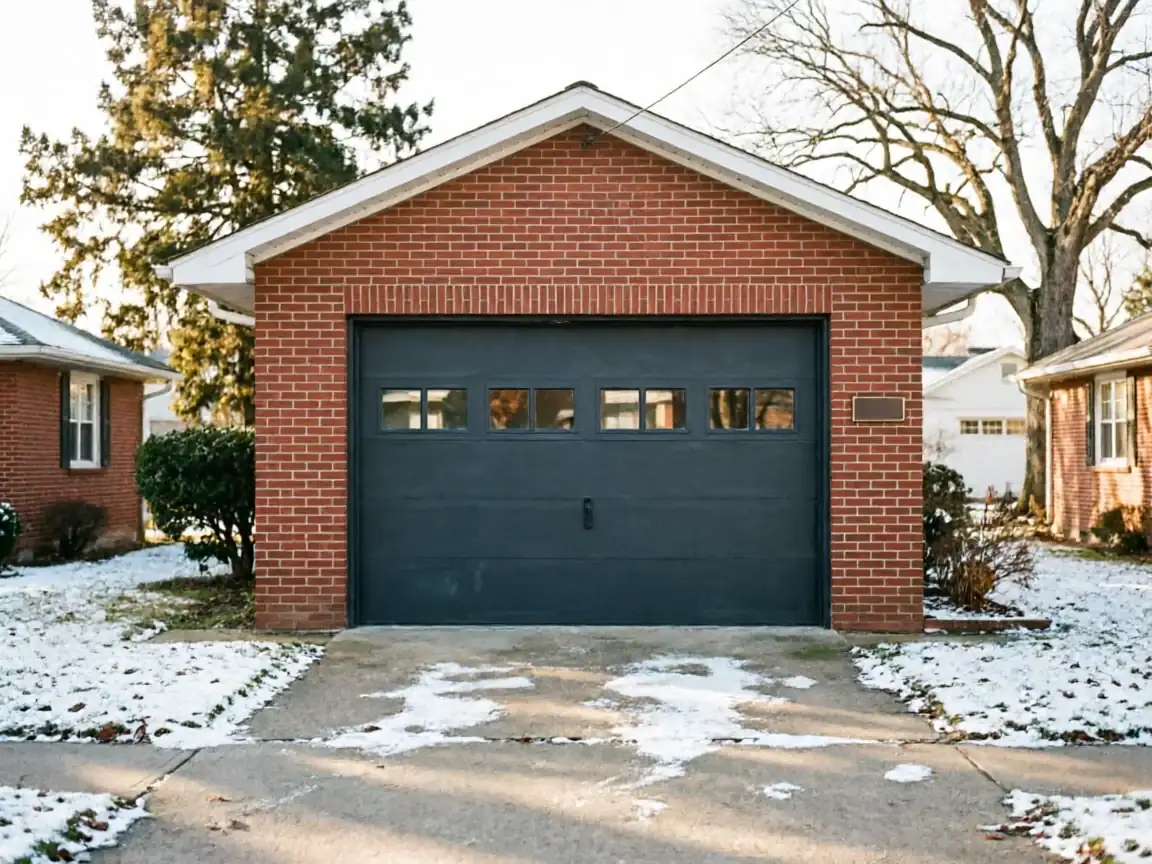
Kirkwood sits seven miles from our Ballwin shop, which means the truck is loaded before we ever get the call, not after. For an off-track job that matters: we're not driving back for a part we guessed wrong on. Kirkwood's housing stock runs older than a lot of what we see elsewhere in the area - median build year here is 1963, a few years ahead of the broader service area's 1969 median - so the rollers, hinges, and track brackets we stock are sized for that generation of door: narrower track gauge, steel brackets lag-bolted straight into framing rather than the wider aluminum track and plated hardware you see on newer builds. We carry both because the area spans both, but on a Kirkwood call we're expecting the older hardware first. The one thing we don't carry on the truck is a replacement track section custom-cut to an odd door width - if your opening is nonstandard, that's a return trip once we've measured it on site, not a same-visit fix.
Where This Job Goes Sideways
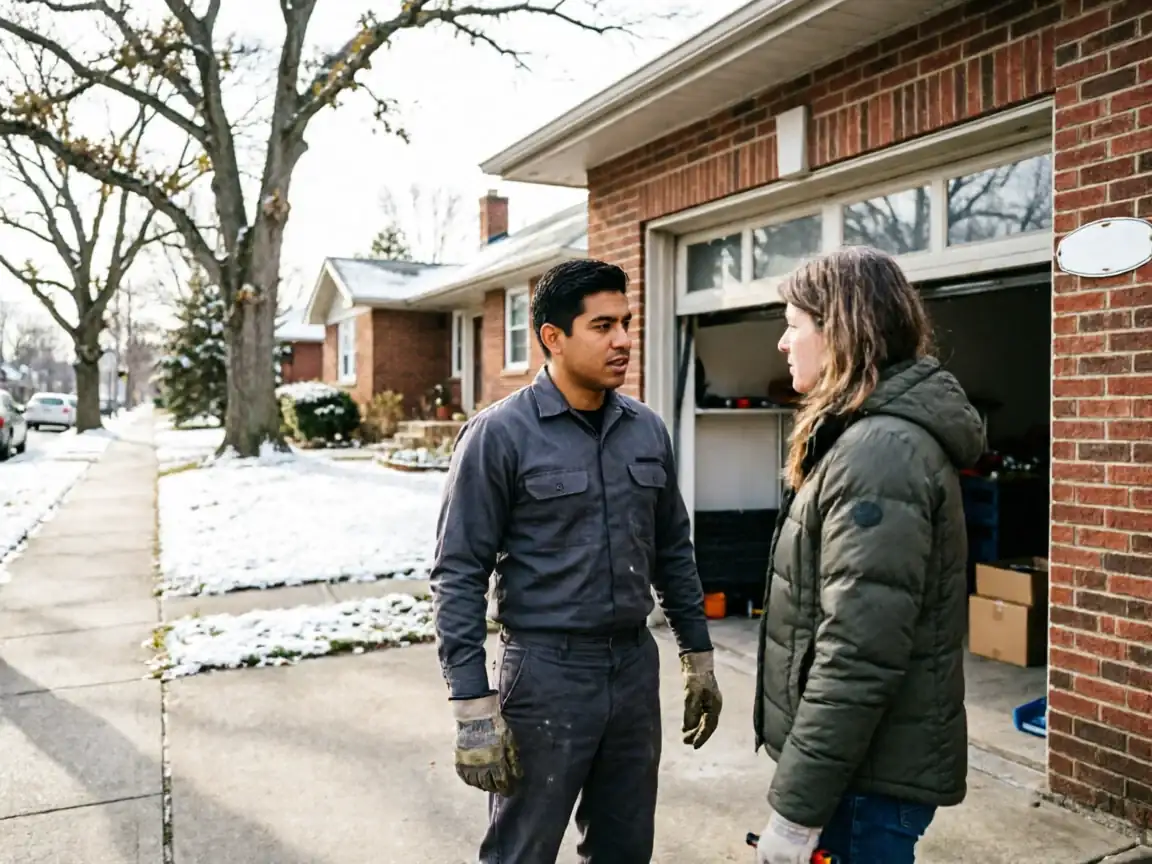
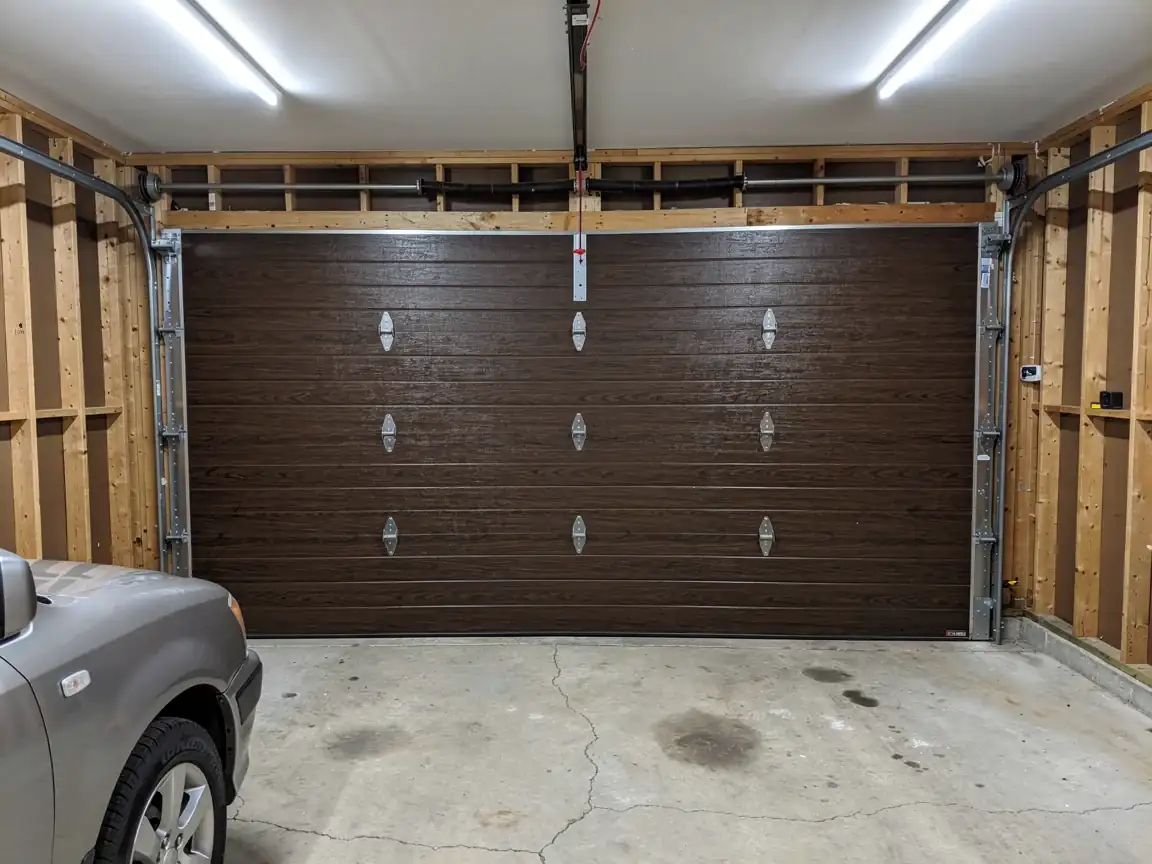
The complication we see most in this part of the area isn't the track itself, it's what the track is bolted to. A lot of Kirkwood's 1960s-built garages have jamb framing that's taken decades of seasonal movement - swelling, settling, the usual Midwest freeze-thaw cycle that comes with a cold-moderate climate - and the lag screws holding the track brackets have backed out slightly over the years without anyone noticing until the door finally jumps. On paper that looks like a simple off-track repair. In practice it means re-anchoring the bracket into solid wood, which sometimes means finding a spot the old holes haven't already chewed through. We won't know which kind of job it is until we're standing in front of it, which is part of why we quote on site rather than over the phone.
Time on the Job
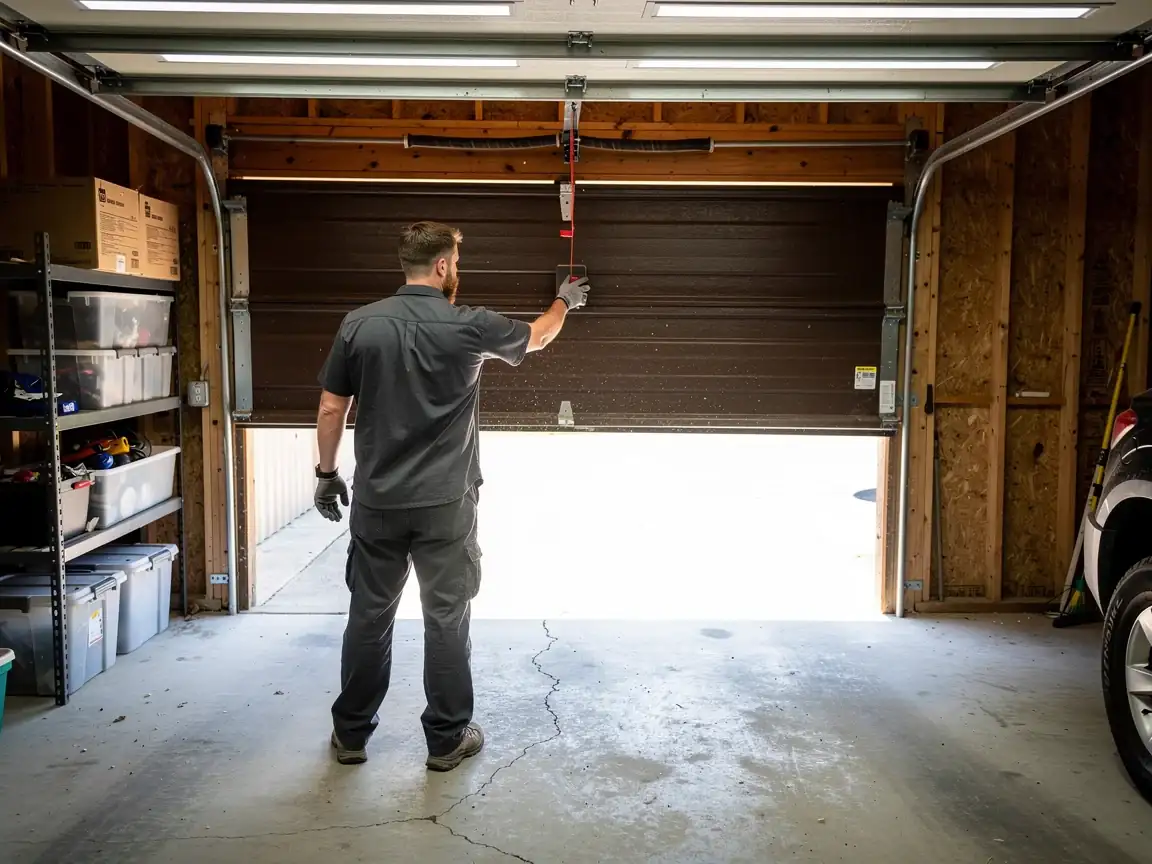
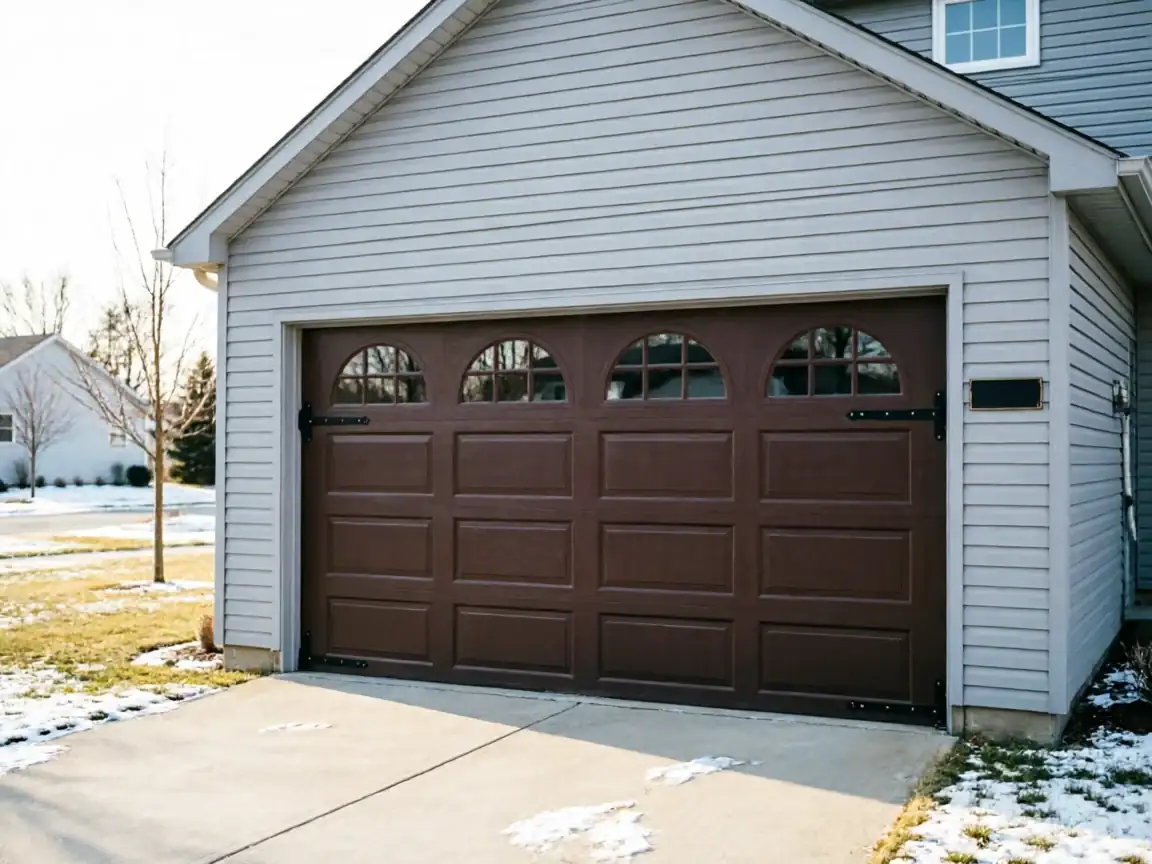
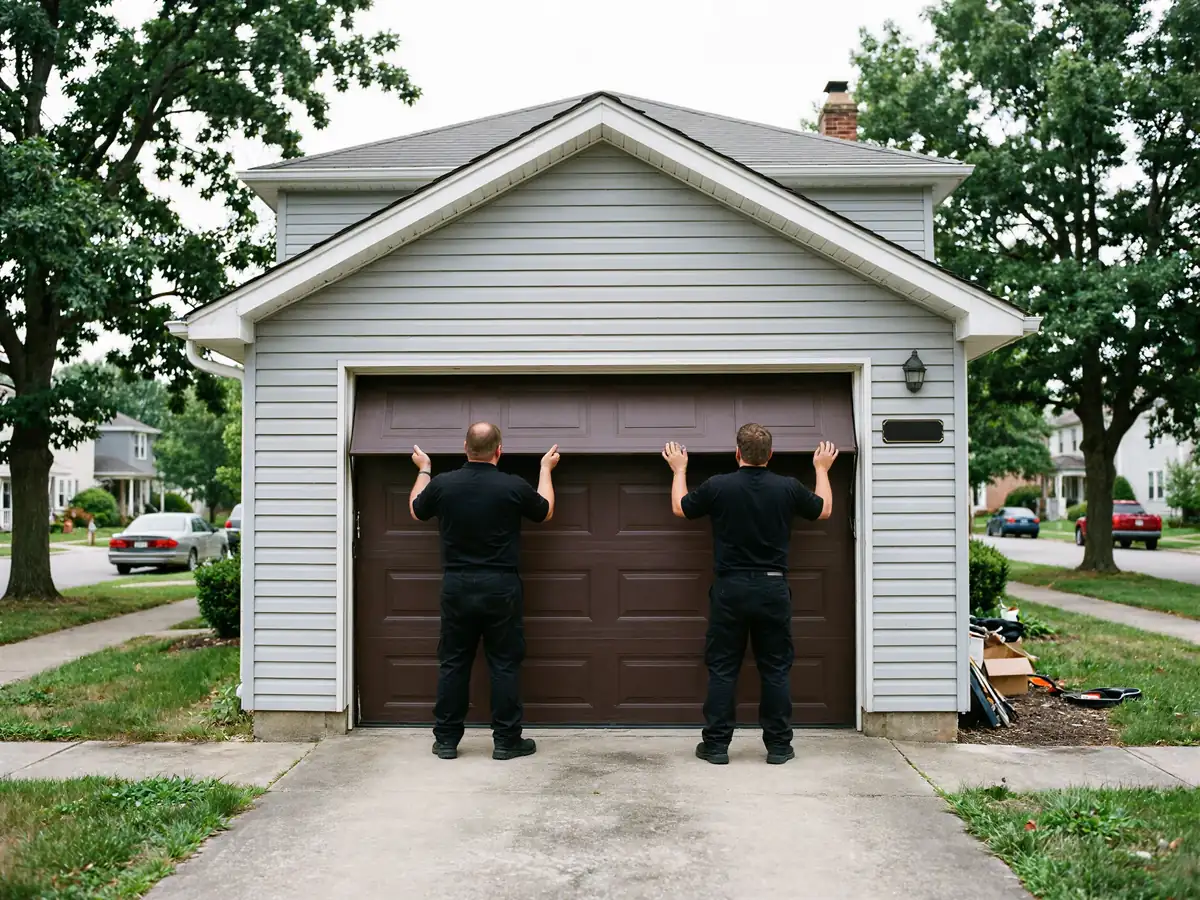
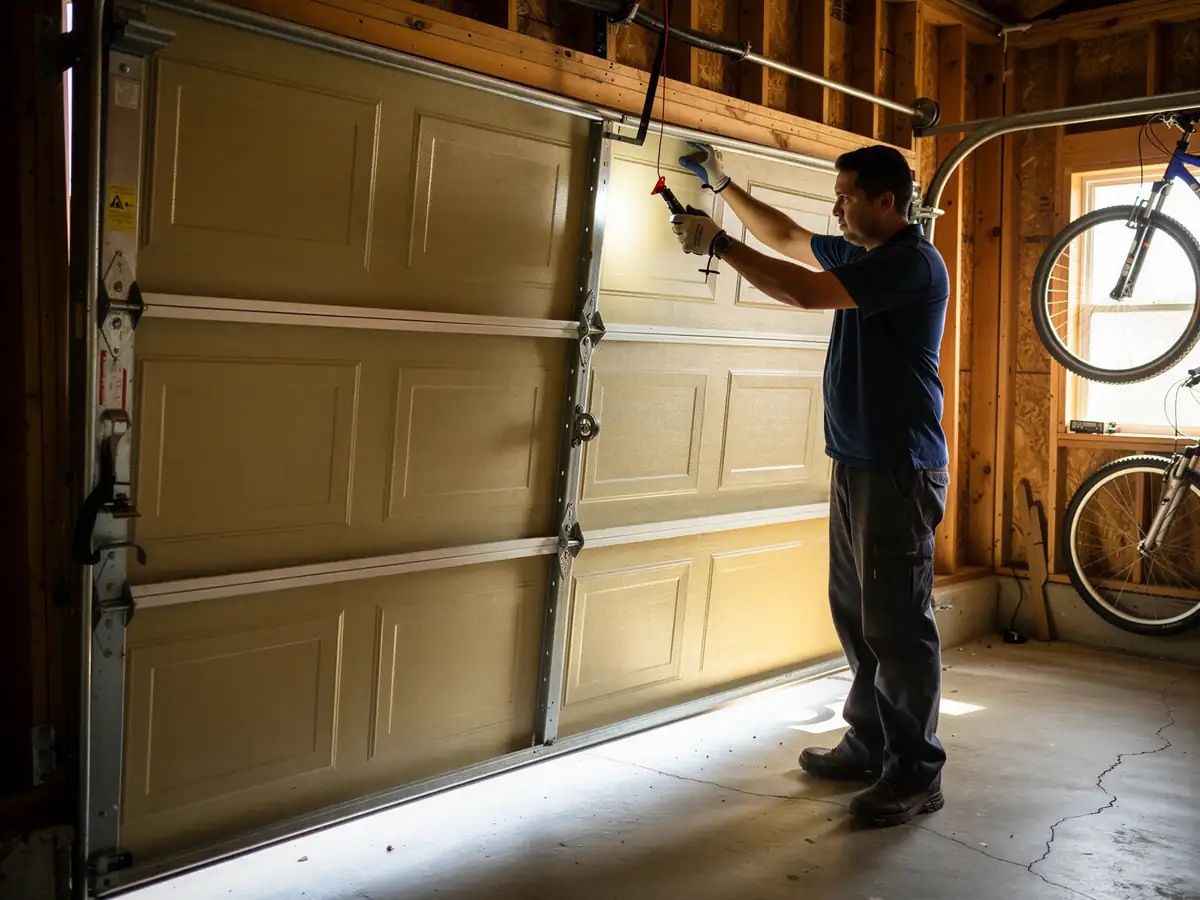
What decides how long we're there isn't the door's age so much as how far it came off and what's attached to the track. A single roller popped out of a clean rail, caught early, is quick work. A door that's been forced back and forth on a bent track, or one where a bracket has pulled loose from the framing, takes longer because we're also fixing what caused the door to jump in the first place - not just putting it back on the rail so it jumps again next month. Double doors take longer than single doors simply because there's more track and more hardware to check on both sides. We'd rather tell you honestly that a job is running long because we found a second problem than rush it and have you calling again in a month.