Stocked Parts
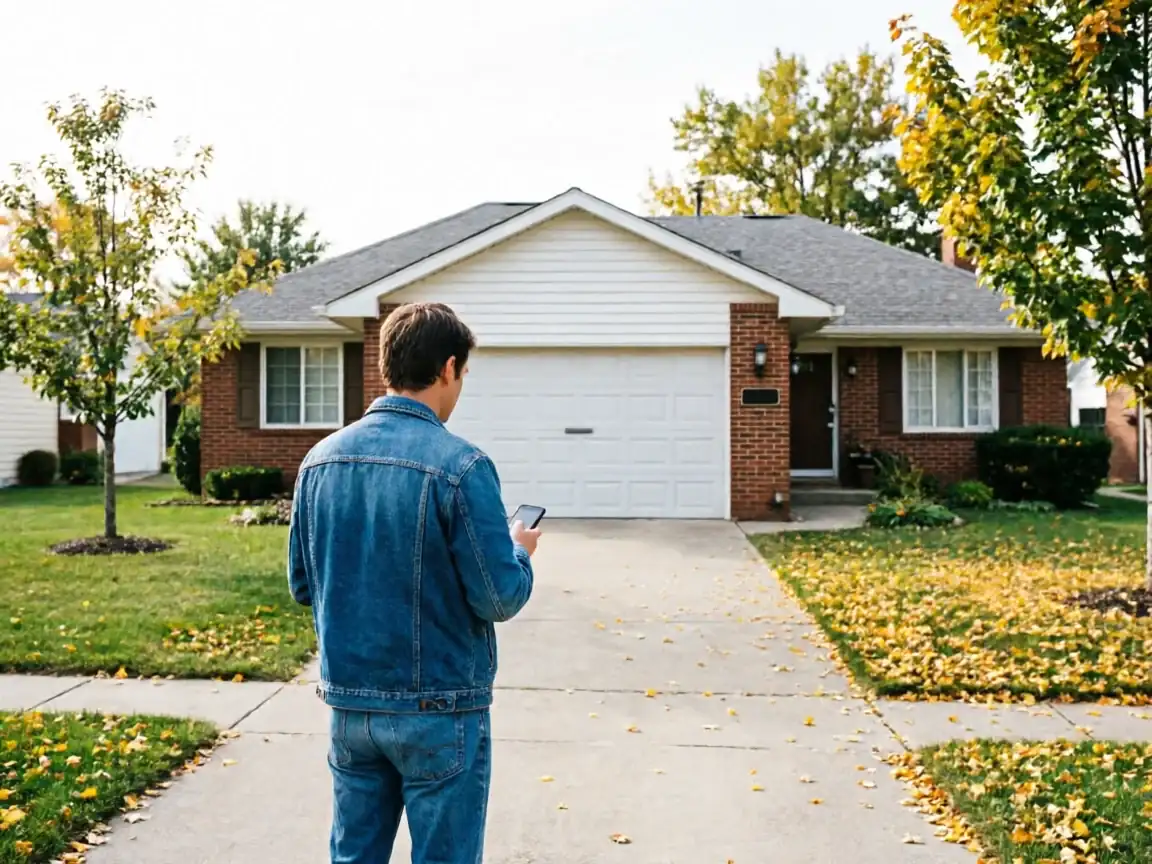
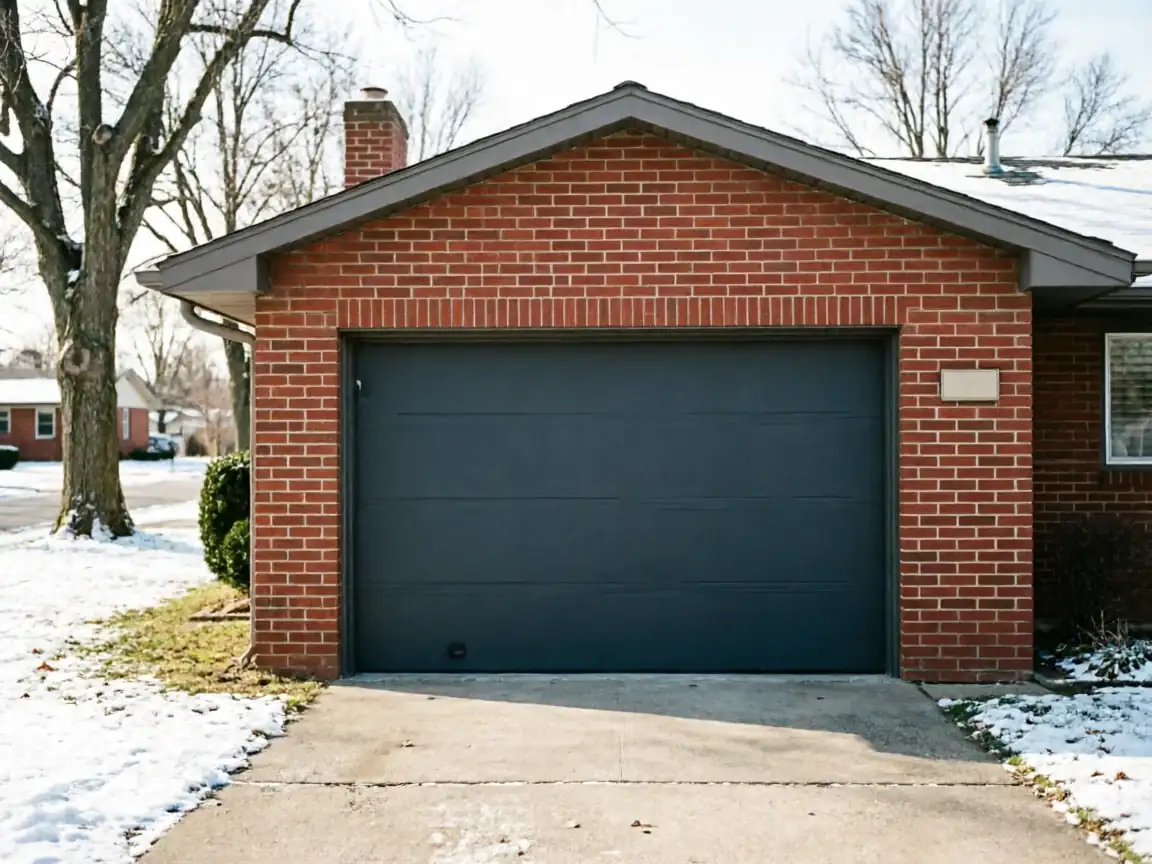
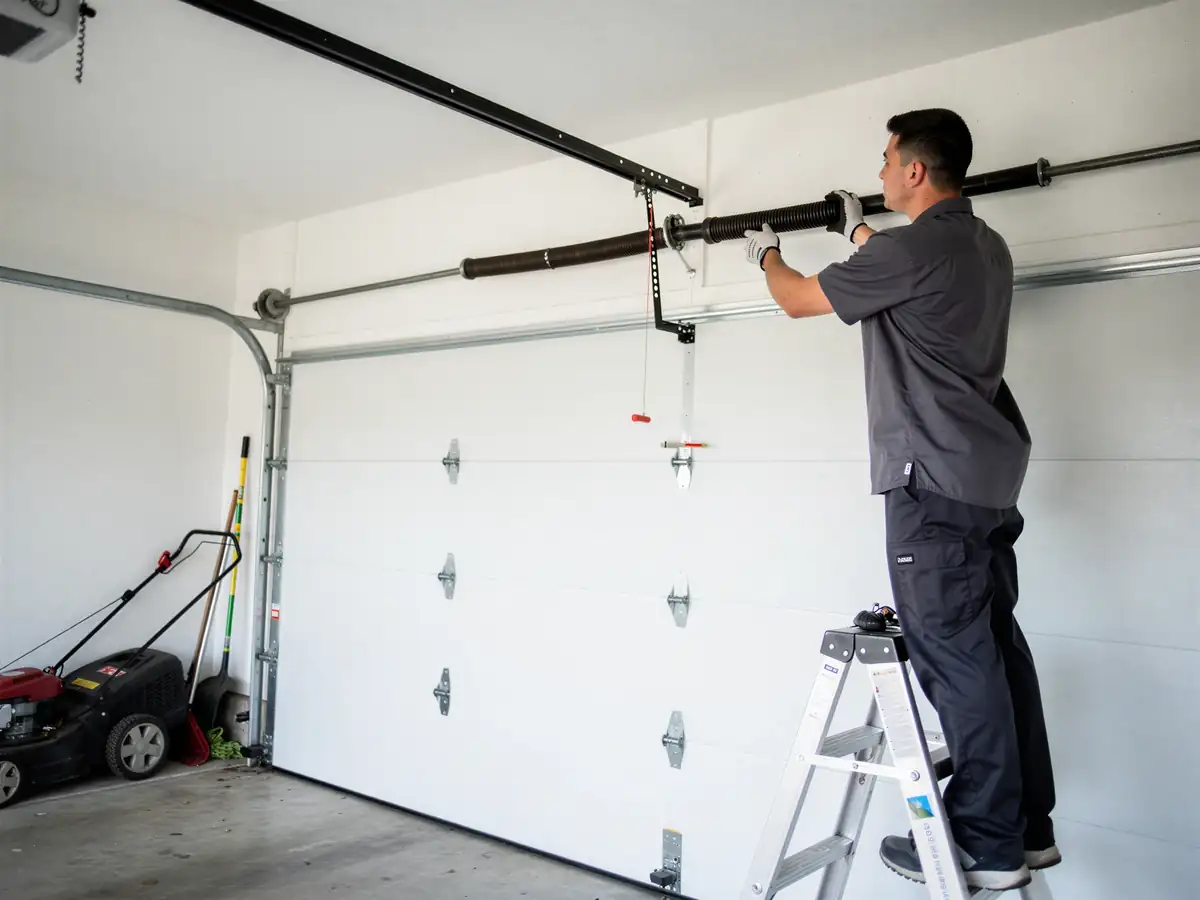
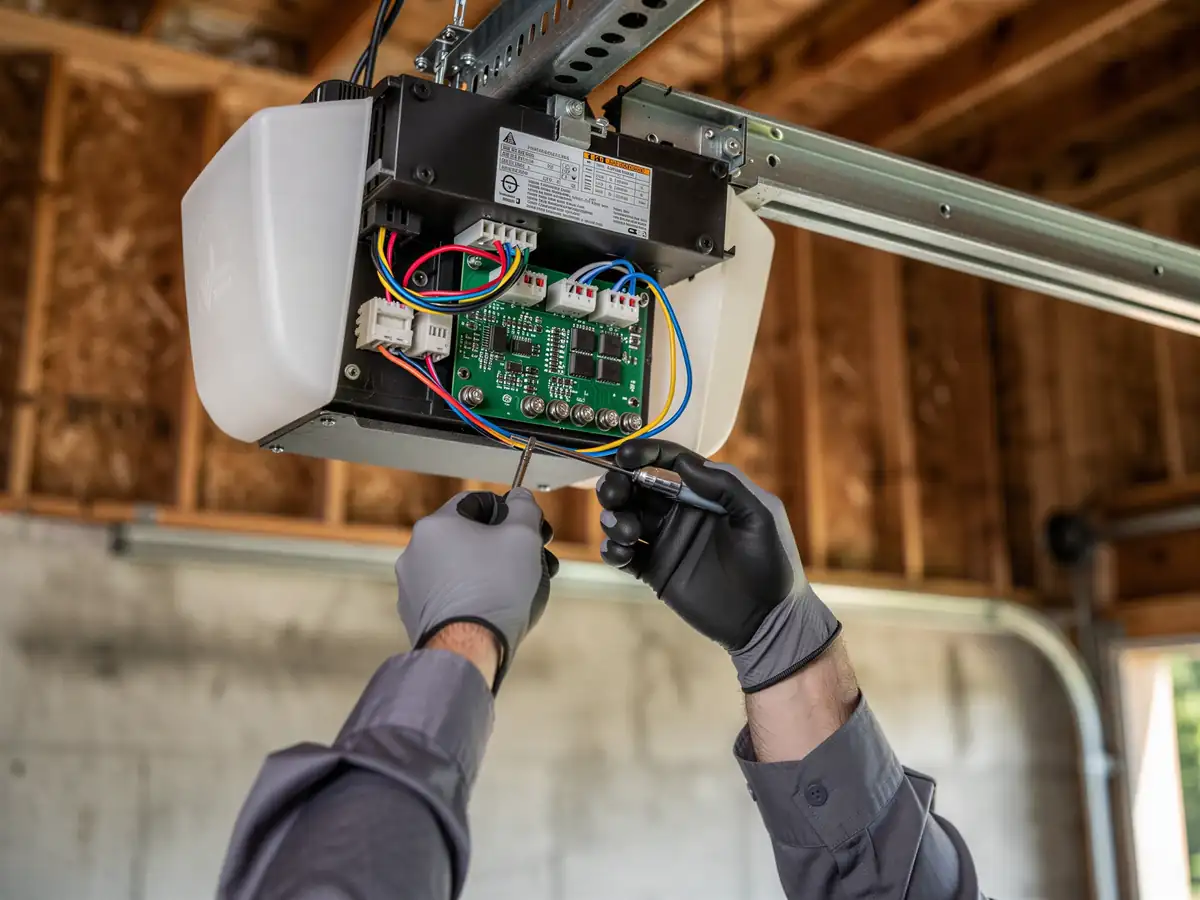
Kirkwood has about 12,110 households, and most of those houses went up around 1963. That's a specific window for openers: the original units in a lot of these garages were chain-drive, half-horsepower, with a drawbar rail bolted straight to a wood header. When one of those fails now, decades later, it's usually not the motor - it's the gear-and-sprocket assembly stripping out, or the capacitor on the old AC motor giving up. We carry the belts, chains, and logic boards that fit the replacement units people actually installed when those original motors died, which by now is most of them. What we don't stock is parts for the handful of truly original 1960s units still running - those are obsolete, and if yours is one of them, replacement is the honest answer, not a repair. We'll tell you straight if that's the case rather than hunt for a part that doesn't exist anymore.
Where This Job Goes Sideways
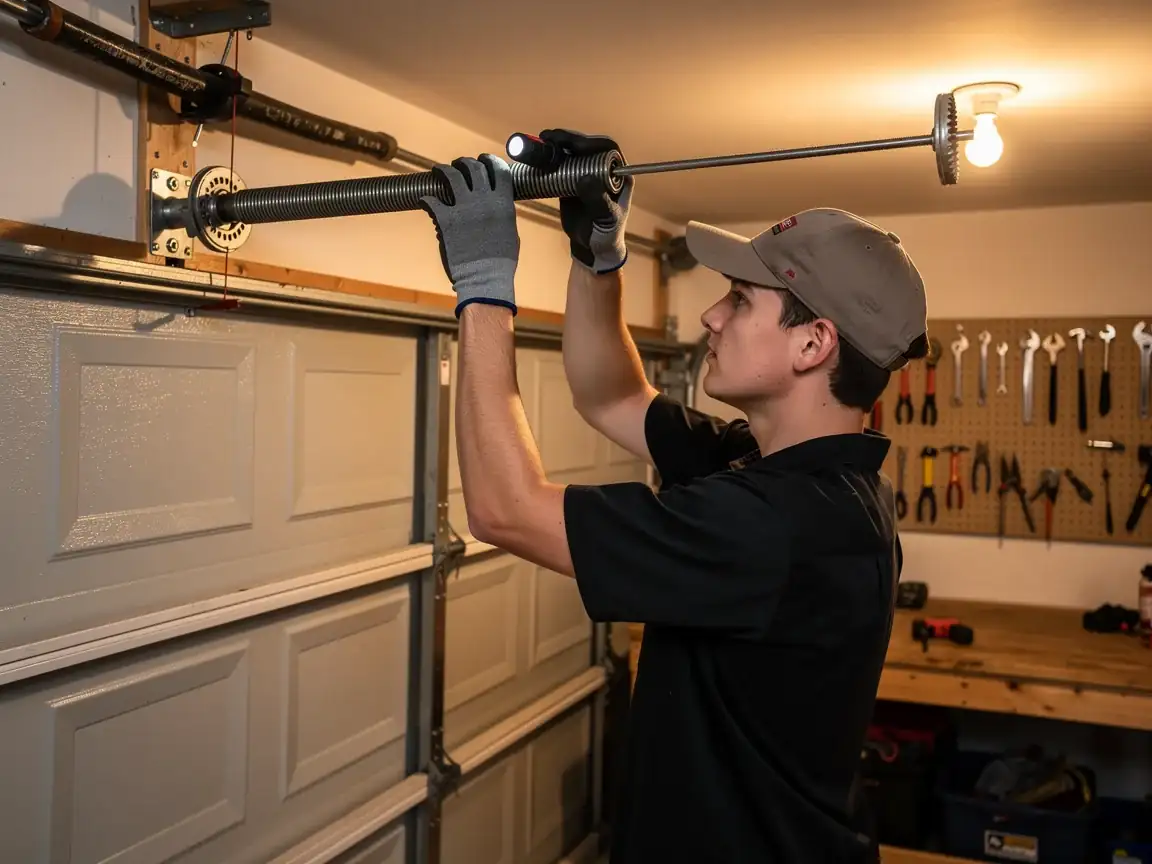
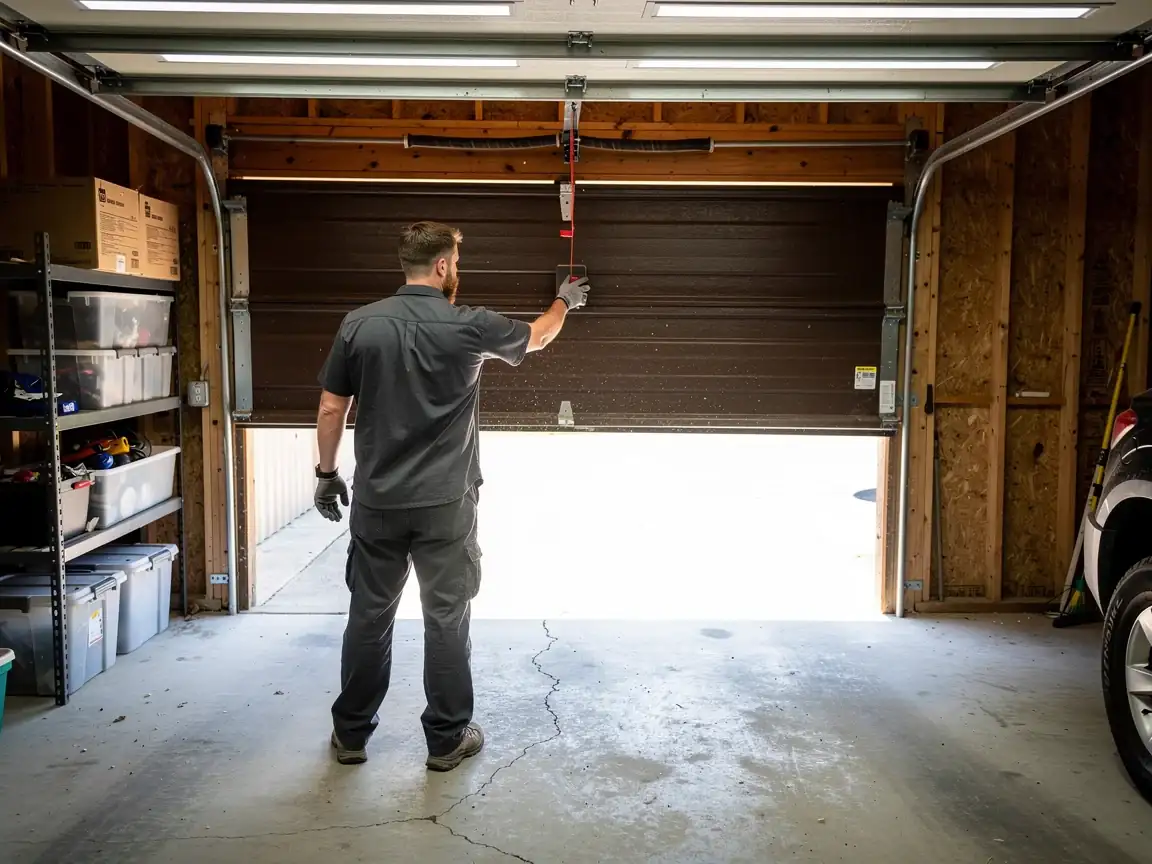
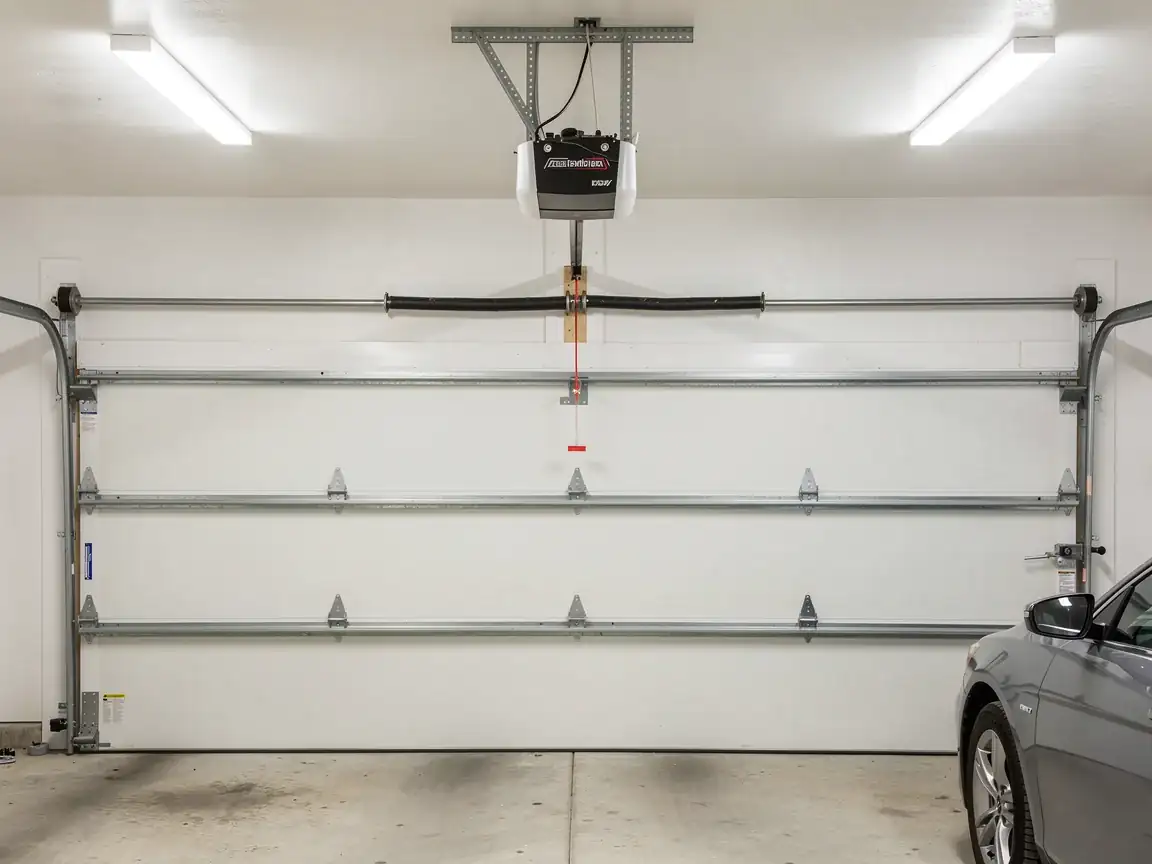
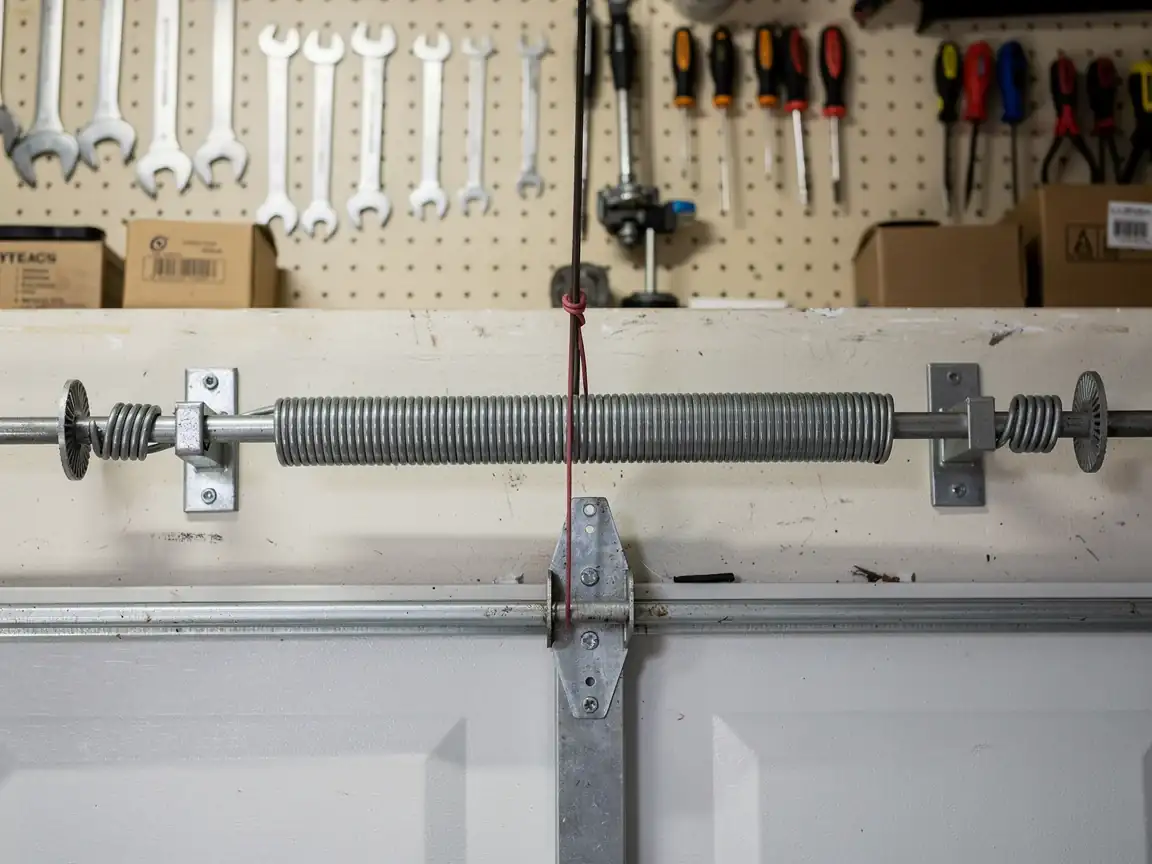
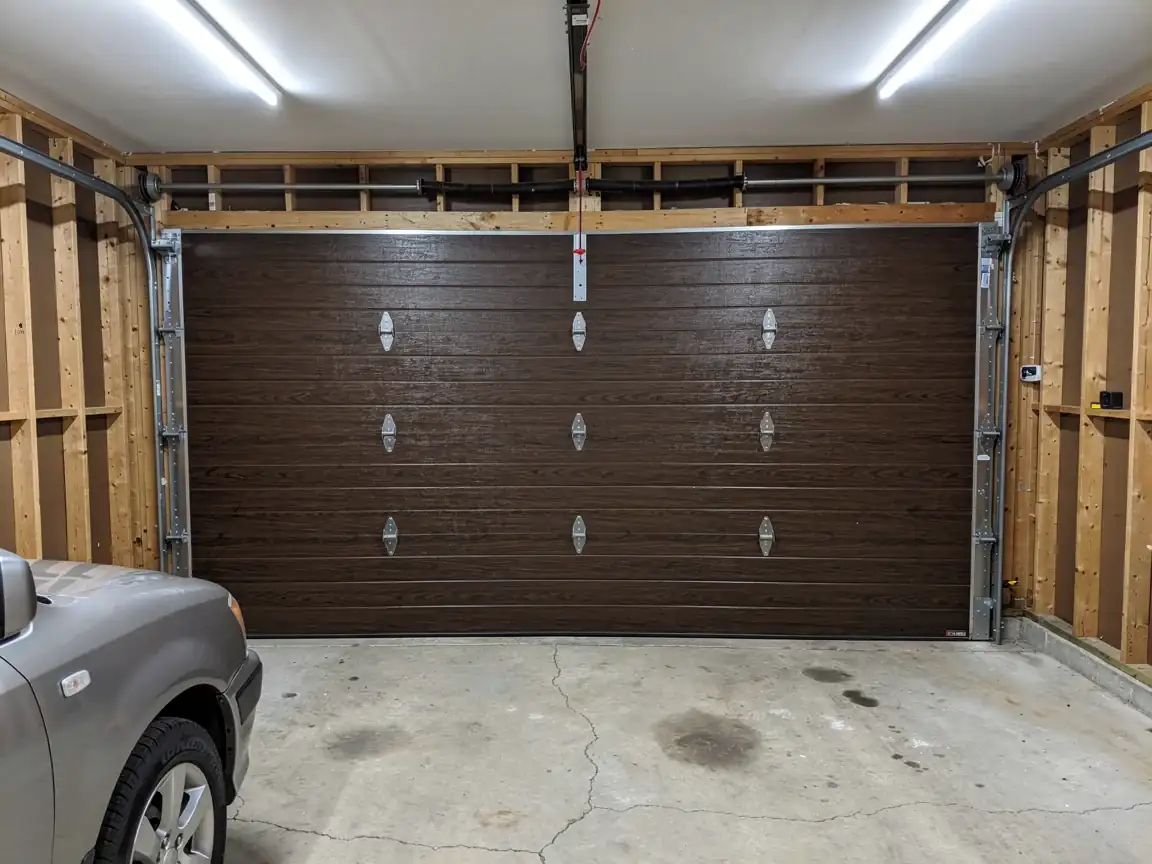
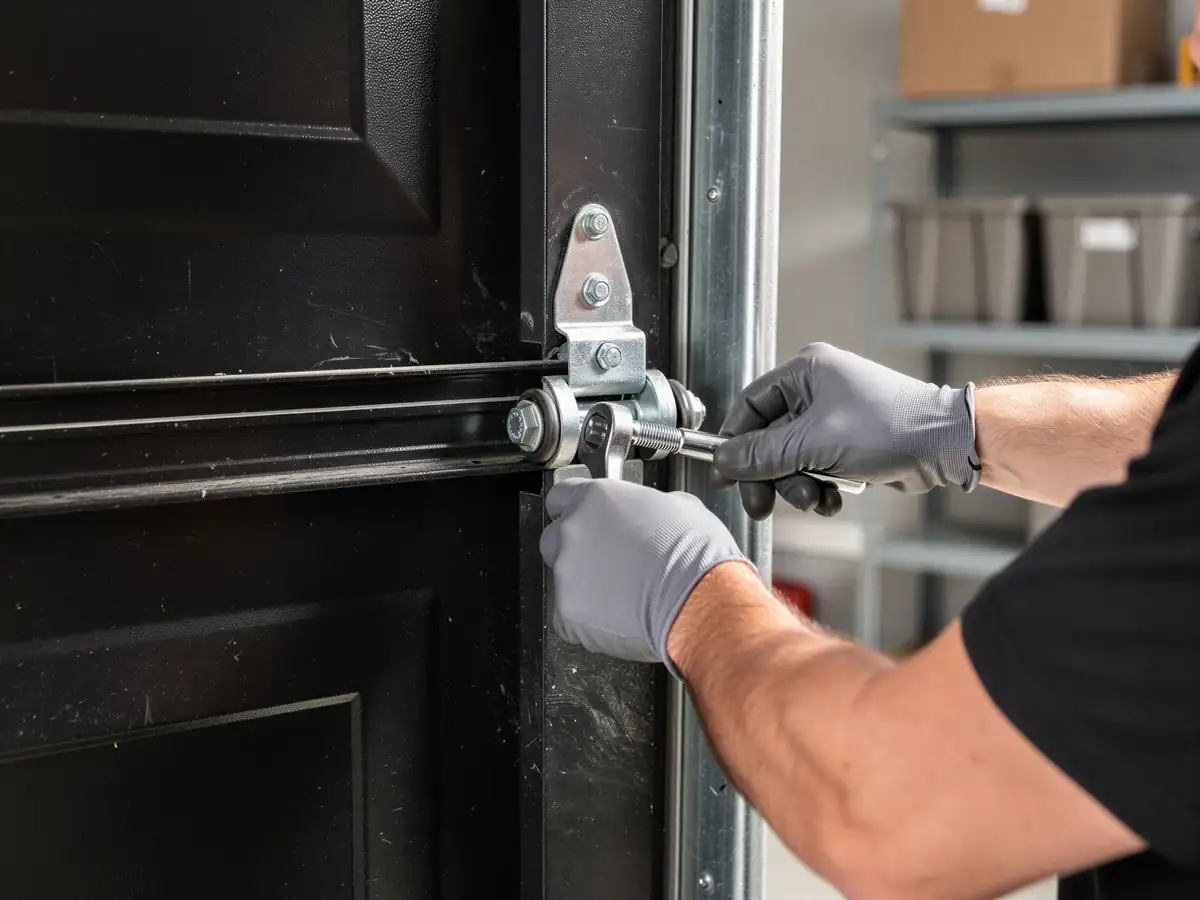
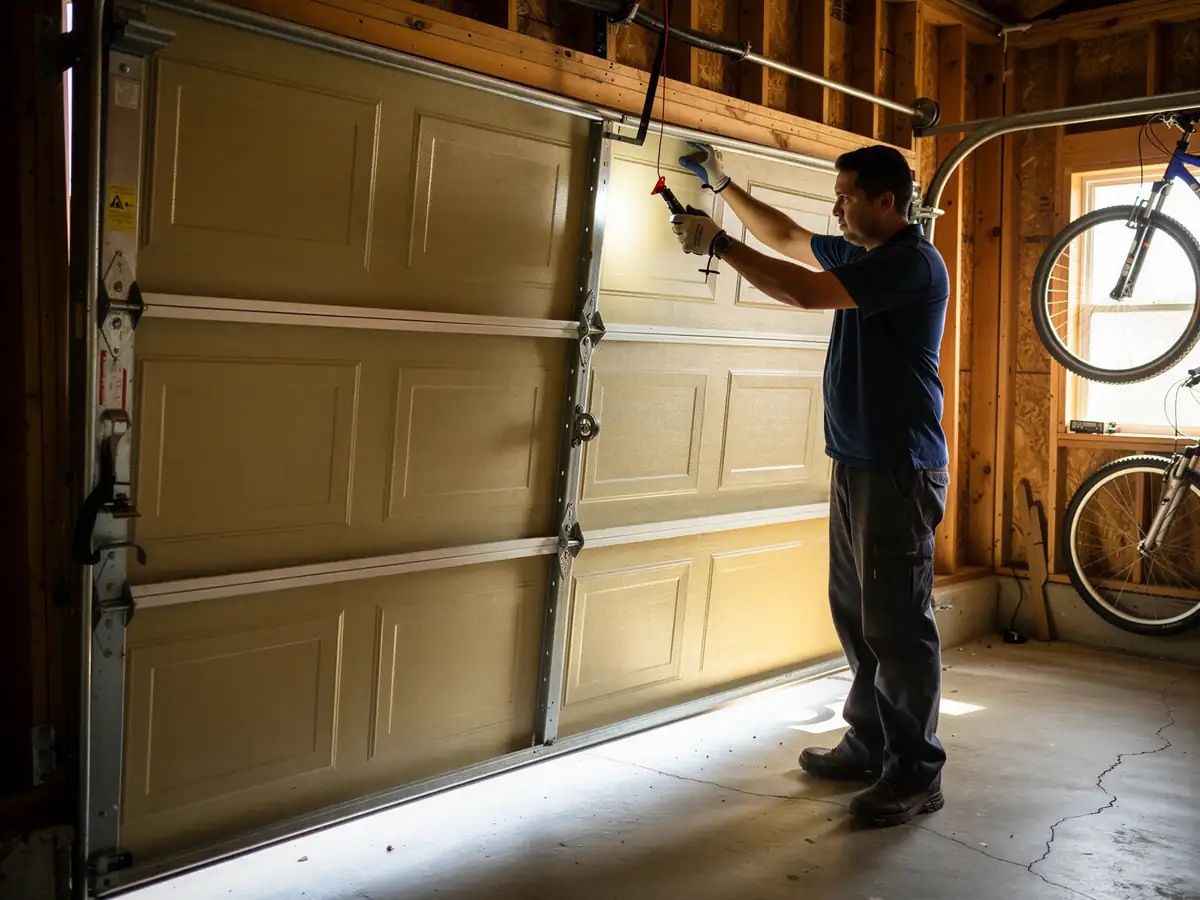
The call that starts as "opener won't work" and turns into something bigger usually comes down to the bracket. Houses built around 1963 often had their openers retrofitted onto doors that were never engineered for an automatic opener in the first place - the header bracket was added later, sometimes without enough blocking behind it. Years of a half-horsepower motor pulling against a loose bracket will crack old wood trim or pull screws out of a header that's drier and more brittle than it looks. We've opened up jobs that looked like a simple opener swap and found the real problem was the mounting point itself needing reinforcement before any new unit could go up safely. It's not common, but it's common enough in this housing stock that we check the header before we hang anything new on it.
Time on the Job
A straightforward opener swap - same mounting points, same rail length - usually runs under two hours once the truck is on site, which for Kirkwood means the 7 miles in from Ballwin plus whatever traffic that day brings. Add time if the header needs reinforcement, which comes up more often in the 1963-era houses than in newer construction, or if the existing wiring for the wall button and keypad needs replacing rather than reusing. Diagnostic-only calls, where the fix turns out to be a sensor or a logic board rather than a full unit, are faster - often under an hour. We don't rush the bracket check described above even when a customer is in a hurry, because a loose mount now means a service call again within a year.