What It Costs
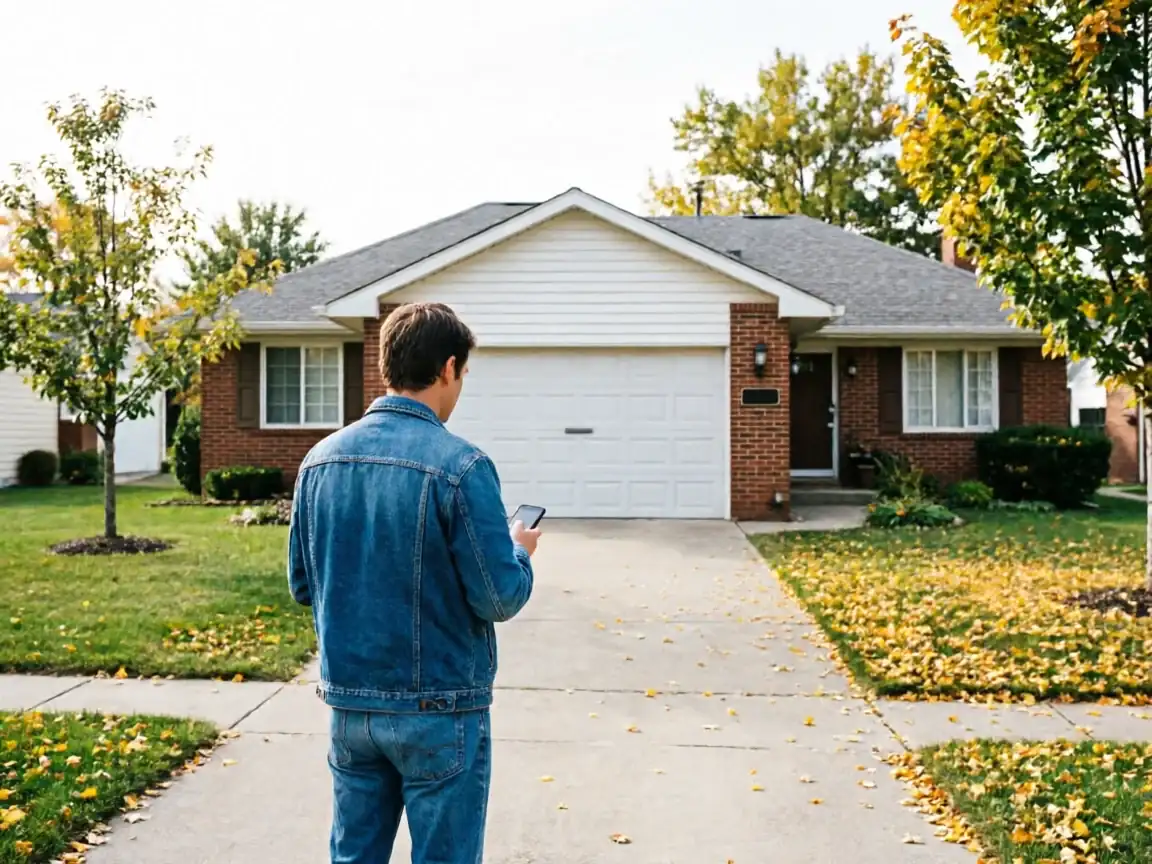
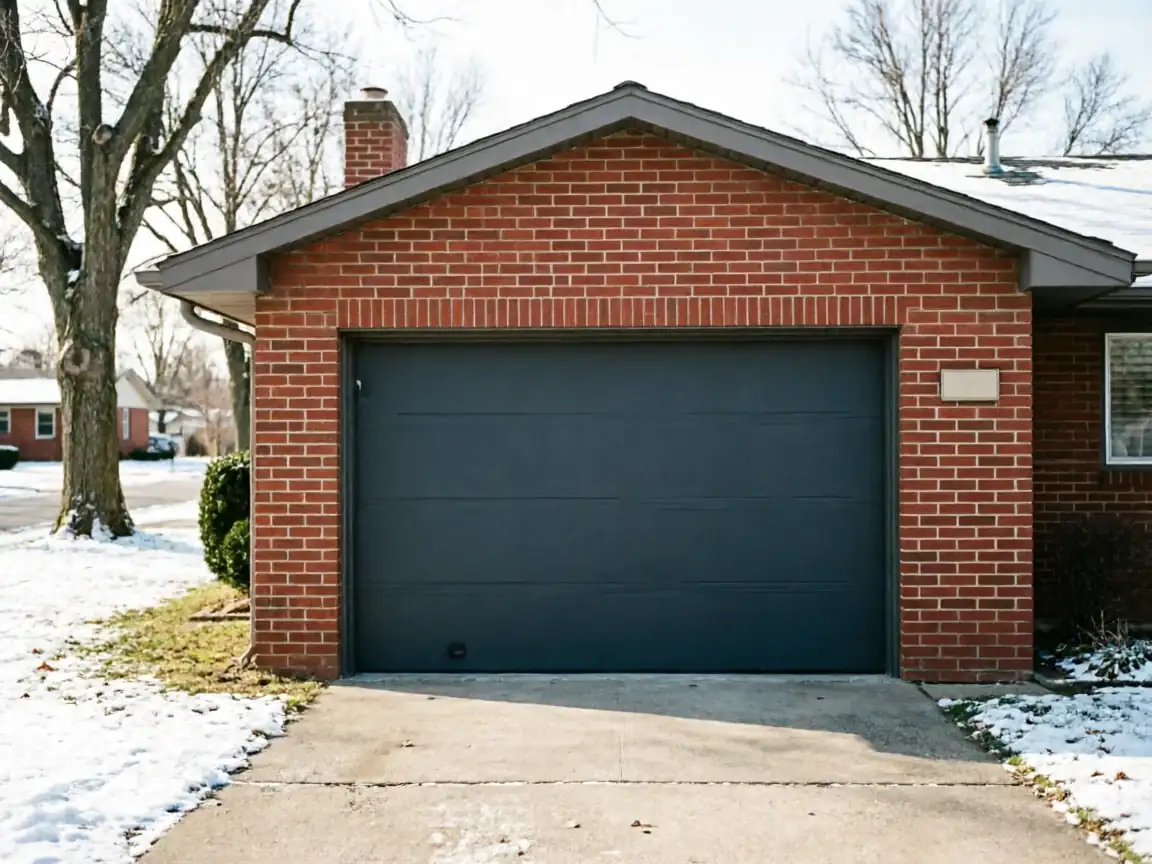
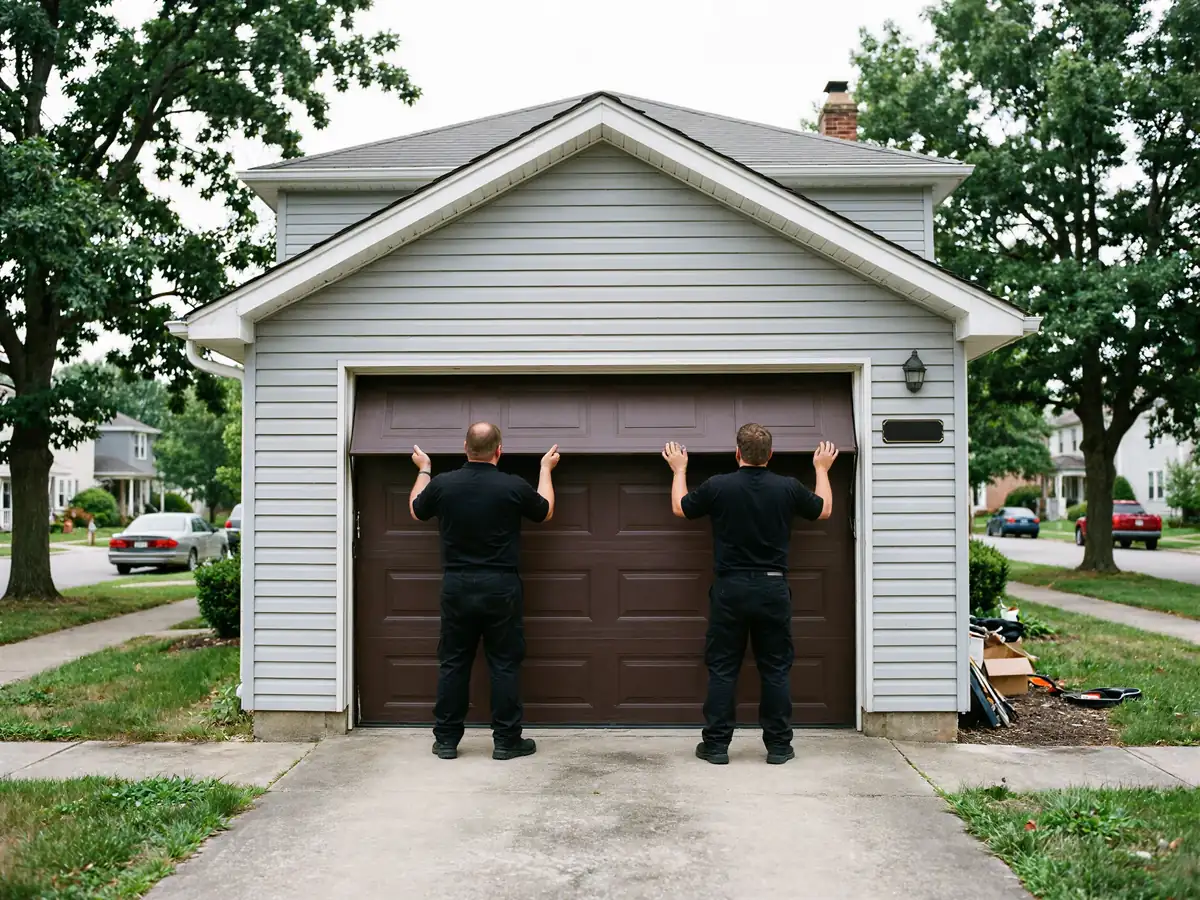
We don't quote a number here because the job in Town and Country usually isn't the job we see closer to Ballwin. Houses in this part of the service area went up mostly after 1980, with a median build year around 1984 - a good fifteen years newer than the 1969 median across the wider area we cover. That gap matters for pricing because newer construction means newer garage door hardware: chain or belt-drive openers instead of the older chain-and-pulley setups, and torsion springs sized for heavier insulated doors rather than the thin single-panel doors common in older stock. A spring job on a 1980s double door runs different money than the same job on an older single door, mostly because the springs themselves are bigger and the doors weigh more. We'll give you a real number on-site, not a phone guess, because we're driving the five miles out from Ballwin either way and want to look at what's actually on your house before we say a price out loud."
Doing It Yourself
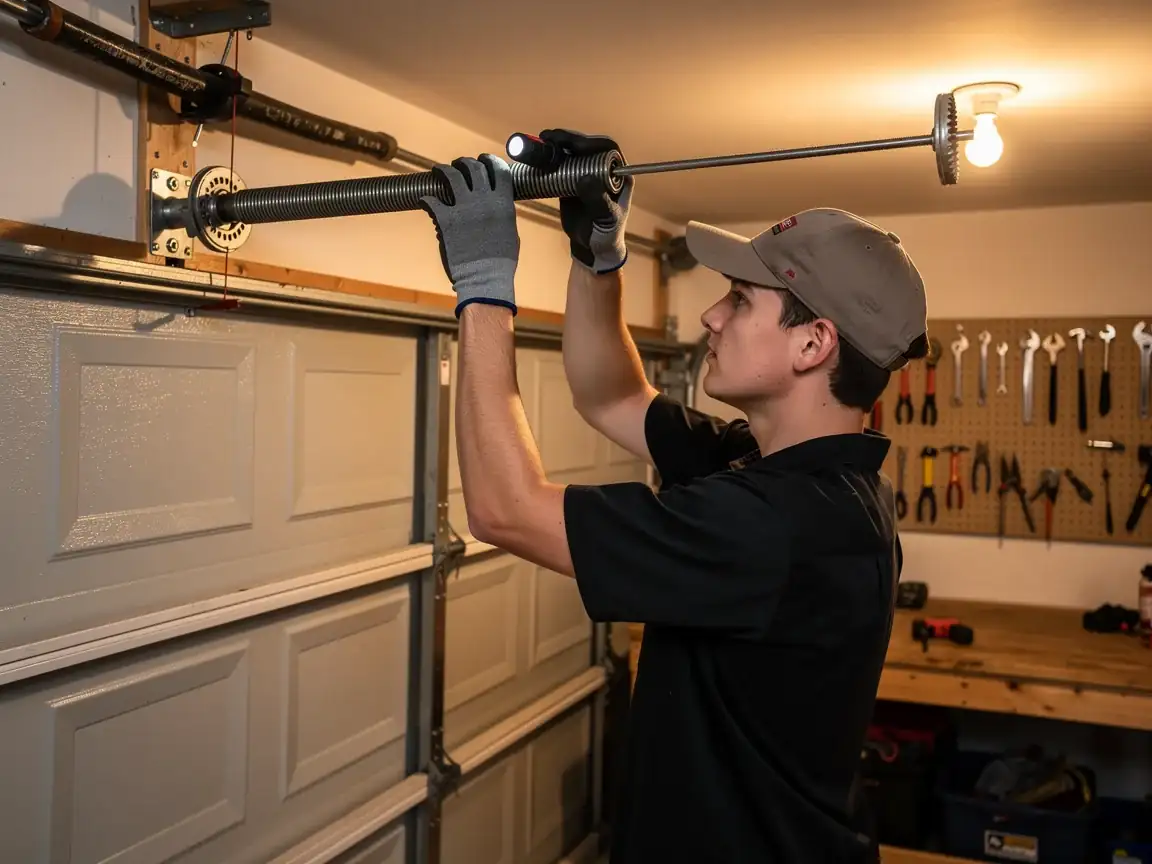
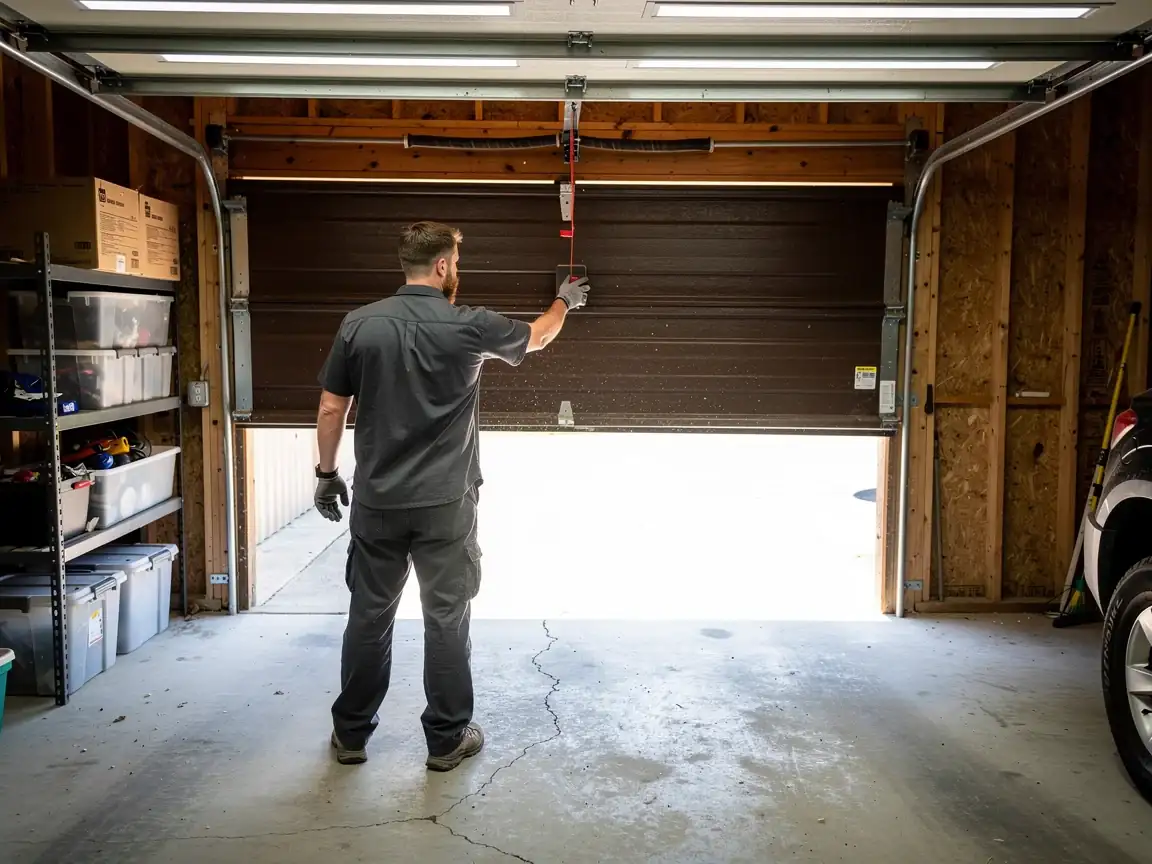
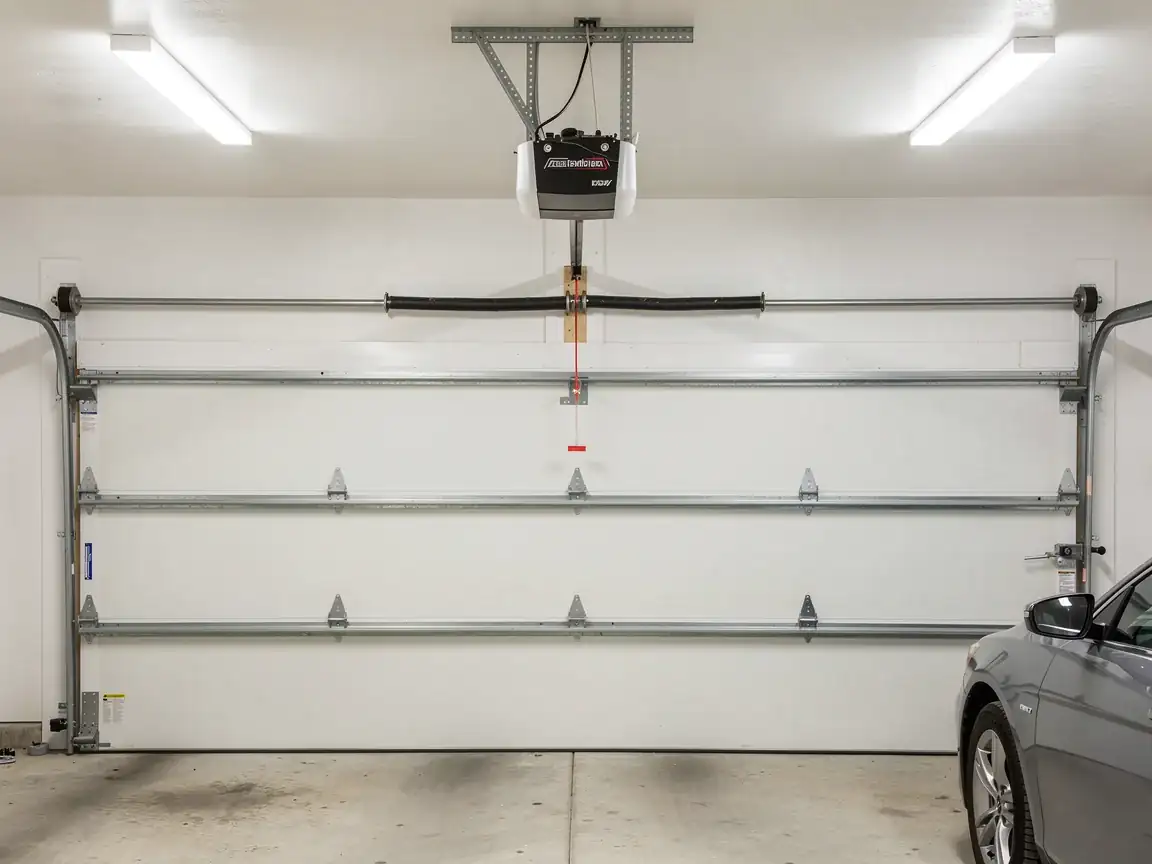
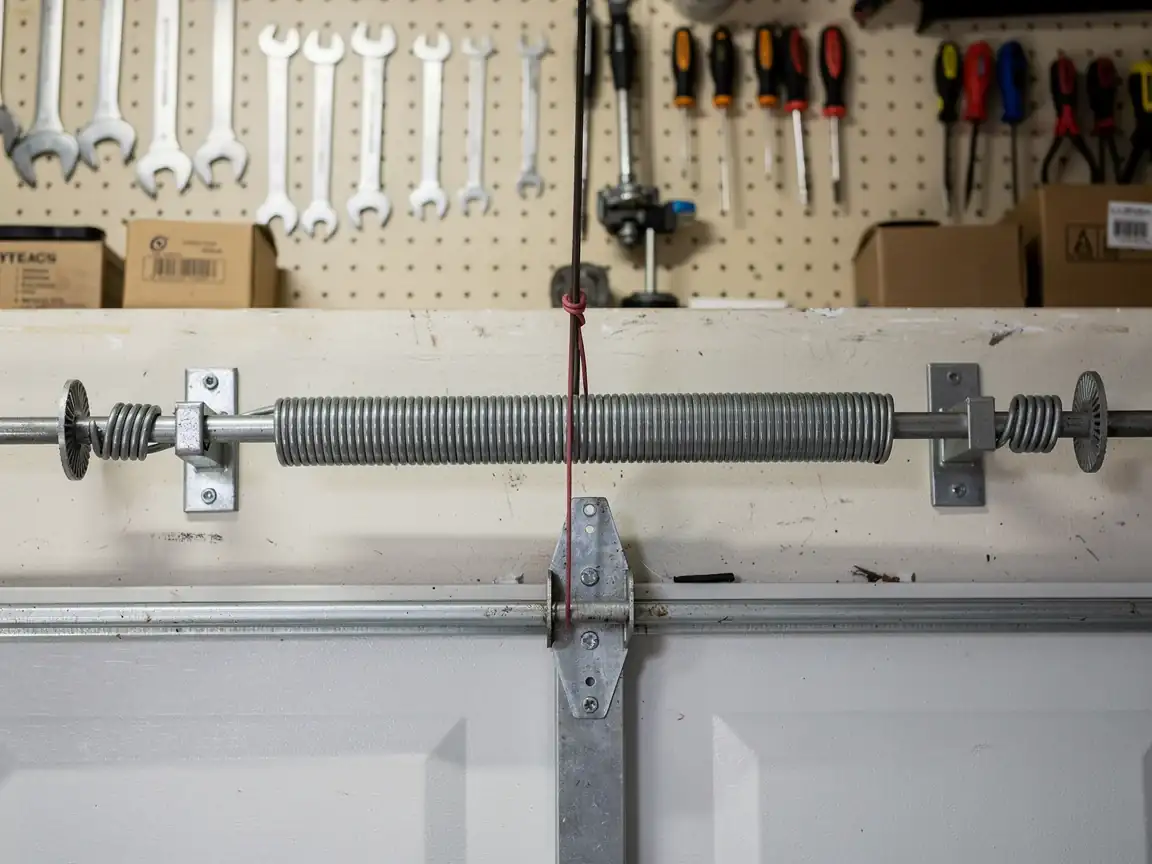
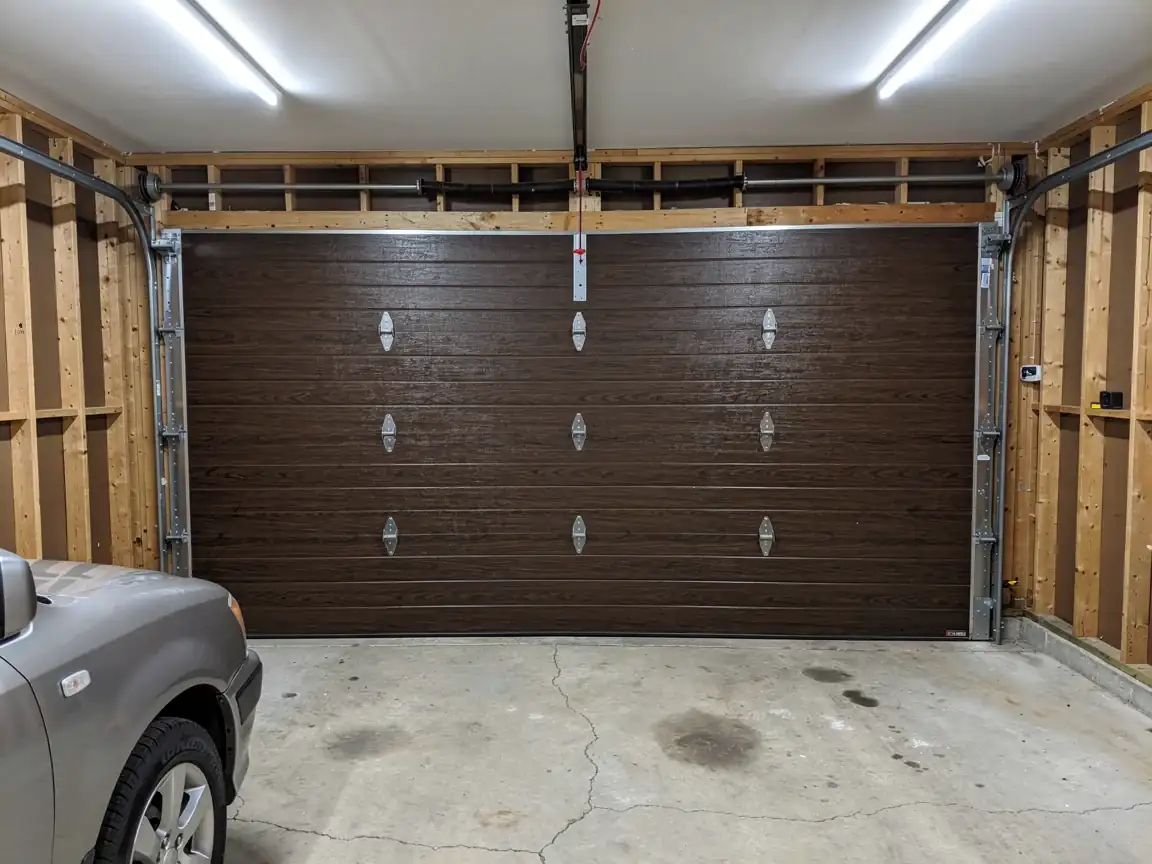
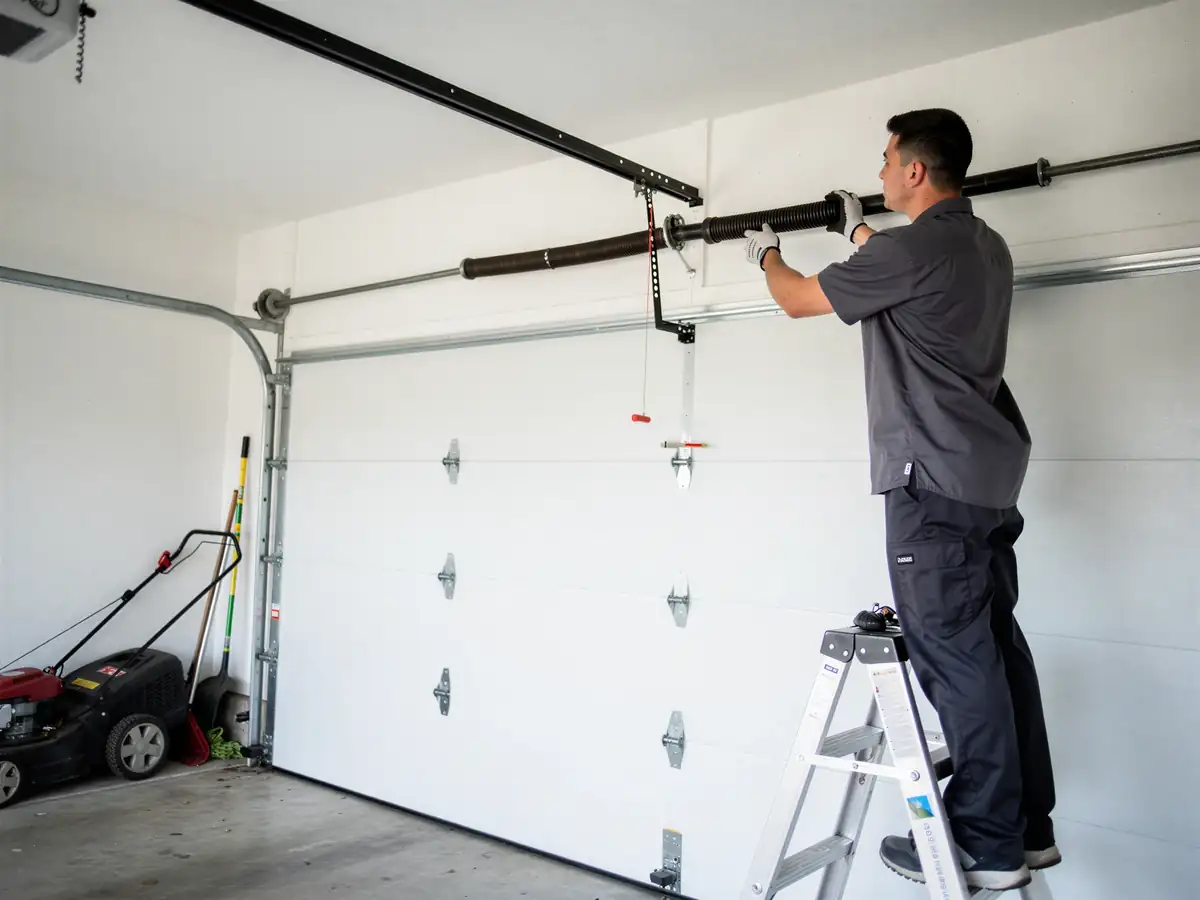
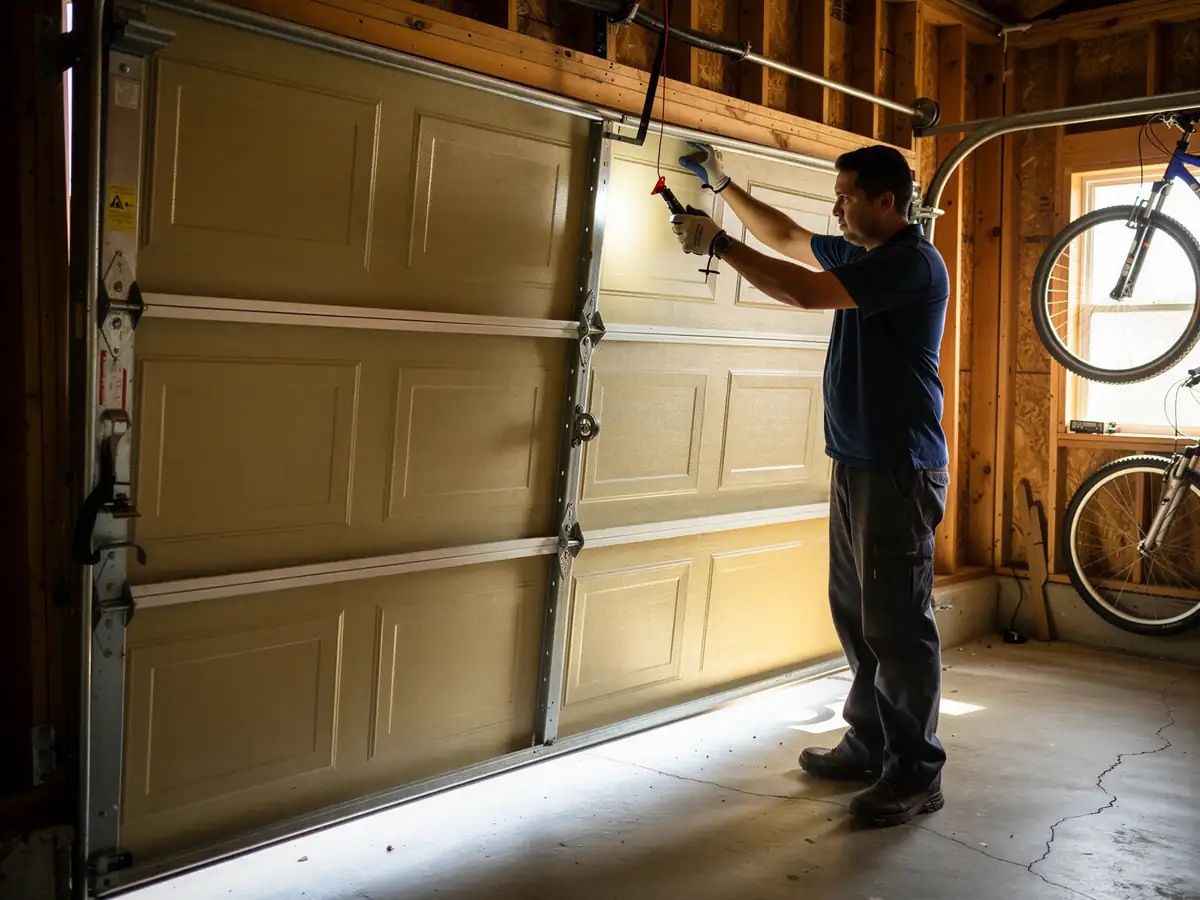
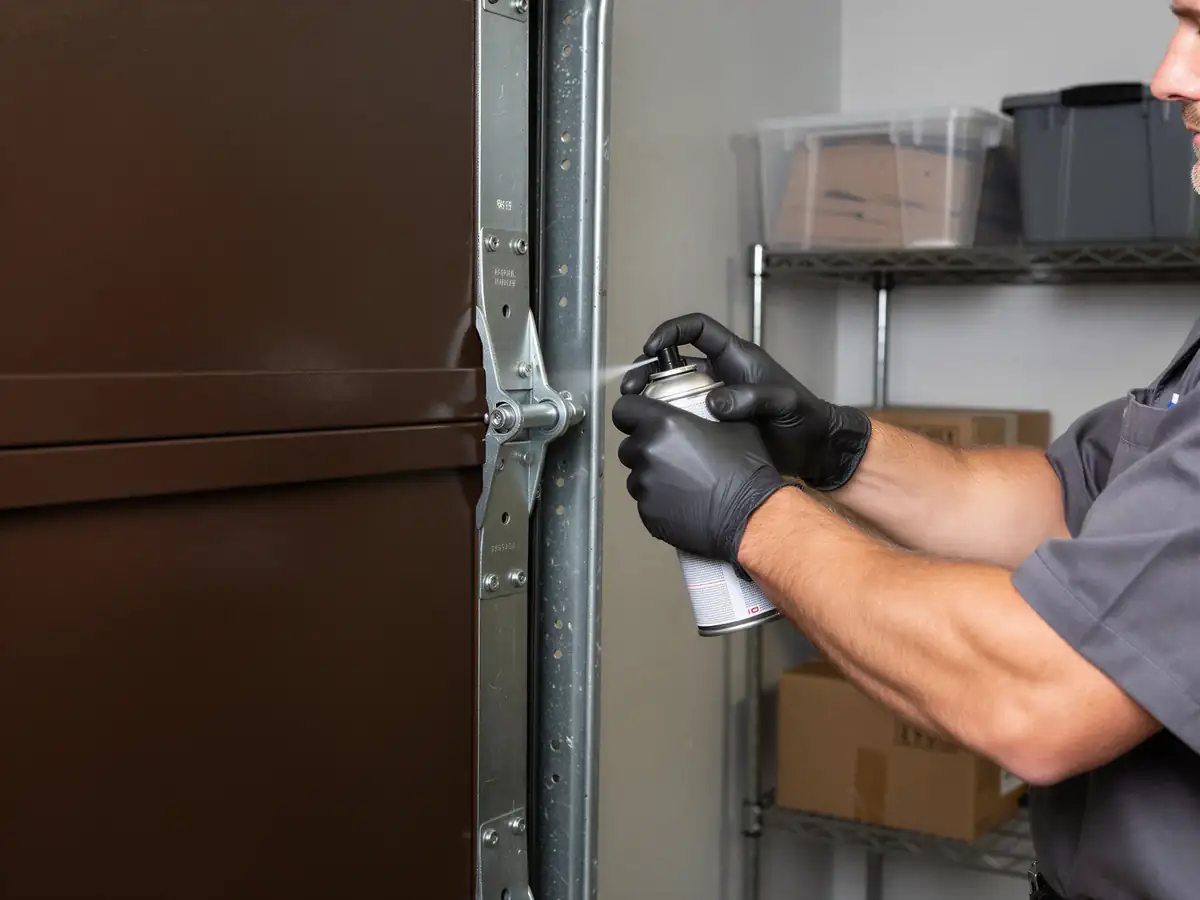
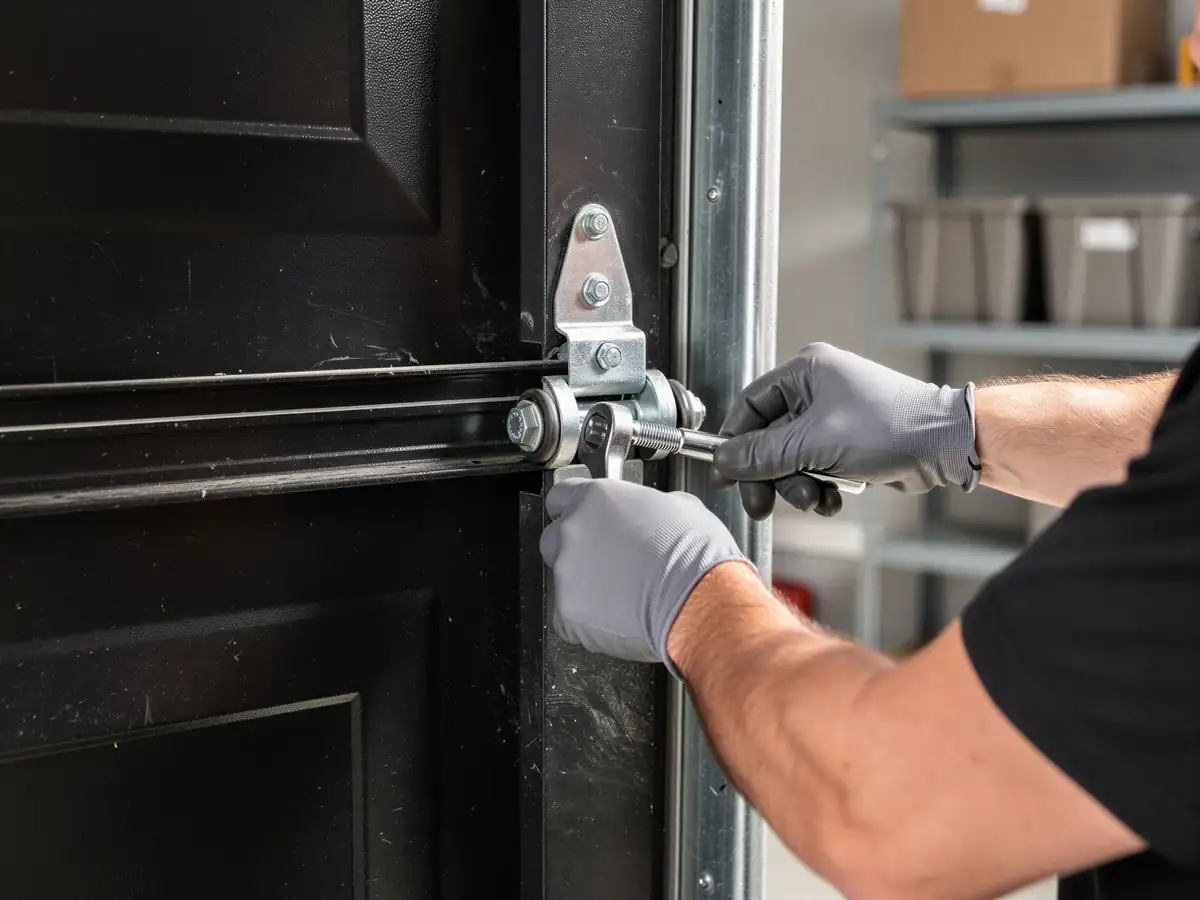
A 1980s-era door is more forgiving to work on than older stock because the hardware is more standardized, but torsion springs are still not a DIY repair - the spring is under enough tension to break a bone if it lets go while you're working on it. What you can reasonably do yourself: lubricate rollers and hinges twice a year, check that the photo-eye sensors near the floor are aligned and clean, and test the auto-reverse by laying a 2x4 flat under the door and closing it. If the door doesn't bounce back off the board, stop using the opener and call someone - that's a safety system failure, not a convenience issue. Tightening loose bolts on the track brackets is fine too. Anything involving the spring, the cable drums, or the torsion bar itself is where we stop recommending DIY, regardless of how new the door is.
What Causes It Around Here
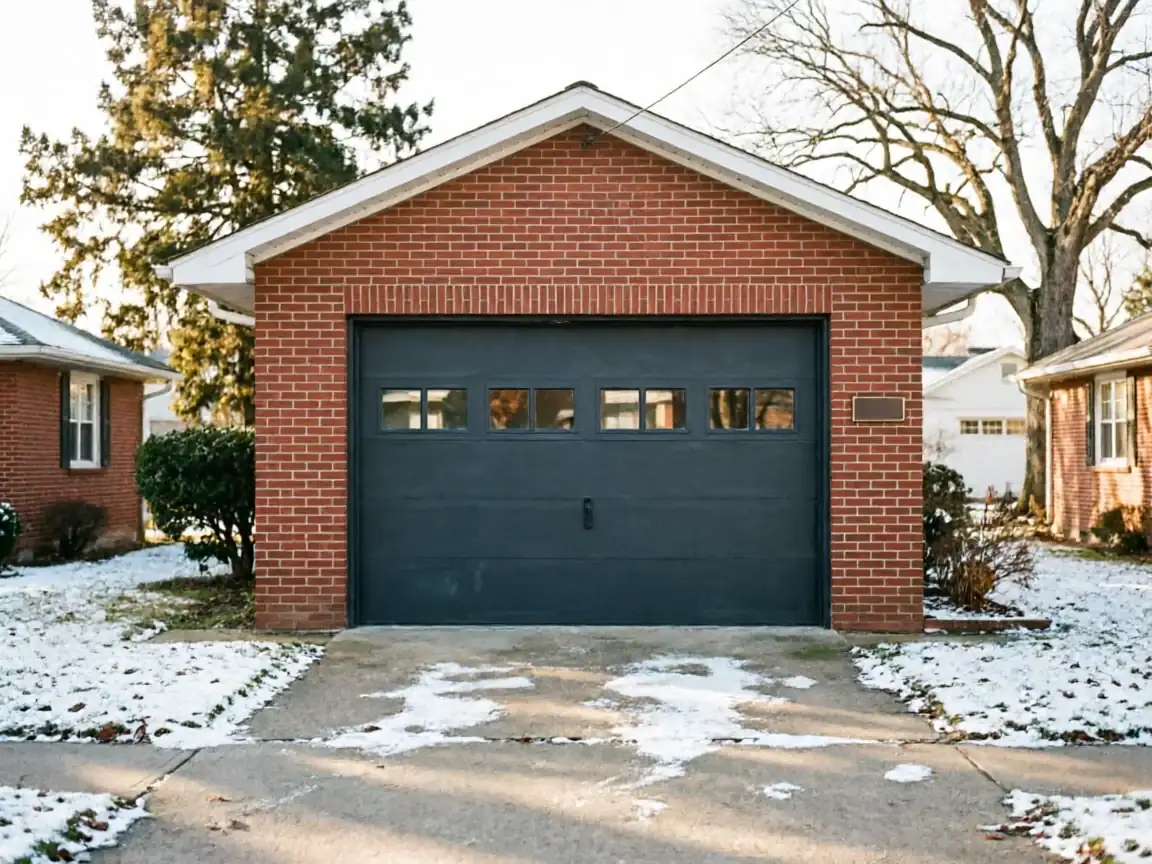
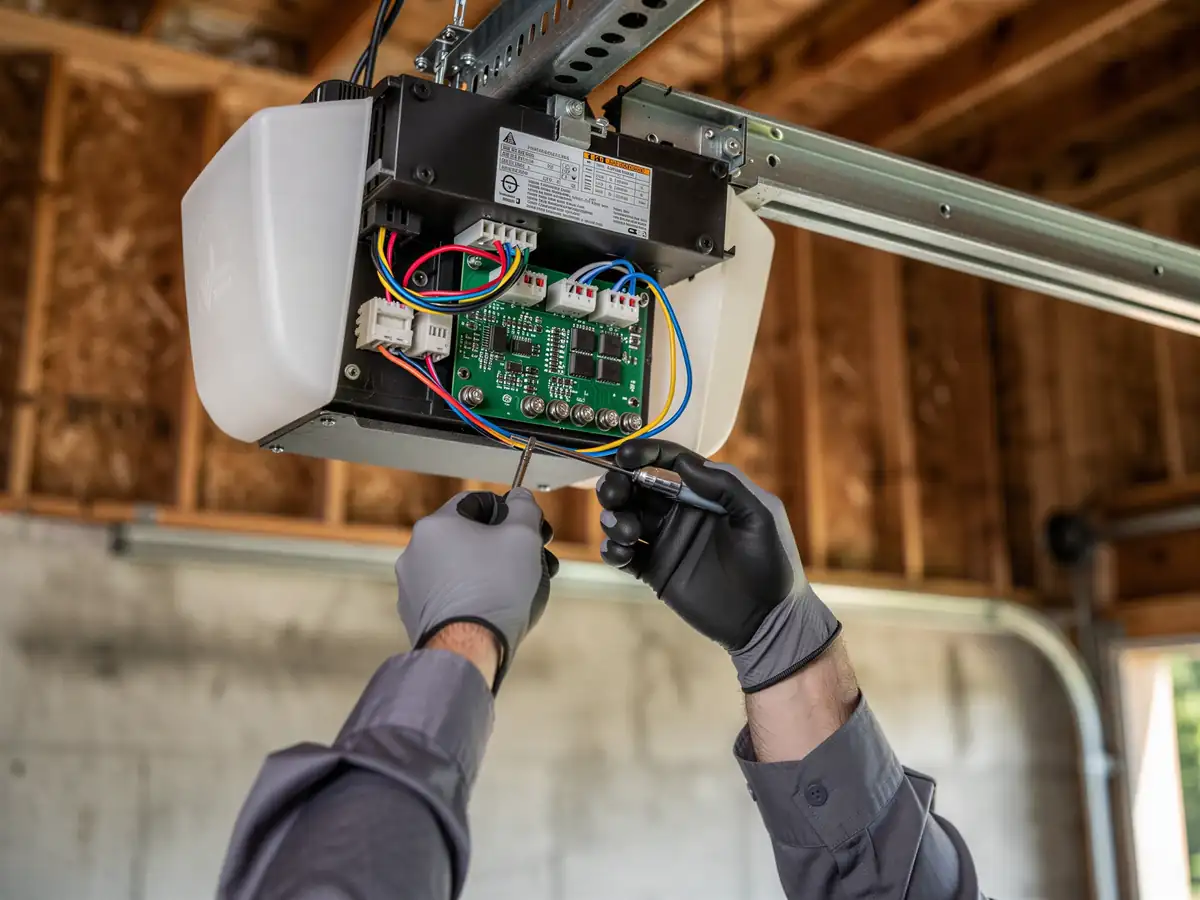
The climate here is cold-moderate, which means the freeze-thaw cycle through winter is the main mechanical stress on these doors rather than any single severe event. On houses built in the 1980s, the common failure we see is the torsion spring fatiguing after years of temperature swings tightening and loosening the coil, paired with weatherstripping that's shrunk and let cold air push the door's insulation value down. Compare that to the older housing stock elsewhere in the service area, where the doors themselves are thinner and the springs smaller, and the failure mode shifts more toward the door panels warping than the spring giving out. In Town and Country specifically, we see openers failing before doors do - a lot of these houses are on their second or third opener since construction, and the gear-and-sprocket assembly inside is usually the part that goes first.