What It Costs
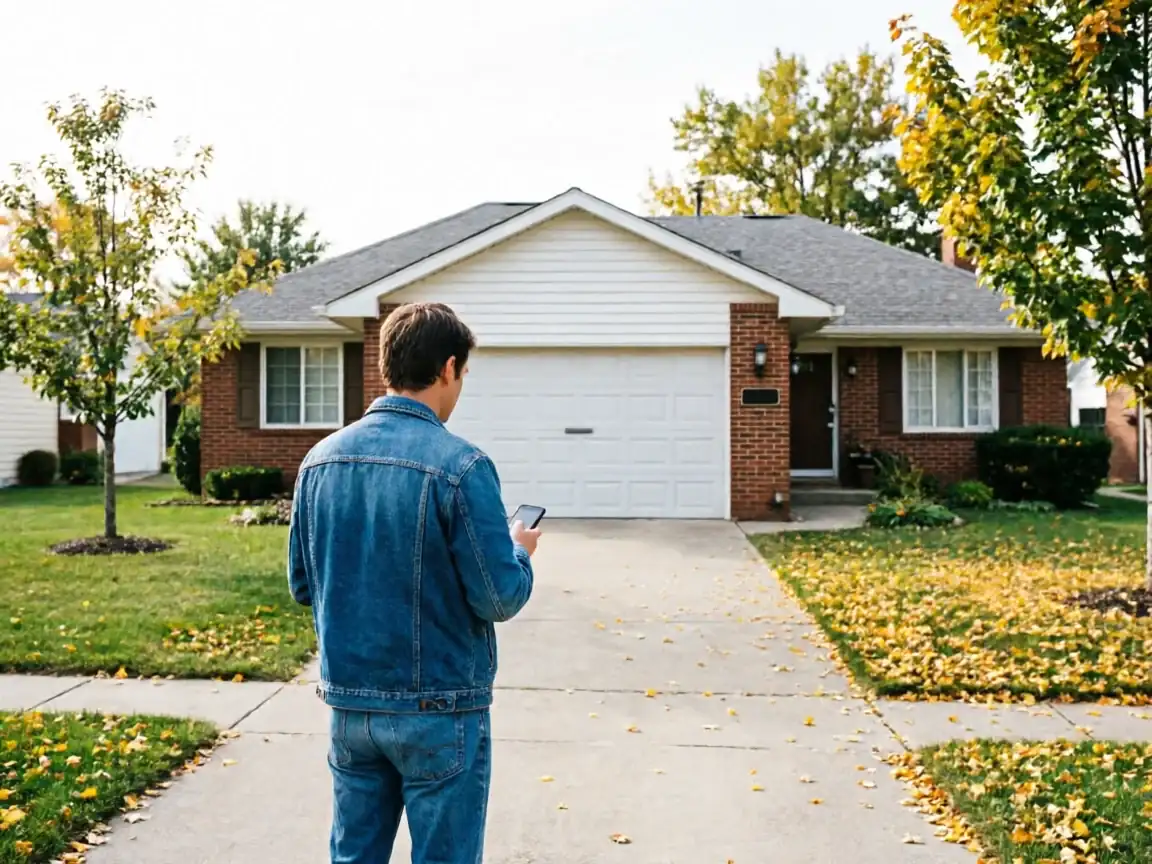
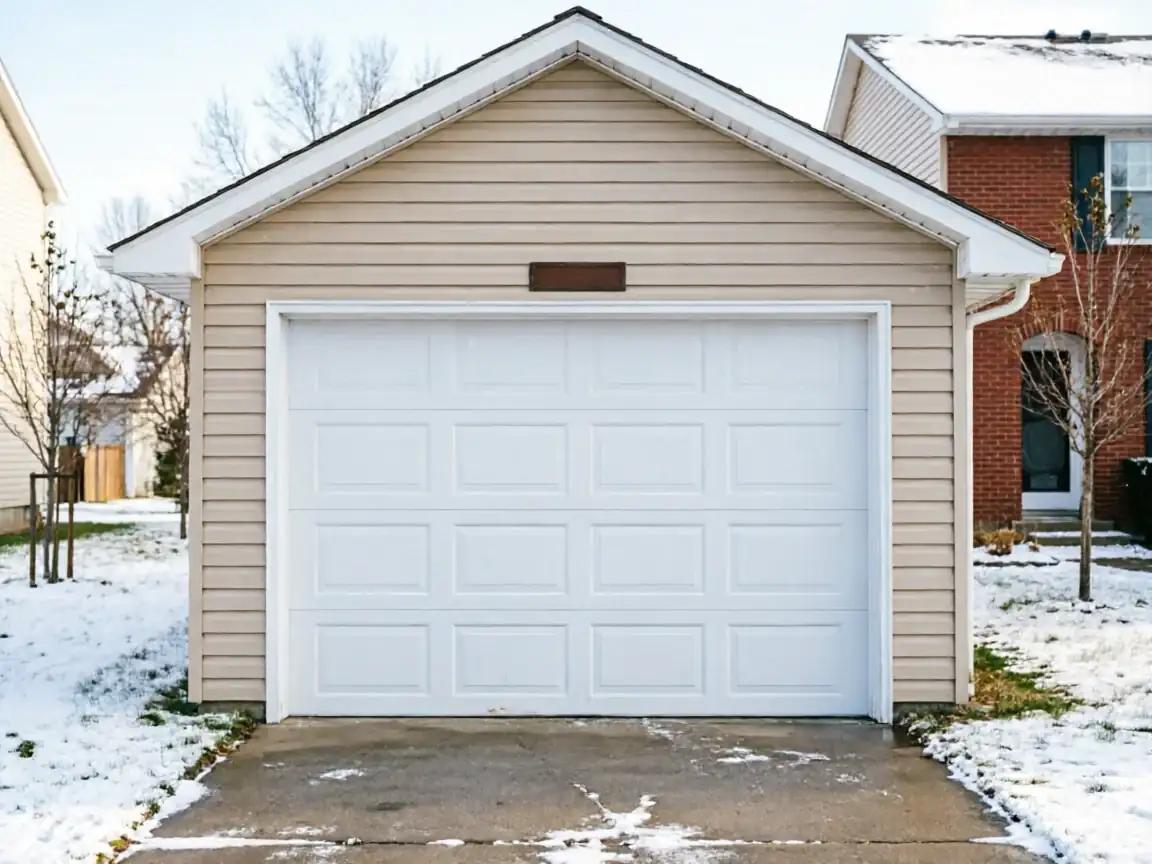
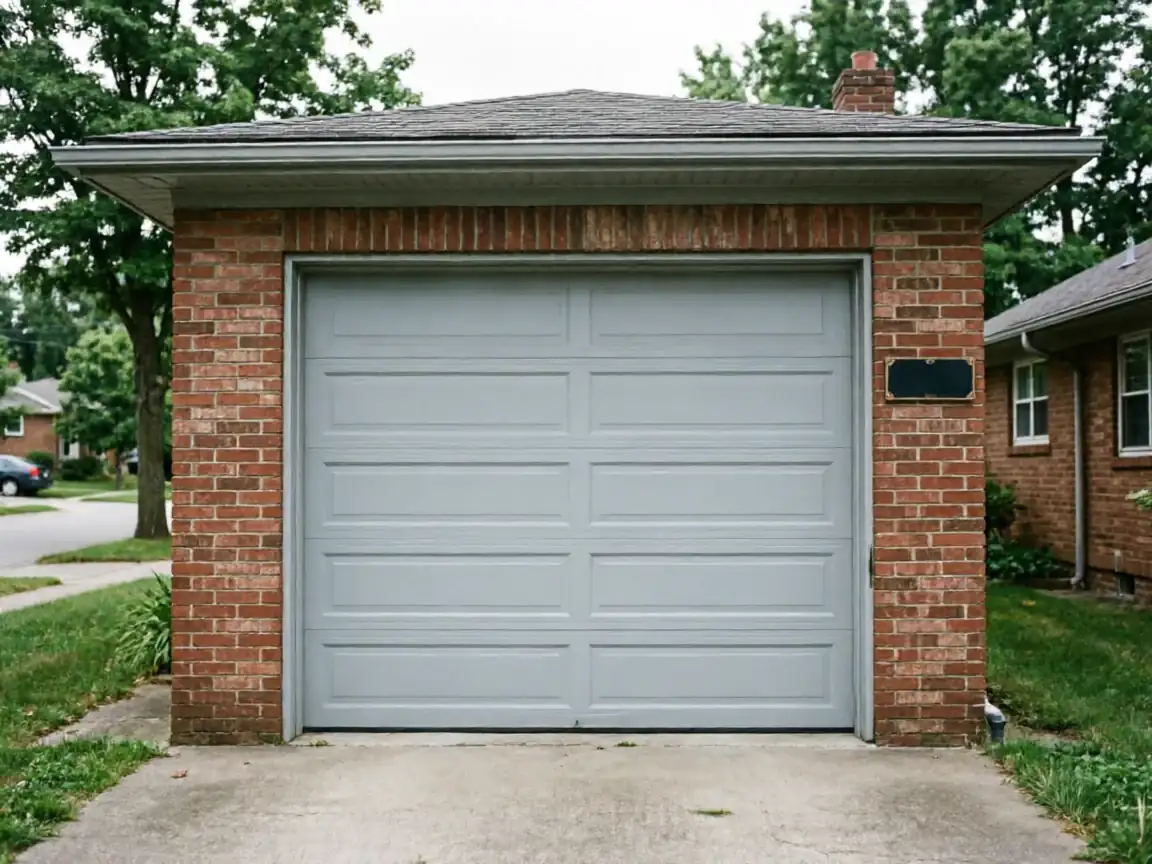
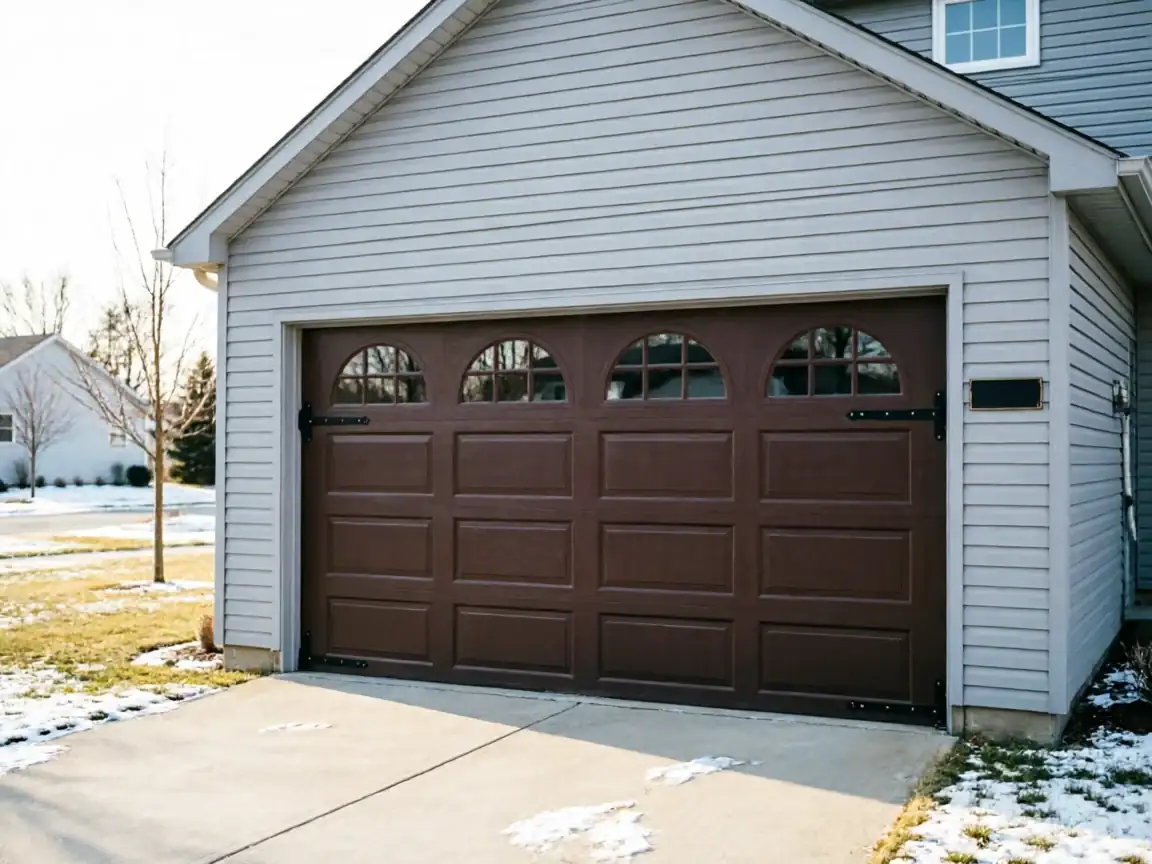
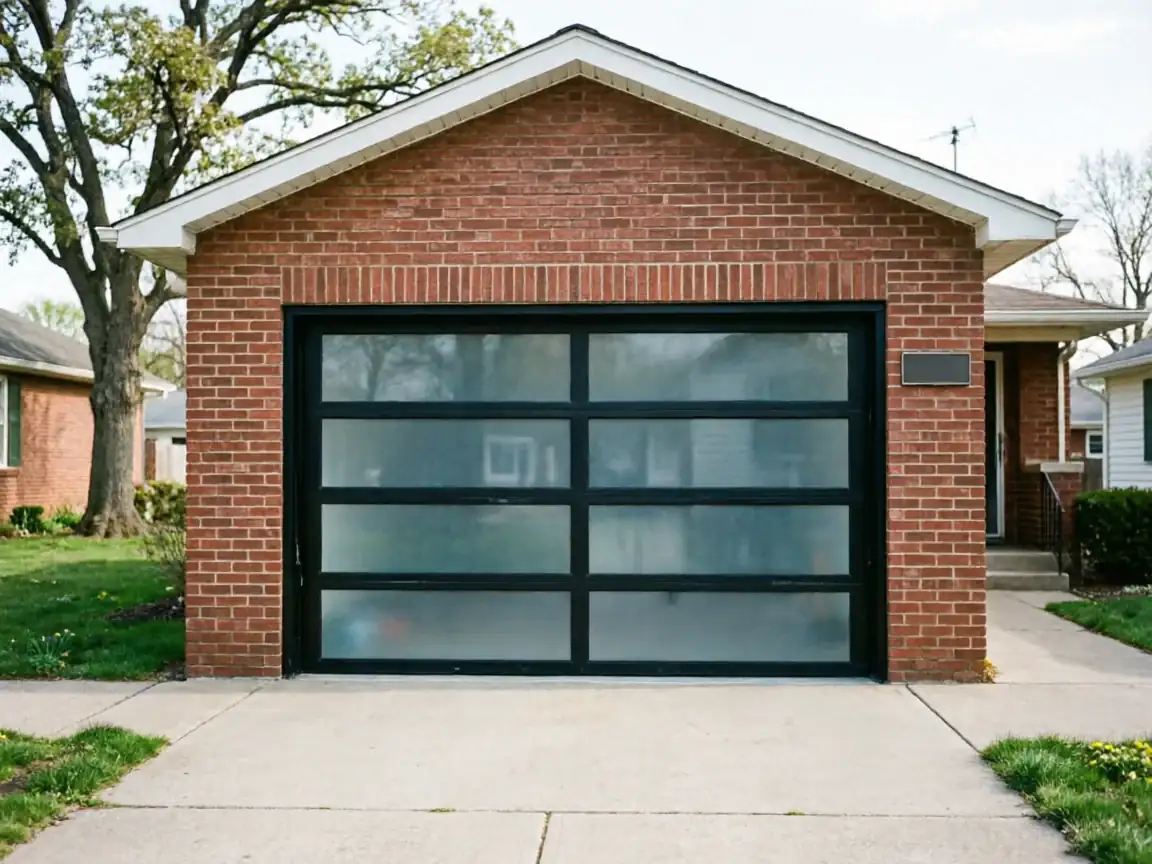
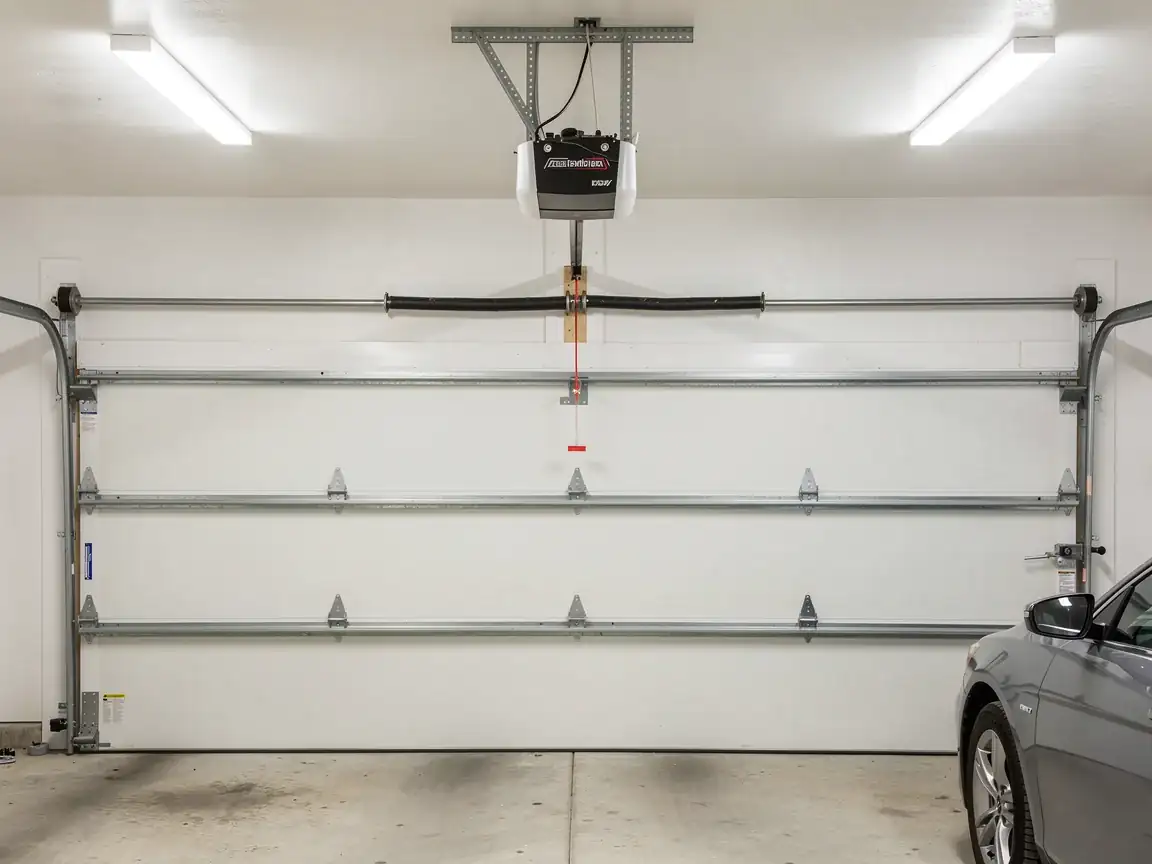
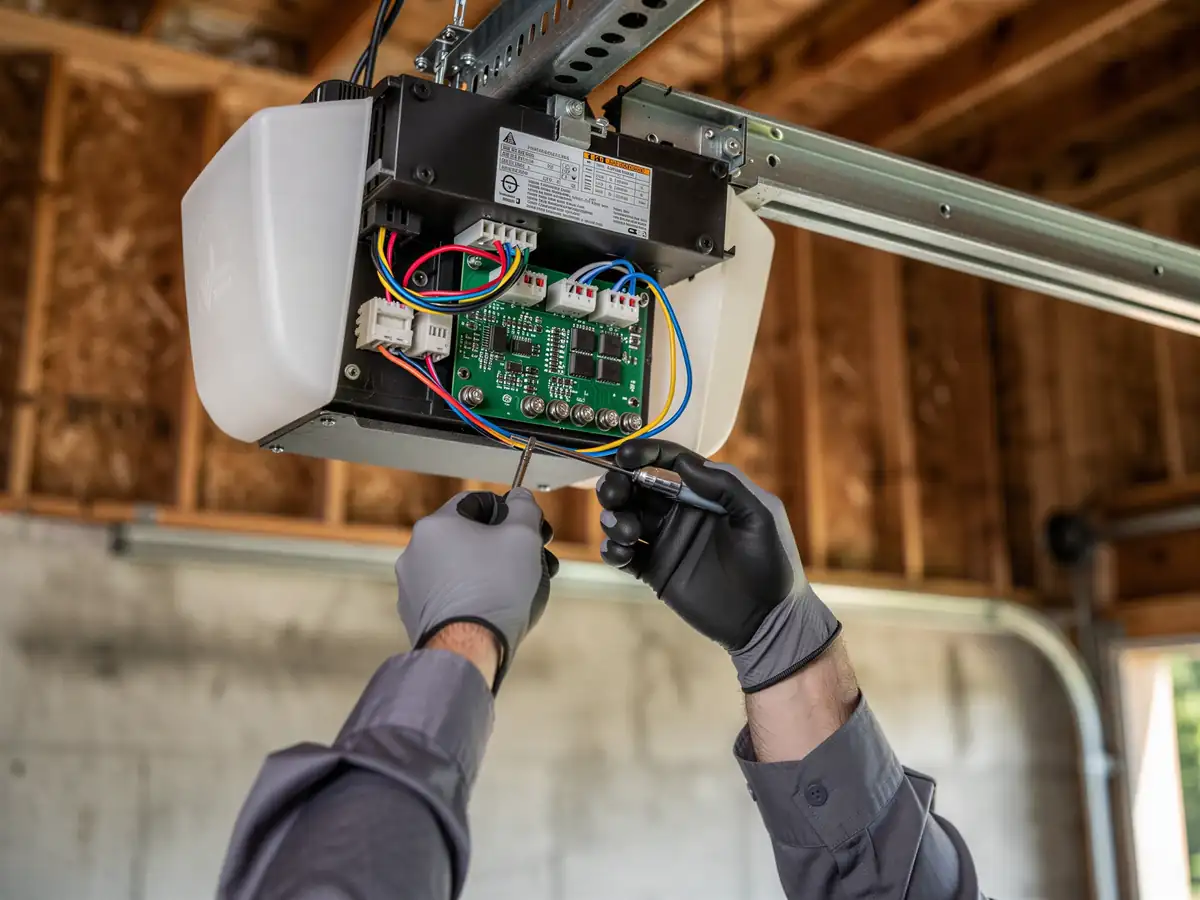
Town and Country has about 4,056 households, and that's a small, tight base compared to the rest of the service area - it means the opener calls we get here aren't high-volume or repetitive, they're specific to what's actually installed. What a repair runs depends on what's wrong and what's on the shaft: a dead logic board on a 1990s chain-drive unit is a different job than a stripped gear on a newer belt-drive opener, and a burned-out motor capacitor is cheaper than a full opener swap. We don't quote a flat number here because we haven't seen the unit yet, and guessing at a price before we're in the garage does nobody any favors. What we can tell you is that median household income in Town and Country runs $237,083, well above the service area's overall $87,806, and that usually tracks with higher-end opener installs - Genie or LiftMaster units with battery backup and smart-phone modules rather than the bare-bones chain drives we see on older housing stock elsewhere. Those units cost more to fix when the board goes, less when it's just a sensor or a sprocket. We'll give you the real number once we've looked at the opener, not before.
Doing It Yourself
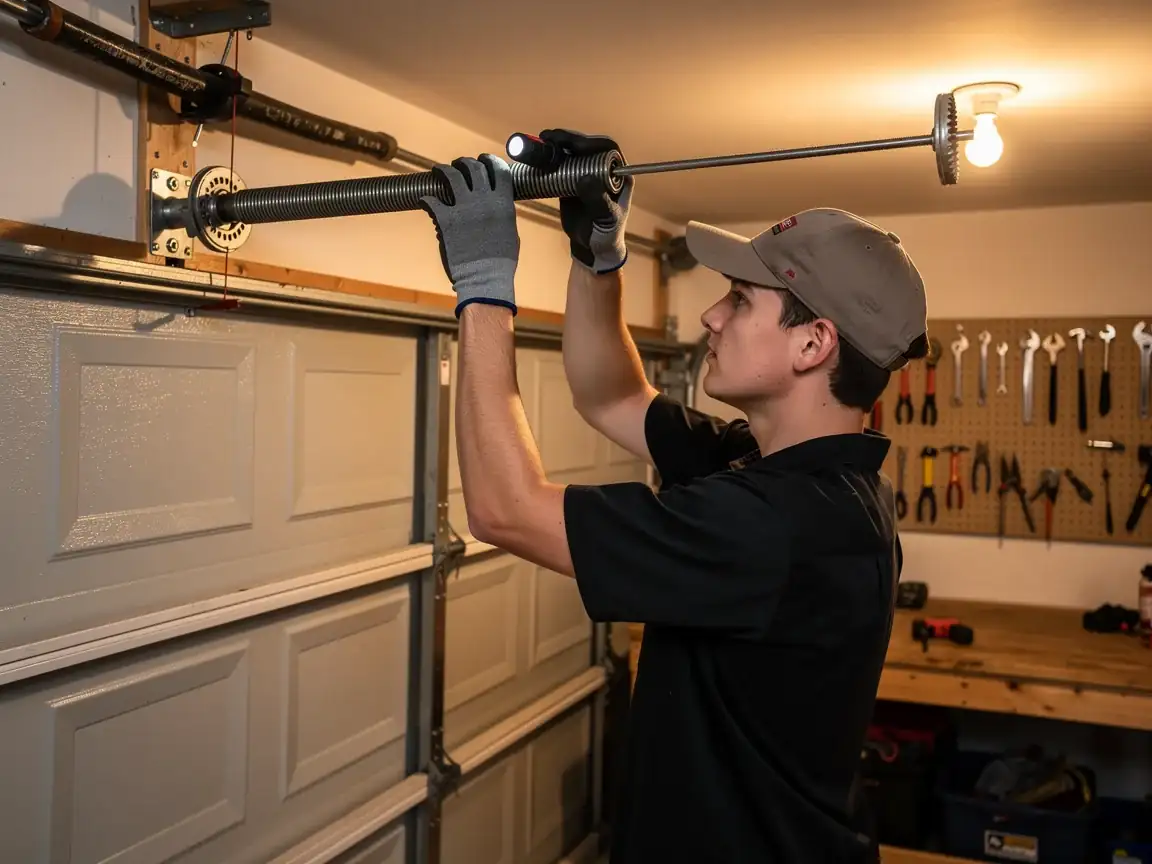
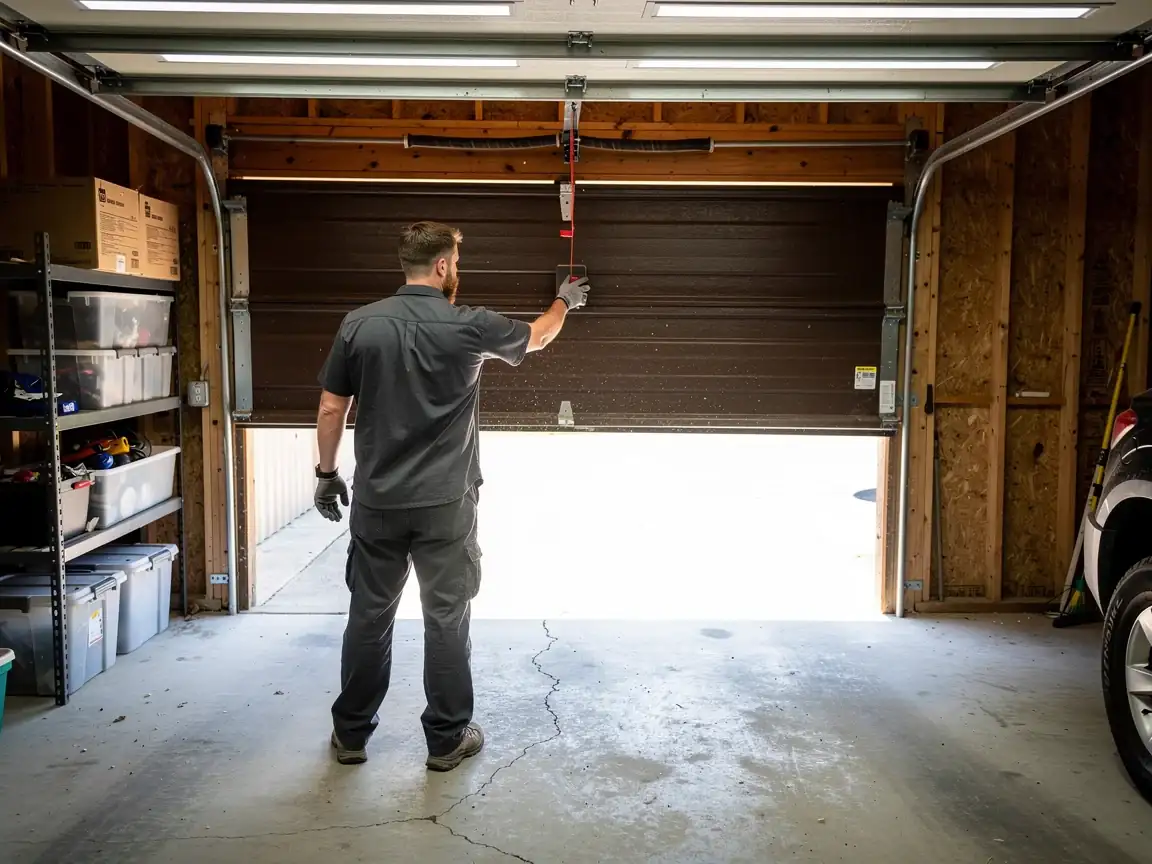
Some opener problems are fine to check yourself before calling anyone. If the door won't respond, first check the wall switch and the remote batteries, then look at the photo-eye sensors near the floor on each track - a knocked-out-of-alignment sensor is the single most common no-start call on openers from this era, and it's a two-minute fix once you spot it. If the opener light blinks and the motor hums but the door doesn't move, that's usually a stripped drive gear, and that's not a DIY job; the gear sits inside the housing and getting it wrong can put the whole unit out. Don't force a door that's stuck halfway with the opener still engaged - that's how cables and tracks get bent, and that turns an opener call into a door call. If you've got a 1980s or 1990s chain-drive unit and it's making a grinding noise under load, that's the gear again, not the chain. Checking the sensors and the breaker is reasonable. Opening the opener housing yourself generally isn't, and if the unit is original to a house built in the 1980s, replacement is often the better call than chasing a repair on a board nobody stocks anymore.
What Causes It Around Here
The climate here sits in the cold-moderate band, and that shows up in opener failures as cold-weather starts: a motor that labors and a capacitor that finally gives out on the first hard-freeze morning of the year. That's a general pattern for the area, but what makes Town and Country's version of it specific is the housing stock. At a median build year of 1984, most of the openers we service out here are a generation newer than the chain-drive units installed under the 1960s rooflines common across the rest of the service area - F2's 1960s-70s stock. Newer logic boards fail differently than old relay-and-transformer units: capacitors age out, boards corrode at the solder joints, and smart modules lose their pairing to the remote. We also see more belt-drive units here than in the older parts of the area, and belt-drive failures tend to be about tension and idler pulleys rather than the chain-stretch problems that show up on older installs. None of this is dramatic weather damage - it's ordinary wear showing up on hardware that's roughly forty years old rather than sixty.