What It Costs
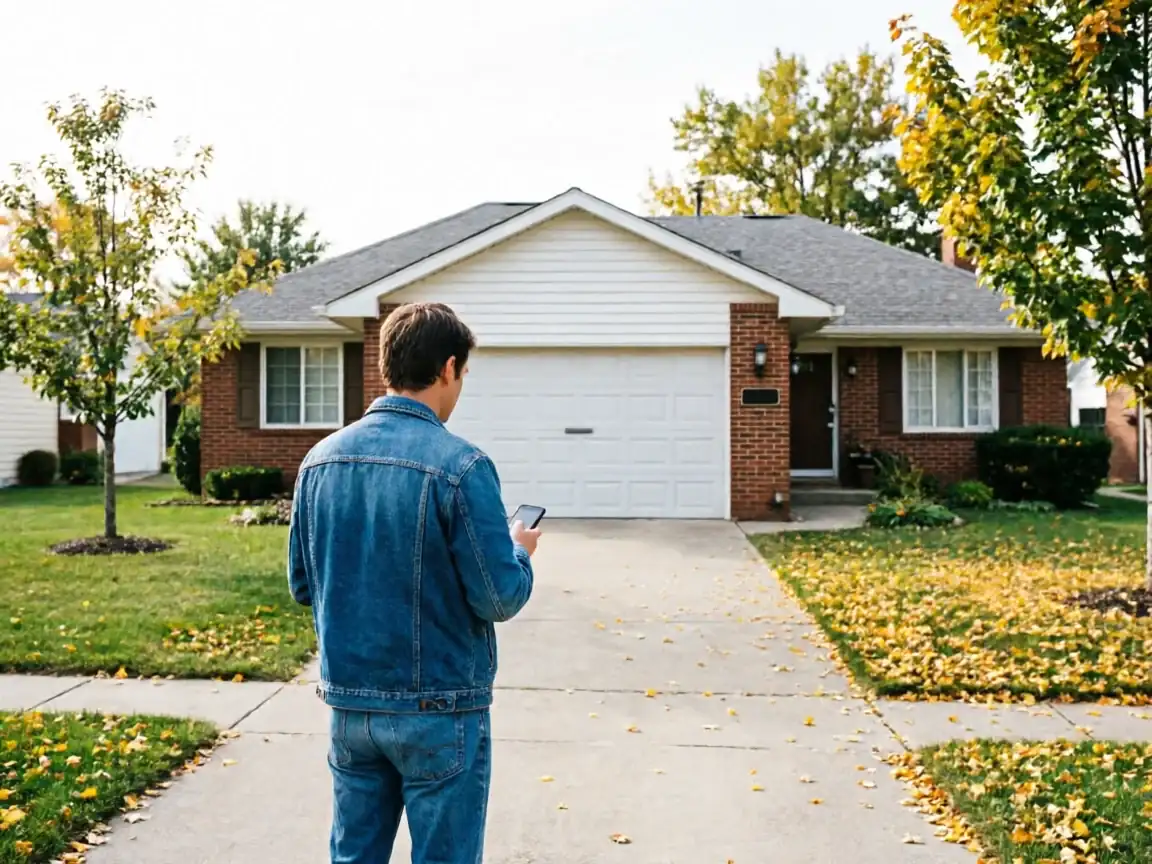
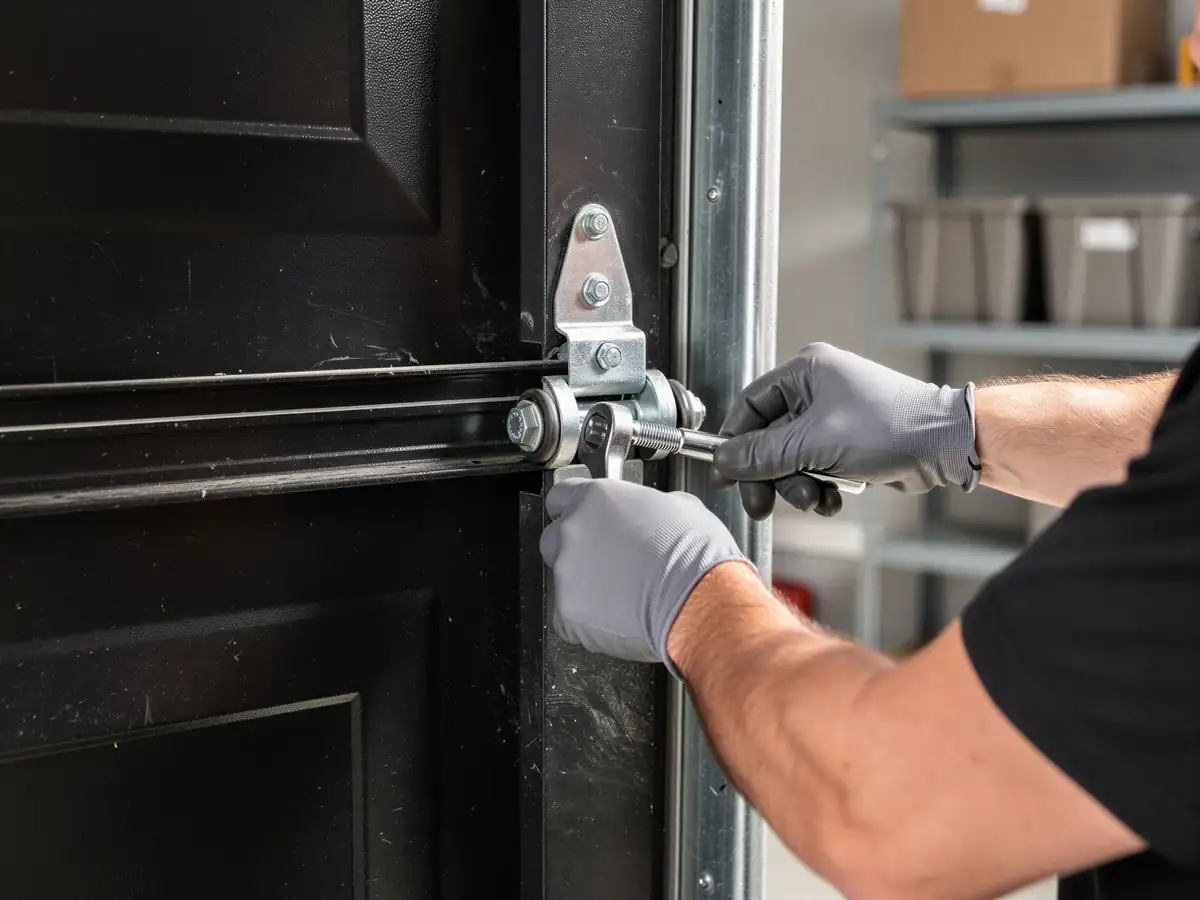
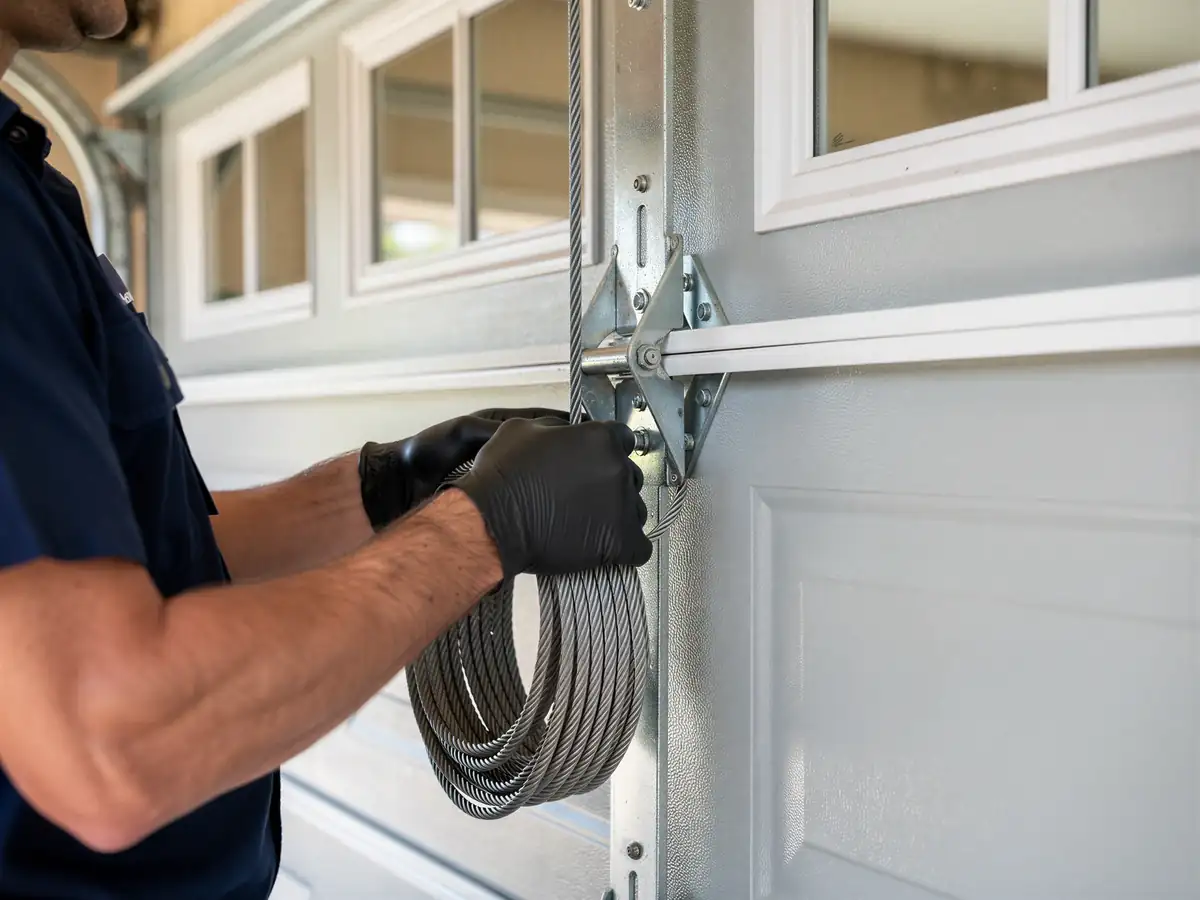
Start with the number that actually shapes this decision: median household income in Town and Country runs $237,083, well over double the $87,806 median across the rest of the Ballwin service area. That gap matters because it changes where the repair-or-replace line sits. In lower-income parts of the area, a cracked torsion spring on an aging door often means replacing the whole operator and hardware at once, since nobody wants to pay twice. Here, the math tends to favor a clean spring swap on its own, because the doors themselves are younger and the openers underneath them are usually still worth keeping. We don't carry a single flat rate - spring cost depends on door weight, spring count, and whether the drum and cable show wear too - but we won't push a full door replacement on a Town and Country job just because the spring broke. If the drums are scored or the cable's frayed, we'll say so and show you why, not just swap the spring and hope.
One honest limit: if your door is one of the older holdovers near the edge of town built closer to the area's 1969 median, that math can flip, and we'll tell you on site rather than over the phone.
Doing It Yourself
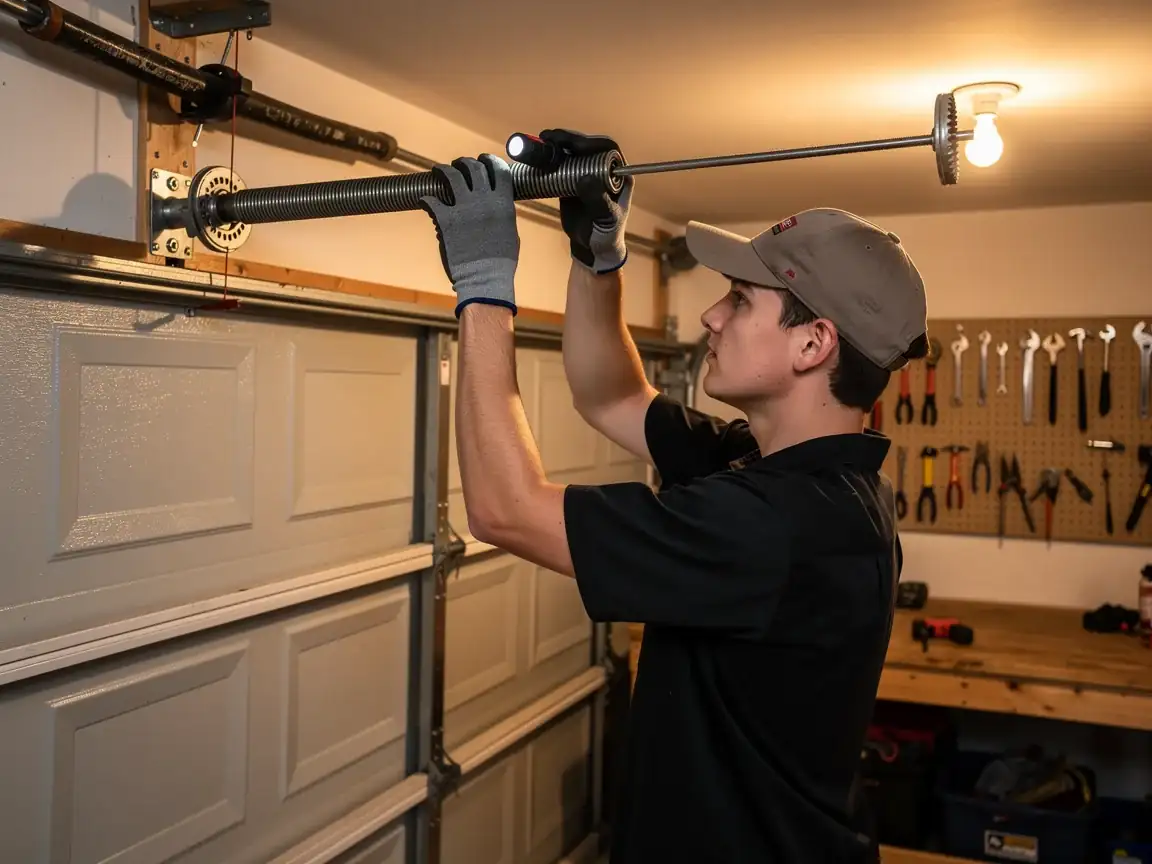
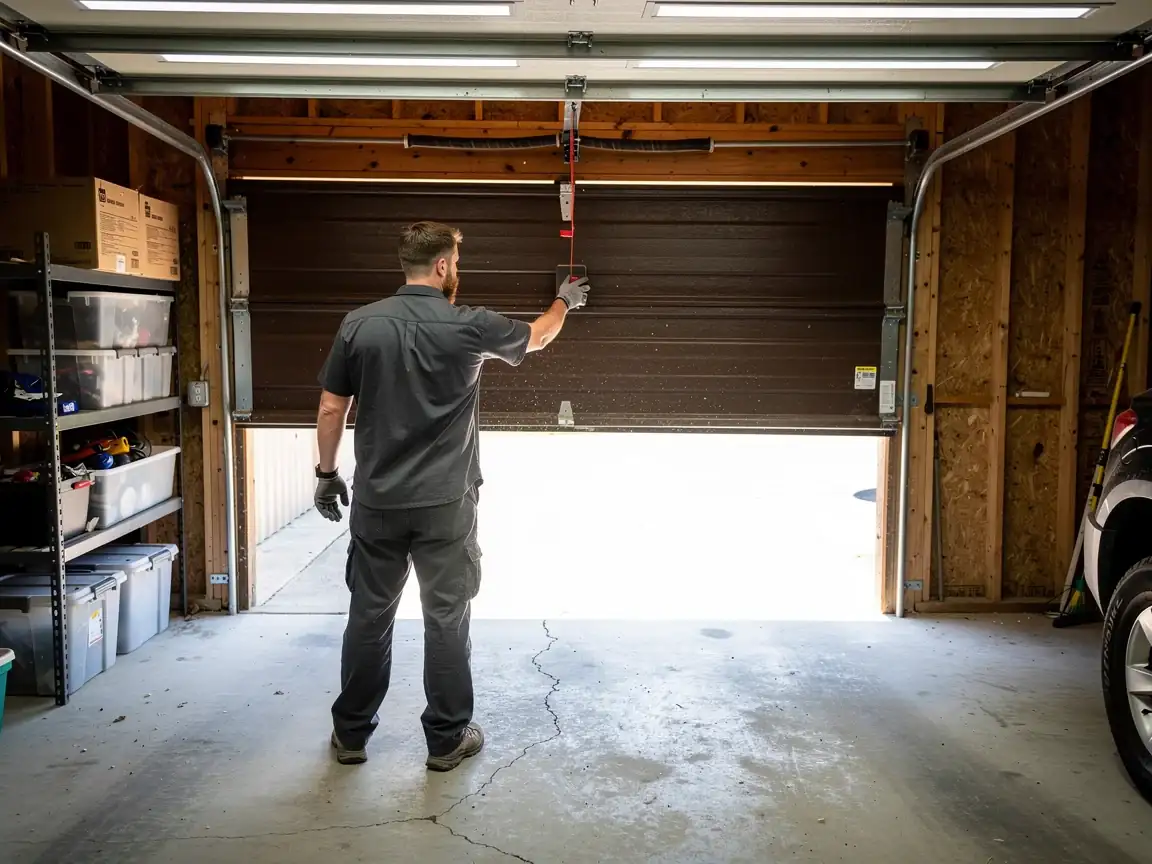
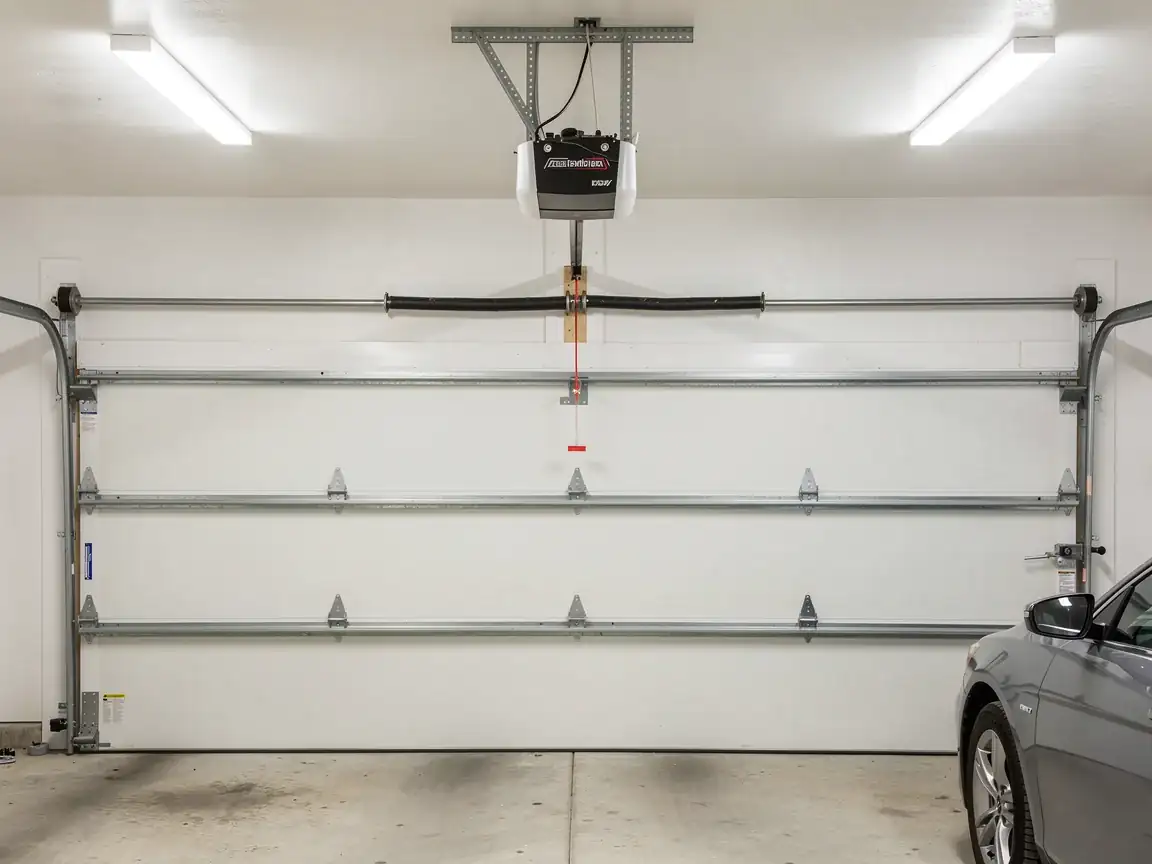
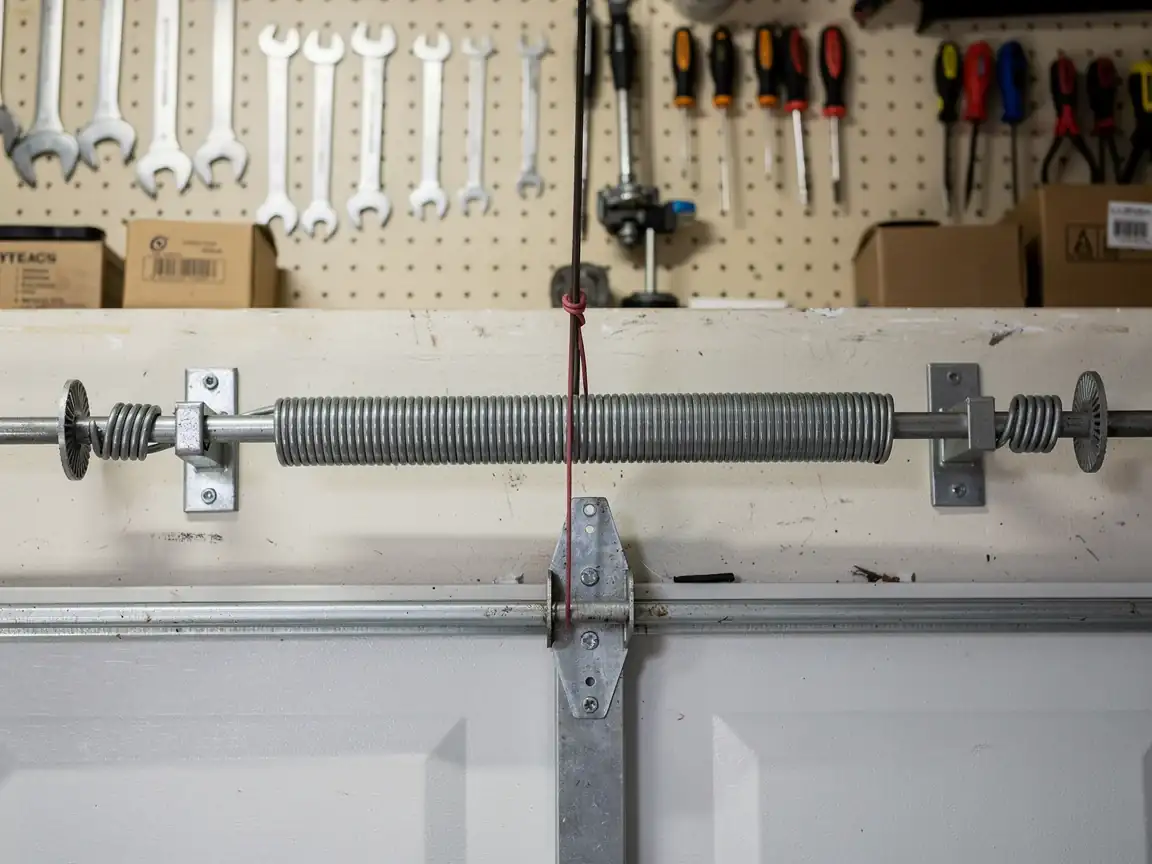
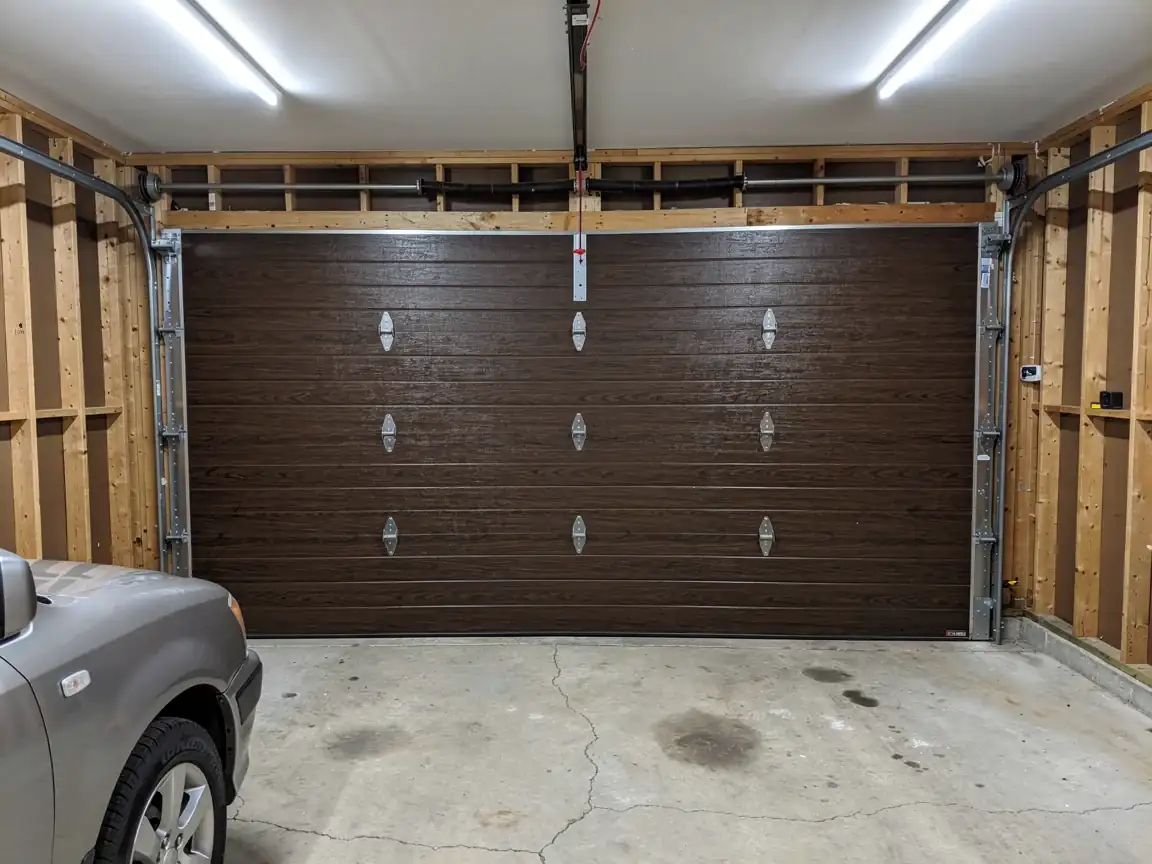
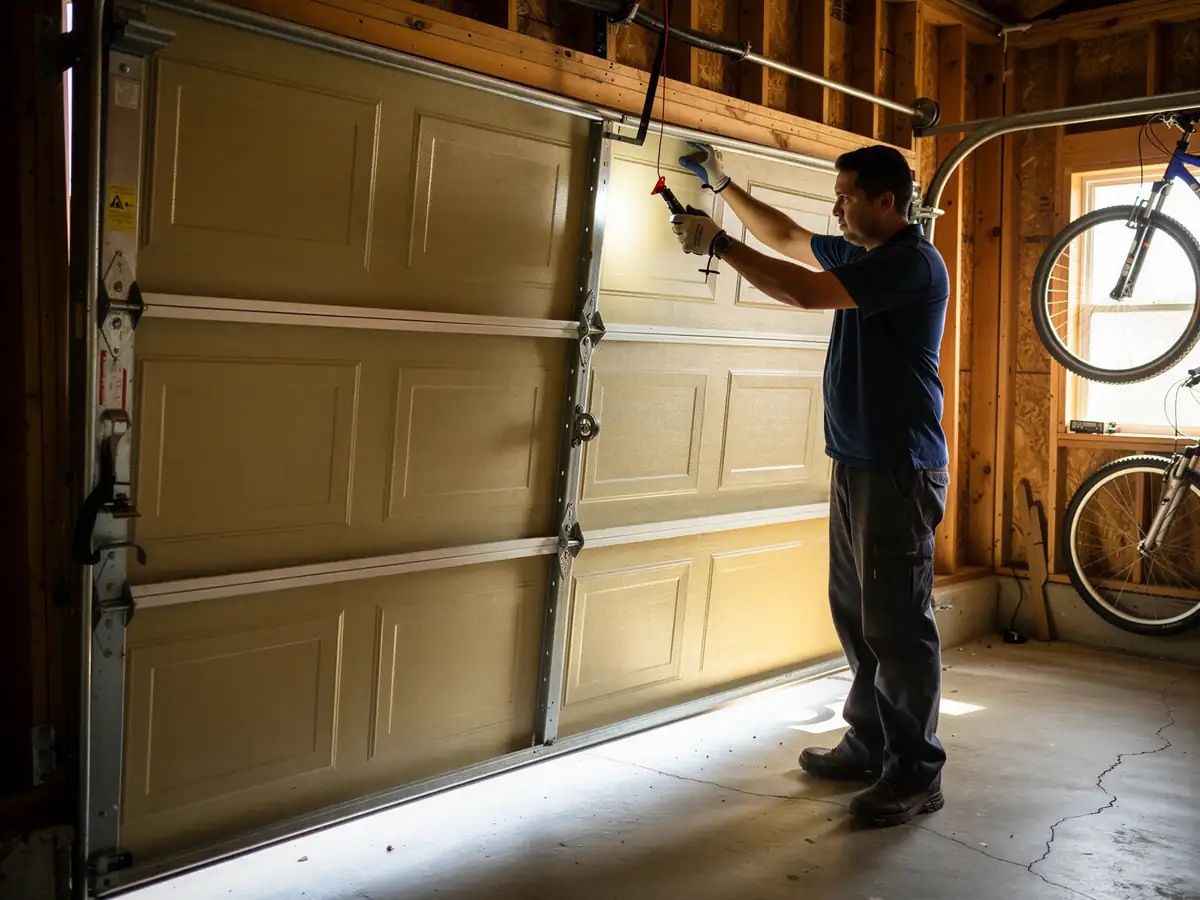
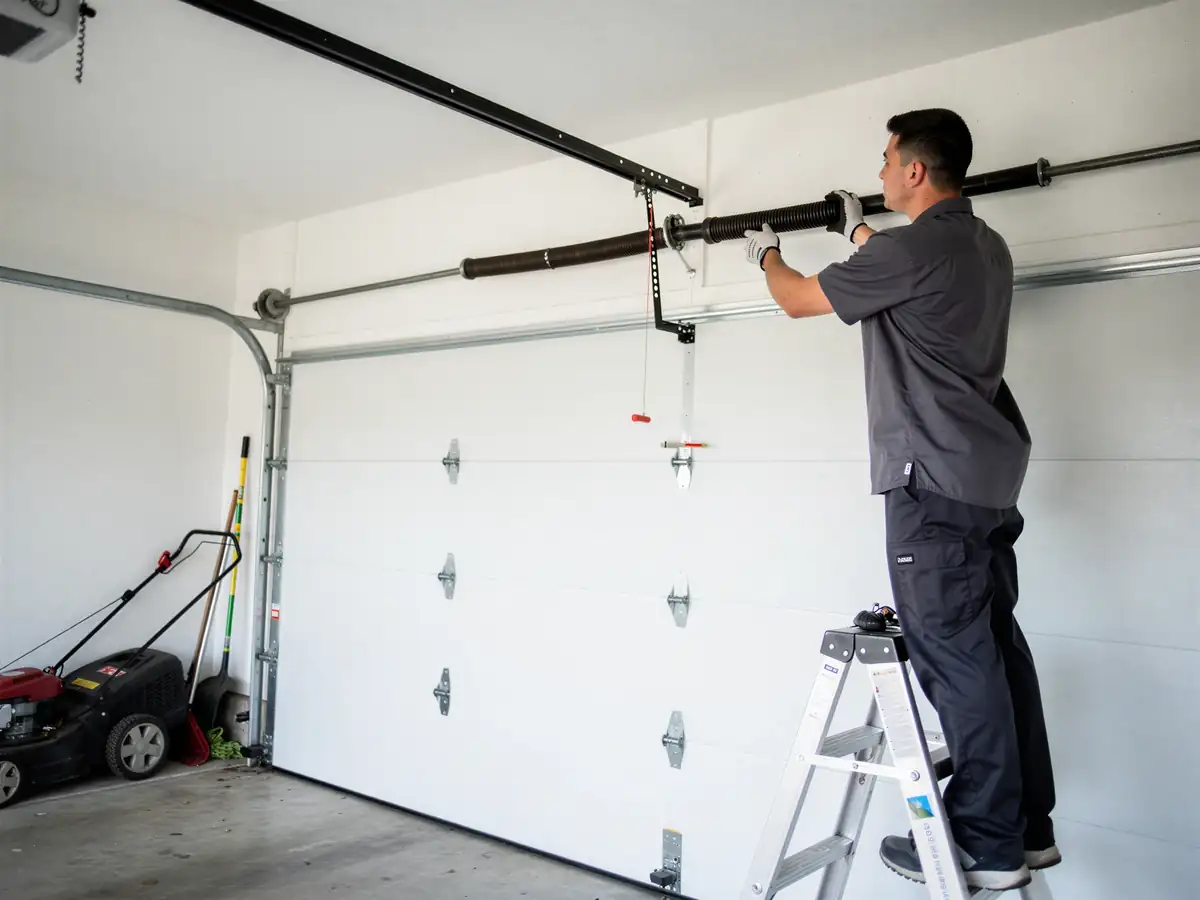
A torsion spring holds enough stored tension to break a hand or worse, and that doesn't change based on when the house was built. If you're hearing a loud bang from the garage and the door won't lift, or lifts a few inches and stops, that's almost always a broken torsion spring, and it's not a job to wind or unwind yourself without the right bars and a clamped door. What you can safely check: whether the door is a torsion-spring setup (spring sits horizontal above the door on a shaft) or an older extension-spring setup (springs run along the horizontal tracks). That alone tells a repair call what to bring. You can also visually check the cables for fraying and the drums for cracks without touching anything under tension - if either looks rough, mention it when you call, since it changes the job. Past that, this is a torque job, not a weekend project, and we'd rather talk you out of it on the phone than patch you up after.
What Causes It Around Here
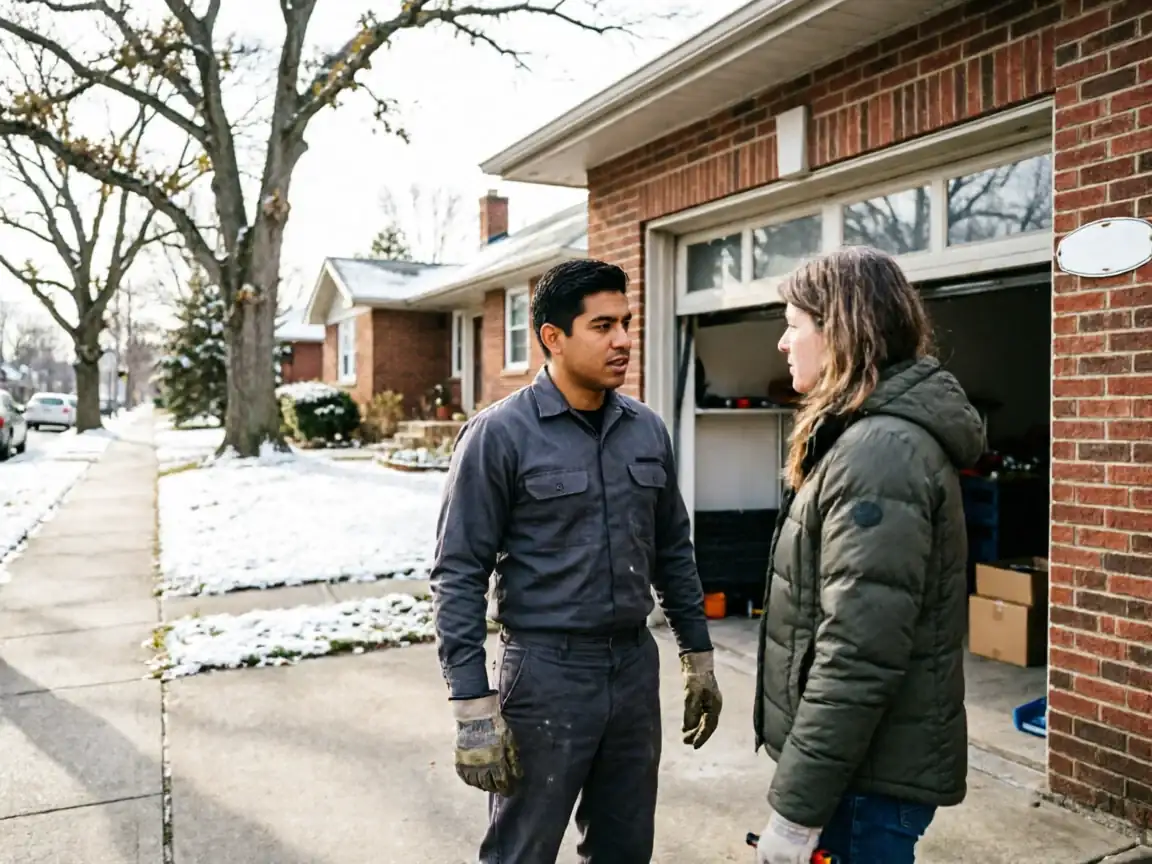
Town and Country sits in a cold-moderate climate band, and the freeze-thaw cycle that comes with it is the main driver of spring fatigue on doors built in the 1980s like most of this town's stock. Steel contracts in cold, the coil tightens incrementally with every swing in temperature, and a spring that was already near the end of its wind count snaps on a below-freezing morning more often than a mild one. Because the housing here runs newer than the area median, we're not usually dealing with the structural door-frame sag that shows up on 1960s houses - the springs here fail from cycle count and cold, not from a door that's racked out of square. That's a cleaner failure mode and usually a cleaner fix: spring and maybe cables, not a frame repair.