Time on the Job
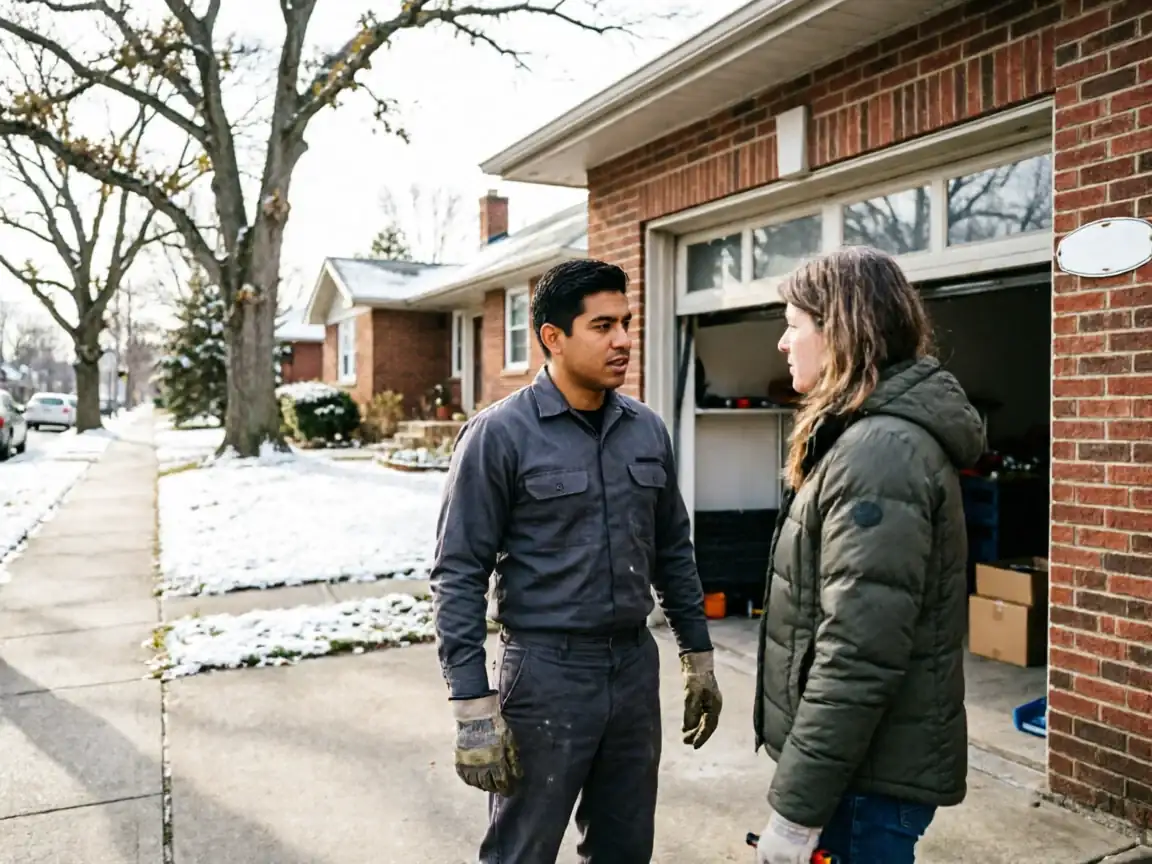
Manchester sits two miles from our Ballwin yard, which means the truck is usually pulling into a driveway here before the coffee from the dispatch call has gone cold. That short hop matters less for how fast we show up and more for how a repair actually goes once we're there - a two-mile drive means we can run back for a part we didn't expect to need instead of telling you it's a two-day wait.
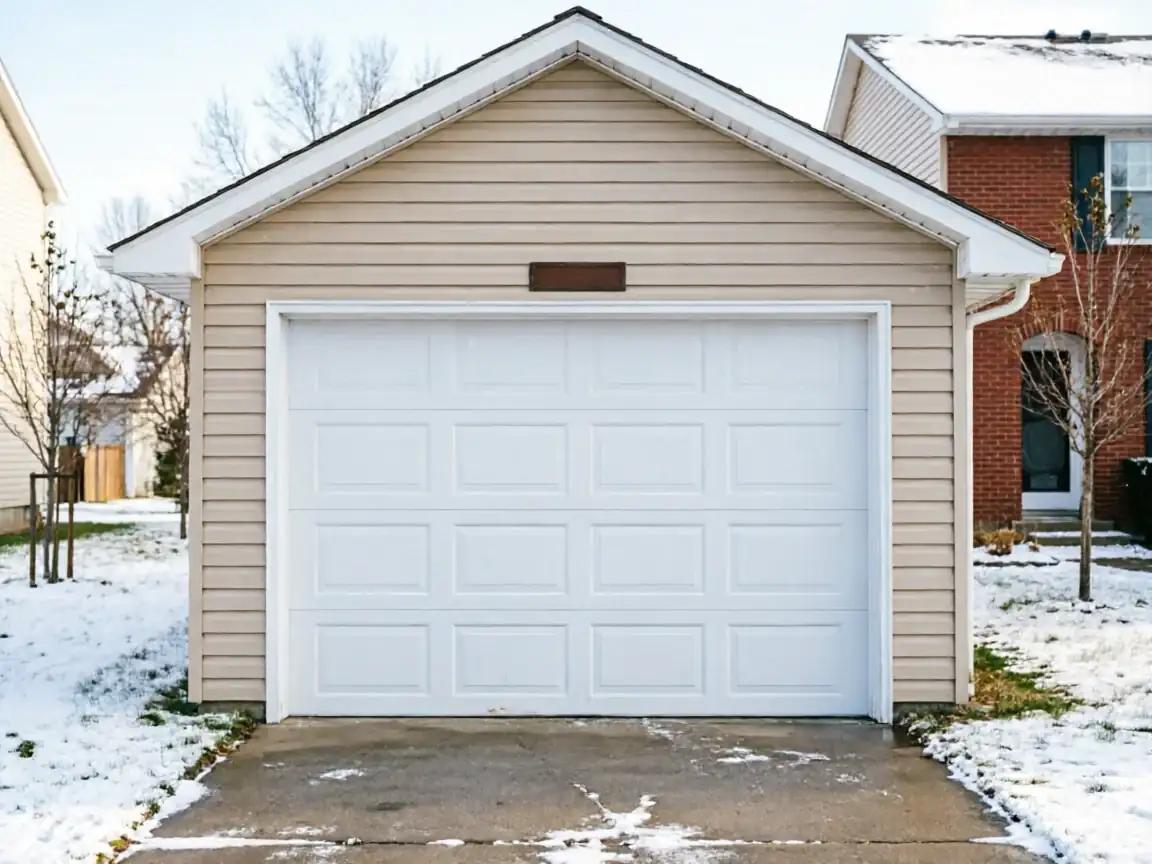
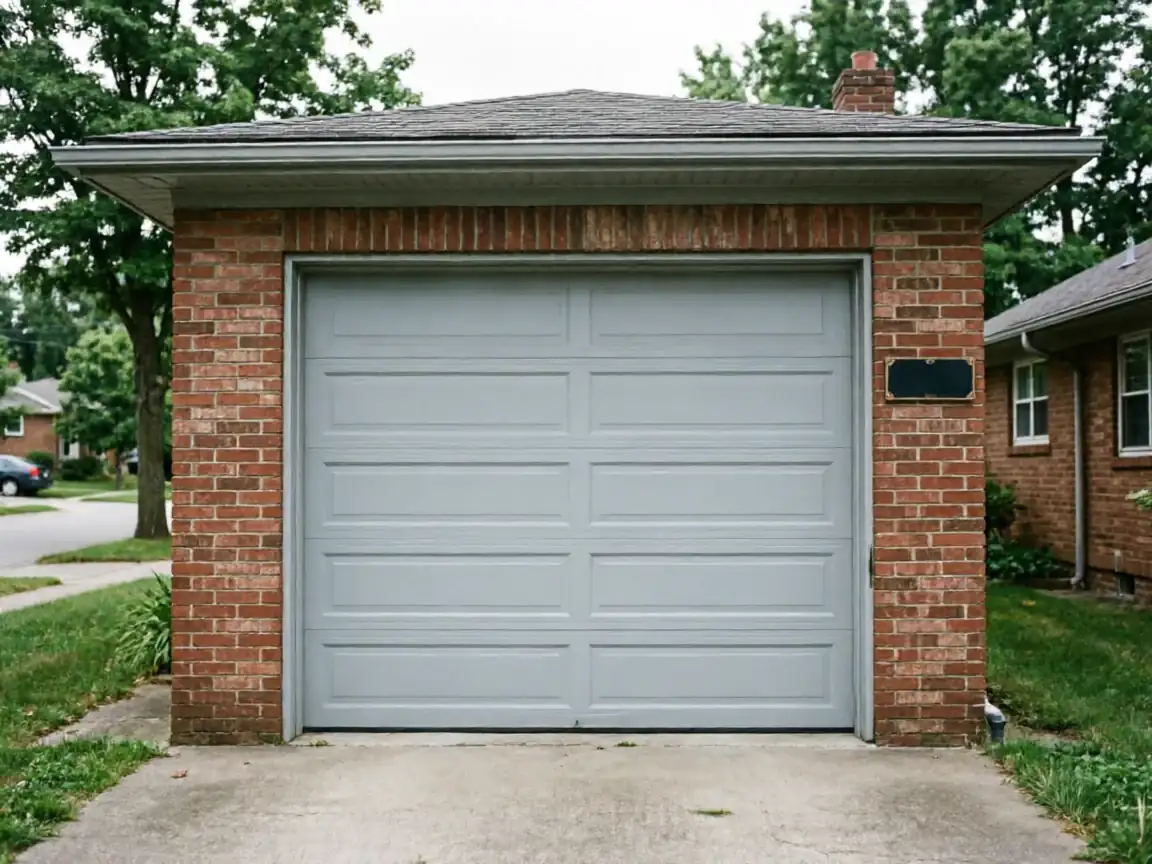
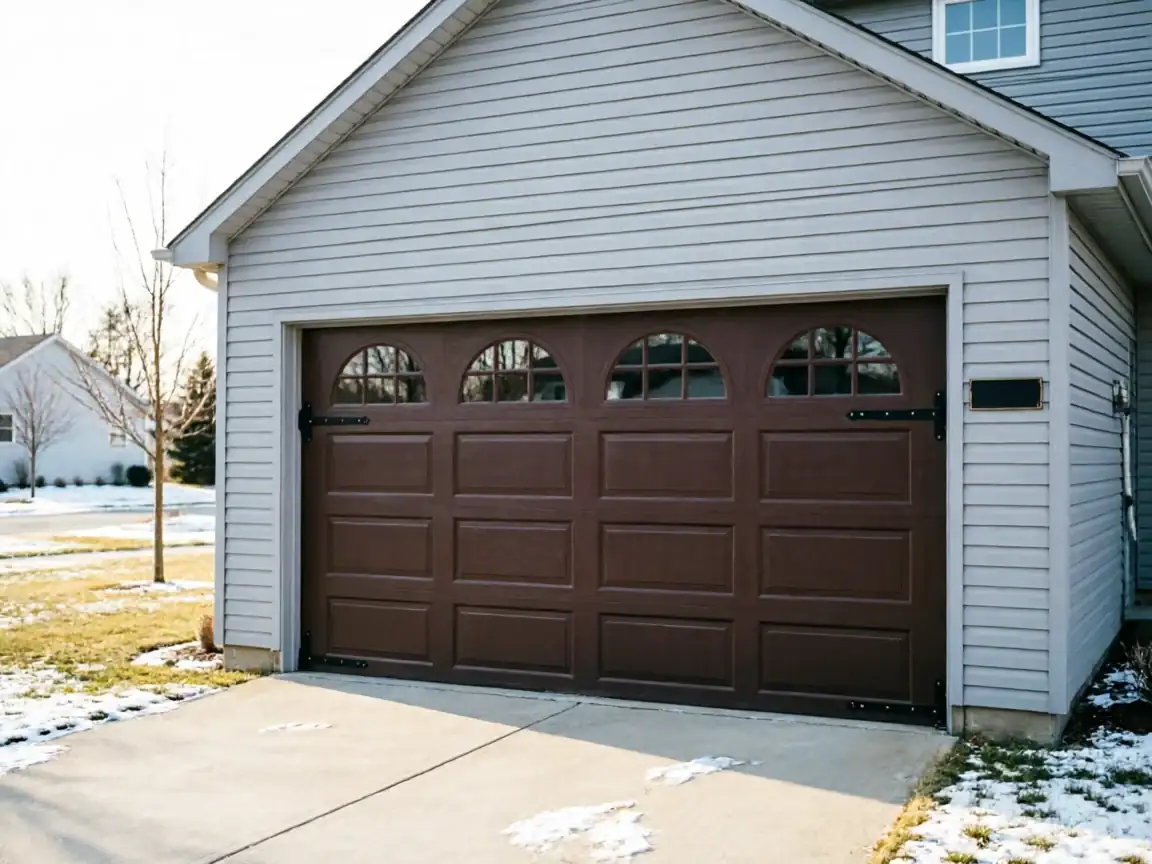
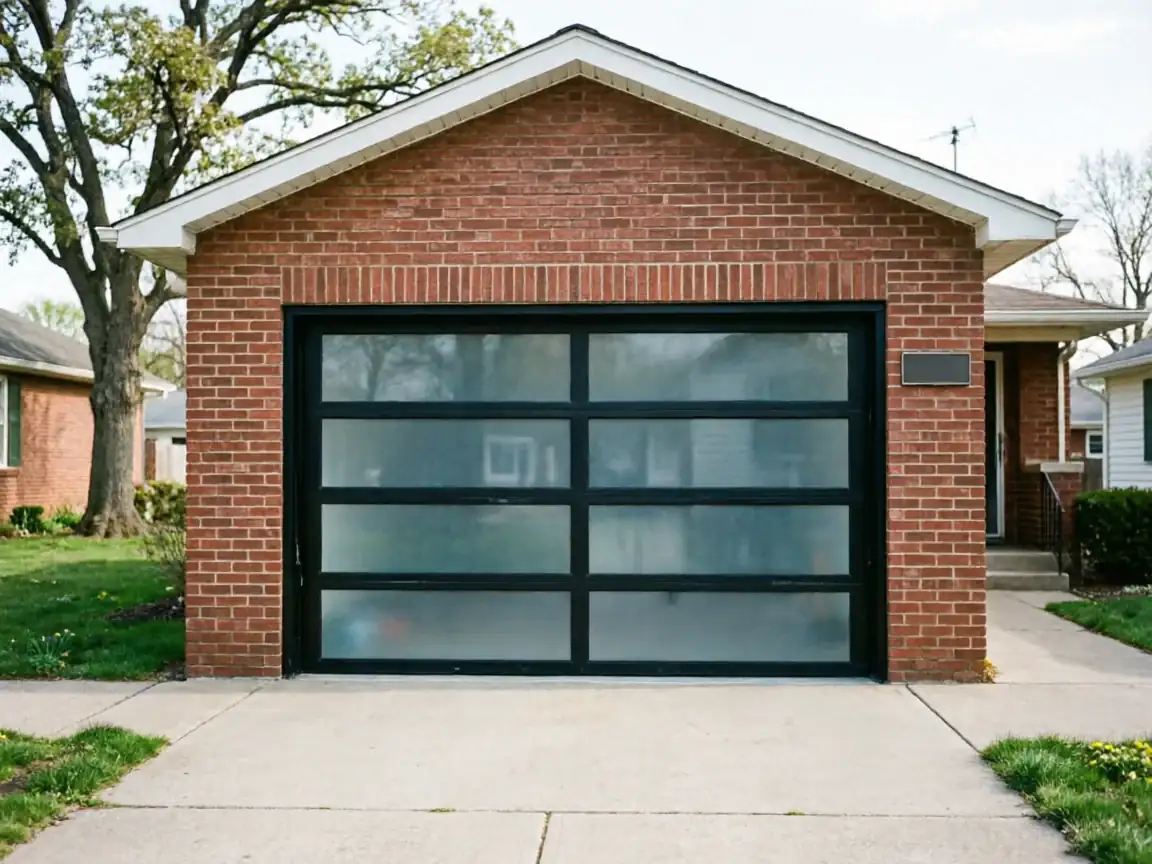
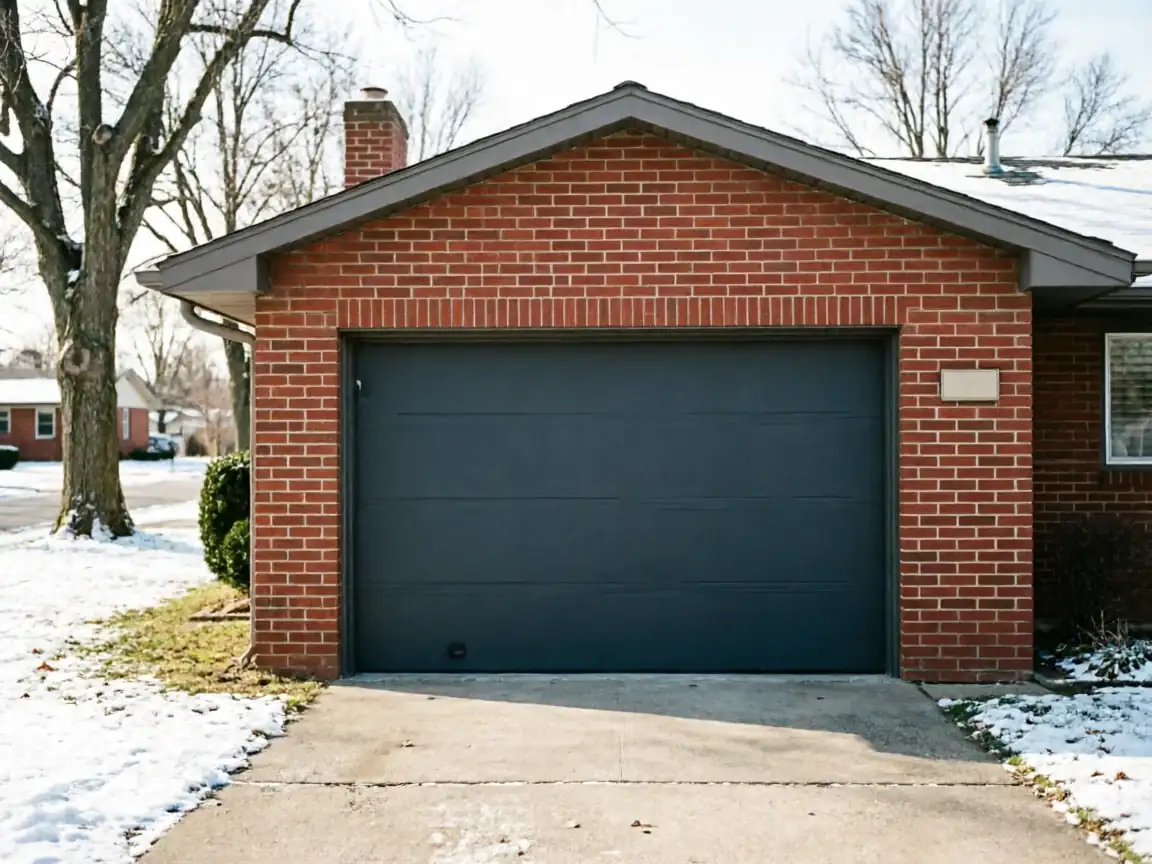
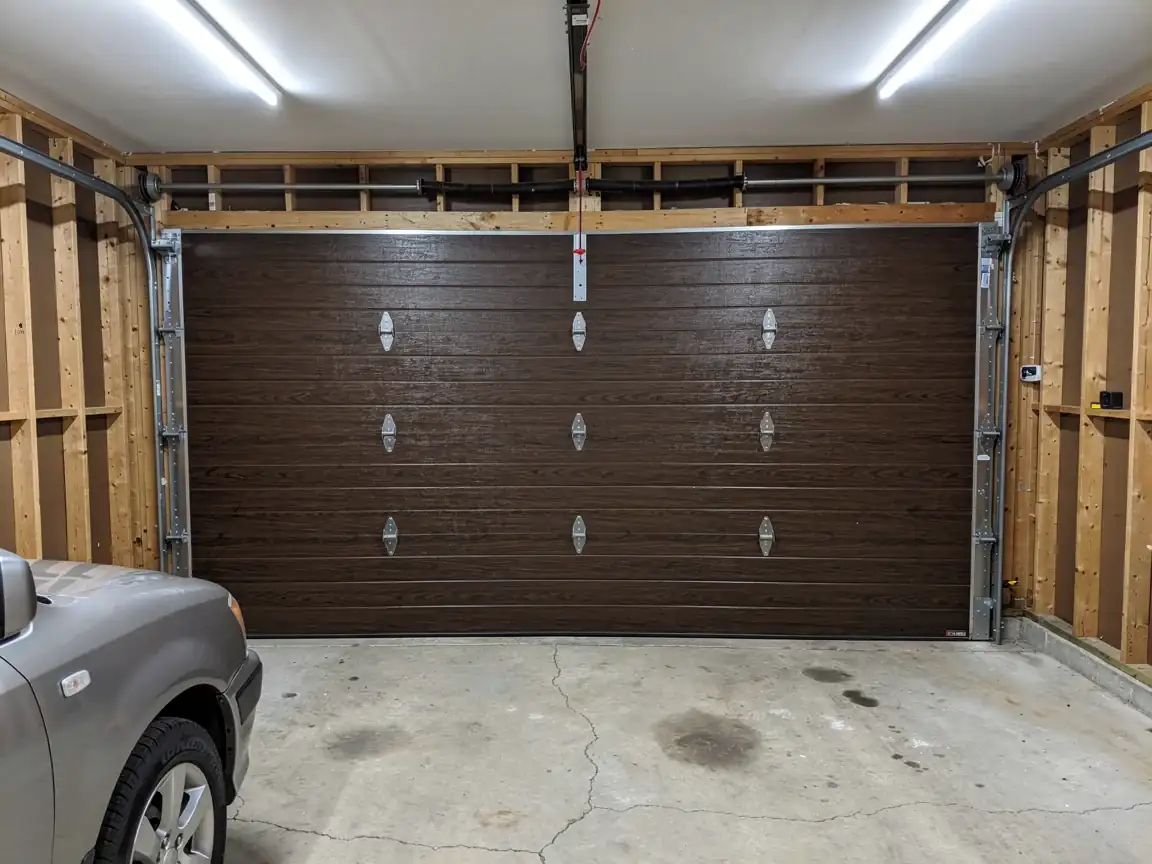
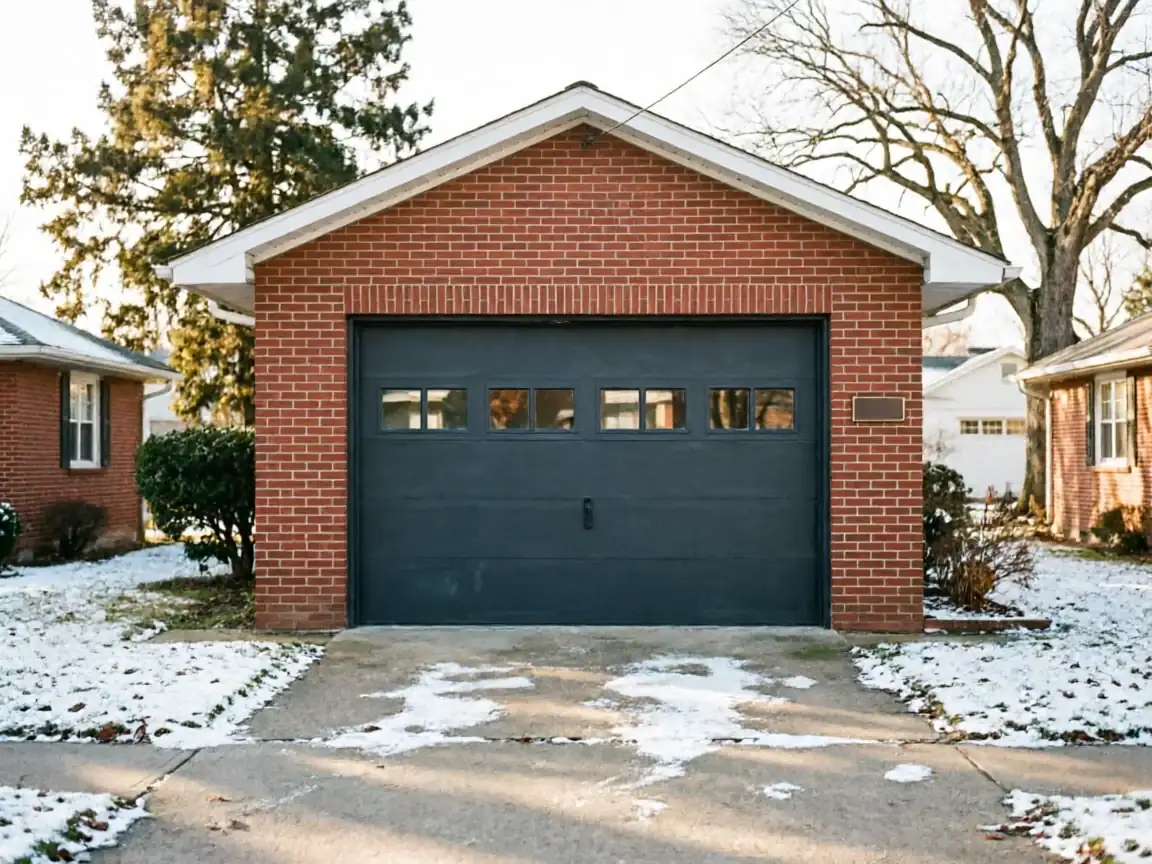
Most of what we work on in Manchester comes out of houses built around 1976, which puts this town a few years newer than the broader service area median of 1969. That gap is small on paper but real in the garage: a lot of these doors came with the galvanized steel sectional panels and chain-drive openers that were standard through the late '70s, not the older wood doors or the earliest torsion setups you find in the pockets of housing from the late '40s through the '60s. We see what that specific era throws at us often enough to know which bearing plates wear out first and which chain sprockets strip before anything else fails.
How to Book
Call and tell us what the door is doing
Won't open, won't close all the way, makes a grinding noise on the way up, whatever it is. We ask for the brand if you can read it off the opener unit, and roughly how old the door is, because a 1970s-era sectional and a newer insulated door take different parts and different time on the job.
We quote the repair before we start, not after
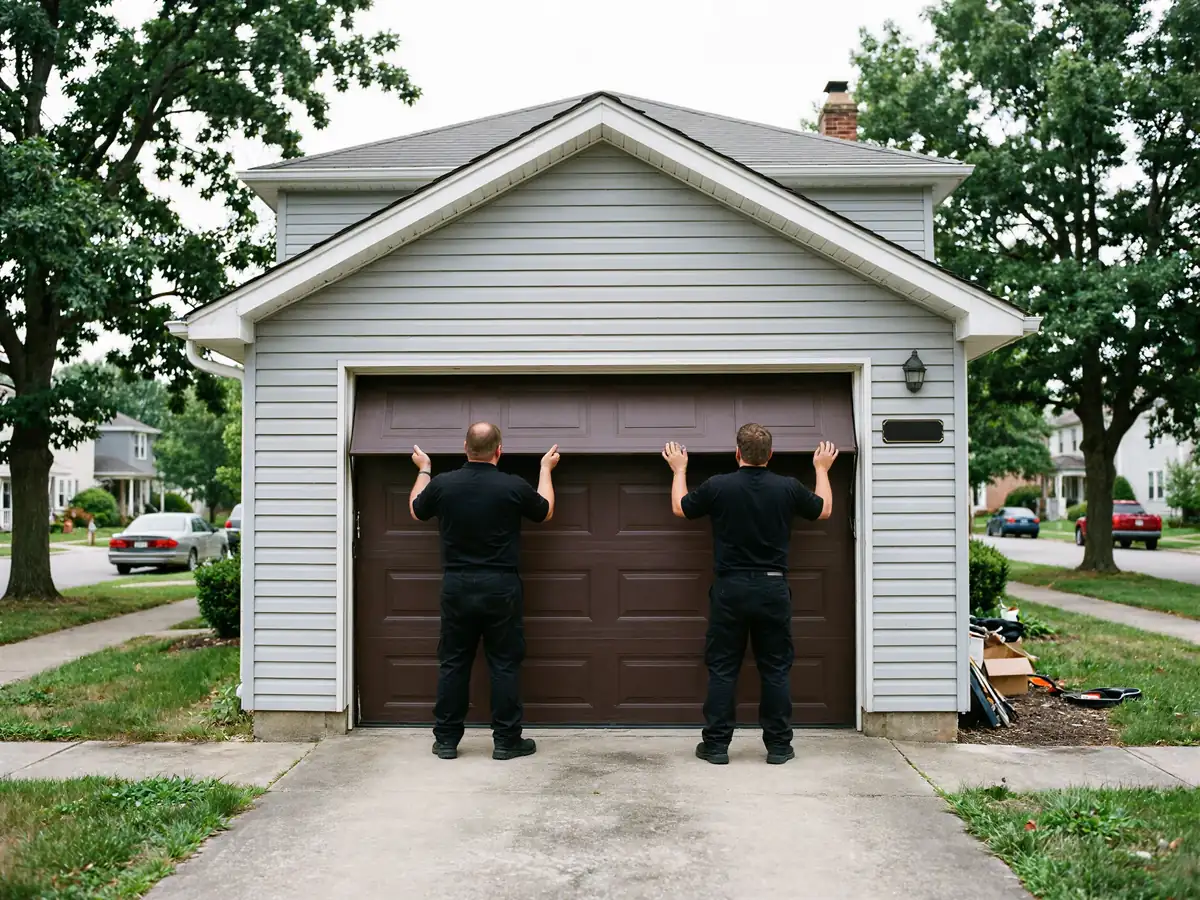
If a spring has gone on a double door, that's usually a same-visit fix. If a panel's been hit hard enough that the whole section needs replacing, we'll tell you that up front rather than patch it and have you call back in a month.
We book out of Ballwin, two miles away
So there's no separate branch number to track down and no regional call center reading from a script. You're talking to whoever's driving the truck that day.
Doing It Yourself
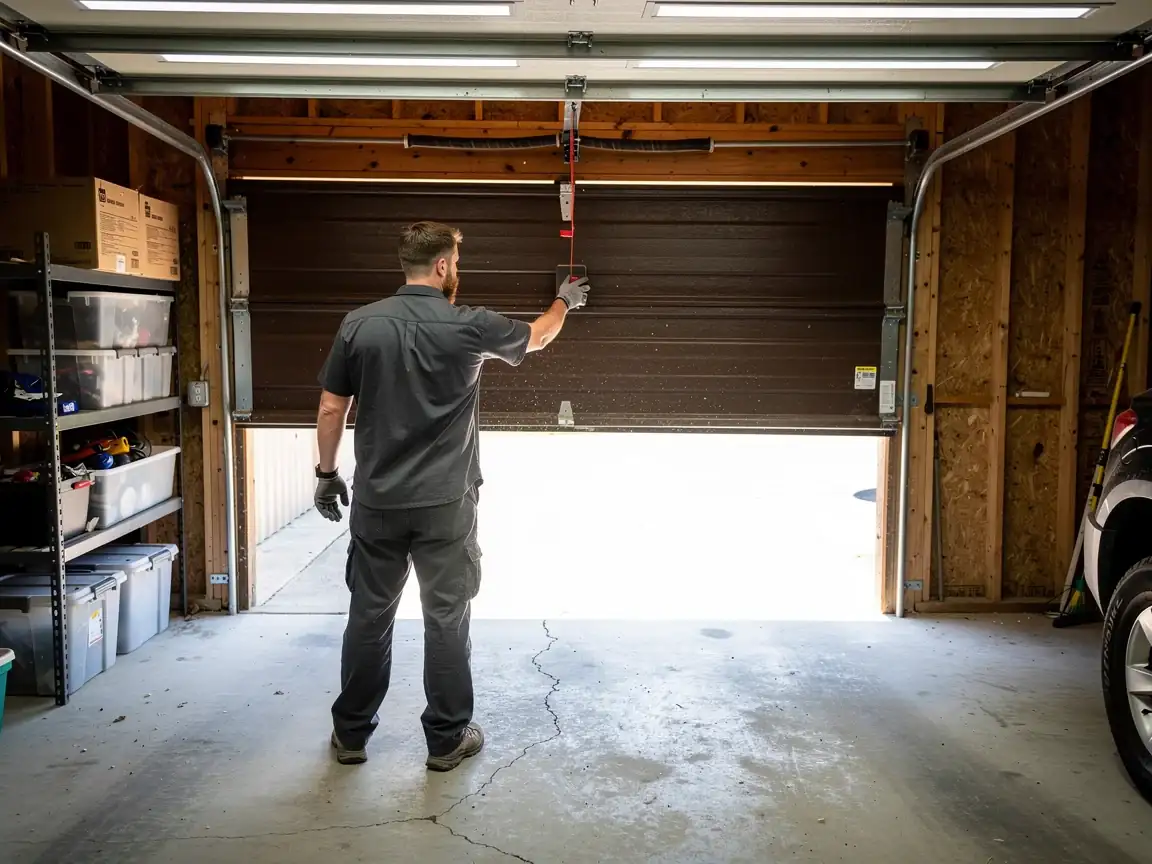
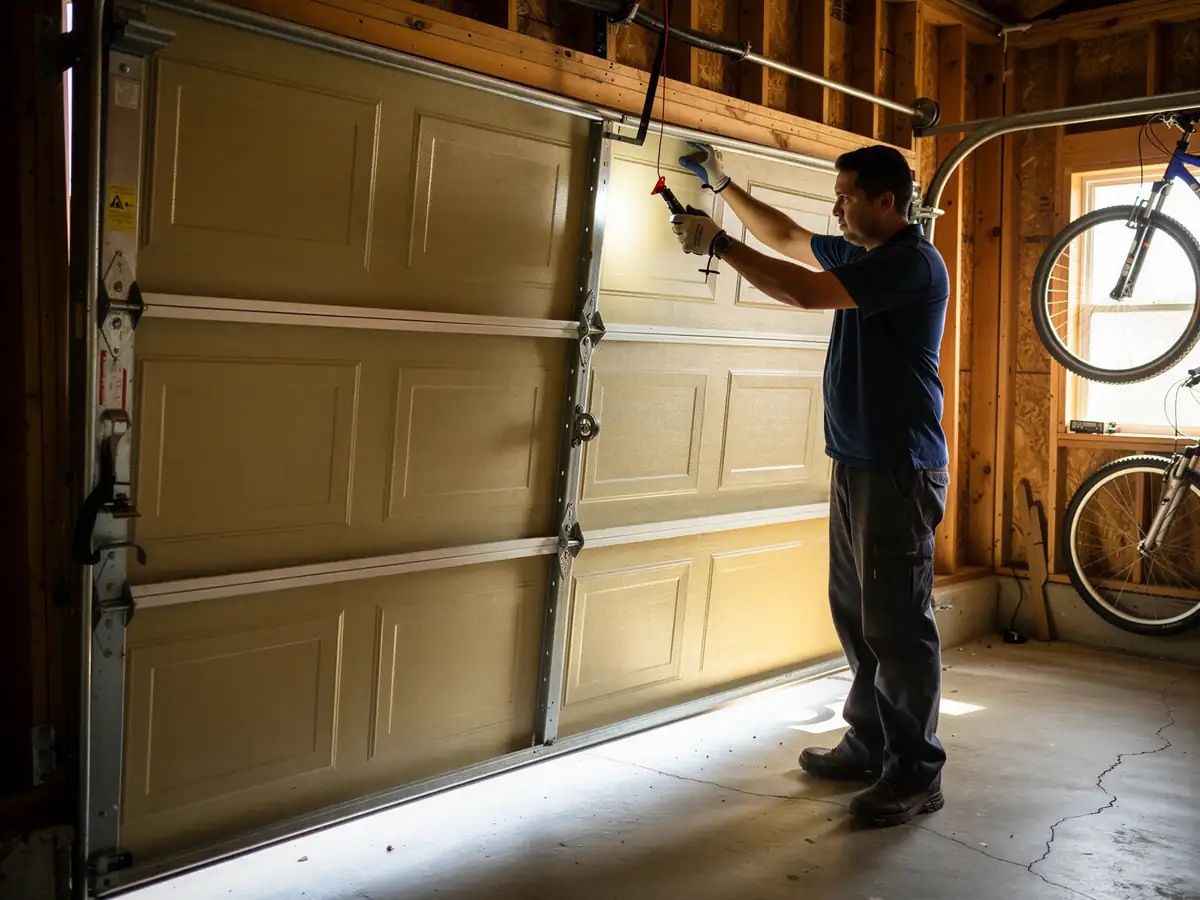
There's a short list of things worth trying before you call anyone. Check that the opener isn't simply unplugged - it happens more than people admit. Look at the photo-eye sensors near the bottom of the tracks; a spider web or a stray bike leaned against one will stop the door from closing every time. Clear the track of anything obvious and see if that's the whole problem.
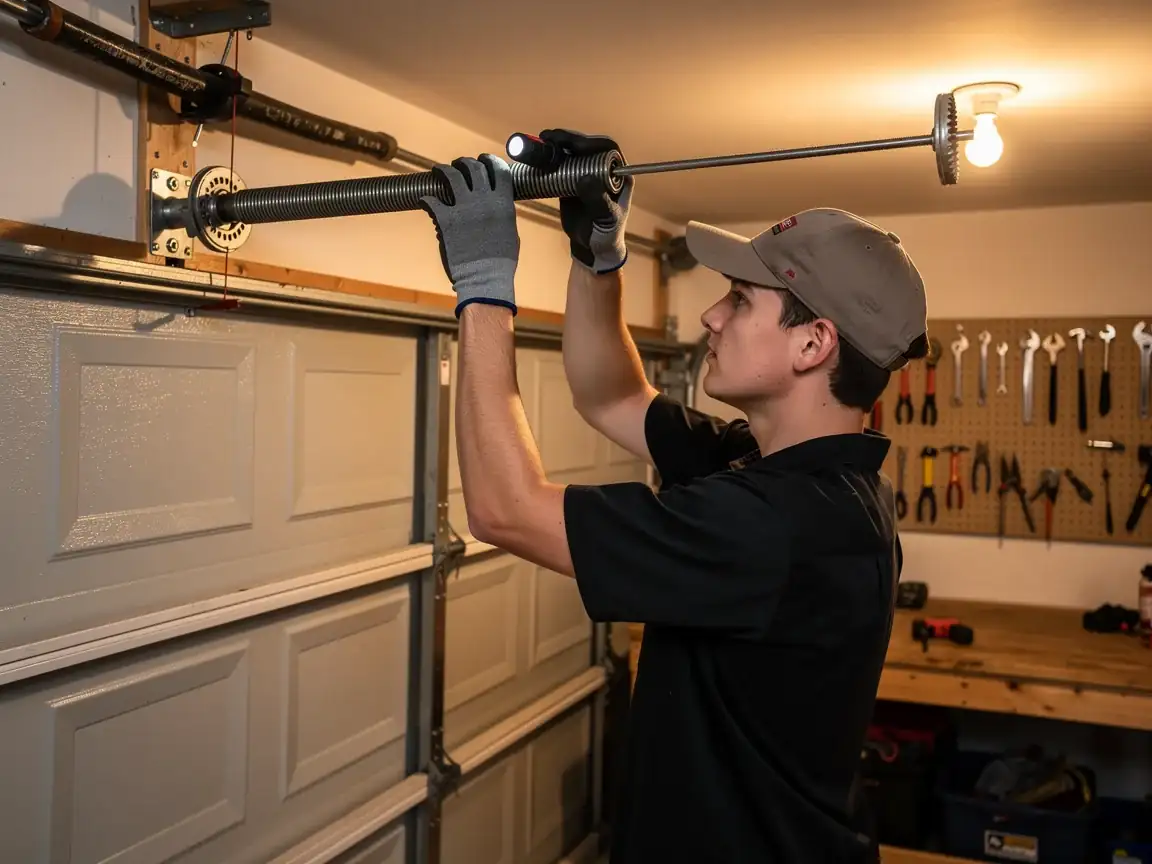
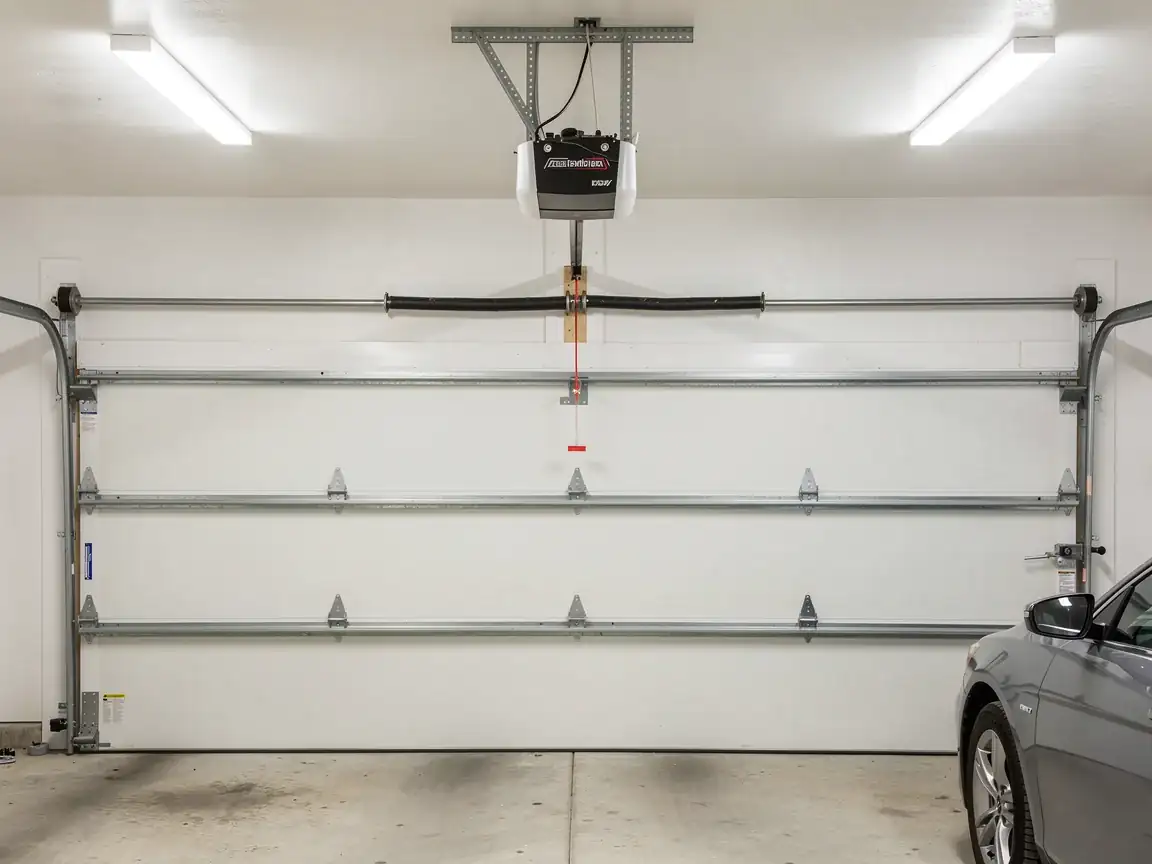
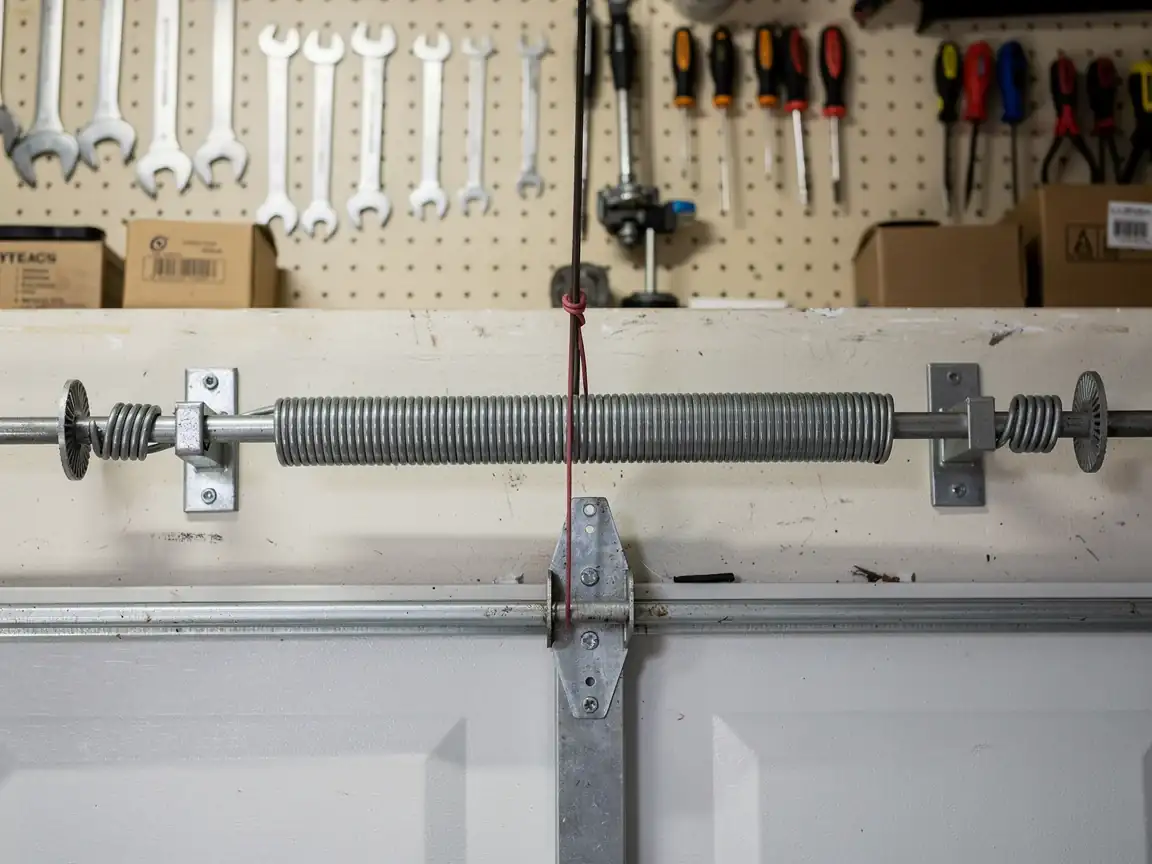
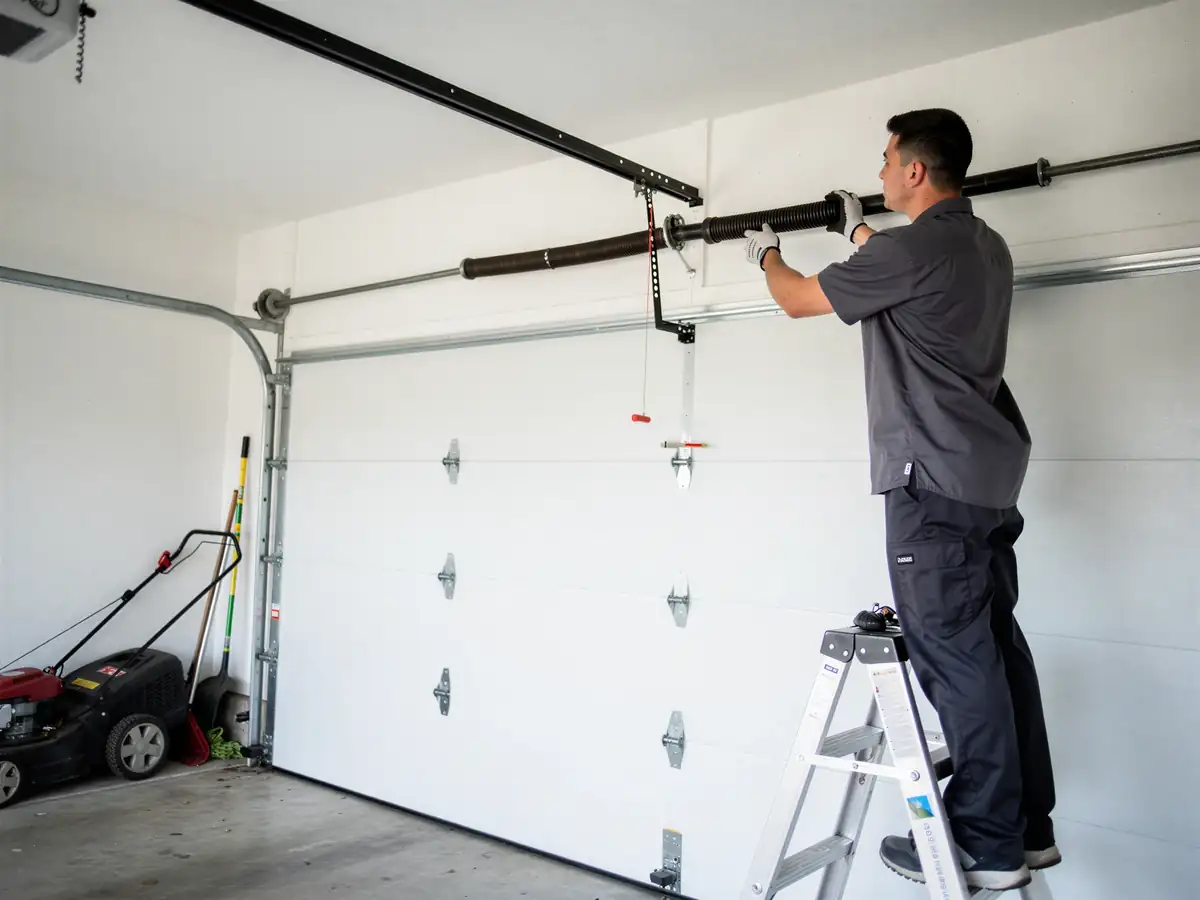
What you should not do is touch the torsion spring yourself. These are wound under enough tension to break a wrist or worse, and on a 1970s door the spring and the drum it sits on have had decades to rust into each other - exactly the combination that turns a simple spring swap into a bigger job if it's forced the wrong way. If the door is heavy to lift by hand with the opener disconnected, that's a spring problem, not an opener problem, and it's not a weekend project.
Stocked Parts
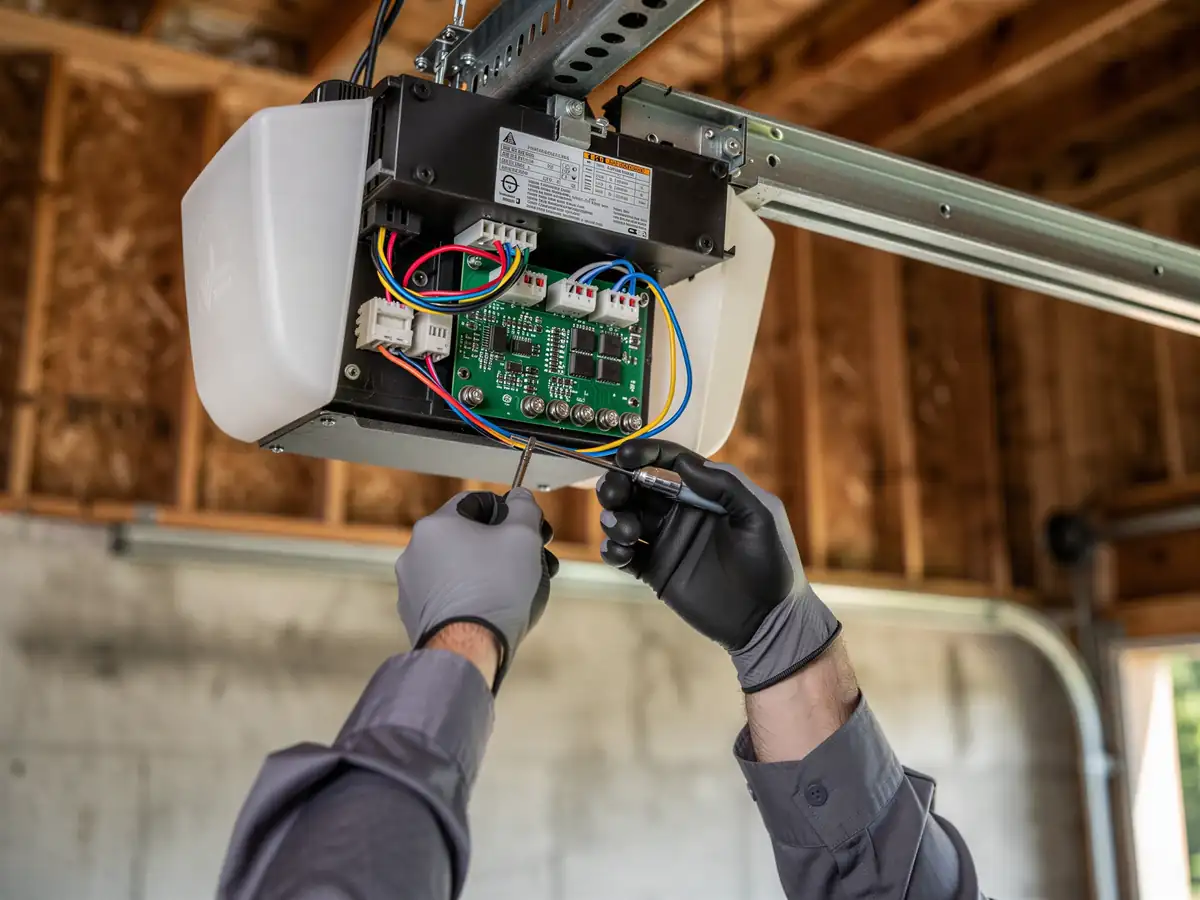
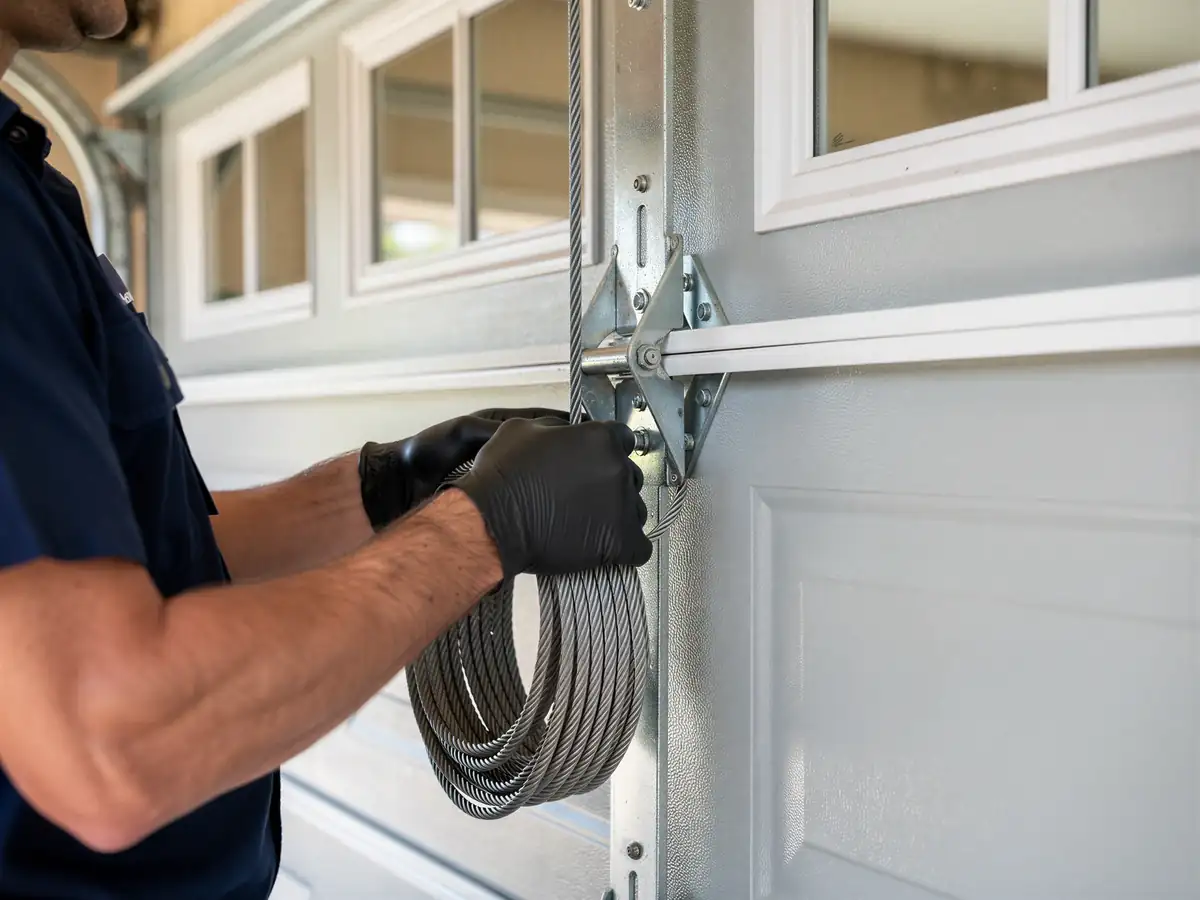
We carry the parts that fail most on the housing stock this town is actually built from - torsion springs sized for the steel sectional doors common to the mid-1970s, standard roller and cable sets, and chain-drive opener gears and sprockets. Those cover the bulk of what gets called in from this part of the service area.
What we don't carry on the truck is anything custom - a specialty insulated door panel in a discontinued color, or an opener board for a model that's been out of production for years. Those get ordered, and we'll tell you honestly if that's the case rather than stall on a repair we can't actually finish that day. For most Manchester calls, though, the door and opener combination is common enough that the part's already in the truck when we pull up.
What Causes It Around Here
The service area runs a cold, moderate climate, and that matters more for a 1976-built door than people expect
Steel panels from that era don't have the thermal breaks or weatherstripping channels that later doors use, so winter cold makes the steel contract just enough to bind against the track or pull a worn roller out of alignment. That shows up as a door that worked fine in October and grinds or sticks by January.
Springs on doors this age are also just old
A torsion spring is rated for a number of open-close cycles, and a door installed around 1976 has been through decades of them. We see the snap happen most in the cold months, when the metal's already stiffer and the spring is doing the heaviest lift of the year. It's less a Manchester-specific fault than a Manchester-aged one - the houses here hit that wear point at roughly the same calendar time, which is why we get clustered calls from this area in the same cold stretches.