Time on the Job
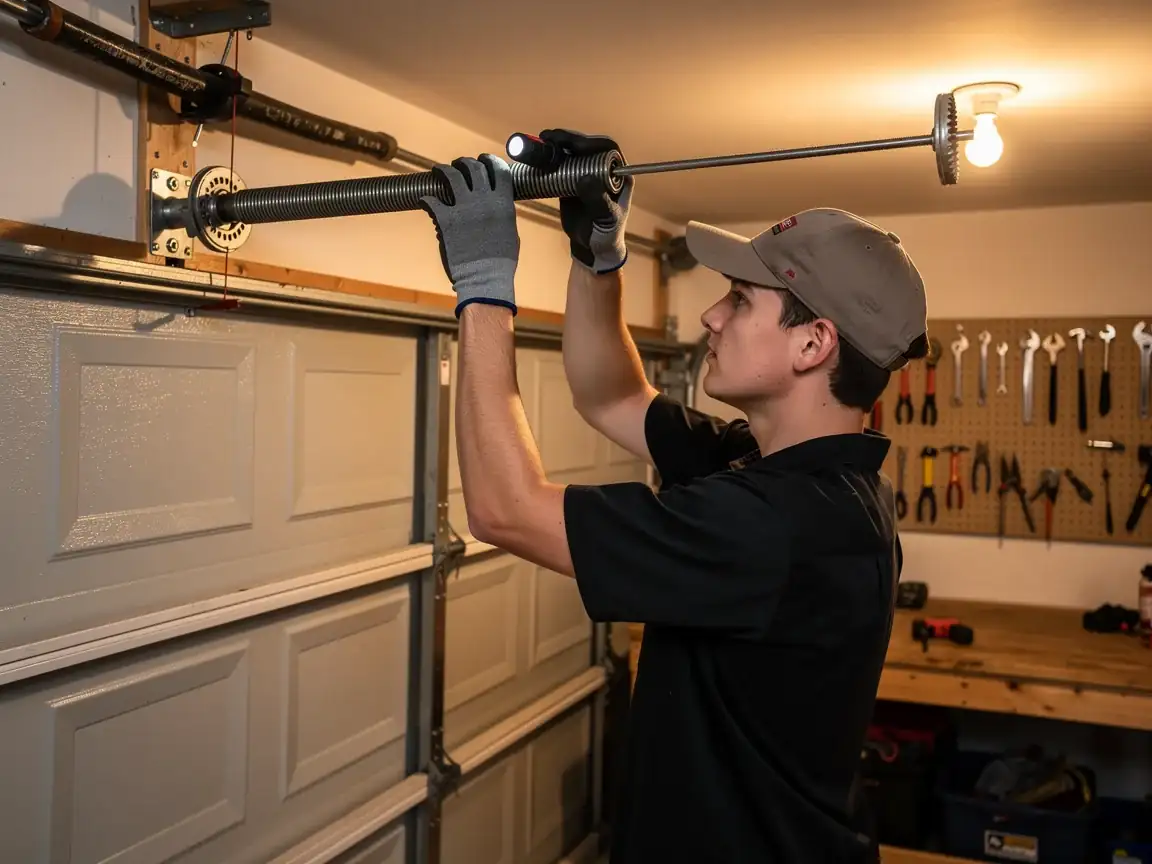
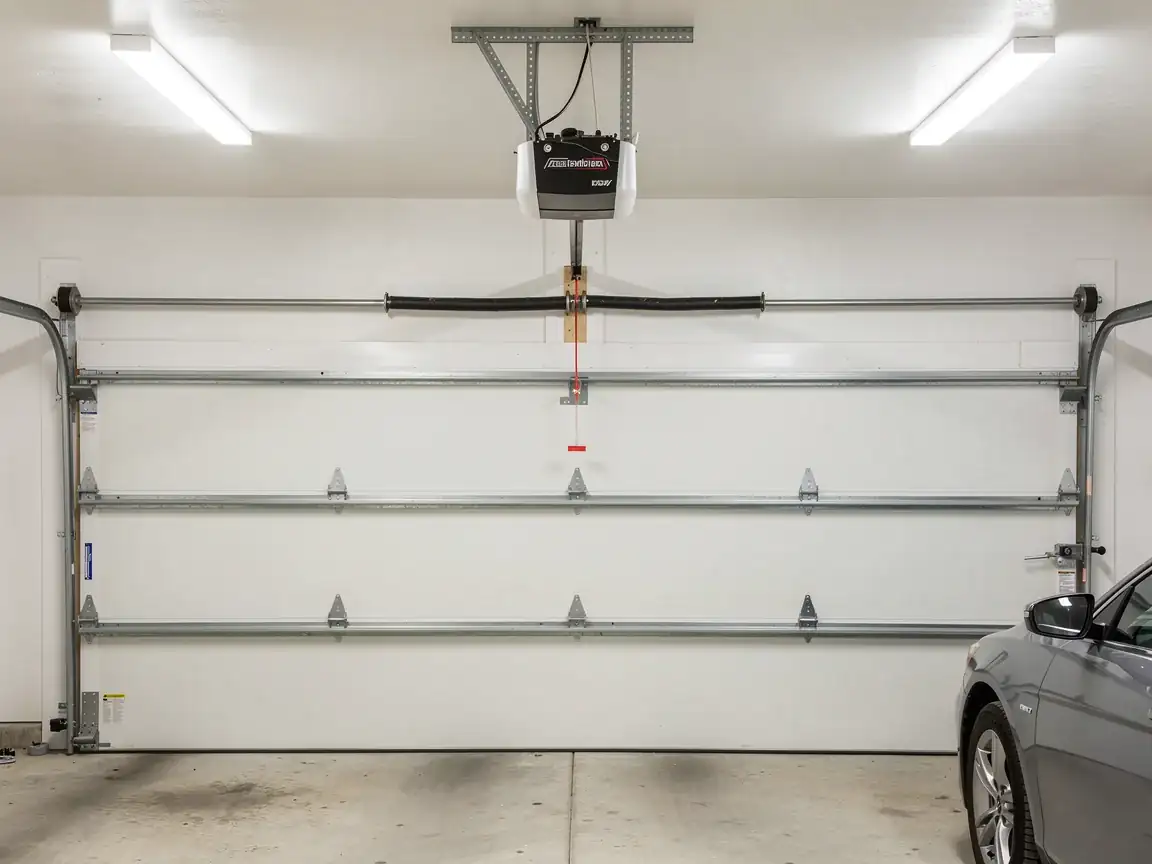
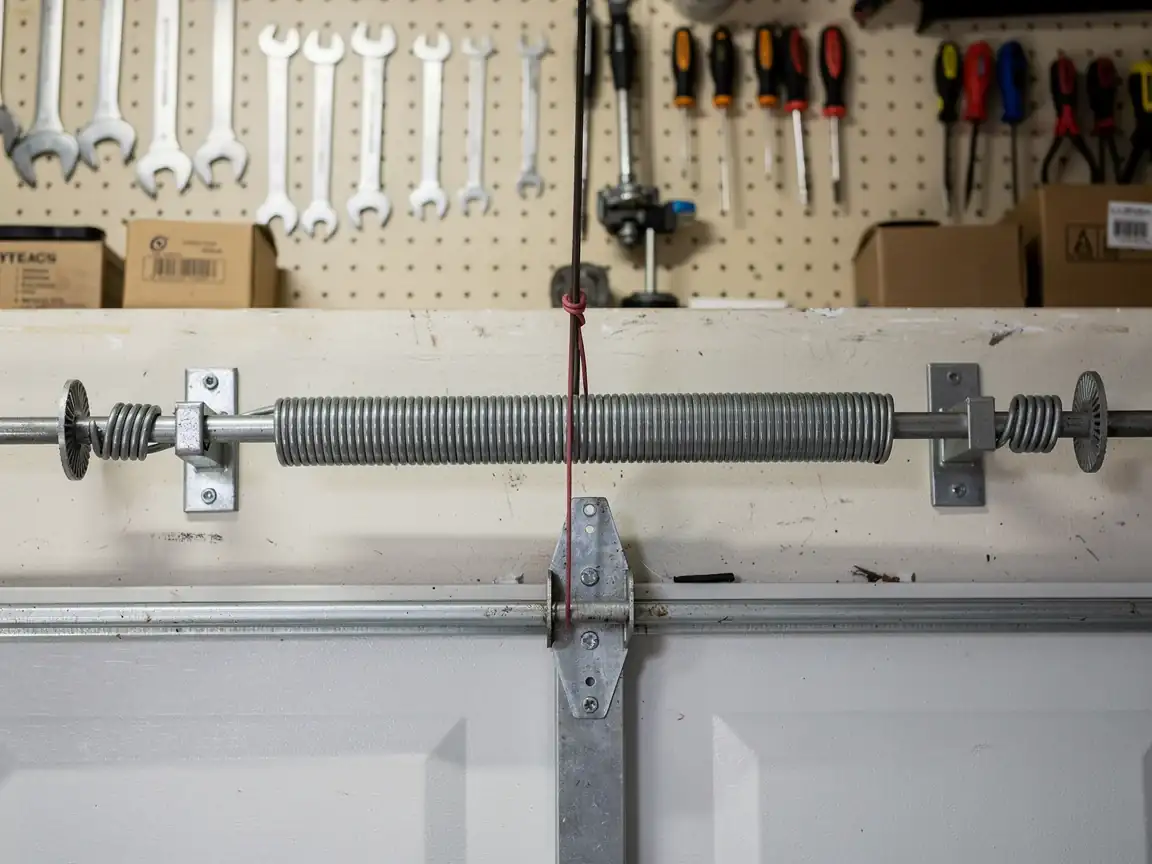
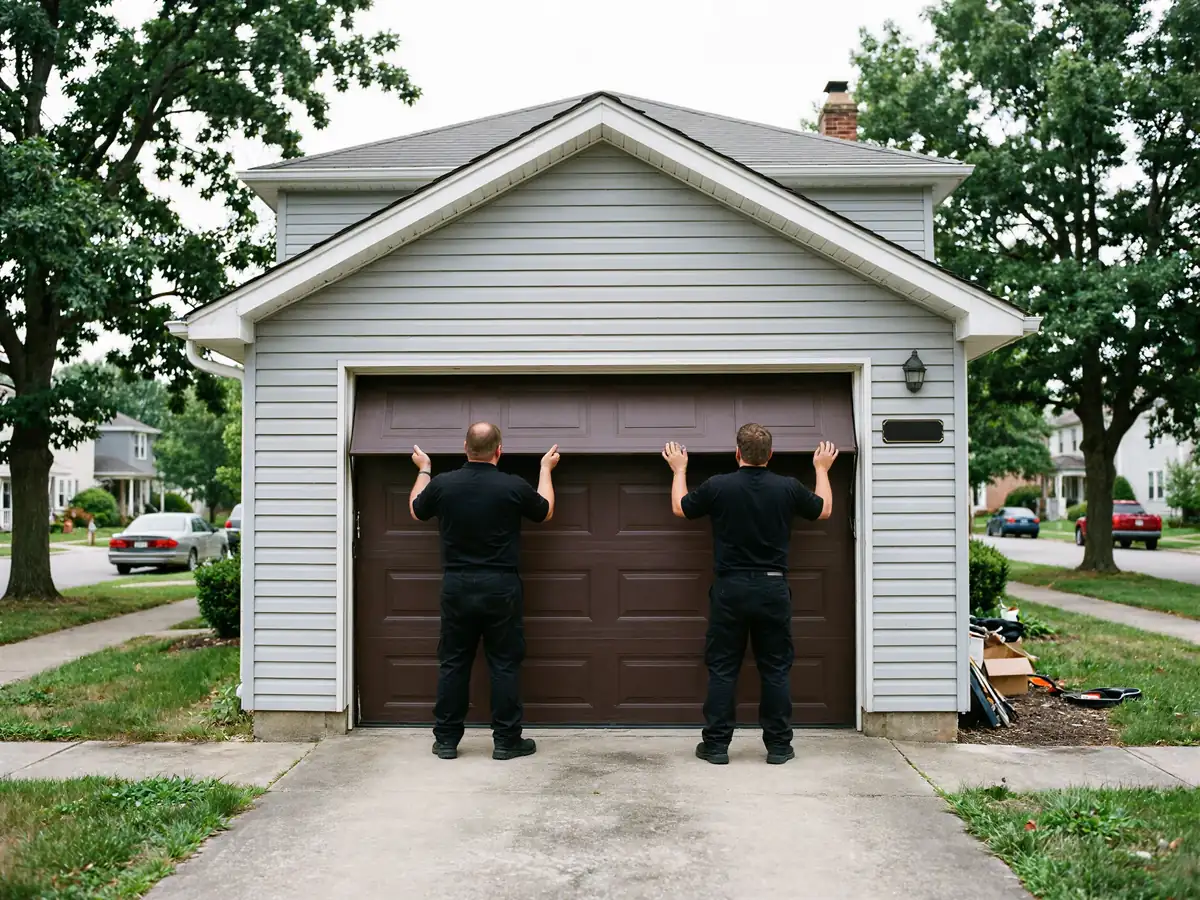
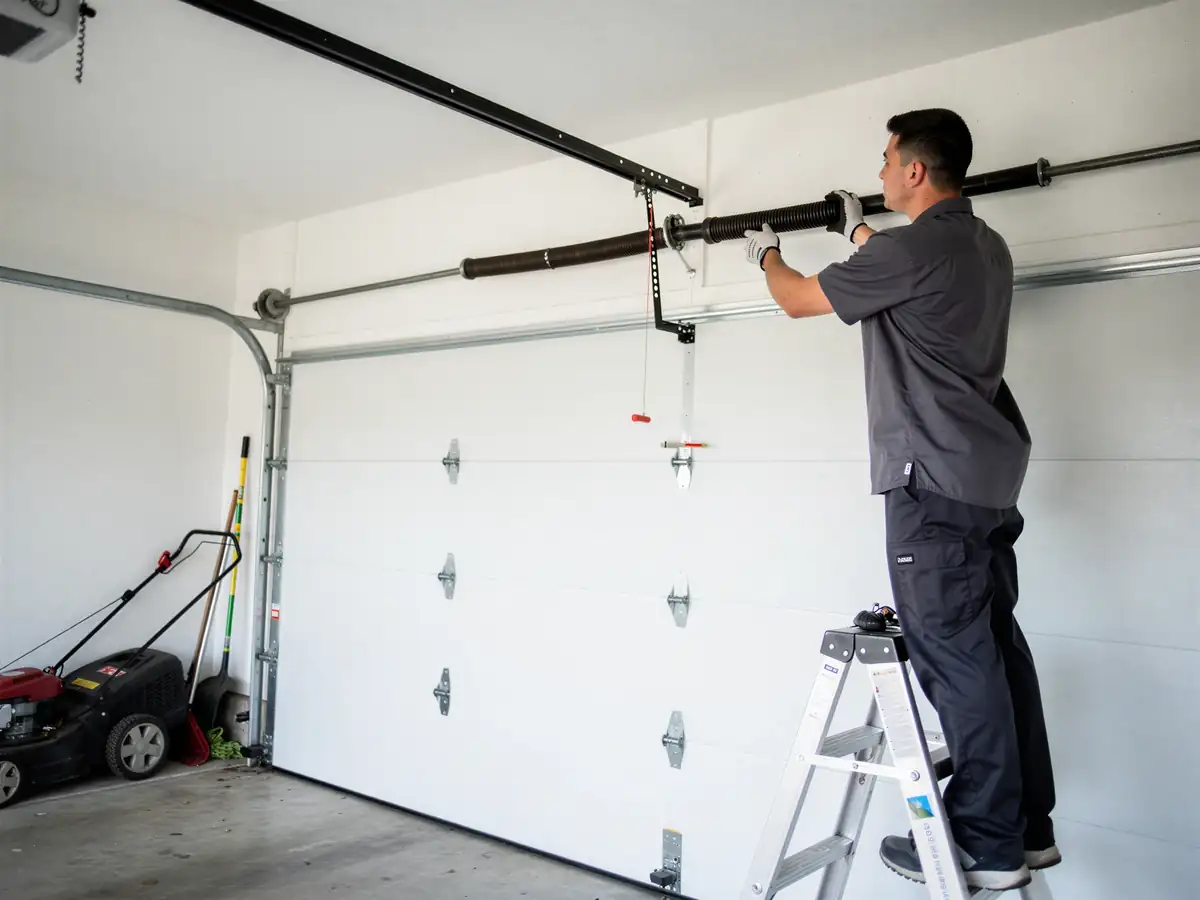
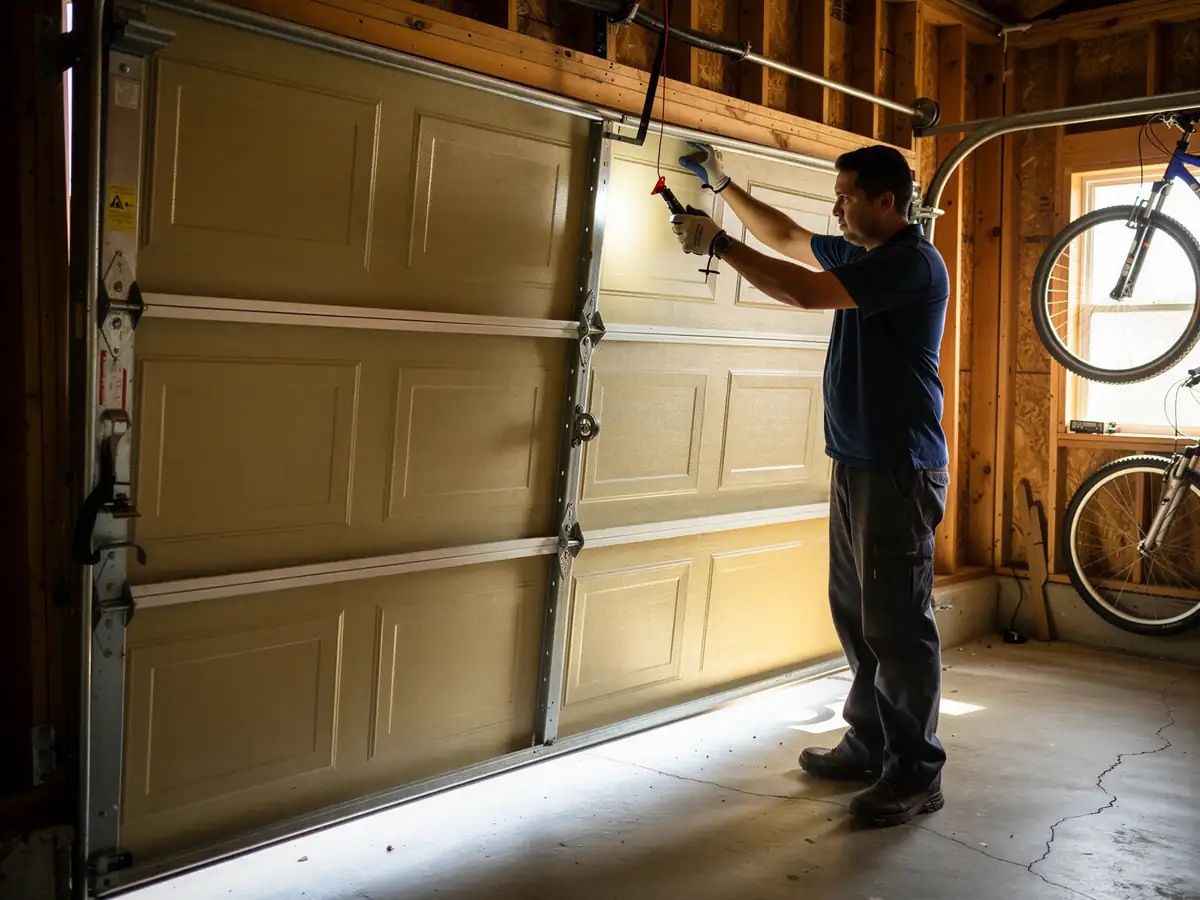
The fault we see most in Manchester isn't a broken door - it's a torsion spring that's done 8,000-10,000 cycles and nobody noticed the wind count creeping up. Houses here cluster around 1976, a few years newer than the broader service area's 1969 median, but that still puts most of this town's original garage hardware at or past the point where a spring rated for that era is near the end of its life. A maintenance visit means checking spring wind and balance, not just squirting oil on a track.
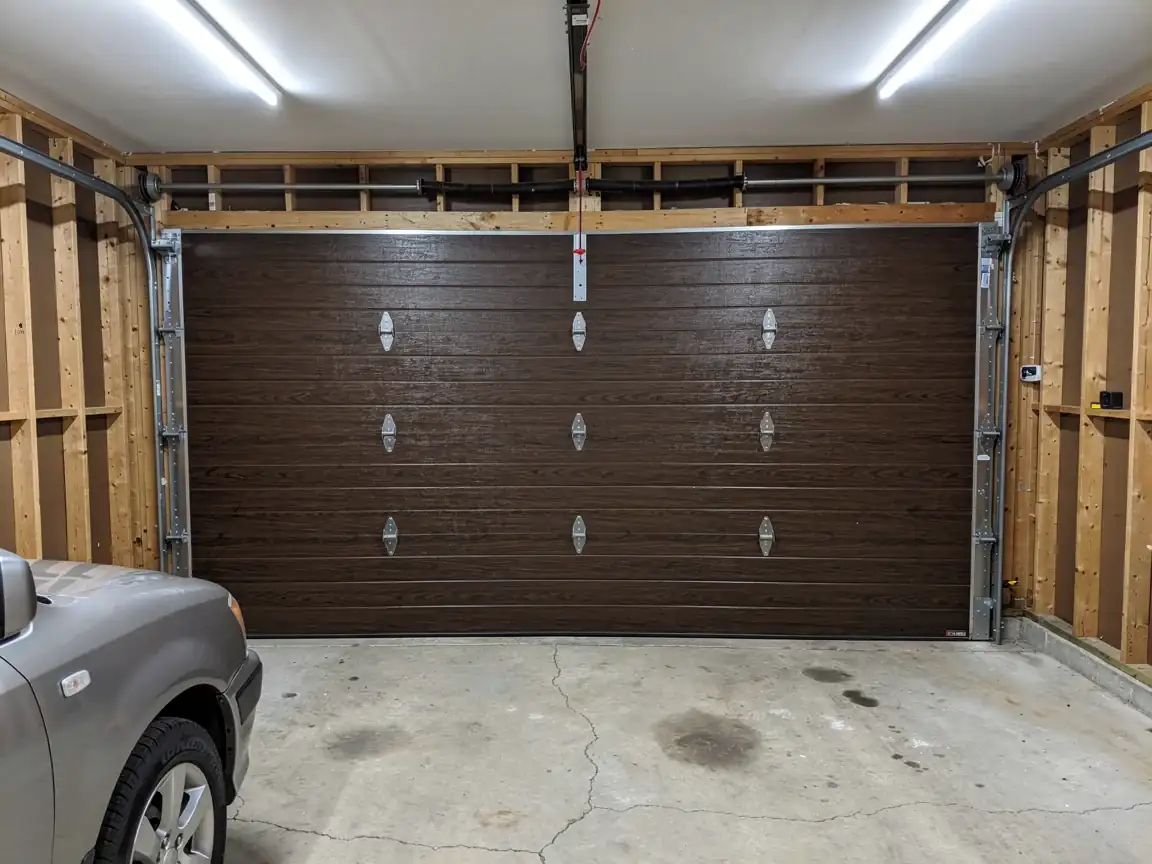
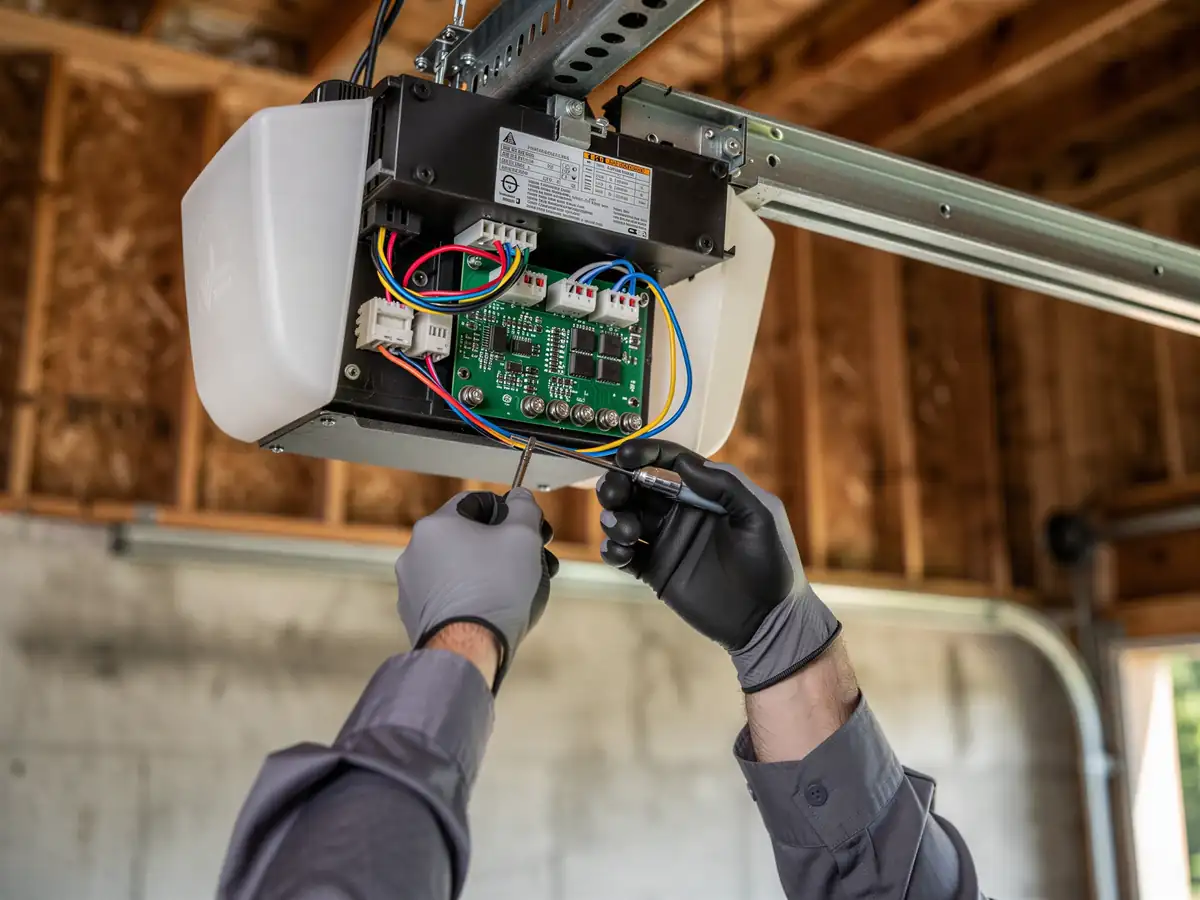
We inspect the cable drums, the torsion bar bearings, and the panel seams for the kind of fatigue cracking that shows up on steel doors from that build window. On a door this age, the opener has usually been swapped at least once, but the door and track hardware often haven't. That mismatch - a newer opener fighting an old, stiff torsion system - is a common reason a door starts grinding partway through its travel. We tune for that specifically rather than just testing whether the door opens and closes.
How to Book
We run this service out of Ballwin, two miles up the road
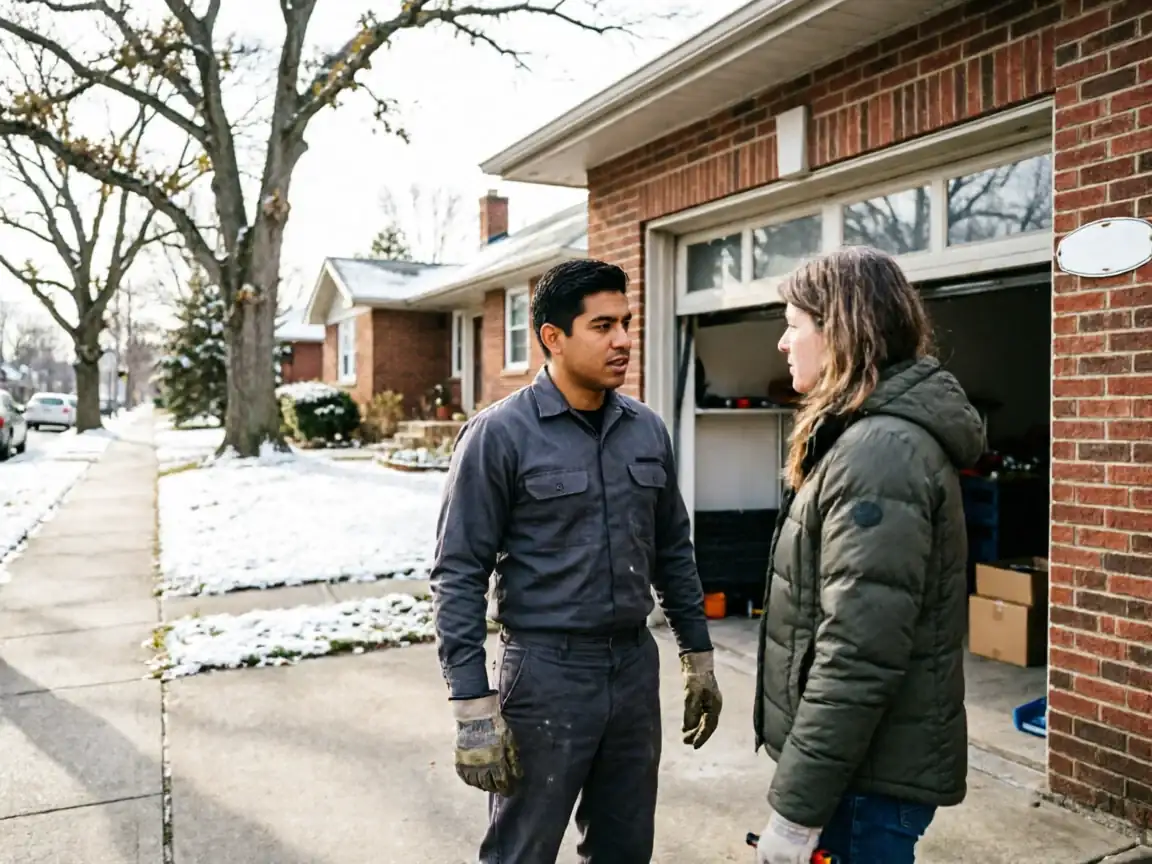
So getting to a Manchester job doesn't add anything to the schedule the way a longer drive might. Book through our Manchester garage door repair page if something's already acting up, or call to set a maintenance visit before it does. We don't keep a branch or drop box in Manchester itself - every truck comes from Ballwin, and we're upfront about that so you're not expecting a local storefront.
For homeowners who want the full rundown of what's covered under a standard maintenance visit versus a repair call
That detail lives on the Ballwin maintenance page rather than here - this page is about what's specific to Manchester's doors, not the service menu itself.
Doing It Yourself
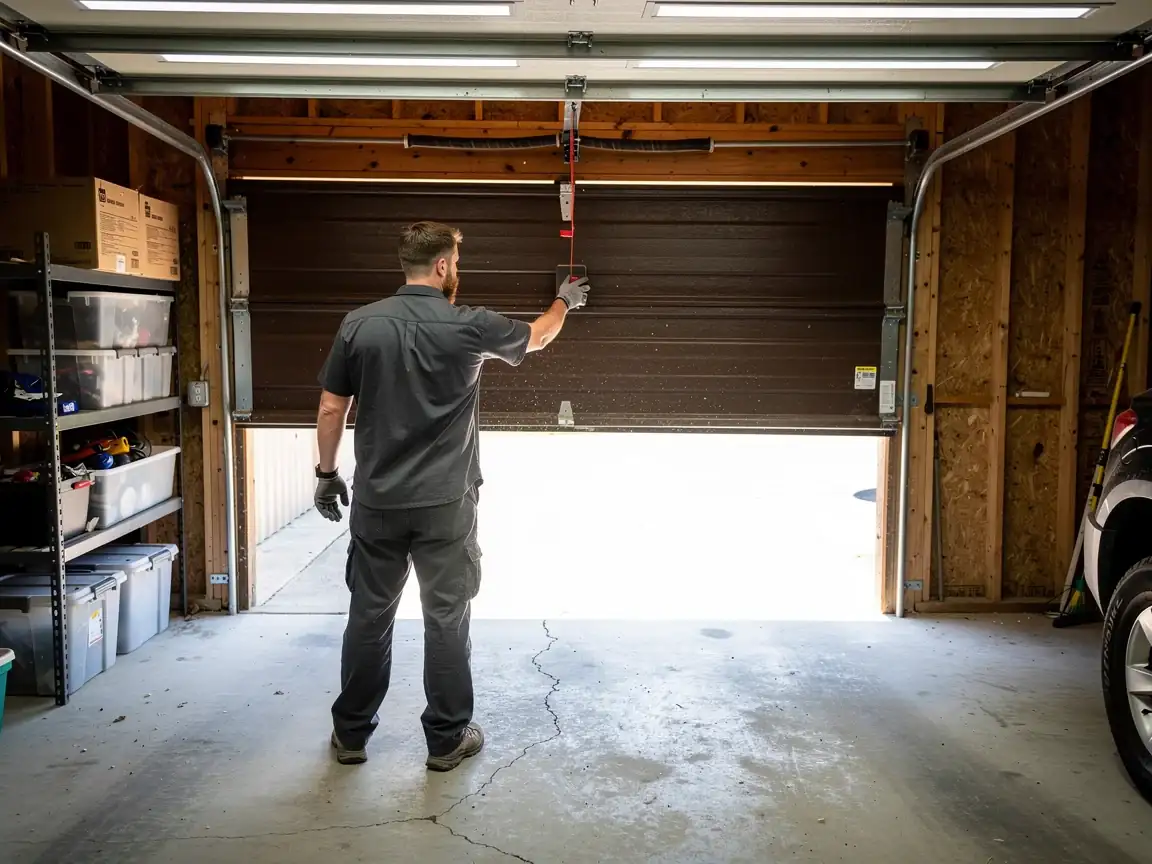
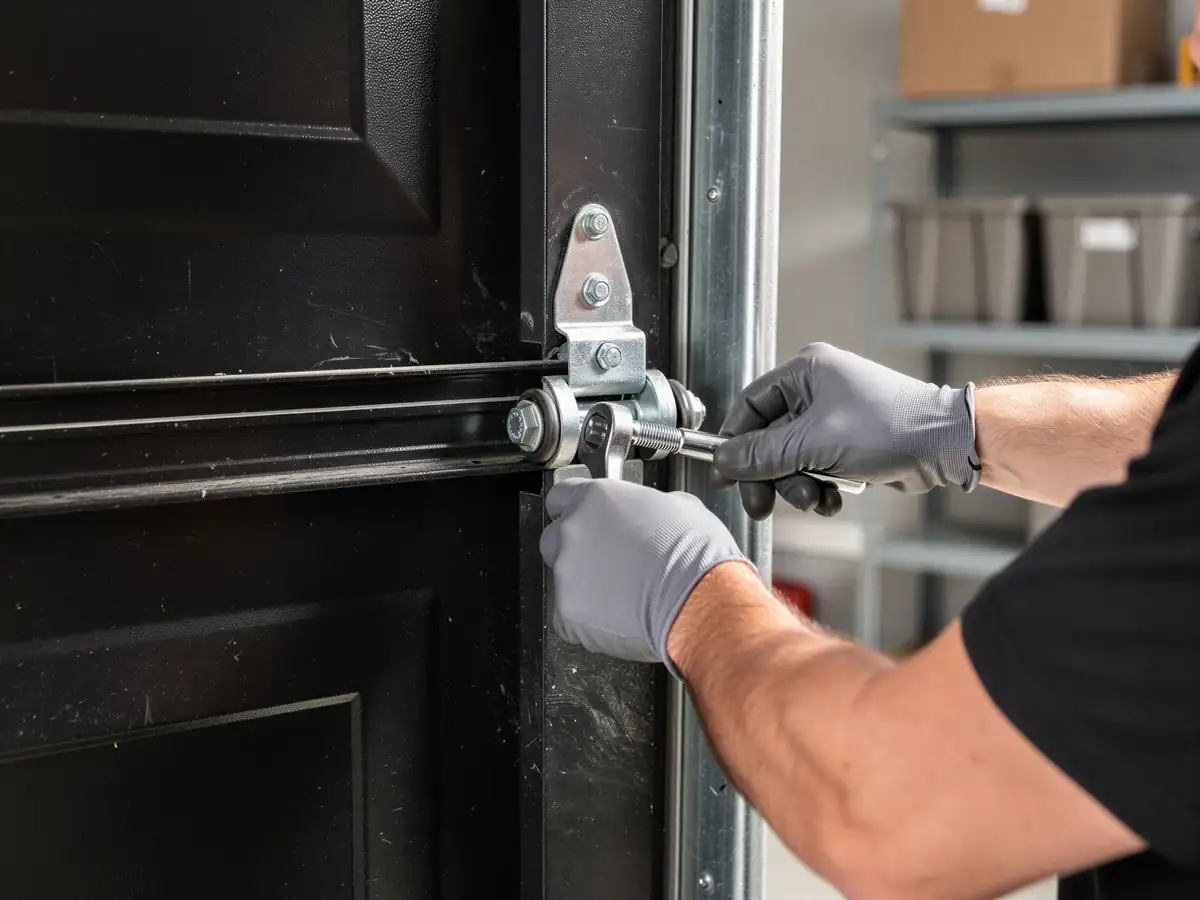
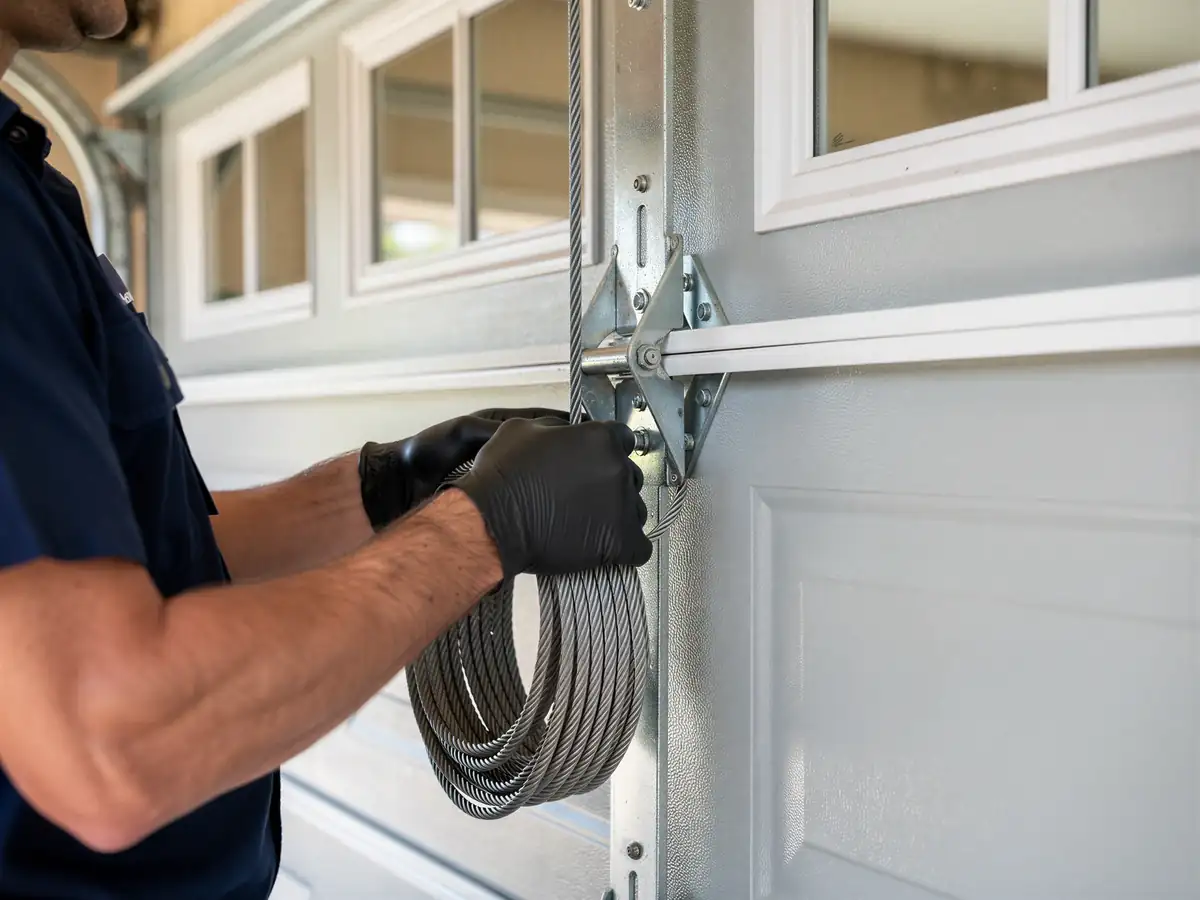
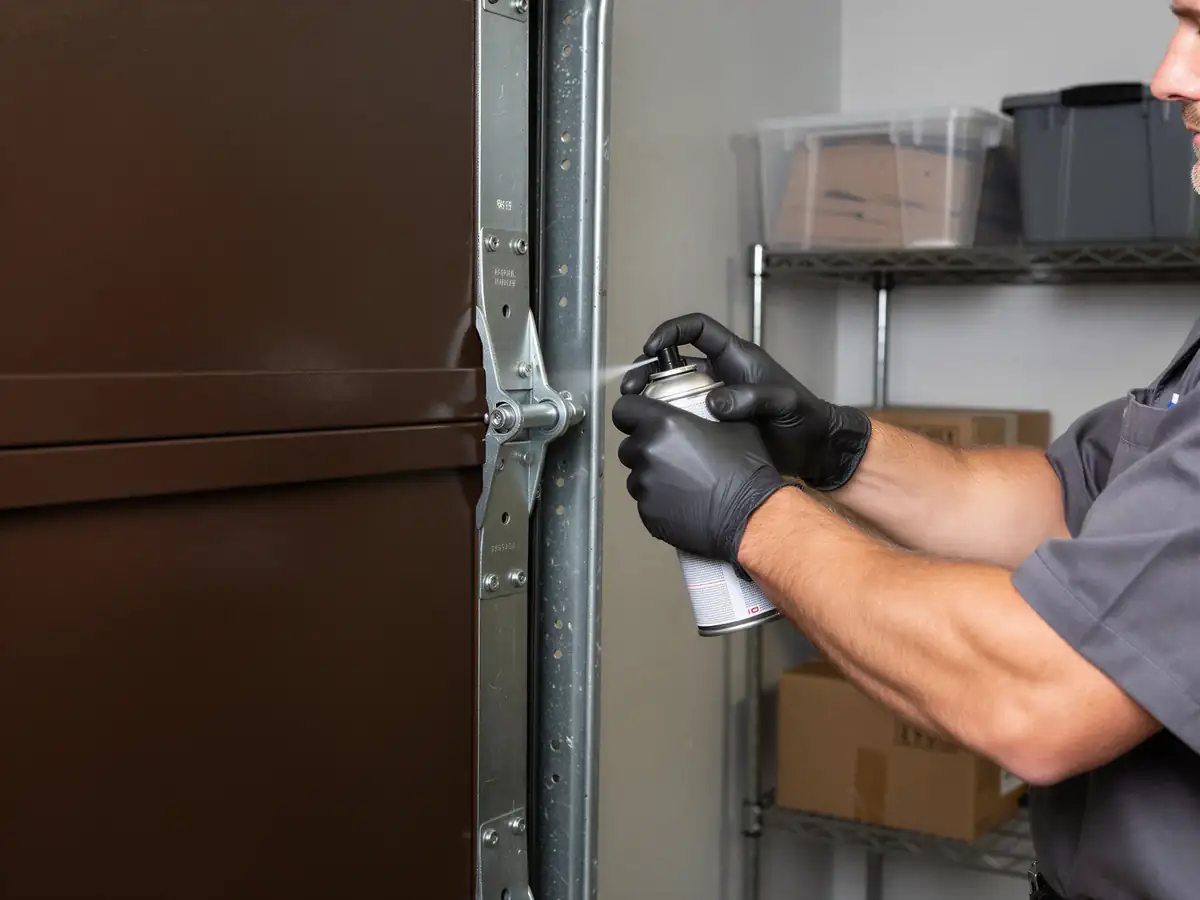
There's real maintenance a homeowner can do between visits. Wipe down the tracks and check for debris, run a light coat of lithium grease on the rollers and hinges twice a year, and test the auto-reverse safety feature by setting a 2x4 flat under the door and watching it bounce back. Look at the cables for fraying near the bottom bracket - that's an easy visual check that catches a problem before it becomes a snapped cable mid-lift.
What we don't recommend doing yourself: touching the torsion spring itself. On a door from the mid-1970s, the spring is under a lot of stored tension, and the winding cones on older hardware aren't always to current spec. We'll say plainly that adjusting or replacing a torsion spring is not a DIY job - it's the single most common serious injury in this trade, and it's not worth the risk to save a service call.
Stocked Parts
Given how much of Manchester's door stock traces back to that 1970s building wave, we keep standard-width torsion springs, steel roller bearings, and galvanized lift cables sized for that generation of door on the truck. Flag brackets and end bearing plates from that era aren't always a direct swap with current hardware, so we carry the common conversion pieces rather than special-ordering them after the fact.
What we don't stock are the original wood-panel sections some of these older garages still carry - those are special order, and if a panel's cracked, we'll tell you honestly whether patching it or replacing the whole door makes more financial sense. For most doors this age, once one panel goes, the rest aren't far behind, so we'll walk through both options rather than just quoting the cheaper fix.
What Causes It Around Here
This area sits in a cold, moderate climate band, and that matters more for door hardware than people expect
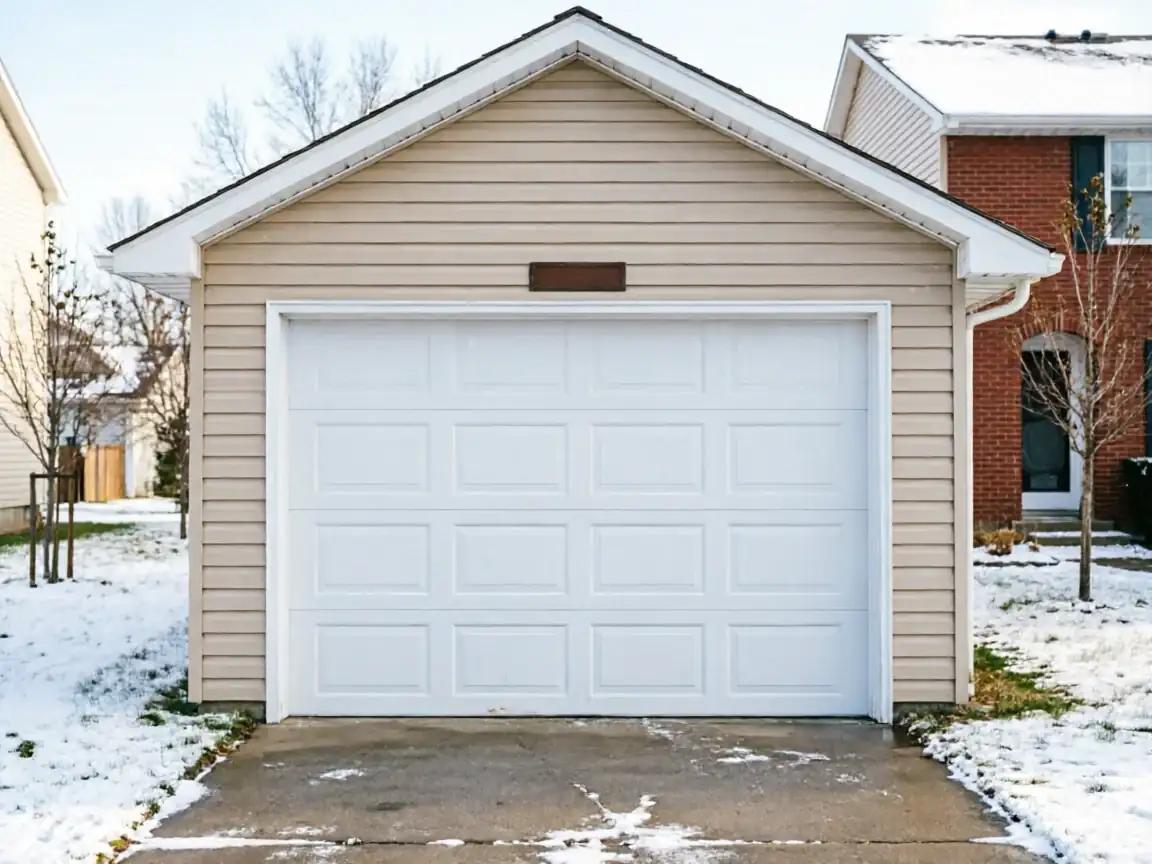
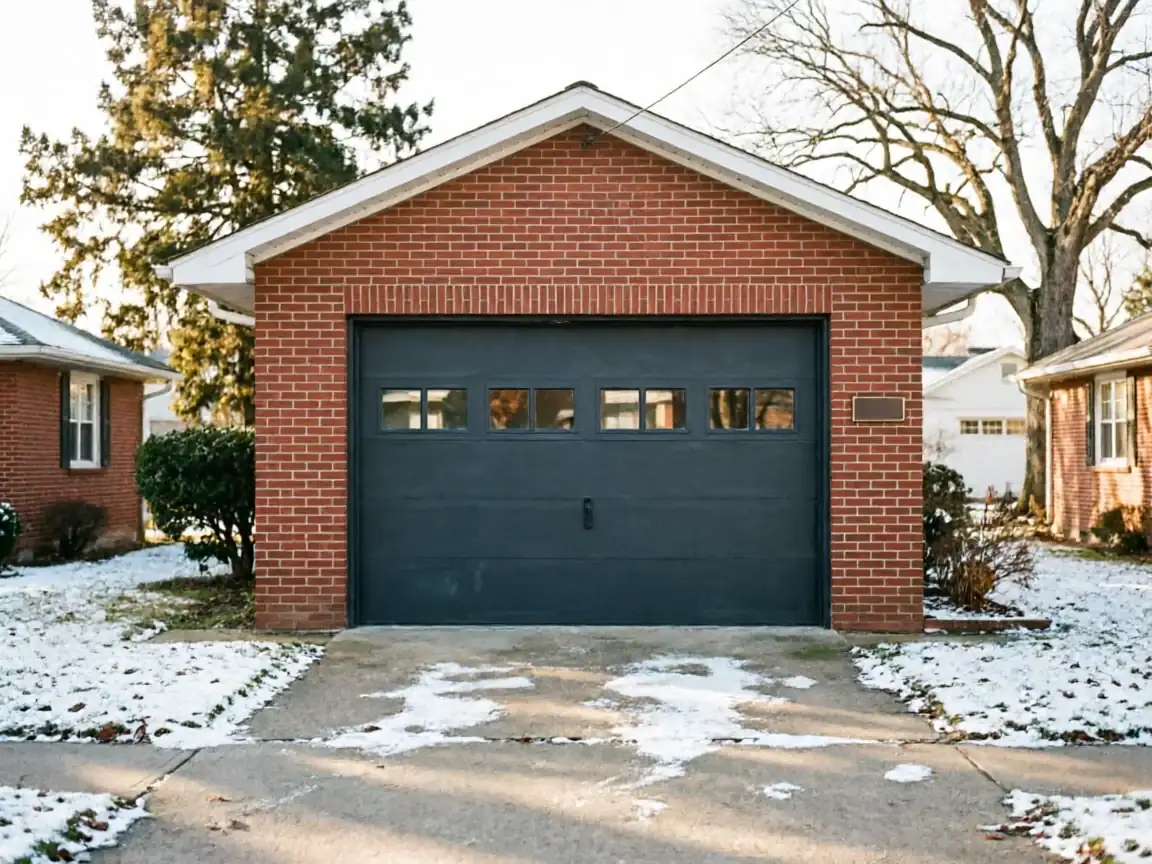
The freeze-thaw cycle that runs through a typical winter here works on steel brackets and concrete anchor points the same way it works on sidewalks - small shifts, repeated hundreds of times a season, eventually open up the hole a lag bolt sits in or tip a track out of plumb by a few degrees. On a slab poured around 1976, that's been happening for decades.
Temperature swings also affect spring tension directly
Steel contracts in the cold, which changes how much force the spring delivers on a given wind count. That's part of why a door that opened fine in October can feel heavy or uneven by January. It's not damage exactly, but it's the kind of drift a maintenance check catches before it turns into a spring that lets go.