Time on the Job
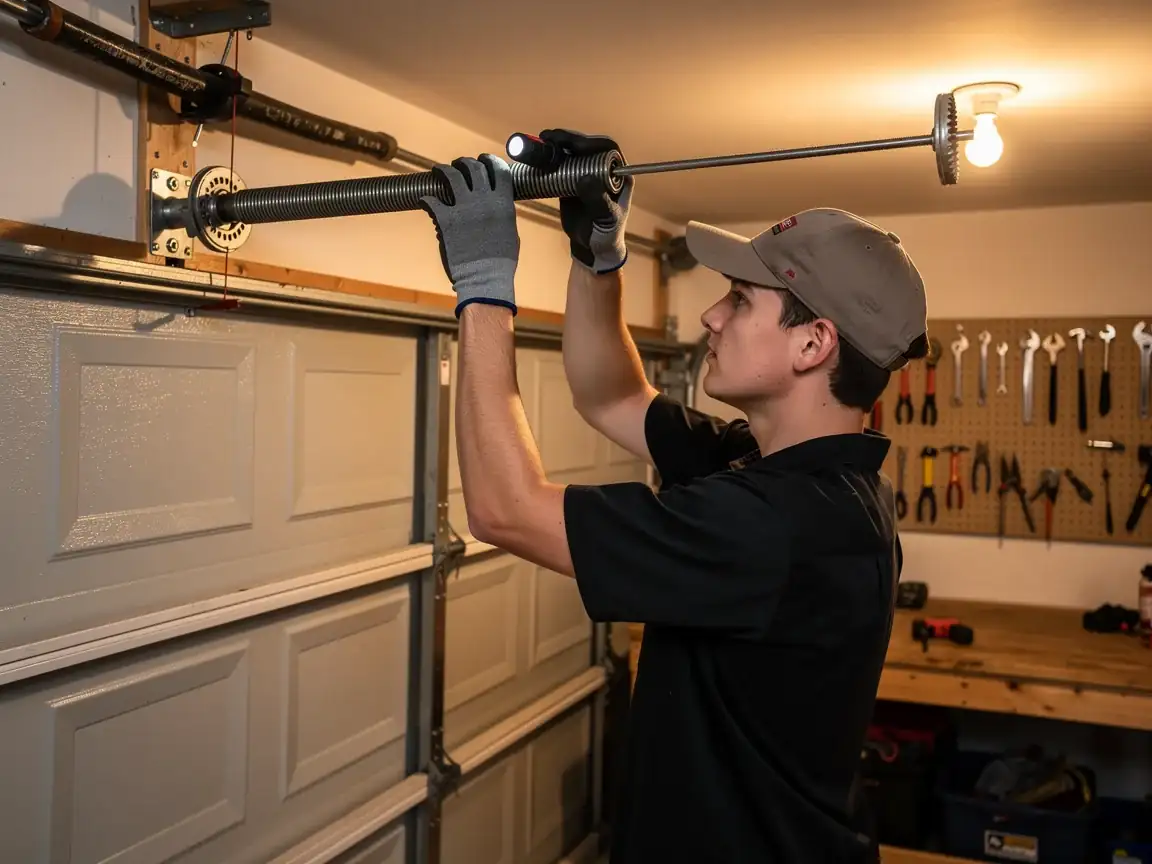
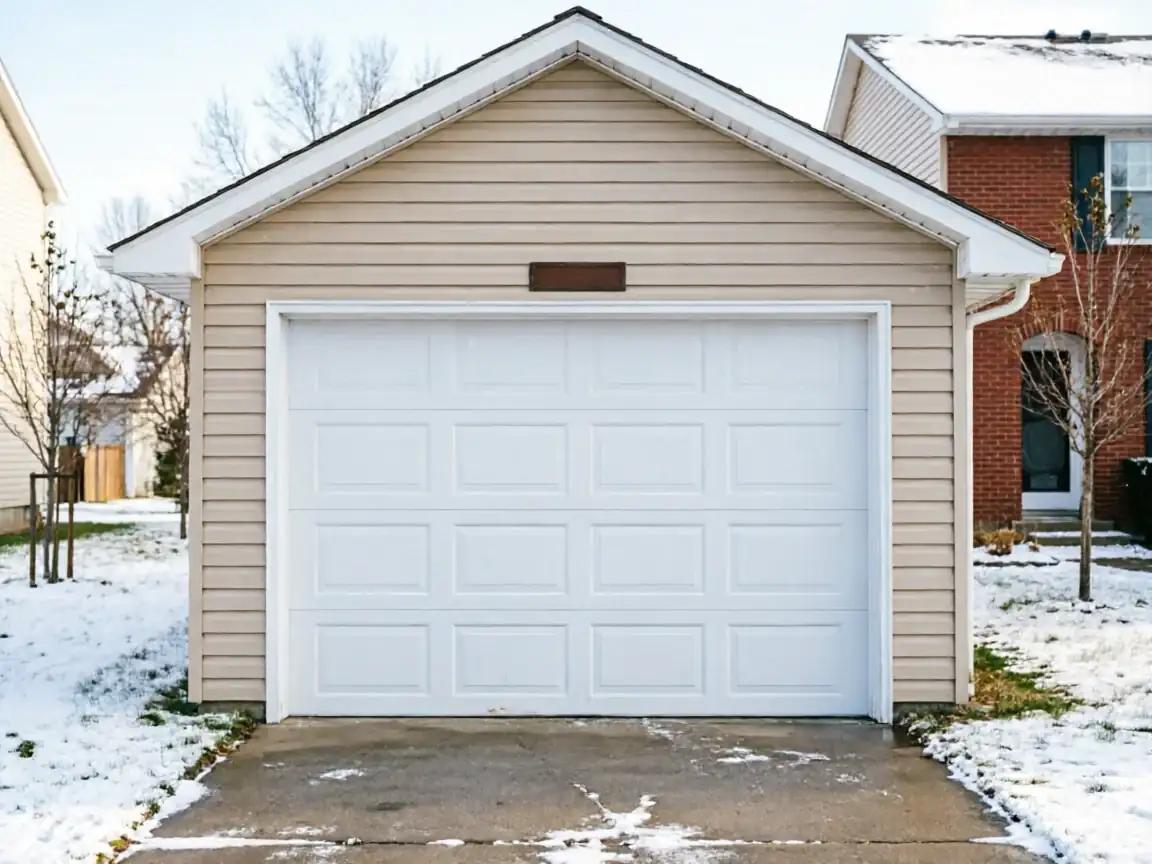
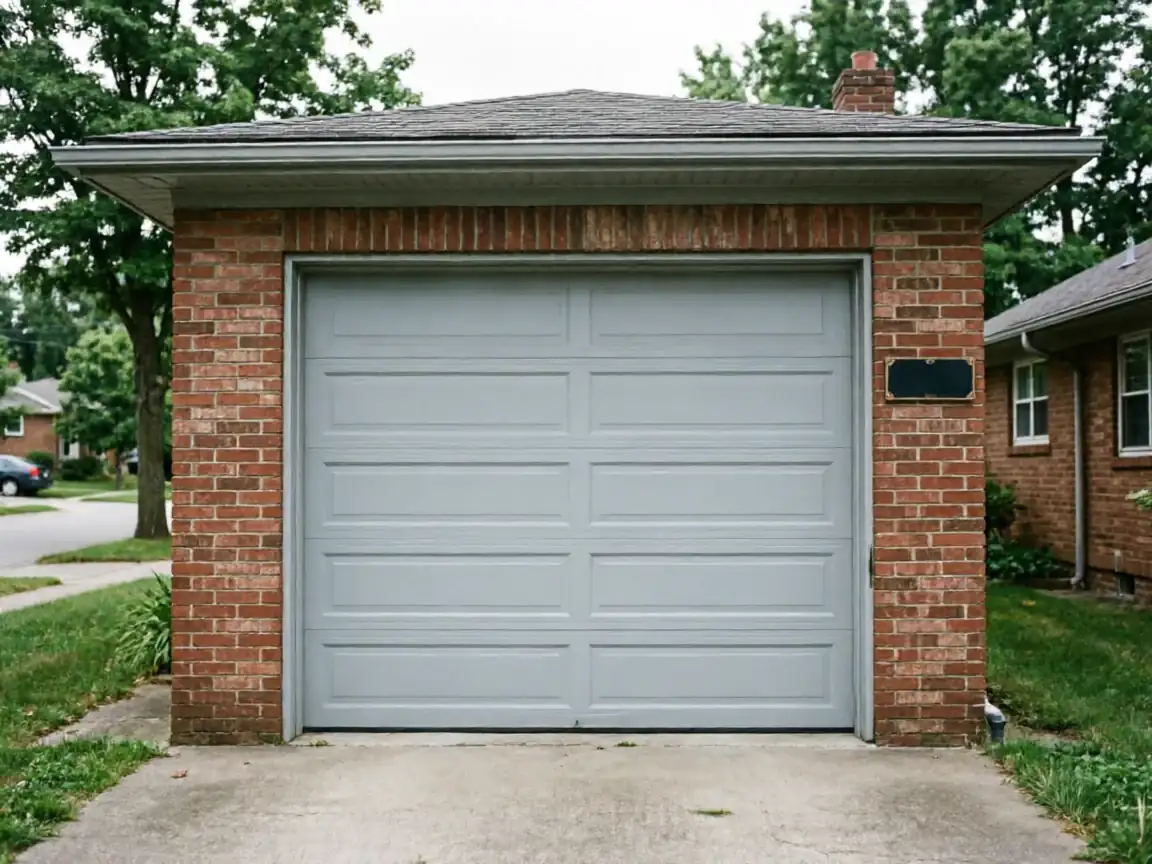
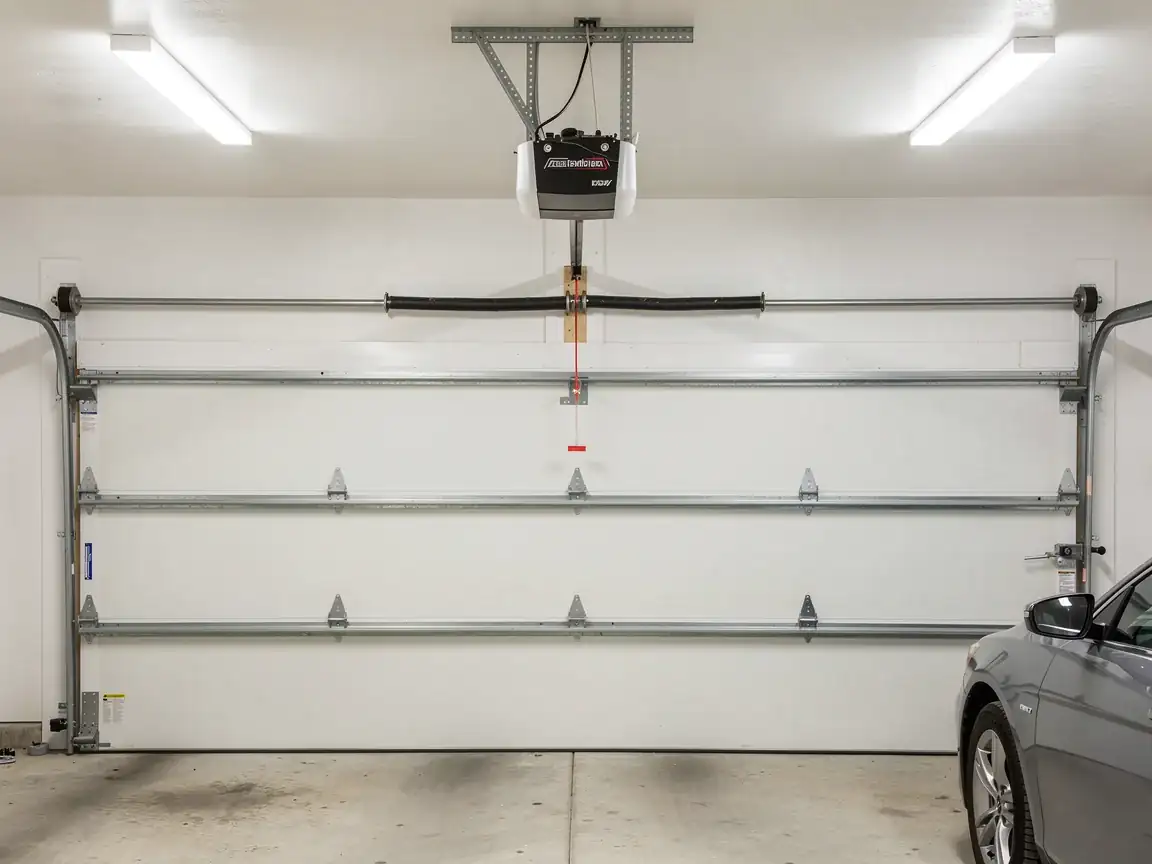
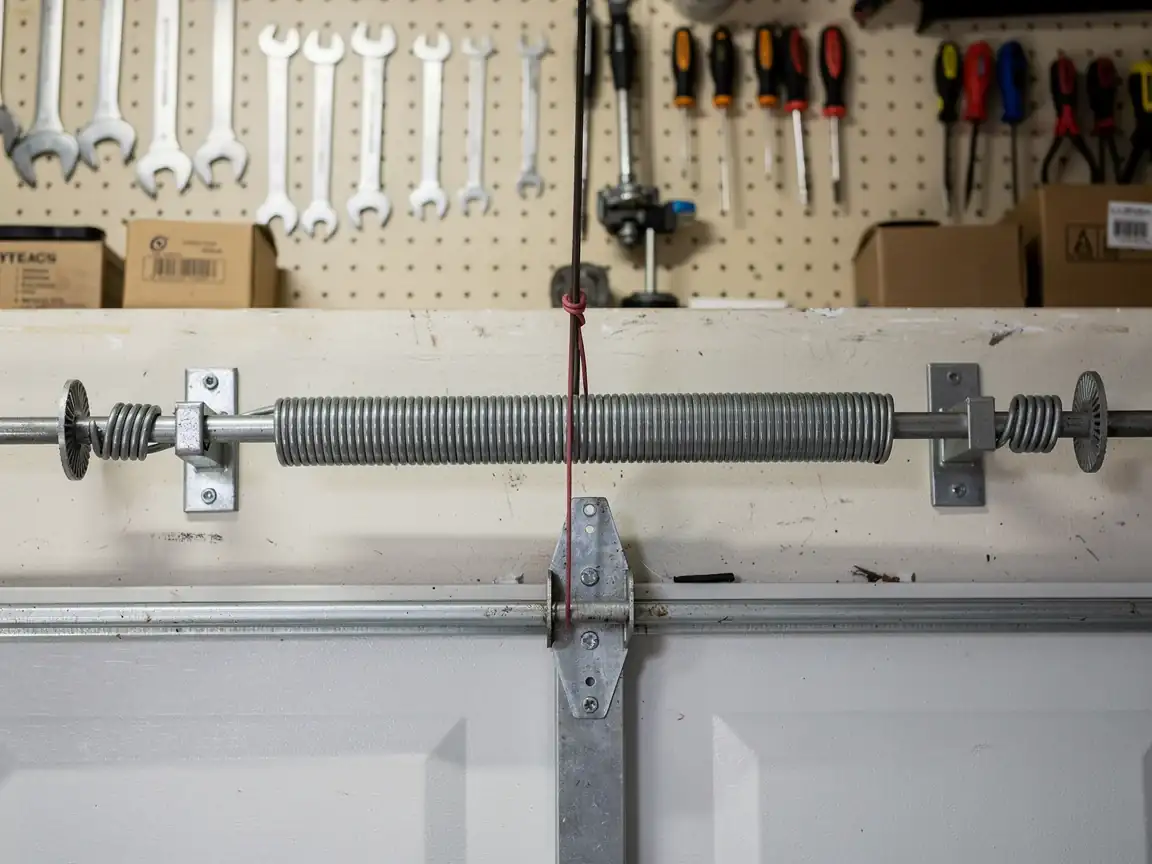
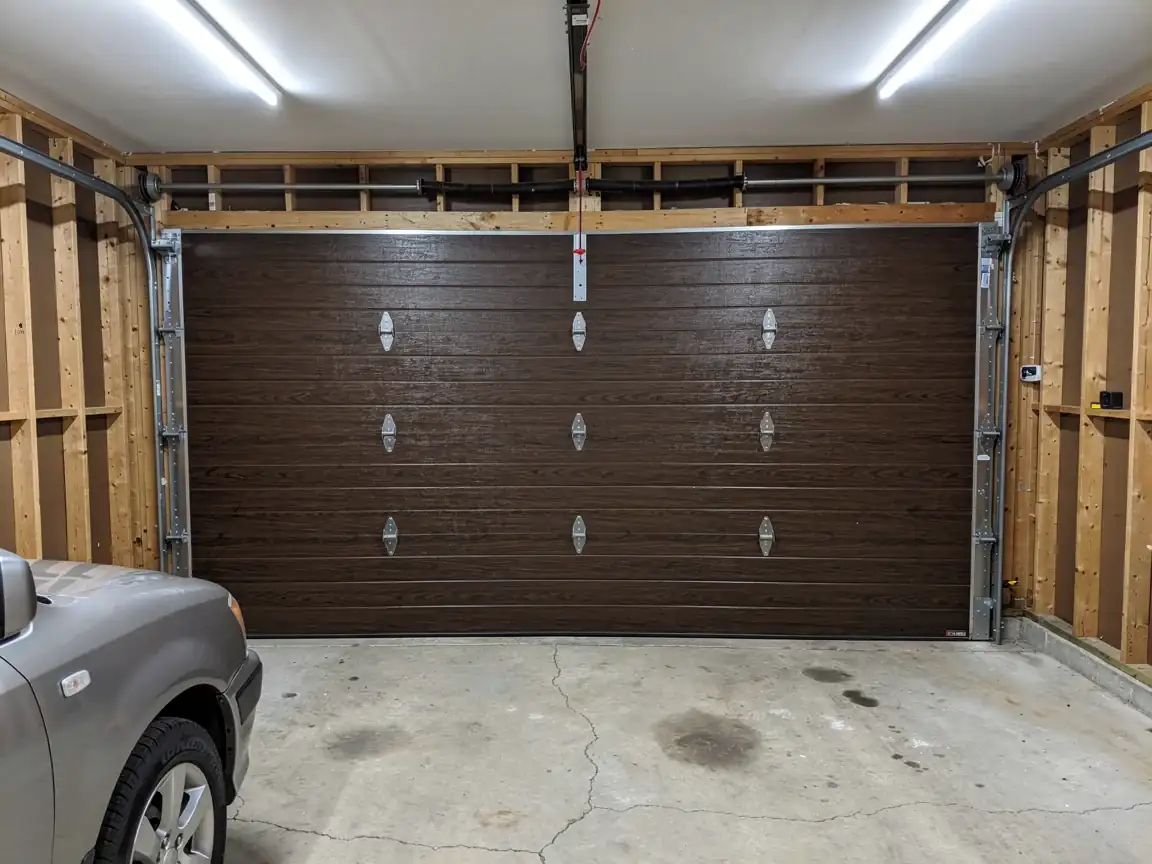
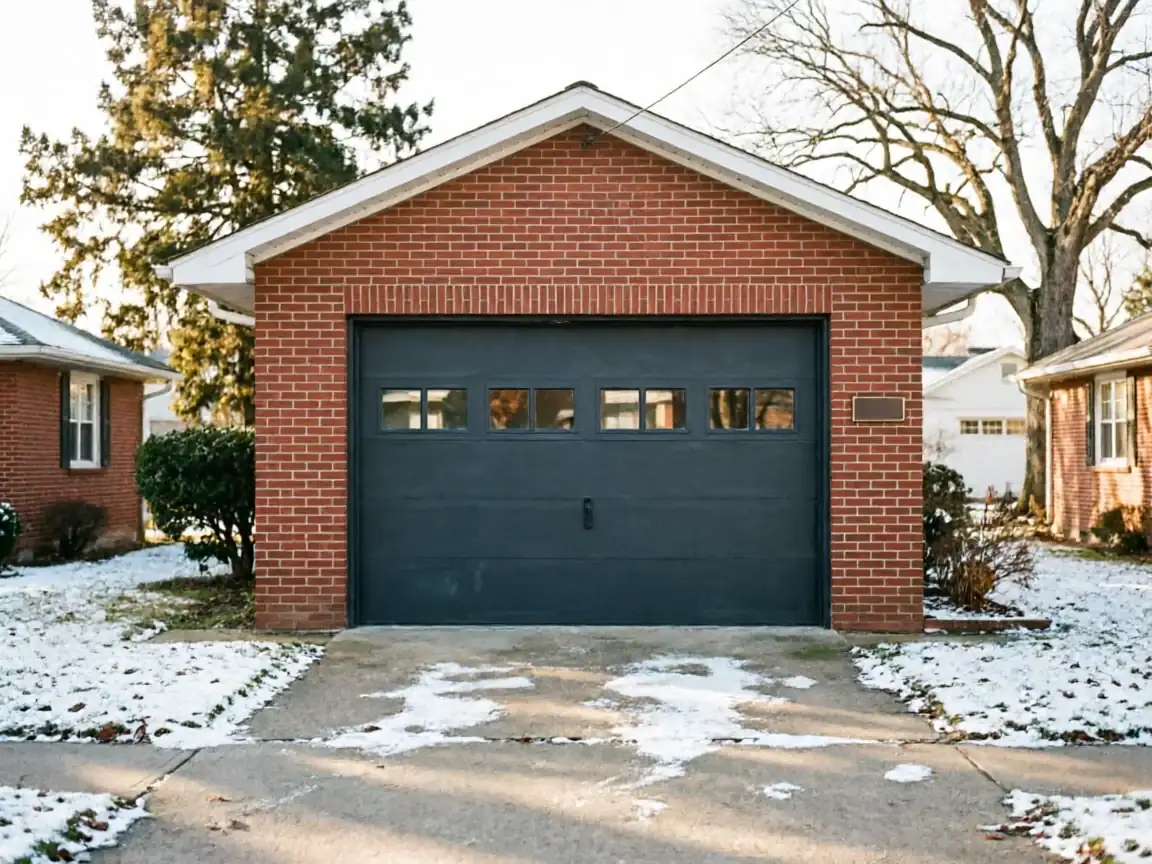
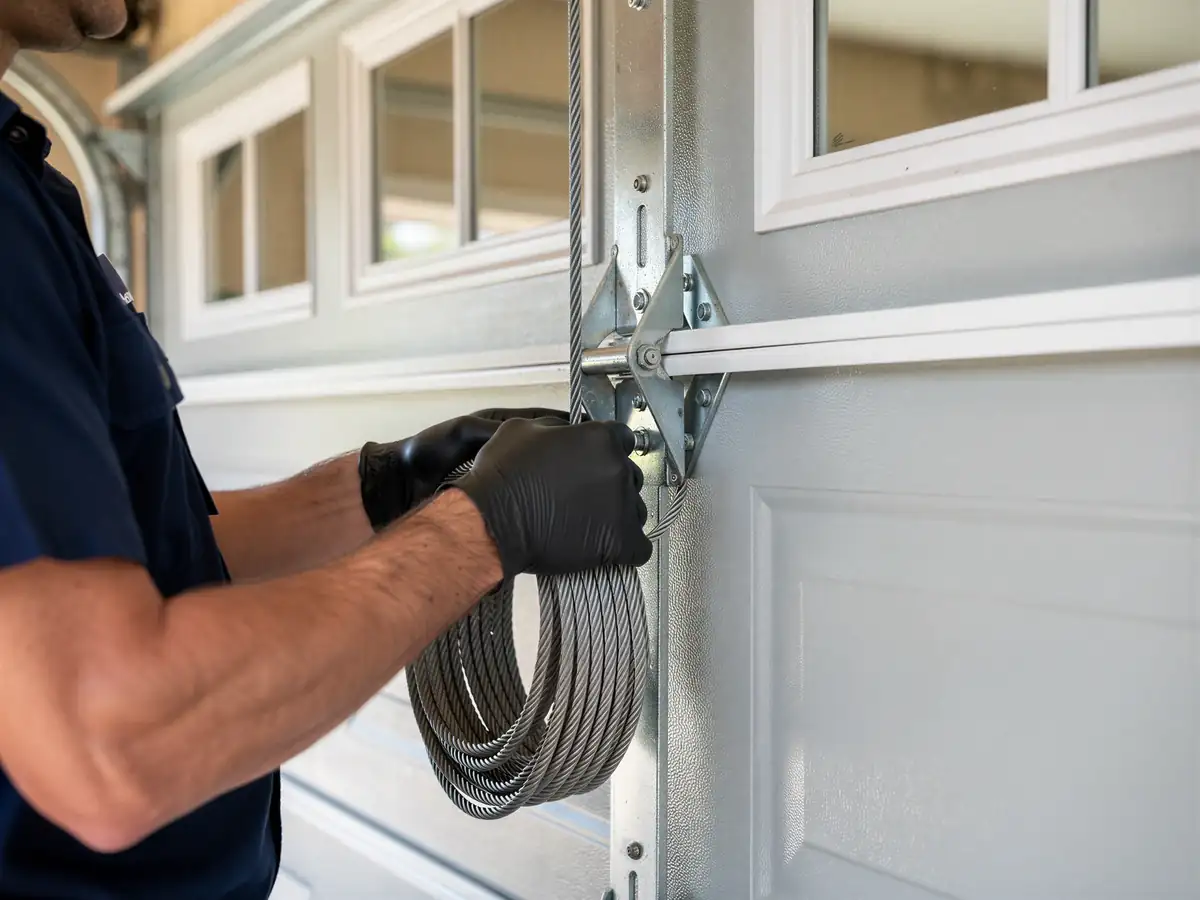
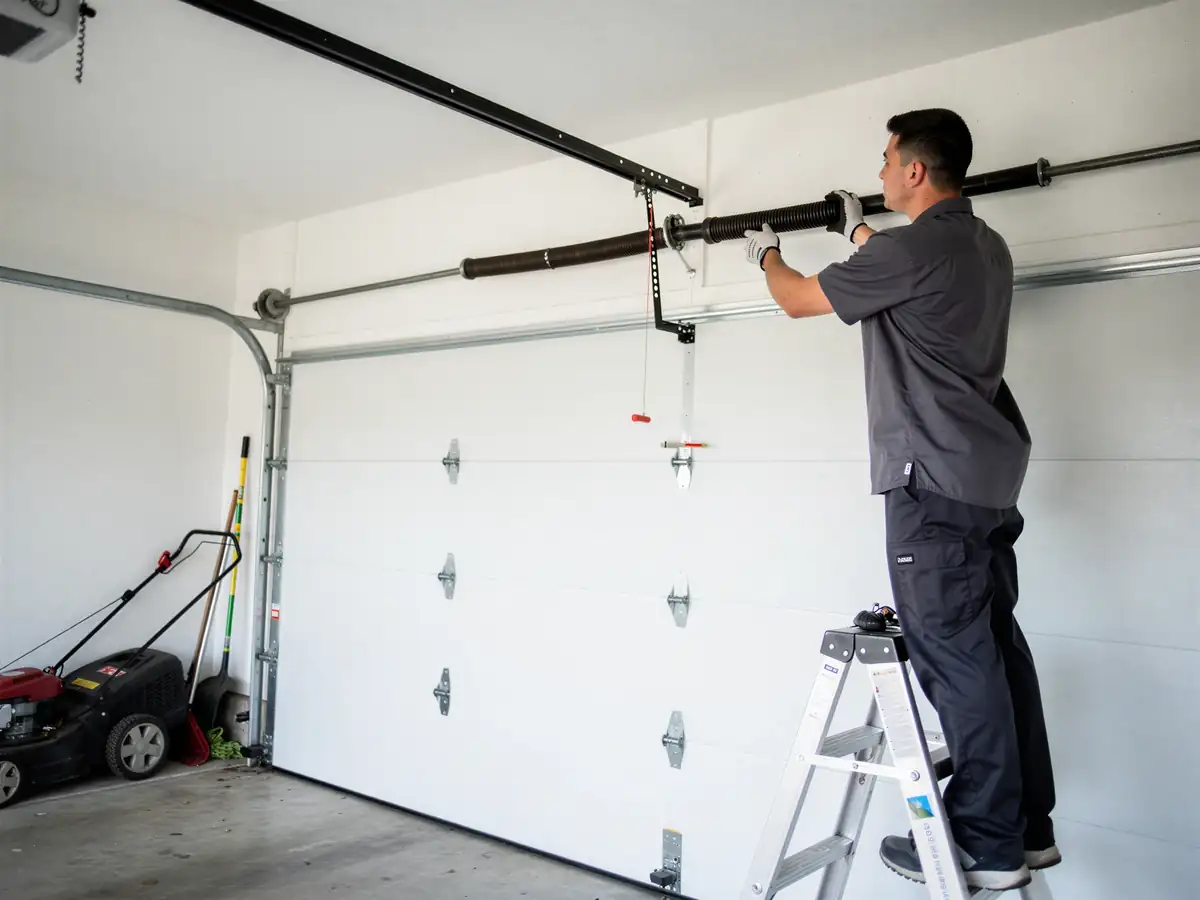
Most of Manchester went up around 1976, a good decade after the median build year across the wider service area, which sits closer to 1969. That gap matters for springs. Doors going in during the mid-70s were almost always steel sectional units on torsion hardware sized for a lighter door than what's common today. A lot of those original torsion springs are still hanging on the header, now 45-plus years into a job they were never rated to finish. When a homeowner swaps in a heavier insulated door later and keeps the old spring, the counterbalance is wrong from day one - the opener strains, the cable frays faster, and eventually the spring just lets go. That's the pattern we see on calls from this part of town: not a brand-new failure, but hardware quietly outliving its design life. We don't guess at spring weight from the driveway. We pull the door, check the wire gauge and wind, and size the replacement to the door that's actually hanging there now, not the one the house came with.
Doing It Yourself
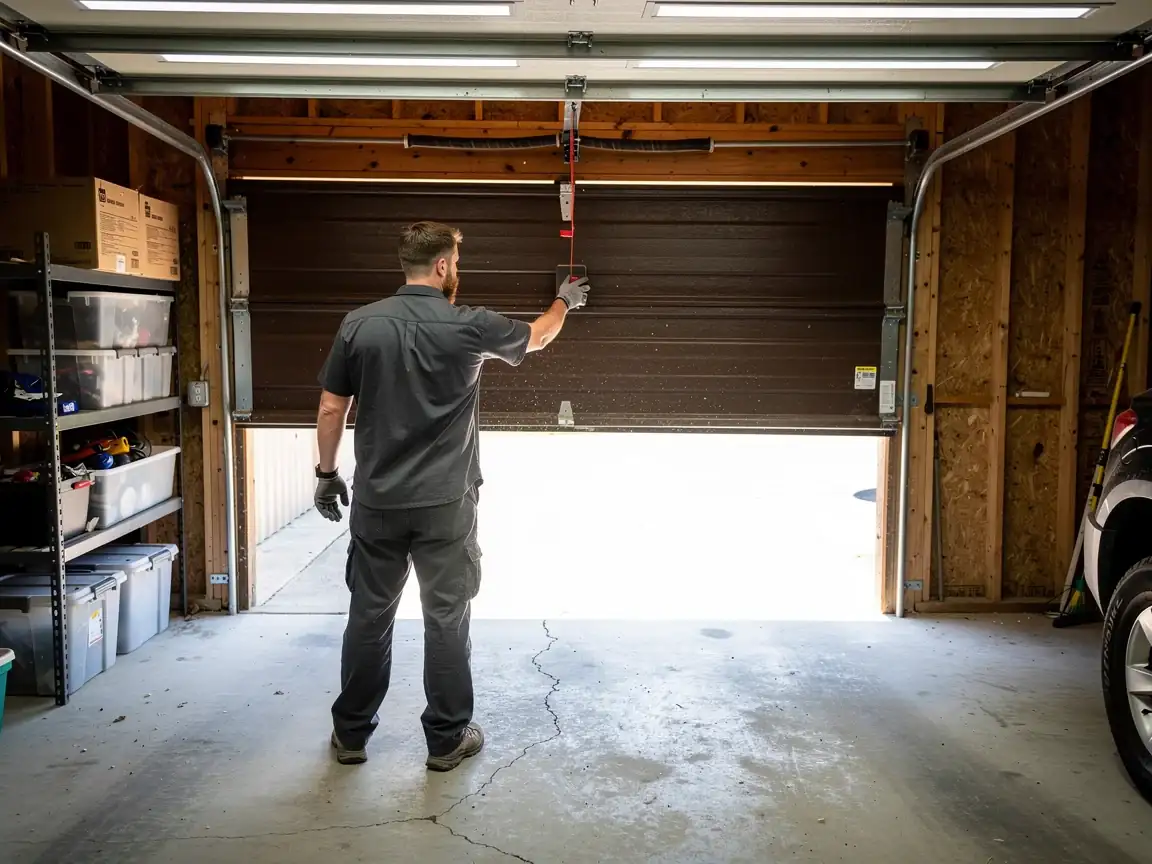
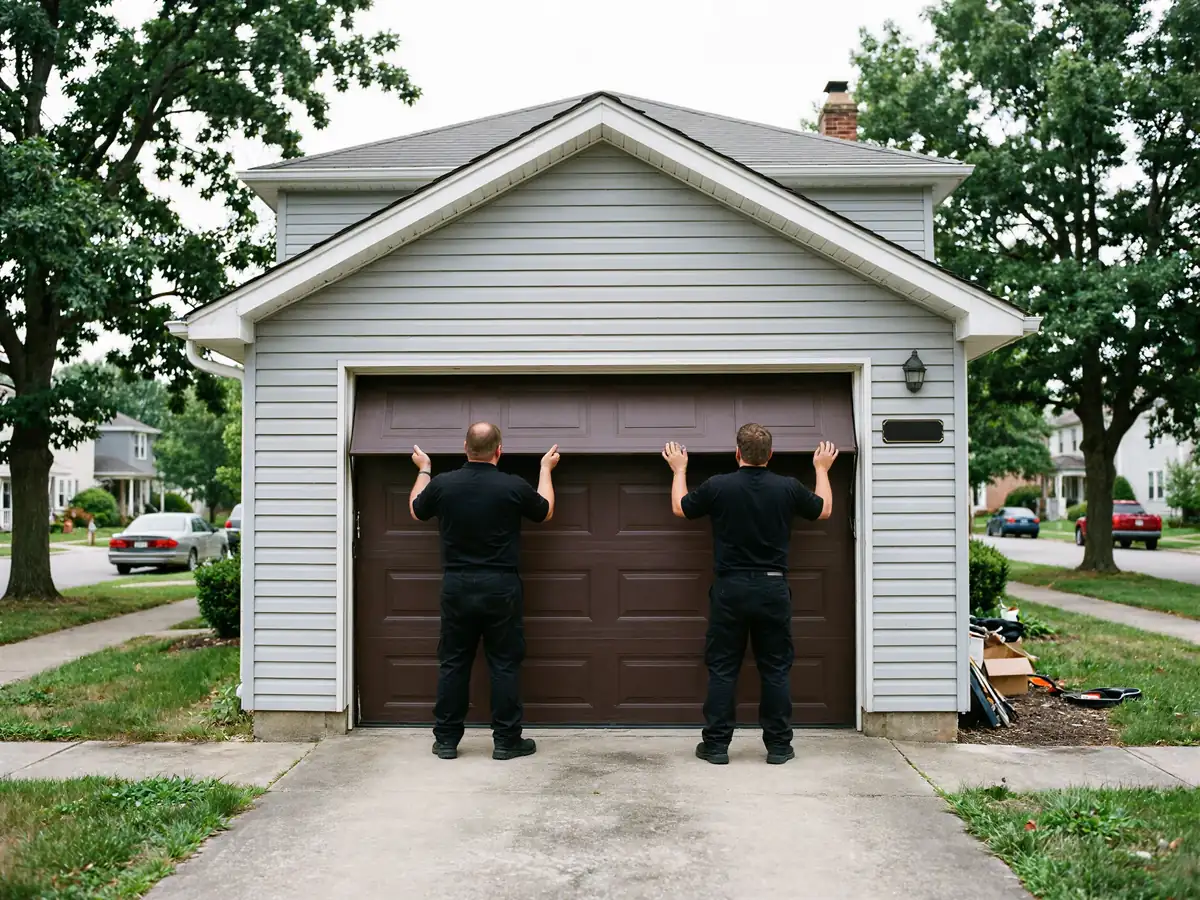
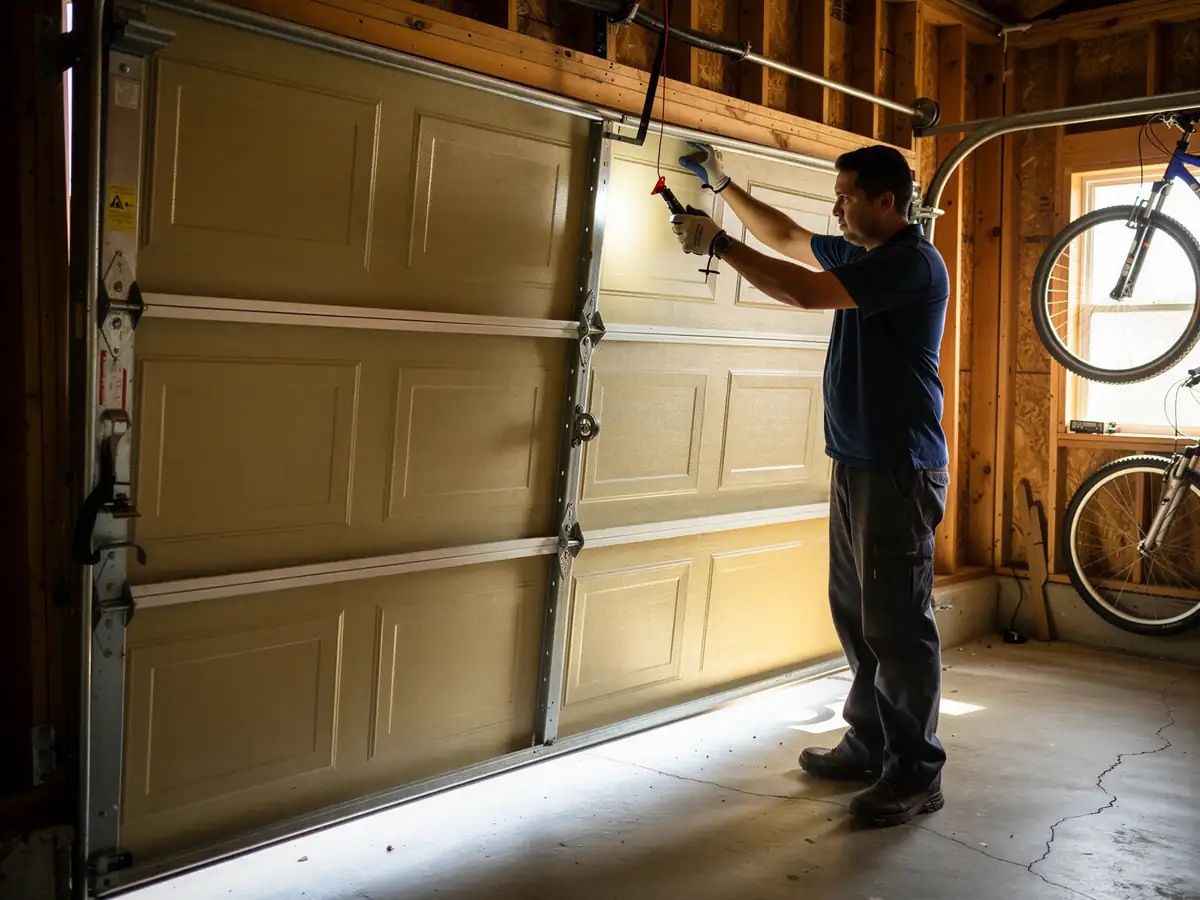
A torsion spring is wound under a few hundred pounds of tension, and the winding bars that release that tension safely aren't something most homeowners keep in the garage. This is the one place on a garage door where guessing costs fingers, not just time. What you can safely check yourself: pull the release cord, lift the door by hand, and see how it feels. A door that's balanced should stay roughly level at waist height and move with light effort. One that crashes down or won't budge is telling you the spring has lost tension or already broken. That's useful information to give us on the phone - it narrows down whether we're bringing a replacement spring or also checking cables and rollers. Past that point, leave the bars in the truck. We'd rather talk you through what you're seeing than meet you at the ER instead of the garage.
Stocked Parts
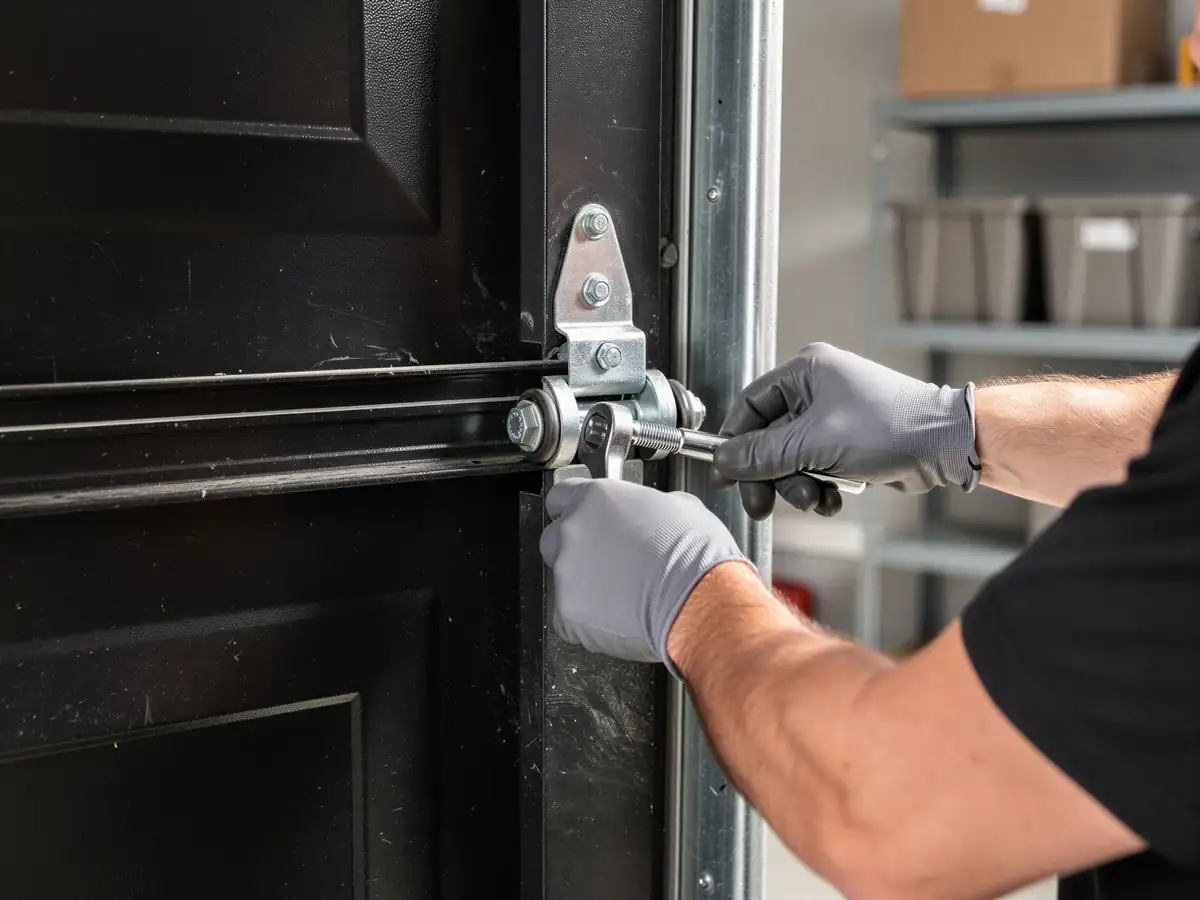
Because so much of Manchester's housing dates to the mid-1970s, the torsion springs that fit these doors fall into a fairly narrow band of shaft diameter and wind length - we keep that range stocked rather than ordering per job. Where it gets slower is non-standard setups: custom door widths, older extension-spring conversions, or hardware that's been modified more than once over the decades. Those sometimes need a part ordered in, and we'll say so up front instead of promising a same-visit fix we can't deliver. Most jobs on doors from this era, though, are a straight swap - old spring off, correctly sized spring on, cables and drums checked while we're in there.