Time on the Job
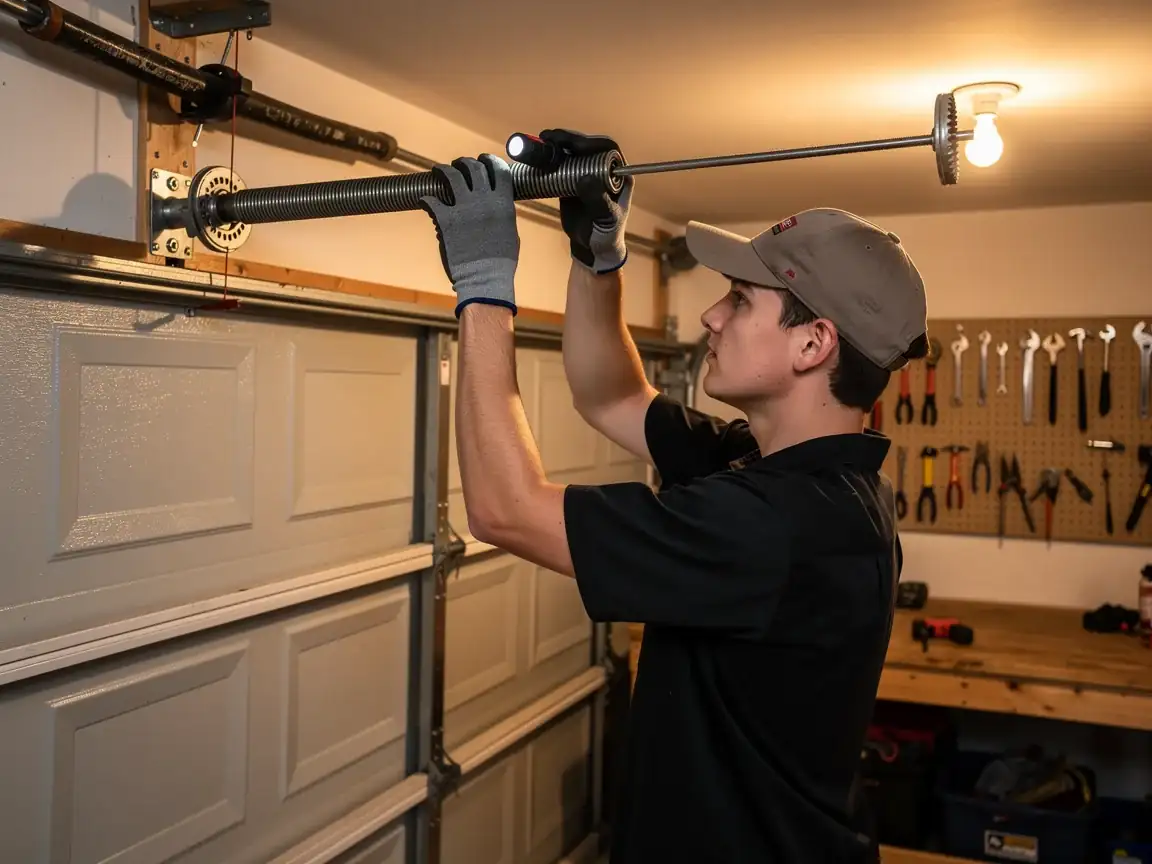
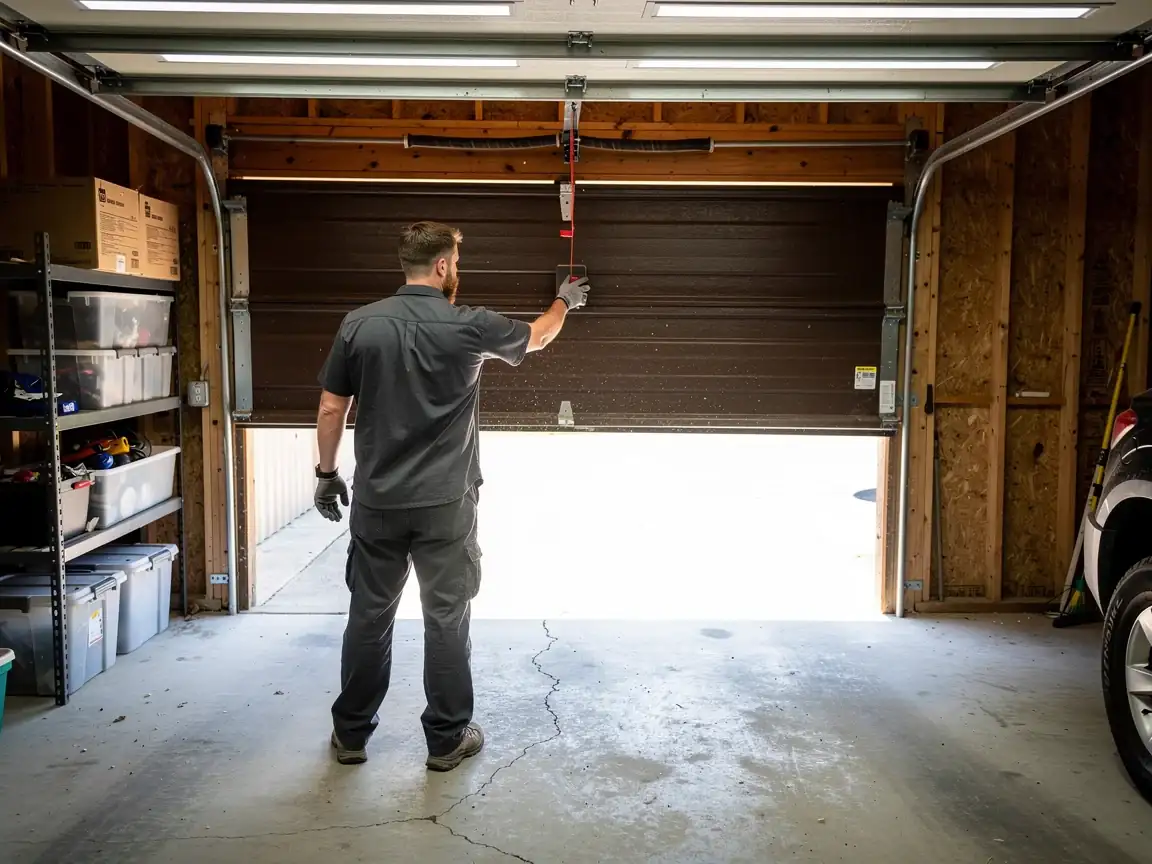
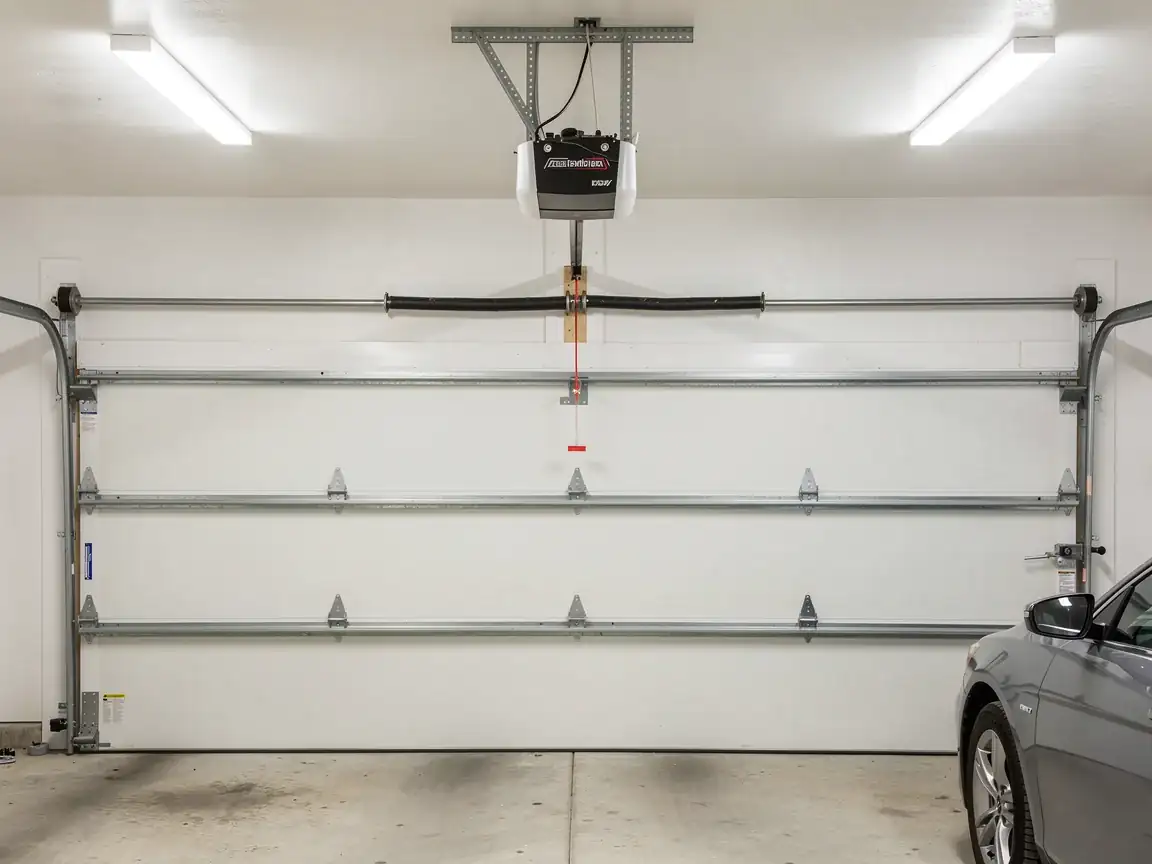
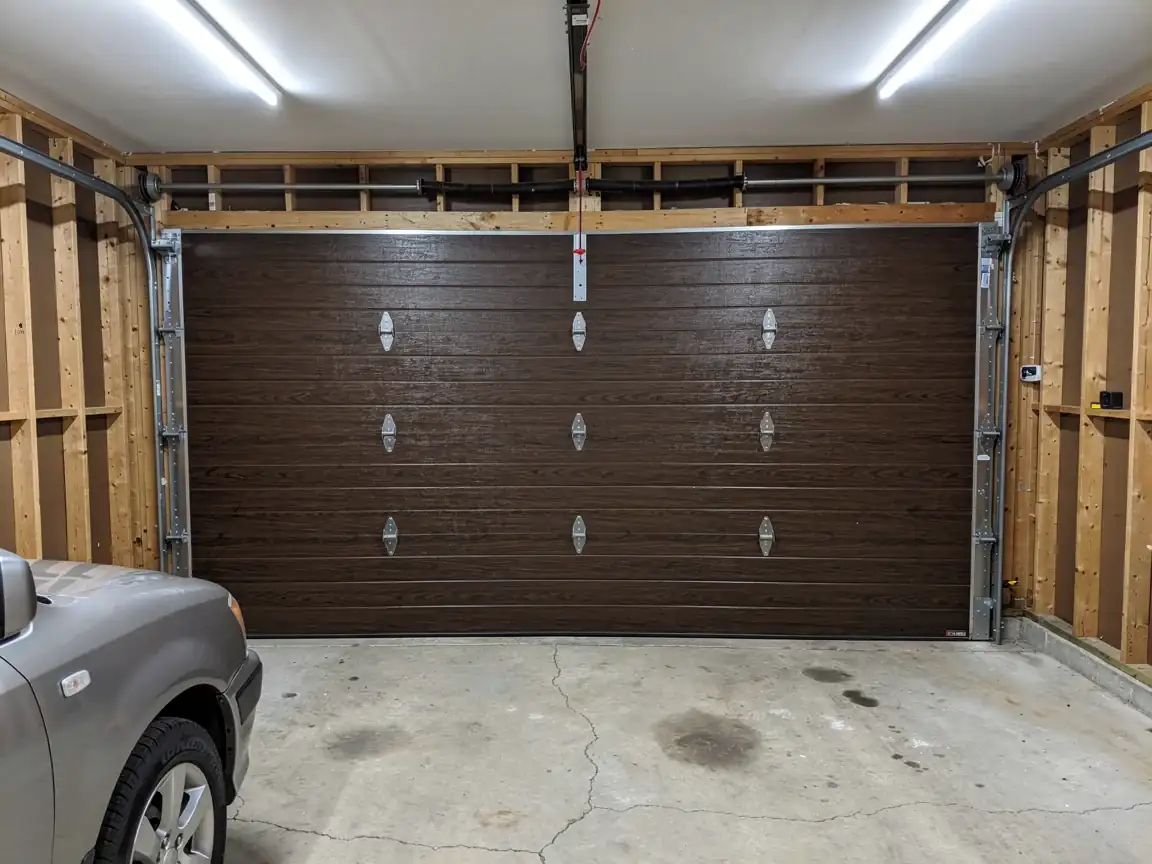
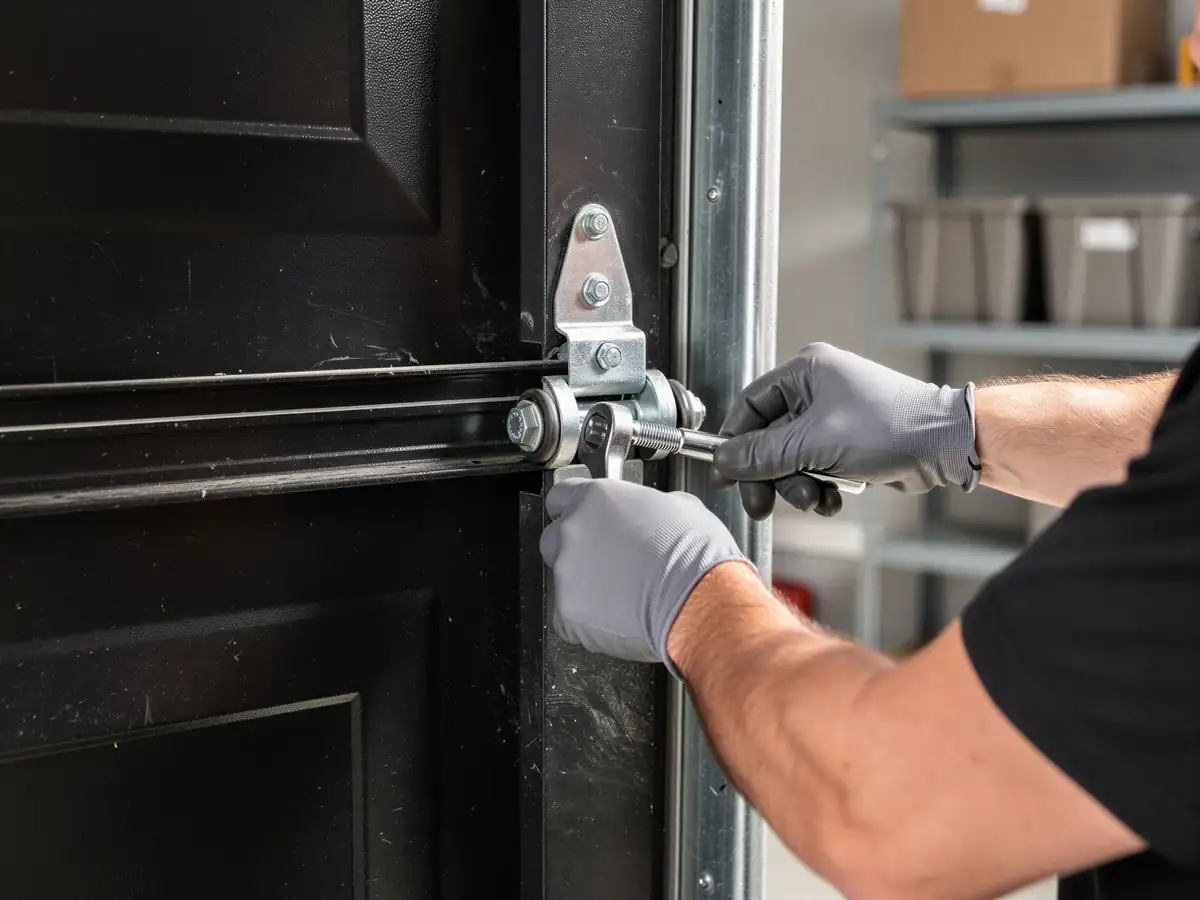
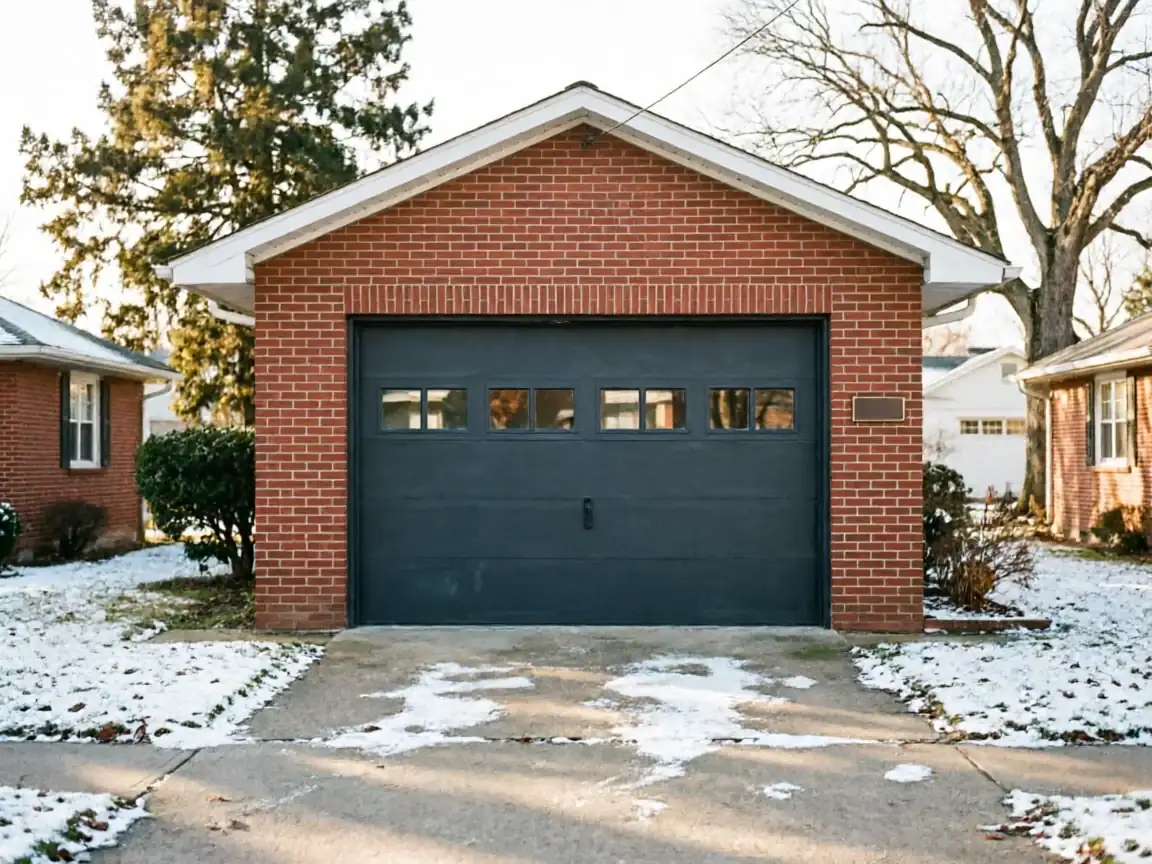
Most houses in Manchester went up around 1976, which puts a lot of original track brackets and roller hardware still bolted to the jambs almost fifty years later. Nobody re-torques a bracket that isn't making noise, so when a door finally jumps the track, we're often looking at the same steel that went in with the house. That's different from the broader service area, where the median build year runs closer to 1969 and the mix of hardware eras is wider. In Manchester the stock is tighter and newer by comparison, built mostly in one decade, which means the failure patterns repeat house to house - a bent horizontal track section near the bottom roller, a loose wall bracket where lag screws have worked themselves half out of old framing. We come from Ballwin, about 2 miles off, so there's no guessing on drive time once a job's on the books - it's a short run, not a cross-county haul. We look at the full track run, not just the spot where the door stopped moving, because a door that's off-track at one bracket is usually loose at the next one too.
Doing It Yourself
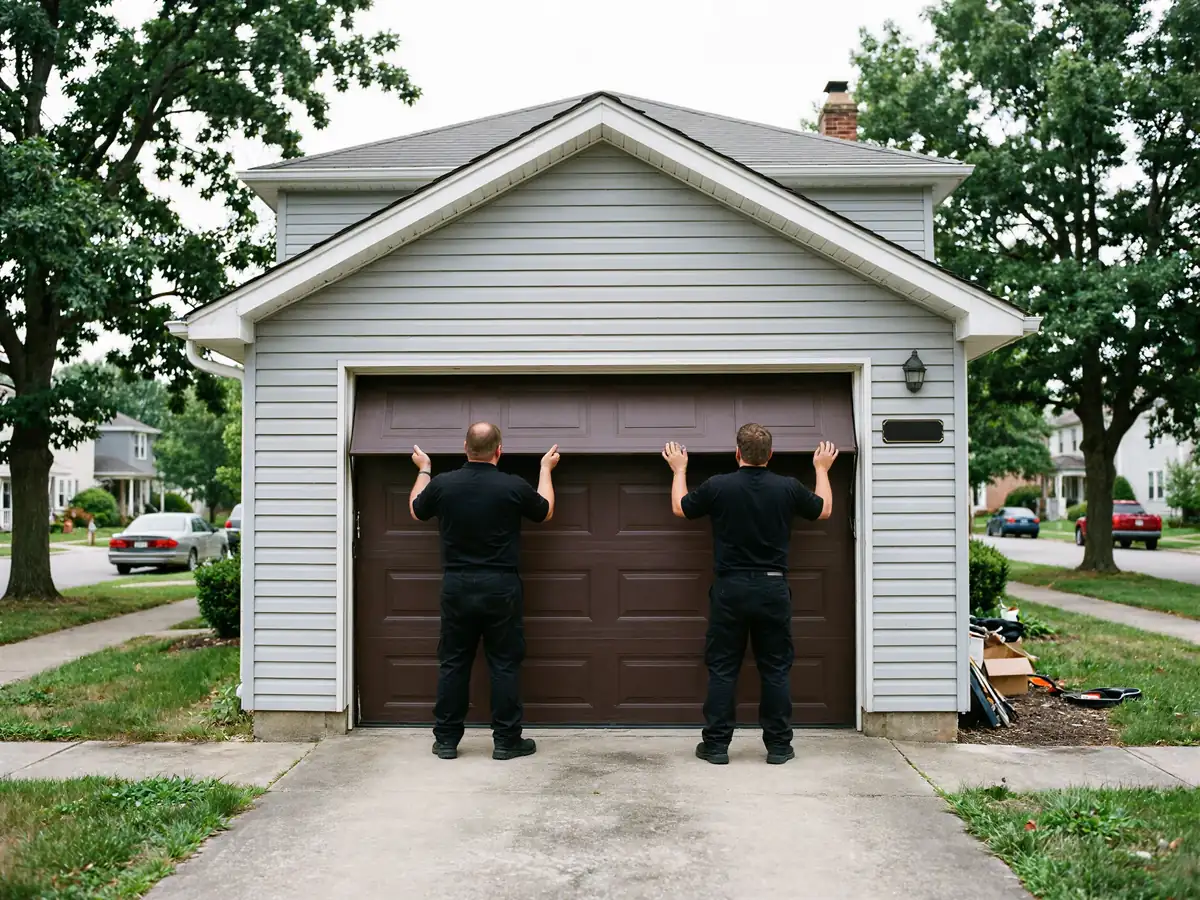
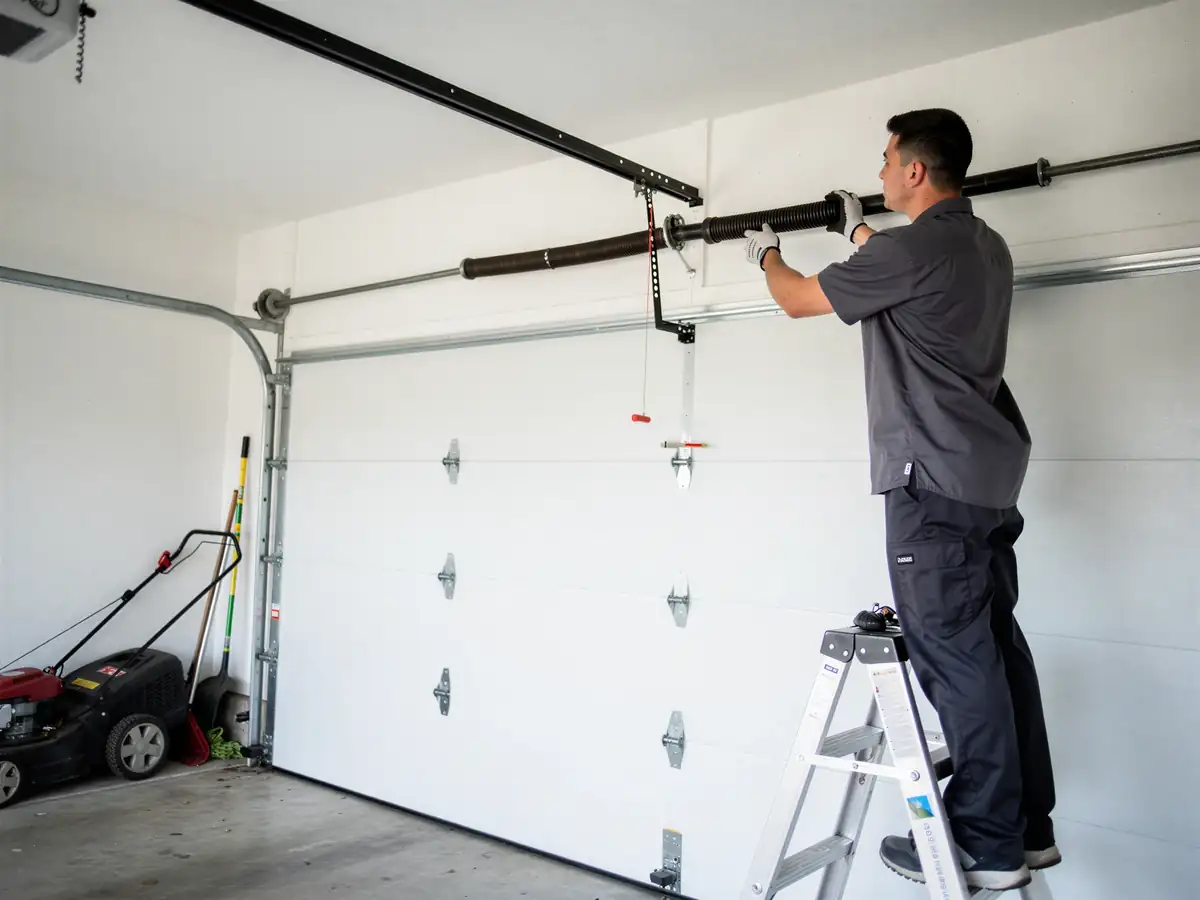
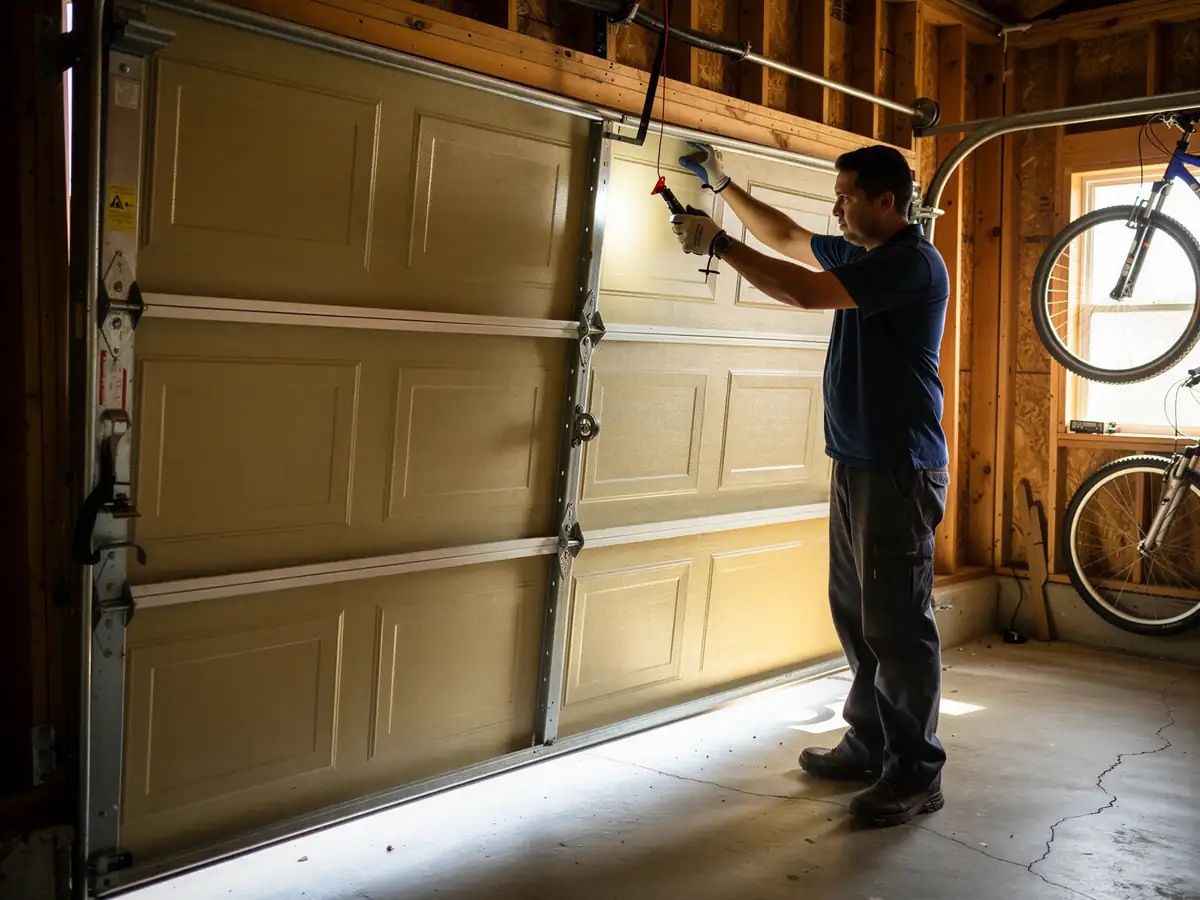
If a door's off-track but the opener hasn't been fighting it, you can sometimes walk it back onto the rail by hand - pull the release cord, lift gently, and feel for where the roller wants to seat. If it won't seat without force, stop. Forcing it bends the track further and turns a bracket job into a track-replacement job. We won't pretend every off-track call needs a truck - sometimes a homeowner catches it early and a few minutes with a rubber mallet and a level fixes a mild bow. But on original 1970s-era brackets, the lag bolts are often stripped or the jamb wood has dried out, and reseating the door without fixing the bracket just means it comes off again in a month. That's the limitation worth knowing up front: we can straighten a track, but if the wall anchoring behind it has gone soft, patching it is a short-term fix and we'll say so rather than charge you twice.
Stocked Parts
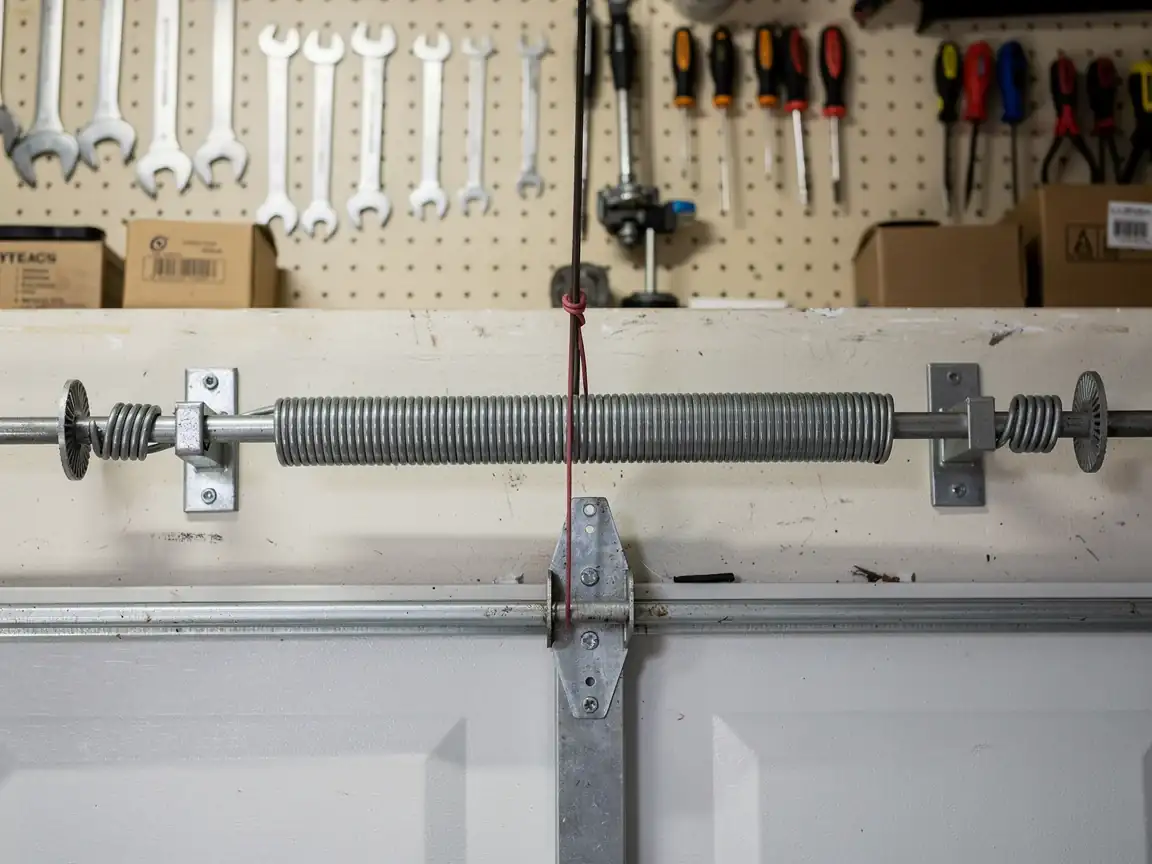
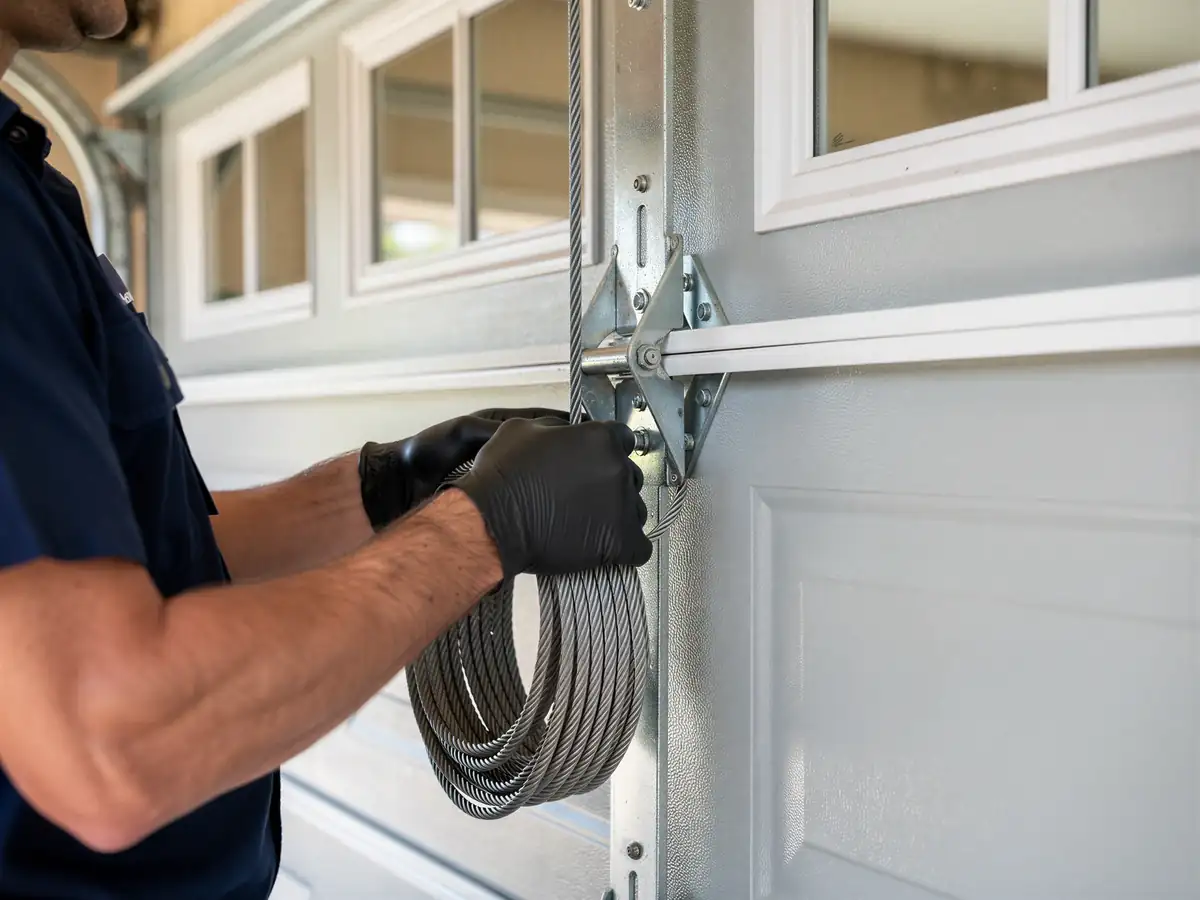
We carry the roller and bracket sizes that match the 1976-era builds common through Manchester, along with the heavier-gauge track sections used on doors from that stretch of construction. That's the advantage of a tight building era - we're not guessing at six different hardware generations, we're stocking for the one or two that actually show up on these streets. Cable and hinge stock for standard residential double and single doors rides on the truck too. What we don't keep on hand is anything custom-width or an obsolete track profile from a door that's been modified over the decades - those get ordered, and that can mean a short wait. Across the wider area median household income runs near $87,806, and Manchester itself runs higher than that, which tends to mean more owners choose full hardware replacement over patching when a track's bent in more than one spot - we'll lay out both options and the real cost difference before you decide.