Time on the Job
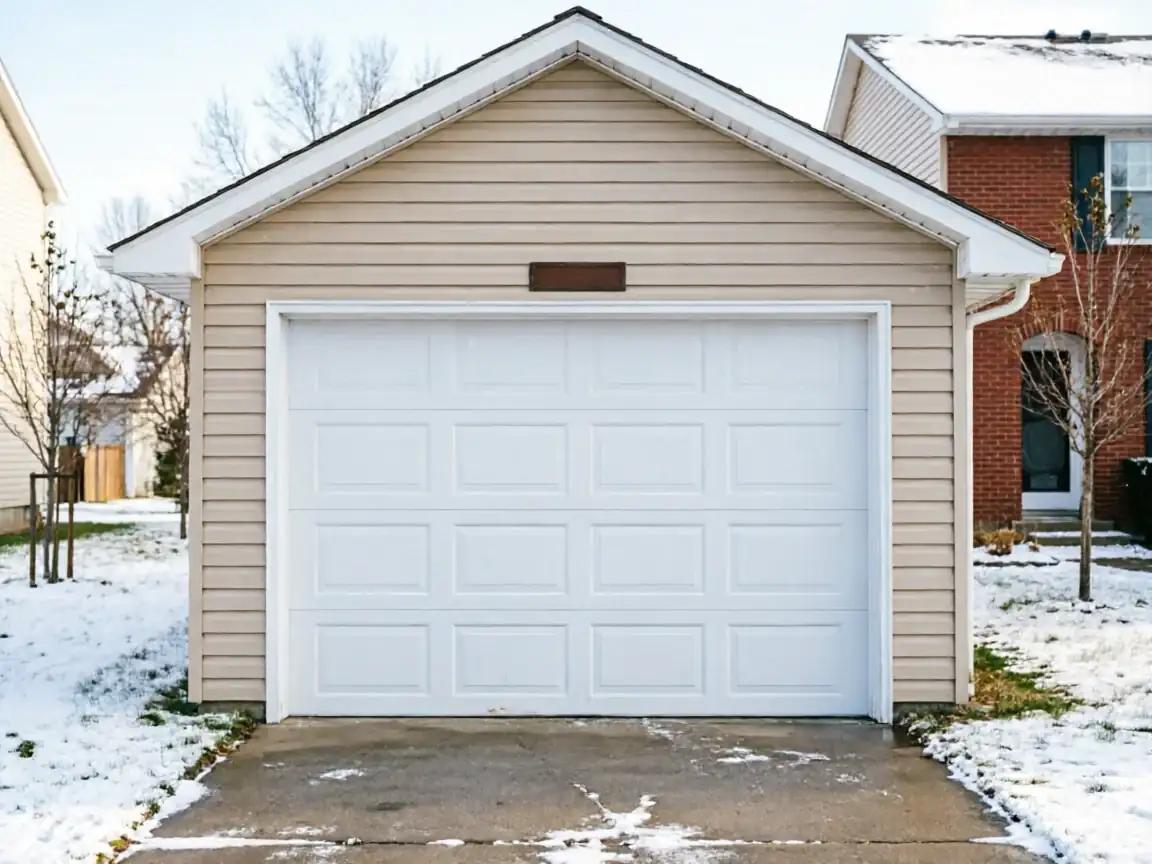
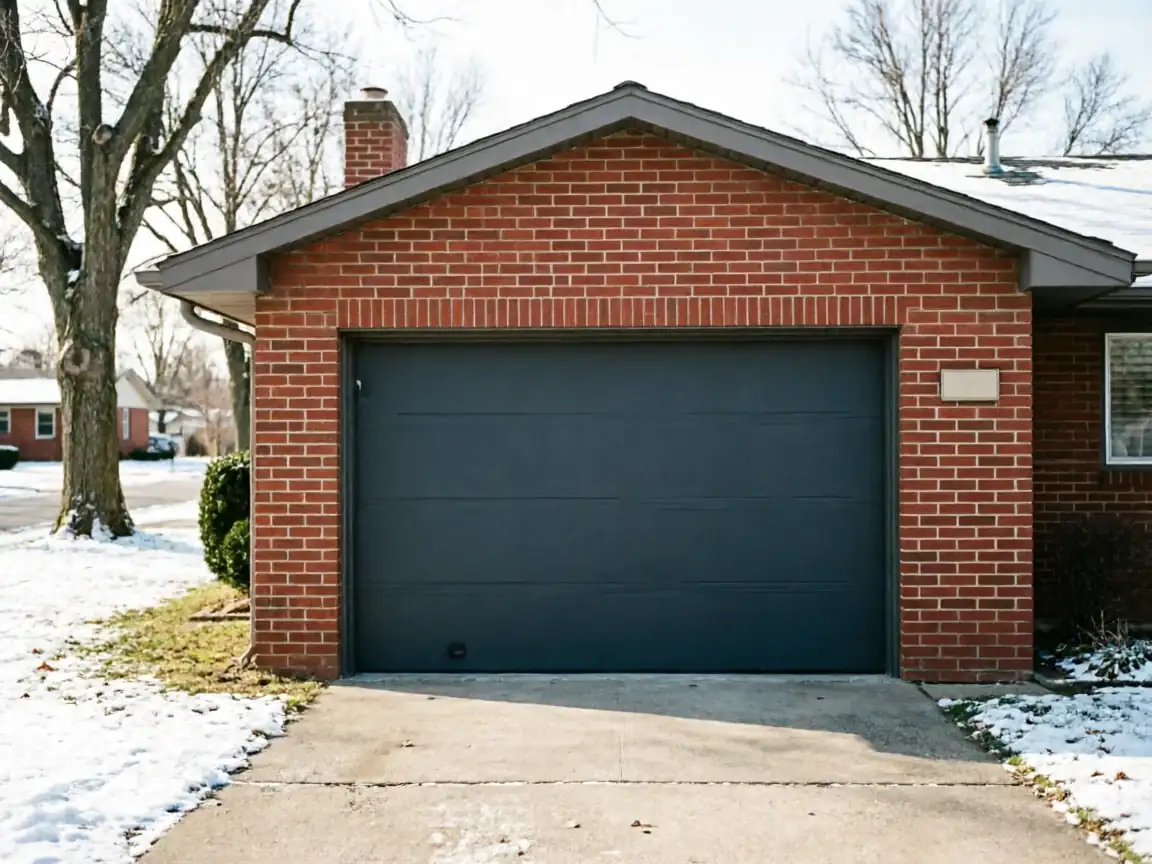
Manchester is a town of about 7,420 households, smaller than a lot of the places we cover but with its own housing pattern that shows up in the calls we get. Across our wider service area the typical house went up around 1969, but Manchester itself centers closer to 1976 - a different decade of garage door hardware than you'd find in an older pocket of the county. That gap matters more than it sounds like it should. A door and opener installed in the mid-to-late 1970s is often on its second or third opener by now, but the original track and spring mounts can still be factory, and factory from that era doesn't always match what's on the truck today. We see a steady run of jobs here that are really about reconciling an old frame with newer parts, rather than a door that's simply broken. The service area overall runs cold-moderate for climate, which shortens the working life of standard torsion springs regardless of the house's age, so a 1976-era spring that's never been swapped is usually living on borrowed time.
Doing It Yourself
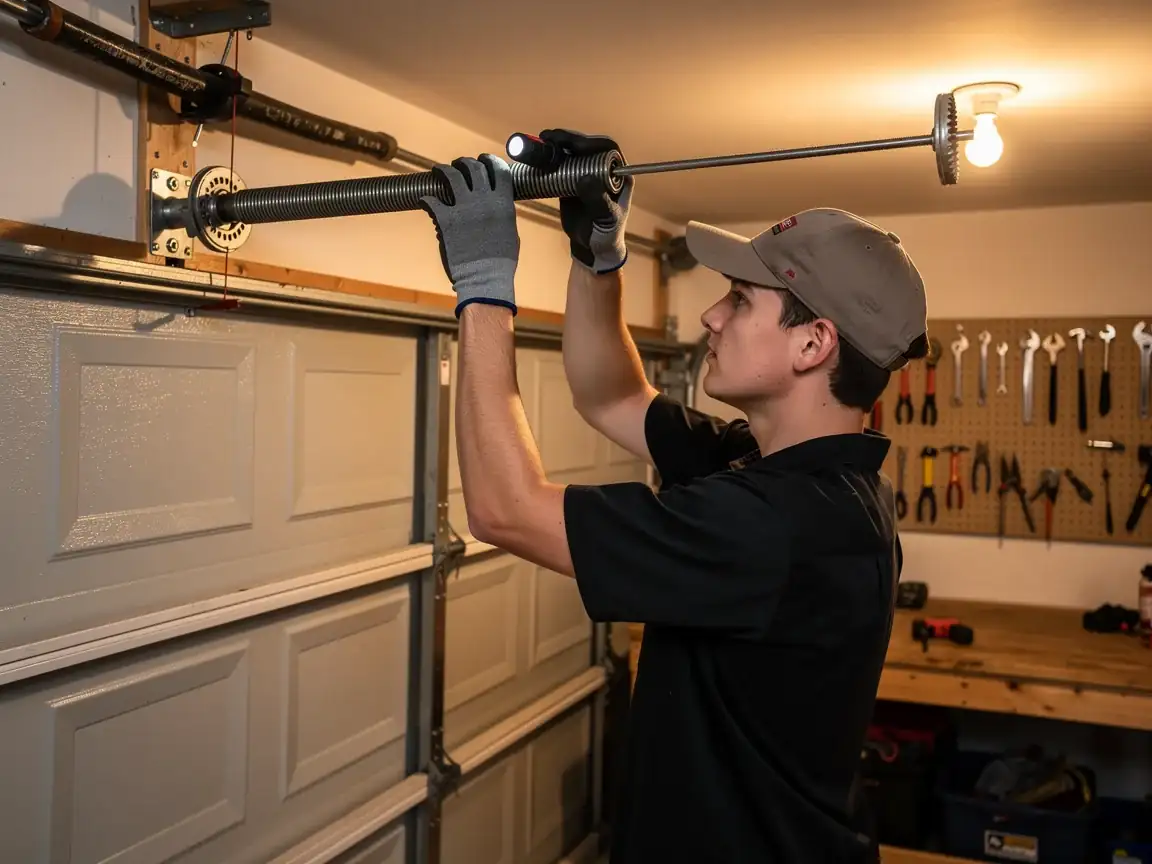
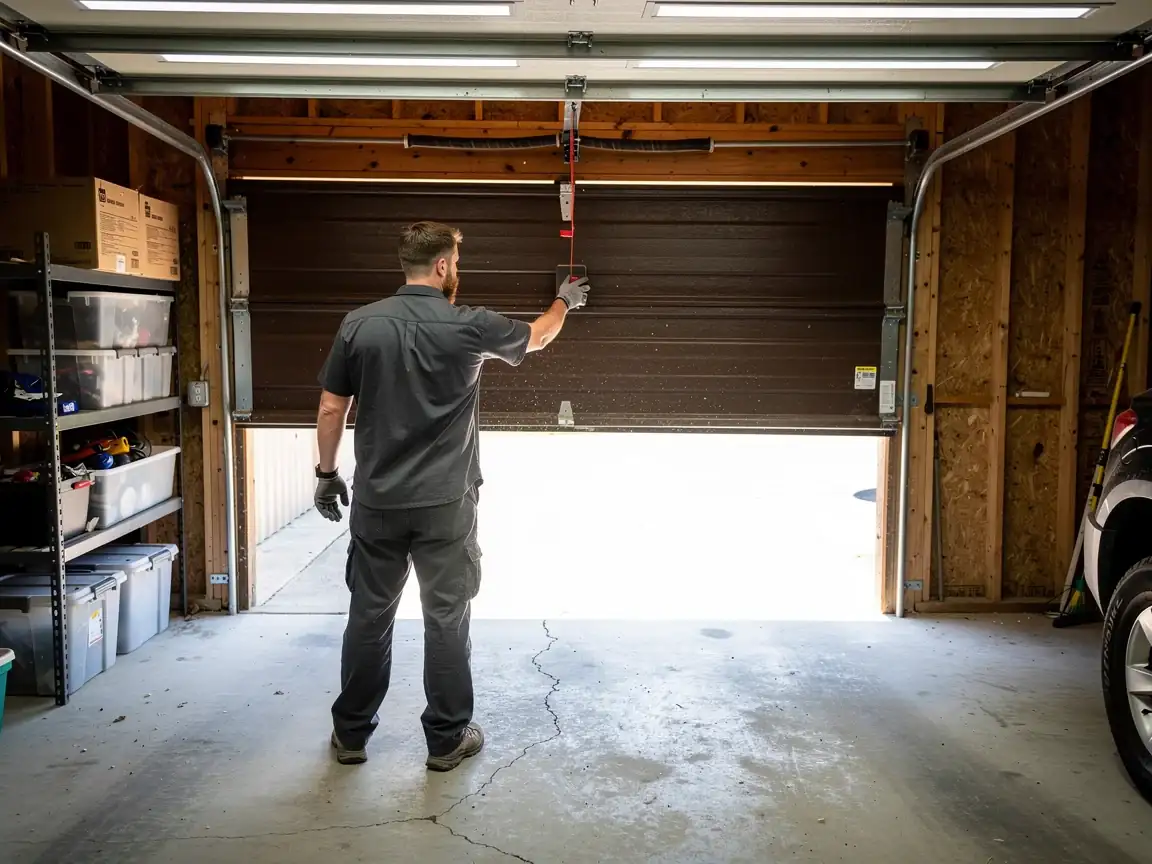
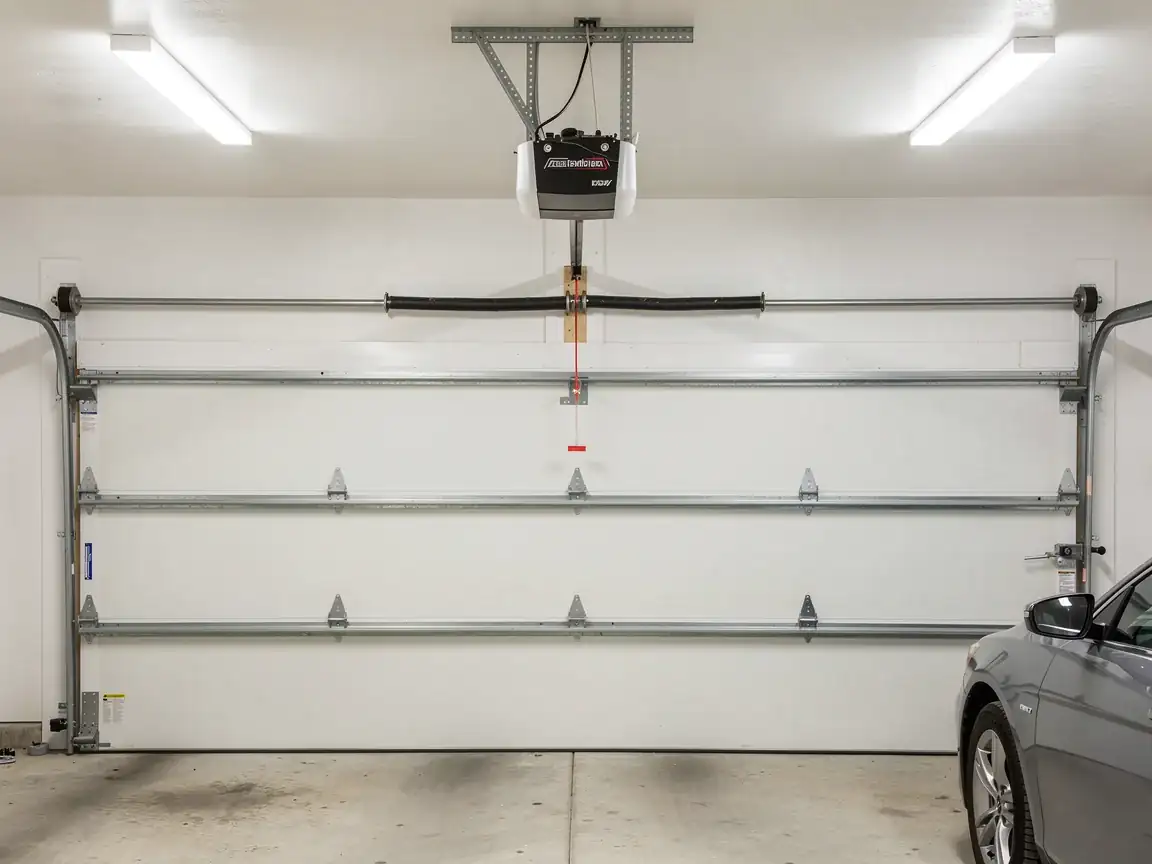
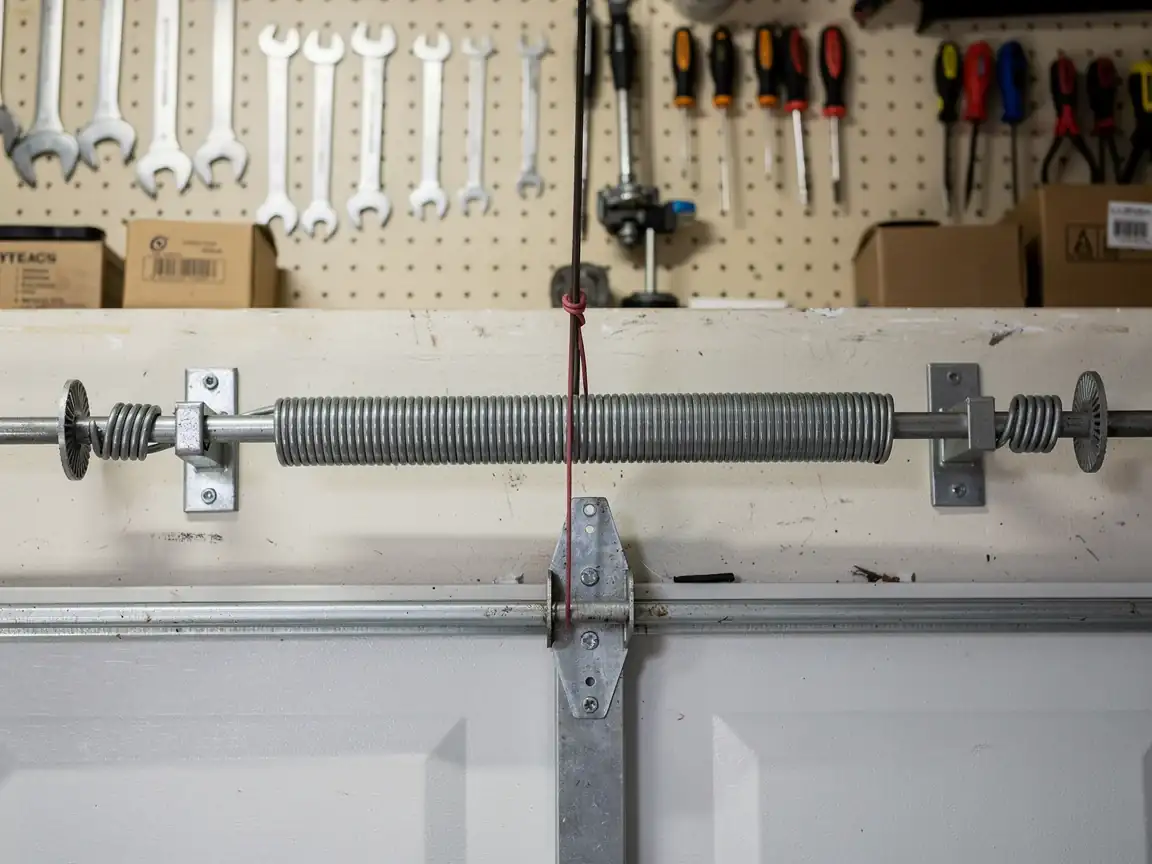
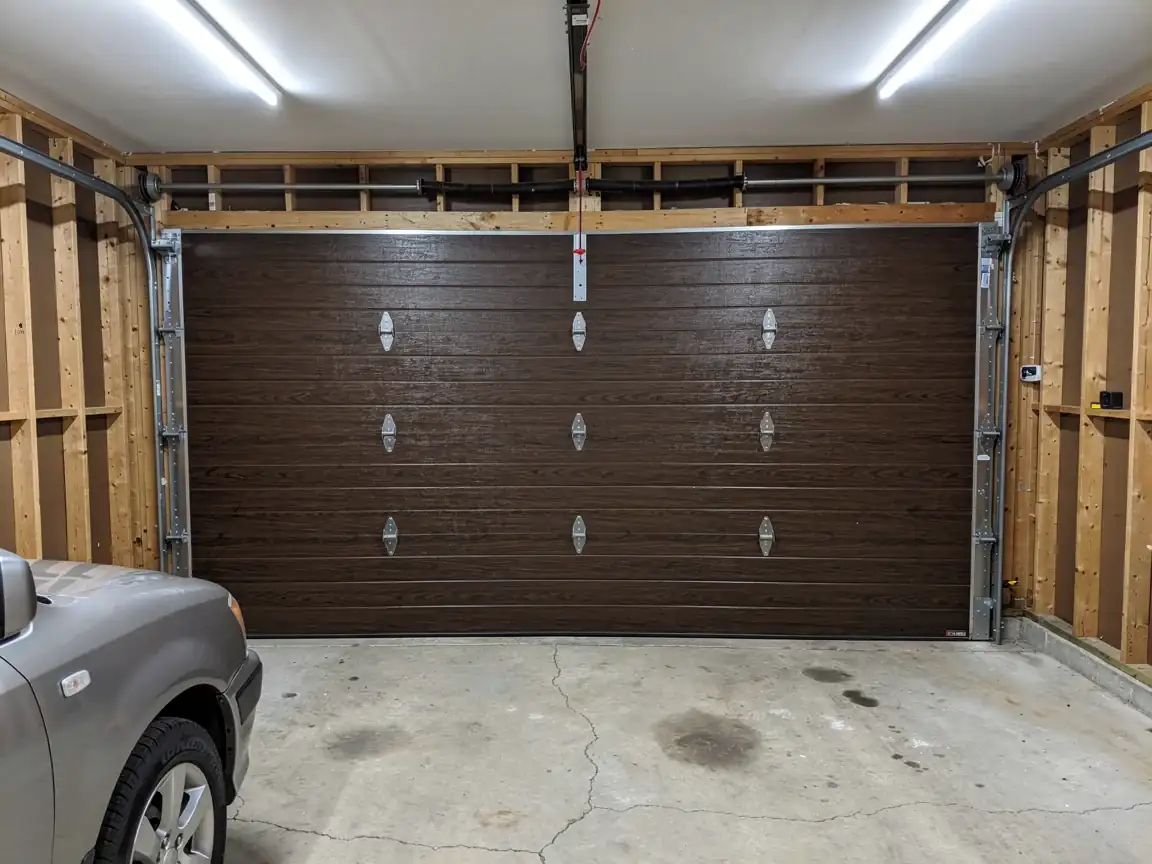
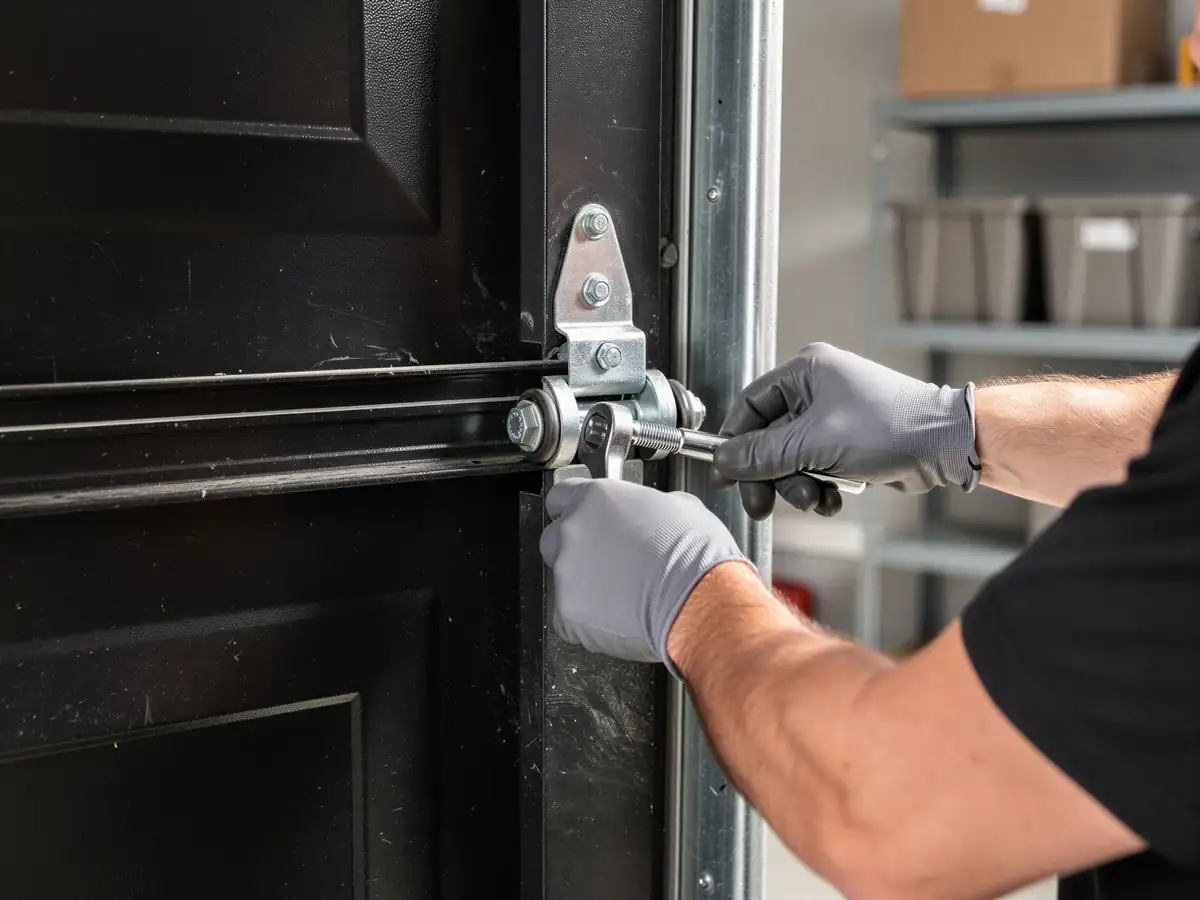
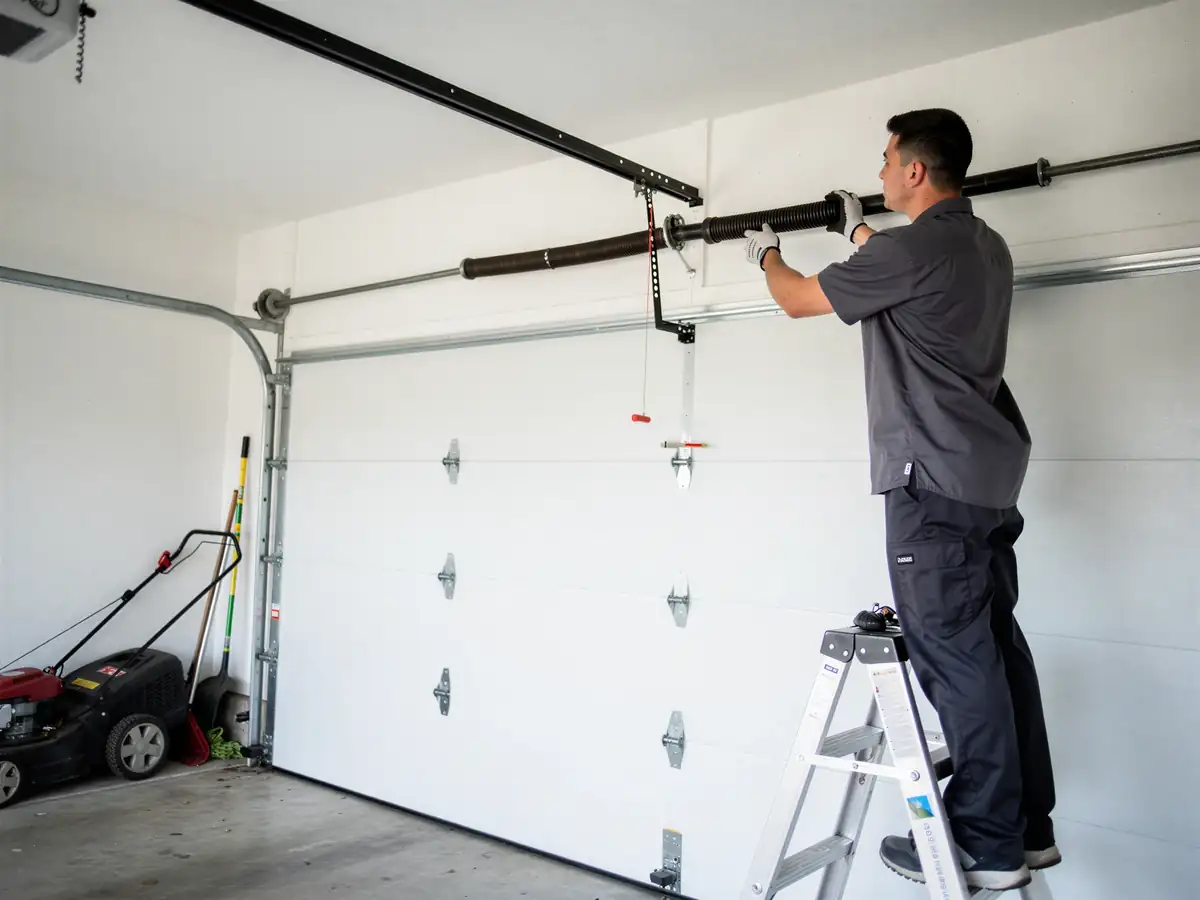
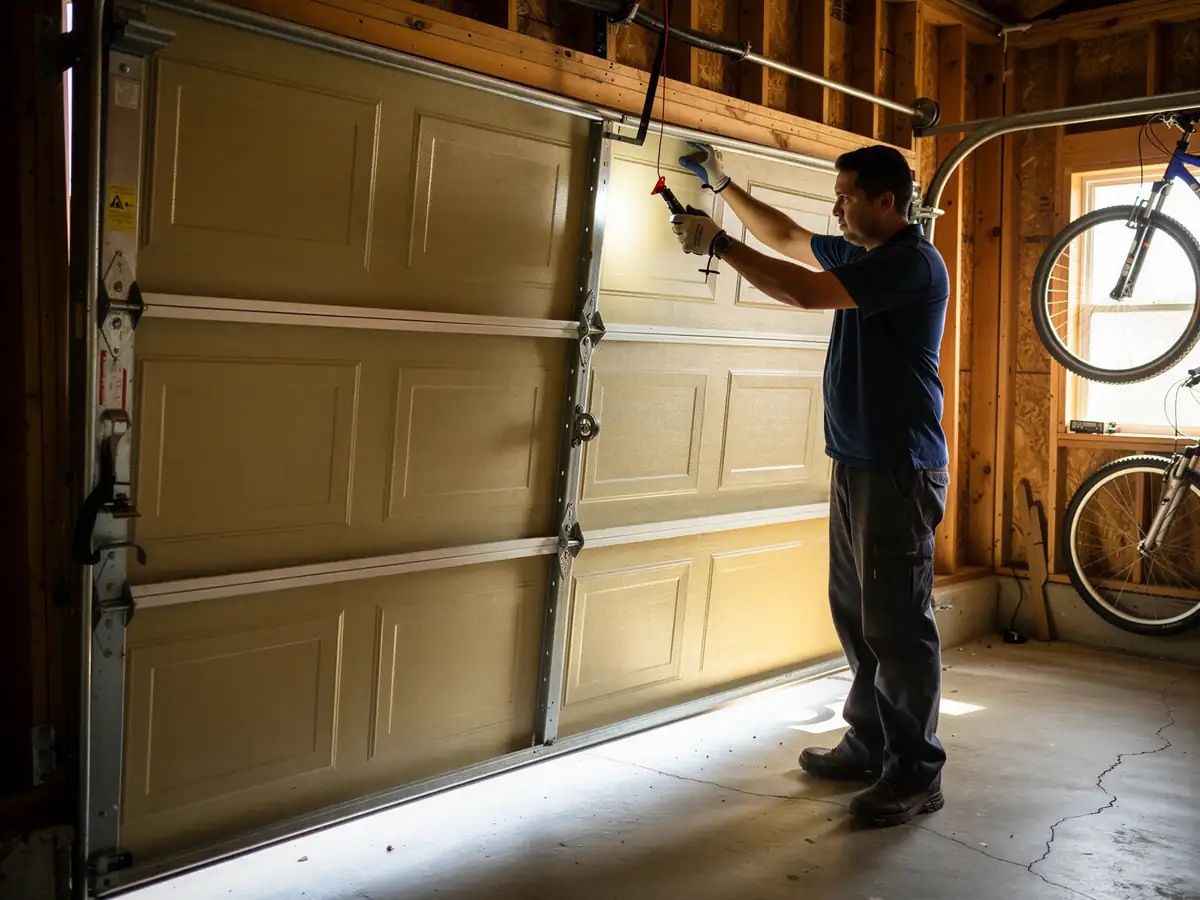
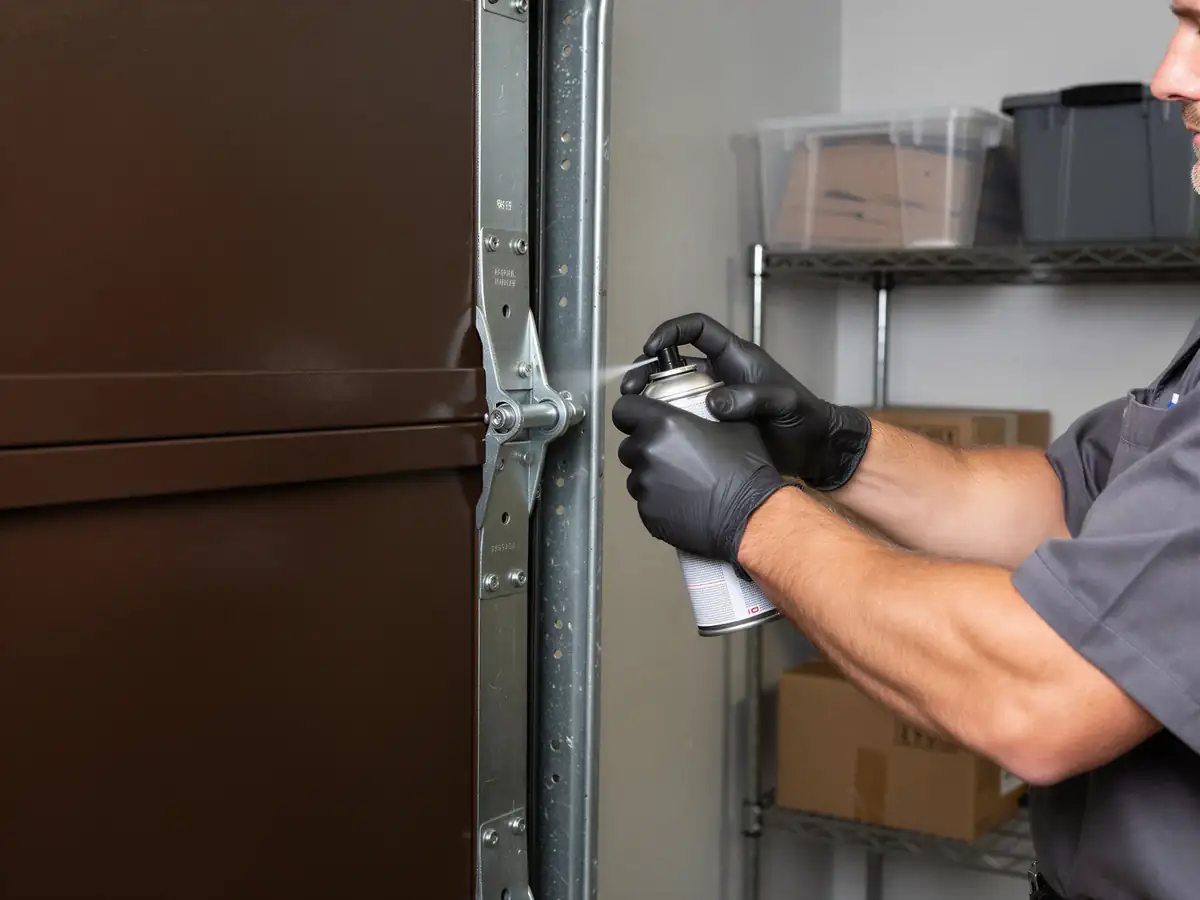
There's real DIY room here: lubricating rollers and hinges, tightening loose hardware on the track brackets, swapping weatherstripping along the bottom panel, and testing the auto-reverse safety feature by setting a 2x4 under the door and watching it kick back up. All of that is reasonable for an owner with basic tools and an afternoon. What isn't reasonable, and what we won't walk you through over the phone, is touching a torsion spring under tension. On a house from the 1976 build era, that spring has likely been replaced at least once already and may not match the original hardware exactly, which makes guessing at wind count more dangerous, not less. If the door won't open, sags on one side, or the opener strains and reverses on its own, that's a call, not a weekend project.
Stocked Parts
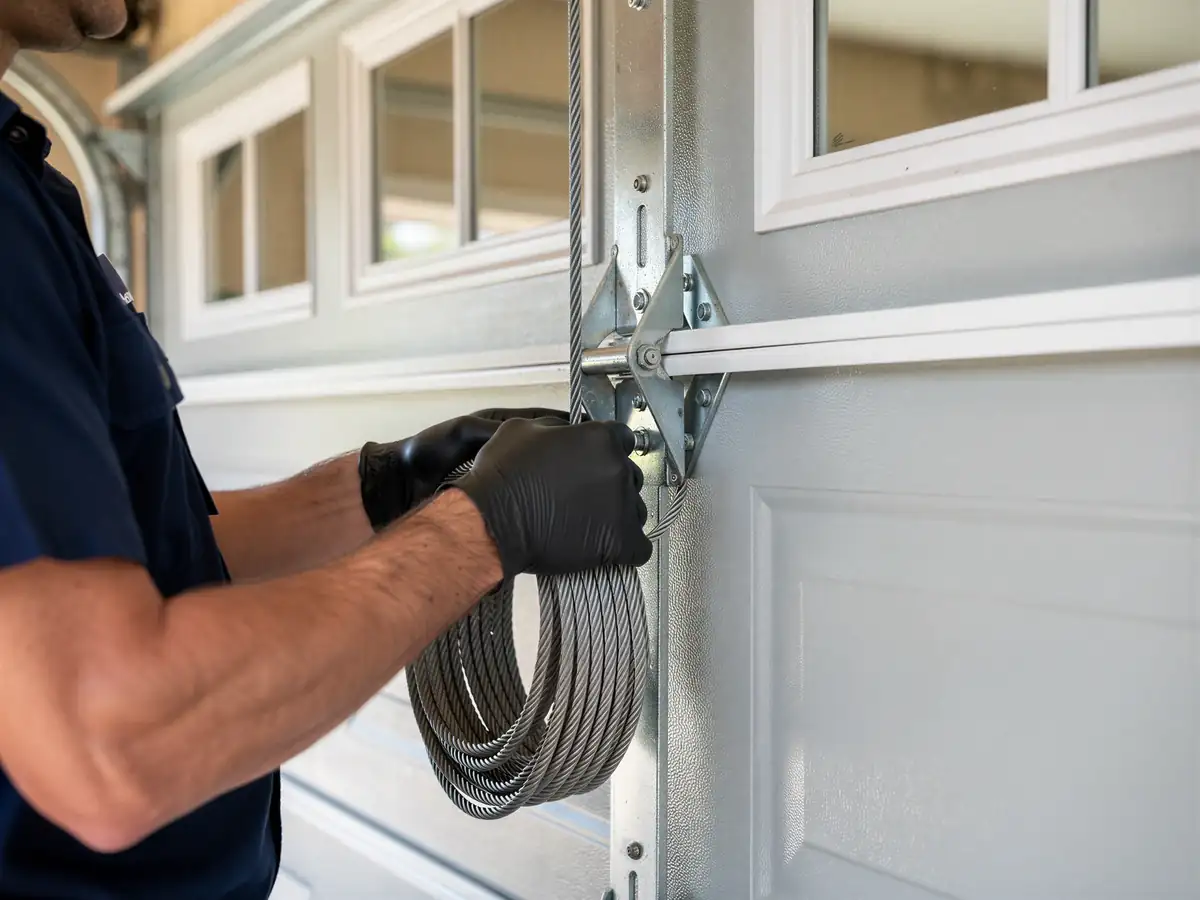
We keep parts on the truck sized for the hardware that actually shows up in Manchester, which skews toward mid-1970s torsion setups rather than the older side-mount coil springs you'd find in a town with an earlier median build year. That means standard torsion springs in the common residential wind sizes, steel rollers, galvanized cable, and the sectional door hinges that fit a panel door from that era without a custom order. What we don't stock, and have to order in, is anything matched to a less common original panel profile - some of the older doors in the area used panel widths or window-insert patterns that aren't made new anymore, and matching those means a lead time we're upfront about before we quote the job.