What Causes It Around Here
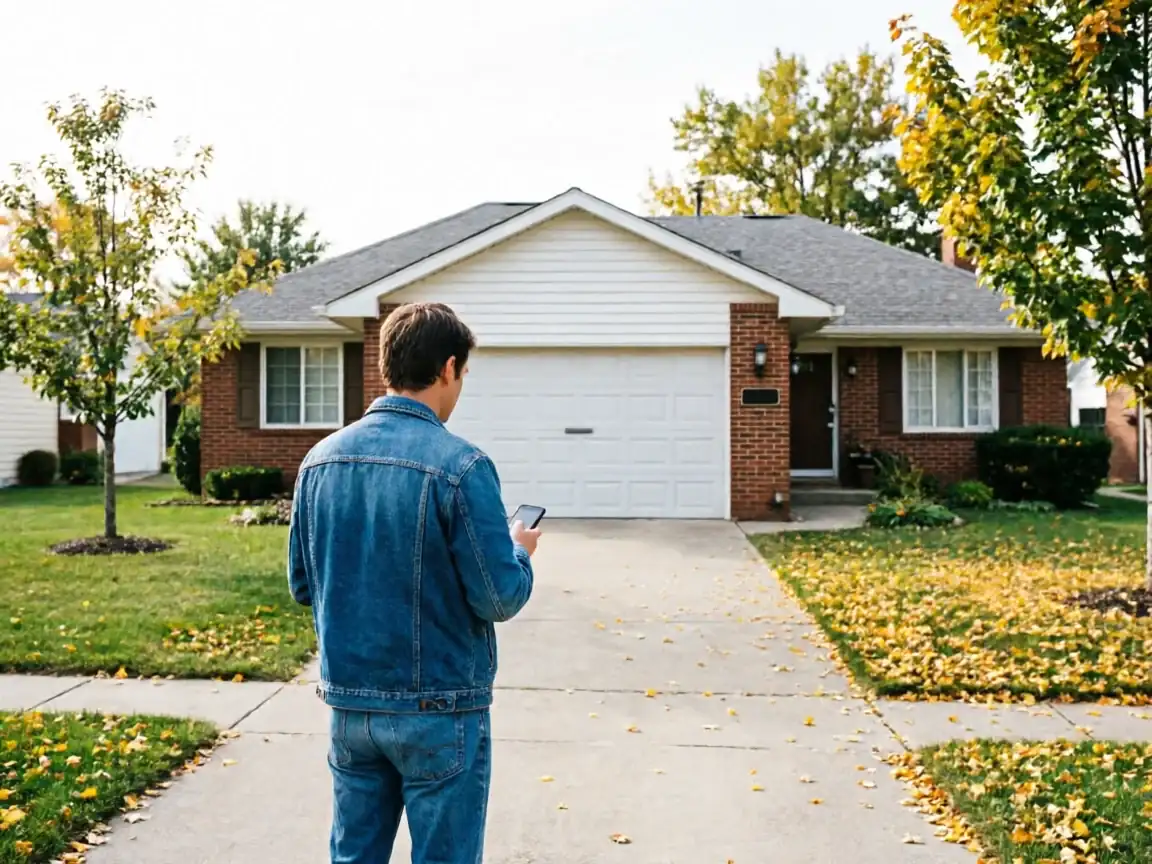
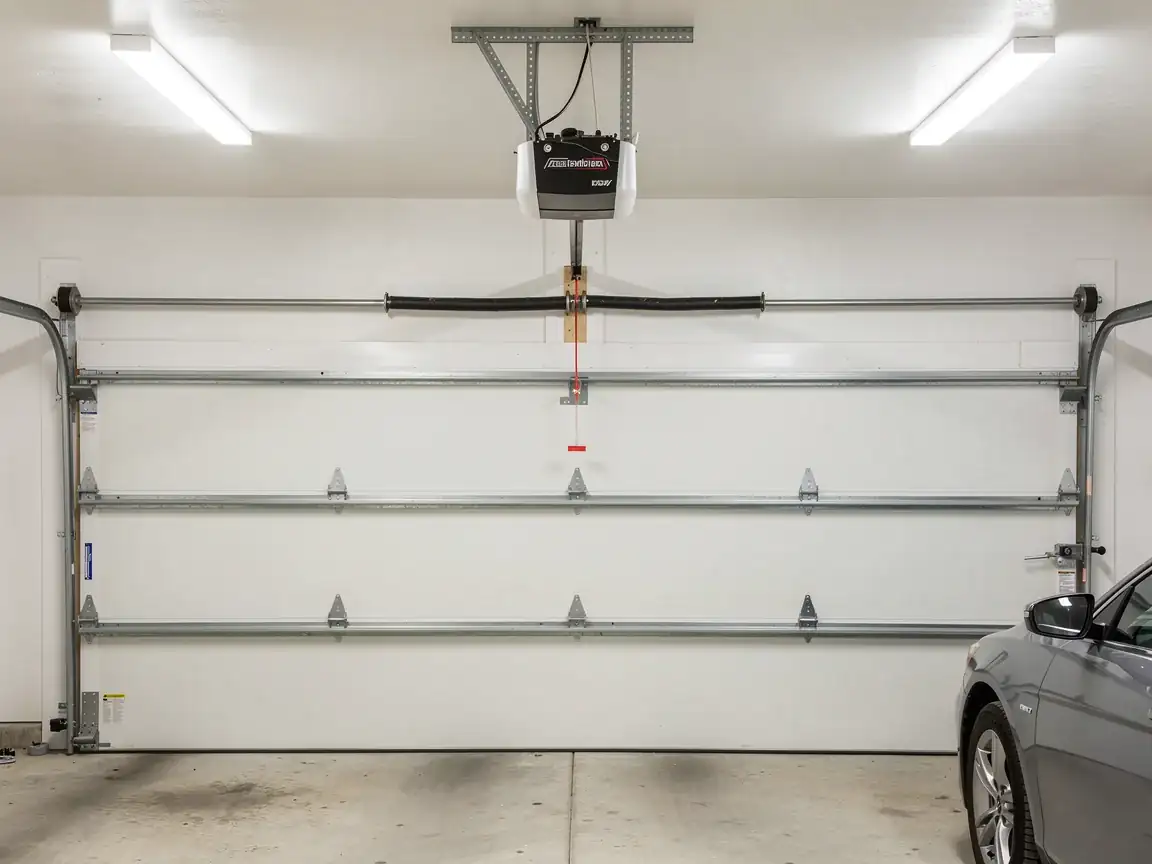
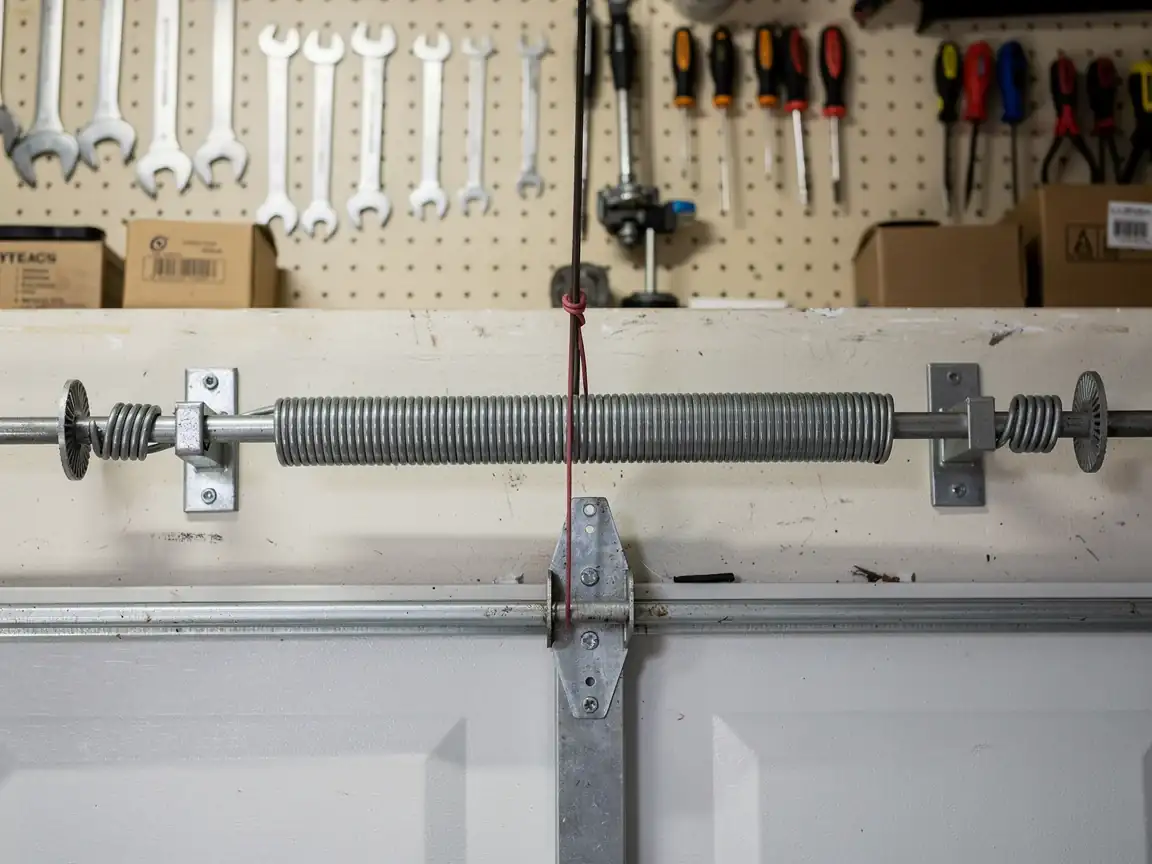
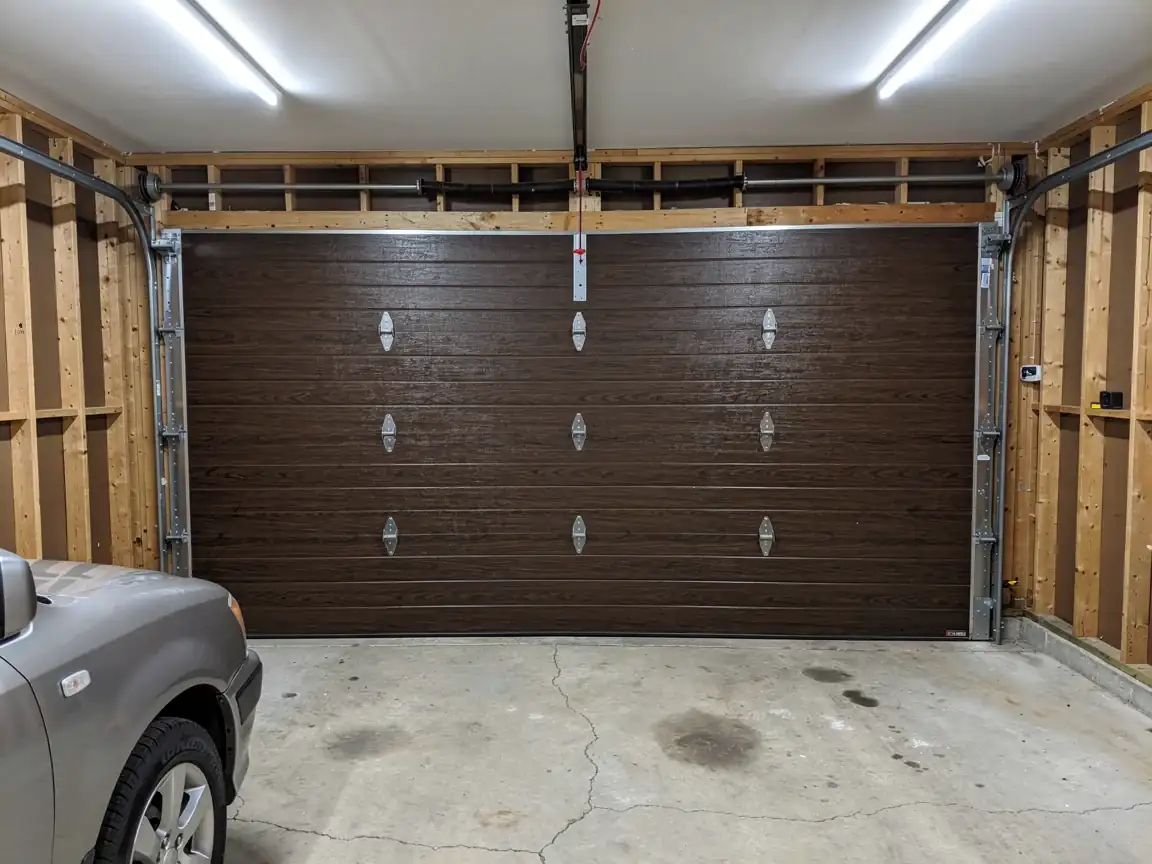
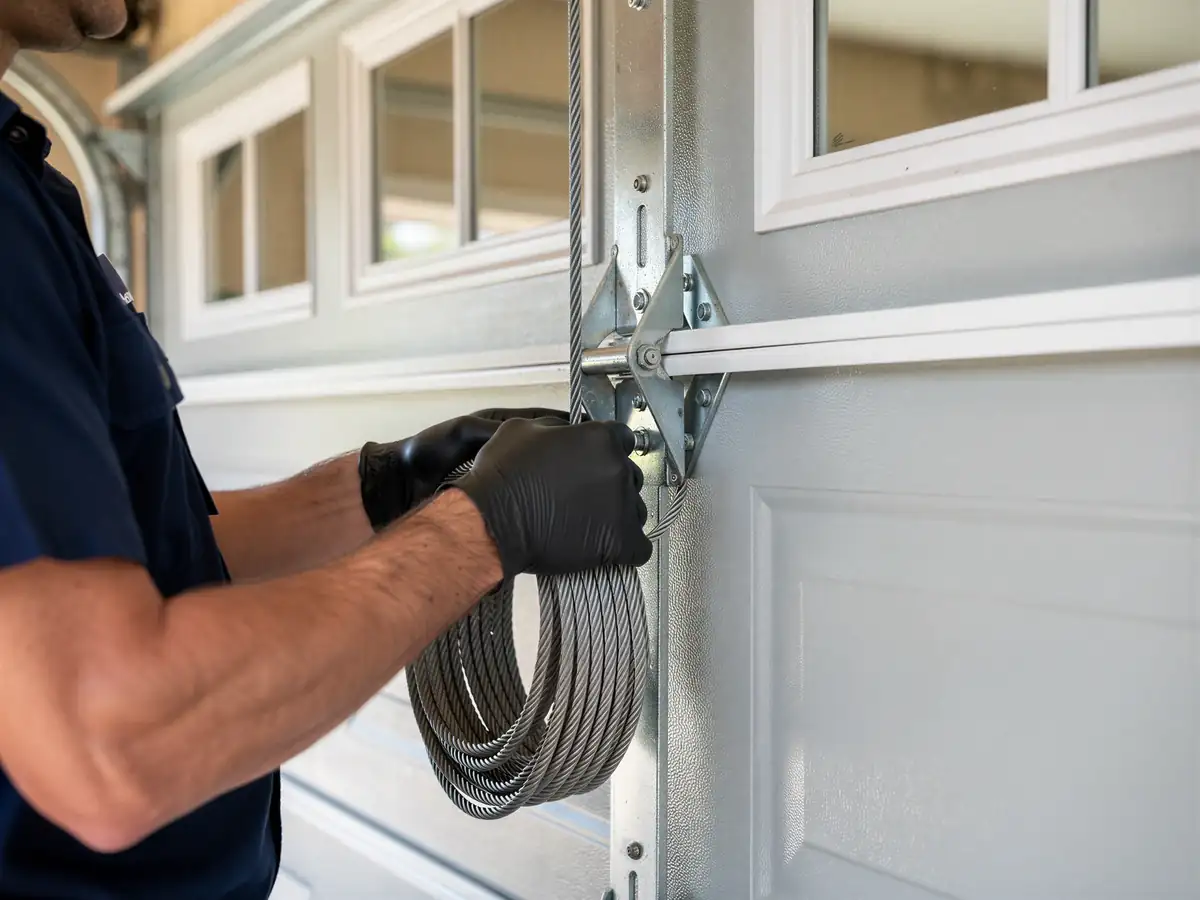
Des Peres homes cluster around a median build year of 1975, which puts this suburb a few years past the broader service area's 1969 median. That gap matters more than it sounds. Doors built in the mid-70s were more likely to ship with galvanized aircraft cable on extension spring systems rather than the older torsion setups common in earlier tracts nearby. Extension cables run along the bottom bracket and through a pulley at the top of the track, and after close to fifty years, a lot of that original cable is still on the door. It wasn't replaced because nothing failed outright - it frayed slowly, strand by strand, until one morning the door won't sit level or won't lift past a foot off the slab. Fraying shows up first at the bottom bracket, where the cable bends sharpest every time the door cycles. In this climate band, cold snaps stiffen the galvanizing and make a cable that was already thinning more likely to snap on a cold start. With 3,220 households in Des Peres and incomes well above the wider area's median, a fair number of these original systems have simply never needed attention until now - they were built once and left alone.
What It Costs
We don't have a posted price for cable repair in Des Peres and won't invent one here - cost depends on whether it's a single cable, both sides, and whether the drums or pulleys need replacing alongside it. What we can tell you is that with median household income in Des Peres running near $214,167, well above the roughly $87,806 median across the wider Ballwin service area, we see more owners choose to replace aging drums and pulleys at the same time as the cable rather than patch just the failed part. That's a judgment call specific to each door, not a package we sell.
What the Fix Involves
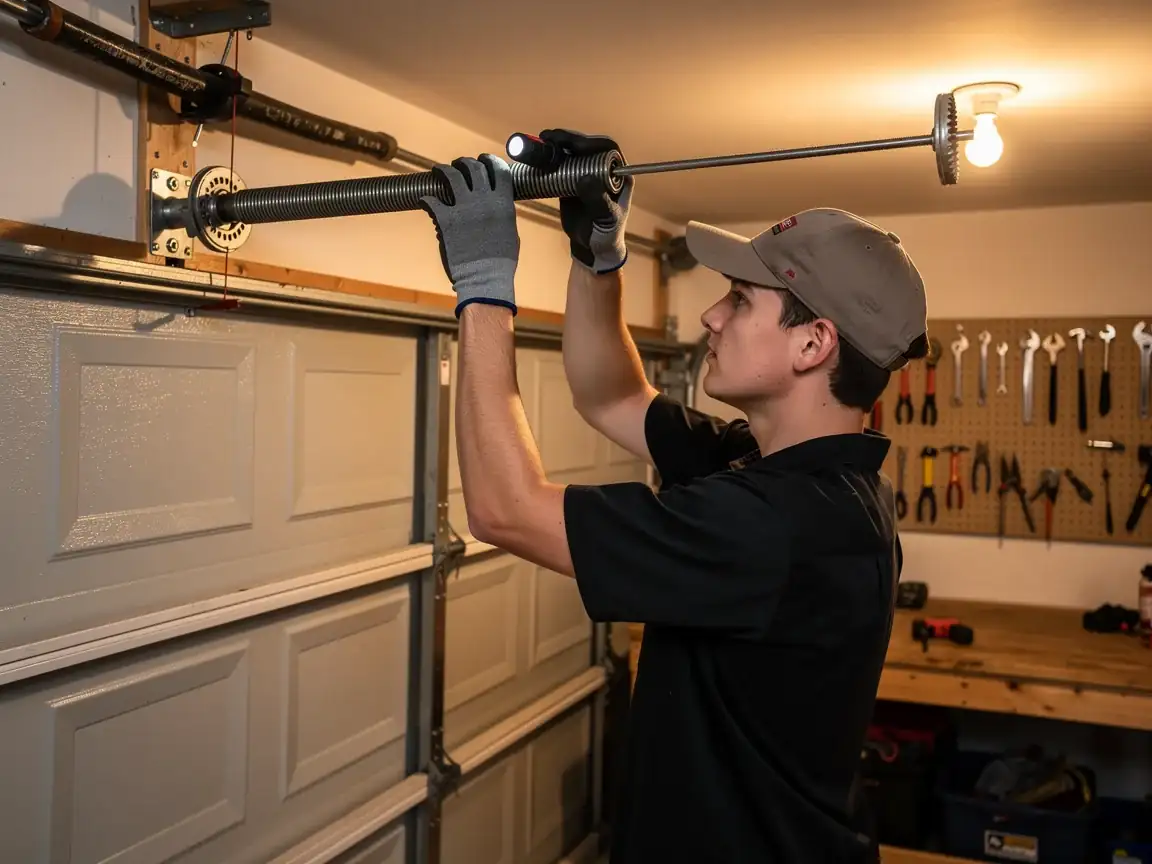
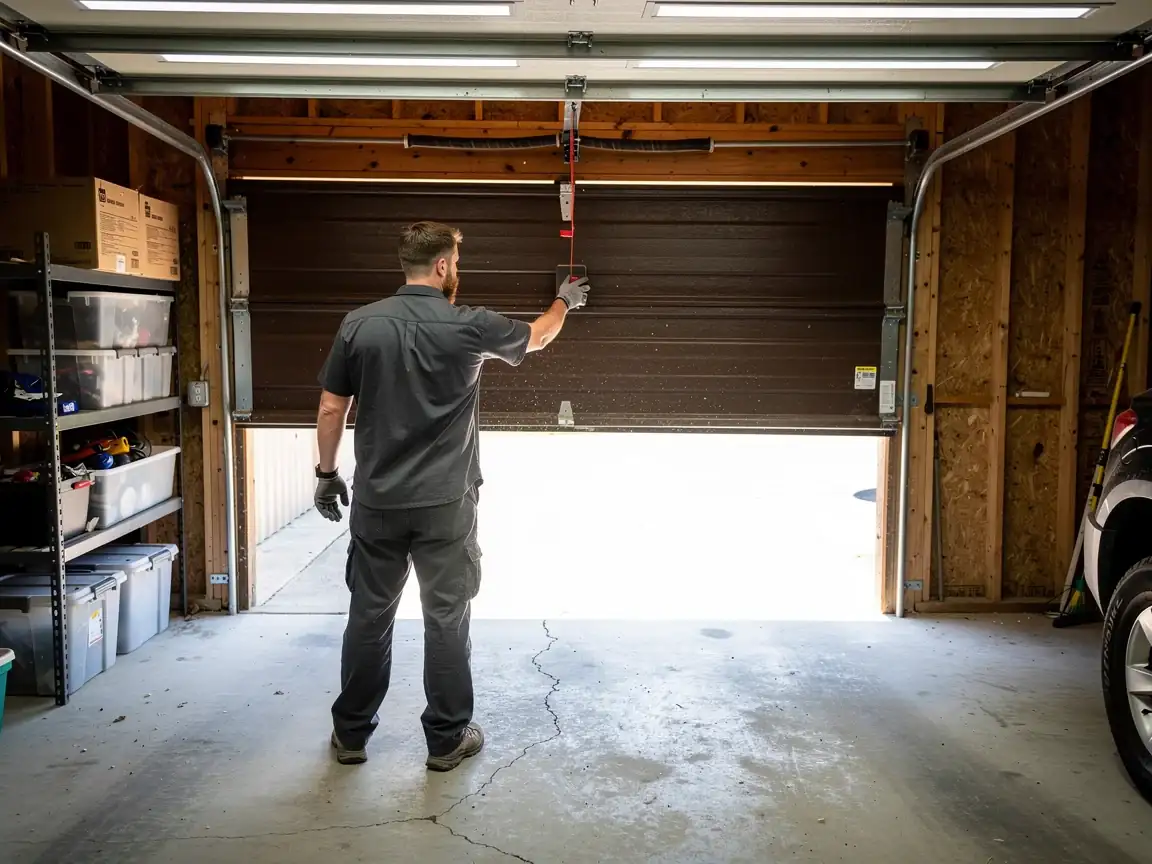
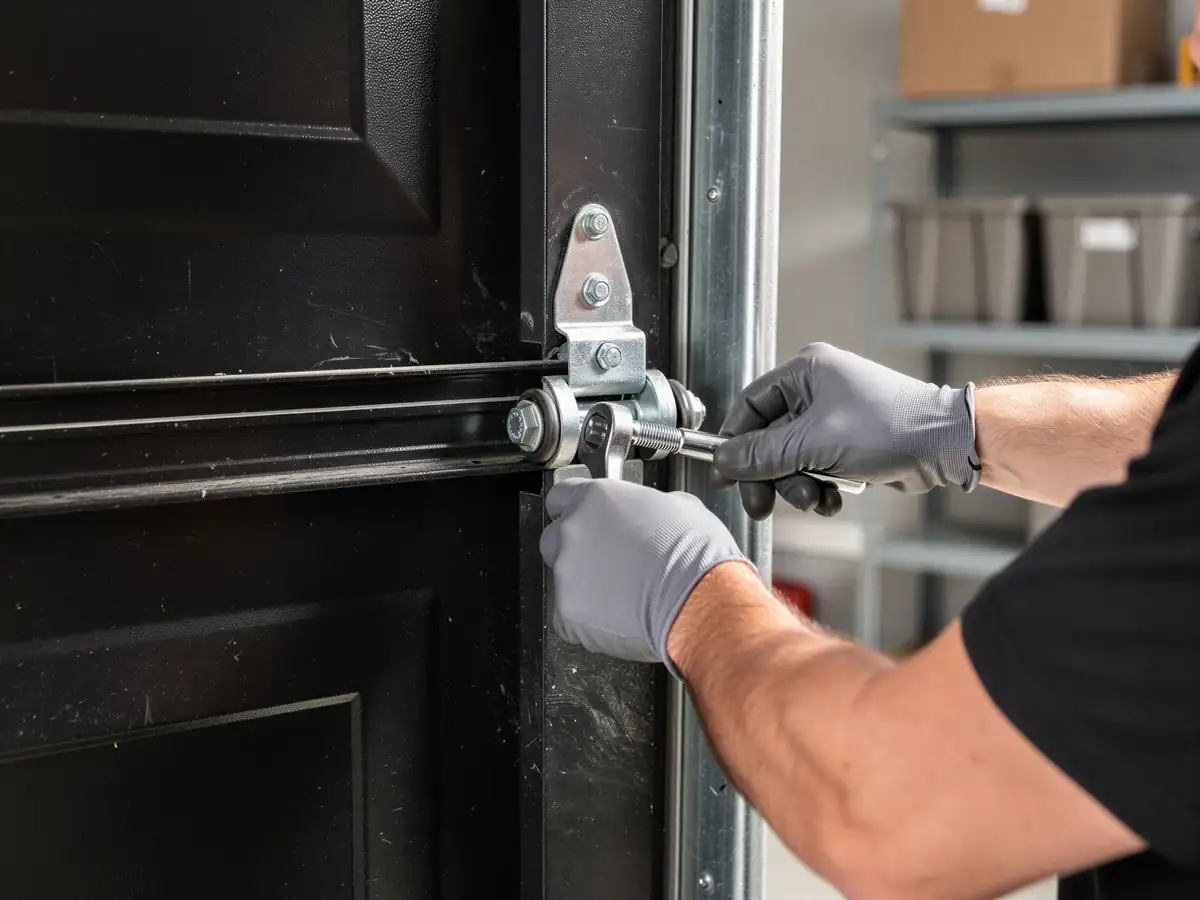
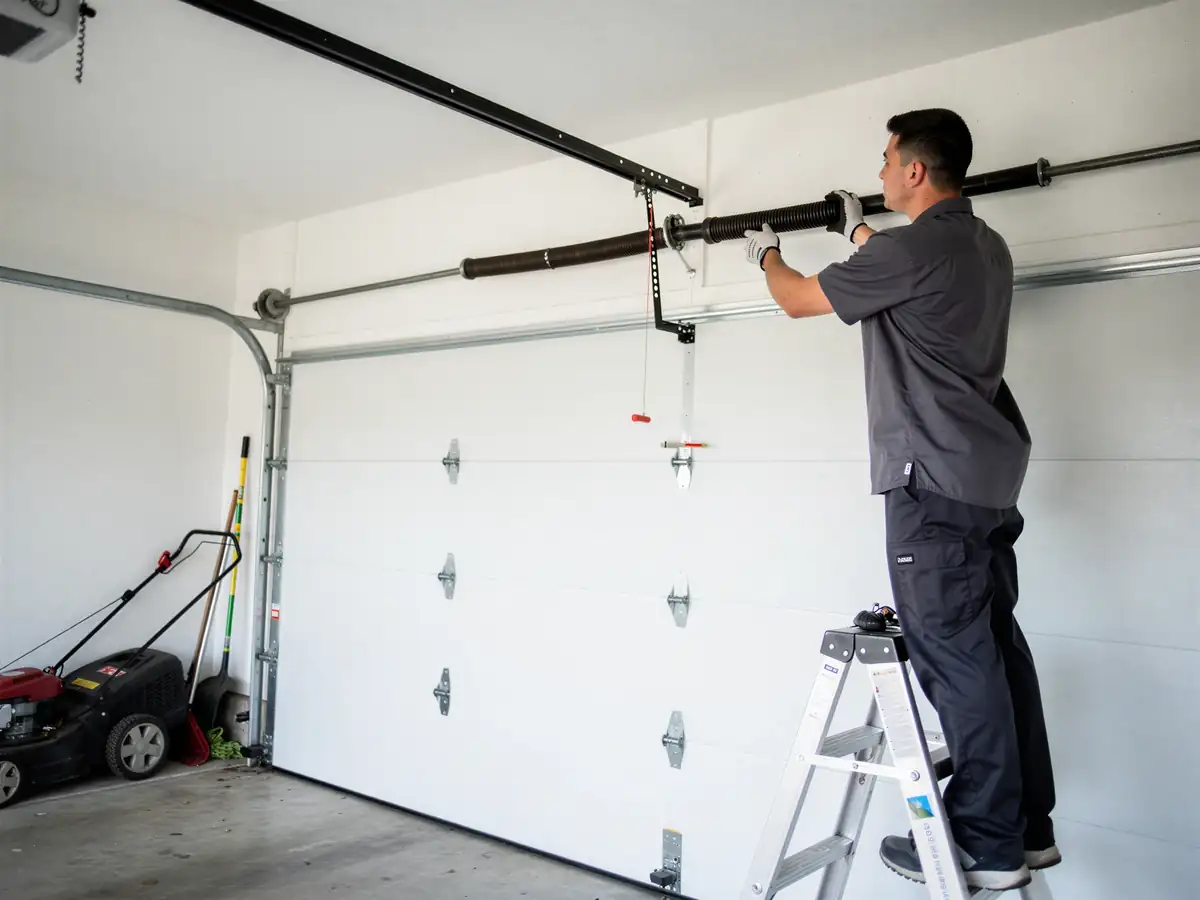
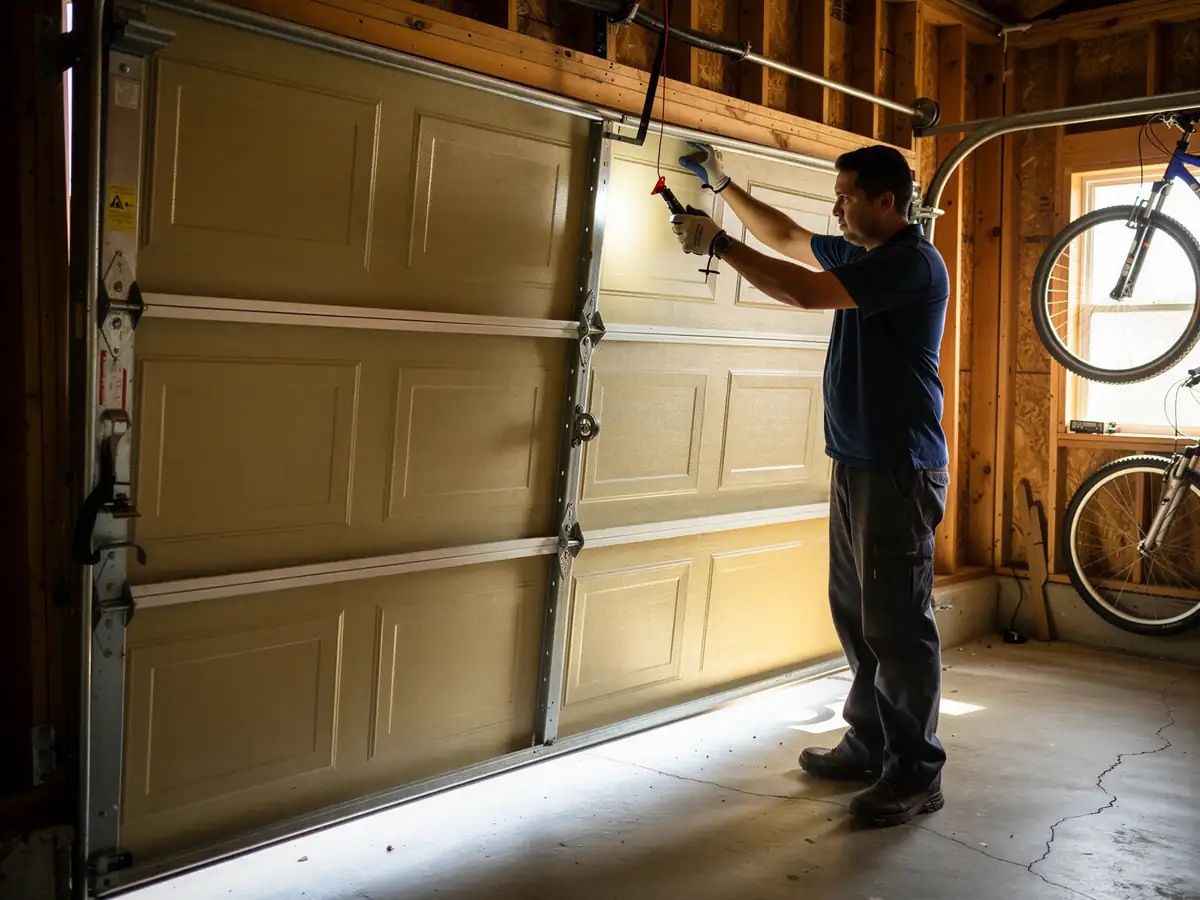
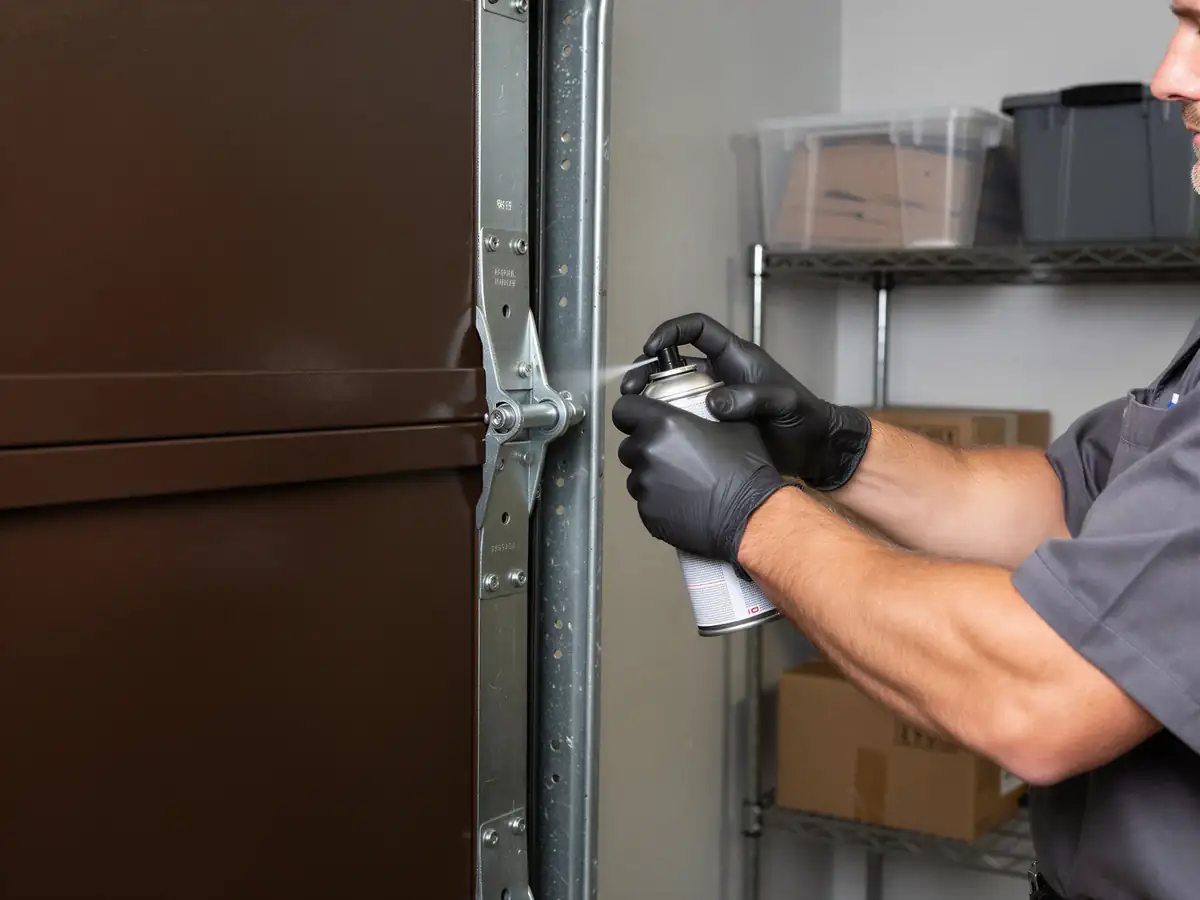
The door has to come under control before anything else happens - that means clamping the track and relieving spring tension so the cable can be unhooked safely. On a 1970s extension spring system, that's a different sequence than on a torsion setup, since the tension sits in the stretched spring along the track rather than in a wound shaft overhead. We pull both cables even if only one failed, because if one went from age, the other is on the same clock. We check the drum or pulley it rode on for grooving or rust pitting, since a worn pulley will fray a new cable just as fast as the old one went. Once the new cable's seated and tensioned evenly on both sides, we run the door through a full cycle and check it balances - lifting smooth, stopping where it's told, not drifting down on its own. If the spring on an older system shows the same fatigue as the cable, we'll say so before we close it up, not after.