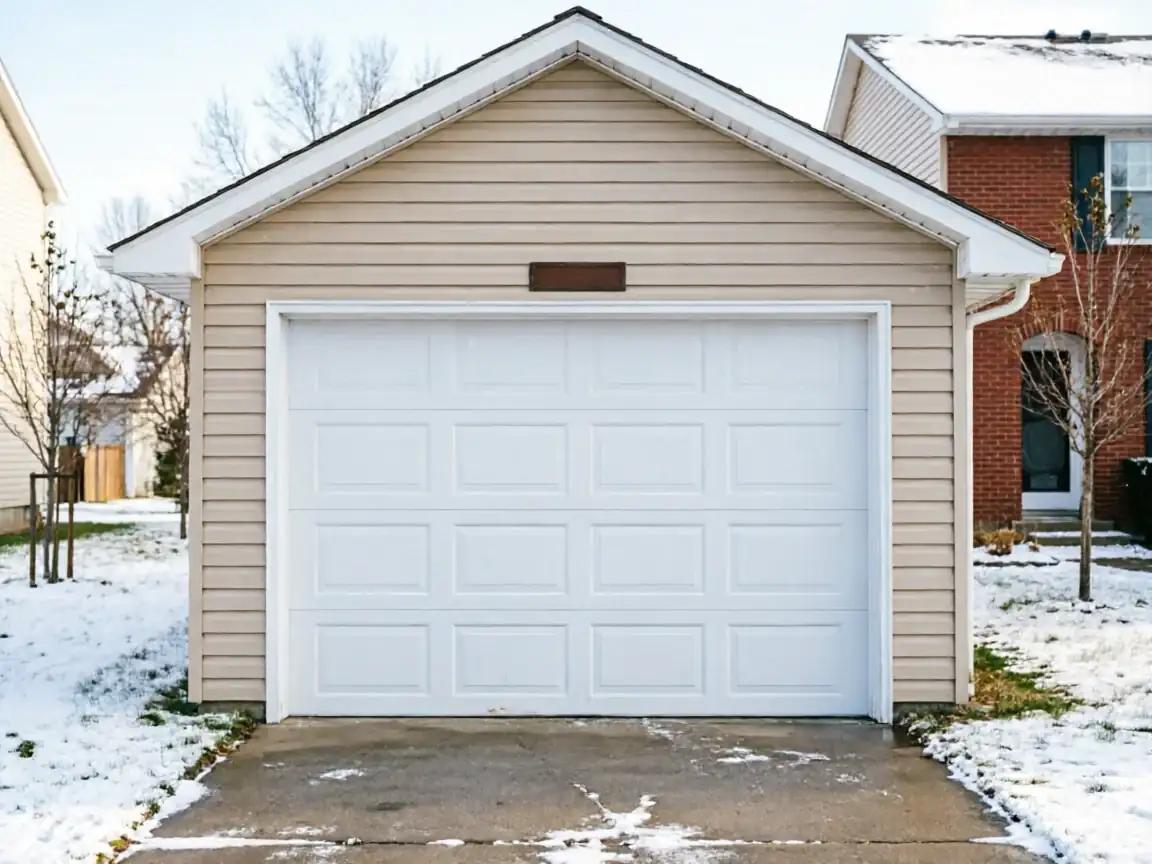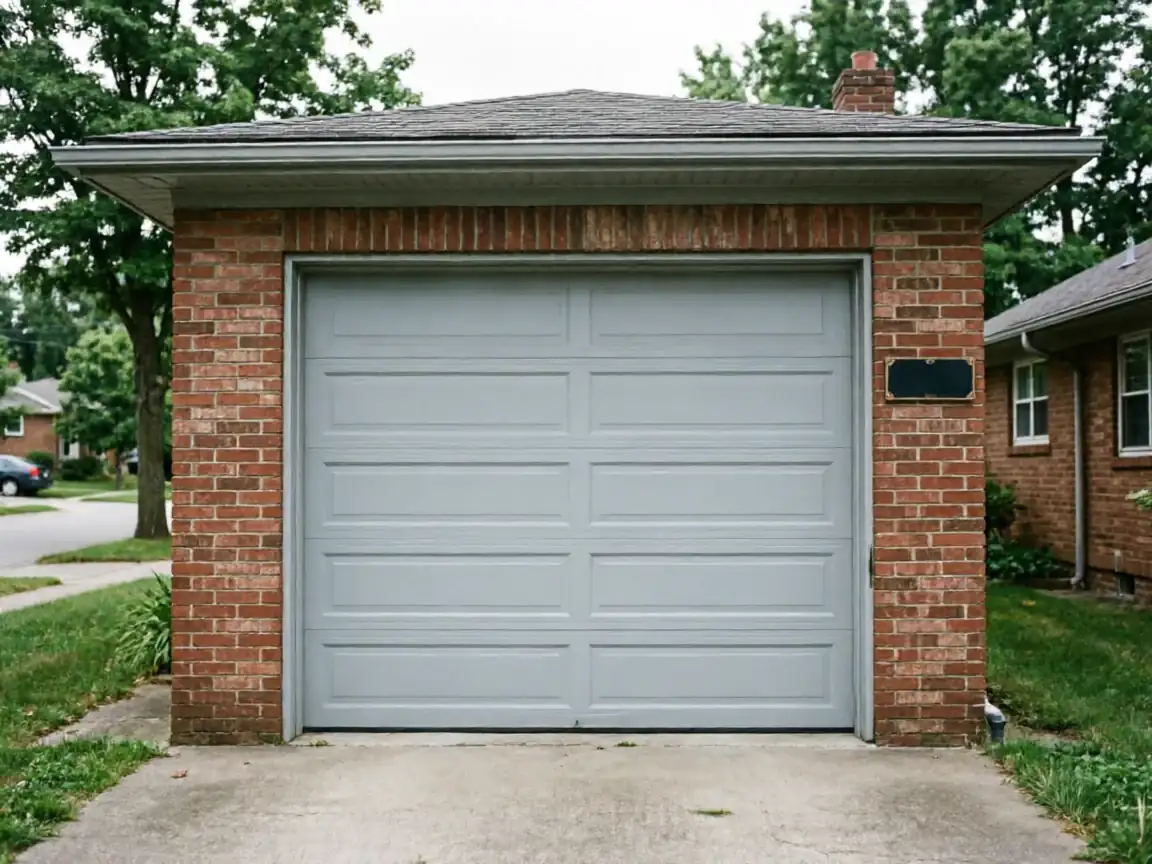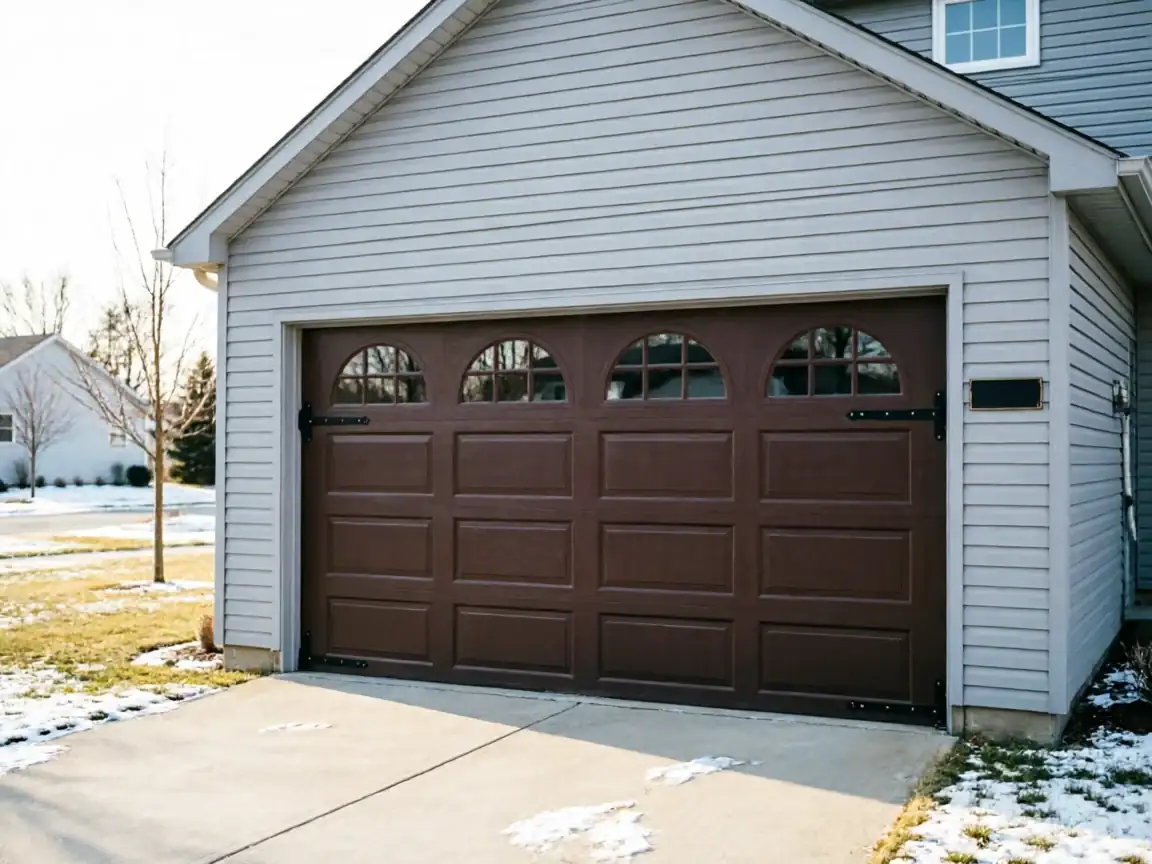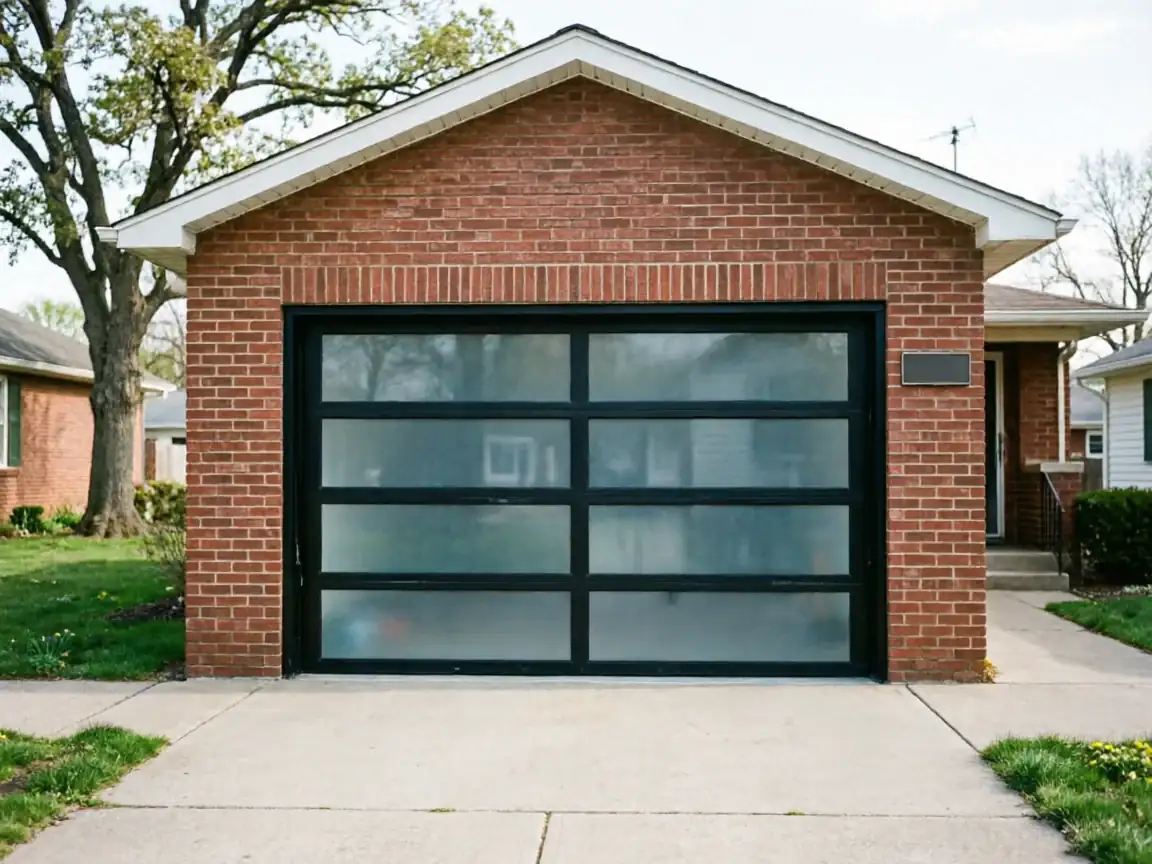
What Causes It Around Here
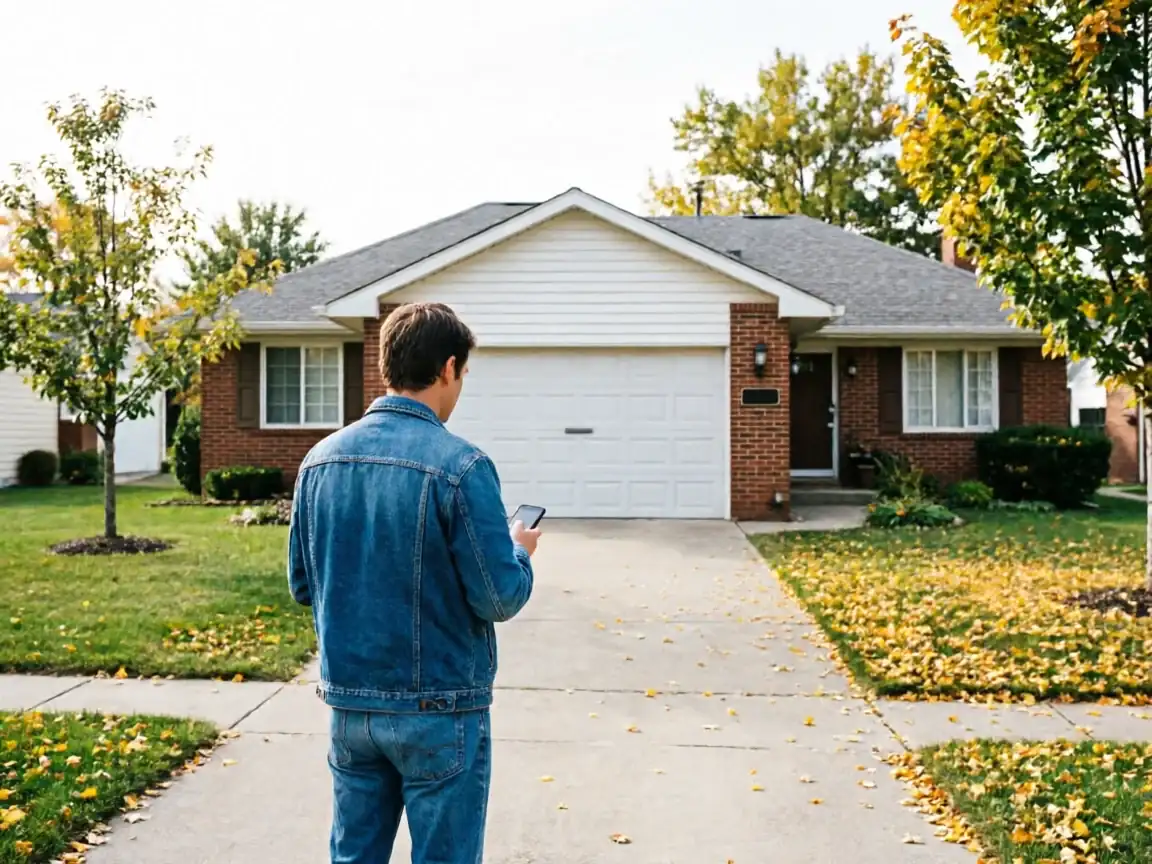
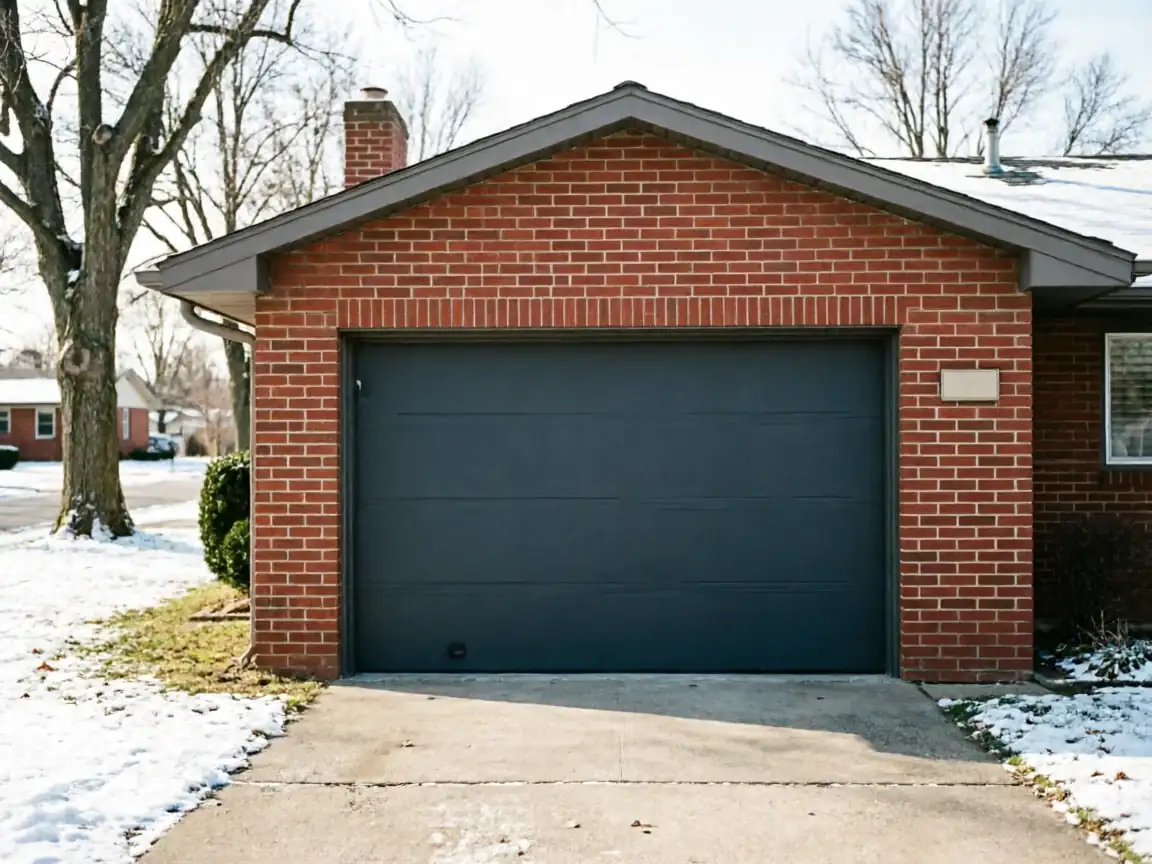
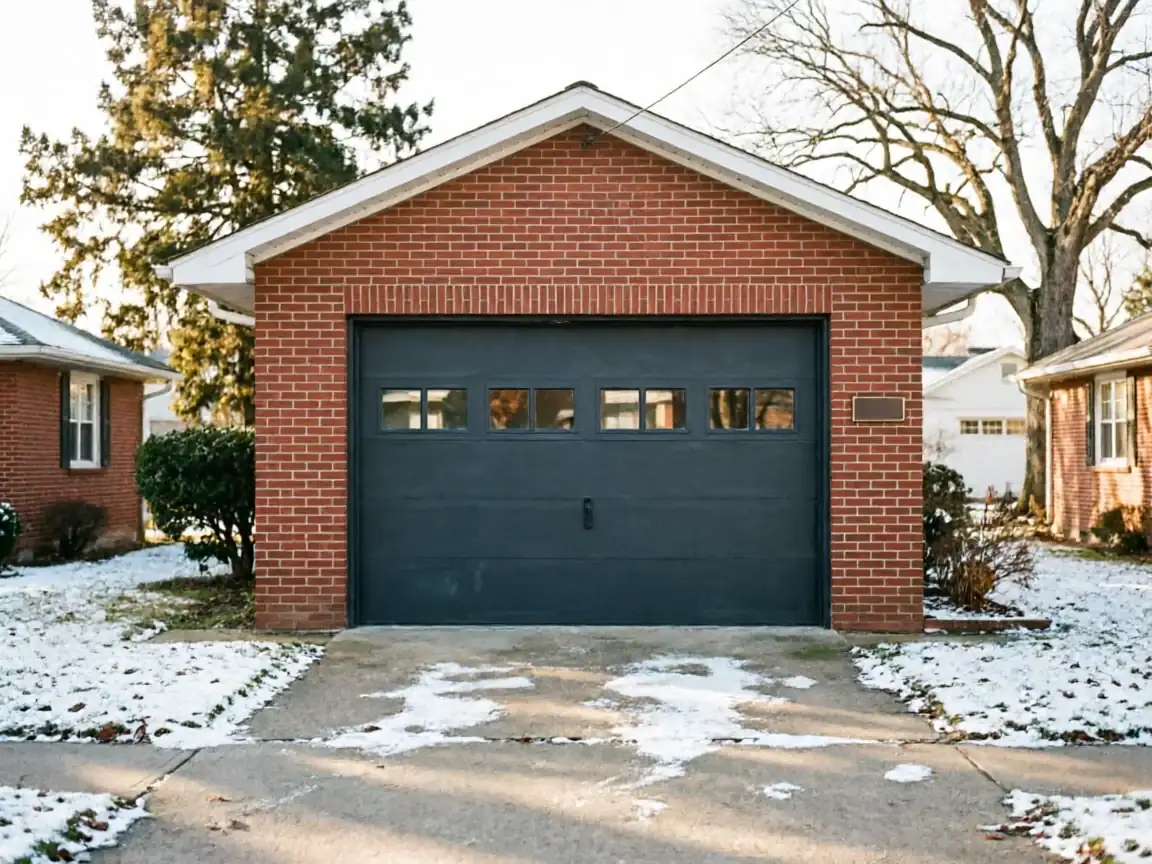
Des Peres homes run a little newer than most of the territory we cover - median year built here is 1975, a few years past the 1969 median across the wider service area. That gap matters more than it sounds like it should. Mid-70s construction in this part of Missouri tended toward wider two-car openings with a single door rather than two single doors, and the steel panel doors that went in at the time were thin-gauge, barely insulated, and matched to openers that have usually been swapped out once or twice since.
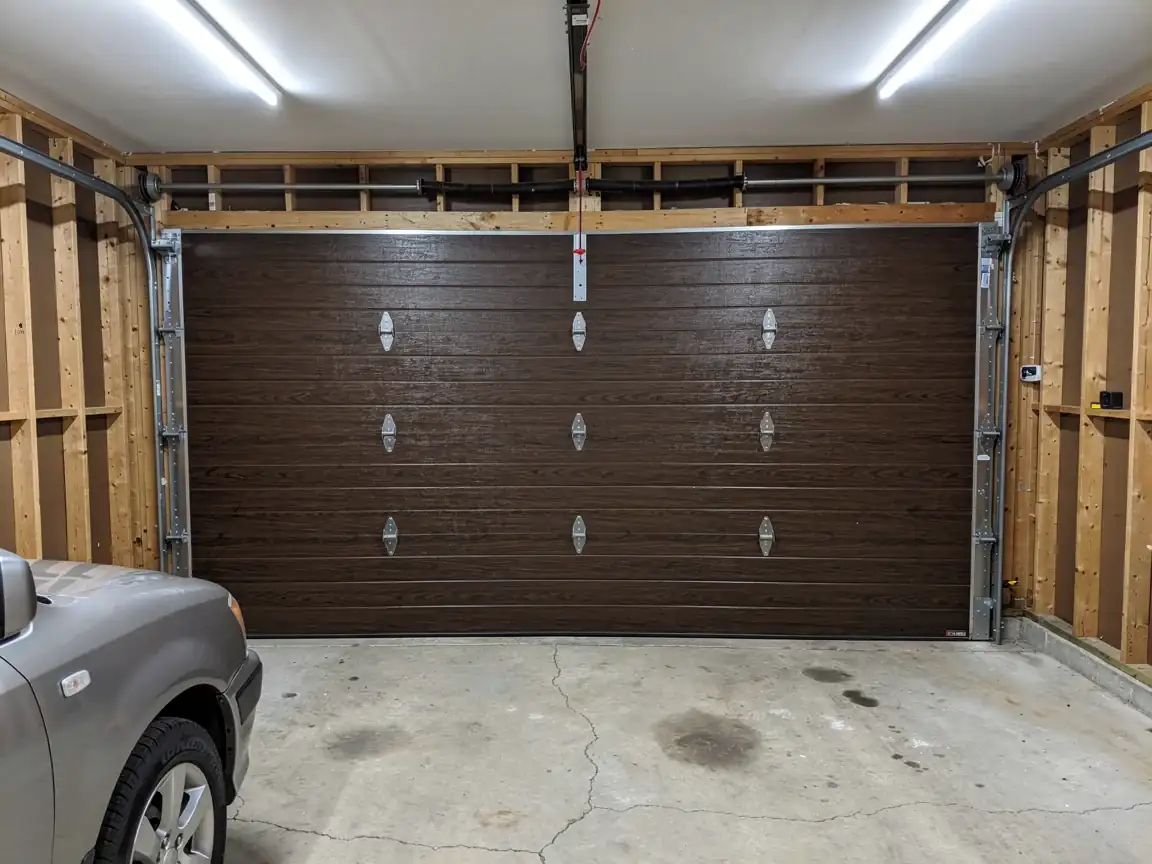
What we see failing first isn't the door itself - it's the gap between a 48-year-old opening and whatever door or opener got bolted into it along the way. Tracks set for an original 16-foot single door don't always square up cleanly with a newer insulated double door, and in a COLD-moderate climate band like this one, a door that was never insulated to begin with is working against the house, not with it. When a Des Peres homeowner calls about installation rather than repair, it's usually because the math on patching an old wide-opening door stopped making sense.
Where This Job Goes Sideways
The opening itself is the first place to check, not the door in the showroom photo
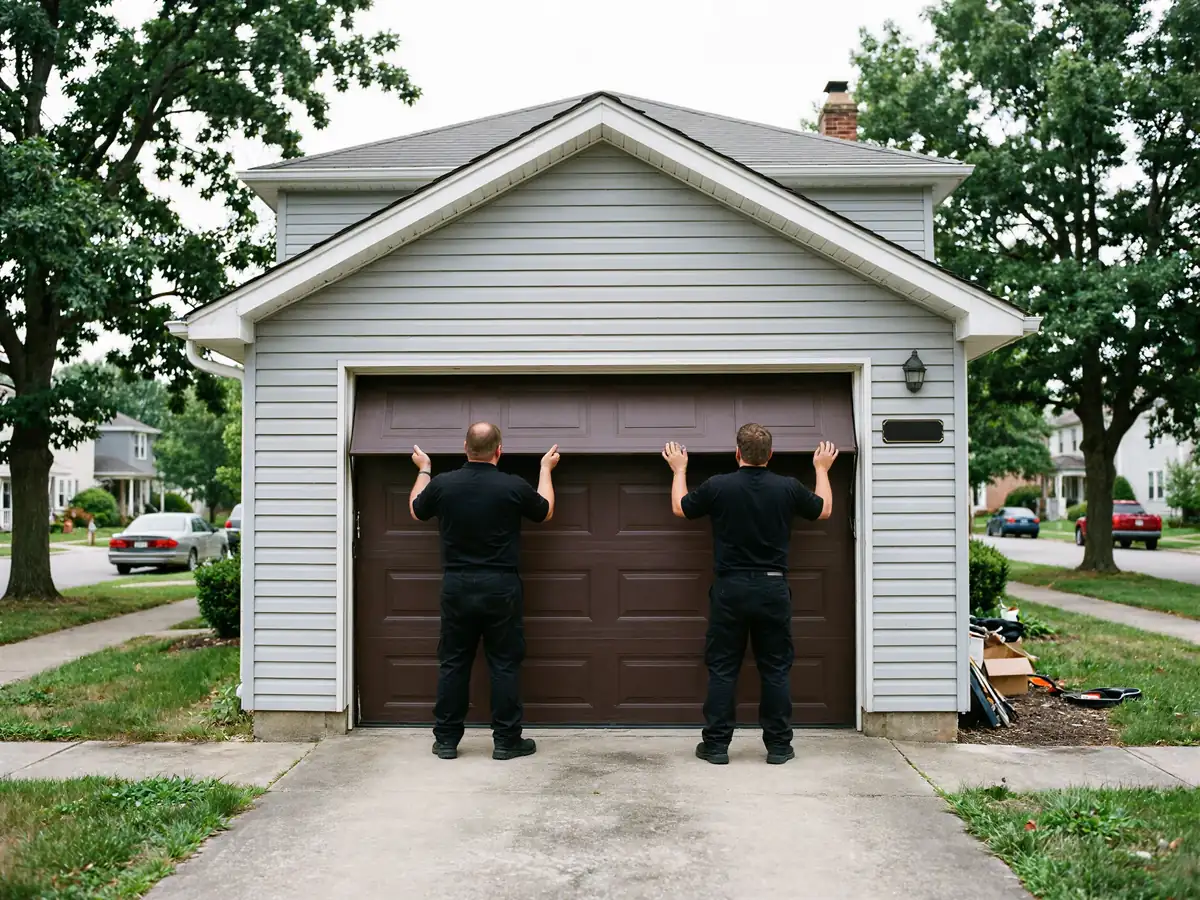
On a house built in the mid-70s, the rough opening can be out of square by enough that a new door looks fine stacked against the wall and then won't seal at the bottom corners once it's hung. We measure the opening before we talk panel styles, because a door that doesn't fit the frame it's going into isn't a install problem you fix later - it's a redo.
The other place this goes sideways is wiring and headroom
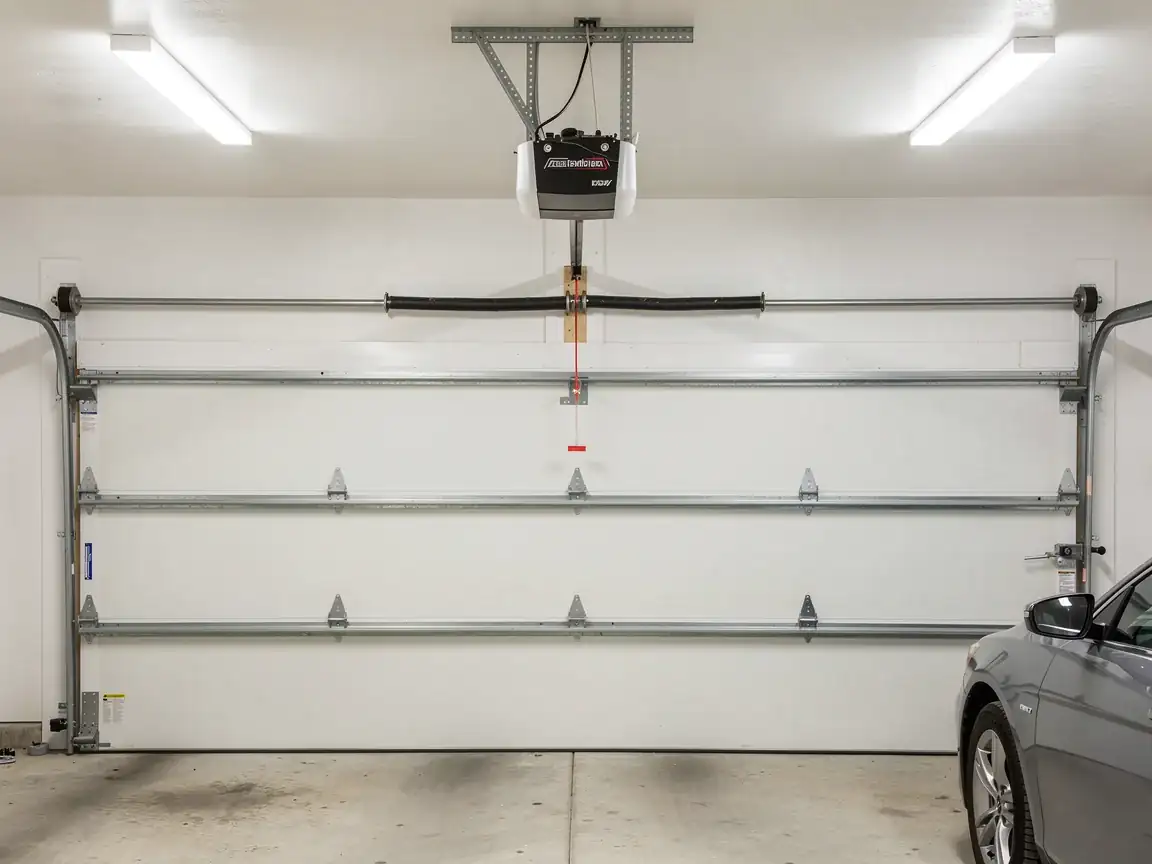
Openers from the era this neighborhood was built in often sit on brackets that don't match the clearance a current opener needs, and some garages here were framed with less headroom than today's standard track hardware wants. We won't quote a job without seeing the header and the side room in person, because guessing on either one means a return trip, and Des Peres is six miles from our shop - a trip we'd rather make once.
What It Costs
We don't publish a flat number for installation here, because the spread between a standard steel door and an insulated wood-composite door is wide, and the opening condition on a 1975-era house can add labor that a newer house wouldn't need. What we can say is that household income in the broader service area runs a median of $87,806, but Des Peres itself sits well above that - and we see more owners here choosing insulated, higher-end door packages rather than the builder-grade steel replacement that's the default call elsewhere in the territory.
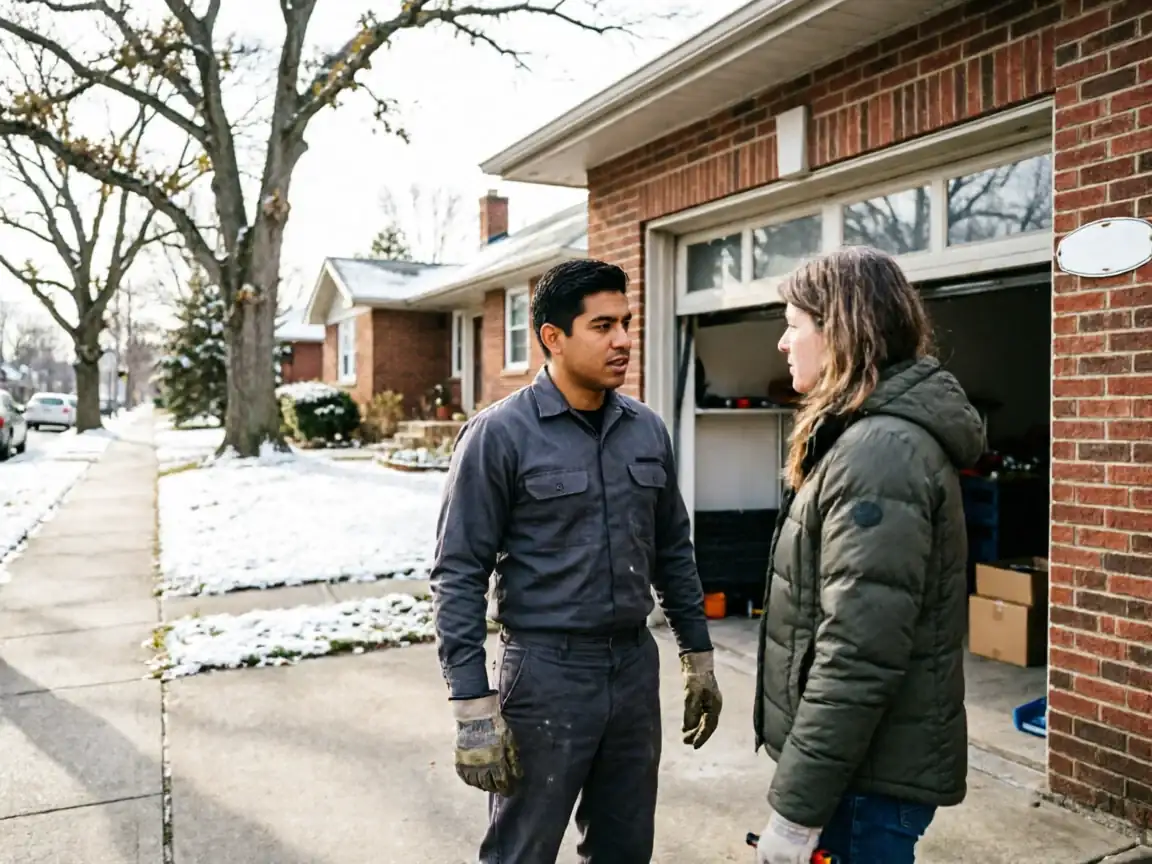
The honest limitation: we quote onsite, not over the phone, once we've measured the opening and checked the header clearance. A phone estimate on a house this age is a guess, and we'd rather give you a number that holds.
What the Fix Involves
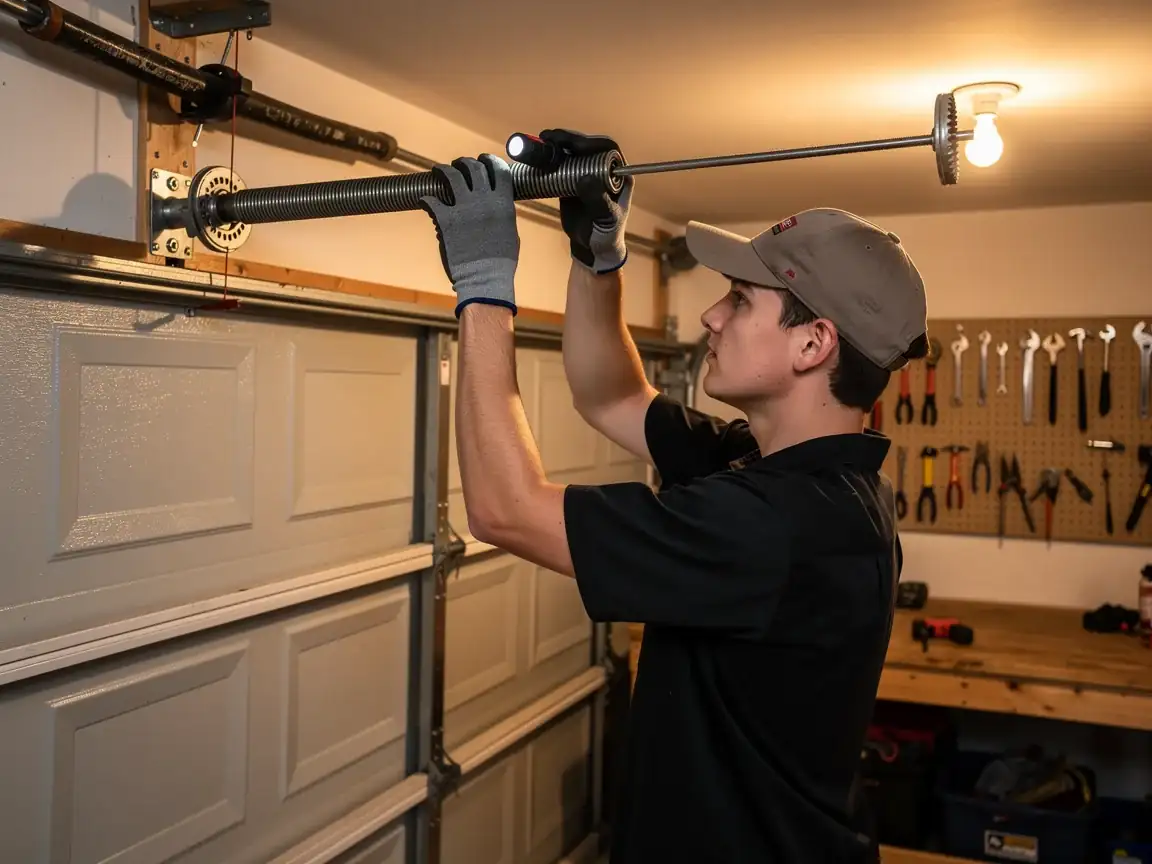
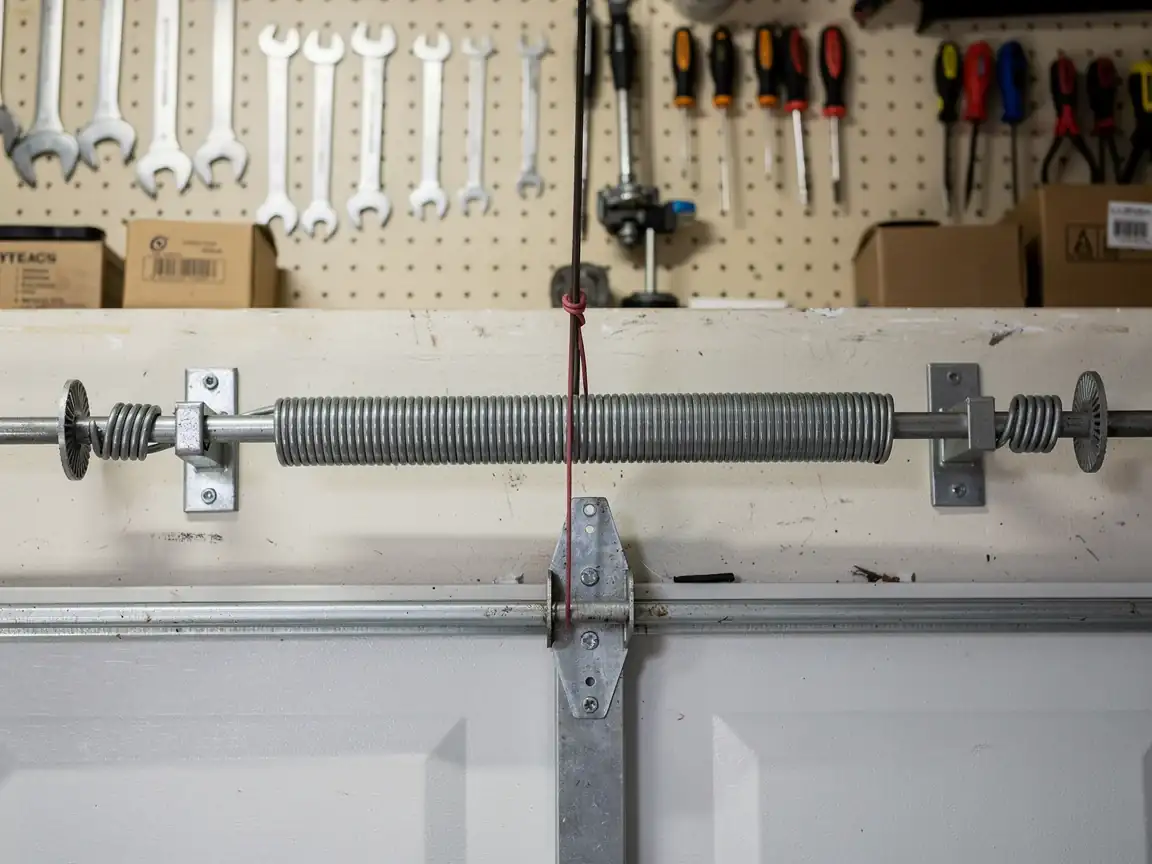
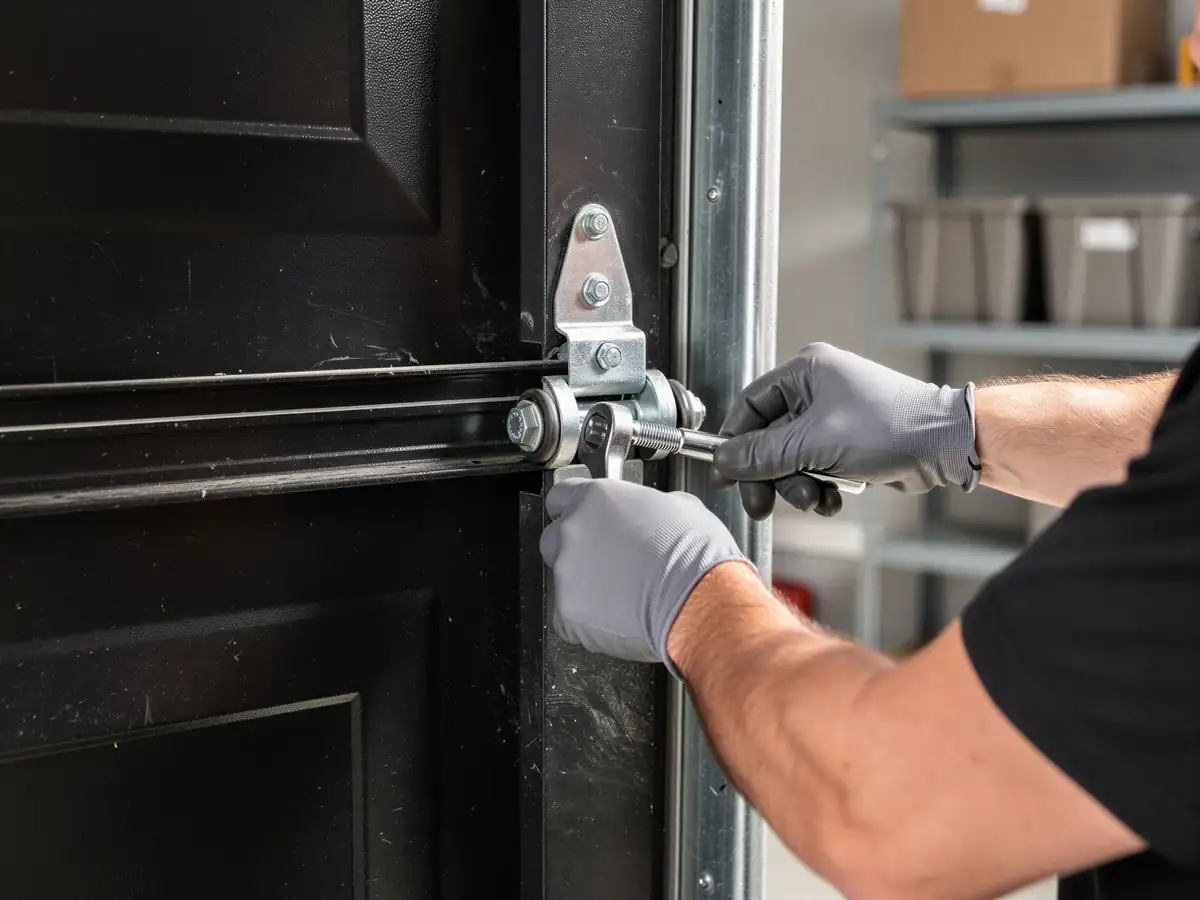
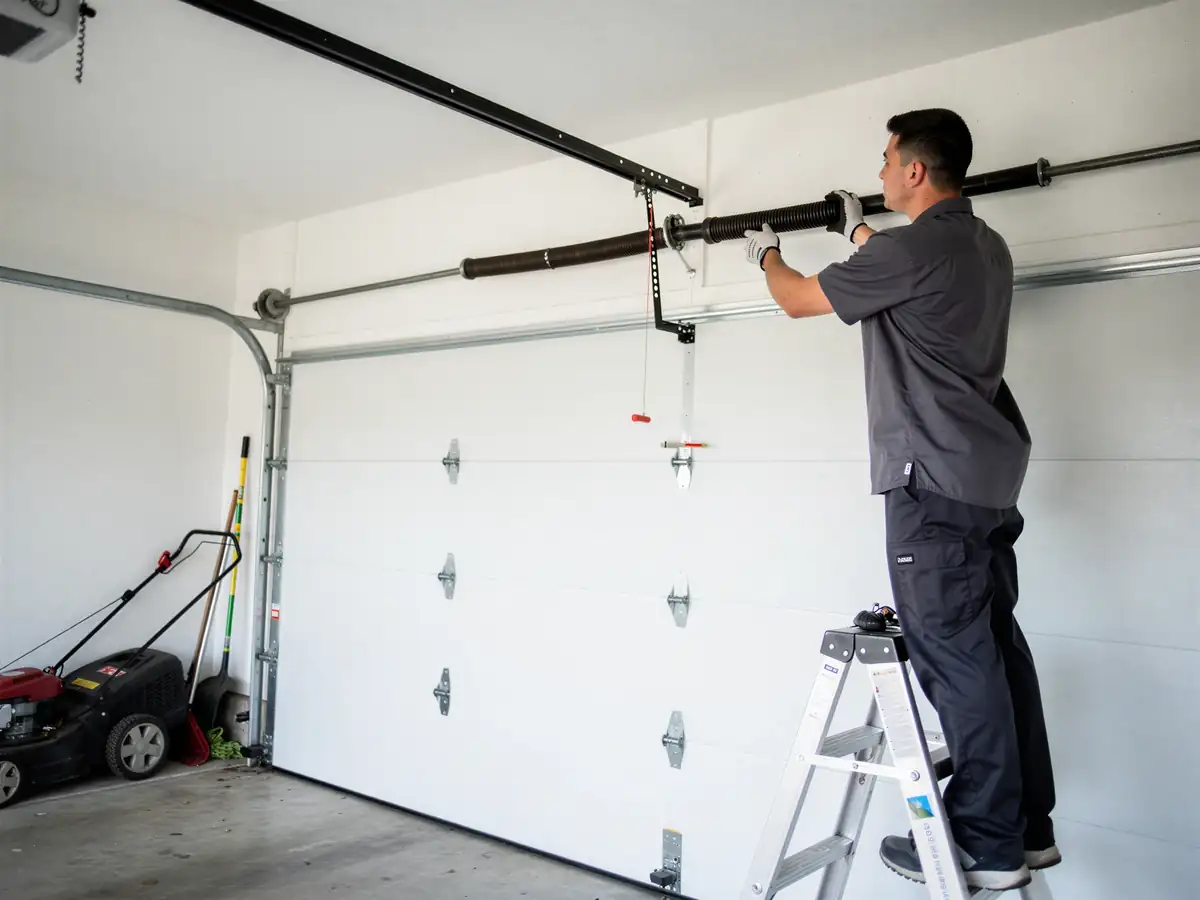
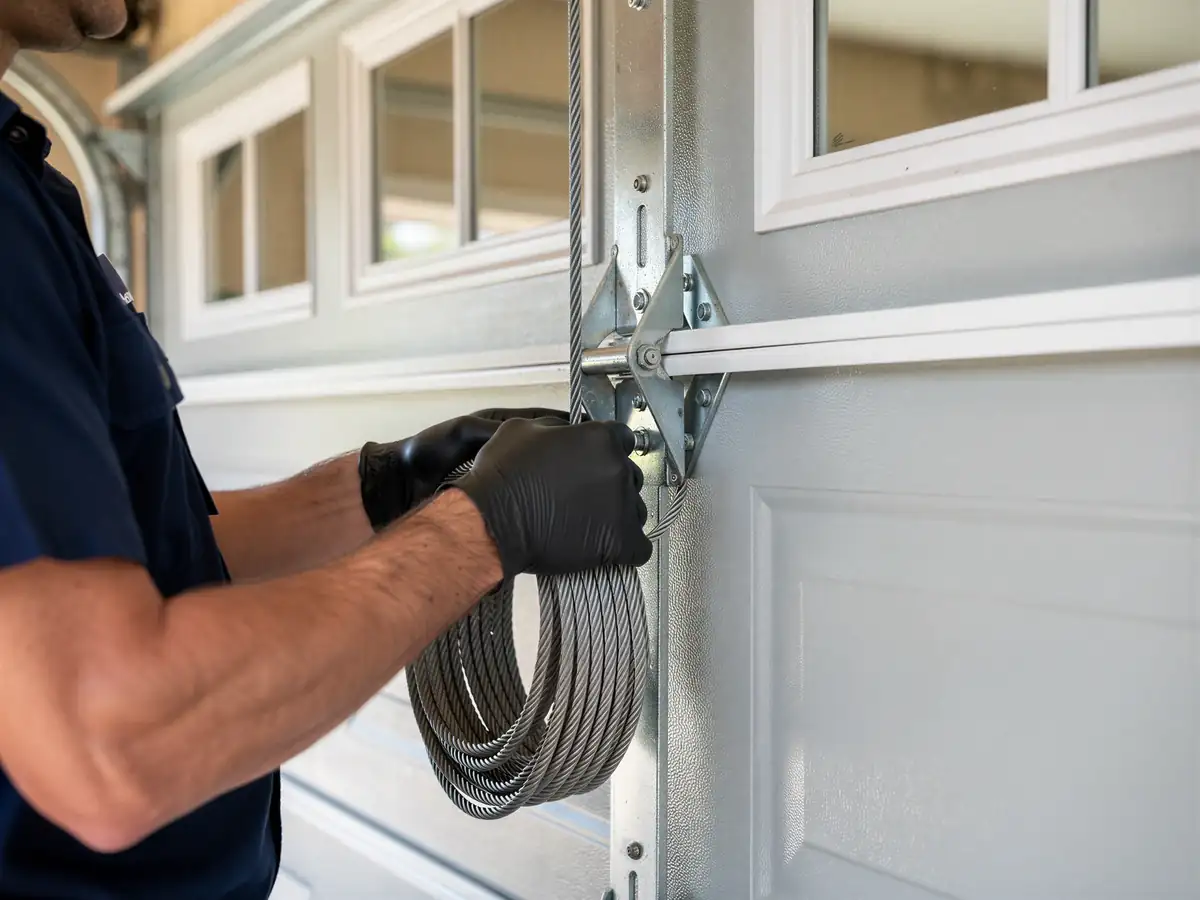
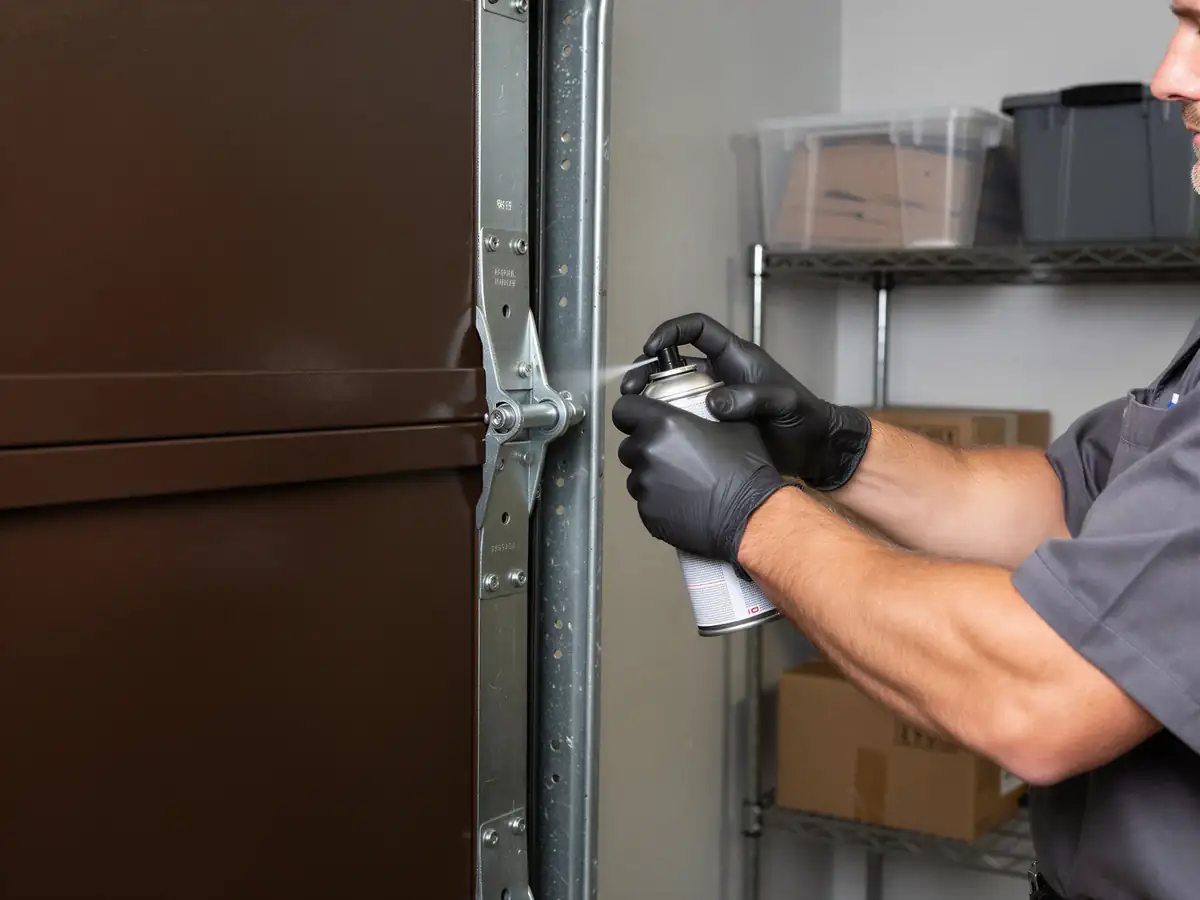
Installation starts with pulling the old door and track assembly down to the bare opening, which on a Des Peres house usually means dealing with the original jamb hardware from 1975 - it's rarely reusable with a modern door, even if it looks solid. We square the opening, set new track to the door manufacturer's spec rather than the old bracket holes, and match spring tension to the actual door weight, not a generic chart number, since insulated doors run heavier than the thin steel that was standard when these houses went up.
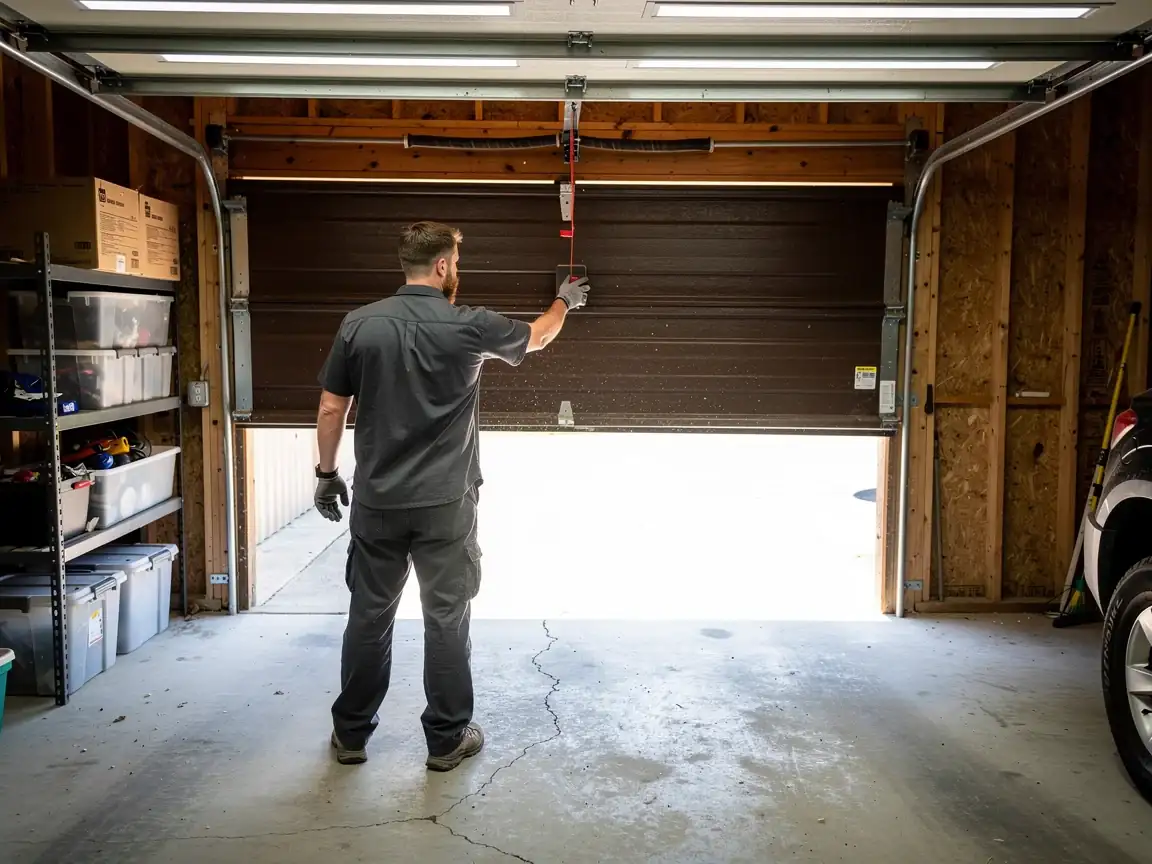
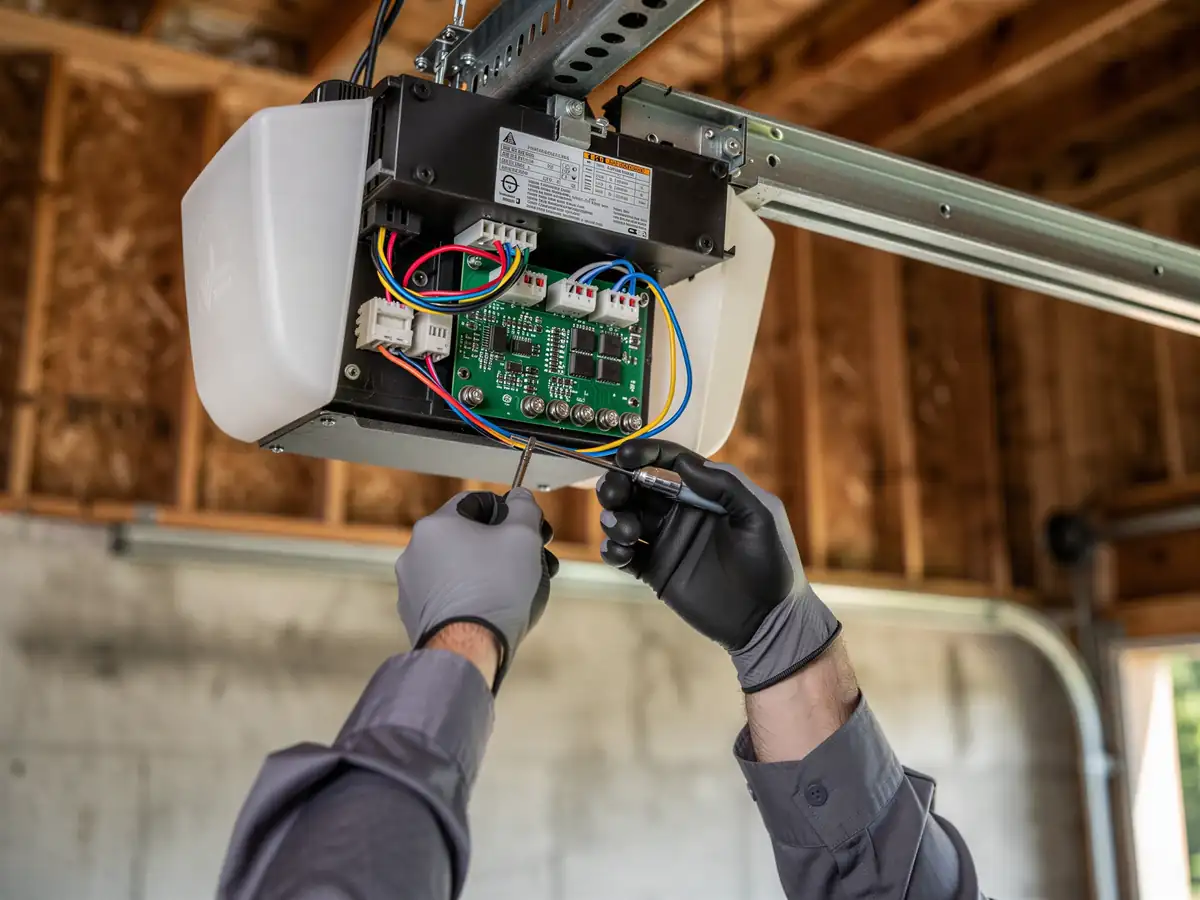
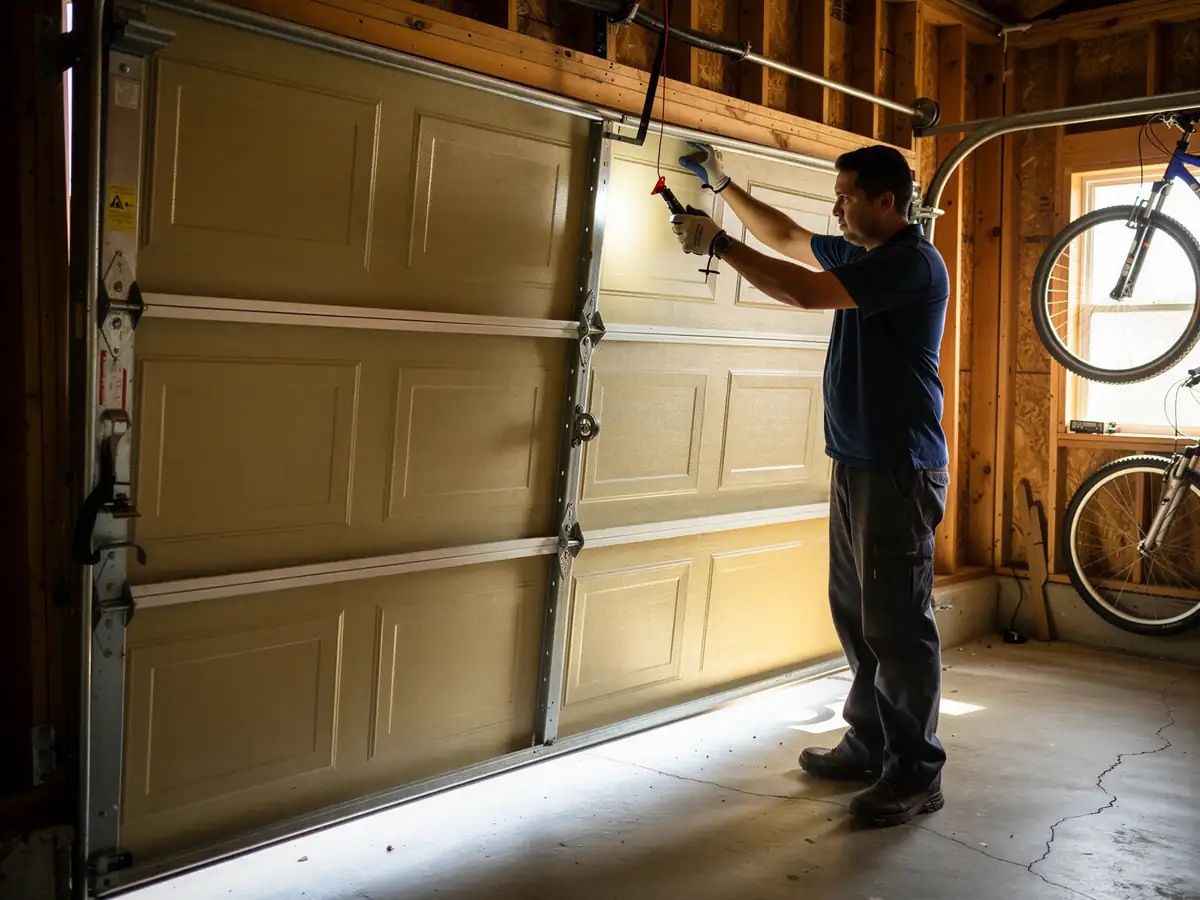
Once the door's hung and balanced, we set the opener to match - force settings, travel limits, and safety reversal all get tested before we call it done. We don't leave a job with an opener running on factory defaults against a door that's heavier or lighter than what it was tuned for.