What Causes It Around Here
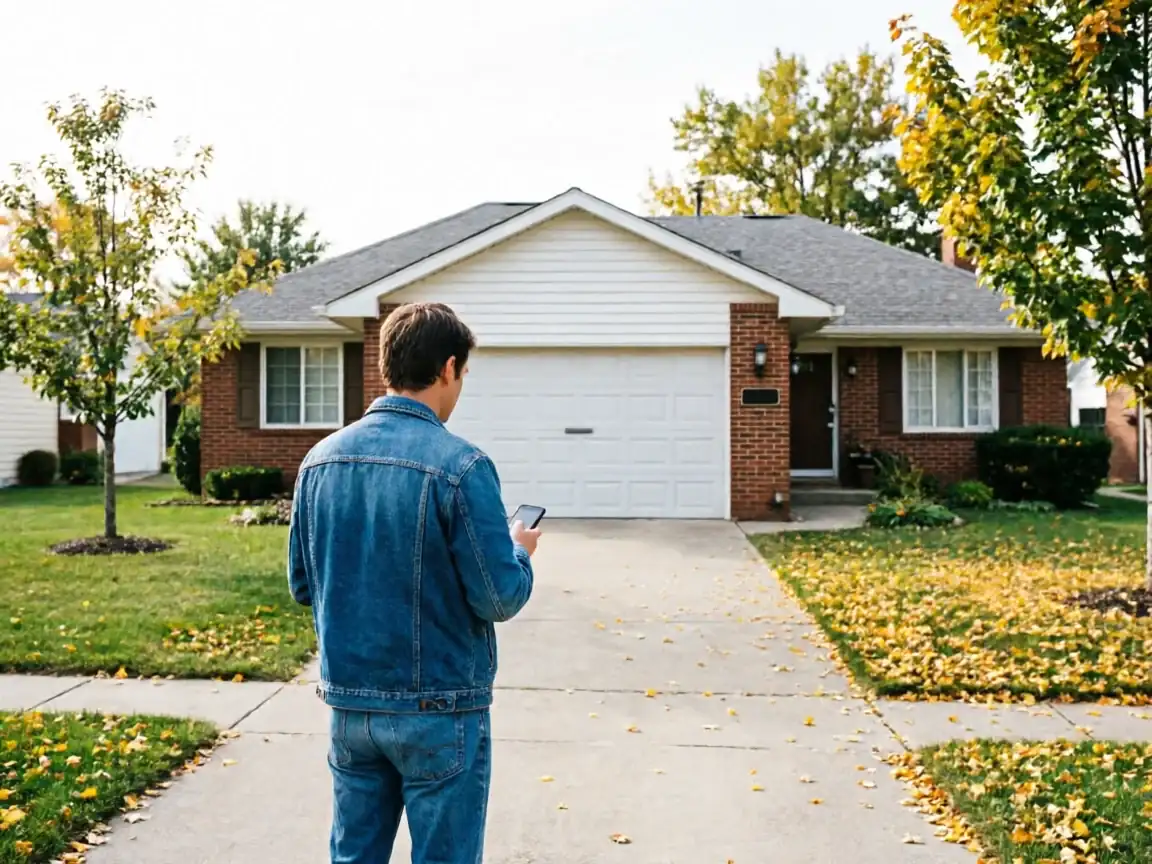
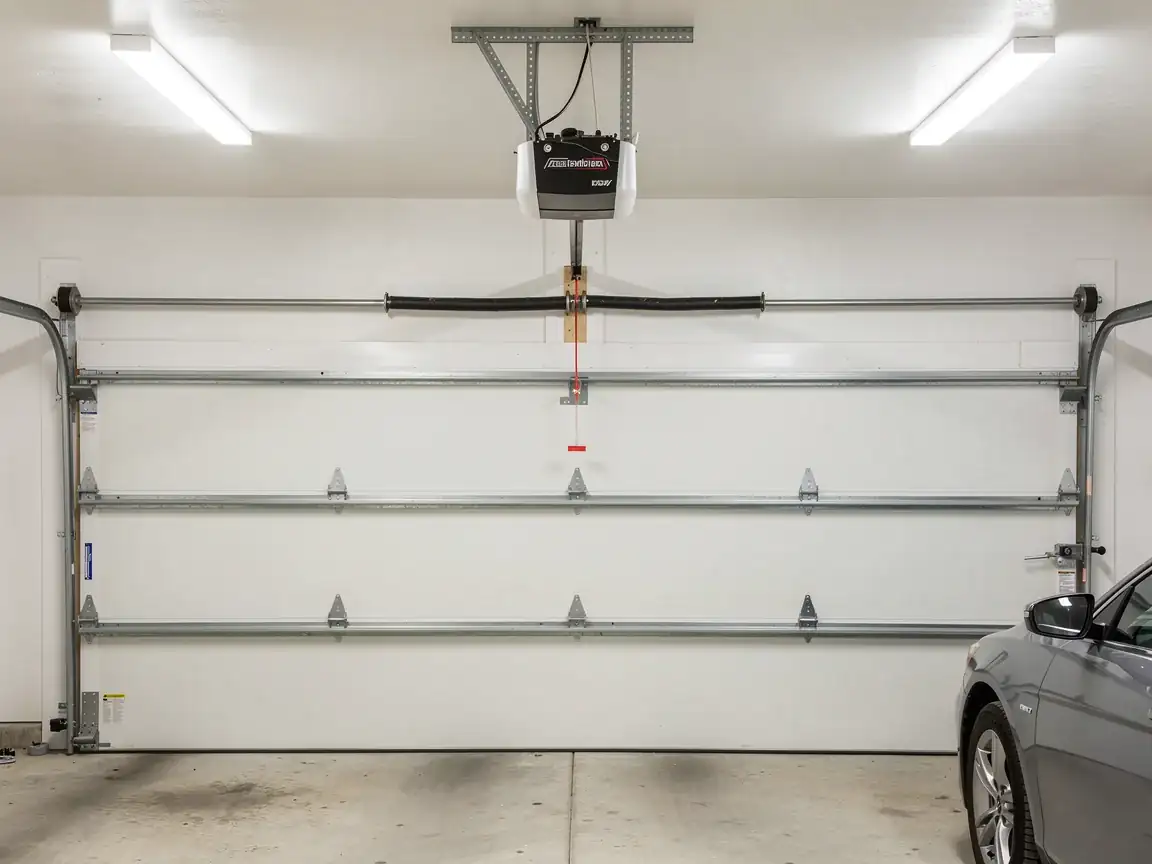
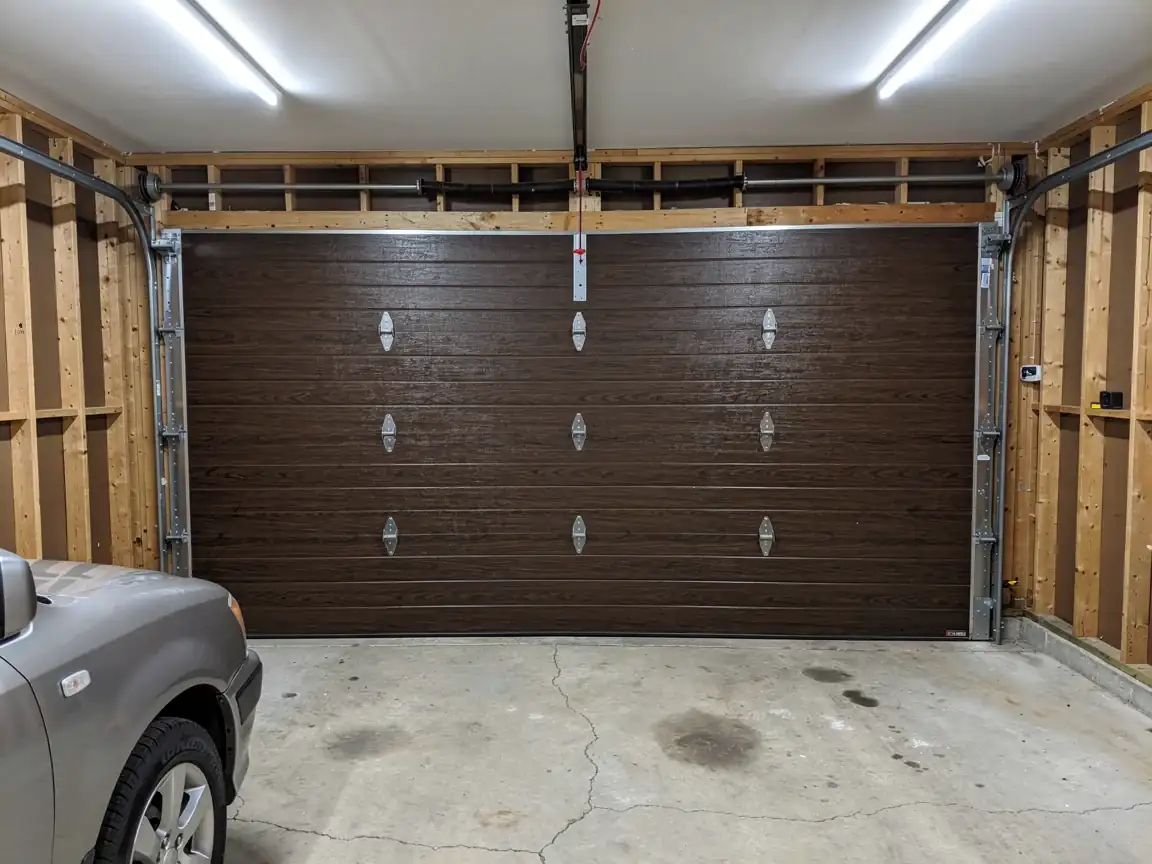
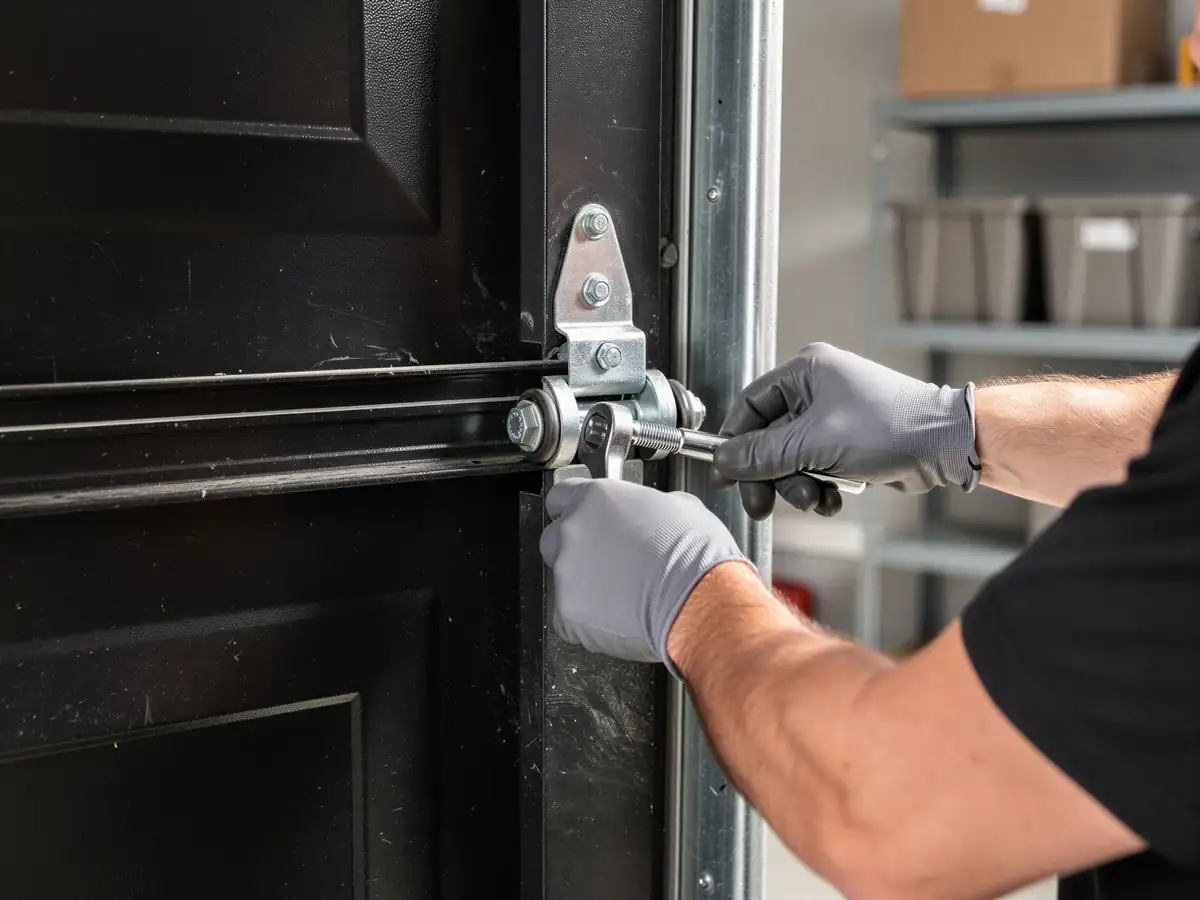
Most garages in Des Peres went up around 1975, a good six years newer than the median for our wider service area (1969 per F1). That matters for this job because the track hardware that came standard in the mid-1970s was light-gauge steel, hung on brackets that were often lagged into furring strips rather than full studs. Fifty years on, those fasteners have worked loose from thousands of open-close cycles, and the track has a little play in it that wasn't there when the house was new. A door can run fine for years with a slightly loose bracket, then jump the track the first time a roller catches or a cable stretches unevenly. We also see it on doors where the bottom roller has worn down just enough that it no longer rides square in the channel - the door looks fine sitting shut, then walks sideways partway up. Nothing here is unique to one street or one subdivision; it's a function of when the neighborhood was built and what hardware was common at the time, not a defect in any one house.
What It Costs
We don't post a flat price for off-track repair because the range is wide and depends on what's actually wrong once we get the door open. A simple realignment with a bent bracket reset is a different job than a track section that has to come off and be replaced, and a door that's been upgraded to a heavier panel sometimes needs new track stock entirely rather than a repair of the old. We give the number after we've looked at the door and the bracket points, not before. If a quote sounds suspiciously exact over the phone before anyone's seen the garage, that's worth being skeptical of.
What the Fix Involves
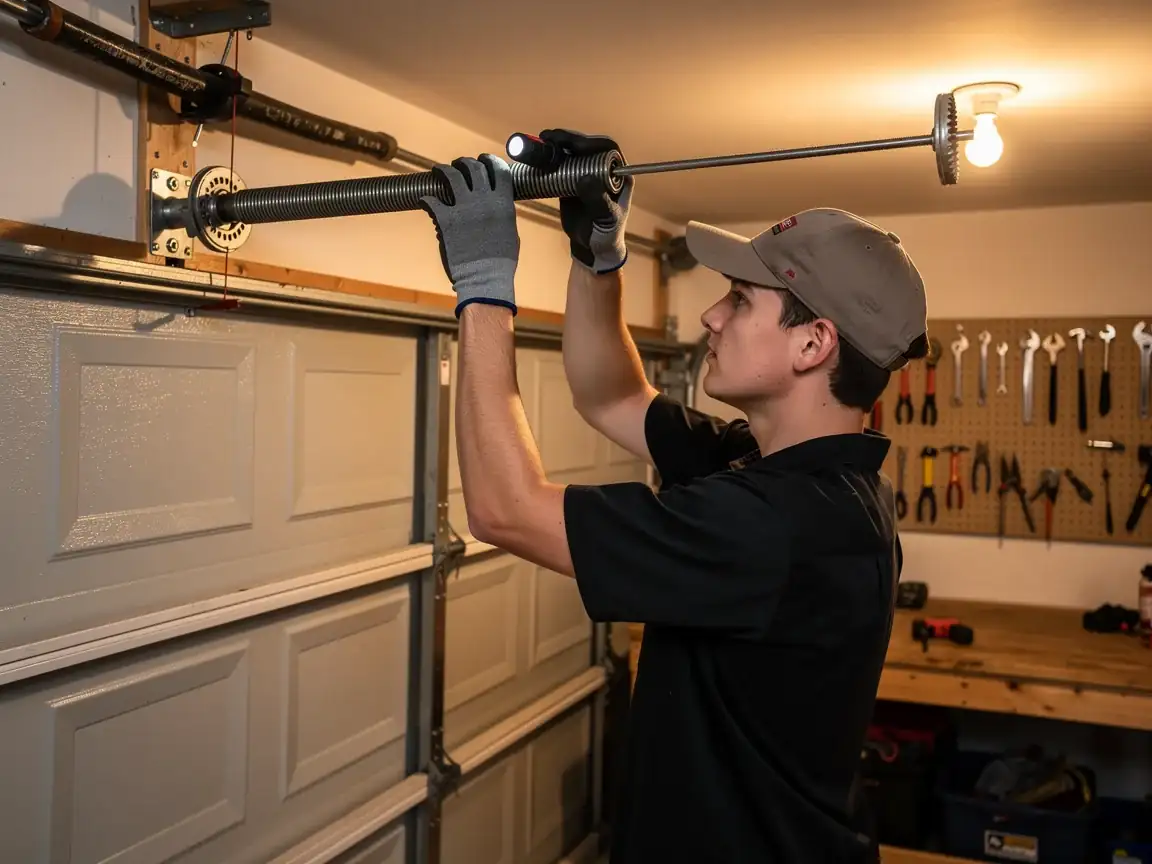
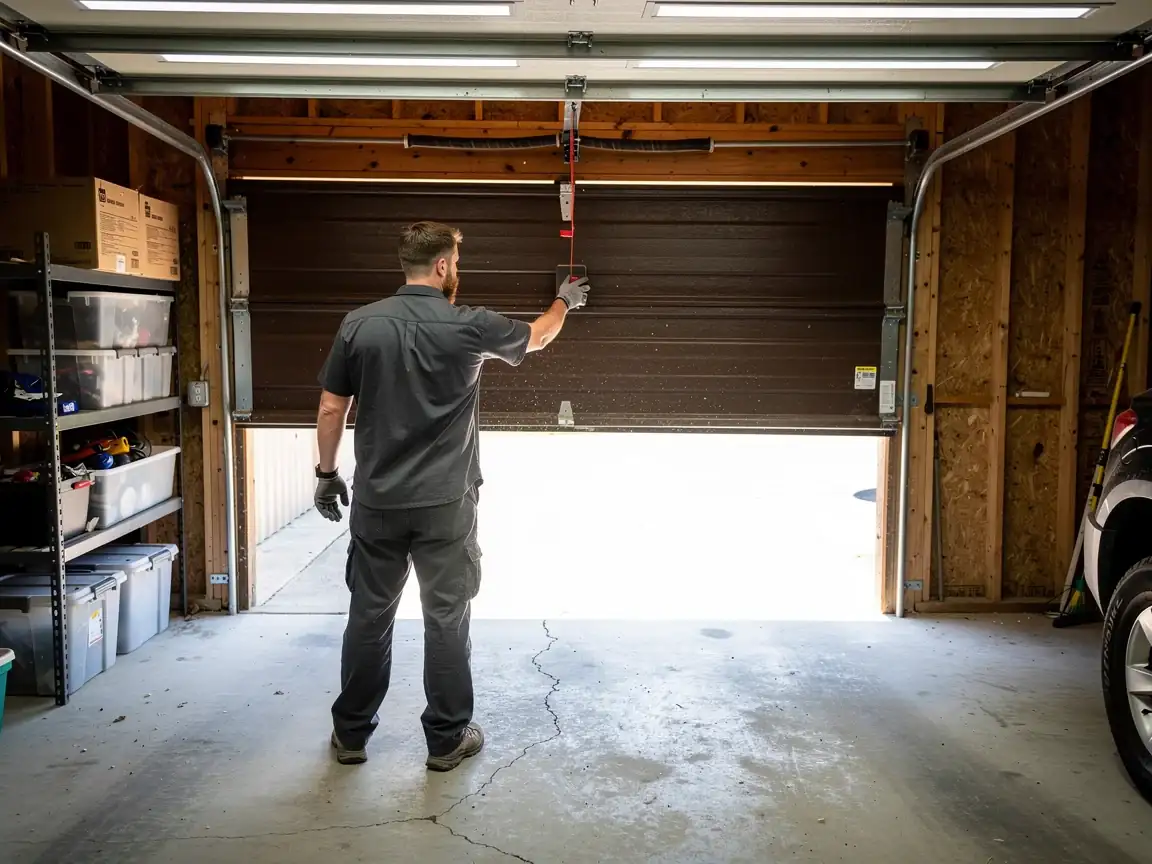
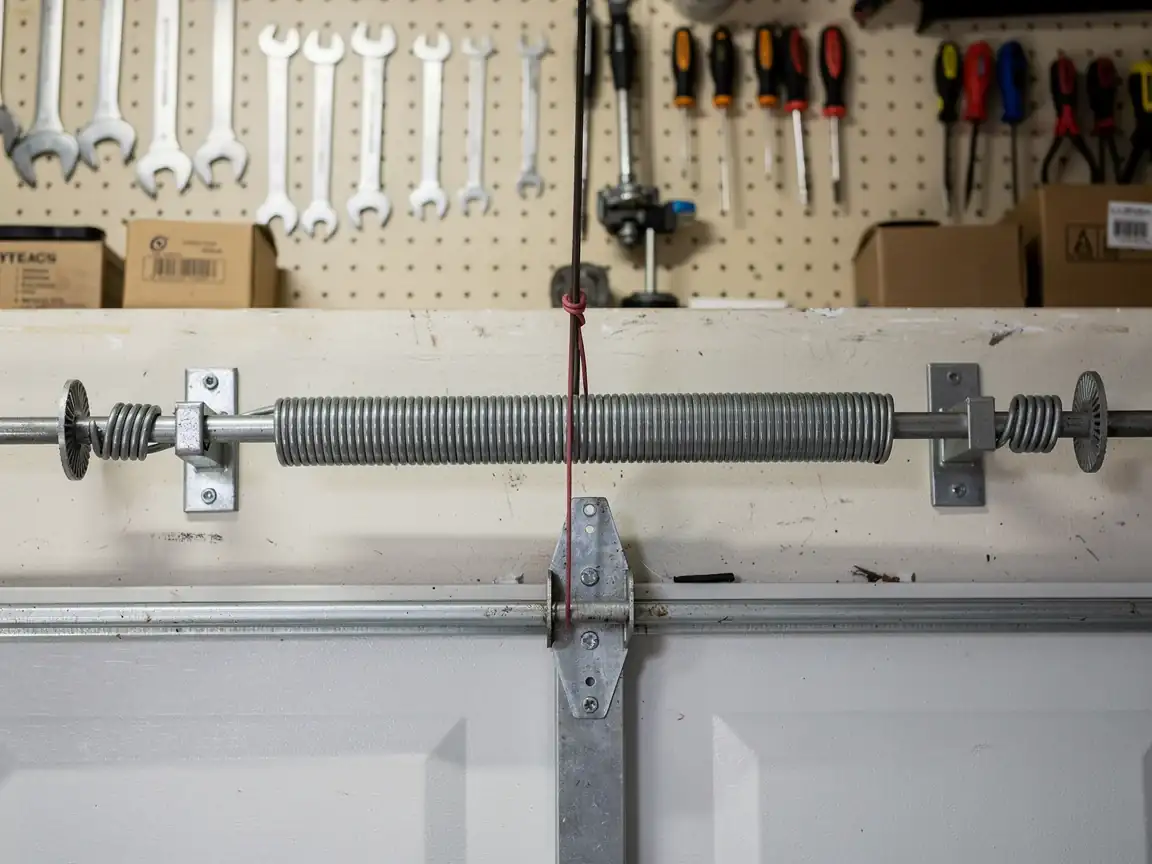
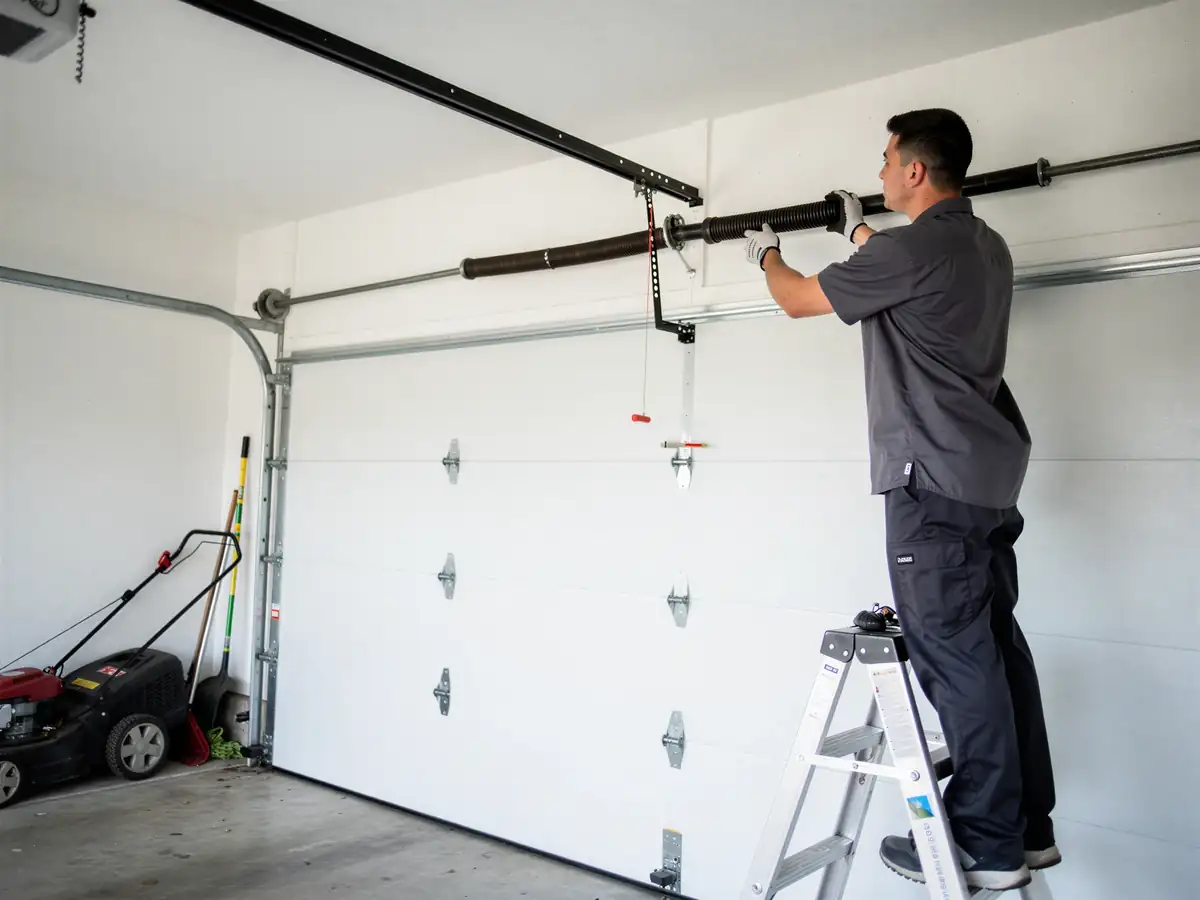
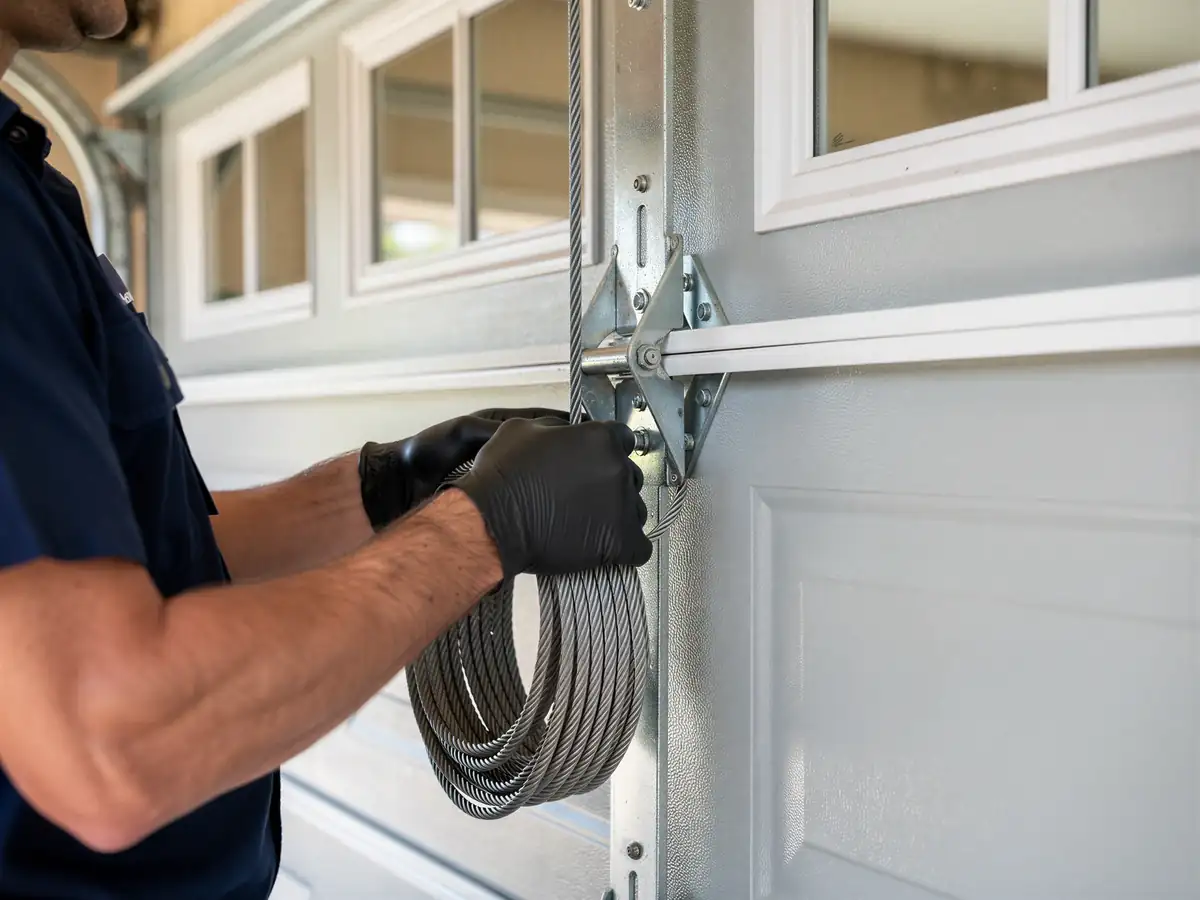
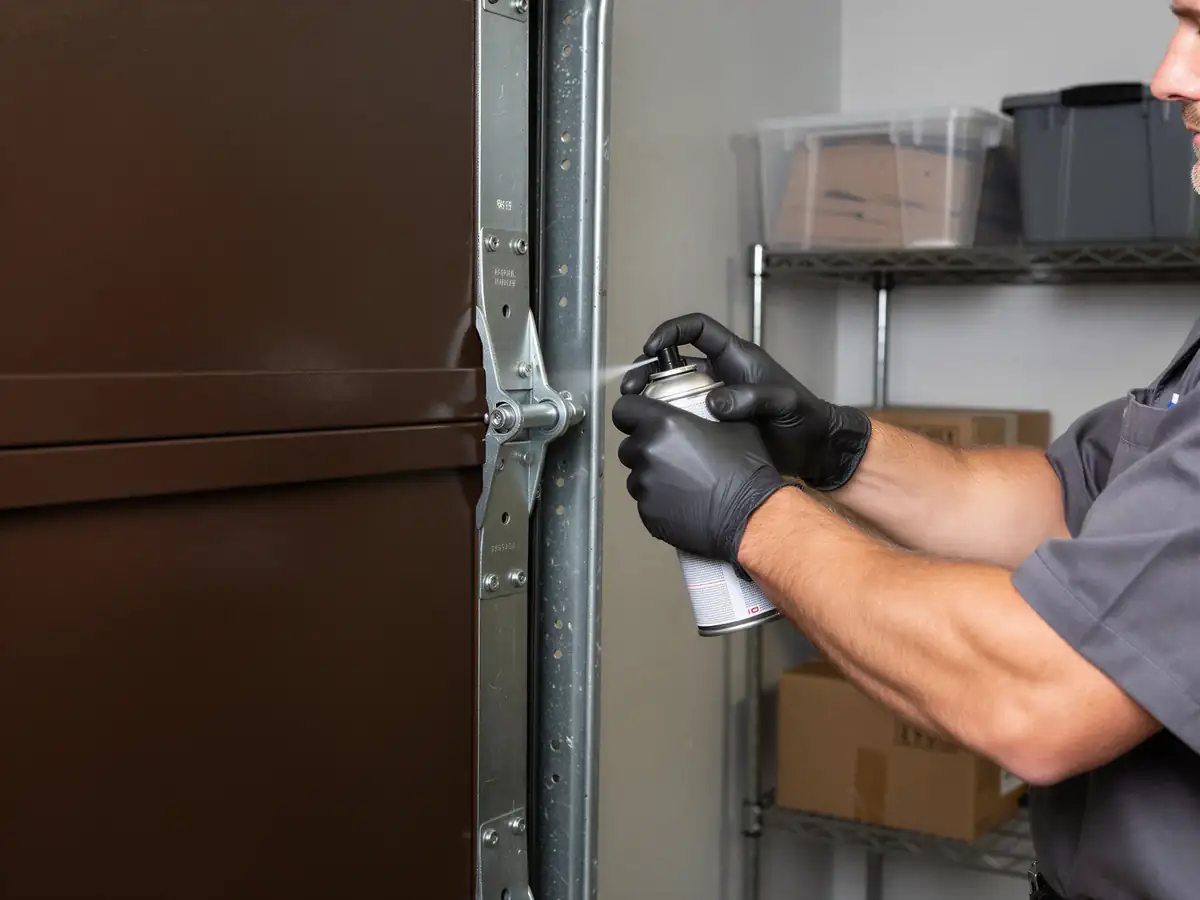
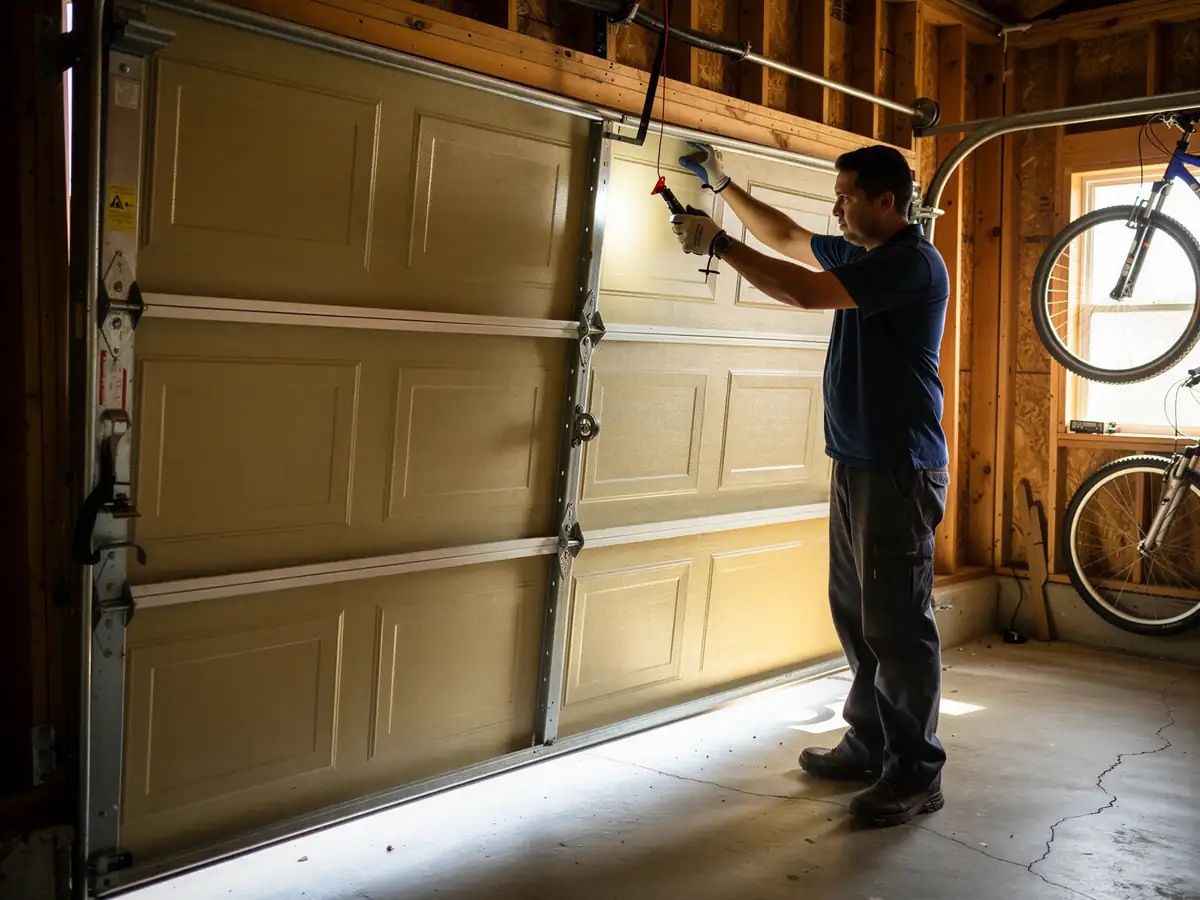
We start by checking whether the door is actually off the track or just binding against it - those look similar but need different work. If it's genuinely jumped the track, we check the cables and springs first, since a door that's off-track from a snapped cable is a different repair than one that's off from a loose bracket. For the bracket-and-track issue common on the 1975-era hardware here, that usually means re-anchoring the bracket into solid framing rather than the original furring strip, resetting the track plumb, and swapping any rollers that have worn down enough to cause the drift in the first place. If the track's bent rather than just loose, we replace the bent section rather than try to hammer it straight - straightened track almost always drifts again within a season or two. On doors that have been upgraded to heavier panels, we'll flag if the existing track needs to be upsized to match, since that's a separate conversation from the off-track repair itself.