What Causes It Around Here
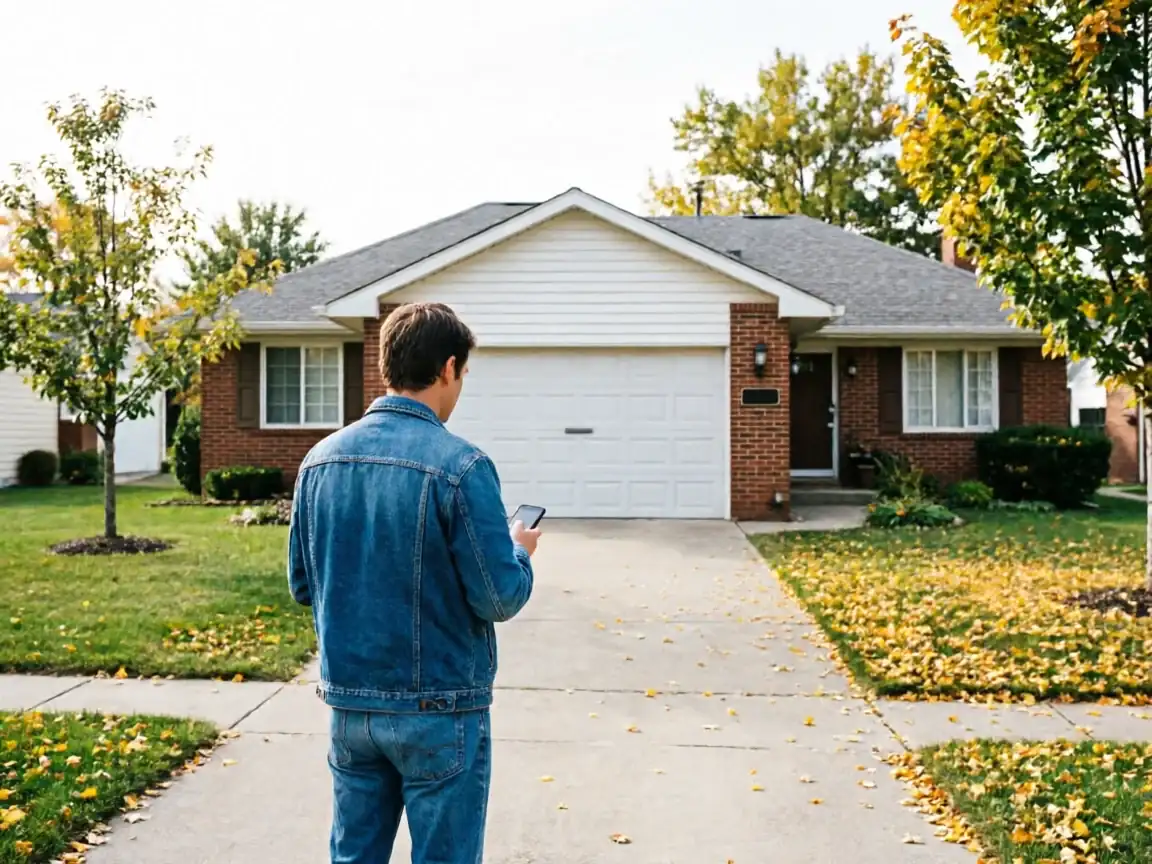
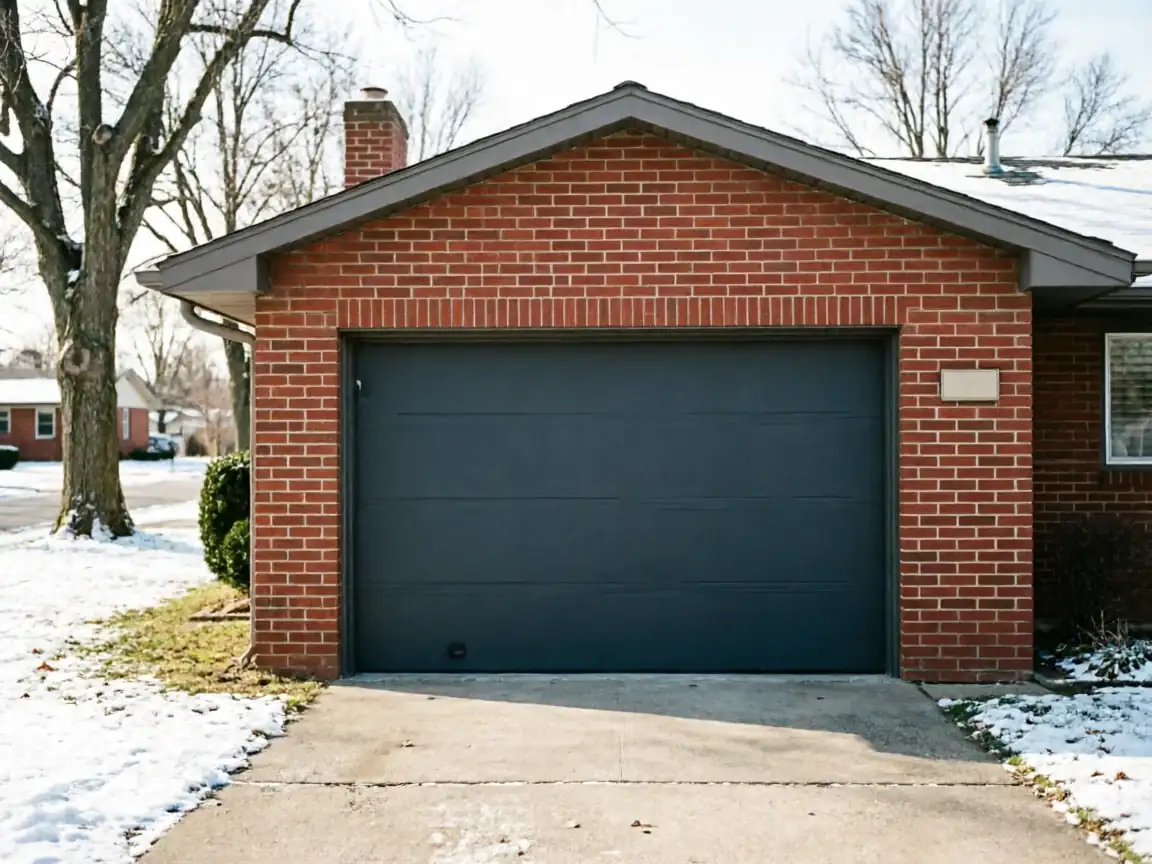
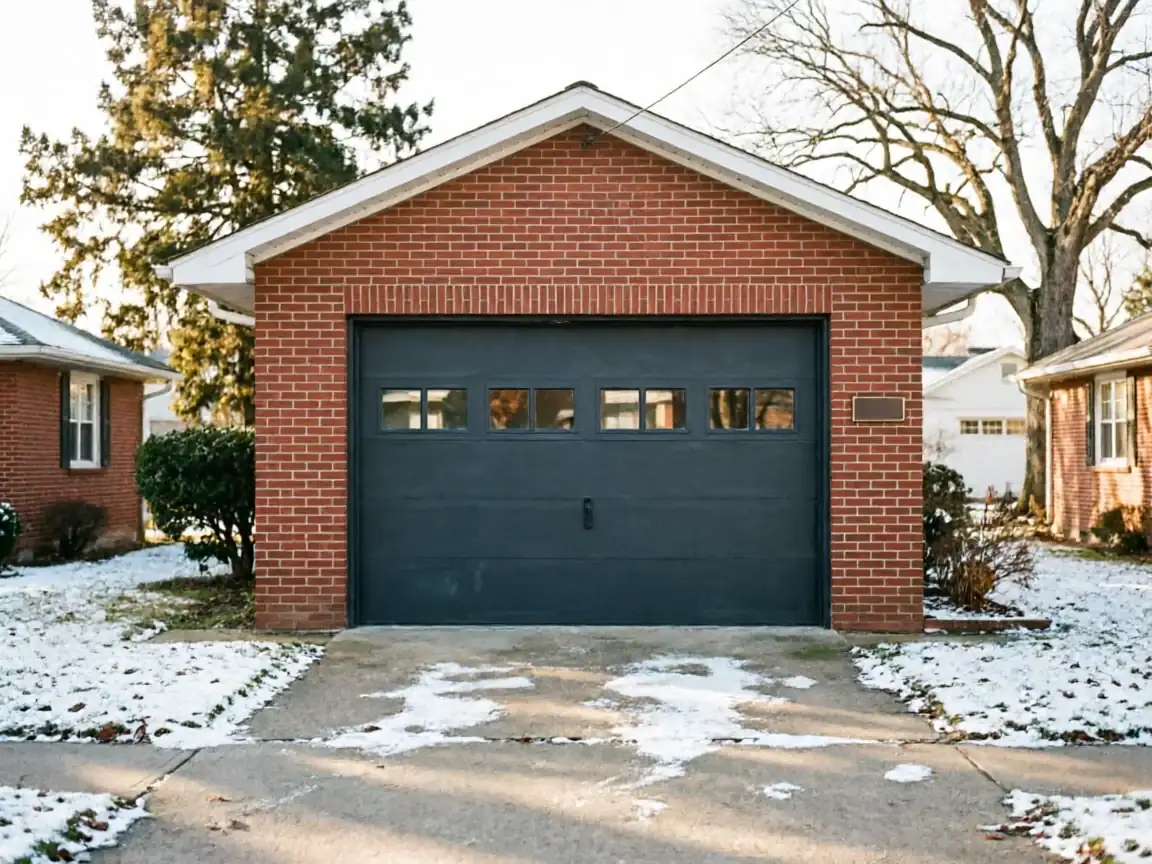
Des Peres skews newer than a lot of what we see on a given week. The median home here went up around 1975, about six years past the 1969 median for the wider territory we cover out of Ballwin. That gap matters more than it sounds like it should. A door and opener installed in the mid-70s is a different animal than one from a 1962 ranch - different spring mounting, different track gauge, often a different style of extension or torsion setup depending on who built the subdivision and when.
Cold is still cold regardless of build year - this area sits in the same cold-moderate climate band as the rest of the territory, so steel panels still sweat and contract through the winter and rollers still gum up in January. But a 1975 door has had roughly fifty years of that cycle to work on it, which is long enough for springs to be on their second or third life and for openers to be on their second motor, if not more. We see more full opener swaps here than patch jobs, simply because of the age the stock has reached.
With 3,220 households in Des Peres against $214,167 median income - well above the $87,806 median across the broader service area - we also see more owners who've already put in an upgraded insulated door or a belt-drive opener somewhere along the way, which changes what we're matching parts to when something fails.
Where This Job Goes Sideways
The trouble spot here isn't usually the door itself
It's figuring out what's actually behind the wall panel before we start. A home built in 1975 may have its original torsion hardware, or it may have been retrofitted once or twice by whoever owned it in the 90s or 2000s. We've opened up headers expecting one spring size and found another, because someone did a partial upgrade years back and left the rest alone.
We also don't keep a branch in Des Peres
We run the six miles out from Ballwin, which means the diagnosis has to be right the first time - we're not popping back to the shop mid-job for a part we guessed wrong on. That's part of why we ask a few extra questions on the phone before we load the truck: spring count, door weight, whether the opener's original or replaced.
The other place this goes sideways is cosmetic mismatch
In a higher-income area like this, owners are more likely to want a repair that matches an upgraded door face rather than a generic replacement panel. If the original run of panels isn't available anymore, we'll tell you that straight rather than install something that looks off next to the rest of the door.
What It Costs
We don't publish a flat number for Des Peres because the two biggest cost drivers - spring configuration and whether the opener needs replacing - vary too much from one 1970s-era door to the next, even within the same subdivision. A single torsion spring swap on original hardware is a different job than a double-spring failure paired with a dying opener motor, and we won't quote one as if it were the other over the phone.
What we can tell you is what we look at before we give a number: door weight, spring type and count, whether the drum and cable are original or already replaced, and the opener's age and drive type. Given the median build year here, we expect a fair number of these doors to be on their second opener already, which usually means the repair-versus-replace conversation comes up sooner than it would on a newer door.
One honest limit: if a part's been discontinued - which happens on doors this age - we'll tell you before we start, not after we've opened the header. Sometimes the right call is a new opener or a new spring size rather than hunting down an exact match that no longer exists.
What the Fix Involves
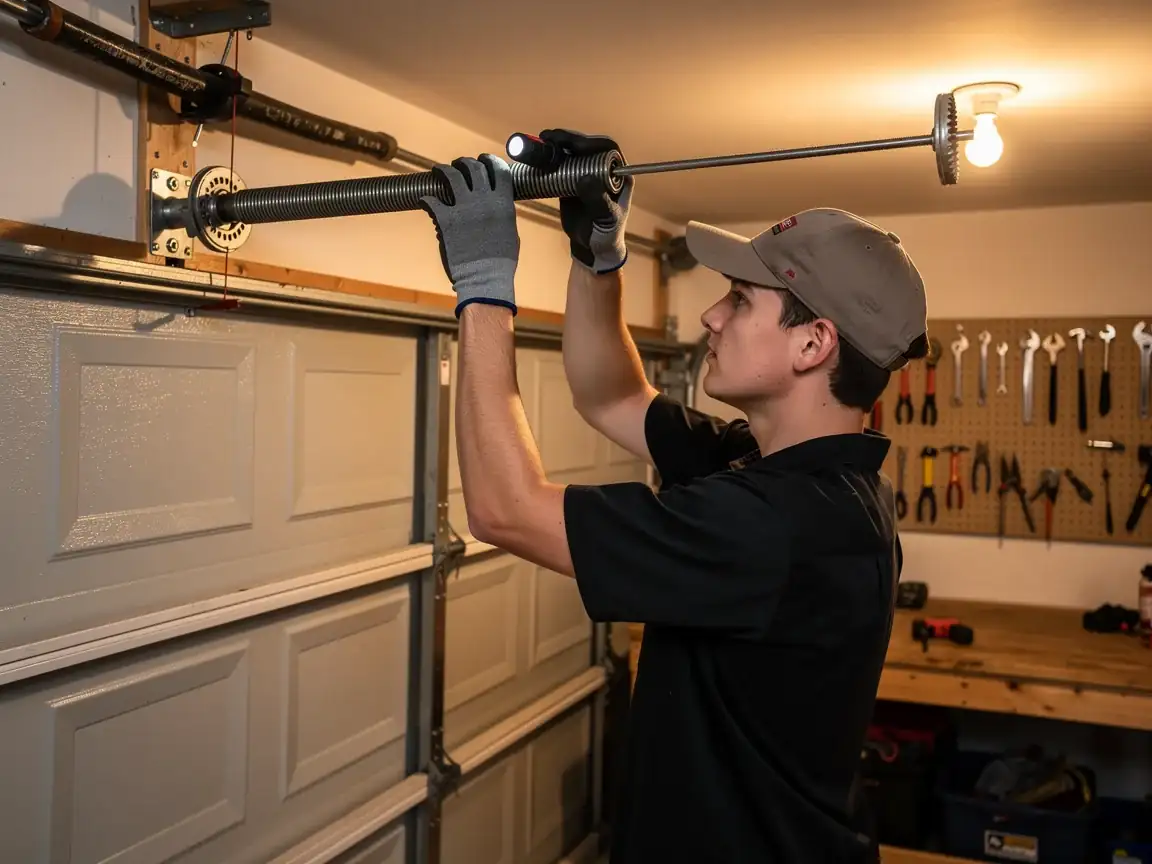
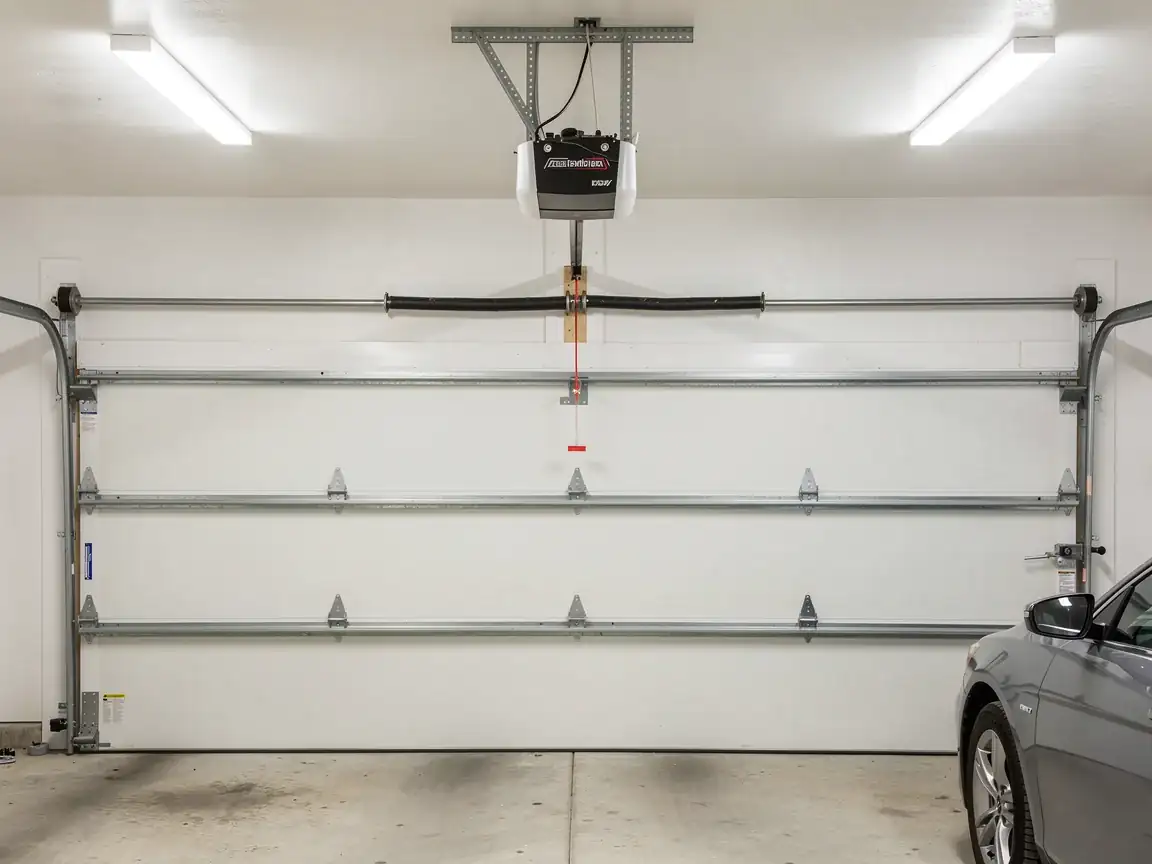
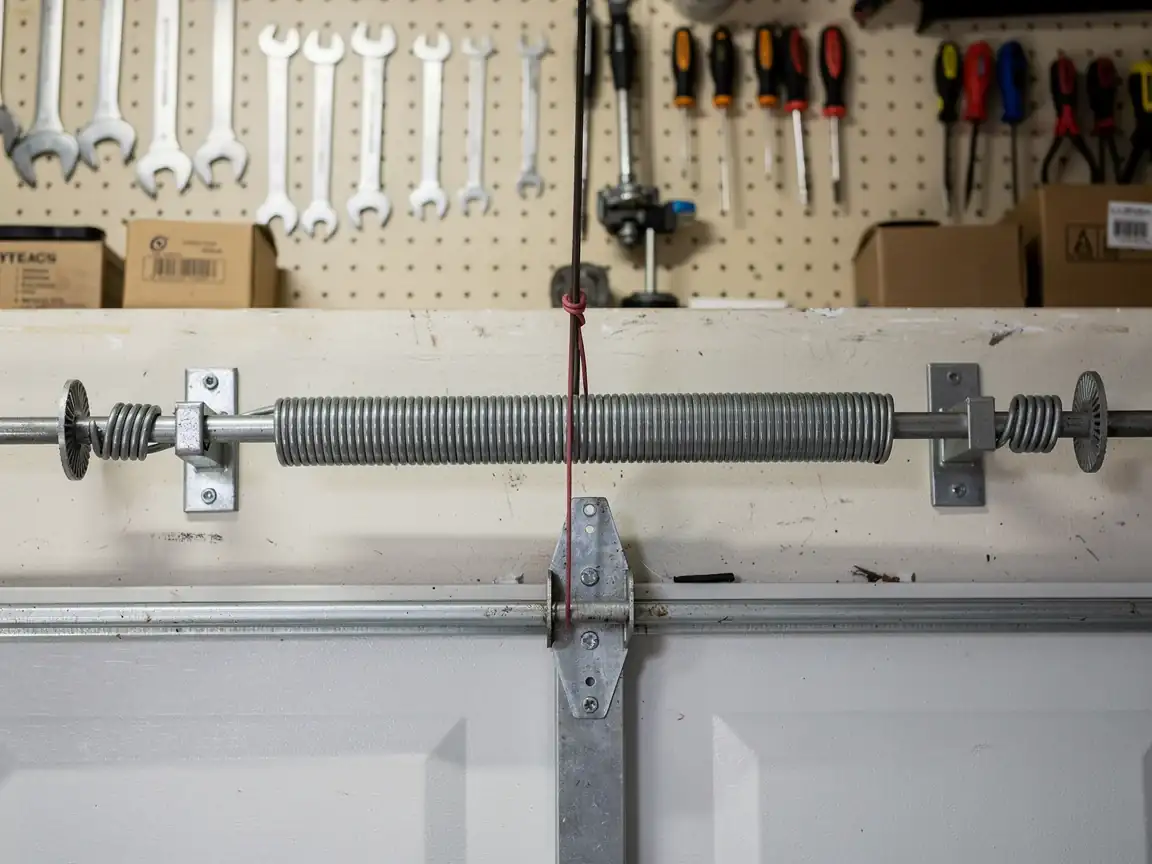
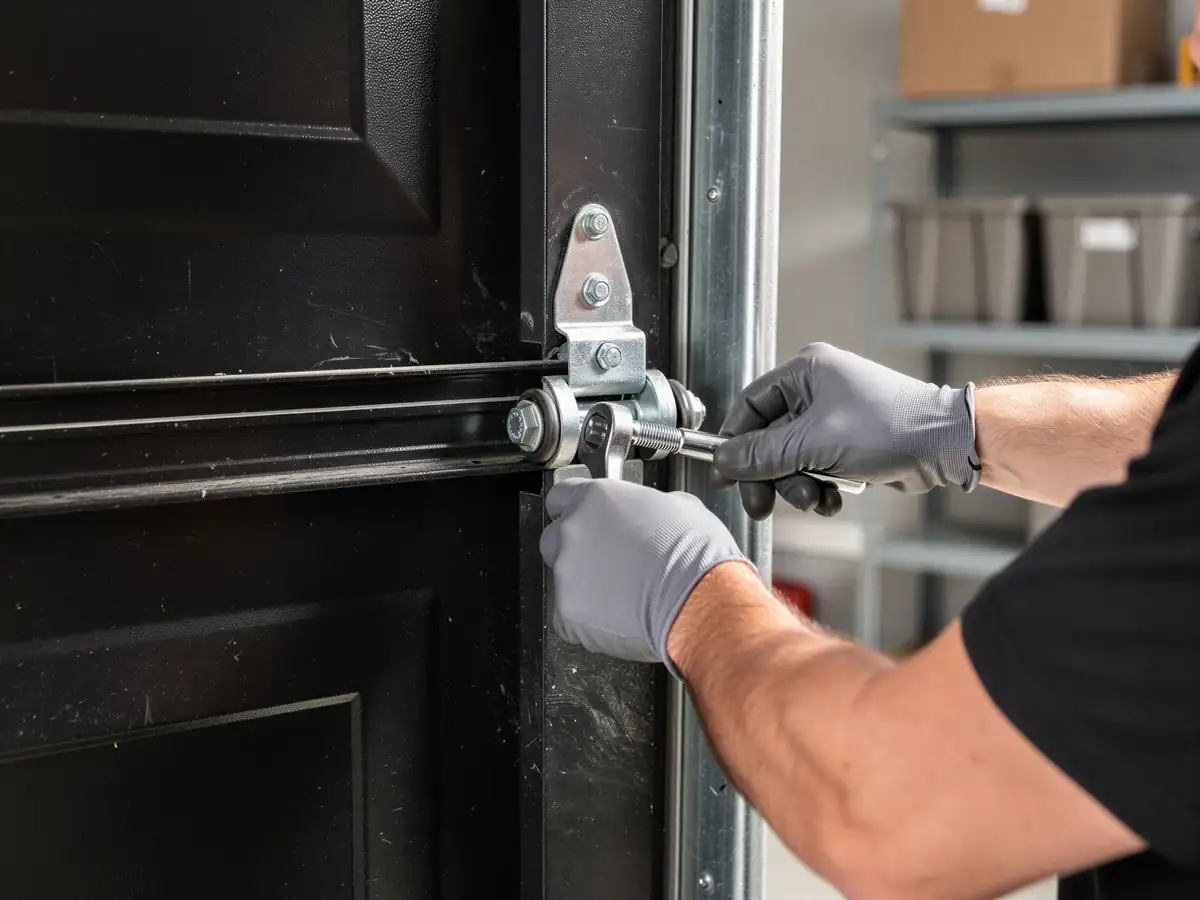
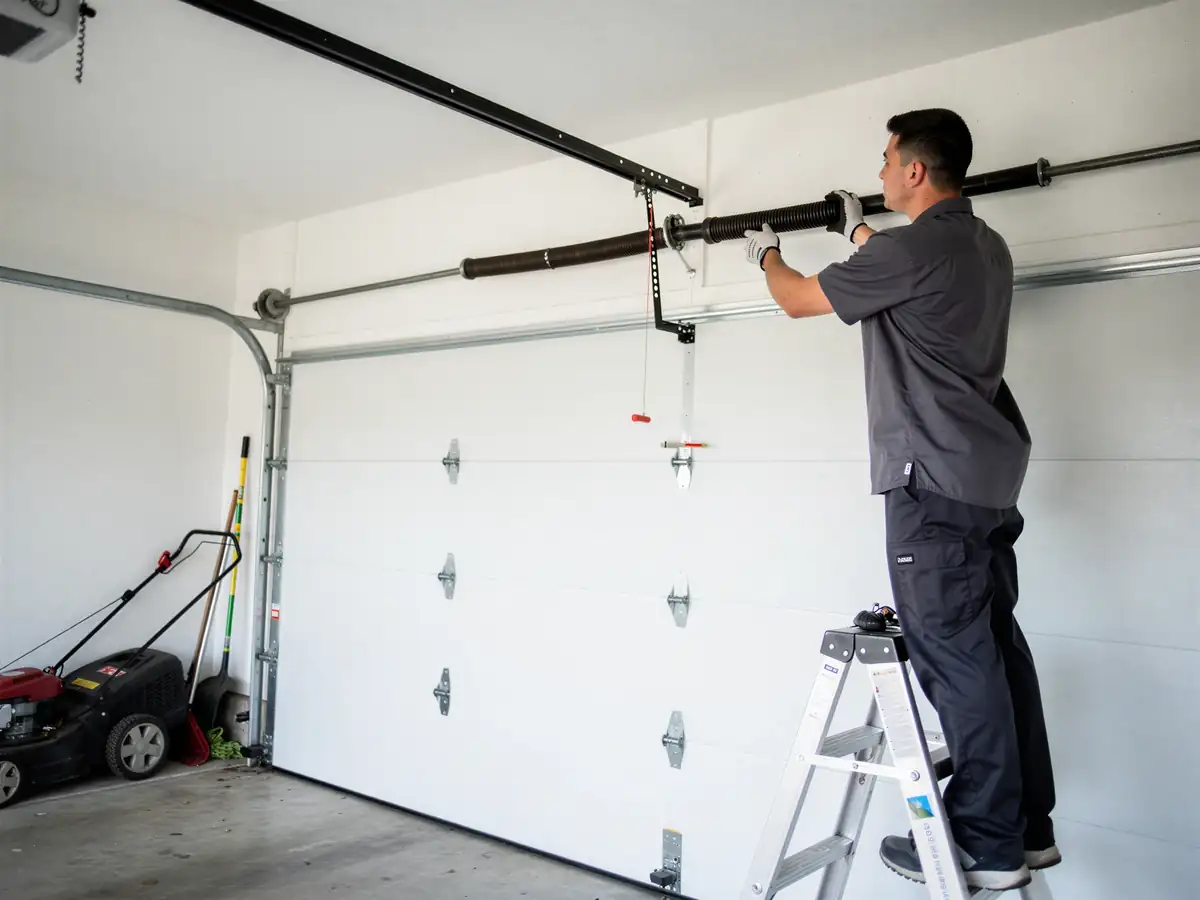
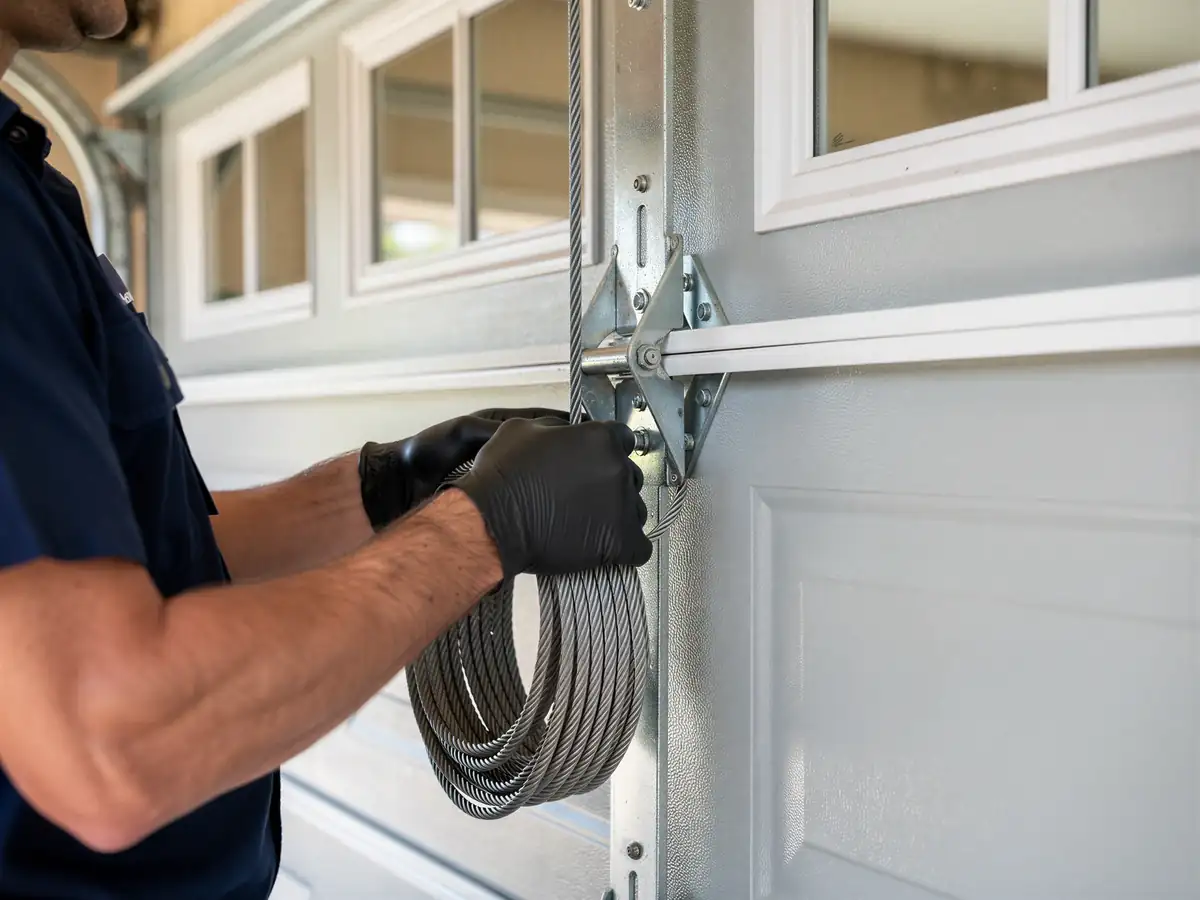
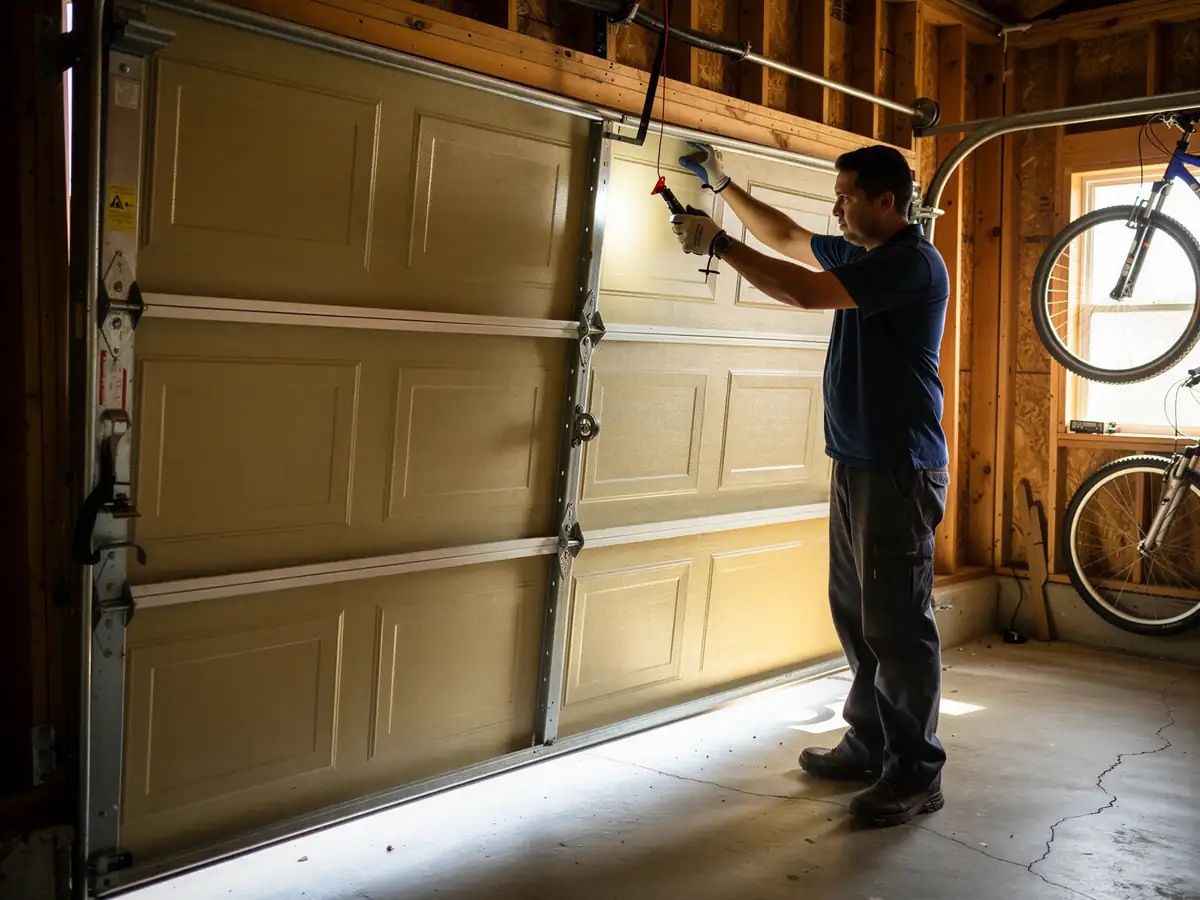
Most calls start with us checking the spring first, since a door built around 1975 has had enough cycles that fatigue failure is the most common thing we find. We check the torsion bar for play, look at the drums and cables for fraying, and run the opener through its travel limits to see if the motor's compensating for something mechanical rather than electrical.
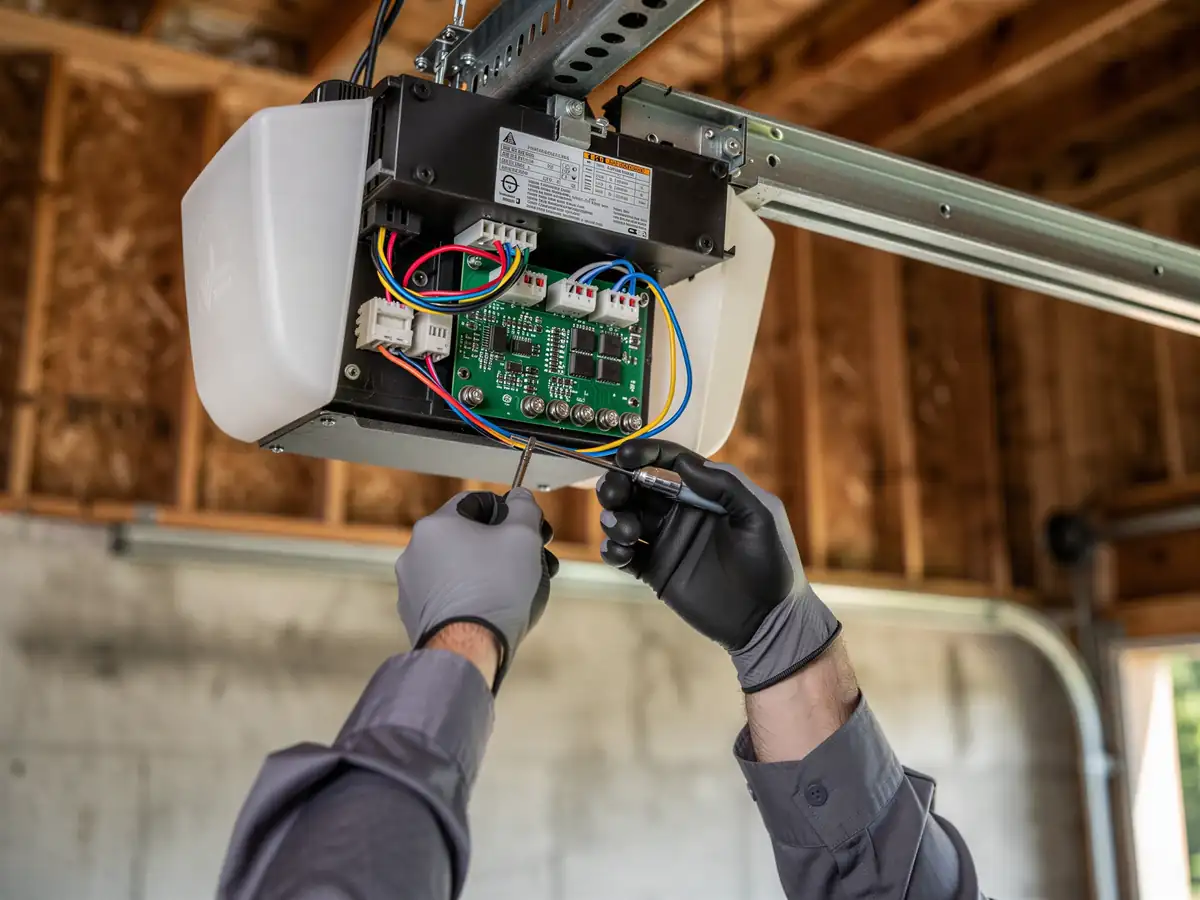
If the spring's the issue, we match it to the door's actual weight and cycle count rather than guessing off the old spring's size, since a mismatched spring on an older door is one of the more common comebacks we see. If the opener's the culprit, we check whether it's original to the house or a later replacement - that tells us whether other parts nearby, like the rail and trolley, are due as well.
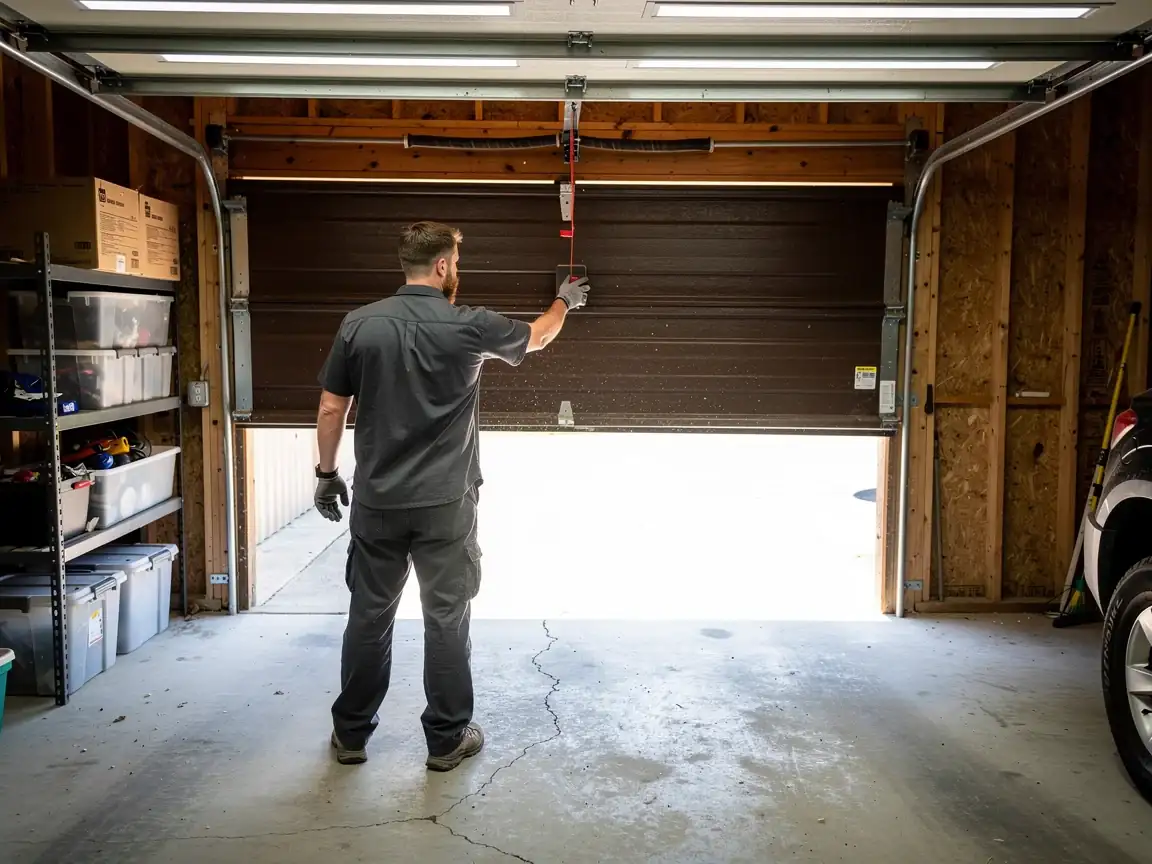
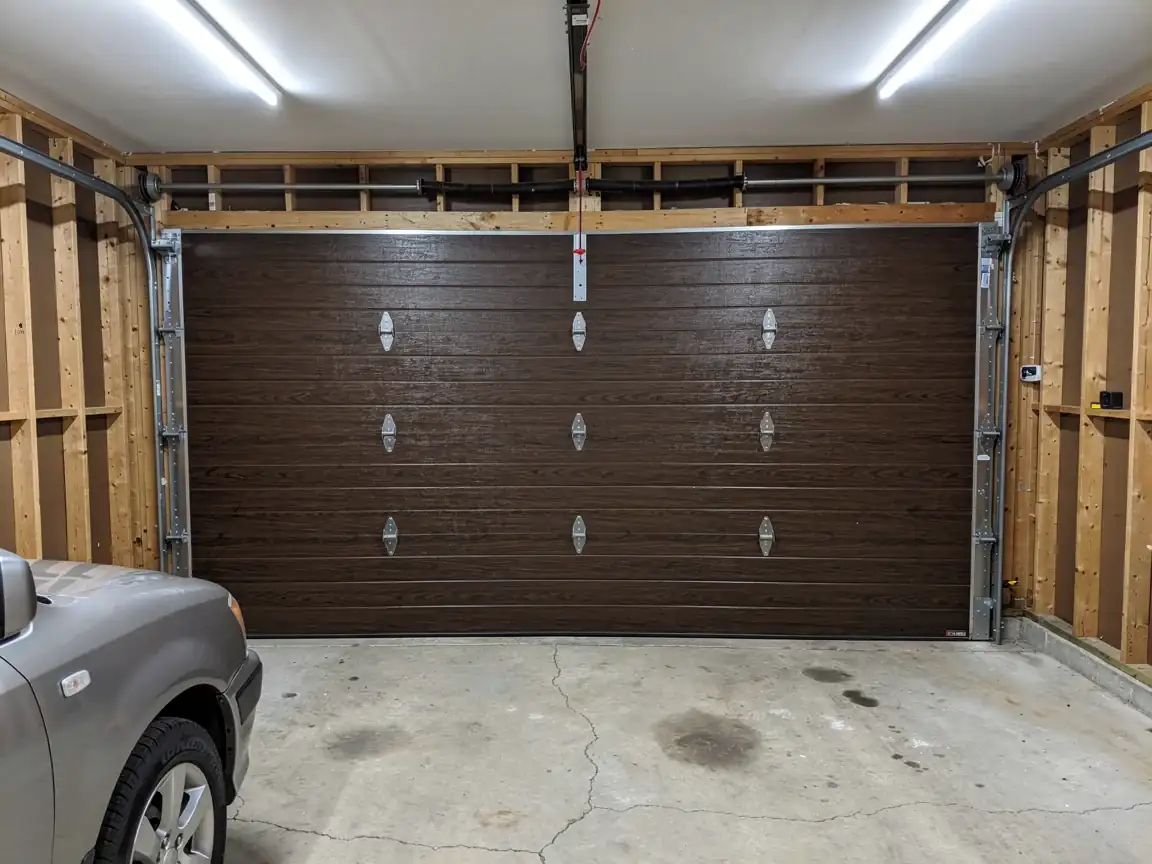
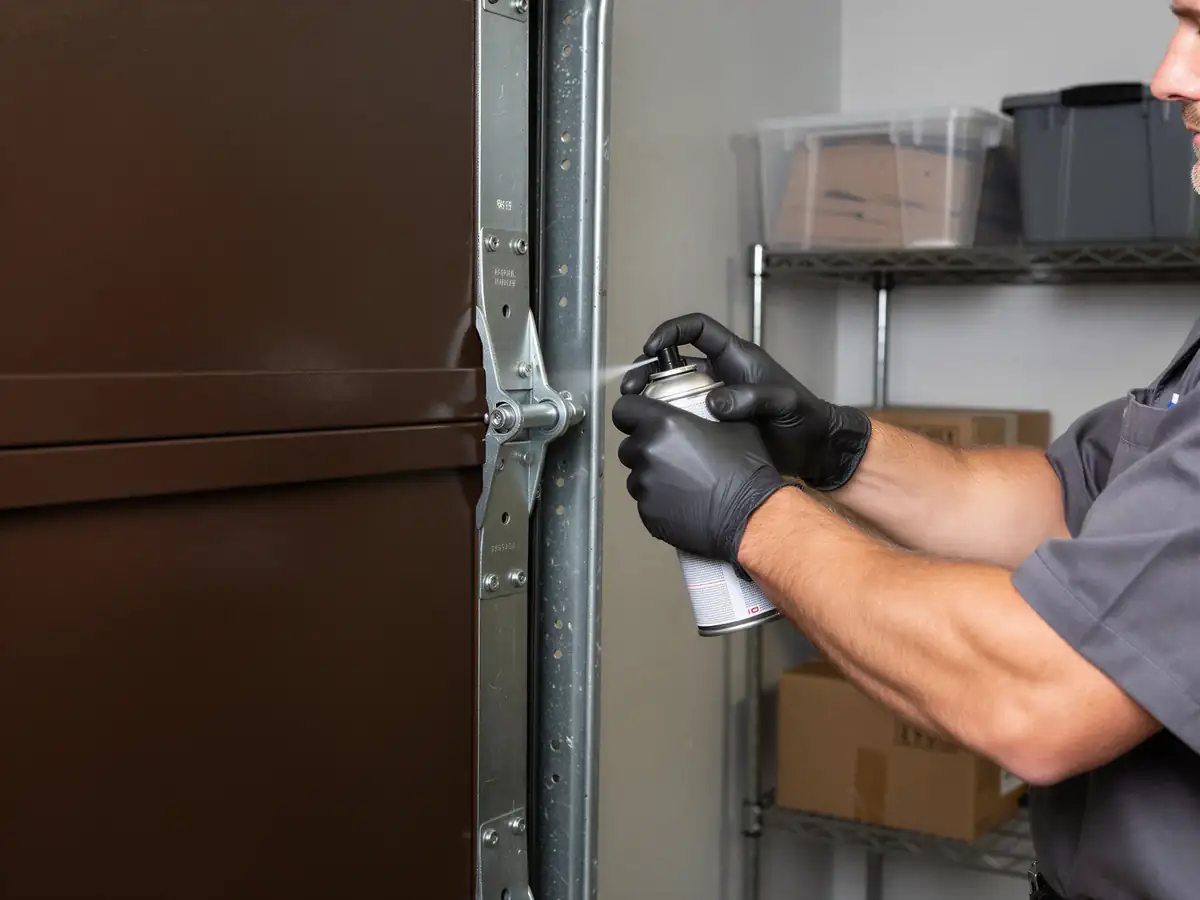
Track alignment gets a look too. Houses from this era settle enough over fifty years that tracks can shift out of plumb a little at a time, and a door that's been fighting a slightly bent track will wear its rollers and cables faster than one that hasn't. We true up the track as part of the same visit rather than treating it as a separate call, since it's usually quicker to fix while the door's already open.
Stocked Parts
The truck carries torsion springs sized for the range of doors common to homes built from the late 1960s through the mid-1970s
Since that's the bulk of what we're matching against in this part of the territory. We also carry standard rollers, cables, and drums that fit that era's track gauge, along with a few opener drive components for the chain and belt-drive units most likely to be in a house this age.
What we don't carry on the truck is every discontinued panel style
If a door needs a cosmetic panel match rather than a hardware fix, that's often a special order, and we'll say so rather than install a mismatched piece and call it done. Given the income level and age of housing here, we also keep a couple of insulated-door panel options on hand more often than we might for an older, lower-stock neighborhood, since the upgrade request comes up more frequently.
If you want the general rundown on how we handle service calls and what's standard across the territory
That's covered on our Ballwin service page. For Des Peres repair specifics, see our Des Peres repair page.