What Causes It Around Here
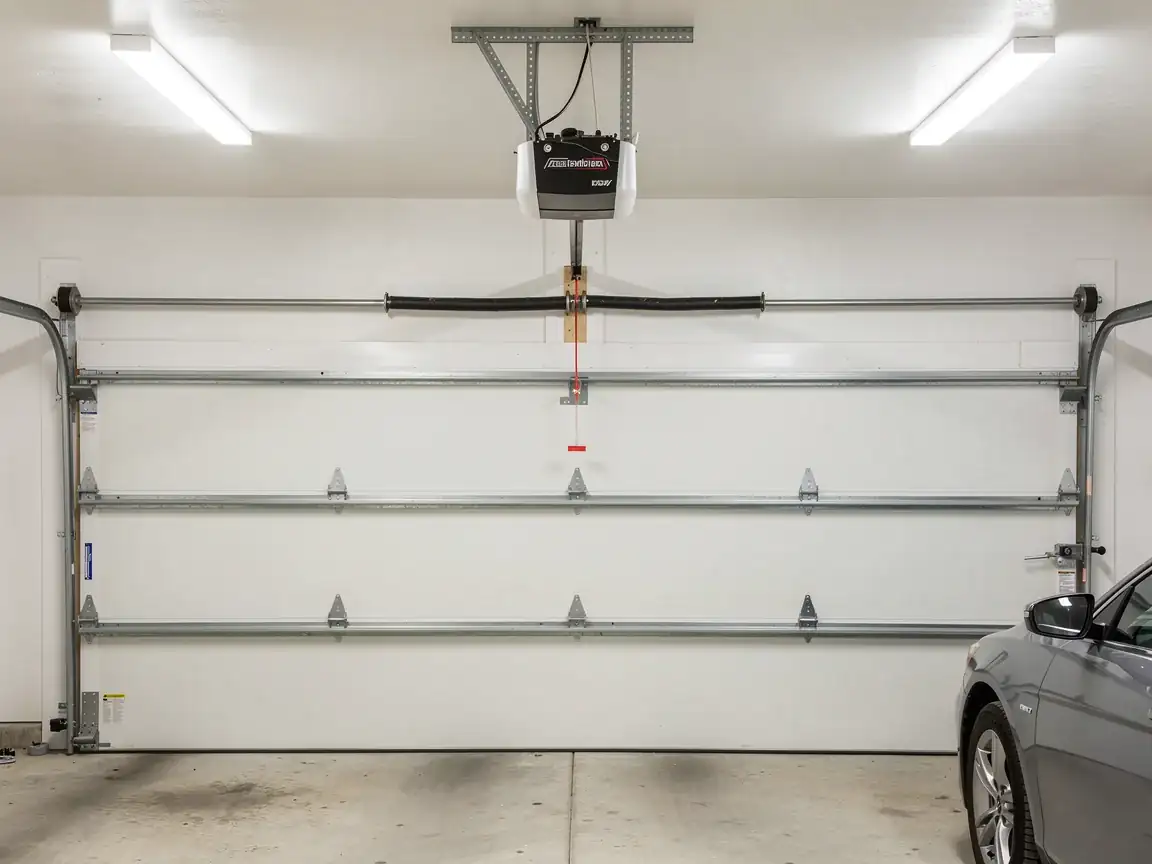
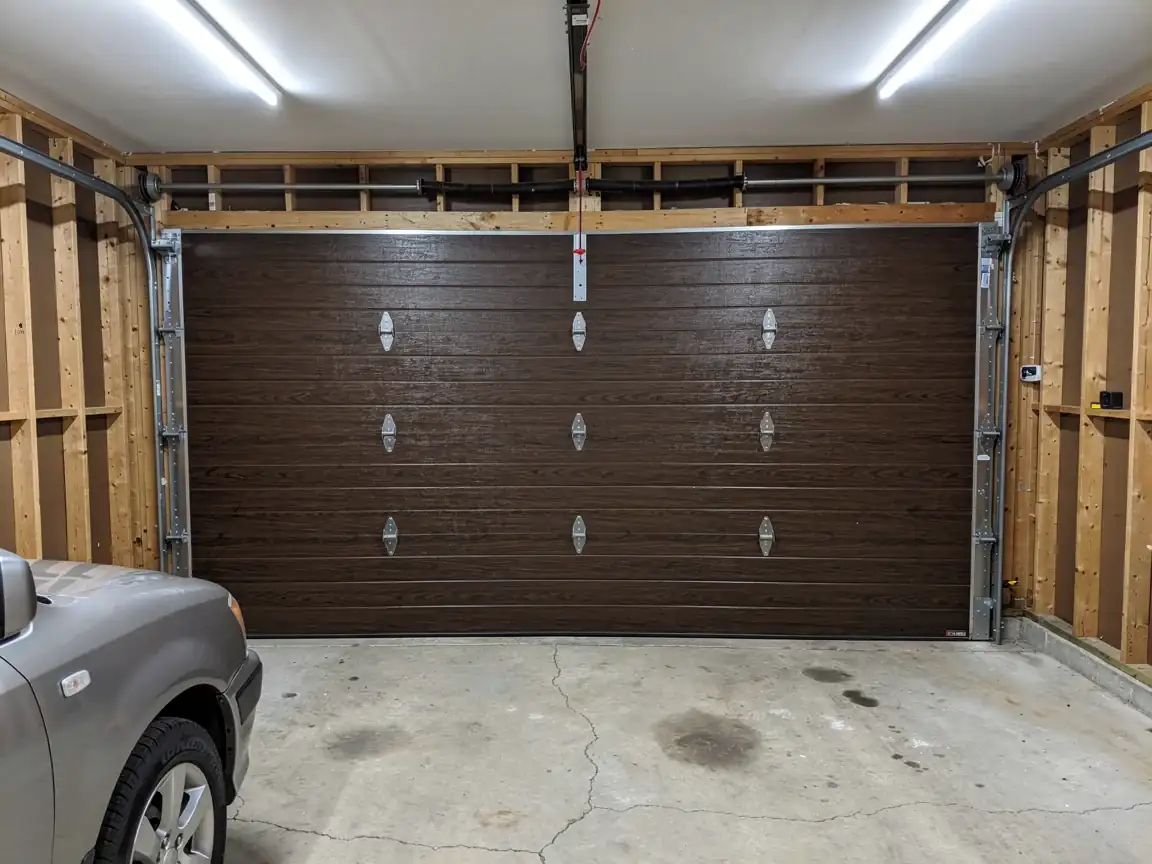
Des Peres sits six miles out from our Ballwin shop, close enough that an opener call here doesn't turn into a half-day trip, but far enough that we load the truck before we leave, not after we diagnose on-site. That matters because Des Peres homes aren't the same vintage as a lot of what we see closer to the shop. The median year built here runs around 1975, newer than the broader service area's 1969 median across the 1947-2011 build window we cover. That later construction date usually means chain and belt-drive openers installed or upgraded over the decades rather than the older screw-drive units common in the oldest stock nearby. The failures skew toward worn drive gears, aging logic boards, and safety sensors knocked out of alignment rather than the ancient mechanical openers we sometimes pull out of 1950s houses elsewhere. Winter is still winter here - this area sits in the same cold moderate climate band as the rest of the territory, so cold-stiffened grease and contracting metal brackets cause their share of calls from December through February, same as everywhere else we run.
What It Costs
We don't publish a flat opener repair price for Des Peres because the two most common jobs here - board replacement and sensor realignment versus motor or gear repair - land in different cost brackets, and we're not going to quote one number and pretend it covers both. What we can tell you is that travel isn't padded into the price just because the job is six miles from Ballwin instead of across the street. You pay for the parts and the labor on your door, not for the drive. If a part has to be special-ordered for an older rail system, we'll tell you that up front too, since lead time on discontinued opener parts can run longer than the repair itself.
What the Fix Involves
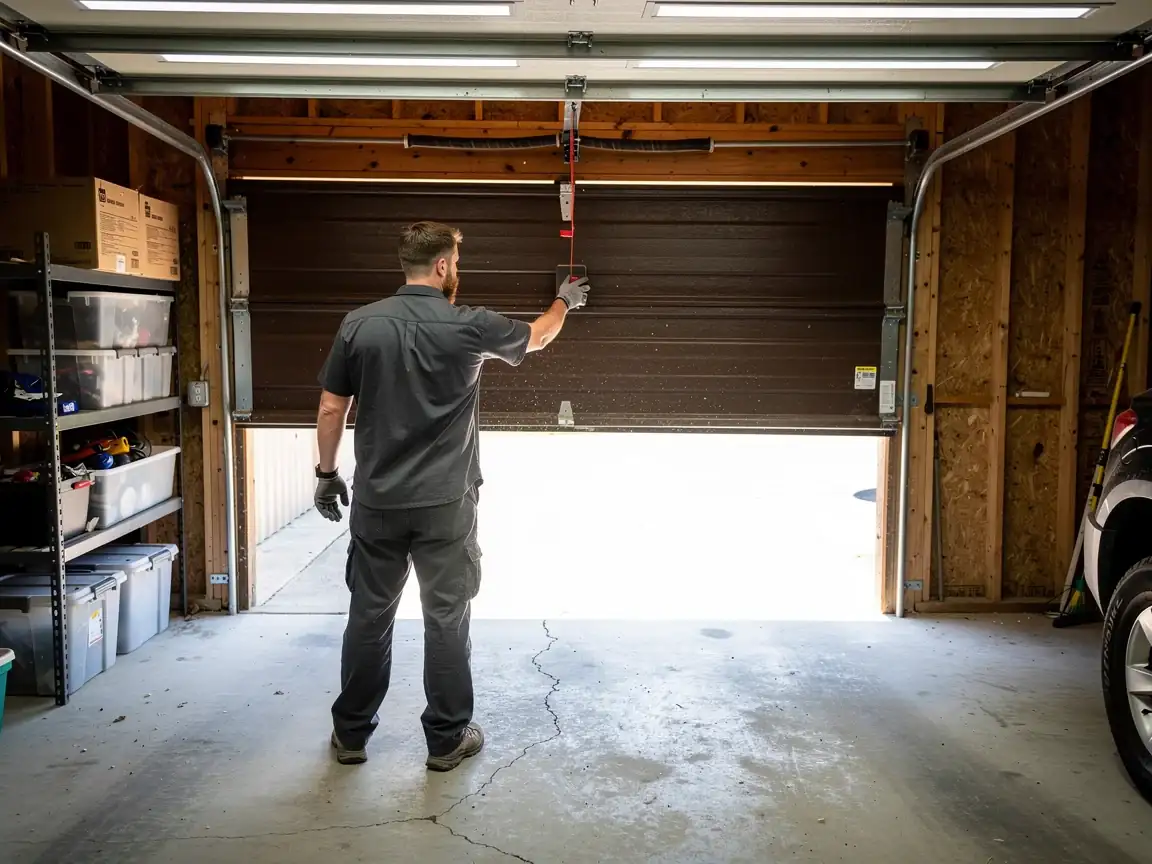
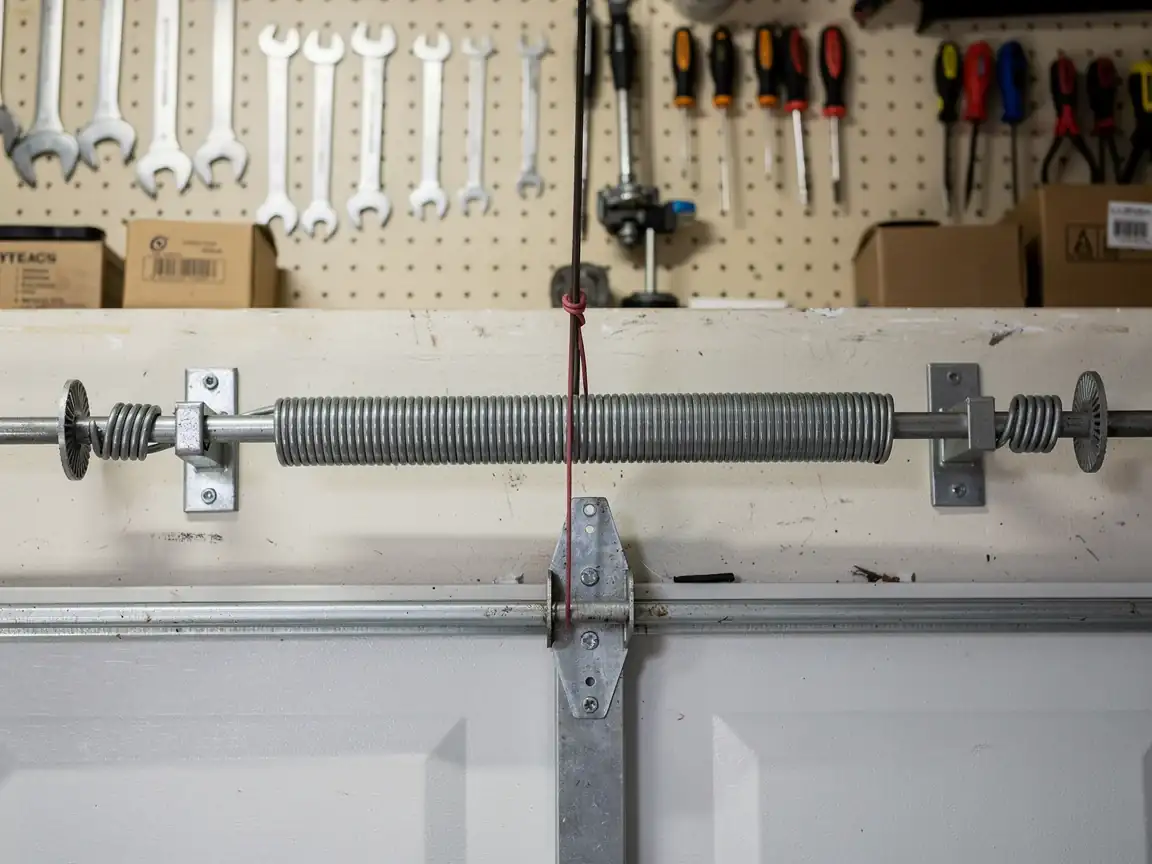
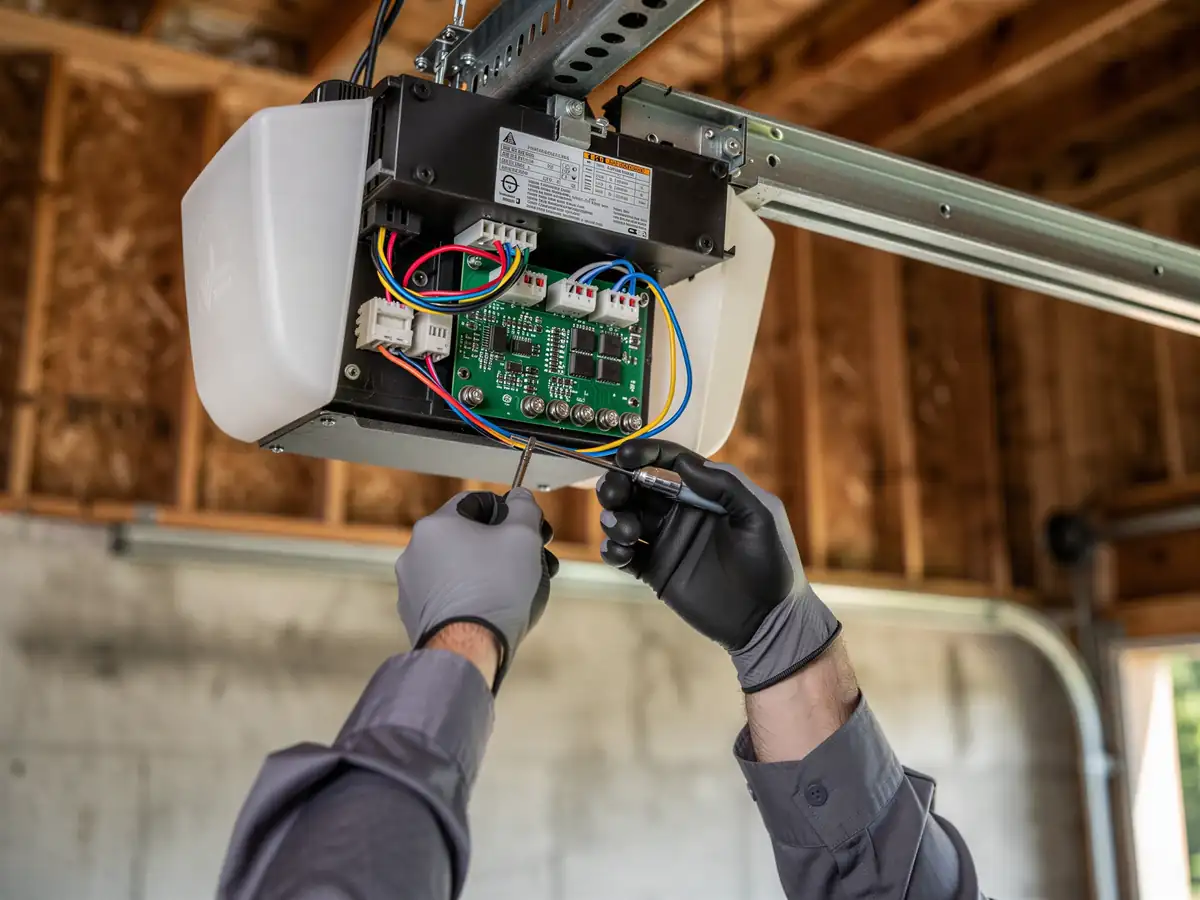
First we test the opener at the wall button and the remote separately, because a problem that only shows up on one points somewhere specific - usually the remote's battery or the receiver, not the motor. Then we check the safety sensors, since misaligned or dirty sensor eyes are the single most common reason an opener won't close a door, and it's a five-minute fix when that's all it is. If the door reverses or won't move at all, we check the travel limits and force settings before touching the motor, because those get knocked out of spec more often than the motor actually fails. Belt and chain drives get a tension and wear check on the rail. If it's the logic board, we replace it rather than troubleshoot further - boards don't get better with testing. We test the full open-close cycle twice before we call it done, not once.