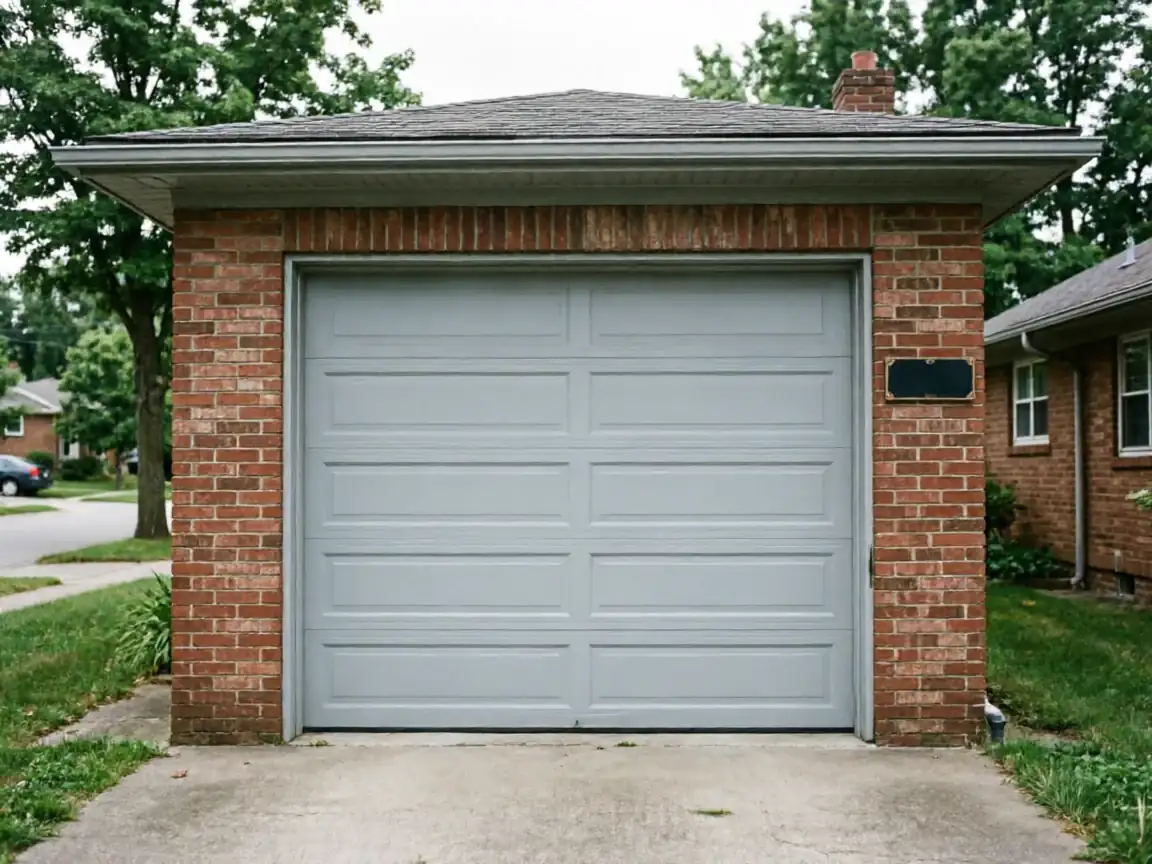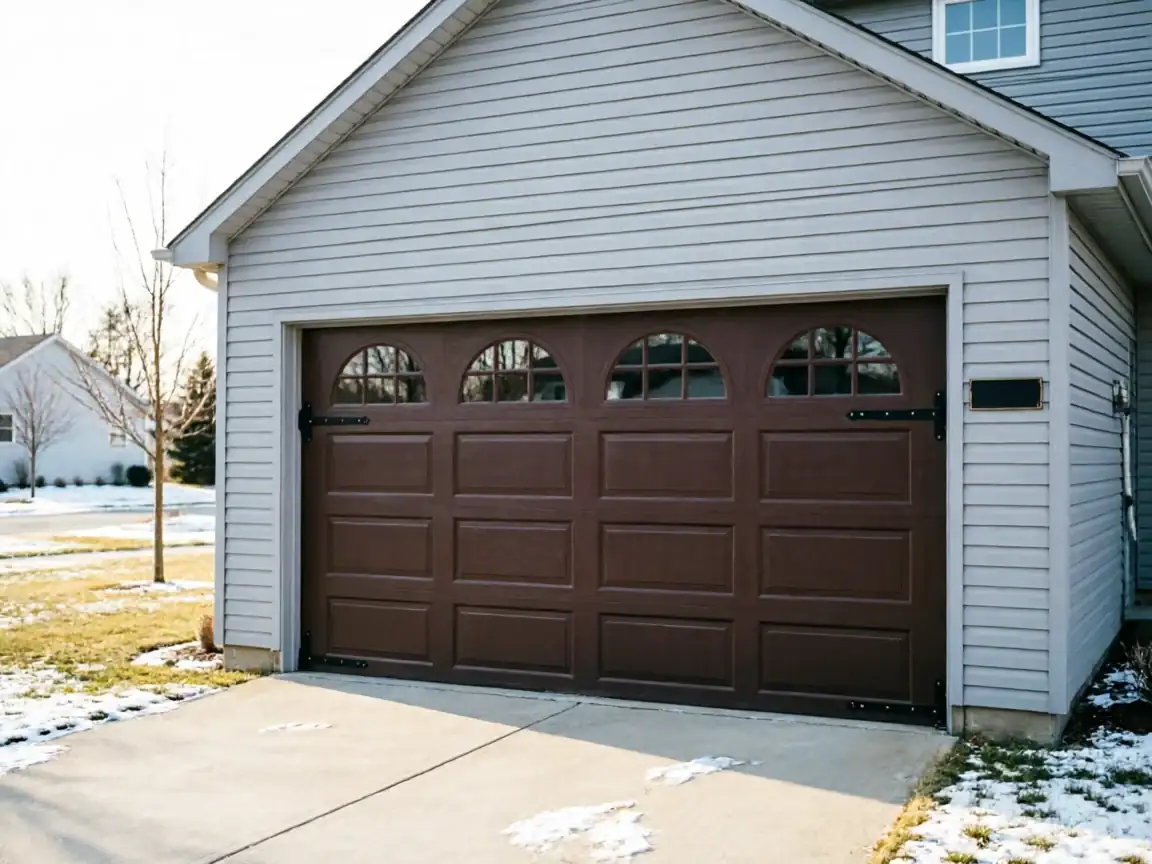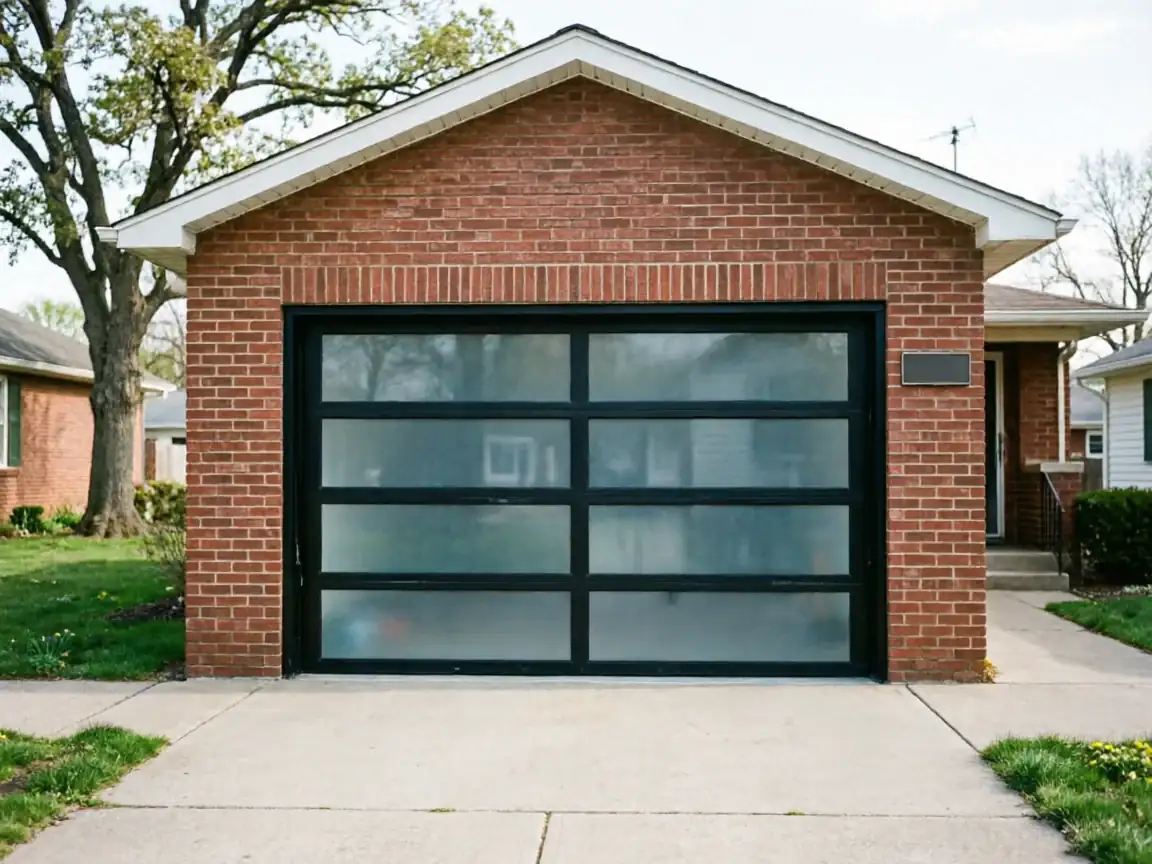
What Causes It Around Here
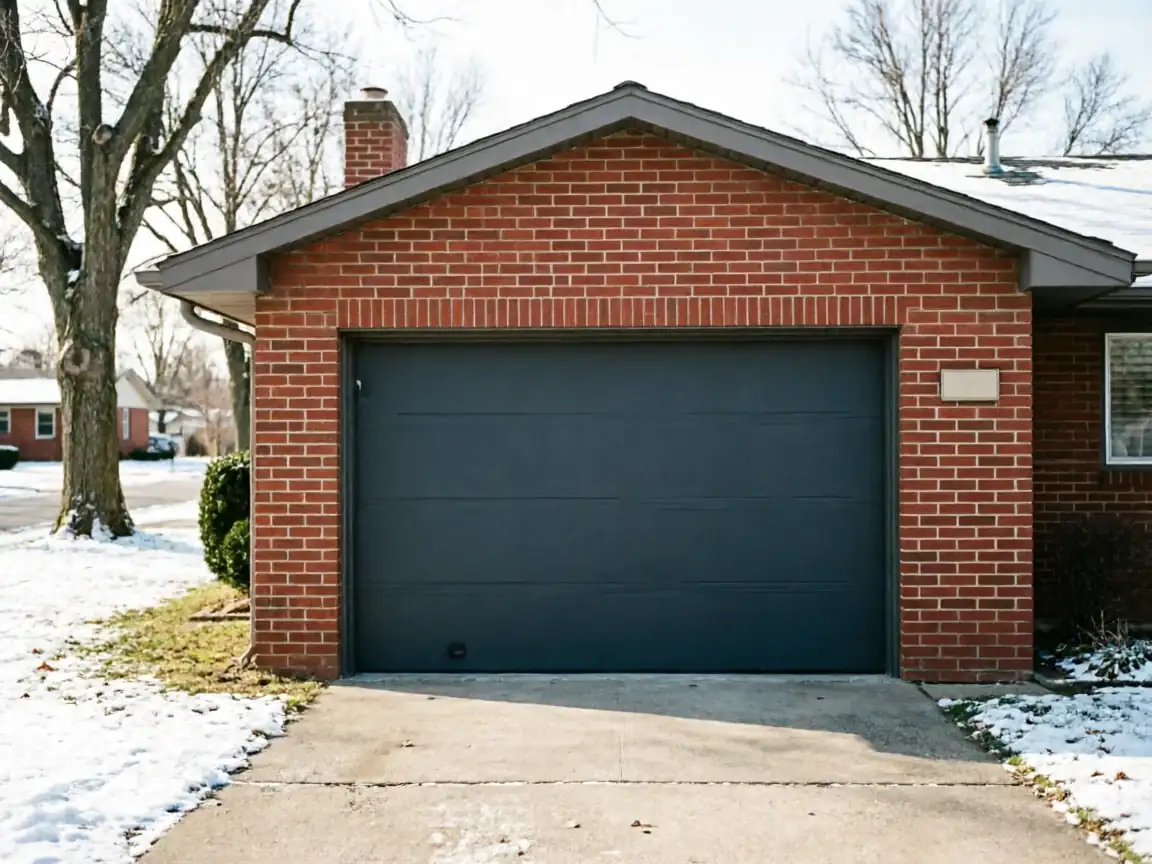
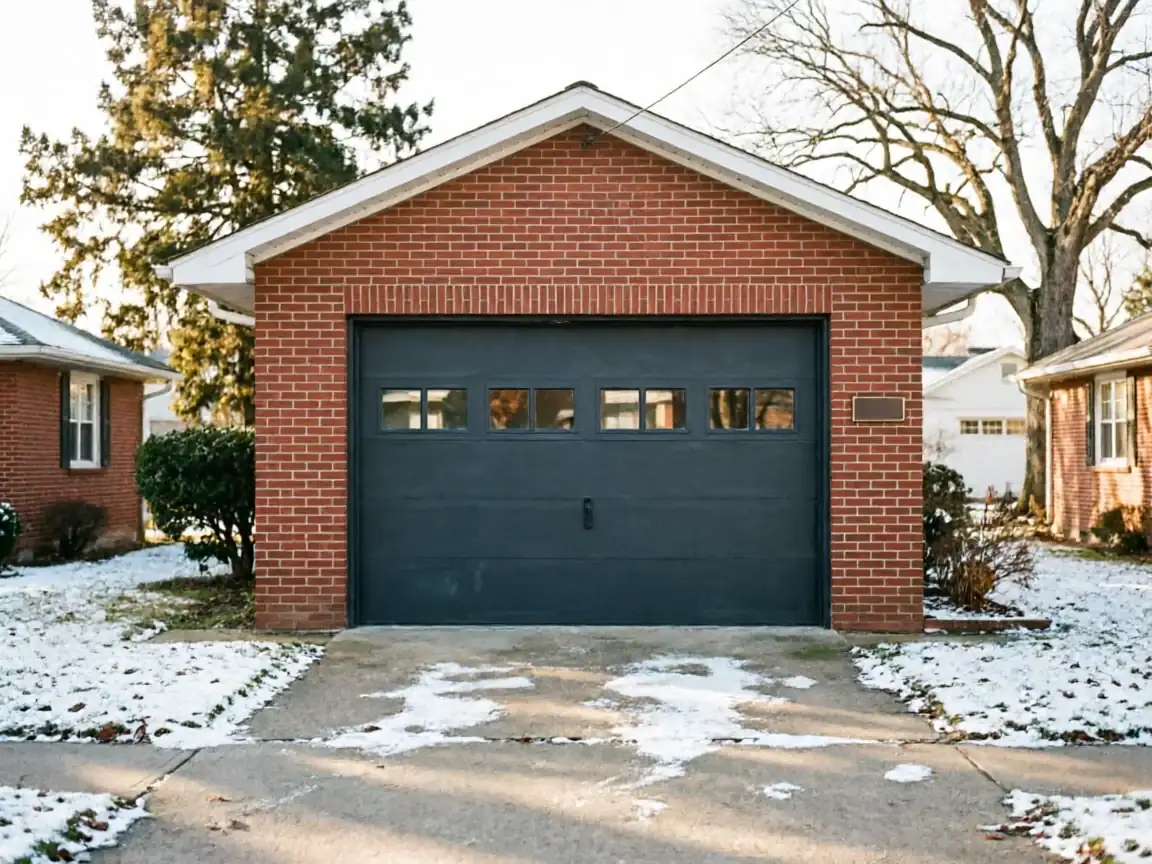
Des Peres sits about 6 miles from Ballwin, and the housing stock here skews a bit newer than a lot of the surrounding service area - median year built around 1975, compared to the broader area's 1969 median. That matters because 1975 construction usually means the garage was built with an extension-spring setup or an early torsion conversion, not the older side-mounted torsion hardware you'll find on houses from the late 1940s through the 1950s elsewhere in the territory. The parts are more available, but they're not immune to failure.
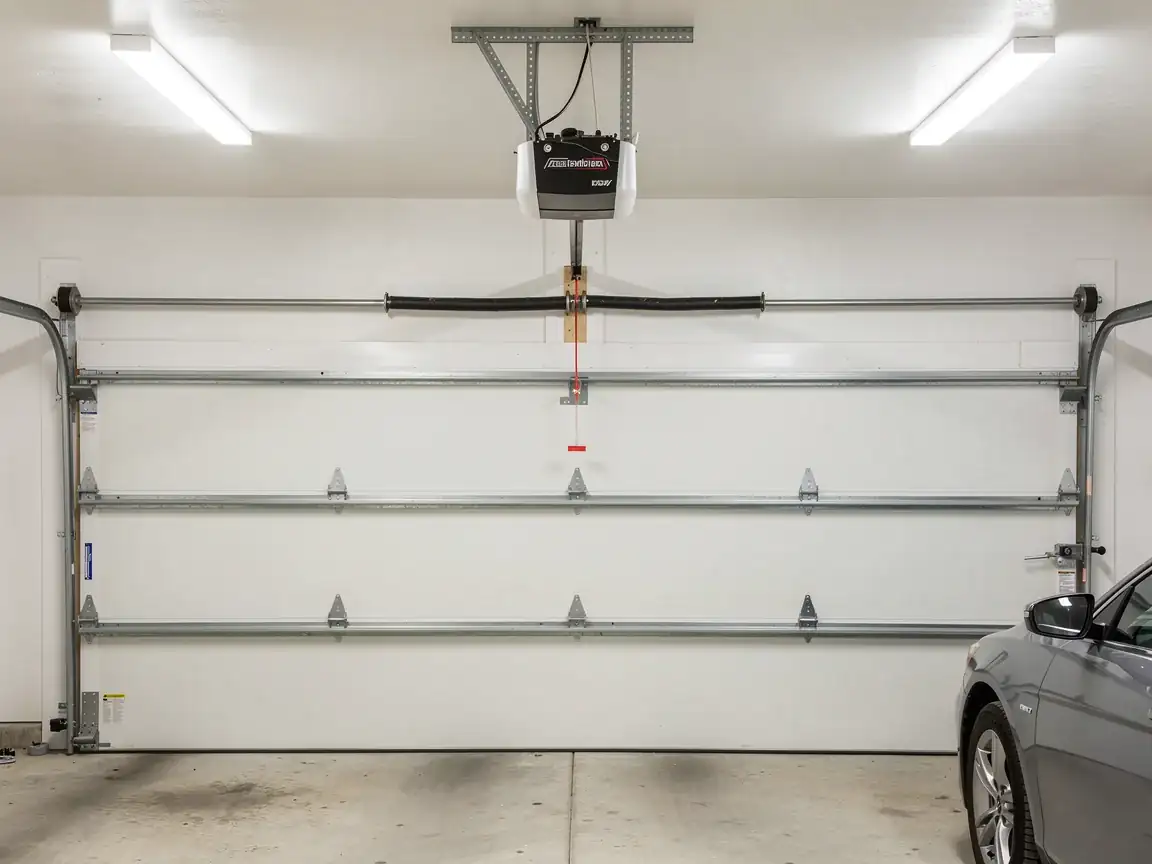
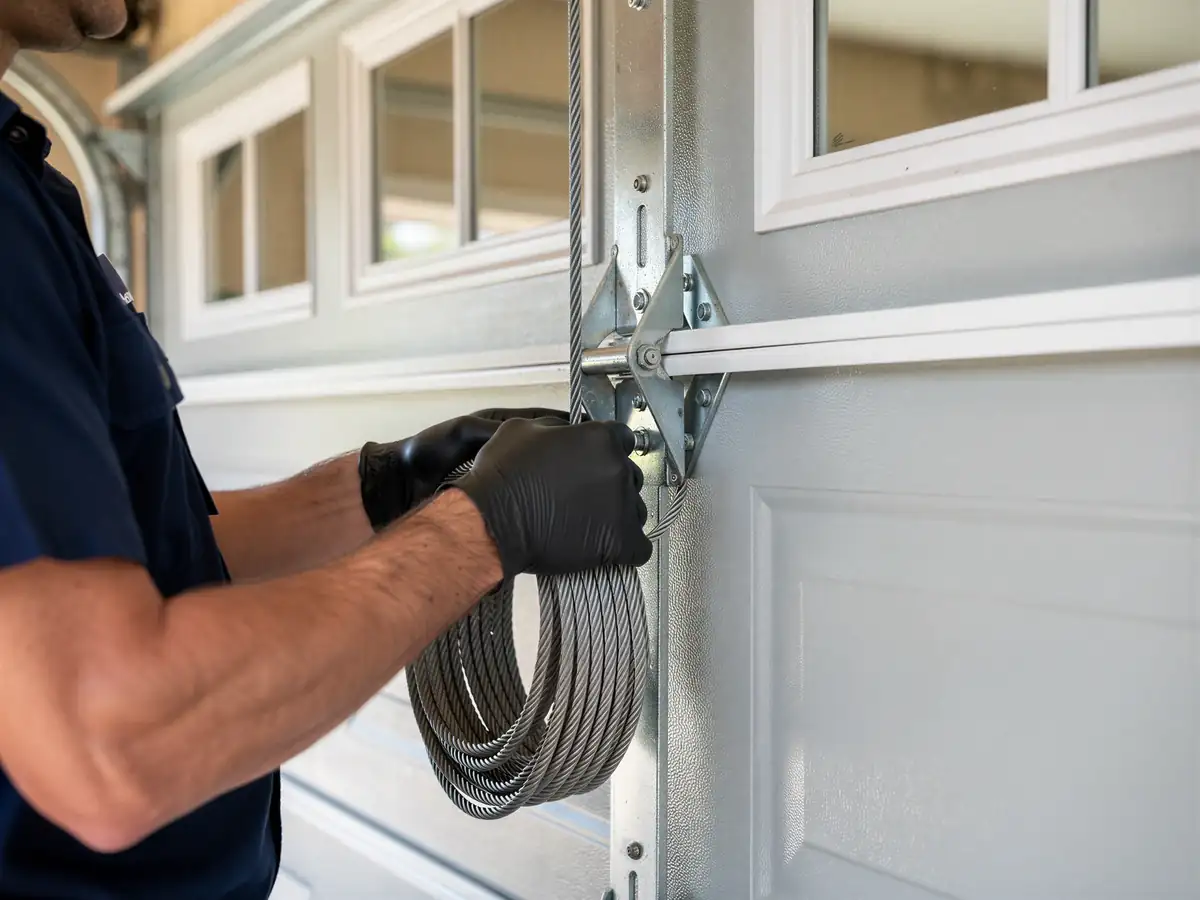
The bigger factor is the climate band this whole area sits in - cold, with real seasonal swings. Steel expands and contracts, cables stretch and re-seat, and torsion springs lose a bit of tension every winter they cycle through freeze and thaw. On a door from the mid-1970s, that's fifty years of cycles on hardware that was never meant to be adjusted once and forgotten. Rollers dry out, cable drums wear unevenly, and openers built before modern safety sensors start throwing codes or just stop reversing when they should.
We're not guessing at a street or a subdivision here - we don't have that detail for Des Peres - but the building-era pattern and the climate exposure are consistent enough to call out before a tech ever gets the truck loaded.
Where This Job Goes Sideways
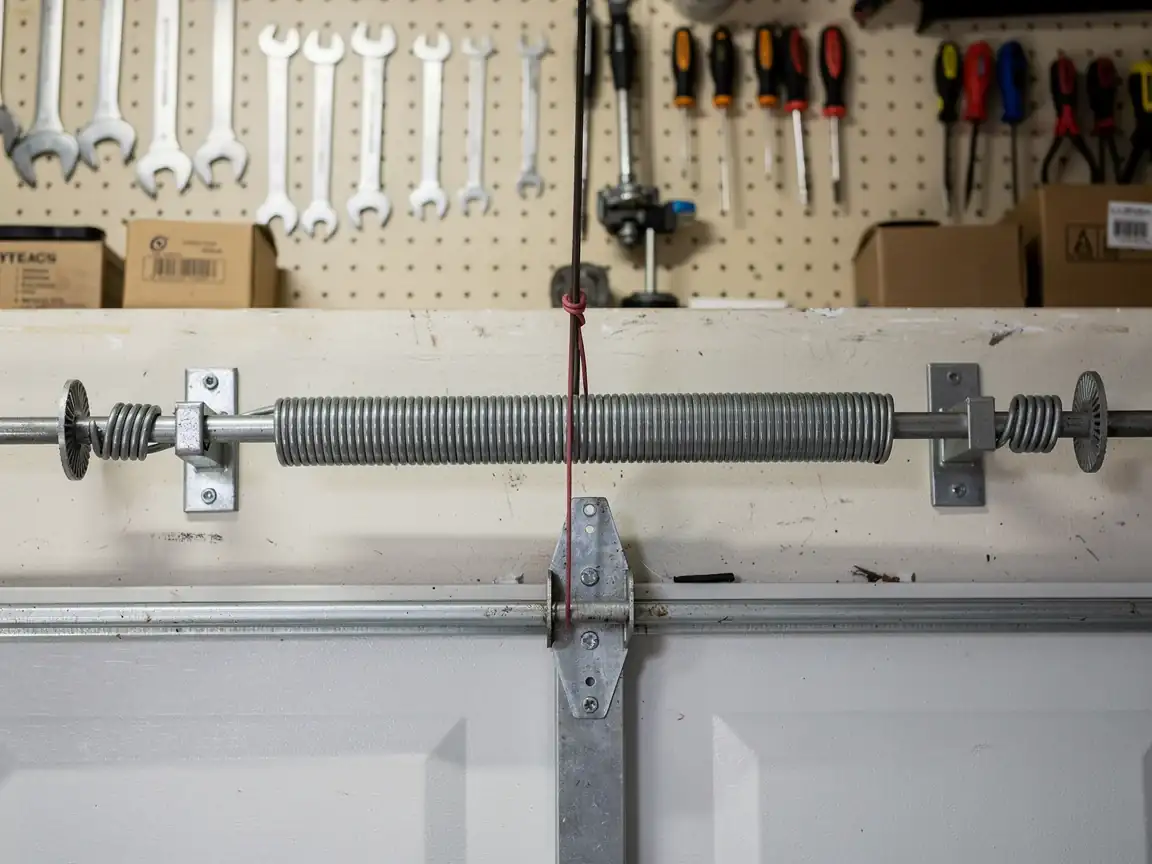
The common mistake on a 1970s-era door is treating a spring replacement as a five-minute swap because the hardware looks simpler than older torsion setups
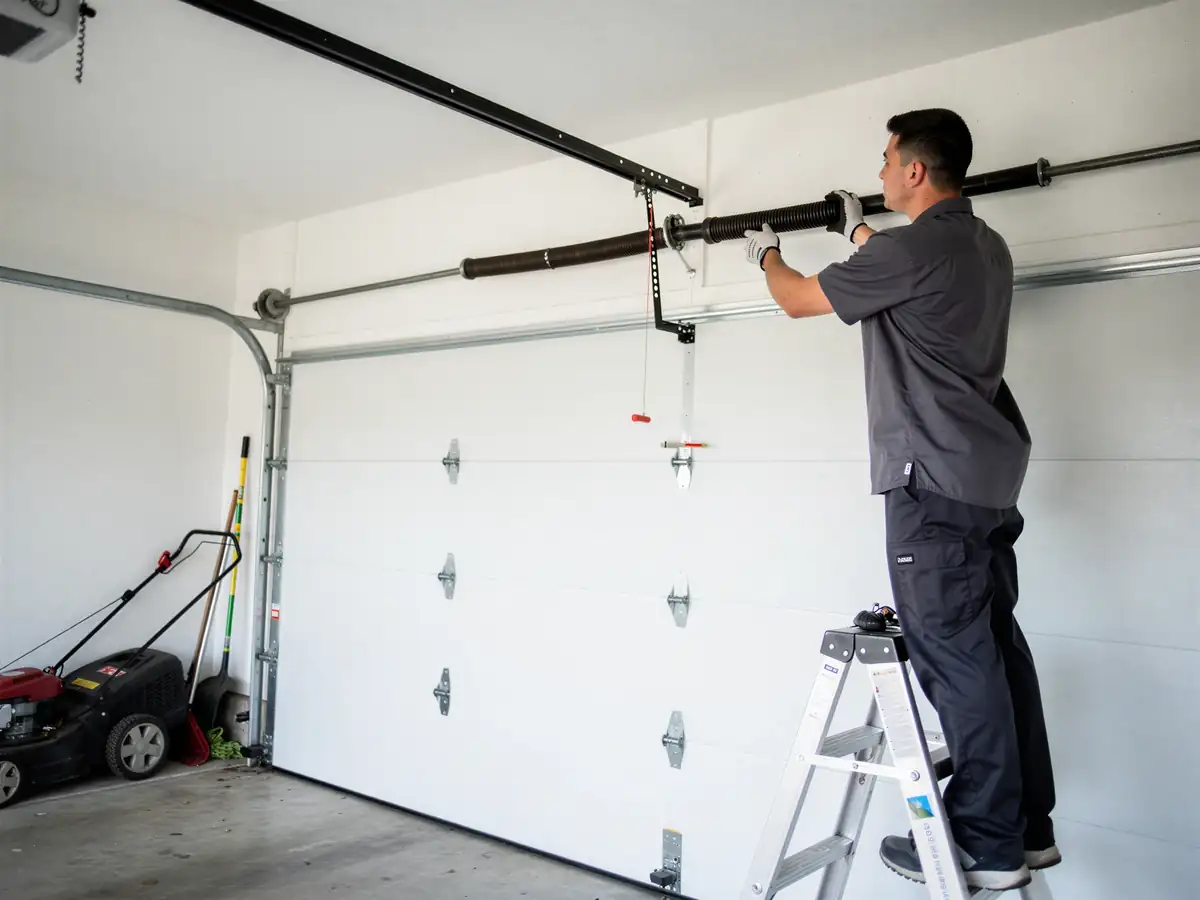
It isn't. Extension springs from that era are frequently under-sized for the door weight once insulation or a heavier replacement panel got added later, and swapping one spring without checking the other leaves a mismatched pair that wears unevenly and fails again within a year.
The other place this goes wrong is the opener
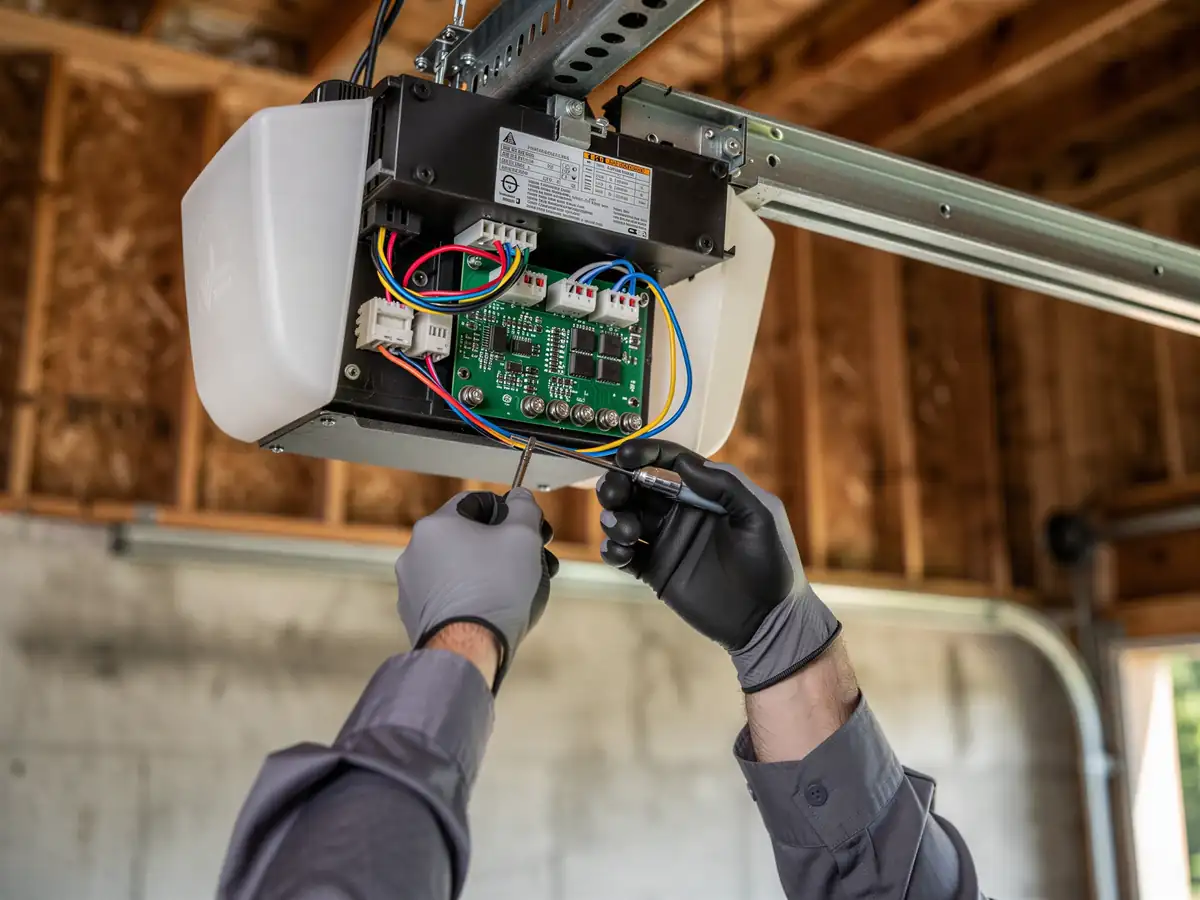
A door from 1975 has likely had at least one replacement opener installed since, and sometimes the mounting bracket or the travel limits were never properly reset for the new unit. That shows up as a door that reverses randomly or won't fully seat - and it gets misdiagnosed as a spring or track problem when it's actually a limit switch setting from a previous install.
Honest limitation: if the opener is original to the house, parts for it may simply not be made anymore
And we won't pretend otherwise. At that point replacement is the only real option, not a repair.
What It Costs
Des Peres carries a median household income of $214,167, well above the roughly $87,806 median across the wider service area. That gap matters for one specific decision: the repair-or-replace line sits in a different place here. In a lot of the area, a borderline door - cracked panels, an opener on its last legs, springs that keep failing - gets patched because a full replacement is a stretch on the budget. At Des Peres income levels, that calculus often flips, and a full door-and-opener replacement pencils out sooner than two or three repair visits on an aging unit.
We don't list prices here because every job depends on spring size, door weight, and what's actually failed, but we'll tell you plainly on site whether you're looking at a repair that holds or one that's buying time. With 3,220 households in Des Peres and a housing stock centered on 1975 construction, we see the same handful of failure points often enough to quote them straight, not pad the estimate with extra parts you don't need.
What the Fix Involves
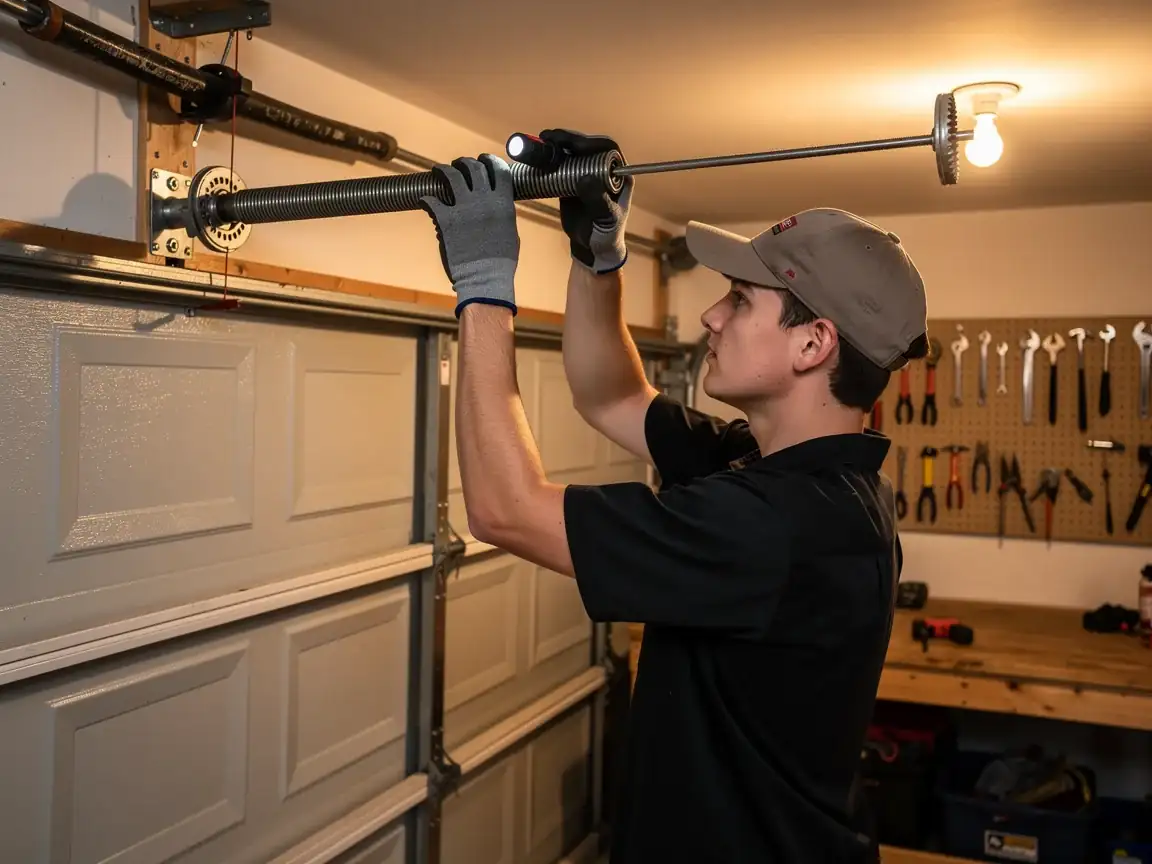
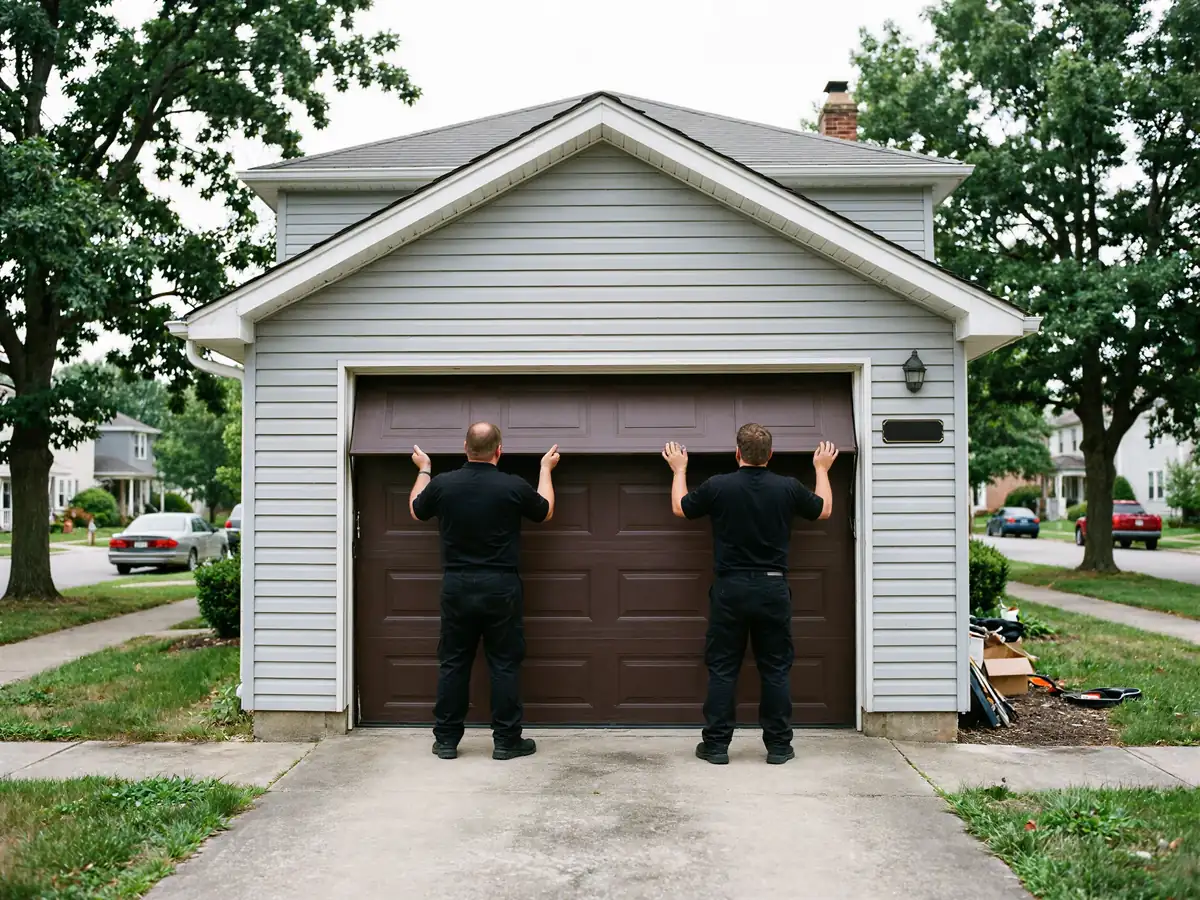
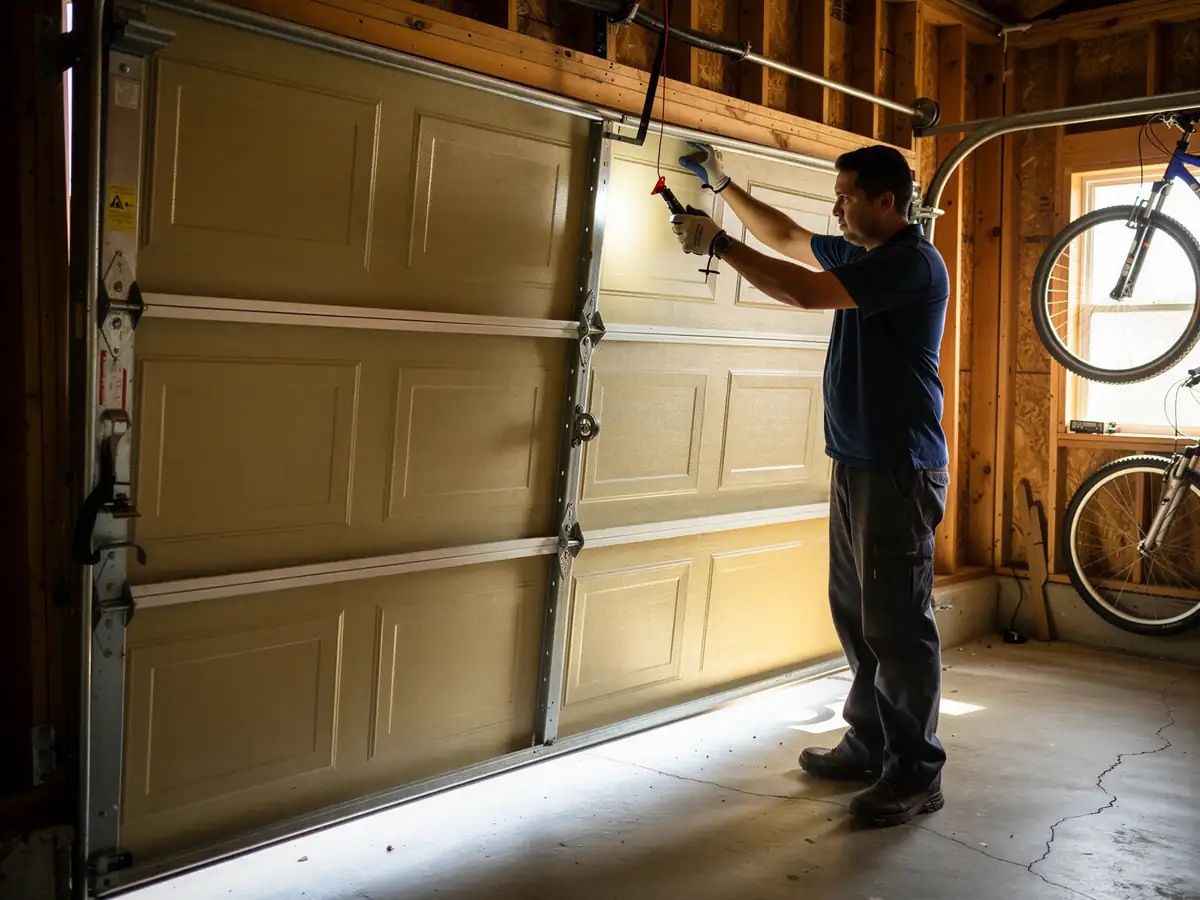
Once we're on site, the first thing we check on a door this age is spring balance - pulling the release and lifting the door by hand to see whether it holds position at waist height. If it drops or shoots up, that's your spring, and we'll match it to the door weight rather than just replacing with whatever was there, since mismatches are common after decades of ad-hoc repairs.
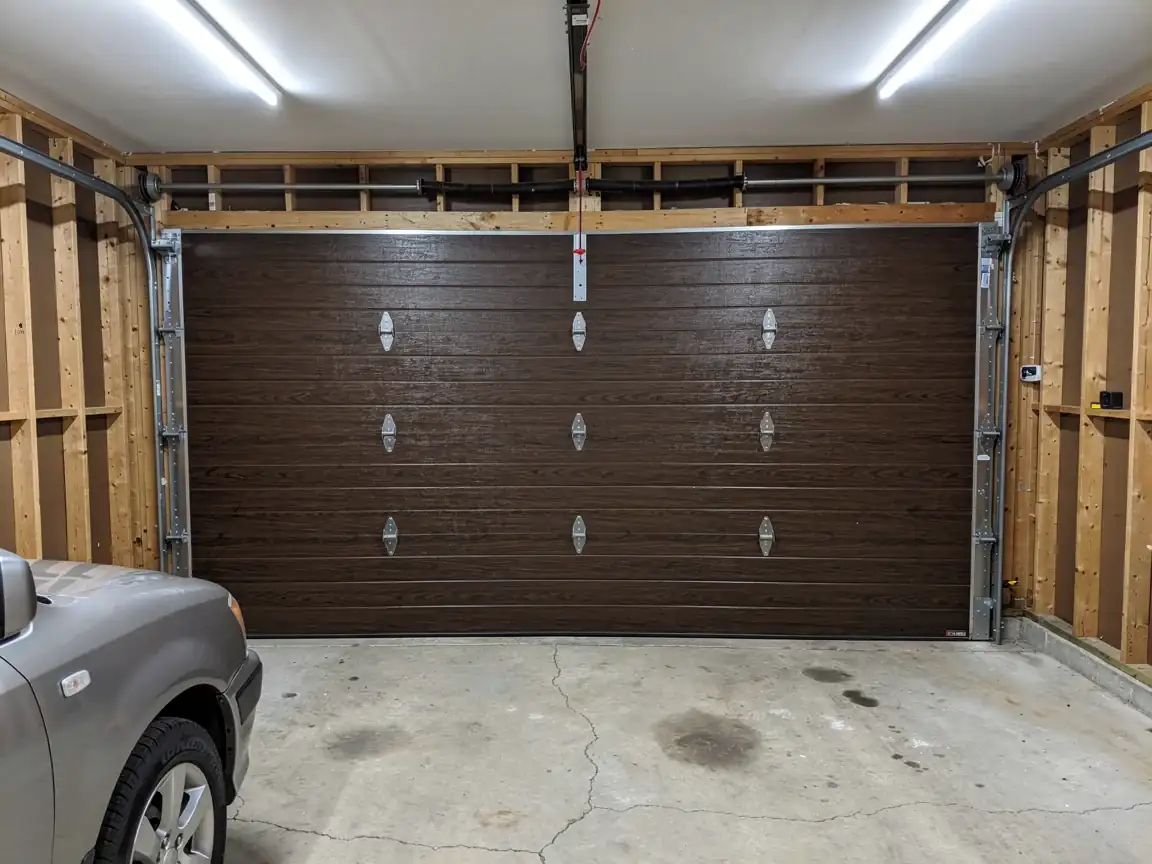
Next is the track and roller alignment. Steel tracks from the 1970s don't flex the way newer ones do, but decades of temperature swings in this climate band can rack them slightly out of true, which shows up as a door that binds or rattles halfway through its travel.
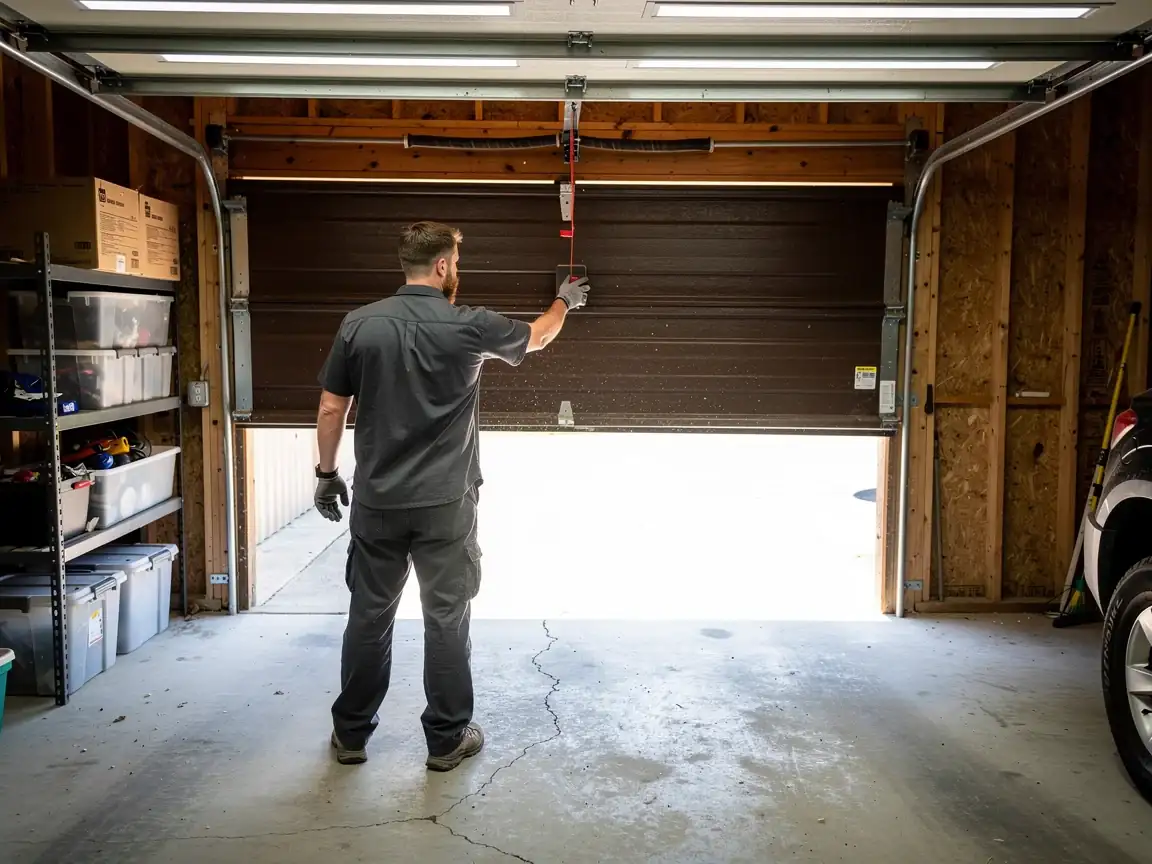
Last is the opener - testing the force settings, the limit switches, and the safety reversal, since a door that worked fine mechanically can still fail inspection or just be unsafe if the opener's settings haven't been touched since a prior install. We walk through each step with you before we start, not after the invoice.
Stocked Parts
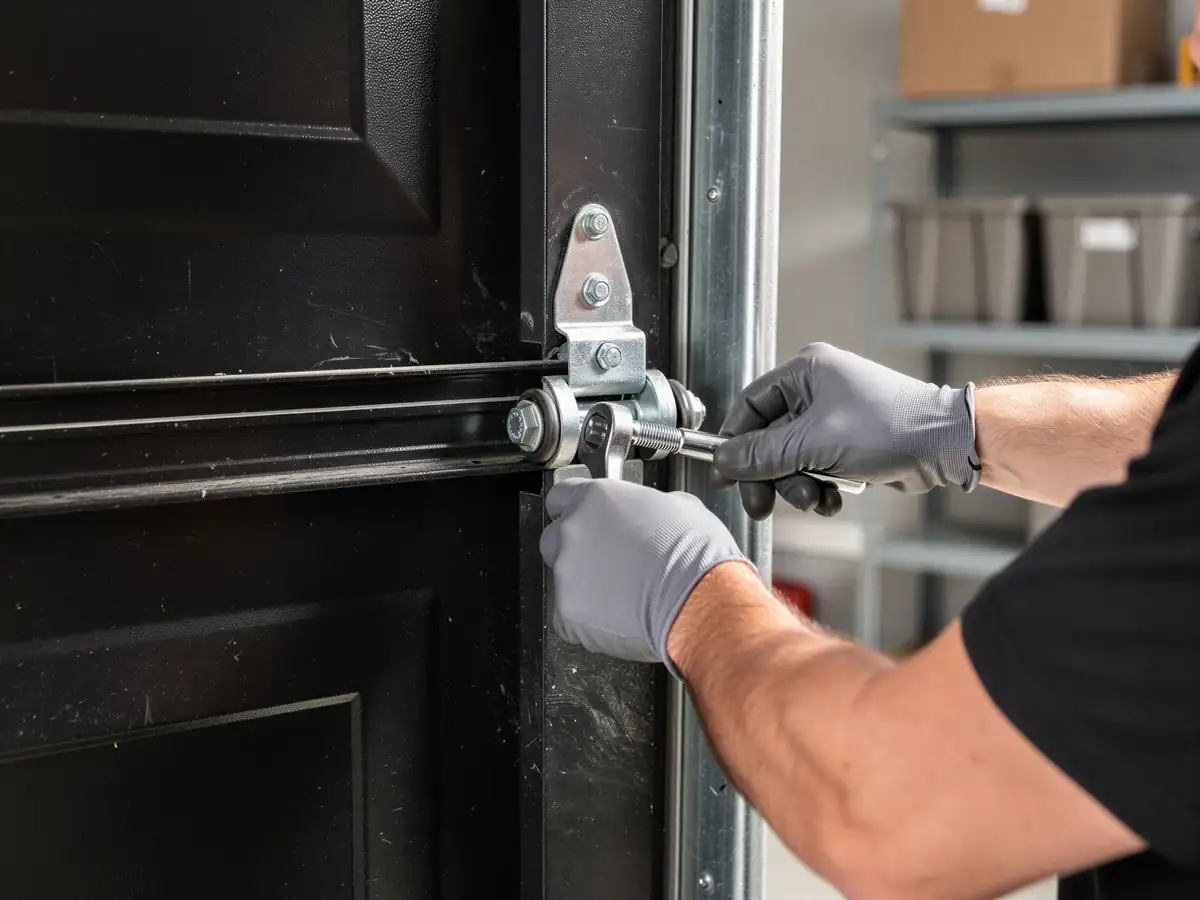
We carry common torsion and extension springs sized for doors in the 1960s-through-1970s construction range that makes up most of this area, along with standard rollers, cables, and hinges that fit that era's track systems
For a door built around 1975 in Des Peres, that covers the large majority of the calls we run here.
What we don't keep on the truck is anything proprietary to a discontinued opener model
If the unit is original to the house and the manufacturer's stopped making the circuit board, we'll say so and talk replacement rather than chase a part that may take weeks to source. That's the one honest gap in what we stock, and it's better to hear it on the first visit than after a delay.